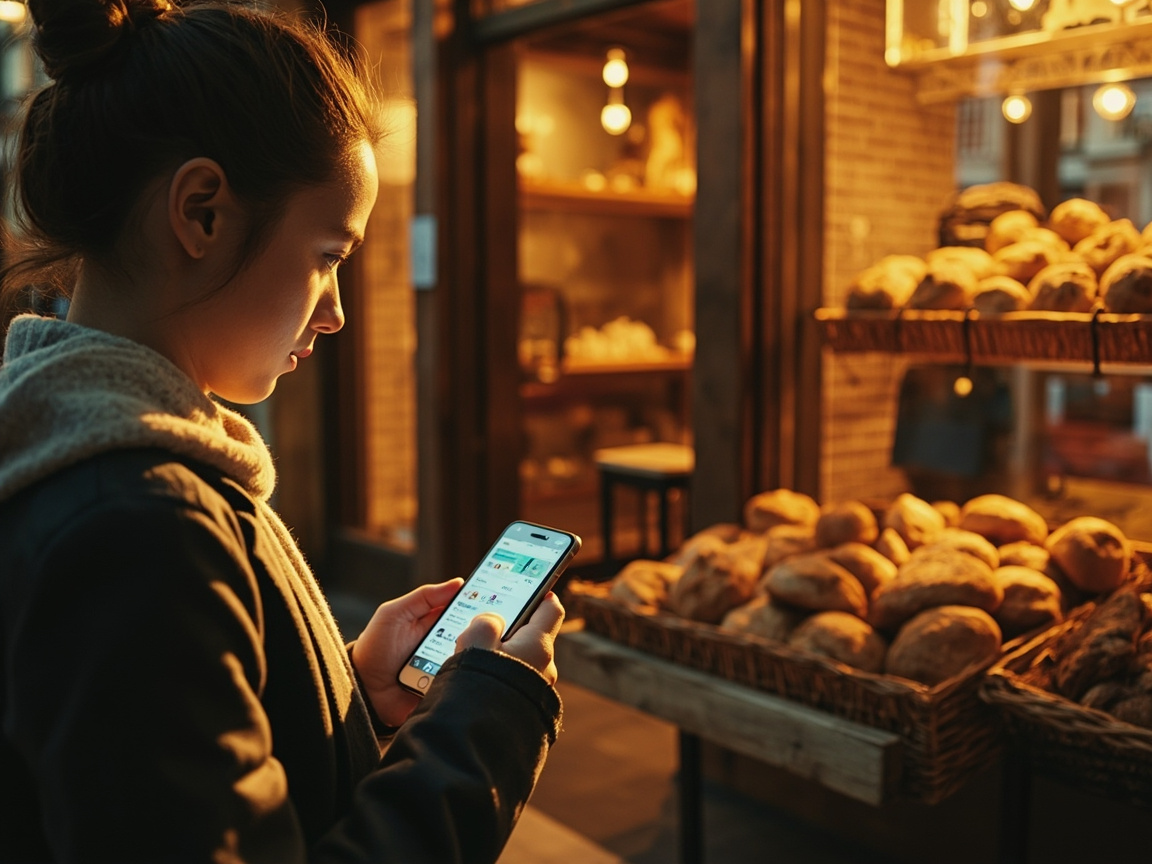
From Leftovers to Lifelines: How Apps Are Tackling Food Waste
Startups like Too Good To Go connect stores with hungry customers and help save millions of meals every year.
A Mountain of Surplus Food
Every year, roughly one-third of the food produced in the world is thrown away. Much of it is still perfectly good to eat, but supermarkets and restaurants have to follow strict rules about sell-by dates. The result is a huge surplus of bread, salads, and ready meals that are about to perish. Finding a way to tackle this waste has become one of the most urgent goals for environmental groups. For many years, charities and food banks were the only ones collecting these meals. Now, a new wave of technology startups believes it can help combat the problem at a much larger scale.
The Too Good To Go Model
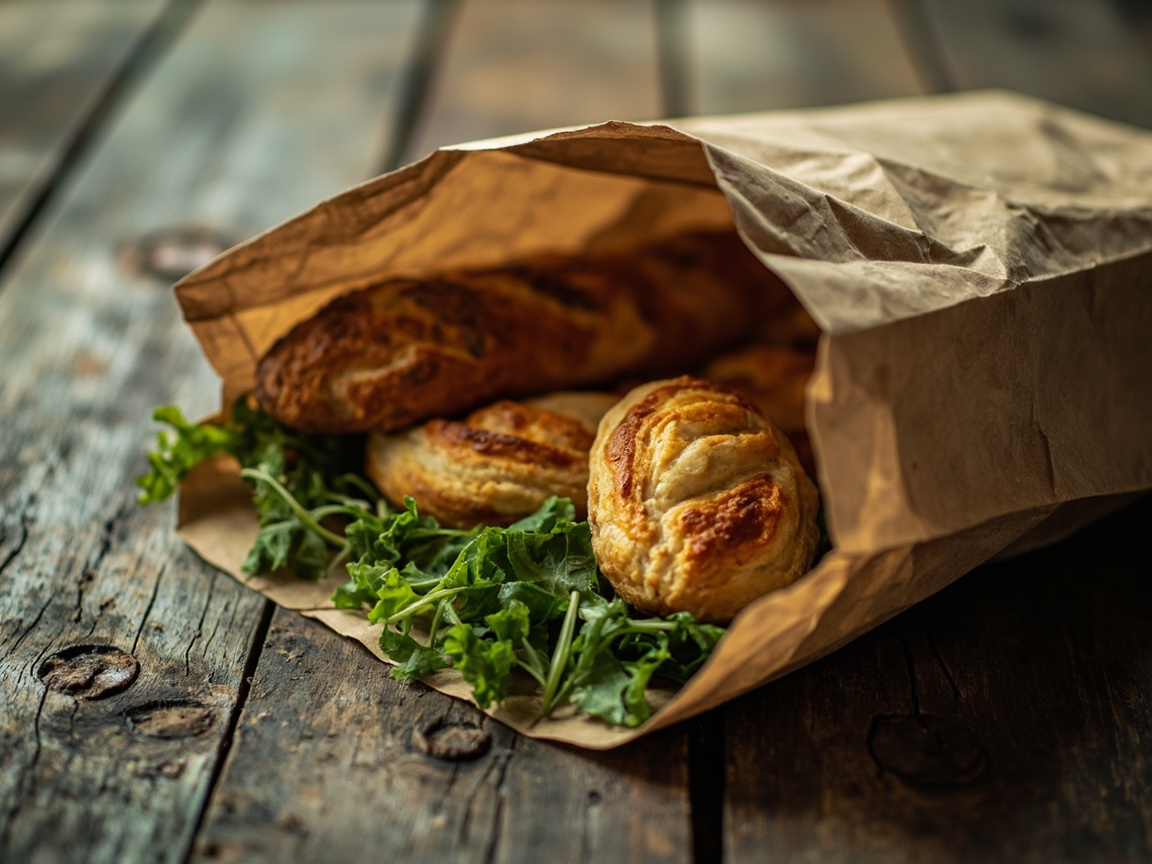
The Danish app Too Good To Go was launched in 2016, and its idea is refreshingly simple. Local bakeries, restaurants, and supermarkets list their unsold food at the end of the day, and nearby consumers can buy it at a discount. A bag of pastries might cost a few euros instead of the full price. Customers pick up their "magic bags" during a set time window, which keeps the operation fast and flexible. The app now operates in more than 17 countries and has helped save over 300 million meals from being thrown away.
A Growing Market of Solutions
Too Good To Go is not alone. Other apps such as Olio, Karma, and ResQ have joined the movement. Olio, for example, focuses on sharing leftovers between neighbours, while Karma works closely with retailers in Scandinavia. Many of these companies build their business on partnerships with big chains, and the initiative is spreading to hotels, canteens, and even airline caterers. Investors are also paying attention, pouring millions into the sector. Together, they are creating a new kind of market where waste becomes a resource.
The Numbers Behind the Impact
The results so far are impressive. Too Good To Go reports that it has saved the equivalent of 100,000 tonnes of CO2 emissions. According to the UN, if food waste were a country, it would be the third-largest emitter of greenhouse gases after the United States and China. Apps alone will not solve the crisis, but they offer an affordable and easy tool for both businesses and shoppers. Many users say the experience has also changed how they think about food in general. Surveys show that people who use these apps waste less at home too.

Concerns and Criticism
Not everyone is celebrating, however. Some critics argue that discount apps simply encourage consumers to wait for bargains rather than plan their shopping. Others worry that the apps may reduce pressure on supermarkets to order less in the first place. There is also the question of long-term sustainability: can a for-profit business model truly show real commitment to a mission that requires eating into its own profit? Too Good To Go responds that it is just one part of a much bigger system, and that any rescued meal is a step in the right direction.
The Road Ahead
The founders of Too Good To Go say they plan to expand into new markets and reach more rural areas where food choice is limited. Schools, hospitals, and even governments are beginning to sign up to similar platforms. The European Union has set a target to halve food waste by 2030, and apps are expected to play a key role. Whether technology alone can fix a problem rooted in culture and economics remains to be seen. Still, every saved loaf of bread feels like a small victory.
اختبر نفسك
-
1When was the app Too Good To Go launched?
The article states that the Danish app Too Good To Go was launched in 2016.
-
2What do customers receive when they use the app?
The article explains that customers pick up surprise 'magic bags' containing unsold food from local shops.
-
3How many countries does Too Good To Go operate in, according to the article?
According to the article, the app now operates in more than 17 countries.
-
4Which of the following is a criticism of the food-waste apps mentioned in the article?
The article notes that some critics argue the apps simply encourage consumers to wait for bargains rather than plan their shopping.
-
5What target has the European Union set for food waste?
The article mentions that the European Union has set a target to halve food waste by 2030.