The Joy of Owning Less: Inside the Minimalism Movement
A B2-level look at why people are choosing to live with fewer things — and what they find on the other side.
From Clutter to Clarity: A Modern Shift
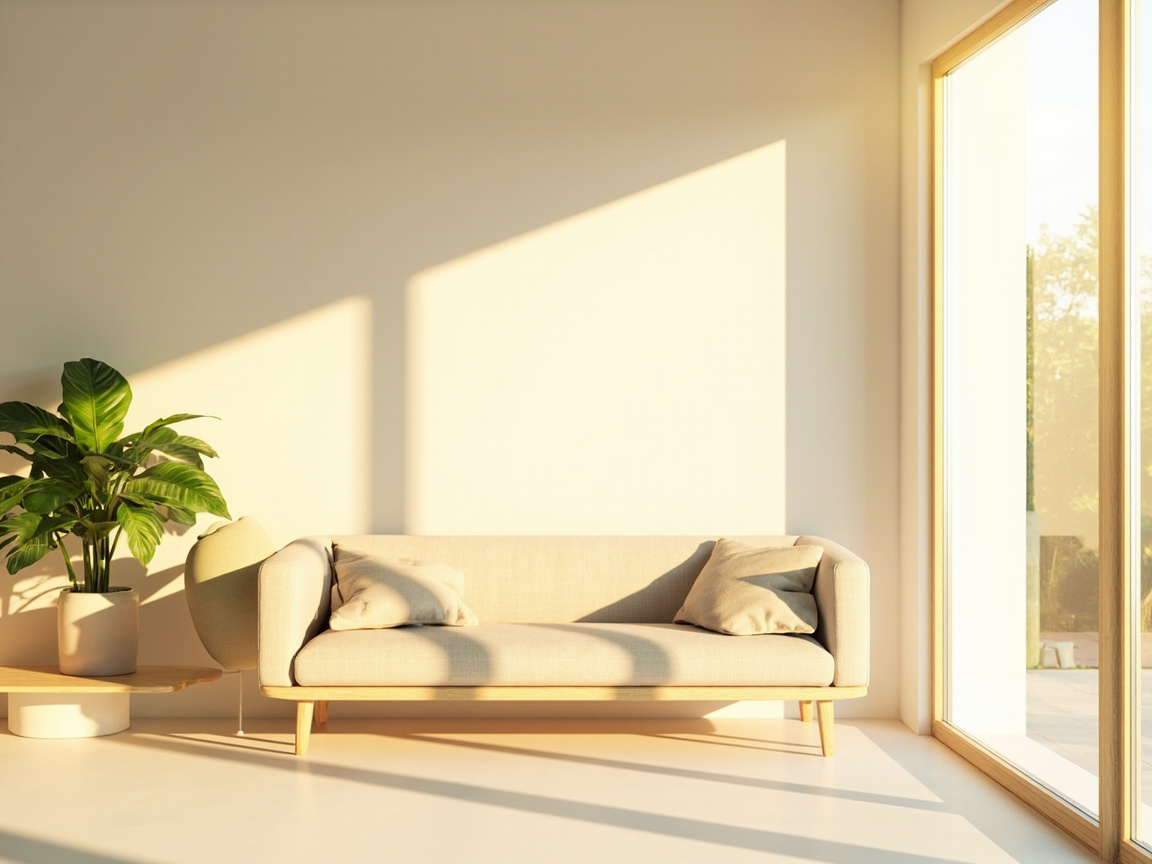
Across the world, growing numbers of people are quietly turning their backs on the idea that more is better. Tiny homes, capsule wardrobes, and empty shelves are no longer just design trends — they are signs of a deeper cultural shift. A growing community is choosing to declutter their homes, simplify their routines, and rethink their relationship with possessions. For many, this is not about losing something; it is about making room for what truly matters.

The Philosophy of Less
At its heart, minimalism is less about empty rooms and more about a way of thinking. It asks a powerful question: if we already have enough, why do we keep wanting more? Influential writers like Joshua Fields Millburn and Marie Kondo have helped spread a philosophy that celebrates contentment over excess. The movement pushes back against modern consumerism, encouraging people to buy less and live more deliberately.
The 100 Things Challenge
One popular way to begin is the "100 Things Challenge," where people limit their personal belongings to around one hundred items. While the number is not the point, the exercise can be eye-opening. Many participants report feeling lighter, freer, and more focused after removing clutter from their lives. The challenge is entirely voluntary, and most people adapt the rules to suit their own values and lifestyles.
The Emotional Side of Decluttering
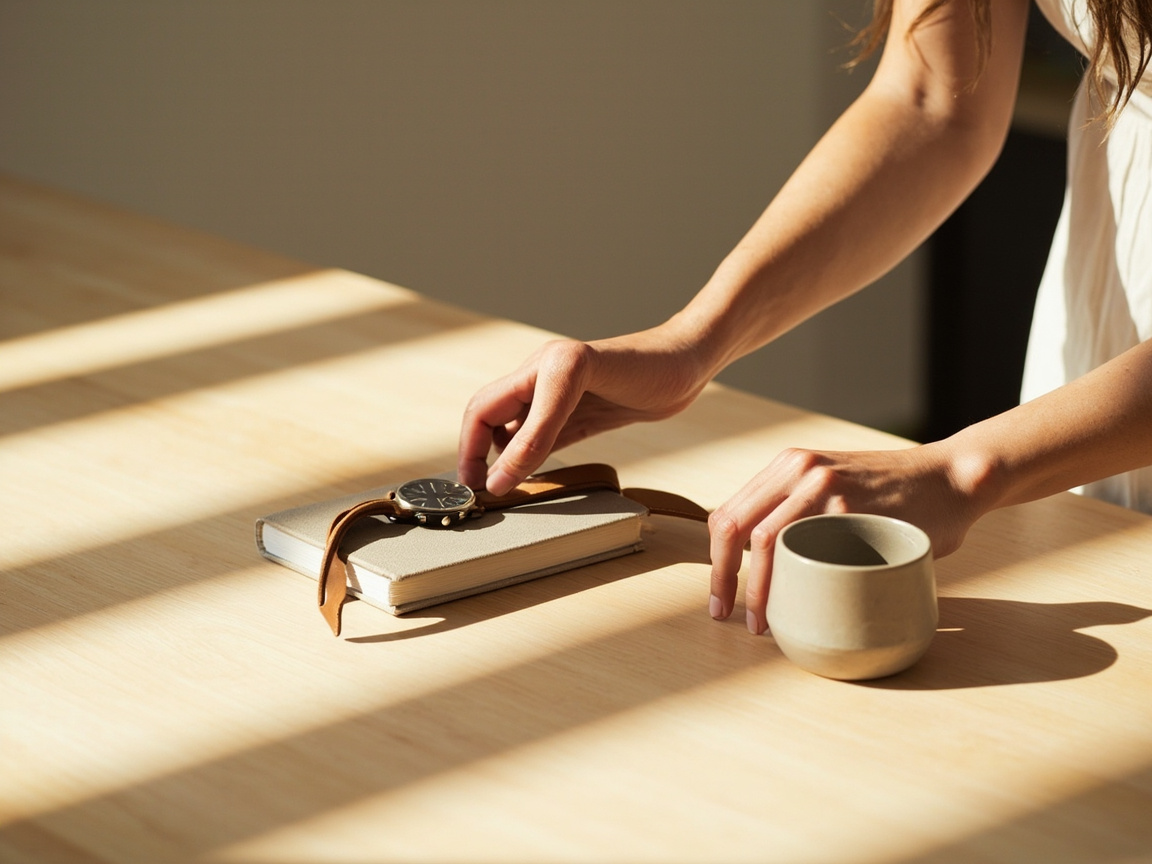
Letting go of objects is rarely as simple as it sounds. Old gifts, family photos, and "just-in-case" items can carry strong attachment that is hard to break. That is why many minimalists approach the process with mindfulness, taking time to reflect on what each object really means. The result is often a surprising sense of liberation — and a clearer picture of who they are without all the noise.
Beyond Stuff: Mindful Living
Minimalism is not only about objects. Many followers connect it to broader ideas of sustainability, intentional living, and digital well-being. A cleaner space, supporters argue, leads to a calmer mind and more time for relationships, hobbies, and rest. In a world that constantly pushes us to buy, swipe, and accumulate, choosing less can feel quietly radical.
اختبر نفسك
-
1According to the article, what is minimalism mainly about?
The article states that minimalism is 'less about empty rooms and more about a way of thinking.'
-
2What is the main idea behind the 100 Things Challenge?
The article explains that the challenge involves limiting 'personal belongings to around one hundred items.'
-
3Why can decluttering be emotionally difficult for many people?
The article notes that old gifts and personal items 'can carry strong attachment that is hard to break.'
-
4Beyond a tidier home, what wider benefits does the article link to minimalism?
The article connects minimalism to 'broader ideas of sustainability, intentional living, and digital well-being.'
-
5How do many minimalists describe the feeling after they let go of things?
The article says the process often brings 'a surprising sense of liberation — and a clearer picture of who they are.'