Do Mega-Events Help or Hurt Cities?
World Cups and Olympics promise glory — but who pays the bill afterwards?
The Bright Lights of Mega-Events
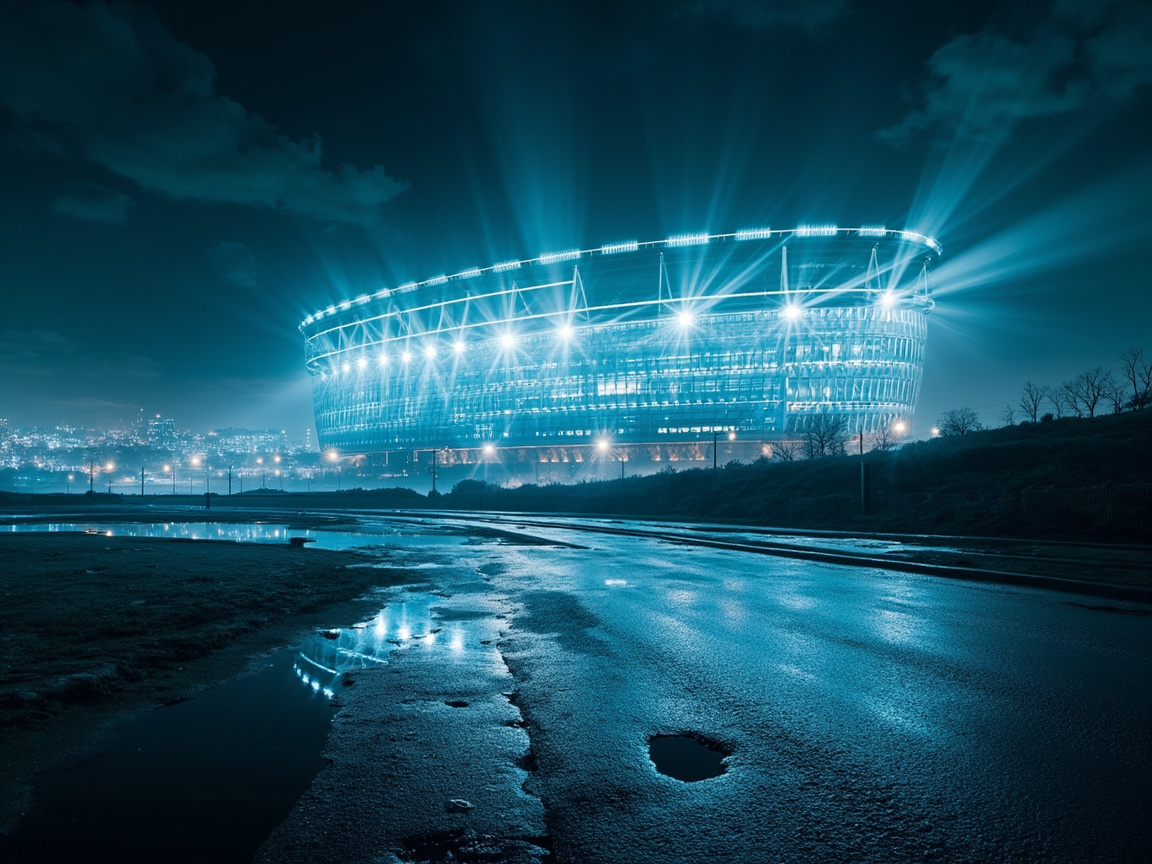
Every four years, the world's attention turns to a single city. The Olympic Games and the FIFA World Cup are mega-events that bring together athletes, fans, and cameras from nearly every country. Host cities promise new stadiums, modern transport, and a global spotlight that will boost tourism for decades. Supporters say the excitement creates jobs and national pride. Yet the same spotlight also brings closer scrutiny of every decision made behind the scenes.
Counting the Bill
Putting on a show of this size is rarely cheap. Organisers often announce a budget, but final costs tend to climb much higher than planned. The 2014 World Cup in Brazil, for example, ended with a debt of around 800 million dollars for several host cities. When ticket sales and tourism revenue fall short, taxpayers are usually left to cover the difference. Researchers warn that the true cost may not appear for many years, hidden in loans and maintenance fees.
Communities Pushed Aside
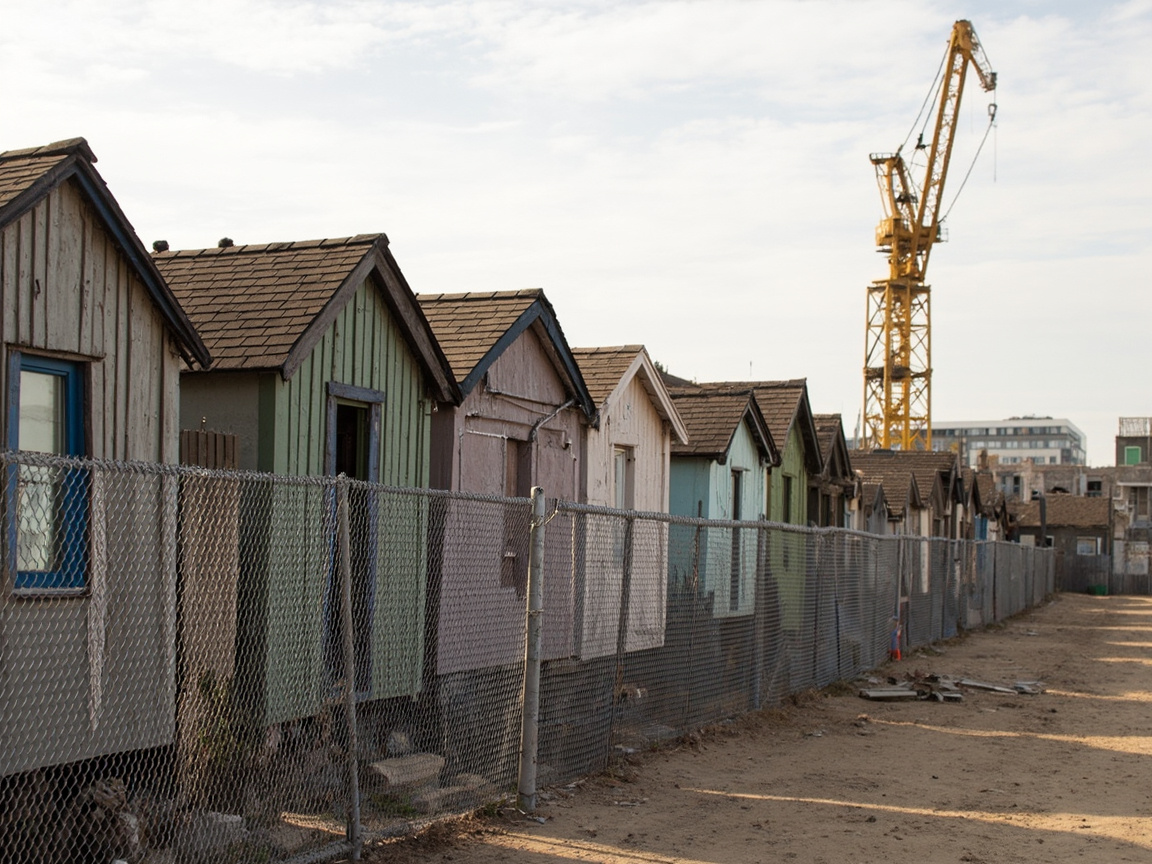
Before the cameras arrive, bulldozers often do. In cities from Rio de Janeiro to Athens, low-income neighbourhoods have been removed to make room for stadiums and roads. This process, called gentrification, can also lead to the displacement of long-time residents who can no longer afford rising rents. Local stakeholders — including small shop owners and community groups — frequently report that their voices are ignored during planning. The result is a city that looks shiny on television but has lost part of its everyday life.
A Lasting Legacy — or Empty Seats?
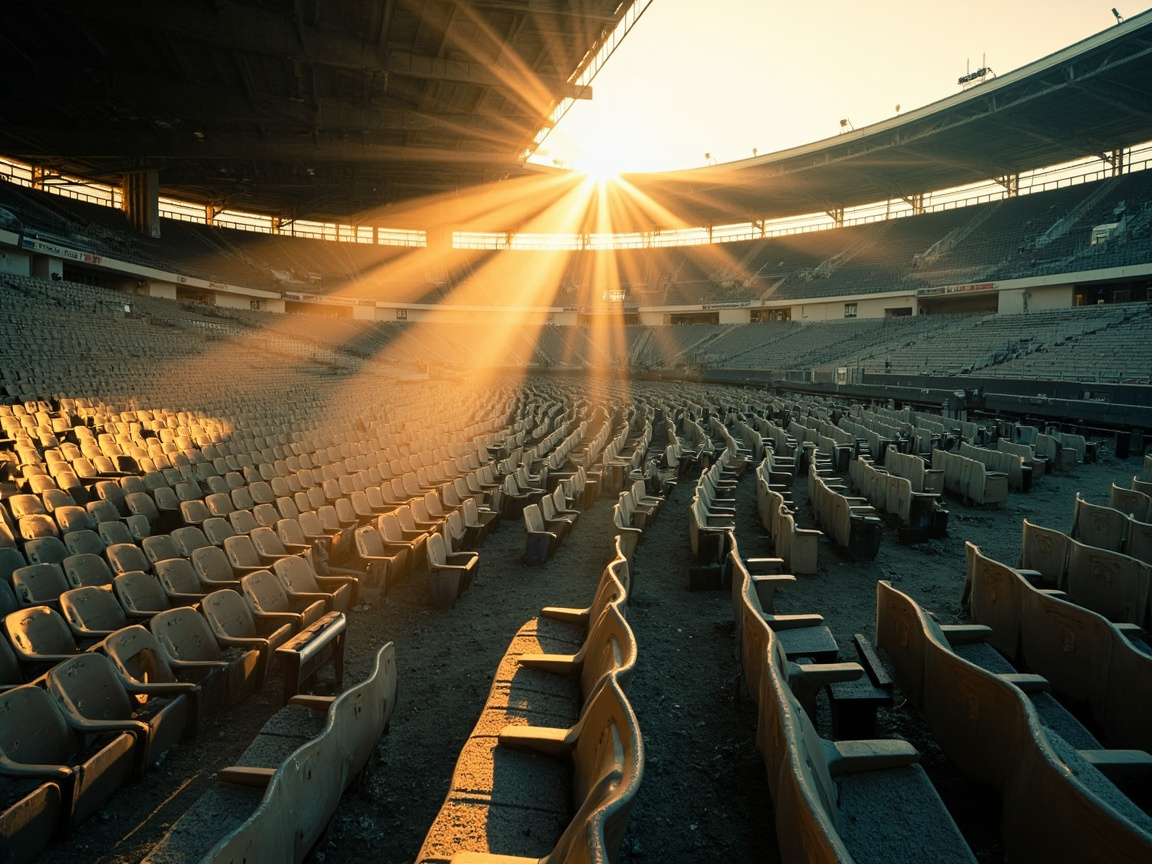
Supporters argue that new infrastructure, from airports to metro lines, can serve citizens long after the closing ceremony. In some cases, that legacy is real: Barcelona's 1992 Olympics transformed neglected waterfront areas into popular public spaces. In others, however, stadiums sit half-empty a few years later, costing millions to maintain. The challenge is making sure benefits do not just favour tourists, but also the people who live there year-round.
Weighing the Balance
So do mega-events help or hurt cities? The honest answer may be: it depends. When planning is open, budgets are honest, and communities are included, the rewards can outweigh the risks. When decisions are made in secret and costs spiral, the event becomes a controversy that lingers long after the medals are handed out. For every future host, the lesson is the same: the world is watching, and so are the people who call the city home.
اختبر نفسك
-
1What is the main question the article explores?
The article directly asks whether hosting mega-events brings more benefits than problems to a city.
-
2According to the article, the 2014 World Cup in Brazil…
The article states the 2014 World Cup ended with a debt of around 800 million dollars for several host cities.
-
3What two words does the article use to describe what happens when low-income neighbourhoods are removed?
The article links gentrification and the displacement of long-time residents to the removal of poor neighbourhoods.
-
4Which city is mentioned in the article as a positive example of Olympic legacy?
The article praises Barcelona's 1992 Olympics for transforming neglected waterfront areas into popular public spaces.
-
5According to the article, when can the rewards of a mega-event outweigh the risks?
The article states that open planning, honest budgets, and included communities are the conditions for success.