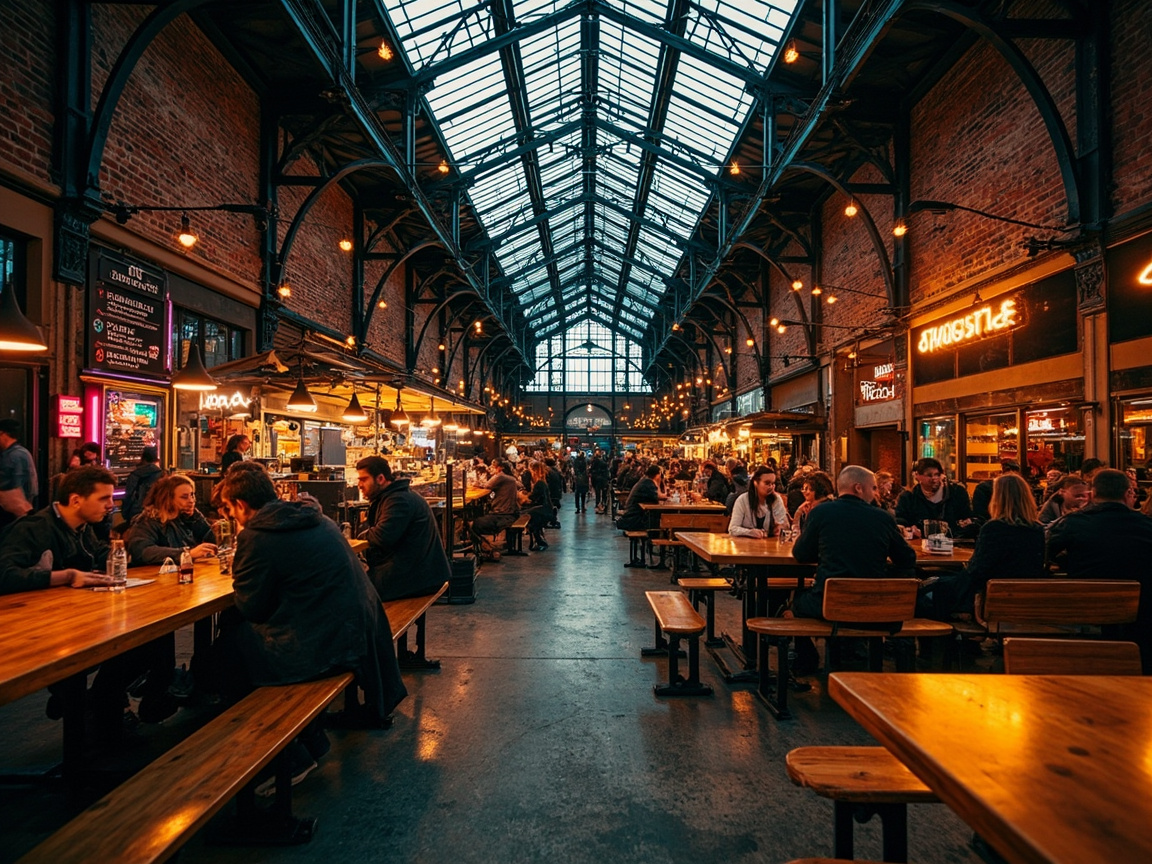
Food Halls: The New Town Square
How old market halls are being reborn as vibrant, communal dining destinations.
From Wholesale to Wonderful
For more than a century, covered market halls were the beating heart of European cities. In the 19th century, iron-and-glass pavilions were built so that farmers, butchers, and fishmongers could sell their goods in any weather. After World War II, however, many of these grand spaces fell into decline as supermarkets took over. Today, a wave of revitalized projects is bringing them back to life — not as wholesale warehouses, but as bustling food halls where the public comes to eat, drink, and socialize.
The Town Square Reborn
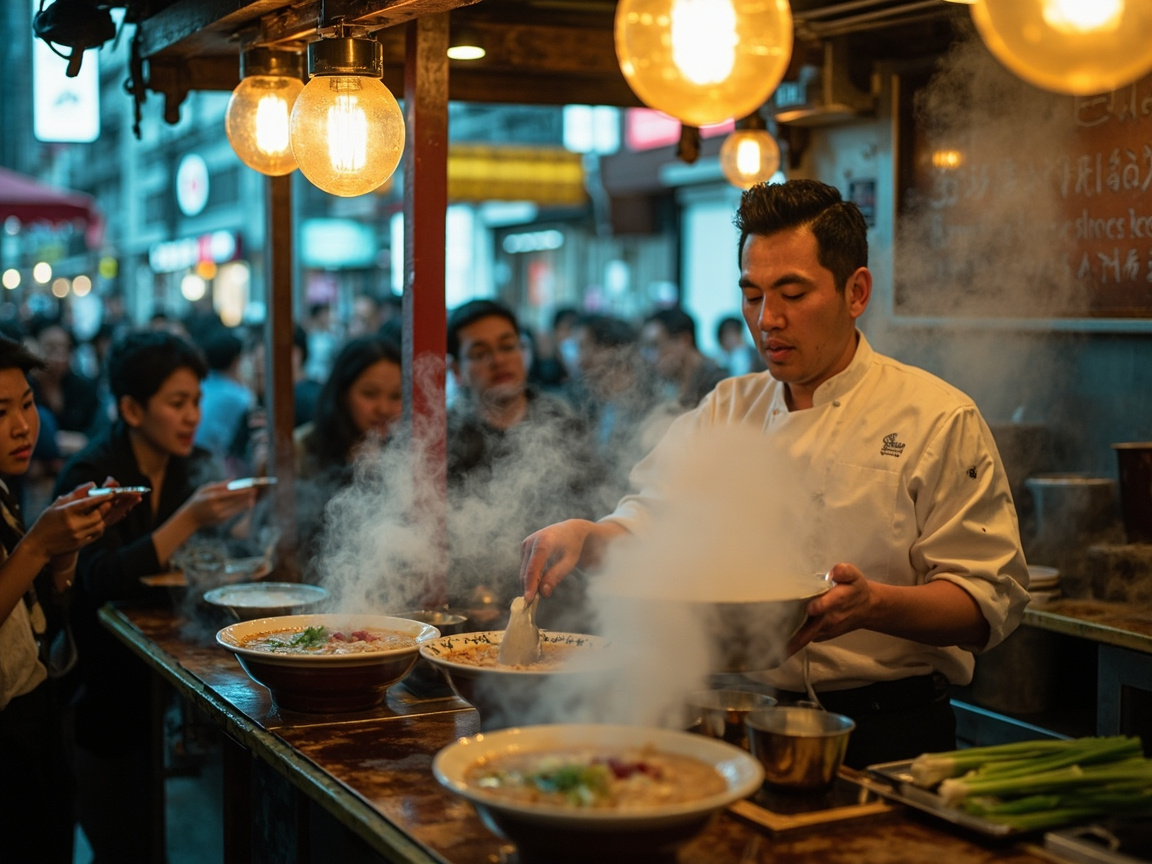
A food hall is more than a place to grab a meal. With long shared tables, open kitchens, and warm lighting, it functions as a modern communal living room for the city. Strangers mingle over steaming dumplings, while locals debate the best artisan cheese on the menu. Designers are careful to keep the original heritage features — exposed brick, vaulted ceilings, cast-iron columns — so visitors feel the weight of history even as they enjoy something new.
A Playground for Chefs
For young cooks, a food hall stall is often the first step toward running a full restaurant. The lower start-up costs and built-in foot traffic make these venues powerful business incubators. A single chef might launch a ramen bar one season and a Vietnamese bánh mì counter the next, testing menus and building a loyal following. This flexible model encourages an eclectic mix of culinary traditions under one roof, from Korean barbecue to Sicilian cannoli.
A Feast for the Senses
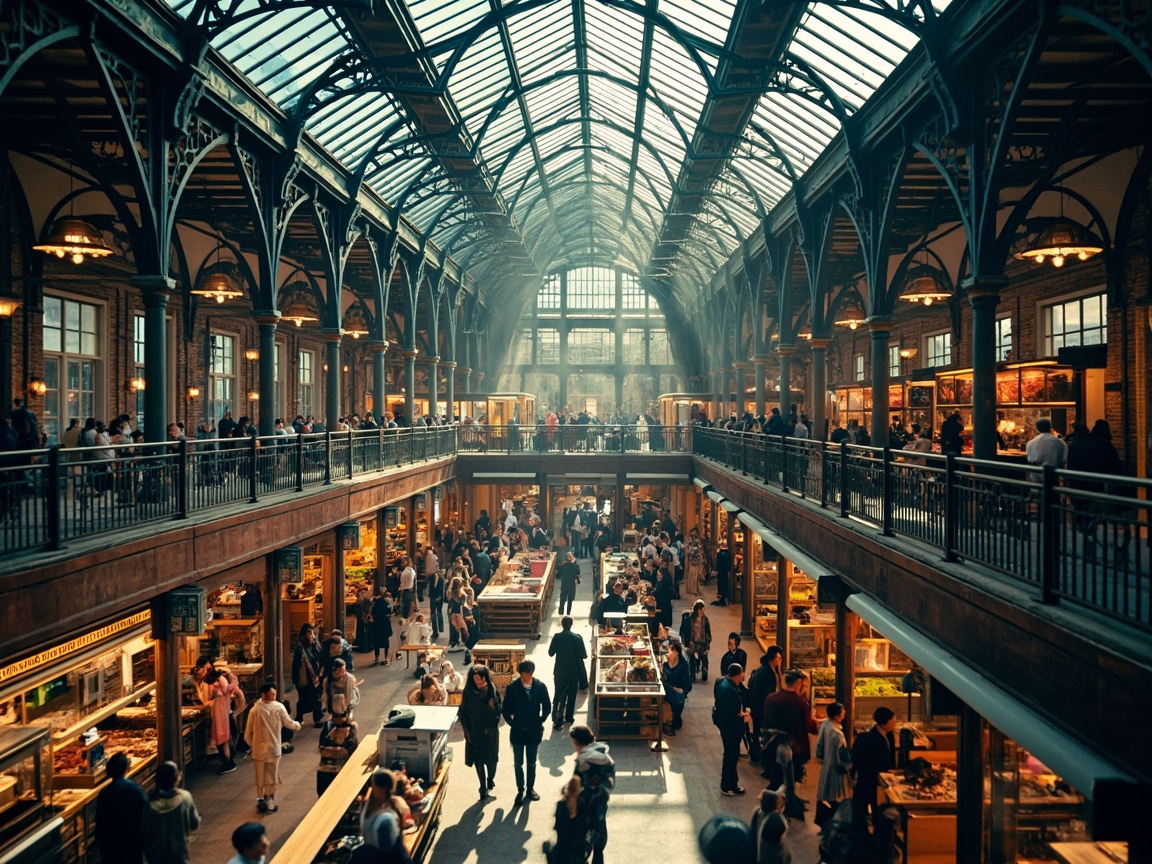
Walk into any successful food hall and the ambiance hits you first: the sizzle of grills, the chatter in several languages, the smell of freshly baked bread. Architects describe it as a kind of theatre of gastronomy. Sound-absorbing materials prevent the noise from becoming overwhelming, while careful lighting turns each stall into a small stage. The result is a trendy destination that still feels welcoming, the kind of place people return to again and again.
Tension at the Table
The resurgence of food halls is not without controversy. Critics argue that the polished reinvention of historic markets often drives up nearby rents, contributing to gentrification and pushing out the very communities the buildings once served. Some cities now require operators to reserve stalls for long-time local vendors or to keep prices affordable. The challenge is to balance profit with purpose, so the town square of the 21st century remains open to everyone.
اختبر نفسك
-
1What were 19th-century market halls originally built for?
The article explains that the iron-and-glass pavilions were built so farmers and traders could sell their goods protected from the weather.
-
2What is one criticism of the modern food hall trend mentioned in the article?
Critics argue that reinventing historic markets often raises nearby rents, pushing out the original local communities.
-
3Why are food halls considered useful places for new chefs?
The article describes food halls as business incubators thanks to their lower costs and steady foot traffic.
-
4Which features do designers try to preserve in revitalized food halls?
Designers keep the historic brick, vaulted ceilings, and iron columns so visitors can feel the building's history.
-
5What solution do some cities use to keep food halls inclusive?
The article notes that some cities now require operators to reserve stalls for locals or keep prices accessible to everyone.