
Fermentation: The Oldest Food Tech Returns
Kimchi, kefir and kombucha are turning ancient preservation into the food world's most surprising trend.
A Taste That Time Forgot
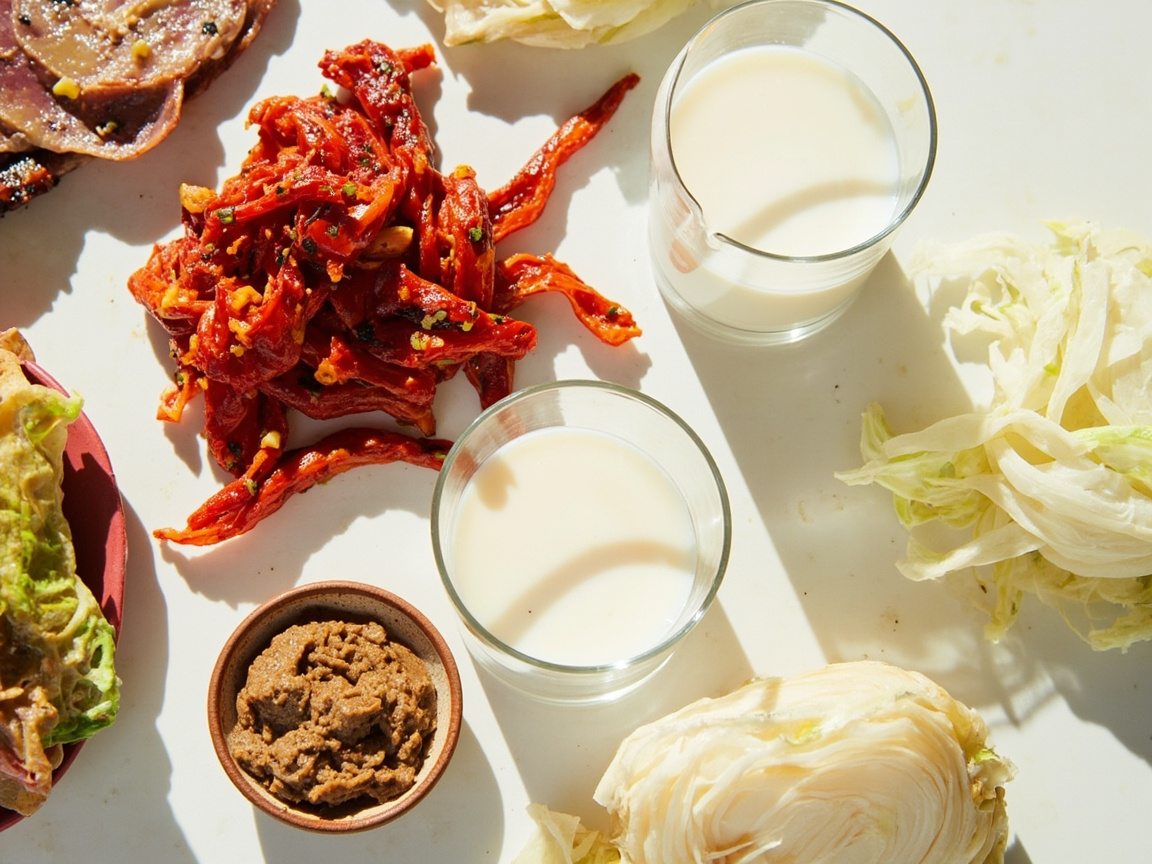
For thousands of years, humans have used fermentation to keep food safe and tasty. Long before refrigerators existed, families passed down recipes for kimchi, sauerkraut, kefir and miso from generation to generation. Today, these traditional foods are appearing in trendy cafés, supermarkets and cooking shows around the world. What was once a simple method of preservation is now one of the hottest trends in modern cuisine.
The Tiny Workers Behind the Magic
At the heart of every jar of pickles or bottle of kombucha sits an invisible workforce: bacteria and yeast. These microbes feed on sugars and produce acids, gases and new compounds that change the texture and flavor of food. The result is a tangy, sometimes fizzy product full of living cultures. Unlike many industrial processes, fermentation needs no factories, only time, salt and the right temperature.
A Gut Feeling: Health Benefits
Scientists are now studying how fermented foods interact with our bodies. Many contain probiotics, which are helpful bacteria that may support digestive health and a stronger immune system. Fermentation can also increase the levels of certain nutrients and make them easier for the body to absorb. While the research is still developing, many nutritionists suggest adding a small serving of fermented food to daily meals.
Traditional Roots, New Audiences
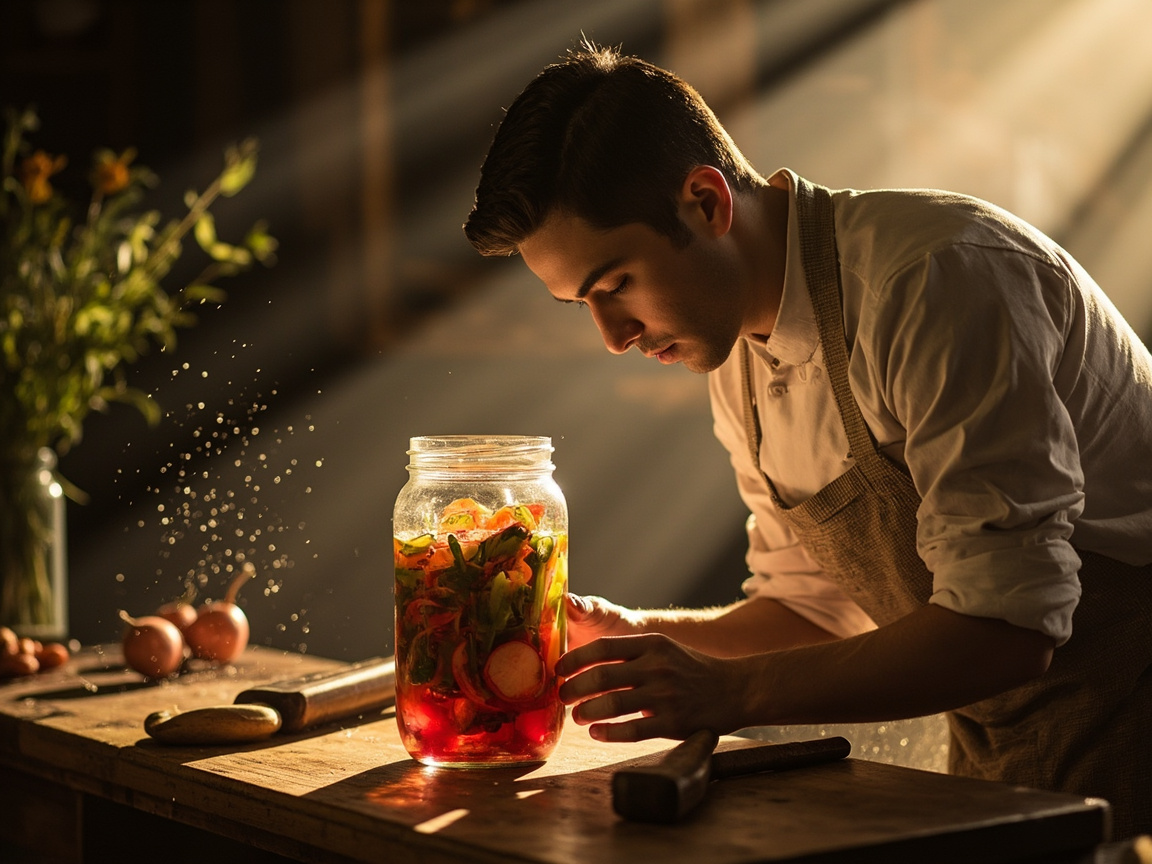
Small producers and home cooks are leading a quiet revival of traditional recipes. Workshops on how to make kimchi or kombucha sell out within hours, and online videos attract millions of curious viewers. This craft movement is also connected to a wider interest in sustainable living, as fermentation reduces food waste and uses very little energy. Brands are taking notice, launching new lines that celebrate regional flavors and old techniques.
The Business of Bubbles
The global market for fermented foods is growing quickly, with kombucha alone worth several billion dollars. Supermarkets now stock shelves full of kefir drinks, vinegars and pastes once considered exotic. Investors and chefs agree that the next big flavor will likely come from an ancient jar. For consumers, the appeal is simple: food that is good for you, good for the planet, and full of character.
اختبر نفسك
-
1What did families use fermentation for long before refrigerators existed?
Section 1 explains that humans used fermentation for thousands of years to keep food safe and tasty.
-
2According to the article, what do microbes do during fermentation?
Section 2 says microbes feed on sugars and produce acids, gases and new compounds.
-
3What are probiotics, according to the article?
Section 3 defines probiotics as helpful bacteria that may support digestive health.
-
4Why is the fermentation trend connected to sustainable living?
Section 4 links the craft movement to sustainable living because fermentation reduces waste and uses little energy.
-
5How much is the global kombucha market worth, according to the article?
Section 5 states that kombucha alone is worth several billion dollars.