Semantic Drift: Words That Changed Meaning
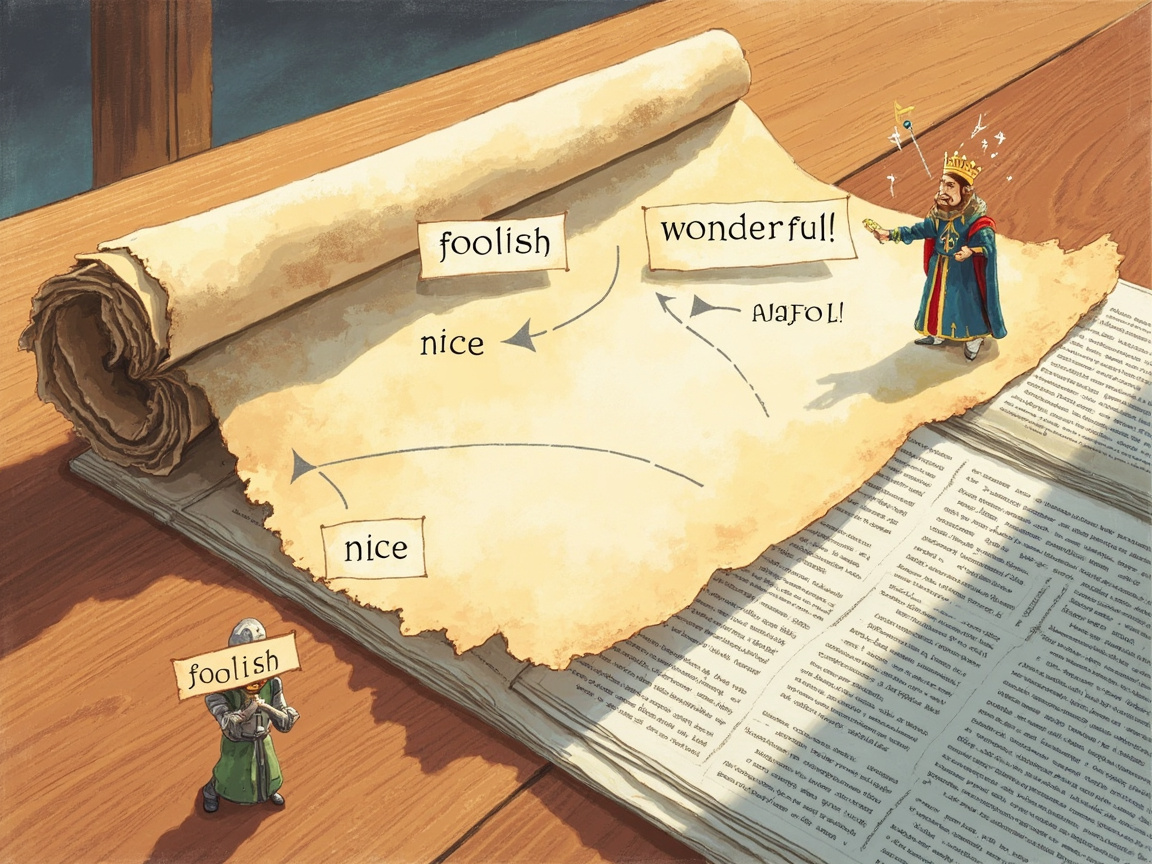
From 'nice' meaning foolish to 'awful' meaning awesome — how meaning quietly slips through the centuries.
The Slow River of Language
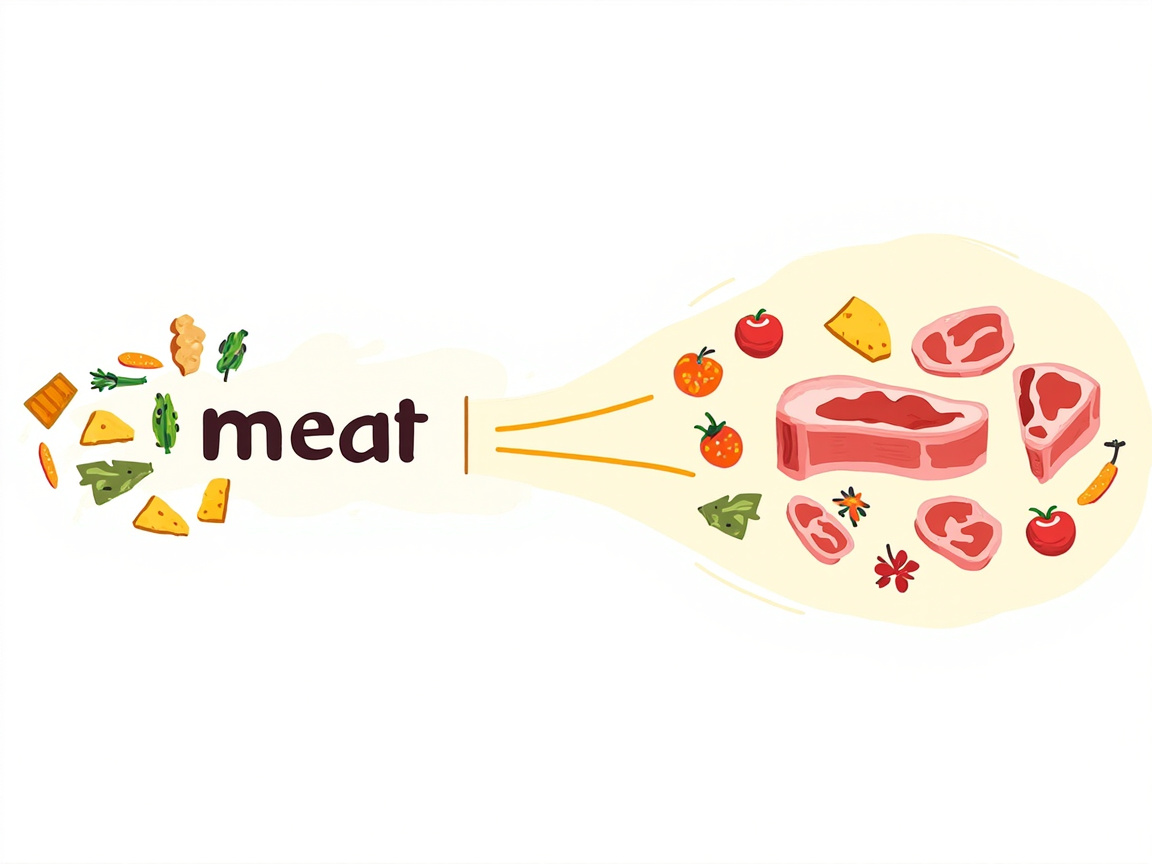
No language stands still. Across centuries, words shift in meaning, soften, sharpen, or split into entirely new senses — a slow-motion process linguists call semantic drift. Look at the small word 'meat': in Old English it simply meant 'food' of any kind, whether it came from a vegetable garden or a slaughterhouse. The word has since undergone narrowing to refer specifically to animal flesh, leaving phrases like 'sweetmeat' as fossilized reminders of its broader past. C1 learners should treat vocabulary as a living archive, not a static list, and ask, whenever they meet an old word, 'what did it once mean?'
When Praise Becomes Insult (and Vice Versa)
Some of the most surprising changes involve a reversal of value. Nice, for example, was a 13th-century insult meaning 'foolish' or 'ignorant' before it drifted, over five centuries, into its present warm sense. Awful once meant 'inspiring awe' — a compliment, not a warning — because awe was not always a comfortable emotion. Terrific followed the same path from 'terrifying' to 'wonderful.' Linguists call this uplifting trend amelioration; its downward mirror, when good words go bad, is pejoration. Silly is a textbook case of pejoration: it once meant 'blessed' in Old English (saelig) before sliding through 'innocent' and 'helpless' into today's 'foolish.' Egregious, by contrast, has fallen sharply: Latin egregius praised someone who 'stood out from the flock' in a positive way, but in modern English the word usually flags something shockingly bad.
Stretching and Shrinking
Not all change is up or down — sometimes meanings simply expand or contract. Broadening happens when a specialized term absorbs a wider use, as when 'doctor' spread from physicians to anyone holding a doctorate, or even, loosely, to a trusted local mechanic. Narrowing does the opposite: a general word retreats to a more specific niche. We saw this with 'meat,' and we see it again with 'hound,' once the everyday word for any dog but now a hunting breed. Meticulous offers a subtler story — it comes from Latin metus ('fear'), so a meticulous person was originally someone paralysed by anxiety; the word has since shed that trembling origin and now praises careful attention to detail. Sophisticated, from the Greek for 'made wise' by sophists, started life as a negative term for arguments that were clever but deceptive, and only later acquired its polished, worldly ring.
Reading Old Books (and Why It Matters)
For C1 readers, recognising semantic drift is the difference between misunderstanding Chaucer and catching his jokes. When the Wife of Bath calls a knight 'nice,' she is not complimenting him. When Shakespeare uses 'spend,' the verb still carries its Latin roots in expendere — to weigh out coins, not to swipe a credit card. Even modern headlines play on this gap: a venial sin in theological writing is a minor, forgivable one, but in everyday journalism the word has drifted to mean 'conveniently excusable.' Becoming aware of these quiet shifts trains you to read between the lines, decode authorial irony, and appreciate the way a single English word can carry a thousand years of cultural history in its corners.
اختبر نفسك
-
1Which word in the article has clearly undergone AMELIORATION?
'Nice' rose from a 13th-century insult meaning 'foolish' to its current positive sense — a textbook case of amelioration.
-
2The word 'meticulous' originally suggested:
From Latin metus ('fear'), the word once implied timid, anxious over-care, not the careful precision it praises today.
-
3When a word's meaning becomes more general or wider in scope, the article calls this:
Broadening describes words that expand their range, like 'doctor' spreading from physicians to anyone with a doctorate.
-
4In Old and Middle English, 'spend' was closer in meaning to:
From Latin expendere ('to weigh out'), the verb originally described the literal act of weighing money.
-
5According to the article, 'egregious' originally described someone who:
Latin egregius meant 'standing out from the flock' in a complimentary sense, before English turned the word sharply negative.