Figurative Language Today: Modern Idioms in Use
Discover how contemporary English speakers create vivid, expressive meanings through evolving idioms and slang that reflect our digital culture.
Social Media Expressions That Became Modern Idioms
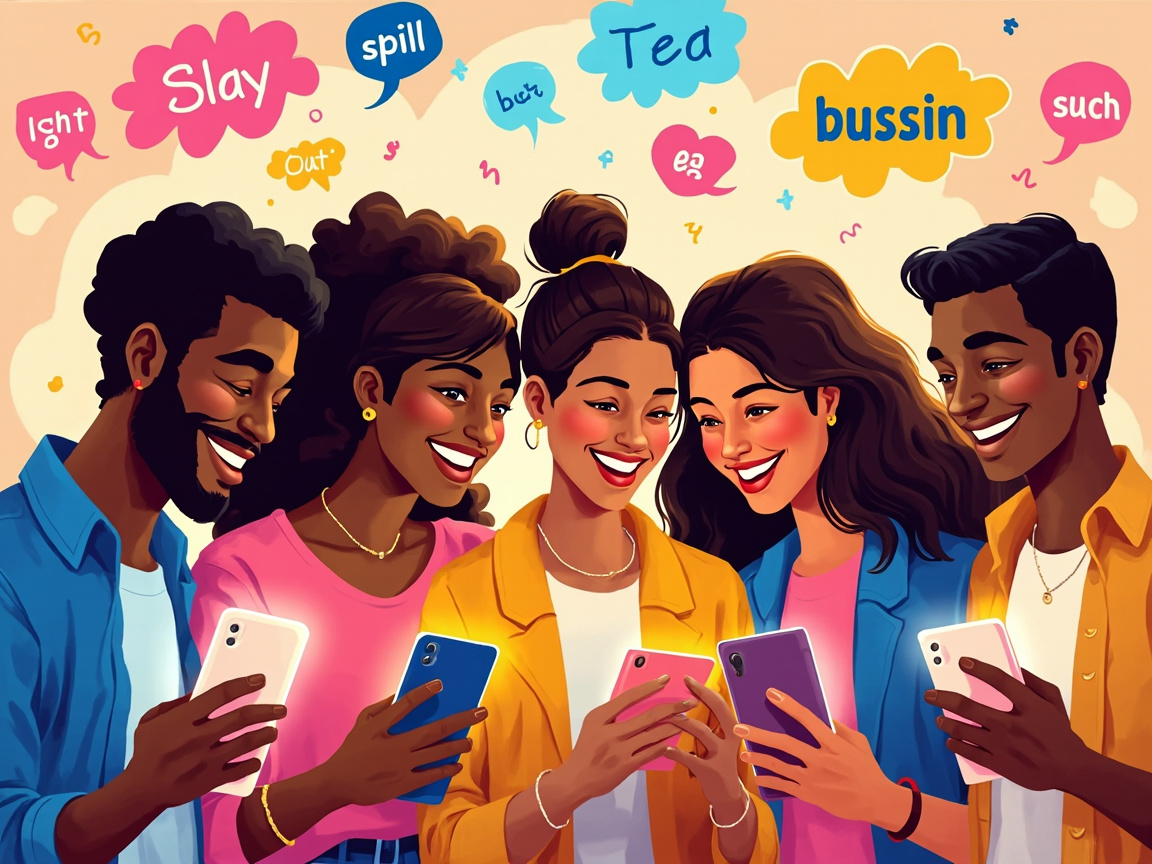
The internet has given birth to a whole new category of idioms that originated on platforms like TikTok, Twitter, and Instagram. Phrases like "it's giving" have evolved beyond their literal meanings to describe the overall impression or vibe something creates. When someone says "bussin," they mean something is genuinely excellent, especially food or an experience. The verb "slay" has transformed from meaning to kill into a versatile expression for doing something exceptionally well. These expressions often slip into mainstream conversation, becoming accepted parts of everyday vocabulary.
How Emotions Get Expressed Through Figurative Language
Modern idioms offer creative ways to express feelings that literal words cannot capture as effectively. When someone is "salty," they are not literally covered in salt but rather feeling annoyed, bitter, or upset about something. If something "lives rent free" in your mind, it means you cannot stop thinking about it, whether you want to or not. Having "main character energy" means viewing your life as if you were the protagonist of a story, complete with dramatic moments and special treatment. These figurative expressions allow speakers to communicate emotional nuance with precision and humor.
Truth-Telling and Honesty Through Modern Speech
Contemporary English has developed colorful ways to discuss honesty, gossip, and truth-telling. "No cap" signals that what follows is genuine truth, while "fr fr" (really, really) adds emphasis to sincere statements. "Spilling the tea" means sharing interesting gossip or news, often juicy details that others want to hear. "Throwing shade" describes subtle criticism or disrespect delivered in a coy manner. These expressions often carry connotations of informality and youth culture, making them inappropriate for formal contexts.
Digital Age Expressions and Reality Checks
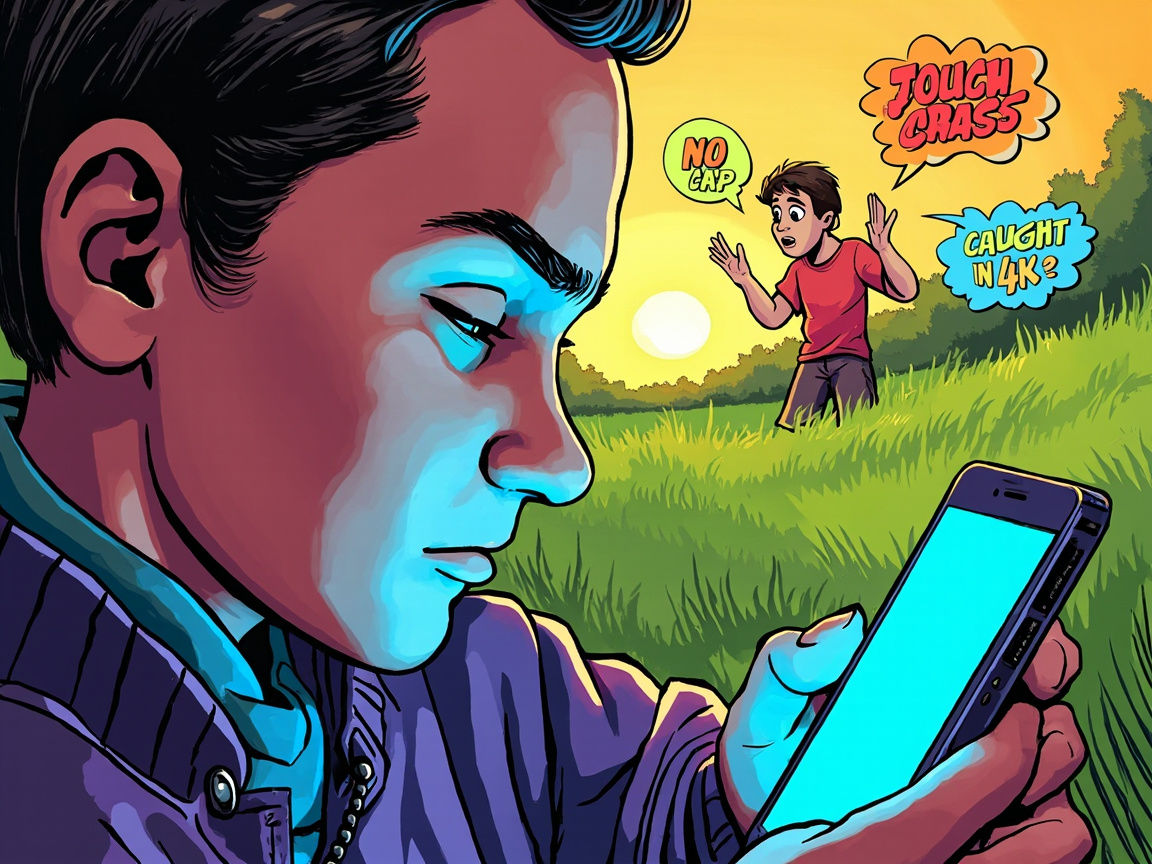
The digital age has created idioms that reference both online and offline experiences. When someone tells you to "touch grass," they are suggesting you disconnect from the internet and engage with the real world. Being "caught in 4K" means being captured on high-definition camera doing something embarrassing, leaving no room for denial. A "vibe check" assesses the mood or atmosphere of a situation. If someone "understood the assignment," they comprehended what was expected and delivered perfectly. These expressions reflect how modern life blurs the lines between digital reality and physical experience.
لغة الإنترنت: المصطلحات اللي بتتولد على السوشيال
هتتعلّم إيه من الدرس؟
الدرس ده عن الإنجليزية الرقمية — المصطلحات اللي بتتولد على تيك توك وتويتر وتنتقل للكلام اليومي. أربع أقسام: تعبيرات السوشيال، المشاعر المجازية، الصراحة والنميمة، وتعبيرات العصر الرقمي. هنطلّع لغة الجيل الجديد.
تعبيرات السوشيال: اللي بقى لغة يومية
Phrases like "it's giving" have evolved beyond their literal meanings to describe the overall impression or vibe something creates.
تعبيرات زي «it's giving» تطورت ورا معناها الحرفي عشان توصف الانطباع العام أو الڤايب اللي حاجة بتعمله.
أول قسم عن المصطلحات الرقمية. المقال بيشرح إن التعبيرات دي بتتخطى معناها الحرفي:
التعبير «it's giving» معناه «الشكل ده بيدّي إحساس» — بيوصف الڤايب مش المحتوى. زي لما تقول «it's giving luxury» يعني شكله غالي. والمقال بيوصّل إن المصطلحات دي بتتولد أونلاين وتنتقل للكلام — مش بالعكس.
المشاعر المجازية: الملح اللي مش في الأكل
When someone is "salty," they are not literally covered in salt but rather feeling annoyed, bitter, or upset about something.
لما حد يكون «salty»، مش معناه إنه متغطي بملح حرفيًا، ده معناه إنه حاسس بالضيق أو المرارة أو الزعل من حاجة.
تاني قسم عن المشاعر. المقال بيشرح تعبير بيوصف الشعور بالمرارة:
الصفة «salty» في اللغة العامية معناها زعلان أو مضايق — مش مالح. والمقال بيوضح الفرق بين الحرفي والمجازي. و«bitter» معناها مرارة عاطفية مش طعم — نفس الفكرة: الكلمة بتاخد معنى إحساسي.
الصراحة والنميمة: الشاي والظل
"Spilling the tea" means sharing interesting gossip or news, often juicy details that others want to hear.
«سكب الشاي» معناه مشاركة النميمة أو الأخبار المثيرة، غالبًا تفاصيل لذيذة الناس عايزة تسمعها.
تالت قسم عن الصراحة. المقال بيشرح تعبير بيوصف مشاركة الأخبار:
التعبير «spill the tea» معناه احكي النميمة أو شارك السر — «tea» هنا معناها الأخبار مش المشروب. والمقال بيوصّل إن التعبيرات دي بتبني مجتمع — النميمة بتجمع الناس. و«juicy» معناها مثيرة للاهتمام مش مائية.
العصر الرقمي: لما تلمس الحشيش حرفيًا
When someone tells you to "touch grass," they are suggesting you disconnect from the internet and engage with the real world.
لما حد يقولك «المس الحشيش»، هو بيقترح إنك تفصل عن الإنترنت وتتعامل مع العالم الحقيقي.
آخر قسم عن التعبيرات الرقمية. المقال بيشرح تعبير بيوصف الانفصال عن الشاشة:
التعبير «touch grass» معناه اطلع بره واعيش الحقيقة — نصيحة لحد قاعد أونلاين كتير. والمقال بيوصّل إن التعبيرات دي بتعكس قلق العصر الرقمي — الحدود بين الشاشة والحياة مش واضحة.
لغة الجيل الرقمي
كل تعبير من المقال ليه استخدام في الكلام الرقمي واليومي. شوف المعنى والأمثلة.
it's giving
معناها «بيدّي إحساس» أو «الڤايب بتاعه»: بيوصف الانطباع العام مش المحتوى.
التعبير it's giving + adjective/noun: it's giving luxury / it's giving vintage / it's giving drama. بيتقال في الكلام الشبابي وعلى السوشيال. مش رسمي — ده عامية رقمية.
This outfit is giving summer vacation vibes.
اللبس ده بيدّي إحساس أجازة صيفية. وصف انطباع.
The decor is giving old money aesthetic.
الديكور بيدّي إحساس الفلوس القديمة. استخدام عامي.
salty
معناها «زعلان» أو «مضايق»: شعور بالمرارة أو الانزعاج من حاجة.
الصفة salty في العامية معناها زعلان: He is salty about losing / Why so salty?. بيتقال في الكلام الشبابي. والمعنى الحرفي «مالح» هو الأصل — المجازي جاي من فكرة المرارة.
He is still salty about not getting invited to the party.
هو لسه زعلان إنه مااتدعاش للحفلة. وصف إحساس.
Don't be salty just because you lost the game.
متبقاش زعلان بس عشان خسرت اللعبة. نصيحة ودية.
Spilling the tea
معناها «احكي النميمة» أو «شارك الأخبار»: مشاركة تفاصيل مثيرة وسرية.
التعبير spill the tea: Come on, spill the tea / She spilled the tea about the breakup. بيتقال في المحادثات الشبابية. والـ«tea» هنا معناها النميمة مش المشروب. و«spill» معناها يسكب أو يفشي.
Come over here and spill the tea about your date.
تعالى هنا واحكيلي النميمة عن المواعدة. طلب ودي.
She spilled the tea about why she quit her job.
هي شاركت الأخبار عن ليه سابت شغلها. مشاركة تفاصيل.
touch grass
معناها «المس الحشيش» أو «اطلع بره»: نصيحة لحد يفصل عن الشاشة ويعيش الحقيقة.
التعبير touch grass: Go touch grass / You need to touch grass. بيتقال في الكلام الرقمي لحد عايش أونلاين كتير. مش رسمي — ده عامية إنترنت. والفكرة إن الحشيش حقيقي مش رقمي.
You have been online for 12 hours — go touch grass.
إنت أونلاين من 12 ساعة — روح المس الحشيش. نصيحة رقمية.
I need to touch grass after that long gaming session.
محتاج أطلع أعيش الحقيقة بعد جلسة اللعب الطويلة دي. استخدام شخصي.
ورقة مراجعتك للغة الرقمية
تقريب النطق بالعربي للمساعدة بس؛ صوت المقال هو الموديل.
| التعبير | معناه هنا | النطق | تقريب بالعربي | موضعه |
|---|---|---|---|---|
| it's giving | بيدّي إحساس / الڤايب بتاعه | /ɪts ˈɡɪvɪŋ/ | إتس جِڤينج | قسم تعبيرات السوشيال |
| salty | زعلان / مضايق / مرة | /ˈsɔːlti/ | سولتي | قسم المشاعر المجازية |
| Spilling the tea | احكي النميمة / شارك الأخبار | /ˈspɪlɪŋ ðə tiː/ | سبِلينج ذَ تي | قسم الصراحة والنميمة |
| touch grass | المس الحشيش / اطلع بره | /tʌtʃ ɡrɑːs/ | تَتش جراس | قسم العصر الرقمي |
اكتب جملة توصف موقف من حياتك باستخدام «it's giving» أو «salty». وبعدين فسّر لحد إيه الفرق بين «spill the tea» و«tell the truth».
اختبر نفسك
-
1What does it mean when someone says 'slay' in modern slang?
'Slay' has evolved from its literal meaning to mean doing something exceptionally well or impressive.
-
2If something 'lives rent free' in your mind, what does that mean?
When something lives rent free in your mind, you cannot stop thinking about it, whether you want to or not.
-
3What is 'spilling the tea' in modern idiom usage?
'Spilling the tea' means sharing gossip, secret information, or juicy news with others.
-
4When someone tells you to 'touch grass,' what are they suggesting?
'Touch grass' is a humorous way of telling someone to disconnect from the internet and engage with real life.
-
5What does 'throwing shade' mean in contemporary English?
'Throwing shade' means subtly expressing criticism, contempt, or disrespect toward someone in a discreet way.