
The Origins of Spoken Language: What 2025 Taught Us
Breakthrough research reveals how ancient genetic mutations and auditory adaptations enabled humanity's most unique ability.
The Gene That Changed Everything
Scientists have long known that the FOXP2 gene plays a pivotal role in language development. However, 2025 research has uncovered additional regulatory elements that work alongside FOXP2 to enable the complex articulation required for spoken language. These genetic variants, which appeared roughly 300,000 years ago, may have been the final pieces in an evolutionary puzzle that separated human speech from the vocalizations of other primates. The findings suggest that language did not emerge through a single mutation but through a gradual accumulation of genetic changes affecting both the brain and the vocal apparatus.
Hearing the World Differently
A major breakthrough in understanding auditory evolution came from reconstructing how our ancestors perceived sound. Researchers discovered that early humans developed enhanced sensitivity to certain frequencies that proved crucial for phonetic discrimination. This refined hearing allowed our ancestors to distinguish between similar sounds, a prerequisite for developing complex linguistic systems. The research indicates that the evolution of speech and hearing were deeply intertwined, each driving the development of the other in a continuous feedback loop.
Neanderthals: Surprising Speakers
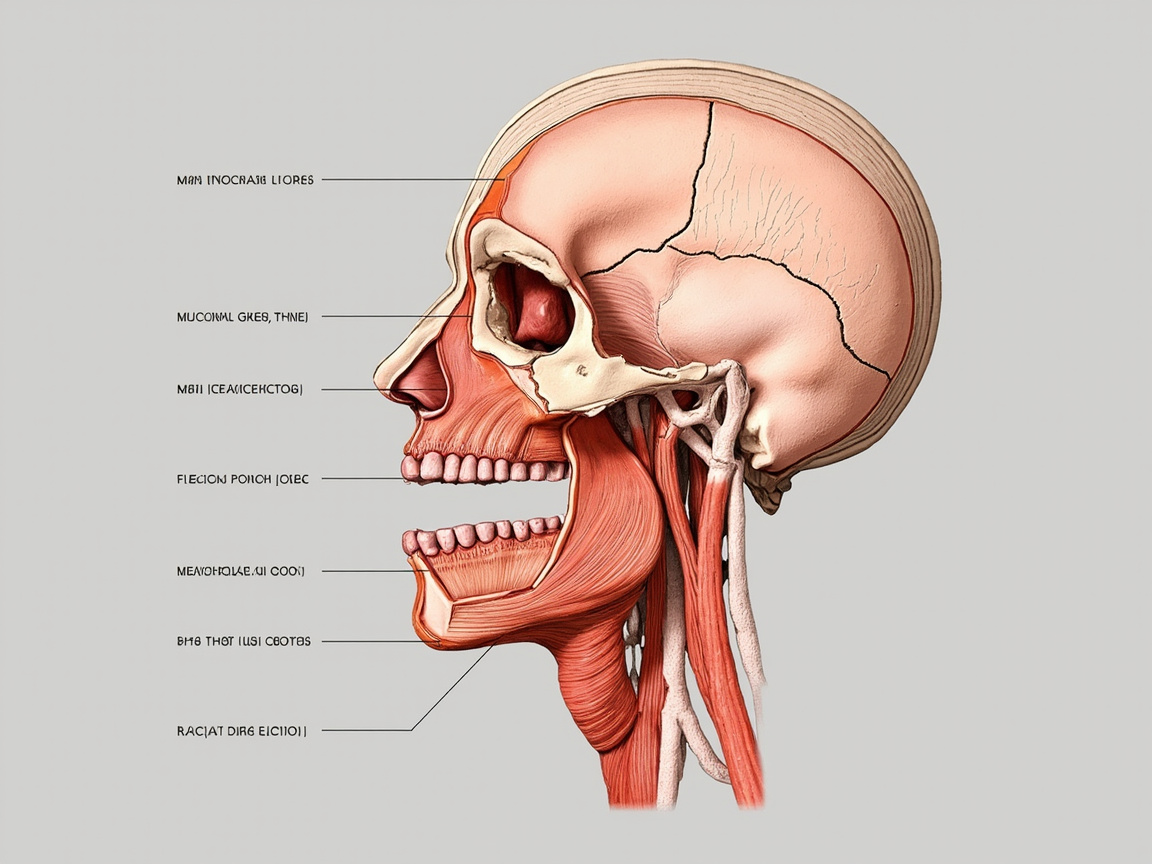
Perhaps the most intriguing finding of 2025 concerns our closest evolutionary relatives, the Neanderthals. Evidence now suggests that Neanderthals possessed the vocal anatomy necessary for producing a wide range of sounds, possibly including prosodic features similar to modern human speech. Analysis of Neanderthal anatomical structures indicates they had the physical capacity for speech that was, in many respects, comparable to ours. This challenges the long-held view that sophisticated speech was unique to modern humans and suggests that the capacity for language may have emerged much earlier in our evolutionary history.
The Brain's Role in Early Speech
Beyond genetics and anatomy, 2025 research has shed new light on how the brain facilitated the emergence of spoken language. Studies of ancient cranial features reveal that our ancestors developed expanded regions associated with speech production and comprehension. These neural adaptations allowed for the integration of auditory processing with motor control of the vocal tract. The research demonstrates that speech was not merely about producing sounds but about creating a sophisticated system for transmitting complex ideas through coordinated brain activity.

What This Means for Human Origins
Together, these discoveries paint a more nuanced picture of how communicative abilities evolved in the human lineage. The convergence of genetic, anatomical, and neurological evidence suggests that spoken language emerged through a gradual process spanning hundreds of thousands of years. This research has profound implications for understanding what makes humans unique and how our species developed the capacity for abstract thought, storytelling, and complex social organization. As researchers continue to piece together this puzzle, we gain deeper insight into the origins of the very faculty that defines us as a species.
اختبر نفسك
-
1According to the article, what did 2025 research discover about the FOXP2 gene?
The article states that 2025 research uncovered additional regulatory elements that work alongside FOXP2 to enable the complex articulation required for spoken language.
-
2How did enhanced auditory sensitivity contribute to language development according to the research?
Researchers discovered that early humans developed enhanced sensitivity to certain frequencies that proved crucial for phonetic discrimination, allowing them to distinguish between similar sounds.
-
3What do the 2025 findings suggest about Neanderthals' speech capabilities?
The article reports that Neanderthals possessed the vocal anatomy necessary for producing a wide range of sounds, possibly including prosodic features similar to modern human speech.
-
4According to the article, how did the brain facilitate the emergence of spoken language?
Studies revealed that ancestors developed expanded brain regions associated with speech production and comprehension, allowing integration of auditory processing with motor control of the vocal tract.
-
5What overall picture do the 2025 discoveries paint about the evolution of language?
The convergence of genetic, anatomical, and neurological evidence suggests that spoken language emerged through a gradual process spanning hundreds of thousands of years.