The Rise of Rooftop Gardens
How cities are turning empty roofs into farms — and why it matters
A Growing Trend Above the Streets
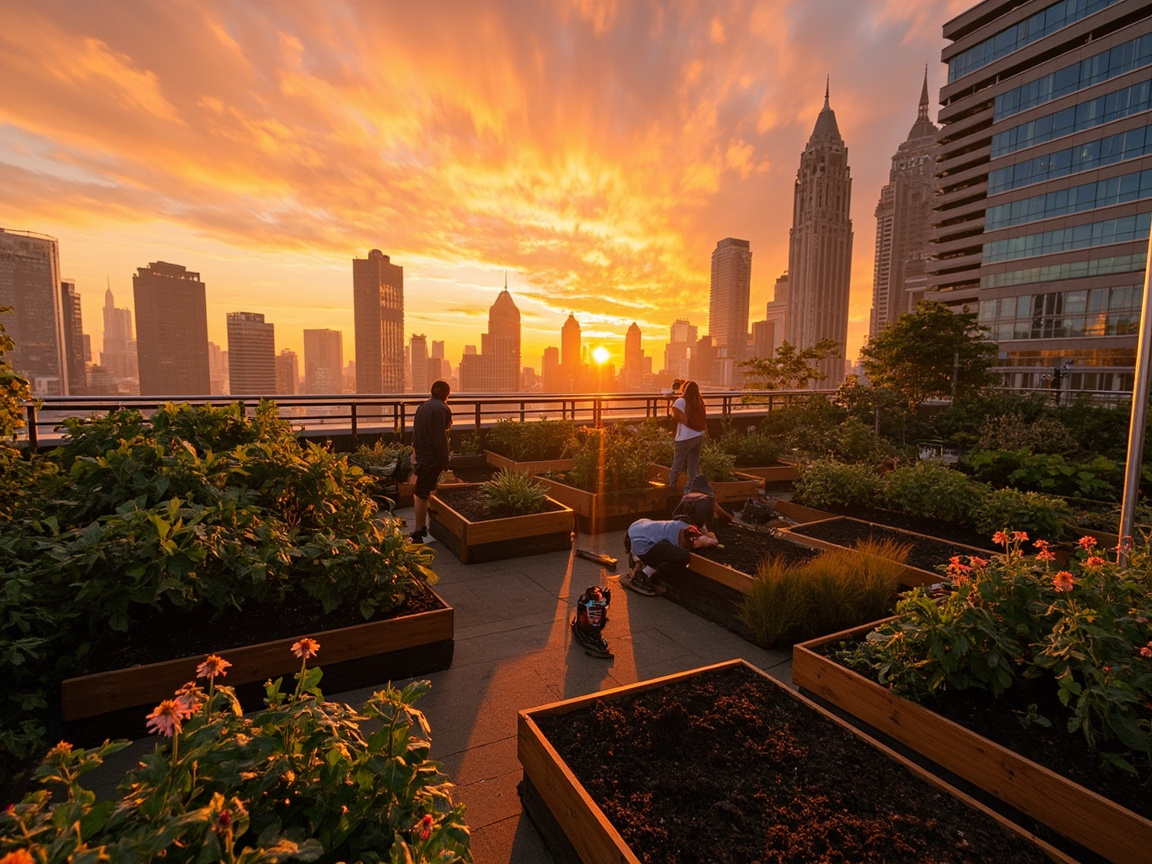
Across the world's largest cities, a quiet revolution is taking place high above the traffic. Empty rooftop spaces, once ignored or used only for air-conditioning units, are being covered in soil, plants, and vegetables. This new form of urban agriculture is changing how city dwellers think about food, space, and the environment. Architects and local governments are working together to design green areas that can support both people and plants. The result is a network of small farms that sit on top of office buildings, schools, and shopping centres.
Who Benefits from the Green Roofs?
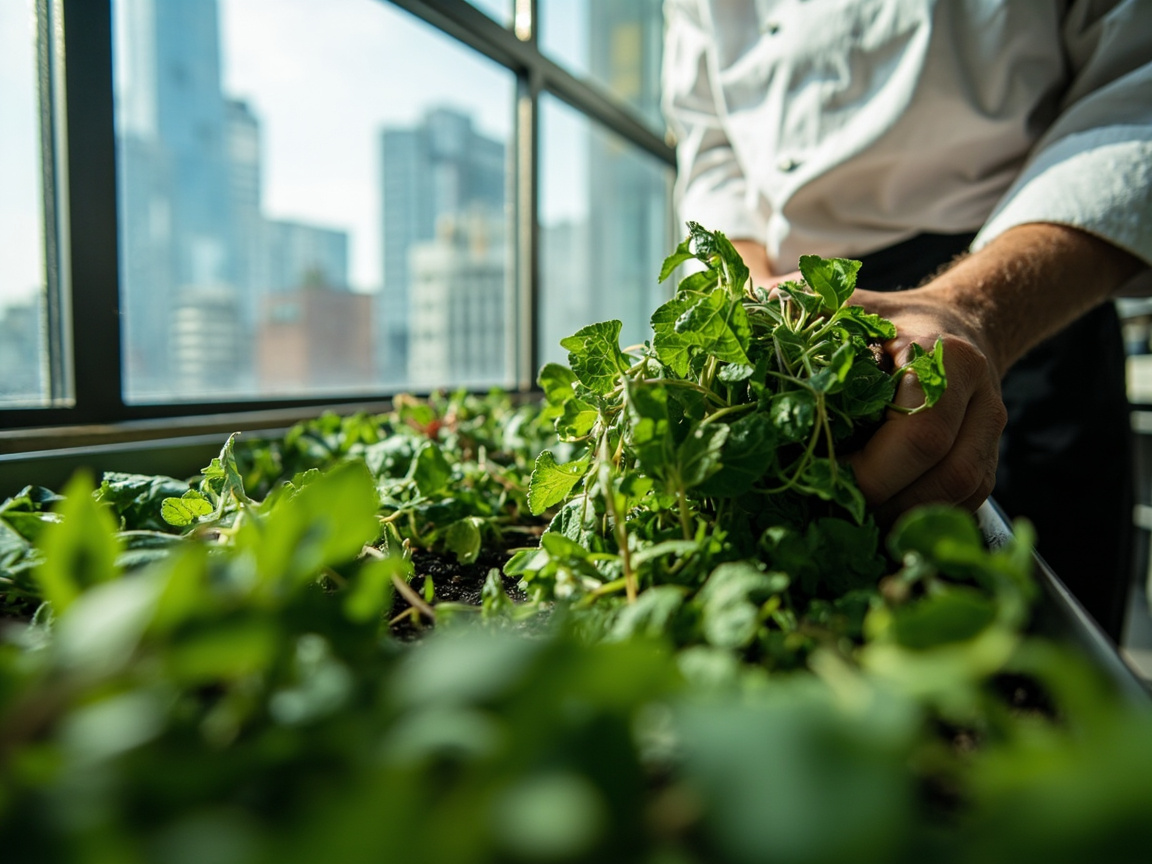
The advantages of rooftop gardens reach many different groups. Local community members can buy fresh, locally grown vegetables just steps from their apartments. Restaurants in busy districts now serve herbs and salads harvested the same day they are served. Environmentally, the gardens help cool the city, support bees and birds, and increase biodiversity in places where green space is rare. Perhaps most importantly, the gardens can alleviate the social isolation often found in large apartment blocks by giving neighbours a shared project to care for.
The Real Cost of Going Green
Despite the clear benefits, building a rooftop garden is not cheap. A basic system can cost thousands of euros, and full-scale farms require even more investment. Many projects depend on a government subsidy or partnership with a private company to get started. The roofs themselves must be strong enough to hold wet soil, and older buildings sometimes need expensive structural work. Over time, however, a well-planned garden can become cost-effective by reducing energy bills and providing food that would otherwise be transported from far away.
Cities Leading the Way
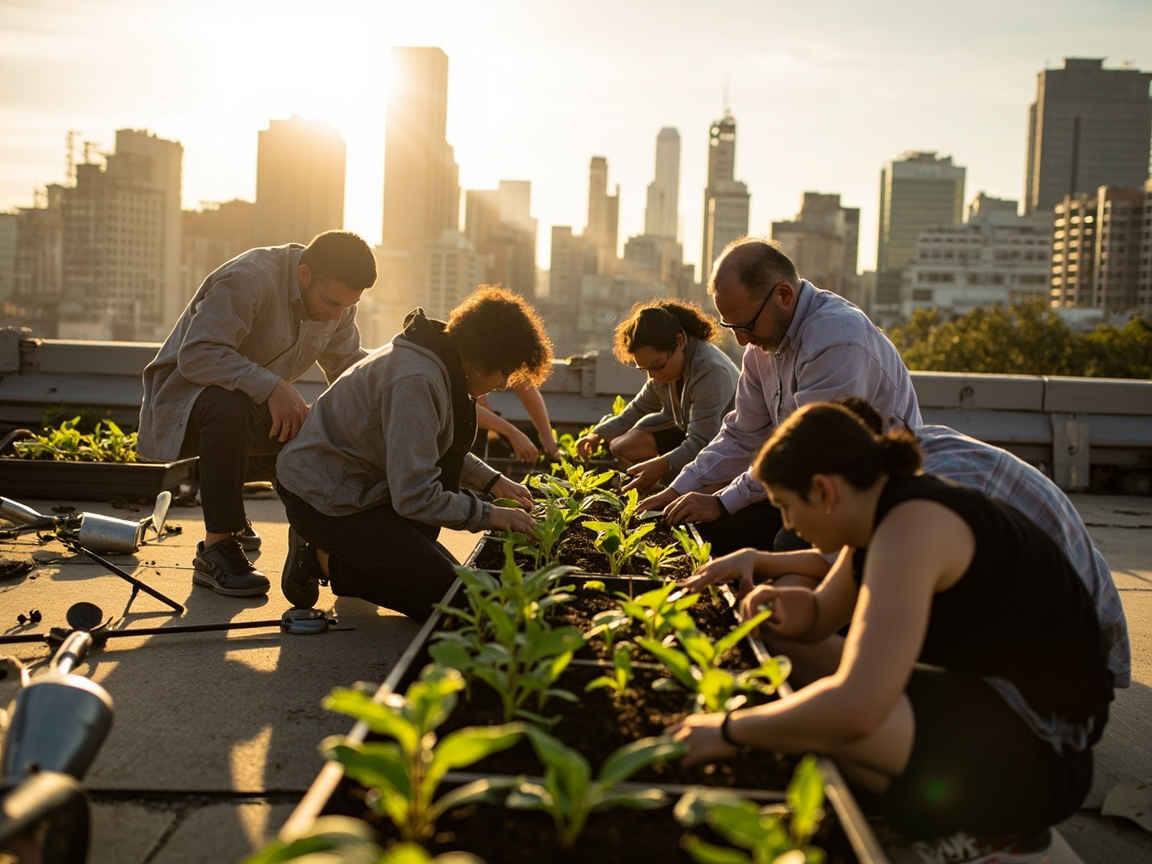
Several cities have launched ambitious initiatives to expand rooftop farming. In Paris, rules now require new commercial buildings to include green roofs. Singapore has built high-tech vertical farms on car parks, while New York supports community groups who want to transform vacant rooftops into shared gardens. Each residents' group that takes on a project learns new skills in gardening, planning, and teamwork. These local efforts are proof that small changes can have a wide impact when many people work together.
Challenges That Remain
Not every project succeeds, and the reasons are often practical. Water supply can be difficult to manage, especially during hot summers, and heavy rain may damage plants if the drainage is poor. Some building owners worry about safety rules and long-term maintenance costs. There is also the question of who actually implements the daily work — gardens need constant care, and a single volunteer cannot do it alone. The most successful programmes are those that combine clear planning, reliable funding, and strong community involvement from the start.
A Greener Future for Urban Living
As climate change puts more pressure on cities, rooftop gardens are likely to become a normal part of sustainable design rather than a passing trend. They offer a way to produce food close to home, lower city temperatures, and bring people together. While the challenges are real, the evidence so far suggests that the rewards — for the environment, the economy, and the community — are well worth the effort. The rooftops above us may hold the key to a healthier, greener future.
Quiz
-
1What is the main idea of the article?
The article explains how empty rooftop spaces are being transformed into urban gardens that produce food.
-
2According to the article, who is NOT mentioned as a beneficiary of rooftop gardens?
The article mentions community members, restaurants, and wildlife as beneficiaries, but not car companies.
-
3What is one challenge of building a rooftop garden mentioned in the article?
The article explains that the cost is high and that older buildings may need expensive structural work.
-
4Which city requires new commercial buildings to include green roofs?
The article states that Paris has rules requiring new commercial buildings to include green roofs.
-
5Why are rooftop gardens described as 'sustainable' in the article?
The article lists cooling cities, supporting biodiversity, and producing local food as reasons they are sustainable.