
Fasting Around the World: Sacred Hunger, Shared Meaning
How Ramadan, Lent, and Yom Kippur turn an empty plate into a spiritual practice — a B2 culture feature
More Than Just Hunger: What Is Fasting?
Fasting is the deliberate choice to avoid certain foods or drinks for a specific period, usually for religious or spiritual reasons. Unlike dieting for health, fasting is rooted in ancient traditions and connects the body to deeper questions about faith and purpose. Across many cultures, fasting is not seen as suffering but as a meaningful ritual that sharpens the mind and soul. It can last a single day, a week, or even a full month, and the rules differ widely from one tradition to another. The common thread is the idea of giving up something ordinary to focus on something sacred.
Ramadan: A Month of Reflection and Community
During the Islamic month of Ramadan, more than a billion Muslims around the world fast from dawn until dusk, abstaining from food, drink, and sometimes other comforts. The daily fast, called sawm, is one of the Five Pillars of Islam and is seen as an act of devotion to God. Each day begins with a pre-dawn meal called suhoor and ends with iftar, a sunset meal that often brings families and neighbours together. Beyond the physical act, Ramadan is a time for reflection, prayer, and charity, reminding people of those who have less. Many describe the month as a kind of self-discipline practice, where everyday distractions fall away.
Lent: Forty Days of Preparation
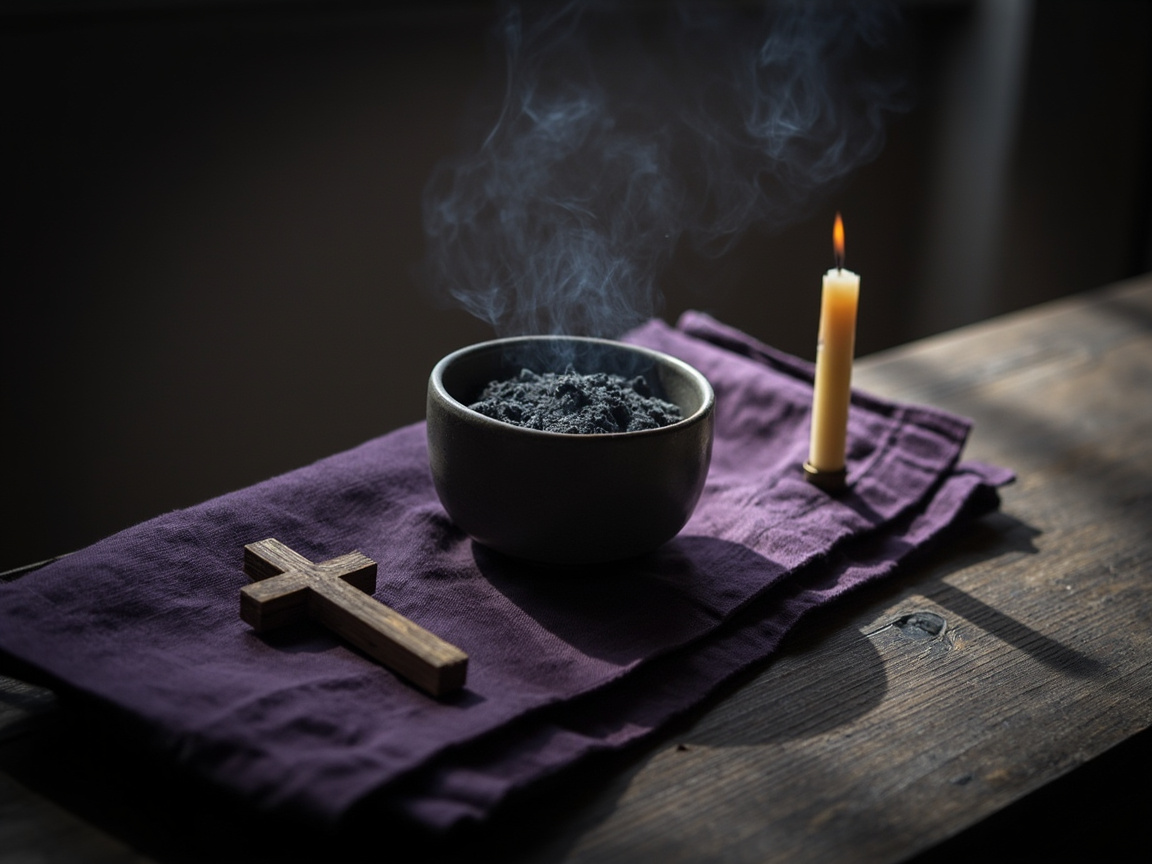
In many Christian traditions, Lent is a 40-day period of abstinence and prayer that leads up to Easter, the most important celebration of the Christian calendar. Many followers give up specific foods, such as meat or sweets, while others choose to give up a habit like watching television or using social media. The 40 days mirror the time Jesus spent in the desert, fasting and facing temptation, according to the Bible. Sundays are not counted as fast days, because they are considered little celebrations of hope. For many Christians, Lent is a quiet season of preparation, a chance to slow down and look inward before the joy of Easter arrives.
Yom Kippur: A Day of Atonement
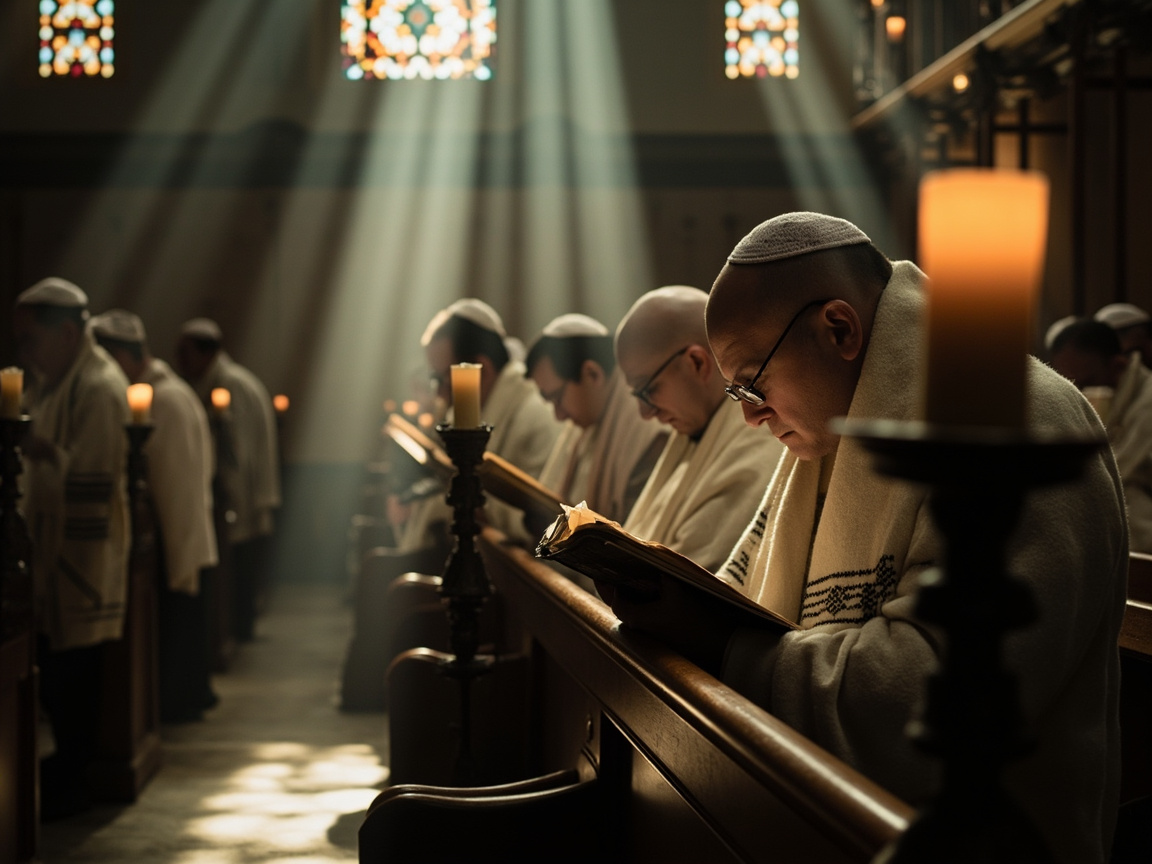
Yom Kippur, the Day of atonement, is the holiest day in the Jewish calendar, and it is marked by a 25-hour fast from food and water. Jews typically spend the day in synagogue, praying for forgiveness for sins committed during the past year. The fast is not just about hunger; it is a way to focus the mind on repentance and to ask for a clean spiritual start. Children, the elderly, and those who are ill are usually not expected to fast, because Jewish law values the preservation of life above almost all other rules. Before the fast, many families share a large meal together, and at the end, a shofar, or ram's horn, is blown to mark the close of the day.
Why People Fast: Common Threads Across Faiths
Although the rules and timing of fasting differ, the deeper reasons behind the practice are remarkably similar across religions. Most traditions see fasting as a way to build self-control, to feel empathy for those who go hungry, and to create space for contemplation in busy lives. By stepping away from the comfort of regular meals, people often report feeling more aware, more grateful, and more connected to others. Fasting can also be a form of inner pilgrimage, a journey that does not require travel. In a world that often encourages excess, the ancient practice of saying "no" to food remains a powerful way of saying "yes" to something larger than ourselves.
Quiz
-
1According to the article, how long does the fast of Yom Kippur last?
The article clearly states that Yom Kippur is marked by a 25-hour fast from food and water.
-
2What is the daily fast during Ramadan called?
The article explains that the daily fast during Ramadan is called sawm, one of the Five Pillars of Islam.
-
3Why are Sundays treated differently during Lent?
The article states that Sundays are not counted as fast days because they are considered little celebrations of hope.
-
4Which group is usually NOT expected to fast on Yom Kippur?
The article says children, the elderly, and those who are ill are usually not expected to fast, because Jewish law values the preservation of life.
-
5What is one common reason people fast across different faiths?
The article notes that most traditions see fasting as a way to build self-discipline, feel empathy for the hungry, and create space for contemplation.