The Evolution of English: How Language Changes Over Centuries
Explore how English transformed from a minor Germanic dialect into the world's most widely learned language, shaped by invasions, trade, and global migration.
From Germanic Roots to Old English
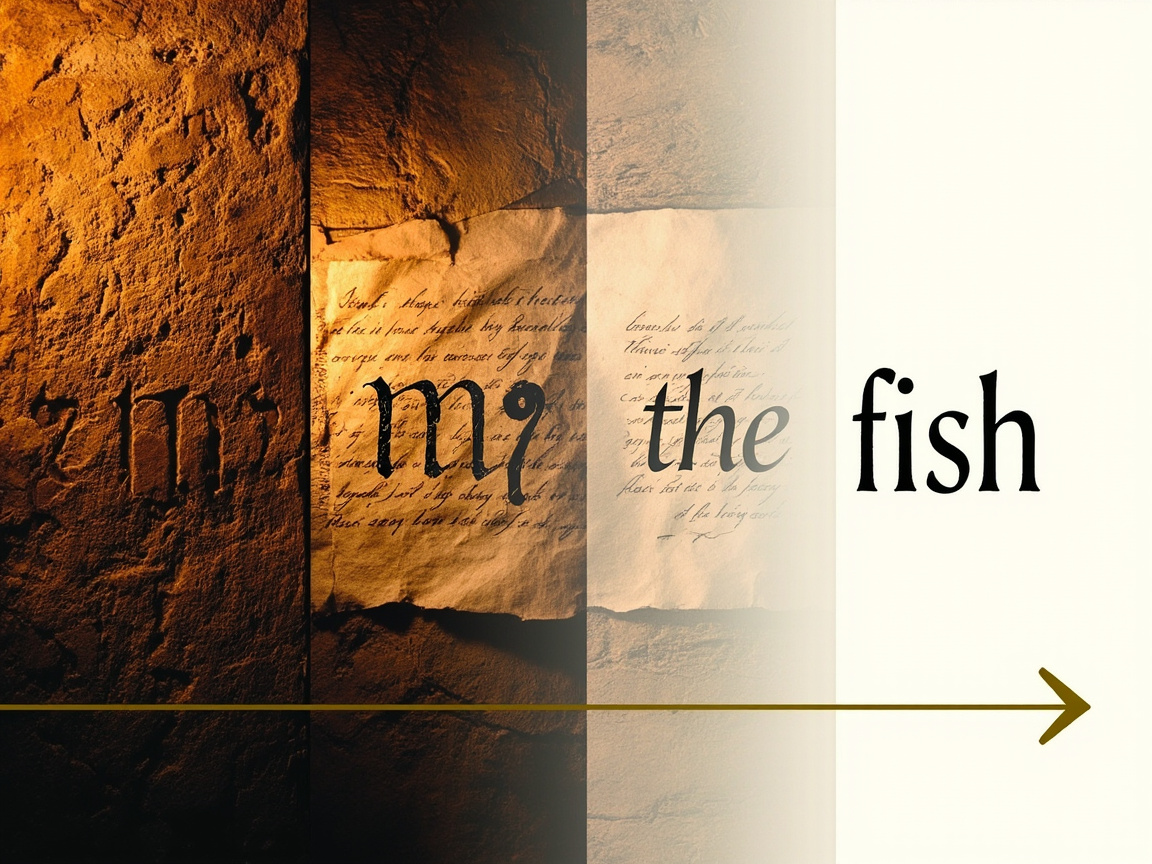
English belongs to the West Germanic branch of the Indo-European language family, sharing closest ancestry with Dutch and German. When Germanic tribes—the Angles, Saxons, and Jutes—settled in Britain during the 5th and 6th centuries, they brought languages that would eventually evolve into what we call Old English. This early form of English, spoken from roughly 450 to 1100 CE, bore little resemblance to modern English; its complex inflectional morphology required speakers to alter word endings to indicate grammatical relationships. The epic poem Beowulf, composed in Old English, remains the most famous example of this distant ancestor of our current language.
The Norman Conquest and the Making of Middle English
The Norman Conquest of 1066 fundamentally reshaped the English language when William the Conqueror brought French-speaking rulers to England. For roughly three centuries, French was the language of the court, law, and administration, while English was relegated to common speech. This sociolinguistic upheaval produced Middle English, characterized by massive borrowing from French and a dramatic simplification of grammar. Words related to government, law, art, and cuisine entered English during this period, creating the dual lexicons we still see today (e.g., 'pig' vs. 'pork', 'cow' vs. 'beef'). The invention of the printing press by William Caxton around 1476 began the crucial process of standardization, fixing English spelling and grammar in ways that would shape the language permanently.
The Great Vowel Shift and Early Modern English
Between approximately 1400 and 1700, English underwent what linguists call the Great Vowel Shift—a systematic change in how long vowels were pronounced that fundamentally altered the sound of the language. During this diachronic transformation, words like 'bite' and 'name' shifted from their original pronunciations to their modern forms. The King James Bible (1611) and the works of Shakespeare (1564–1616) emerged during this period, cementing Early Modern English as a vehicle for literary masterpieces. The resulting orthography of English, largely fixed by Samuel Johnson's dictionary in 1755, often preserves spellings that reflect these older pronunciations, explaining many of the apparent inconsistencies that perplex language learners today.
Pidgins, Creoles, and the Globalization of English
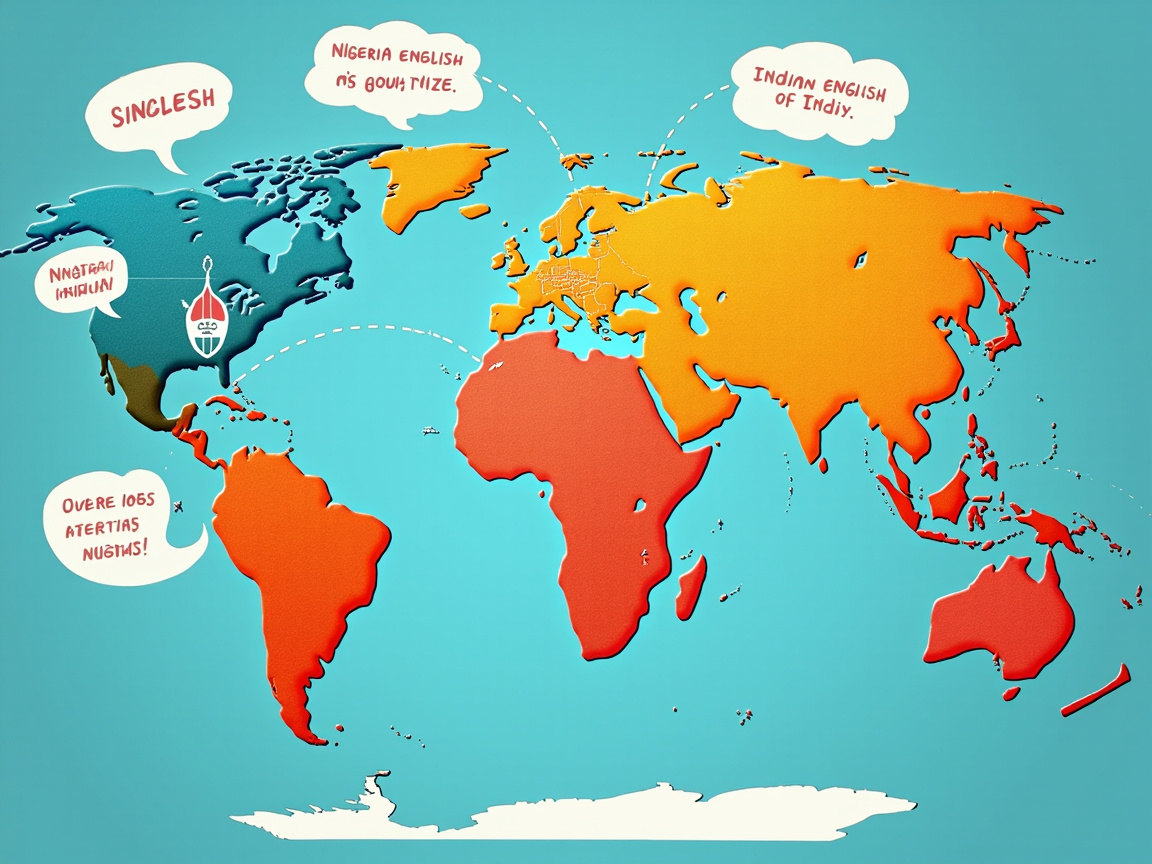
As British colonialism expanded, English spread across the globe and pidgins emerged wherever English speakers encountered populations speaking other languages. A pidgin is a simplified contact language that develops when speakers of different tongues need to communicate for trade or work. When children grow up acquiring a pidgin as their native language, it naturally evolves into a creole—a fully developed language with its own grammar, vocabulary, and native speakers. Singlish in Singapore and Tok Pisin in Papua New Guinea are well-documented creoles that have gained recognition and even official status. Today, World Englishes such as Indian English, Nigerian English, and Philippine English represent new varieties where English has been indigenized to reflect local linguistic features and cultural contexts, challenging the notion of any single variety as the 'correct' form.
Quiz
-
1Which Germanic tribes settled in Britain and contributed to the origins of Old English?
The Angles, Saxons, and Jutes were the Germanic tribes whose languages combined to form Old English during the 5th and 6th centuries.
-
2What major historical event in 1066 transformed English by introducing French influence?
The Norman Conquest in 1066 brought French-speaking rulers to England, fundamentally reshaping the language during the Middle English period.
-
3How does a creole differ from a pidgin?
When children acquire a pidgin as their first language, it develops into a creole—a full language with native speakers.
-
4What does the term 'diachronic' refer to in linguistics?
Diachronic linguistics studies how languages and their features change over extended periods of historical time.
-
5Why does English spelling often not match modern pronunciation?
The Great Vowel Shift changed English pronunciation between 1400-1700, but spelling had already been standardized and remained largely unchanged.