The Plastic Problem: How Small Changes Make Big Differences
Rising ocean plastic pollution is a global crisis, but everyday choices by regular people are starting to turn the tide.
A Ocean Full of Plastic
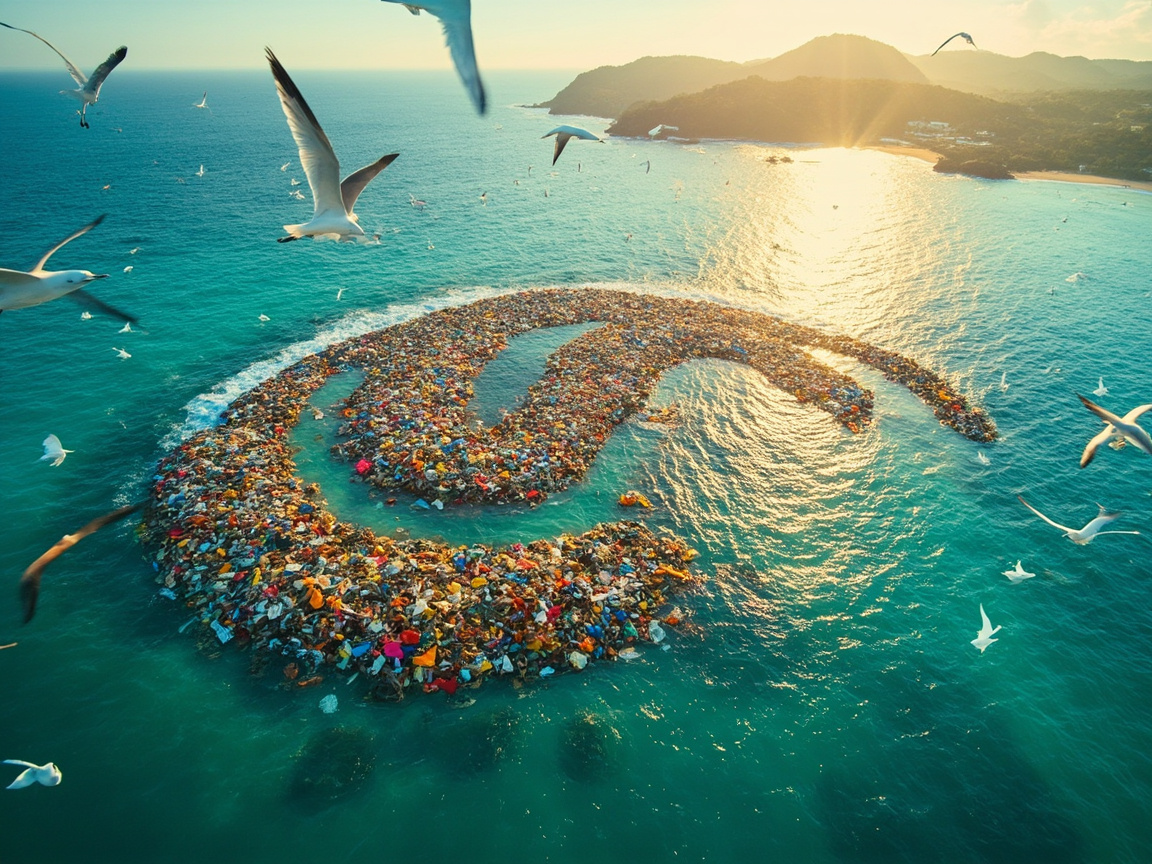
Every year, more than 8 million tons of plastic waste ends up in the world's oceans. This plastic pollution creates huge floating islands of trash in the water, and it is getting worse every year. Some scientists believe that by 2050, there could be more plastic than fish in the sea. Coastal communities, especially in Asia and Africa, are hit hardest because they often lack the waste management systems needed to handle all this garbage. The problem starts on land — most ocean plastic comes from rivers and waterways that carry garbage from cities straight to the sea.
Marine Life Under Threat
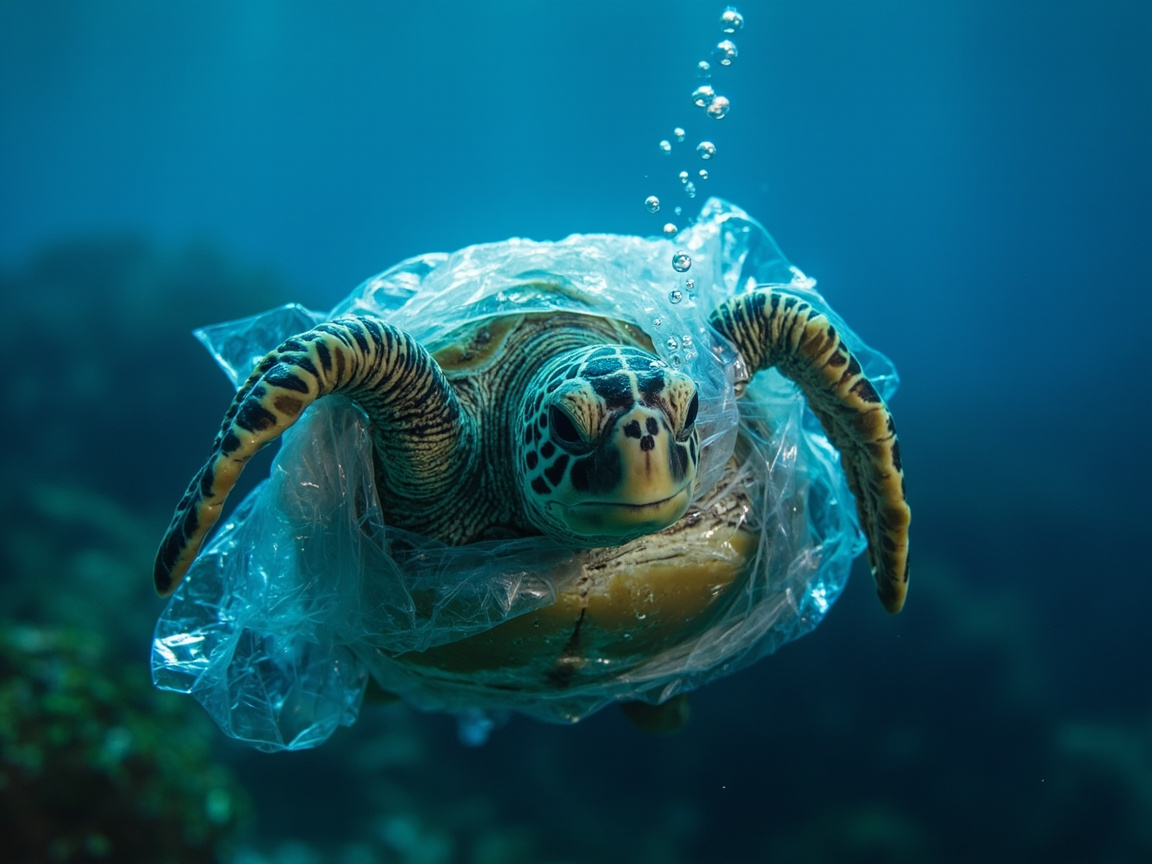
Sea animals are suffering because of plastic in the ocean. Marine life such as turtles, dolphins, and seabirds often mistake plastic bags or bottles for food. When they eat plastic, it can block their stomachs and kill them slowly. Smaller pieces of plastic called microplastics are even harder to see, and they enter the food chain when small fish eat them. These tiny particles have been found in the bodies of fish that people eat, which means plastic pollution is now a problem for human health too. Coral reefs, which are home to 25% of all ocean species, are also being damaged by plastic waste.
The Hidden Sources of Ocean Plastic
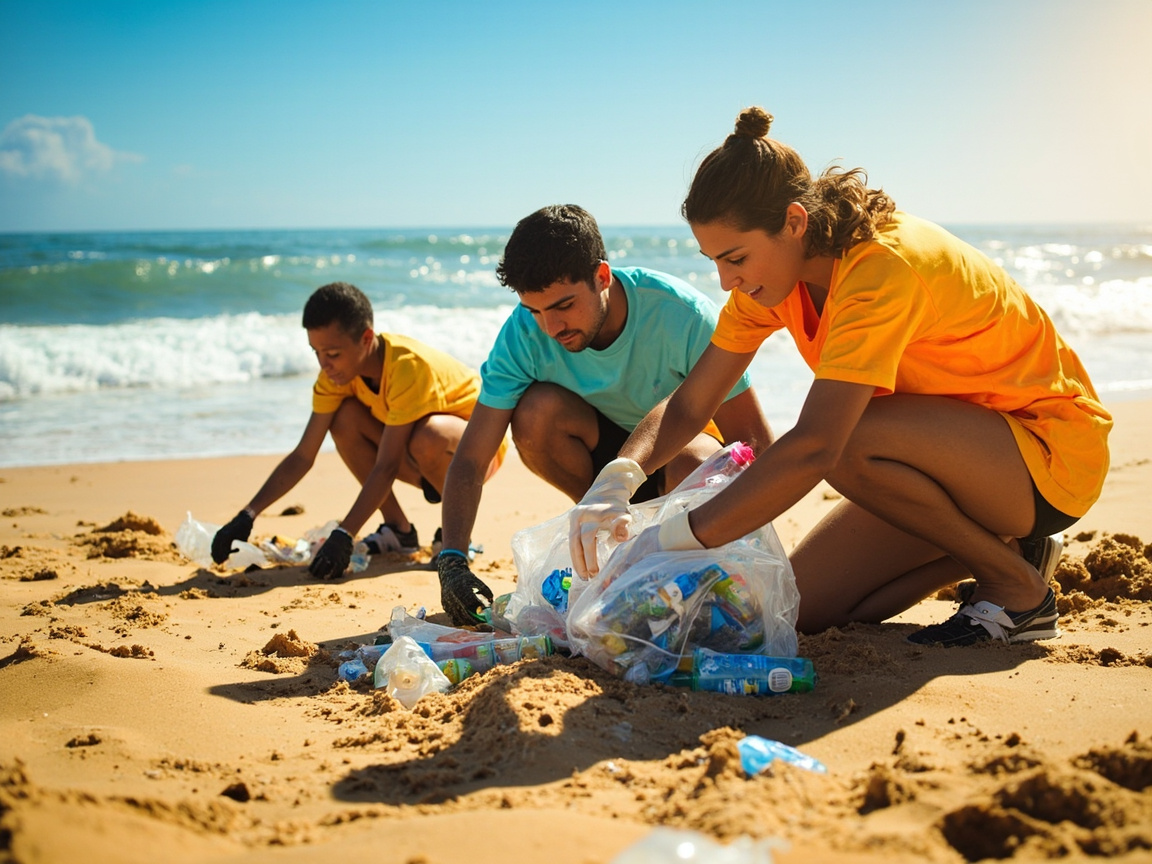
Many people are surprised to learn that everyday items are a major cause of ocean plastic. Single-use plastics like straws, coffee cups, and plastic bags make up a large part of the garbage found on coastlines around the world. Clothing made from synthetic materials, such as polyester, releases tiny plastic fibres every time it is washed — and these fibres end up in the ocean. Even microbeads in face scrubs and toothpaste are too small to be caught by water treatment plants. Understanding these hidden sources is the first step toward solving the problem.
Small Steps That Make a Real Difference
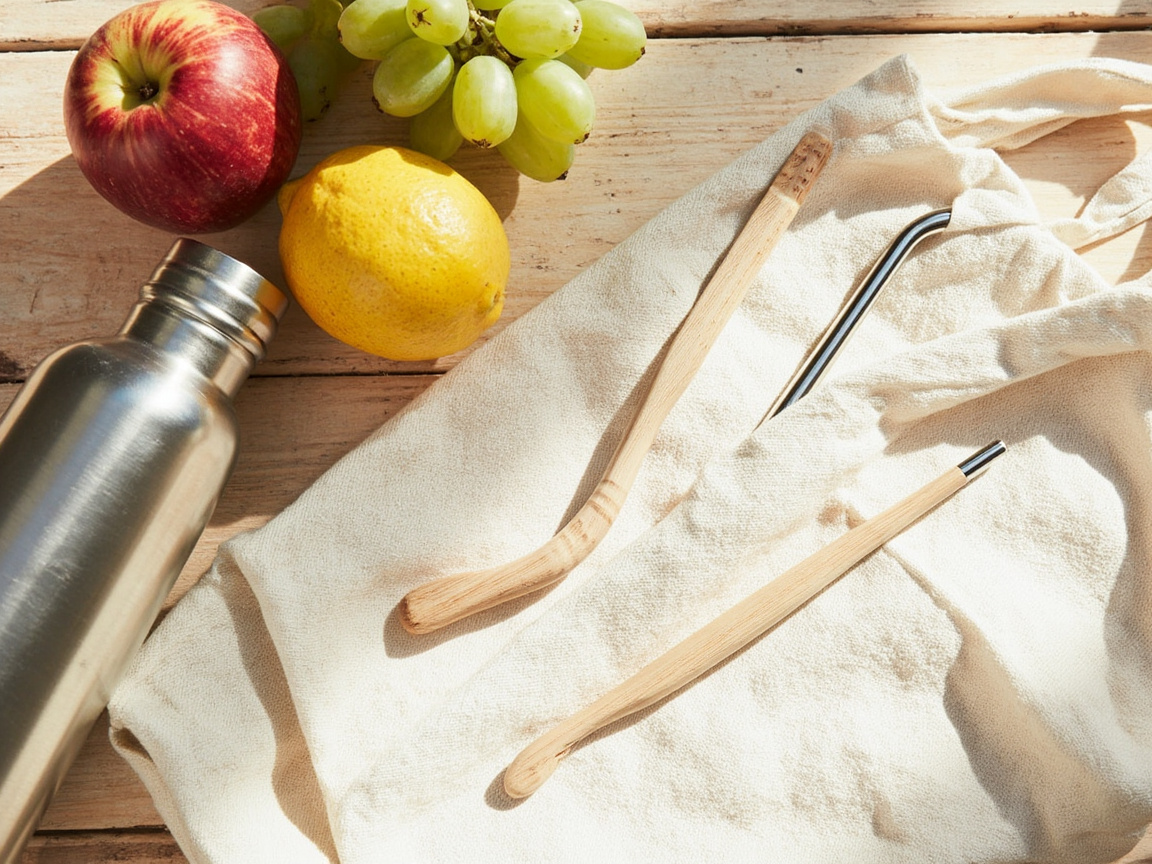
The good news is that ordinary people can help reduce plastic pollution with simple daily changes. Using reusable bags and reusable bottles instead of single-use ones is one of the easiest swaps. Buying products with less plastic packaging and choosing sustainable alternatives like bamboo toothbrushes or metal straws also makes an impact. Many cities now have recycling programmes that help keep plastic out of the ocean, so sorting your waste correctly matters. When millions of people make these small changes, the results can be enormous.
Communities and Governments Take Action
Around the world, communities are organising beach cleanups to remove plastic from coastlines and protect local wildlife. Countries like Kenya and France have banned single-use plastics such as straws and plates, showing that laws can drive real change. Big companies are also feeling pressure to use sustainable packaging and reduce the amount of plastic in their products. Scientists continue to develop new ways to clean plastic from the ocean, although most experts agree that stopping plastic at the source is far better than trying to remove it later. Together, individual action and government policies can build a powerful solution.
مشكلة البلاستيك: من البحر للفرشاة الصغيرة
هتتعلّم إيه من الدرس؟
المقال ده بيشرح مشكلة البلاستيك في المحيط بخمس زوايا: حجم الكارثة، تأثيرها على الكائنات، مصادرها المخفية، الحلول اليومية، والتحرك الجماعي. هنقرا كل قسم ونطلّع اللغة اللي بتحتاجها تفهم خبر بيئي وتتكلم عن حل بسيط من حياتك.
البحر بيمتلئ: رقم بيفوق الخيال
Some scientists believe that by 2050, there could be more plastic than fish in the sea.
بعض العلماء بيعتقدوا إن بحلول سنة 2050 ممكن يكون فيه بلاستيك أكتر من السمك في البحر.
أول قسم بيفتح بالرقم الكبير: تمن ملايين طن كل سنة. الكاتب بيضيف صورة بتوضح إن المشكلة مش بعيدة — ممكن توصل لمقارنة مع السمك نفسه:
كلمة «by» هنا معناها «بحلول» — بتقول الموعد النهائي مش المدة. والجملة كلها مبنية على تخمين علمي مش حقيقة ثابتة: «could be» بتقول إن ده احتمال مرعب مش وعد. دي طريقة العلماء يحذروا من غير ما يجزموا.
الكائنات البحرية: البلاستيك اللي بيتاكل
Marine life such as turtles, dolphins, and seabirds often mistake plastic bags or bottles for food.
الكائنات البحرية زي السلاحف والدلافين وطيور البحر كتير بتغلط وتاخد الشنط والزجاجات البلاستيك على إنها أكل.
تاني قسم عن تأثير البلاستيك على الحيوانات. المقال بيشرح إن الكائنات مش بتاكل البلاستيك عمدًا — بتغلط، والكلمة اللي بتوصف الغلطة دي مهمة:
التركيب «mistake X for Y» معناه يغلط وياخد حاجة على إنها حاجة تانية. هنا الحيوان بيشوف الكيس فيفتكره قنديل بحر أو سمكة. التعبير ده مفيد جدًا في الحياة اليومية كمان — لما تلخبط بين حاجتين متشابهين.
المصادر المخفية: اللي بيطلع من الغسالة
Single-use plastics like straws, coffee cups, and plastic bags make up a large part of the garbage found on coastlines around the world.
البلاستيك المستخدم لمرة واحدة زي الشاليموهات وأكواب الآهوة والشنط بيكوّن جزء كبير من الزبالة اللي بتتلاقي على السواحل حوالين العالم.
تالت قسم بيكشف إن المشكلة مش بس من الشنط — في بلاستيك بينزل من بيوتنا من غير ما نحس. المقال بيستخدم صفة بتوصف البلاستيك اللي بنستخدمه مرة واحدة:
الصفة المركبة دي بتوصف الحاجة اللي بتتصنع عشان تستخدم مرة واحدة وبعدين ترميها. بقيت مصطلح أساسي في أخبار البيئة. والجملة بتوصّل إن الحاجات الصغيرة اليومية هي المشكلة — مش الحاجات الكبيرة بس.
الخطوات الصغيرة: استبدال مش امتناع
Using reusable bags and reusable bottles instead of single-use ones is one of the easiest swaps.
استخدام شنط وزجاجات قابلة لإعادة الاستخدام بدل اللي بتتستعمل مرة واحدة هو من أسهل البدائل.
رابع قسم بيتحول للحلول اليومية. الكاتب بيستخدم كلمة بتقول إن التغيير مش بيتطلب حرمان — بيتطلب بديل:
الكلمة دي مكوّنة من «re-» معناها «تاني» + «usable» معناها «قابل للاستخدام». وهي عكس «single-use» اللي شفناها. والمقال بيسمي التغيير «swap» يعني استبدال — نفس الفكرة: مش امتناع، ده اختيار أحسن.
التحرك الجماعي: لما القانون يعمل فرق
Countries like Kenya and France have banned single-use plastics such as straws and plates, showing that laws can drive real change.
دول زي كينيا وفرنسا حظّرت البلاستيك الأحادي زي الشاليموهات والطباق، وده بيثبت إن القوانين تقدر تسوق تغيير حقيقي.
آخر قسم عن الدور الجماعي. المقال بيذكر إن دول حظرت البلاستيك الأحادي، وبيستخدم فعل بيوصف قوة القانون:
الفعل في المضارع التام عشان الحظر بدأ ولسه ماشي. والجملة بتركب الدليل على النتيجة: الأمثلة بتوضح إن القانون مش كلام، ده بيغيّر سلوك شركات وأفراد. لاحظ إن «drive» هنا معناها «يدفع» مش «يسوّق عربية».
لغة البيئة اللي هتلاقيها في الأخبار
كل تعبير من المقال ليه استخدام برا موضوع البلاستيك. شوف المعنى والأمثلة.
by 2050
معناها «بحلول سنة 2050»: التاريخ النهائي اللي الحاجة هتكون حصلت قبله أو عنده.
حرف الجر by مع التاريخ أو الوقت بيدّي موعد نهائي: by Friday / by next year / by 2050. يعني لازم تخلص أو يحصل قبل اللحظة دي. ما تقولش «until» لو قصدك الموعد النهائي — «until» معناها طول المدة.
Please send me the report by Thursday.
ابعتلي التقرير بحلول يوم الخميس من فضلك. موعد نهائي.
By the end of the year, we will have saved enough for a trip.
بحلول آخر السنة هنكون وفّرنا كفاية لرحلة. حدث مكتمل قبل الموعد.
mistake plastic bags or bottles for
التركيب «mistake X for Y» معناه يغلط وياخد حاجة على إنها حاجة تانية: هنا الكائنات بتاخد البلاستيك على إنه أكل.
التركيب mistake A for B: I mistook him for his brother. ماضي الفعل mistook وتصريف التالت mistaken. مفيد لما تحكي عن لخبطة حصلت بسبب تشابه — بين شخصين أو حاجتين أو رقمين.
I mistook the stranger for my old friend at the station.
غلطت وأخدت الغريب على إنه صاحبي القديم في المحطة. لخبطة بين شخصين.
She mistook the salt for sugar in the dark kitchen.
هي غلطت وأخدت الملح على إنه سكر في المطبخ الضلمة. لخبطة بين حاجتين.
Single-use
معناها «اللي بيتستعمل مرة واحدة»: صفة بتوصف حاجة بتتصنع للاستخدام الواحد وبعدين تترمي.
صفة مركبة بتيجي قبل الاسم: single-use plastics / single-use cup / single-use bag. بقيت مصطلح شائع جدًا في كلام البيئة والقوانين. وعكسها «reusable» اللي هنشوفها في الفقرة الجاية — الاتنين بيشتغلوا كمقارنة.
Many airlines have stopped giving out single-use plastic cutlery.
شركات طيران كتير وقفت توزيع أدوات المائدة البلاستيك الأحادية. استخدام في أخبار السفر.
Bring a reusable cup instead of taking a single-use one every morning.
هات كوب قابل لإعادة الاستخدام بدل ما تاخد واحد أحادي كل صبح. مقارنة مباشرة.
reusable
معناها «قابل لإعادة الاستخدام»: حاجة تقدر تستعملها كذا مرة بدل ما ترميها.
صفة مكوّنة من re- معناها «تاني» + usable. بتيجي قبل الاسم: reusable bottle / reusable bag / reusable mask. وهي الصفة المقابلة لـ«single-use»، فلو حفظت واحدة التانية بتفتكرها فورًا.
I carry a reusable water bottle to the gym.
بحمل معايا زجاجة ميّه قابلة لإعادة الاستخدام في الجيم. وصف عادة.
These containers are reusable, so do not throw them away.
العلب دي قابلة لإعادة الاستخدام، فمترميهاش. نصيحة بيئية.
have banned
معناها «حظّرت» أو «منعت رسميًا»: الحكومات أصدرت قوانين بمنع حاجة.
الفعل ban بييجي مع from لما تحدد النشاط: banned smoking in public places / banned single-use plastics. والمضارع التام have banned بيوصّل إن القرار لسه ماشي. ممكن تقول a ban on plastic bags كاسم كمان.
The city has banned cars from the old town center.
المدينة منعت العربيات من وسط البلد القديم. قرار بلدي.
There is a ban on plastic straws in most restaurants now.
فيه حظر على الشاليموهات البلاستيك في معظم المطاعم دلوقتي. استخدام الاسم.
ورقة مراجعتك للبيئة
تقريب النطق بالعربي للمساعدة بس؛ صوت المقال الأصلي هو الموديل.
| التعبير | معناه هنا | النطق | تقريب بالعربي | موضعه |
|---|---|---|---|---|
| by 2050 | بحلول سنة 2050 | /baɪ ˈtwenti ˈfɪfti/ | باي توِنتي فيفتي | فقرة البحر والبلاستيك |
| mistake plastic bags or bottles for | يغلط وياخد حاجة على إنها حاجة تانية | /mɪˈsteɪk fɔː/ | مِستِيك فور | فقرة الكائنات البحرية |
| Single-use | اللي بيتستعمل مرة واحدة | /ˈsɪŋɡəl juːs/ | سينجَل يوز | فقرة المصادر المخفية |
| reusable | قابل لإعادة الاستخدام | /ˌriːˈjuːzəbəl/ | ريُوزَبَل | فقرة الخطوات الصغيرة |
| have banned | حظّرت / منعت رسميًا | /hæv bænd/ | هاڤ باند | فقرة التحرك الجماعي |
بص حواليك في البيت أو الشارع ولاقي حاجة single-use وحاجة reusable. اكتب جملتين إنجليزية توصفهم وتقترح استبدال واحد. وبعدين جرّب تقول الفرق بين «by 2050» و«until 2050» بصوت عالي.
اختبر نفسك
-
1According to the article, how much plastic waste enters the oceans every year?
The article states that every year, more than 8 million tons of plastic waste ends up in the world's oceans.
-
2What are microplastics?
The article describes microplastics as smaller pieces of plastic that are hard to see and enter the food chain.
-
3Which of the following is mentioned as a hidden source of ocean plastic?
The article explains that synthetic clothing releases tiny plastic fibres when washed, which flow into the ocean.
-
4What do scientists predict could happen by the year 2050?
The article says some scientists believe that by 2050 there could be more plastic than fish in the sea.
-
5According to the article, what is considered the best approach to the plastic problem?
The article states that most experts agree stopping plastic at the source is far better than trying to remove it from the ocean later.