The Plastic Problem: How Small Changes Make Big Differences
Rising ocean plastic pollution is a global crisis, but everyday choices by regular people are starting to turn the tide.
A Ocean Full of Plastic
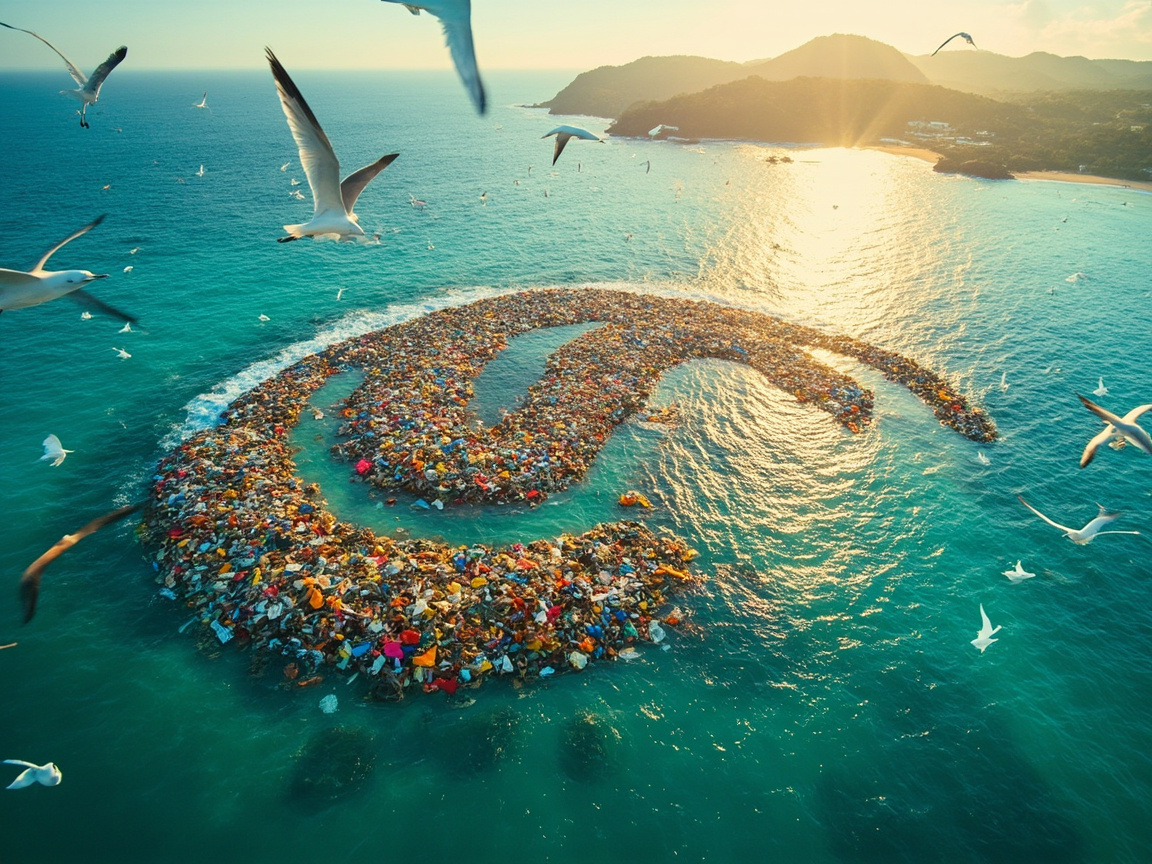
Every year, more than 8 million tons of plastic waste ends up in the world's oceans. This plastic pollution creates huge floating islands of trash in the water, and it is getting worse every year. Some scientists believe that by 2050, there could be more plastic than fish in the sea. Coastal communities, especially in Asia and Africa, are hit hardest because they often lack the waste management systems needed to handle all this garbage. The problem starts on land — most ocean plastic comes from rivers and waterways that carry garbage from cities straight to the sea.
Marine Life Under Threat
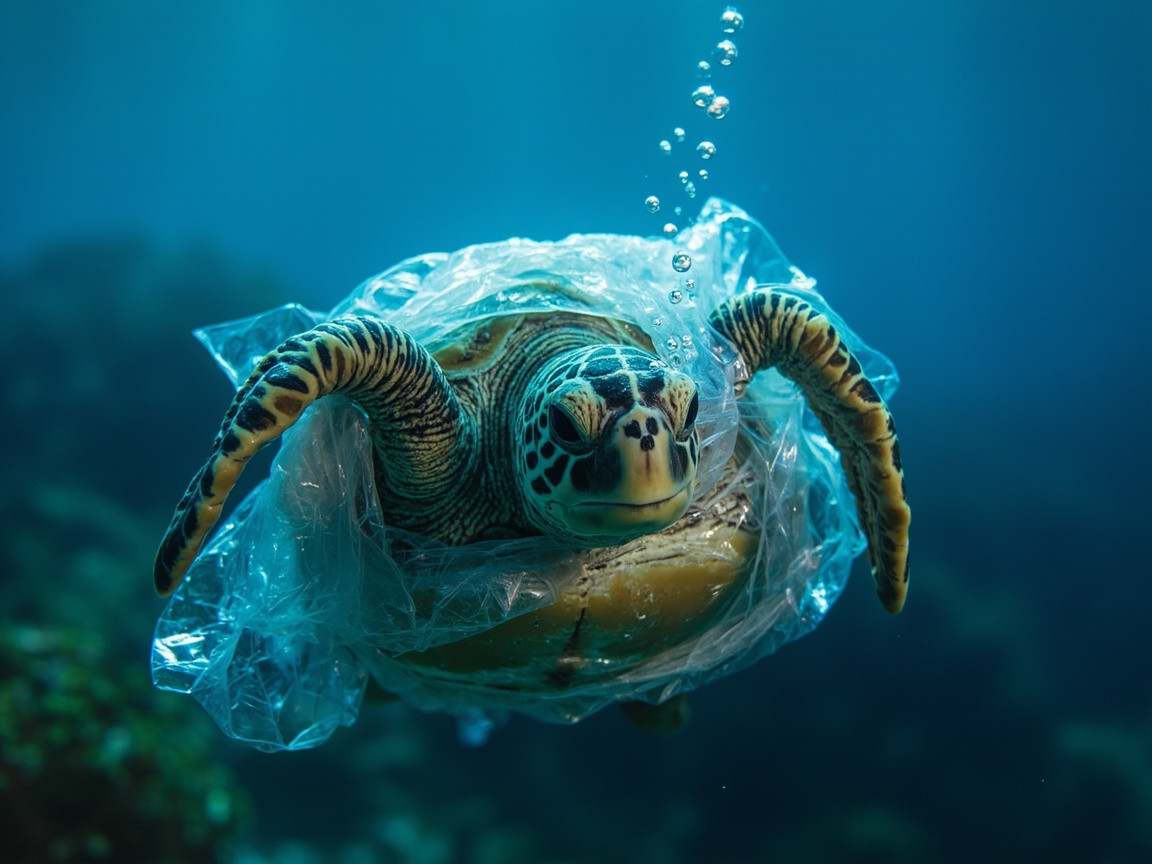
Sea animals are suffering because of plastic in the ocean. Marine life such as turtles, dolphins, and seabirds often mistake plastic bags or bottles for food. When they eat plastic, it can block their stomachs and kill them slowly. Smaller pieces of plastic called microplastics are even harder to see, and they enter the food chain when small fish eat them. These tiny particles have been found in the bodies of fish that people eat, which means plastic pollution is now a problem for human health too. Coral reefs, which are home to 25% of all ocean species, are also being damaged by plastic waste.
The Hidden Sources of Ocean Plastic
Many people are surprised to learn that everyday items are a major cause of ocean plastic. Single-use plastics like straws, coffee cups, and plastic bags make up a large part of the garbage found on coastlines around the world. Clothing made from synthetic materials, such as polyester, releases tiny plastic fibres every time it is washed — and these fibres end up in the ocean. Even microbeads in face scrubs and toothpaste are too small to be caught by water treatment plants. Understanding these hidden sources is the first step toward solving the problem.
Small Steps That Make a Real Difference
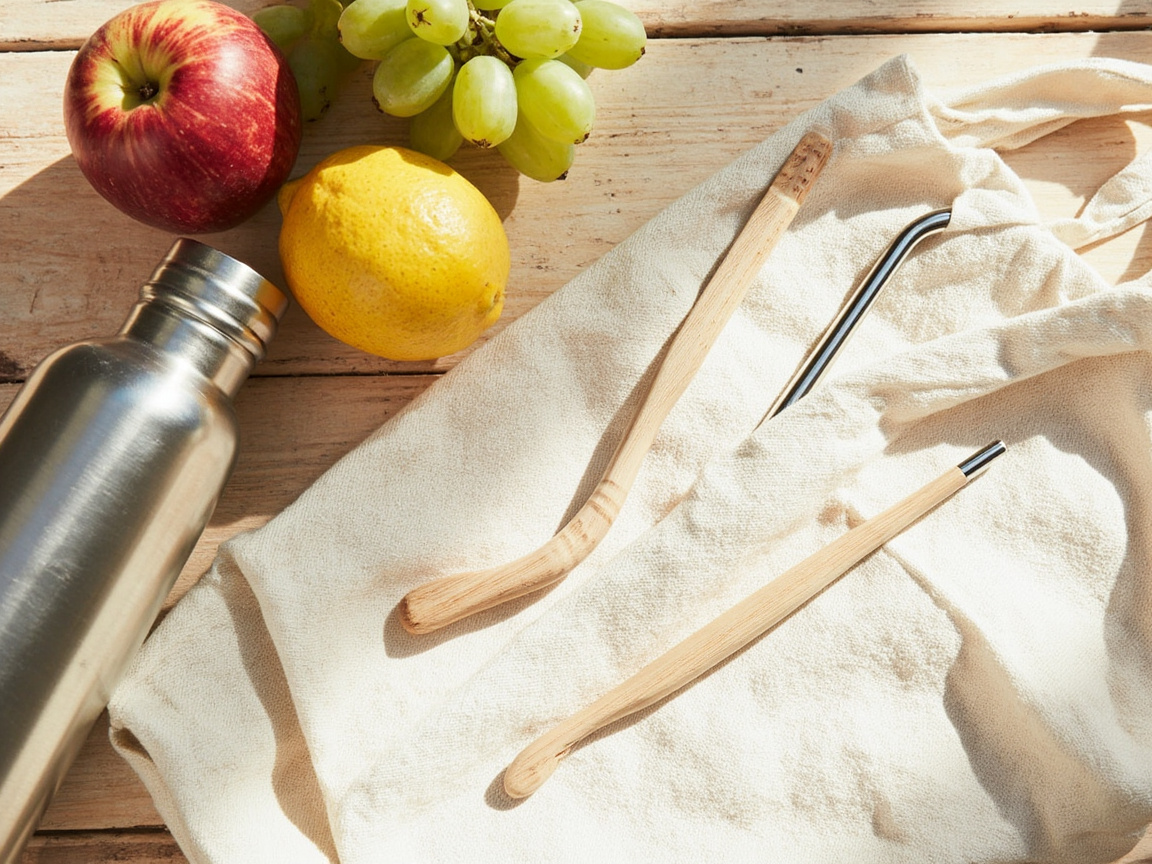
The good news is that ordinary people can help reduce plastic pollution with simple daily changes. Using reusable bags and reusable bottles instead of single-use ones is one of the easiest swaps. Buying products with less plastic packaging and choosing sustainable alternatives like bamboo toothbrushes or metal straws also makes an impact. Many cities now have recycling programmes that help keep plastic out of the ocean, so sorting your waste correctly matters. When millions of people make these small changes, the results can be enormous.
Communities and Governments Take Action
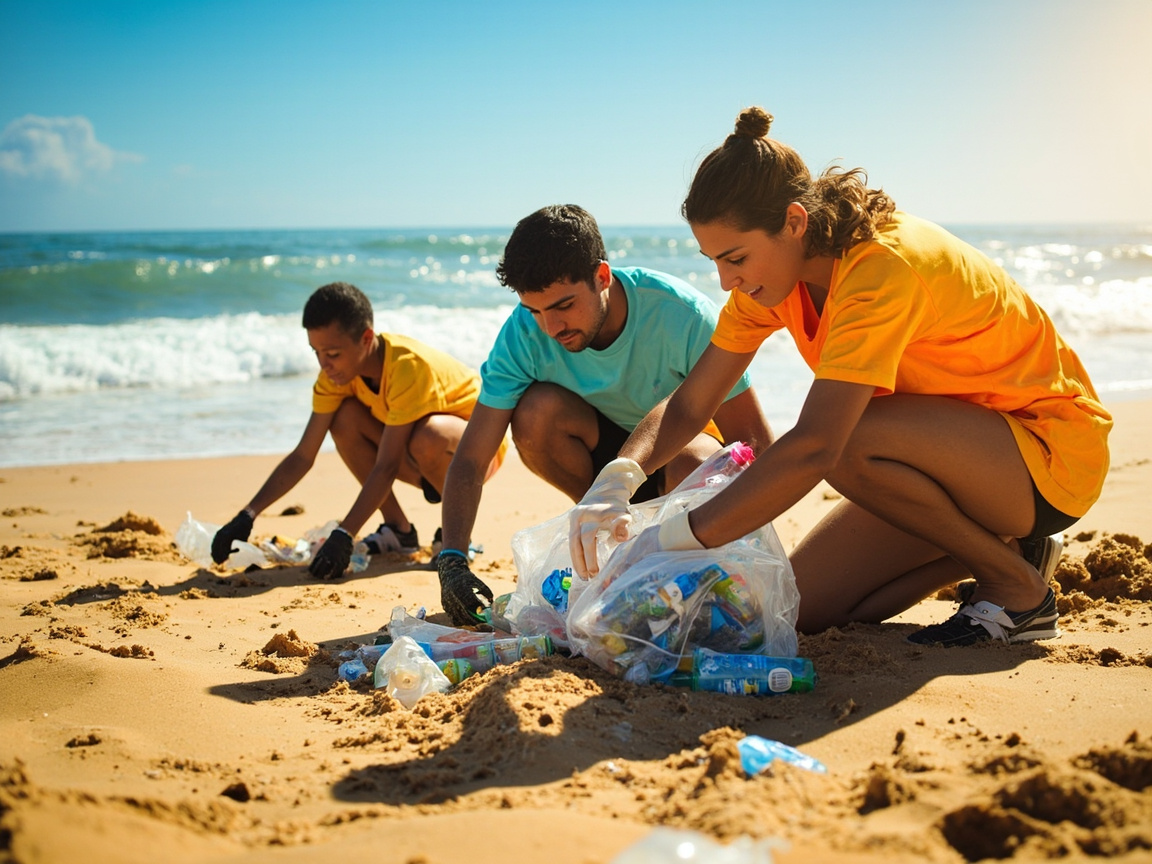
Around the world, communities are organising beach cleanups to remove plastic from coastlines and protect local wildlife. Countries like Kenya and France have banned single-use plastics such as straws and plates, showing that laws can drive real change. Big companies are also feeling pressure to use sustainable packaging and reduce the amount of plastic in their products. Scientists continue to develop new ways to clean plastic from the ocean, although most experts agree that stopping plastic at the source is far better than trying to remove it later. Together, individual action and government policies can build a powerful solution.
اختبر نفسك
-
1According to the article, how much plastic waste enters the oceans every year?
The article states that every year, more than 8 million tons of plastic waste ends up in the world's oceans.
-
2What are microplastics?
The article describes microplastics as smaller pieces of plastic that are hard to see and enter the food chain.
-
3Which of the following is mentioned as a hidden source of ocean plastic?
The article explains that synthetic clothing releases tiny plastic fibres when washed, which flow into the ocean.
-
4What do scientists predict could happen by the year 2050?
The article says some scientists believe that by 2050 there could be more plastic than fish in the sea.
-
5According to the article, what is considered the best approach to the plastic problem?
The article states that most experts agree stopping plastic at the source is far better than trying to remove it from the ocean later.