The Patient Line: What Queues Reveal About Us
A cultural journey from London bus stops to Parisian boulangeries — and what our waiting habits say about who we are
1. The British Obsession with Order
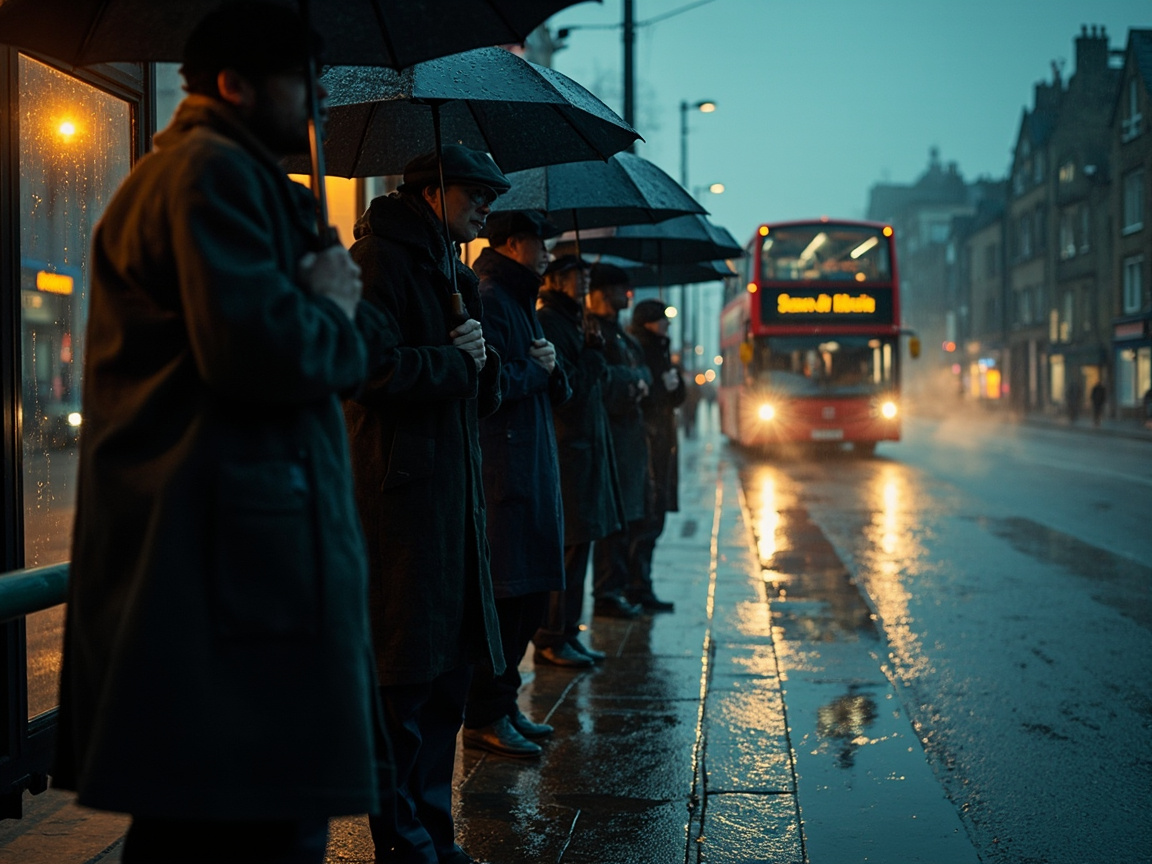
Ask any foreigner to describe British culture and they will almost certainly mention one phenomenon: the queue. In the United Kingdom, lining up is far more than a practical way to board a bus or buy a ticket. It is a small, daily ritual — a public proof that everyone, regardless of wealth or status, is treated the same. Anthropologists have argued that the British queue functions as a portable democracy, a strip of pavement where the rules of fairness are visible to all. To push in, or 'jump the queue,' is a social transgression that can trigger real indignation, muttered disapproval, and sometimes a polite but pointed public lecture. The etiquette is unwritten, but it is enforced with remarkable consistency by strangers who have no official authority at all.
2. The French Flâneur vs. The Queuer
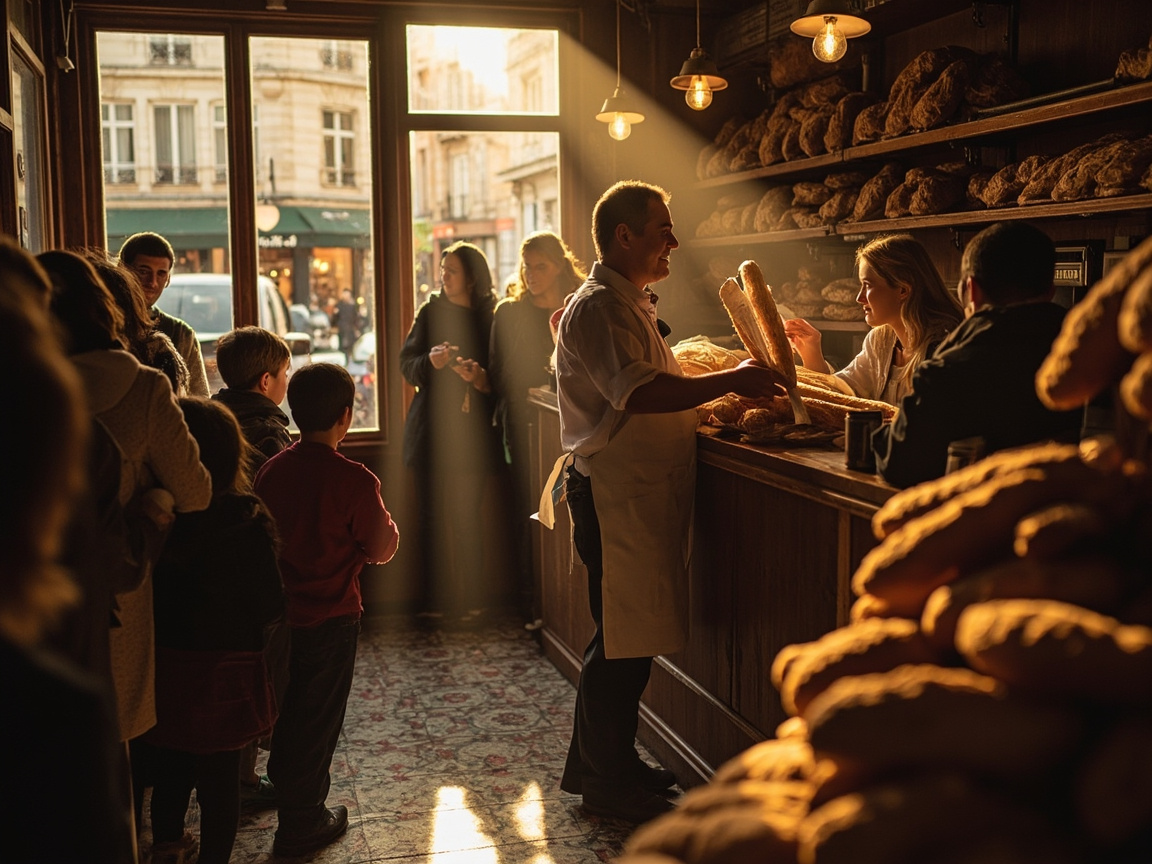
Cross the Channel and the mood changes. France has its own long tradition of the flâneur — a leisurely stroller who saunters through city life rather than marching toward a goal. Waiting in line, in this cultural imagination, can feel almost un-French: too rigid, too Anglo-Saxon, too earnest. In busy boulangeries or métro stations, French customers often form a looser, more conversational cluster around the counter, and the rules of who is next are negotiated through eye contact, a friendly 'bonjour,' and body language rather than a strict line. This is not chaos; it is a different etiquette, one that values charm and social agility over rigid order. Understanding this contrast is essential for any traveller who wants to avoid a cultural misunderstanding at a Parisian ticket desk.
3. What Queues Reveal About National Character
Queues are a kind of mirror. Sociologists and cultural observers have long treated them as a low-stakes but revealing psychology test. In countries with strong traditions of public civility, waiting tends to be orderly because citizens trust the system to be fair. In societies where access to goods is scarce or unpredictable, queues can become tense, competitive, or even a form of informal employment — the 'queue stander' who holds a place for someone else in return for a small fee. The simple act of waiting, in other words, exposes deeper assumptions about equality, trust, and shared rules. Even something as mundane as a queue at a coffee shop can tell an observant anthropologist a great deal about the values of the people standing in it.
4. The Science of Patience
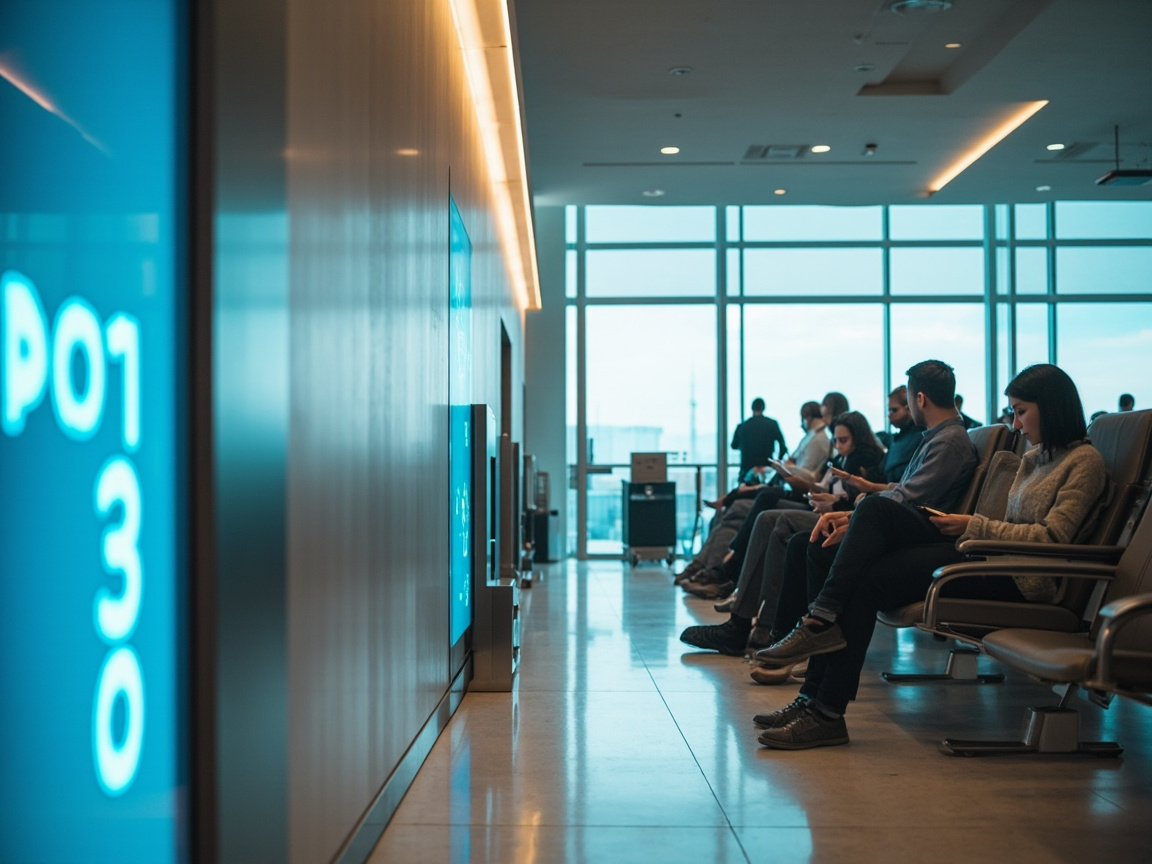
Why does a ten-minute wait feel endless while a ten-minute chat with a friend flies by? Researchers call this the '心理学 of waiting,' and it depends less on the clock than on the mind. Studies show that unexplained waits feel longer than explained ones, idle waits feel longer than occupied ones, and unfair waits feel much longer than fair ones — even when they last exactly the same number of minutes. This is why airlines apologise for delays and theme parks post estimated times. Dopamine, the brain's reward chemical, is released not when the reward arrives but in the moments of anticipation before it. A well-managed queue is therefore a small piece of emotional engineering: it tells the waiting brain that the system is civility-respectful, predictable, and worthy of trust.
5. The Queue Goes Digital and Invisible
The traditional line is being quietly replaced by the virtual queue. Apps now let diners join a restaurant waiting list from across town, theme parks assign visitors a return time on a wristband, and doctors' offices send a text when it is your turn. During the pandemic, these invisible queues became the norm, and they have remained popular because they restore a sense of control to the waiting customer. Yet researchers have noticed something curious: people value the camaraderie of a real queue — the small talk, the shared sigh, the collective eye-roll at a slow cashier. The future of waiting may be digital, but the human need to wait together, in person, is proving surprisingly hard to delete.
اختبر نفسك
-
1According to the article, why is 'queue-jumping' considered such a serious social transgression in the United Kingdom?
The article describes the British queue as a 'portable democracy' where the unwritten rule is that everyone is treated the same.
-
2What does the French word 'flâneur' refer to in the article?
The article defines the flâneur as 'a leisurely stroller who saunters through city life rather than marching toward a goal.'
-
3Which of the following is NOT mentioned as a reason a wait can feel longer than it actually is?
The article lists unexplained, unfair, and idle waits as feeling longer, but it does not say that travelling abroad makes a wait feel longer.
-
4What surprising benefit of a real, in-person queue does the article mention?
The article notes that 'people value the camaraderie of a real queue — the small talk, the shared sigh, the collective eye-roll.'
-
5What change does the article say has happened to queues in recent years?
The final section describes how apps, wristbands, and texts have replaced many traditional lines with 'invisible' queues.