AI in the Classroom: Reimagining Language Learning
How artificial intelligence is transforming TESOL — and what it means for the future of education
The Rise of the AI Tutor
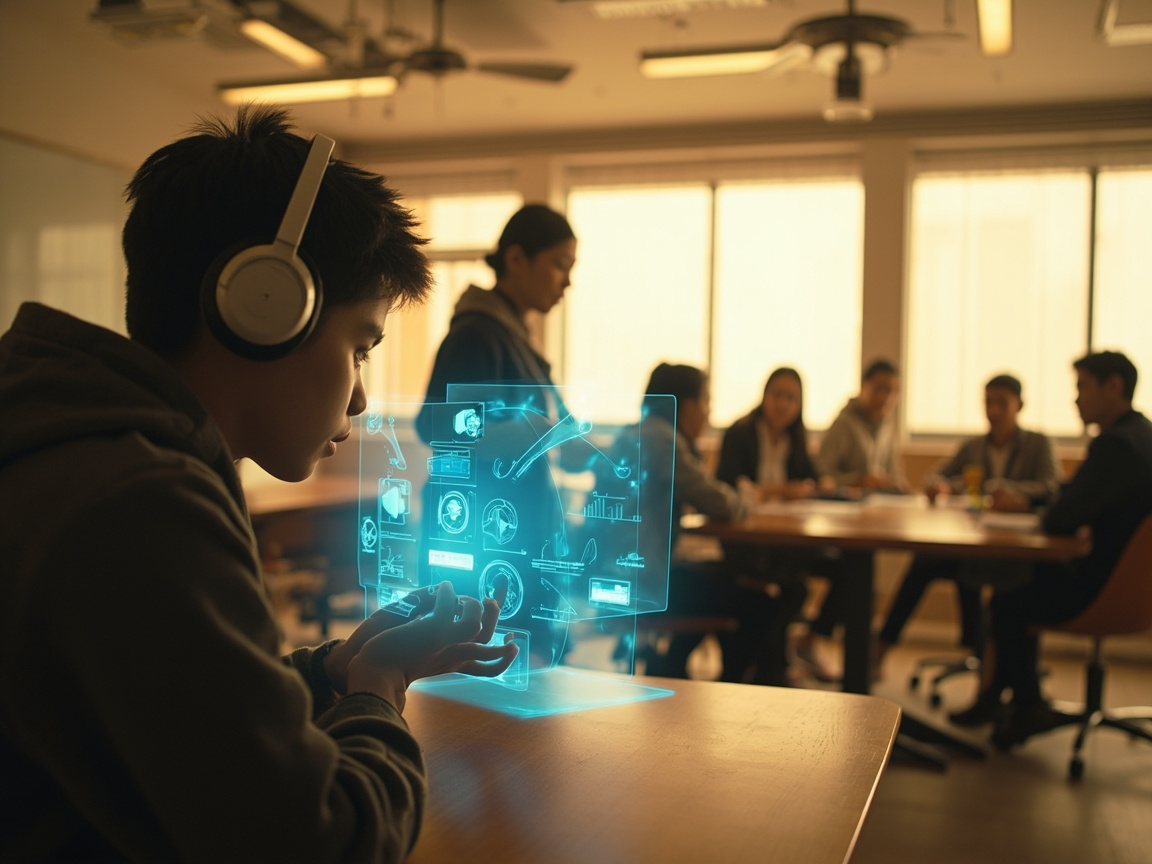
In classrooms from Seoul to São Paulo, algorithmic language tutors are becoming impossible to ignore. ChatGPT and similar large language models can now engage students in authentic conversation, instantly correcting grammar and offering adaptive explanations tailored to individual learners. For English teachers, this represents both an unprecedented opportunity and a profound challenge to traditional pedagogy. The technology can generate unlimited practice exercises, simulate job interviews, and provide patient, non-judgmental feedback at any hour. Yet this implementation of AI in language education raises fundamental questions about what it means to truly learn a language.
Personalized Practice at Scale
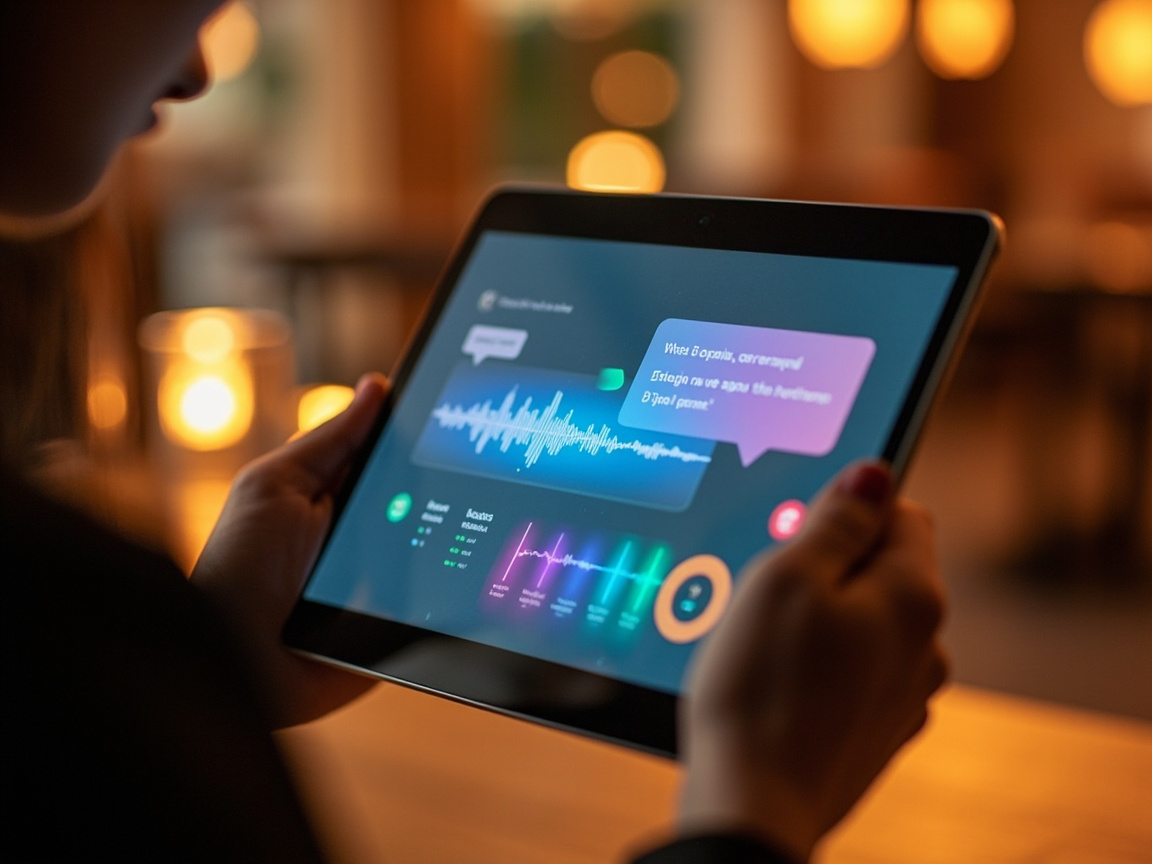
One of the most compelling arguments for AI tutors lies in their ability to deliver personalized learning experiences that were previously available only through expensive private tutoring. These systems can scaffold lessons by breaking complex grammar rules into digestible chunks, then gradually increasing difficulty as the learner progresses. Unlike human teachers who must divide attention among thirty students, AI can provide heuristic feedback that guides learners toward discovery rather than simply providing answers. Research suggests that students who engage with AI conversation partners may develop greater fluency and confidence in speaking, particularly in low-stakes environments where fear of judgment is removed.
The Integrity Debate
However, the integration of AI into language learning has ignited concerns about academic integrity and the very nature of language proficiency. Educators worry that students may rely too heavily on AI assistance, submitting synthetic work that reflects the machine's capabilities rather than their own developing skills. The specter of plagiarism has evolved beyond copy-pasting; now, students can produce polished essays that may not represent their actual competence. Universities and language testing organizations are scrambling to develop detection methods and new assessment formats that can distinguish genuine human achievement from AI-generated output.

The Teacher's Evolving Role
Rather than rendering human teachers obsolete, AI may be reshaping their role from information provider to learning facilitator. In this new paradigm, teachers can focus on the interpersonal dimensions of education that machines cannot replicate — building community, inspiring motivation, and addressing the emotional aspects of learning a new language. Some educators are experimenting with blended approaches, using AI for drill-based practice while reserving classroom time for discussion, collaborative projects, and cultural immersion activities. The most forward-thinking programs are teaching students to use AI ethically, treating it as a tool to augment their learning rather than a shortcut to avoid effort.
Looking Forward: A Balanced Approach
The most nuanced perspectives on AI in TESOL acknowledge that the technology is neither savior nor villain — it is simply a new instrument in the educational toolkit. The key lies in remediation strategies that help struggling learners while still building independent skills. As AI continues to evolve, so too must our frameworks for responsible use. The goal is not to resist technological progress, but to ensure that the human elements of language learning — communication, connection, and cultural understanding — remain at the heart of education. The future of TESOL may well depend on our ability to harness AI's power while preserving the irreplaceable value of human interaction.
اختبر نفسك
-
1According to the article, what is one key advantage AI tutors offer over traditional classroom settings?
The article states that AI can provide personalized feedback at any hour, unlike human teachers with limited time.
-
2What does the word 'scaffold' mean in the context of this article?
The glossary defines 'scaffold' as providing temporary support to help someone learn, which aligns with the article's description of breaking complex rules into digestible chunks.
-
3What concern do educators raise about students using AI tools?
The article mentions concerns that students may submit synthetic work that reflects the machine's capabilities rather than their own developing skills.
-
4How might the role of human teachers evolve according to the article?
The article states that teachers may shift from information providers to facilitators, focusing on community building and emotional aspects that machines cannot replicate.
-
5What is the article's overall tone regarding AI in language learning?
The article presents a nuanced perspective, acknowledging AI's benefits while addressing legitimate concerns about integrity and the human elements of education.