Crisis in Sudan: A Nation Divided
Millions of people are suffering as fighting continues in one of the world's largest humanitarian disasters.
What is Happening in Sudan?
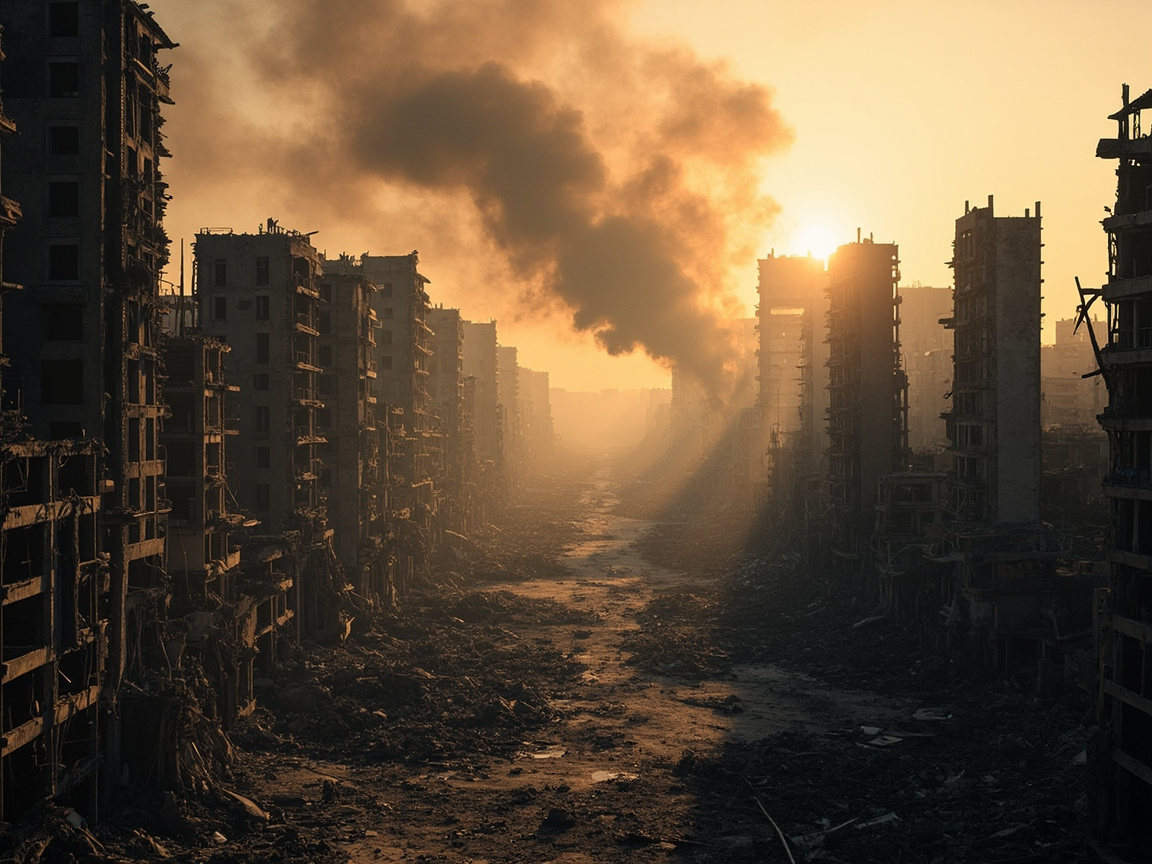
Since April 2023, Sudan has been experiencing intense fighting between two powerful groups: the Sudanese Armed Forces (SAF) and the Rapid Support Forces (RSF). This conflict began as a power struggle between military leaders but has since spread across the entire country. Major cities, including the capital Khartoum, have seen heavy fighting and violence. Hospitals, schools, and homes have been damaged or destroyed. Millions of ordinary people are caught in the middle with nowhere safe to go.
A Growing Humanitarian Crisis
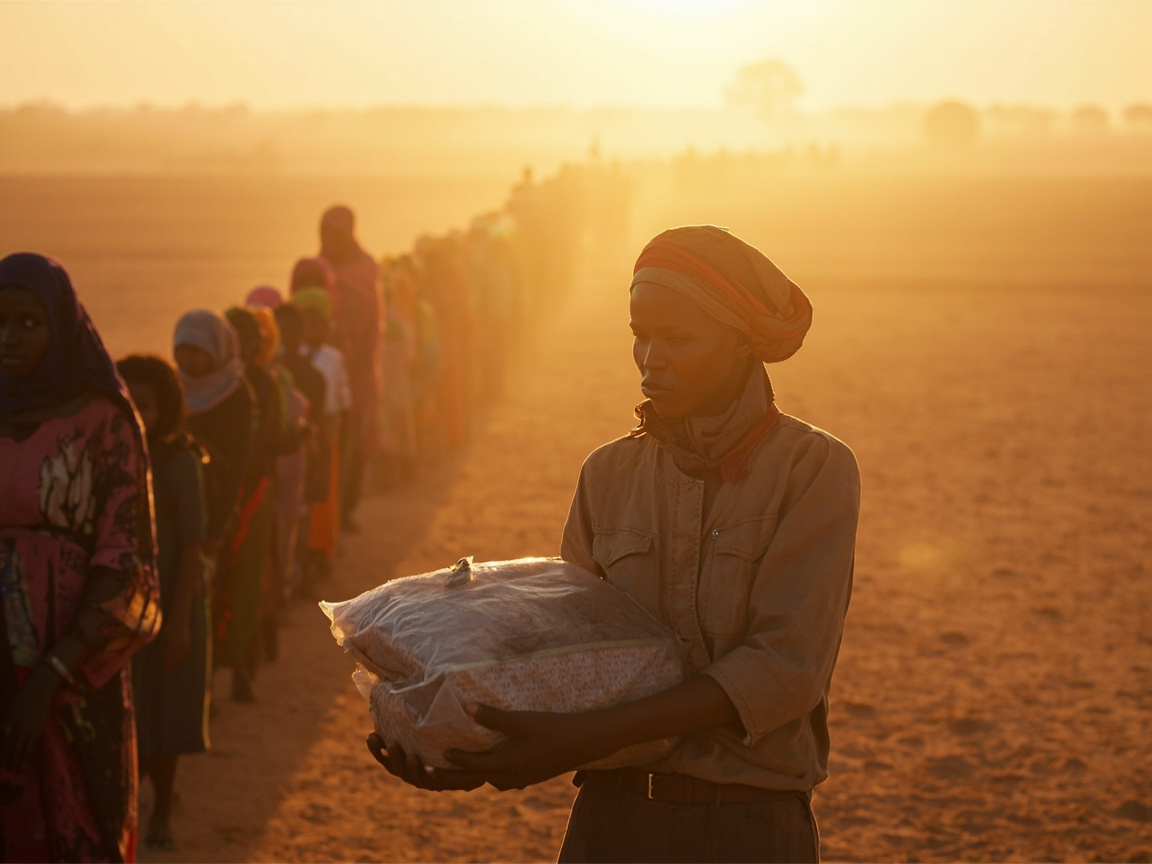
The fighting has created one of the biggest humanitarian crises in the world today. More than eight million people have been forced to flee their homes. Many are now displaced and living in temporary shelters or with host families. The United Nations warns that famine conditions are spreading rapidly in several regions. Clean water, medicine, and food are extremely difficult to find. Many children are severely malnourished and need urgent medical care.
Who Are the Refugees and the Displaced?
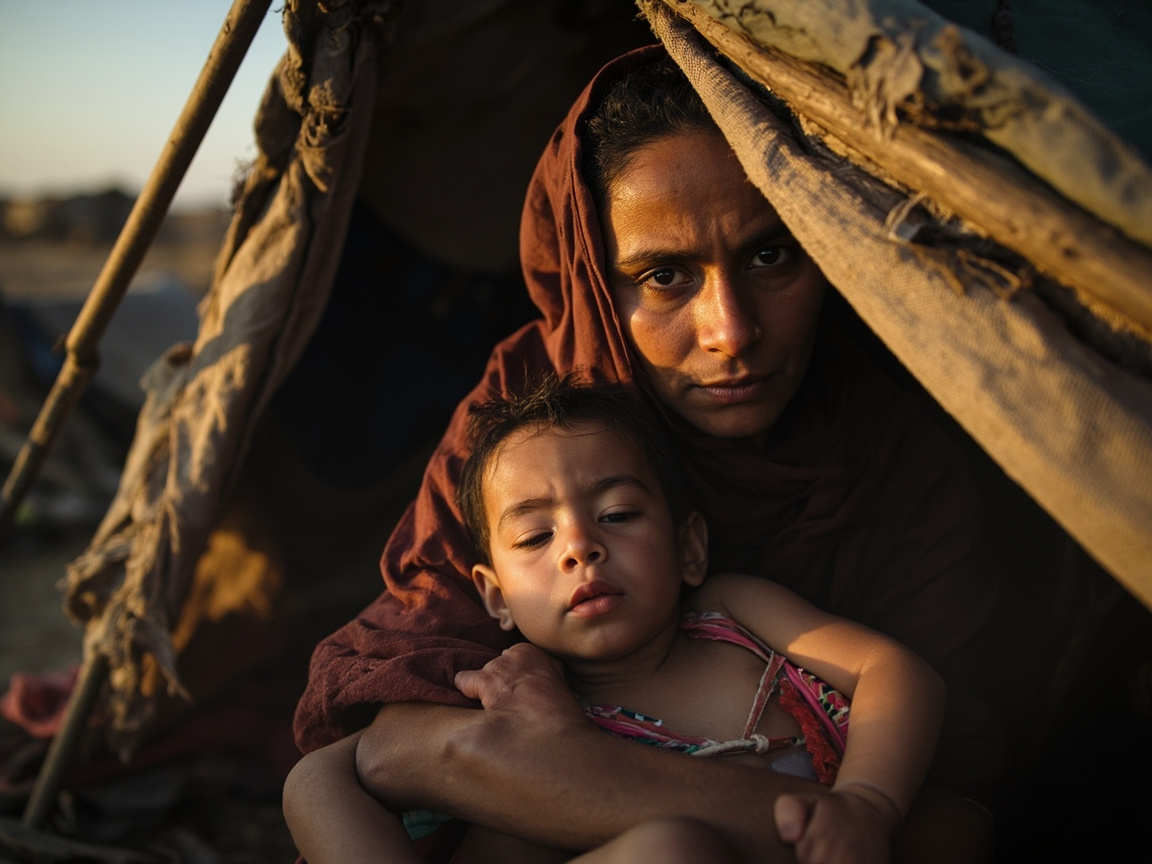
When people are forced to leave their homes quickly, they become refugees if they cross a border, or internally displaced persons if they stay within Sudan. Many Sudanese families have lost everything and now rely on international aid for basic survival. Women and children make up the majority of those affected. Some refugees have crossed into neighboring countries like Chad, Egypt, and South Sudan, but conditions there are also very difficult. The journey to safety is often dangerous and many people have died trying to escape.
The International Response
International organizations like the United Nations and the Red Cross are working hard to help those in need. They provide food, clean water, shelter, and medical supplies. However, delivering aid in a war zone is extremely challenging. Fighting often blocks roads and makes it impossible for convoys to reach people who need help. Some temporary ceasefire agreements have allowed brief moments for aid delivery, but these have not lasted long. The international community continues to call for an end to the fighting.
Looking for Peace
Despite the ongoing tensions between the two sides, there is hope that peace may eventually come. Several countries and organizations are working as mediators to bring the parties together for negotiations. Some analysts believe that a lasting peace agreement is possible if both sides are willing to compromise. Ordinary Sudanese people continue to hope for the day when they can rebuild their lives and communities. Education and economic recovery will be essential for Sudan's future.
أزمة السودان: الحرب اللي بتحول ملايين الناس للاجئين
هتتعلّم إيه من الدرس؟
المقال ده بيشرح الصراع في السودان بخمسة محاور: إيه اللي بيحصل، الأزمة الإنسانية، مين اللاجئين والمهجرين، الرد الدولي، والبحث عن السلام. هنطلّع لغة الكوارث الإنسانية والسياسية.
الصراع: حرب بين قائدين مش بين شعبين
This conflict began as a power struggle between military leaders but has since spread across the entire country.
الصراع ده بدأ كصراع سلطة بين قادة عسكريين لكنه من ساعتها انتشر في البلد كلها.
أول قسم بيعرّف الصراع. المقال بيوضح إن الحرب بدأت كصراع سلطة بين عسكريين مش كحرب أهلية تقليدية:
المصطلح «power struggle» معناه صراع سلطة — تنافس على الحكم مش على أرض أو أفكار. والمقال بيوضح الفرق: بدأ بين قادة لكنه بقى كارثة وطنية. «has since spread» بتوصّل إن التوسع مستمر وماشي لحد دلوقتي.
الأزمة الإنسانية: ثمانية ملايين نازح
More than eight million people have been forced to flee their homes.
أكتر من تمن ملايين شخص اتجبروا يهربوا من بيوتهم.
تاني قسم عن الحجم. المقال بيستخدم تعبير بيوصف الإجبار على الهروب:
التركيب «forced to flee» معناه اتجبر يهرب — مش اختيار، ده ضرورة. والمقال بيوضح الفرق: «flee» أقوى من «leave» — بتوصّل خطر وسرعة. والرقم ثمانية ملايين بيوصّل إن ده مش نزوح محدود، ده شعب بيتحرك.
لاجيء × مهجر داخلي: الحدود اللي بتفرق
When people are forced to leave their homes quickly, they become refugees if they cross a border, or internally displaced persons if they stay within Sudan.
لما الناس بتتجبر تسيب بيوتها بسرعة، بيبقوا لاجئين لو عدّوا الحدود، أو مهجرين داخليًا لو فضلوا جوه السودان.
تالت قسم بيعرّف المصطلحات القانونية. المقال بيوضح إن الفرق مش في المعاناة — في المكان:
المصطلح «internally displaced persons» معناه مهجرين داخليًا — نازحين جوه بلدهم. الفرق القانوني مهم: اللاجيء عدّى حدود فليه حماية دولية، المهجر لسه في بلده فبيبقى مسؤولية حكومته — وحكومته هي اللي بتضطهده غالبًا.
الرد الدولي: المساعدة اللي بتوصل بالصعوبة
However, delivering aid in a war zone is extremely challenging.
بس توصيل المساعدات في منطقة حرب هو تحدي صعب جدًا.
رابع قسم عن المساعدات. المقال بيستخدم تعبير بيوصف صعوبة العمل في منطقة حرب:
المصطلح «war zone» معناه منطقة حرب — مش بس خطر، ده قانونيًا وعمليًا منطقة معادية. والمقال بيوضح إن المساعدة مش بتفشل لأن مفيش نية — بتفشل لأن الطريق مقطوع والقتال مستمر.
السلام: الوساطة اللي لسه شغالة
Some analysts believe that a lasting peace agreement is possible if both sides are willing to compromise.
بعض المحللين بيعتقدوا إن اتفاق سلام دائم ممكن لو الطرفين مستعدين يتنازلوا.
آخر قسم عن الأمل. المقال بيستخدم تعبير بيوصف حل الطرفين:
التركيب «willing to compromise» معناه مستعد يتنازل — مش يستسلم، ده يقبل حل وسط. والمقال بيوضح إن السلام مش بيحتاج نية طيبة بس — بيحتاج استعداد للتنازل من الطرفين. ده الشرط الواقعي الوحيد للأمل.
لغة الأزمات الإنسانية
كل تعبير من المقال ليه استخدام في الكلام الإنساني والسياسي. شوف المعنى والأمثلة.
power struggle
معناها «صراع سلطة» أو «صراع نفوذ»: تنافس على الحكم أو السيطرة.
اسم مركب: power struggle / a struggle for power / engaged in a power struggle. بيتقال في السياسة والتاريخ والشركات — أي مكان فيه تنافس على السيطرة.
The company went through a power struggle between the two founders.
الشركة عدت بصراع سلطة بين المؤسسين الاتنين. استخدام تجاري.
After the king died, a power struggle broke out among his sons.
بعد ما الملك مات، صراع سلطة انفجر بين أولاده. استخدام تاريخي.
forced to flee
معناها «اتجبر يهرب» أو «أُجبر على النزوح»: ترك البيت بسبب خطر مش اختيار.
التركيب be forced to + verb: forced to flee / forced to leave / forced to sell. والفعل flee معناه يهرب بسرعة من خطر — أقوى من «leave». بيتقال في الأخبار الإنسانية.
They were forced to flee when the flood reached their village.
اتجبروا يهربوا لما الفيضان وصل قريتهم. استخدام كارثي.
Many were forced to leave their jobs during the economic crisis.
كتير اتجبروا يسيبوا شغلهم أثناء الأزمة الاقتصادية. استخدام اقتصادي.
internally displaced persons
معناها «مهجرين داخليًا» أو «نازحين داخليين»: ناس سابت بيوتها لكن فضلت جوه بلدها.
المصطلح internally displaced persons (IDPs): internally displaced people / IDP camps / displaced within the country. بيتقال في القانون الدولي والأخبار الإنسانية. الفرق عن «refugee» إن المهجر مش عدّى حدود دولية.
The UN estimates there are 50 million internally displaced persons worldwide.
الأمم المتحدة بتقدر إن فيه 50 مليون مهجر داخلي في العالم. استخدام إحصائي.
The camp for internally displaced persons is running out of supplies.
مخيم المهجرين داخليًا بيخلص من المؤن. استخدام إنساني.
a war zone
معناها «منطقة حرب»: مكان بيحصل فيه قتال نشط وخطر دائم.
المصطلح war zone: in a war zone / enter a war zone / journalists in war zones. بيتقال في الأخبار والقانون الإنساني. ومجازيًا بيتقال عن أي مكان فوضوي خطير.
Doctors working in a war zone face daily risks.
الدكاترة اللي بيشتغلوا في منطقة حرب بيواجهوا مخاطر يومية. استخدام طبي.
The neighborhood looked like a war zone after the explosion.
الحارة كانت شكلها زي منطقة حرب بعد الانفجار. استخدام مجازي للدمار.
willing to compromise
معناها «مستعدين يتنازلوا»: قبول حل وسط بدل الإصرار على كل حاجة.
التركيب be willing to + verb: willing to compromise / willing to negotiate / willing to change. والاسم compromise معناه التنازل المتبادل أو الحل الوسط. بيتقال في الدبلوماسية والعلاقات.
Both sides must be willing to compromise for peace to work.
الطرفين لازم يكونوا مستعدين يتنازلوا عشان السلام ينجح. استخدام سياسي.
She is not willing to compromise on her principles.
هي مش مستعدة تتنازل عن مبادئها. استخدام شخصي.
ورقة مراجعتك للأزمة
تقريب النطق بالعربي للمساعدة بس؛ صوت المقال هو الموديل.
| التعبير | معناه هنا | النطق | تقريب بالعربي | موضعه |
|---|---|---|---|---|
| power struggle | صراع سلطة / نفوذ | /ˈpaʊə ˈstrʌɡəl/ | باوَر ستراجَل | قسم الصراع |
| forced to flee | اتجبر يهرب / أُجبر على النزوح | /fɔːst tə fliː/ | فورست تَ فلي | قسم الأزمة الإنسانية |
| internally displaced persons | مهجرين داخليًا / نازحين | /ɪnˈtɜːnəli dɪsˈpleɪst ˈpɜːsənz/ | إنتِرنَلي دِسبلِيست بِرسَنز | قسم اللاجئين والمهجرين |
| a war zone | منطقة حرب / مكان قتال | /ə wɔː zəʊn/ | أَ وور زون | قسم الرد الدولي |
| willing to compromise | مستعدين يتنازلوا / يقبلوا حل وسط | /ˈwɪlɪŋ tə ˈkɒmprəmaɪz/ | ويلينج تَ كومبرَمايز | قسم البحث عن السلام |
اكتب جملة تشرح الفرق بين «refugee» و«internally displaced person». وبعدين استخدم «willing to compromise» في جملة عن أي نزاع تعرفه.
اختبر نفسك
-
1What caused the conflict in Sudan to begin?
The conflict began as a power struggle between the leaders of the Sudanese Armed Forces and the Rapid Support Forces.
-
2According to the article, what is happening to children in Sudan?
The article states that many children are severely malnourished and need urgent medical care.
-
3What challenge do aid organizations face when trying to help people in Sudan?
Fighting blocks roads and makes it impossible for aid convoys to reach people who need help.
-
4Which countries have some Sudanese refugees crossed into?
The article mentions that some refugees have crossed into Chad, Egypt, and South Sudan.
-
5What gives hope that peace might come to Sudan?
Several countries and organizations are working as mediators to bring the parties together for negotiations.