Talking About Culture: Topics for Real Conversations
Learn how to discuss cultural practices, values, and traditions with confidence
Why Discussing Culture Matters
Understanding different customs helps us see the world from many angles. When we learn about other people's traditions, we become more open‑minded and respectful. Exploring a group’s heritage also connects us to the stories that shape their identity. By sharing these insights, we build bridges instead of walls.
Common Cultural Topics to Explore
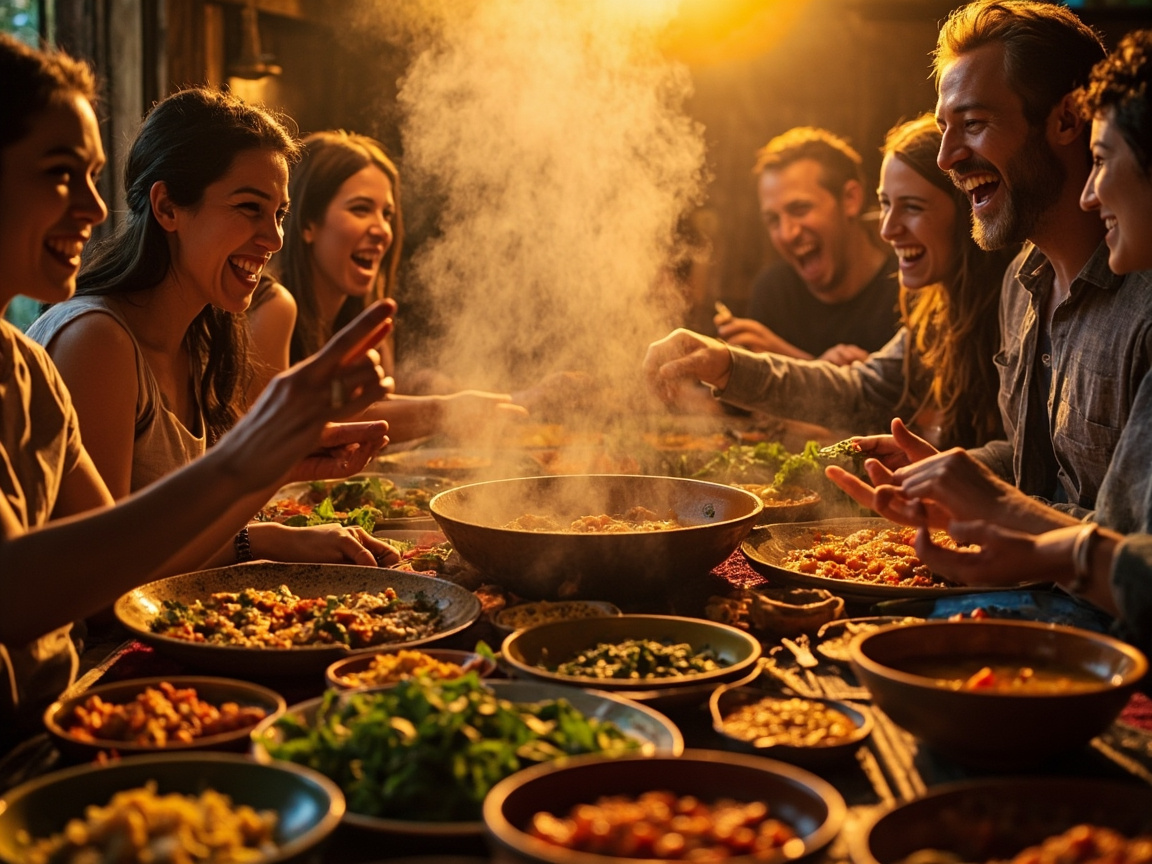
Food, music, festivals, and family structures are great starting points for conversation. Talking about shared values can reveal what a community considers important. Asking about local norms shows interest in everyday behavior. Don’t forget celebration—the way people mark birthdays, holidays, or rites of passage often tells a vivid cultural story.
Useful Phrases for Cultural Conversations
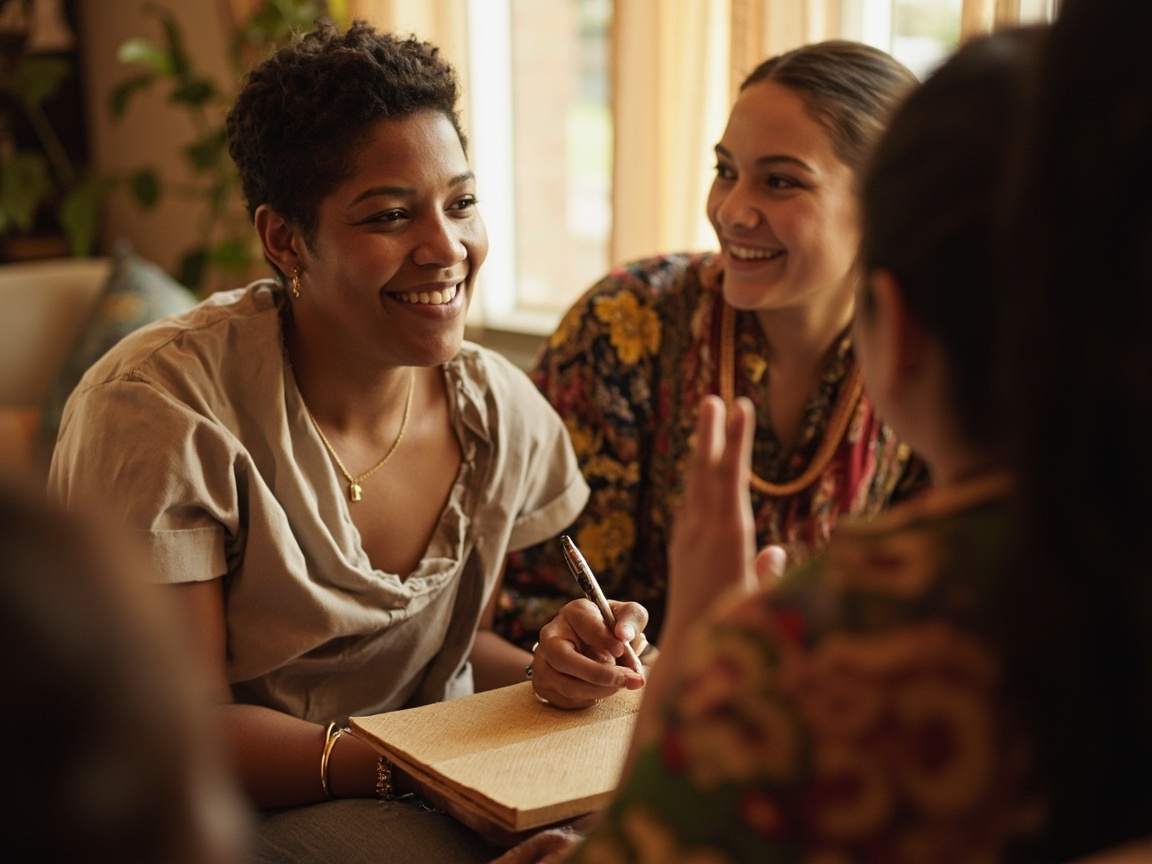
Using polite etiquette makes interactions smoother, so try phrases like “Could you tell me more about…?” or “I’m curious about…”. Remember to keep an intercultural mindset by listening without judgment. Phrases such as “What does that mean in your culture?” invite deeper explanation. These tools help you shift your perspective and avoid misunderstandings.
Tips for Active Listening
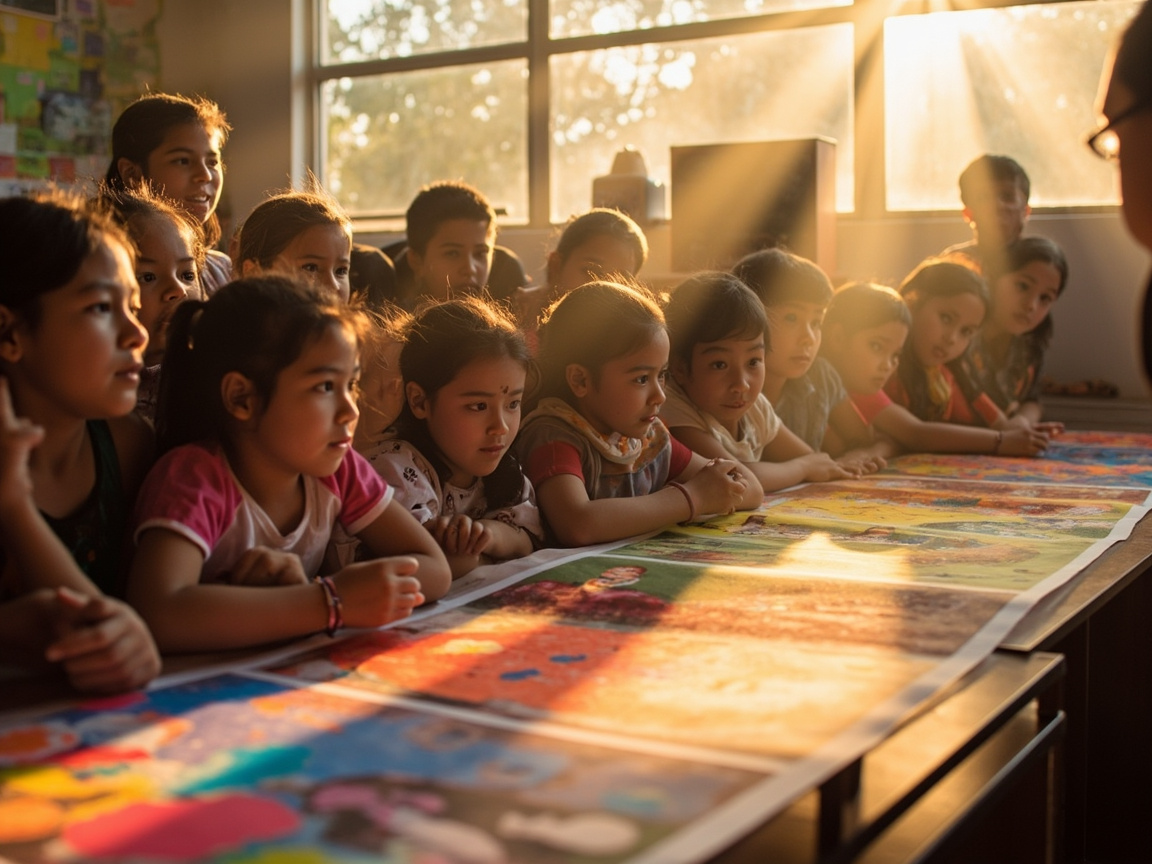
Give the speaker your full attention and nod to show you’re engaged. Avoid making quick stereotype judgments; instead, ask follow‑up questions. Reflect back what you hear by paraphrasing: “So, you celebrate by…”. Such habits promote a respectful exchange of ideas. Active listening also lets you appreciate the richness of cultural diversity.
Navigating Sensitive Topics
When a topic feels delicate, tread gently and respect personal identity. Acknowledge that many societies are multicultural, containing a mix of languages, religions, and histories. Be aware of regional differences; what is normal in one place may be unfamiliar elsewhere. Sharing your own background can balance the conversation and reduce tension.
كلام عن الثقافة: إزاي تسأل وتسمع وتفهم باحترام
هتتعلّم إيه من الدرس؟
الدرس ده تدريب محادثة: إزاي تتكلم عن الثقافة والتقاليد من غير ما تغلط أو توجع حد. خمسة أقسام عن ليه الموضوع مهم، إيه الأسئلة، إزاي تسمع، وإزاي تتعامل مع الحساسية. هنطلّع لغة الحوار الثقافي.
ليه نتكلم عن الثقافة: بناء جسور مش حيطان
By sharing these insights, we build bridges instead of walls.
بمشاركة الرؤى دي، إحنا بنبني جسور بدل ما نبني حيطان.
أول قسم عن الفايدة. المقال بيستخدم تعبير بيوصف التواصل الثقافي كبناء مش هدم:
التركيب «build bridges instead of walls» معناه التواصل بدل العزلة — صورة مجازية قوية. والمقال بيوصّل إن الحديث عن الثقافة مش فضول، ده طريقة للاتصال الإنساني. والصورة سهلة الفتكر: الجسر بيوصّل، الحيطة بتفصل.
المواضيع: الأكل والموسيقى والاحتفالات
Asking about local norms shows interest in everyday behavior.
السؤال عن العادات المحلية بيبين اهتمام بالسلوك اليومي.
تاني قسم عن نقاط البداية الآمنة. المقال بيستخدم تعبير بيوصف علامات الاحترام:
المصطلح «local norms» معناه العادات أو الأعراف المحلية — اللي الناس بتعمله عادي. والمقال بيوصّل إن السؤال عنها مش تطفل، ده اهتمام. بس لازم يكون بأدب — دي نقطة البداية الآمنة في أي محادثة ثقافية.
الجمل المفيدة: الفضول المحترم
Phrases such as “What does that mean in your culture?” invite deeper explanation.
جمل زي «ده معناه إيه في ثقافتكم؟» بتدعو لشرح أعمق.
تالت قسم بيدّي عبارات جاهزة. المقال بيستخدم تعبير بيوصف السؤال المفتوح:
السؤال ده بيعمل حاجتين: بيبين فضول، وبيدّي للشخص التاني المساحة يشرح من منظوره. والمقال بيوضح إن «invite deeper explanation» معناها بتفتح باب للحوار مش للسؤال القصير. ده أساس الحديث الثقافي الحقيقي.
الاستماع النشط: مش بس سماع
Reflect back what you hear by paraphrasing: “So, you celebrate by…”.
عكِس اللي بتسمعه بإعادة الصياغة: «يعني، إنتو بتحتفلوا بـ…»
رابع قسم عن مهارة السماع. المقال بيستخدم مصطلح بيوصف إعادة صياغة الكلام:
المصطلح «paraphrasing» معناه إعادة الصياغة — تقول نفس المعنى بكلمات تانية. والمقال بيوضح إن ده بيعمل إحساس بالفهم — الشخص التاني بيحس إنه اتسمع فعلًا. دي مهارة تواصل أساسية مش بس في الثقافة.
المواضيع الحساسة: امشِ بحذر
When a topic feels delicate, tread gently and respect personal identity.
لما موضوع يحسّ إنه دقيق، امشِ بحذر واحترم الهوية الشخصية.
آخر قسم عن الحذر. المقال بيستخدم تعبير بيوصف التعامل مع المواضيع الدقيقة:
التعبير «tread gently» معناه امشِ بحذر أو تعامل برفق — صورة مكانية للحذر. والمقال بيوصّل إن الاحترام مش سكوت، ده وعي بإن الموضوع ممكن يكون مرتبط بالهوية الشخصية. دي مهارة النضج الثقافي.
أدوات الحوار الثقافي
كل تعبير من المقال ليه استخدام في المحادثة والاحترام. شوف المعنى والأمثلة.
build bridges instead of walls
معناها «نبني جسور بدل حيطان»: التواصل والتقريب بدل العزلة والقطيعة.
التعبير build bridges بيتقال مجازيًا عن التواصل بين ناس مختلفين: build bridges between cultures / build bridges with neighbors. وعكسه «build walls» أو «burn bridges» اللي معناه يقطّع العلاقة.
The exchange program aims to build bridges between the two countries.
برنامج التبادل بيهدف يبني جسور بين البلدين. استخدام دبلوماسي.
Try to build bridges with your new colleagues, not walls.
حاول تبني جسور مع زمايلك الجداد مش حيطان. نصيحة اجتماعية.
local norms
معناها «العادات المحلية» أو «الأعراف»: اللي الناس بتعمله عادي في مكان معين.
الاسم norms معناه القواعد الاجتماعية غير المكتوبة: local norms / social norms / cultural norms. بيتقال في علم الاجتماع والسفر. والصفة local معناها محلي — خاص بالمكان.
It is important to learn local norms before you visit a new country.
مهم تتعلم العادات المحلية قبل ما تزور بلد جديدة. نصيحة سفر.
What is considered polite varies according to local norms.
اللي بيعتبر مهذب بيختلف حسب العادات المحلية. وصف ثقافي.
What does that mean in your culture?
السؤال معناه «ده معناه إيه في ثقافتكم؟»: طلب شرح من منظور الشخص التاني.
السؤال What does X mean in your culture? سؤال مفتوح بيدّي للشخص مساحة يشرح: What does that gesture mean? / What does that word mean to you?. بيتقال في الحوار الثقافي لما تكون فعلًا عايز تفهم مش بس تتأكد.
What does this hand gesture mean in your culture?
إشارة الإيد دي معناها إيه في ثقافتكم؟ سؤال فضولي محترم.
What does family mean in your culture?
العيلة معناها إيه في ثقافتكم؟ سؤال أعمق عن القيم.
paraphrasing
معناها «إعادة الصياغة»: تقول نفس المعنى بكلمات تانية عشان تتأكد إنك فهمت.
الاسم paraphrasing أو الفعل paraphrase: paraphrase what you hear / use paraphrasing to check understanding. بيتقال في التعليم والاستماع النشط. مش معناه يكدب أو يغيّر — معناه يعيد بنفس المعنى.
Try paraphrasing what the speaker said to make sure you understood.
حاول تعيد صياغة اللي المتكلم قاله عشان تتأكد إنك فهمت. نصيحة استماع.
Paraphrasing is a useful skill in academic writing.
إعادة الصياغة مهارة مفيدة في الكتابة الأكاديمية. استخدام تعليمي.
tread gently
معناها «امشِ بحذر» أو «تعامل برفق»: كن حذر عشان متأذيش حد أو موقف.
التعبير tread gently / tread carefully: tread gently around sensitive topics / tread carefully with criticism. الصورة مكانية — زي المشي على أرض هشة. بيتقال في النصيحة الاجتماعية والدبلوماسية.
You need to tread gently when you talk about politics at dinner.
لازم تمشي بحذر لما تتكلم عن السياسة على العشا. نصيحة اجتماعية.
The therapist treads gently when discussing trauma.
المعالج بيتعامل بحذر لما يتكلم عن الصدمة. استخدام مهني.
ورقة مراجعتك للحوار الثقافي
تقريب النطق بالعربي للمساعدة بس؛ صوت المقال هو الموديل.
| التعبير | معناه هنا | النطق | تقريب بالعربي | موضعه |
|---|---|---|---|---|
| build bridges instead of walls | نبني جسور بدل حيطان / نتواصل | /bɪld ˈbrɪdʒɪz ɪnˈsted əv wɔːlz/ | بِلد برِجِز إنستِد أَف وولز | قسم أهمية الثقافة |
| local norms | العادات المحلية / الأعراف | /ˈləʊkəl nɔːmz/ | لوكَل نورمز | قسم المواضيع |
| What does that mean in your culture? | ده معناه إيه في ثقافتكم؟ | /wɒt dʌz ðæt miːn ɪn jɔː ˈkʌltʃə/ | وات دَز ذات مين إن يور كَلتشَر | قسم الجمل المفيدة |
| paraphrasing | إعادة الصياغة / تقول نفس المعنى | /pəˈræfreɪzɪŋ/ | بَرَفرِيزينج | قسم الاستماع النشط |
| tread gently | امشِ بحذر / تعامل برفق | /tred ˈdʒentli/ | ترِد جِنتلي | قسم المواضيع الحساسة |
جرّب تسأل حد عن عادة في بلده باستخدام «What does that mean in your culture?» وبعدين استخدم «paraphrasing» عشان تتأكد إنك فهمت. اكتب تجربتك بجملة.
اختبر نفسك
-
1According to the article, why is discussing culture valuable?
The article explains that discussing culture helps us see the world from many angles and broadens our perspective.
-
2Which of the following is listed as a common cultural topic?
Food is highlighted as a great starting point for cultural conversations.
-
3What phrase can you use to politely ask about someone's cultural practice?
The article suggests using “Could you tell me more about…?” as a polite way to explore cultural topics.
-
4When discussing culture, what should you avoid according to the article?
The article warns against making quick stereotypes, encouraging respectful and open inquiry instead.
-
5Which tip helps improve intercultural conversations?
Active listening is presented as a key skill for successful cultural exchange.