CRISPR: Editing Life's Code
Scientists can now change the genetic code of living organisms, but is it ethical?
What is CRISPR?
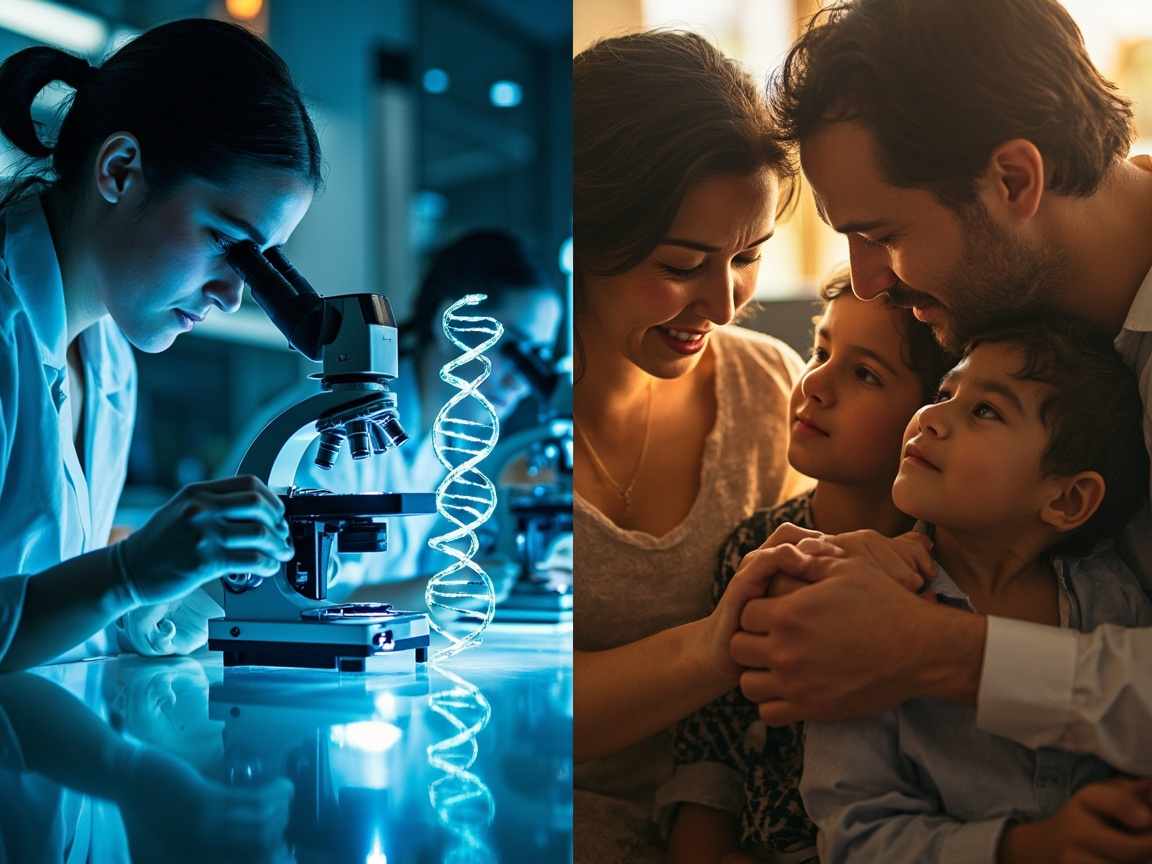
CRISPR, which stands for Clustered Regularly Interspaced Short Palindromic Repeats, is a revolutionary gene editing tool that allows scientists to make precise changes to DNA. Think of DNA as a long instruction manual that tells every living cell what to do. CRISPR acts like a pair of molecular scissors, cutting the DNA at a specific location so that scientists can remove, add, or alter genetic material. The technology was first discovered in bacteria, where it functions as an immune system against viruses. Since its development, CRISPR has transformed biotechnology and opened doors that were previously closed to researchers.
Medical Breakthroughs
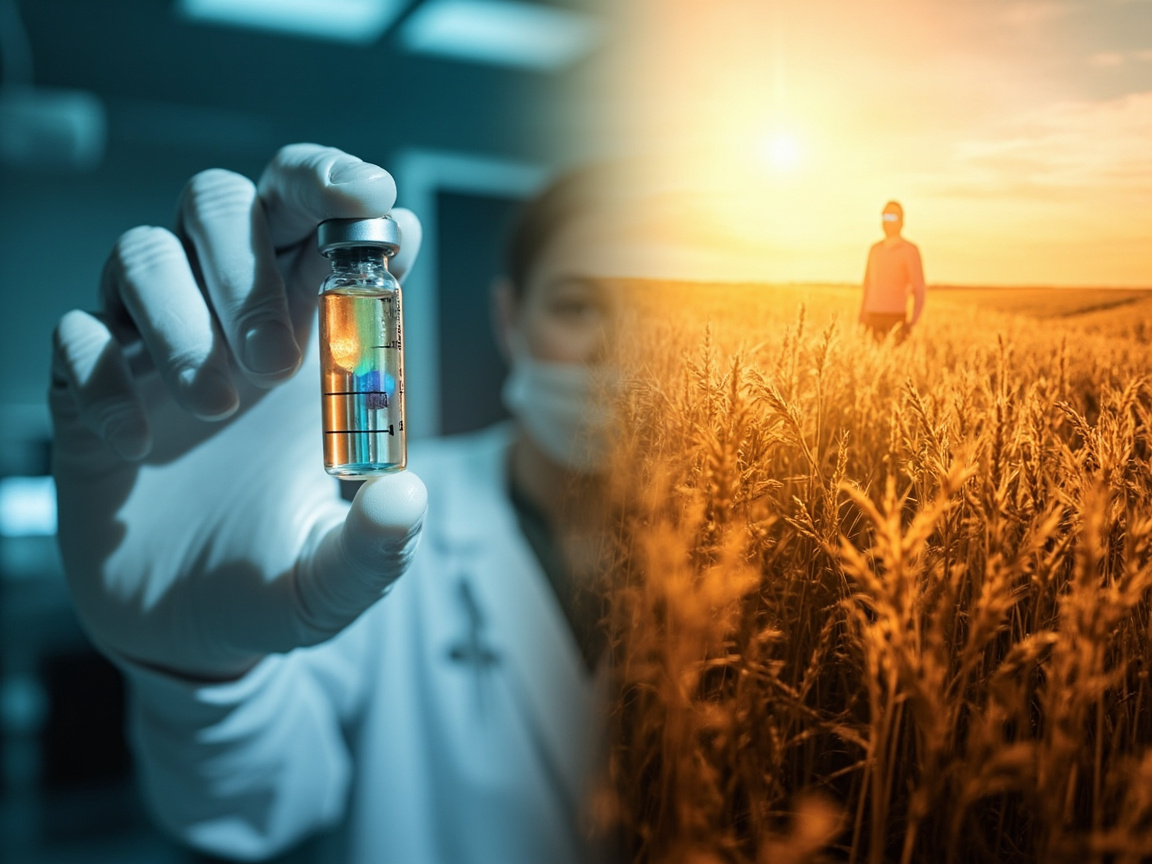
One of the most exciting applications of CRISPR is in medicine, where it could potentially cure genetic diseases. Scientists are using gene editing to develop treatments for conditions like sickle cell disease, where a mutation in the DNA causes red blood cells to become misshapen. In gene therapy, doctors could theoretically fix faulty genes inside a patient's body. Clinical trials are already underway to test CRISPR-based treatments for certain cancers and inherited disorders. This precision medicine approach means treatments can be tailored to a patient's specific genetic makeup.
Farming and Food
Agriculture is another field being transformed by gene editing technology. Scientists can create crops that are more resistant to diseases, pests, and harsh weather conditions. This could help farmers grow more food using fewer resources like water and pesticides. Genetically modified plants developed with CRISPR could also have improved nutritional value. Some researchers are even working on making fruits and vegetables last longer to reduce food waste. However, the use of CRISPR in food remains a topic of public debate in many countries.

The Ethical Debate
While CRISPR offers tremendous benefits, it also raises serious ethical questions that society must address. One major concern is whether it's acceptable to edit embryo cells that would be inherited by future generations. The idea of "designer babies"—children whose appearance, intelligence, or abilities have been selected—frightens many people. Who gets to decide which genetic changes are acceptable? These questions involve deeply personal values, religious beliefs, and questions of consent. Different countries have taken different approaches to regulation, creating a complex global landscape.
What Does the Future Hold?
The controversy surrounding CRISPR is far from over, and the technology continues to develop rapidly. Some experts believe that within decades, gene editing could eliminate many hereditary diseases entirely. Others worry about unintended consequences, as making changes to DNA can have unexpected effects. Scientists are calling for international guidelines to ensure CRISPR is used responsibly. As this technology advances, society must find a balance between scientific progress and moral responsibility. The conversation about CRISPR is just beginning, and everyone has a stake in its outcome.
اختبر نفسك
-
1What does CRISPR stand for?
CRISPR is an acronym for Clustered Regularly Interspaced Short Palindromic Repeats, which describes the structure of the genetic sequences involved.
-
2How does CRISPR work according to the article?
The article describes CRISPR as acting like 'molecular scissors' that cut DNA at specific locations for editing.
-
3What is a 'designer baby' as mentioned in the article?
The article defines designer babies as children whose appearance, intelligence, or abilities have been selected or modified by scientists using gene editing.
-
4According to the article, what is one ethical concern about CRISPR?
The article highlights concerns about editing embryo cells that would be passed to future generations as a major ethical issue.
-
5What is mentioned as one agricultural benefit of CRISPR?
The article states that CRISPR can create crops more resistant to diseases, pests, and harsh weather conditions.