Our Changing Planet: A Guide to Climate Change
Learn how everyday choices and big decisions shape Earth's future.
What Is Climate Change?
Climate change refers to long-term shifts in global temperatures and weather patterns. These shifts are natural, but since the 1800s, human activities have been the main cause. Burning fossil fuels like coal and oil adds heat-trapping gases to our atmosphere. These gases are called greenhouse gases. They make the Earth warmer by trapping the sun's heat, similar to how a greenhouse keeps plants warm.
Why Is It Happening?
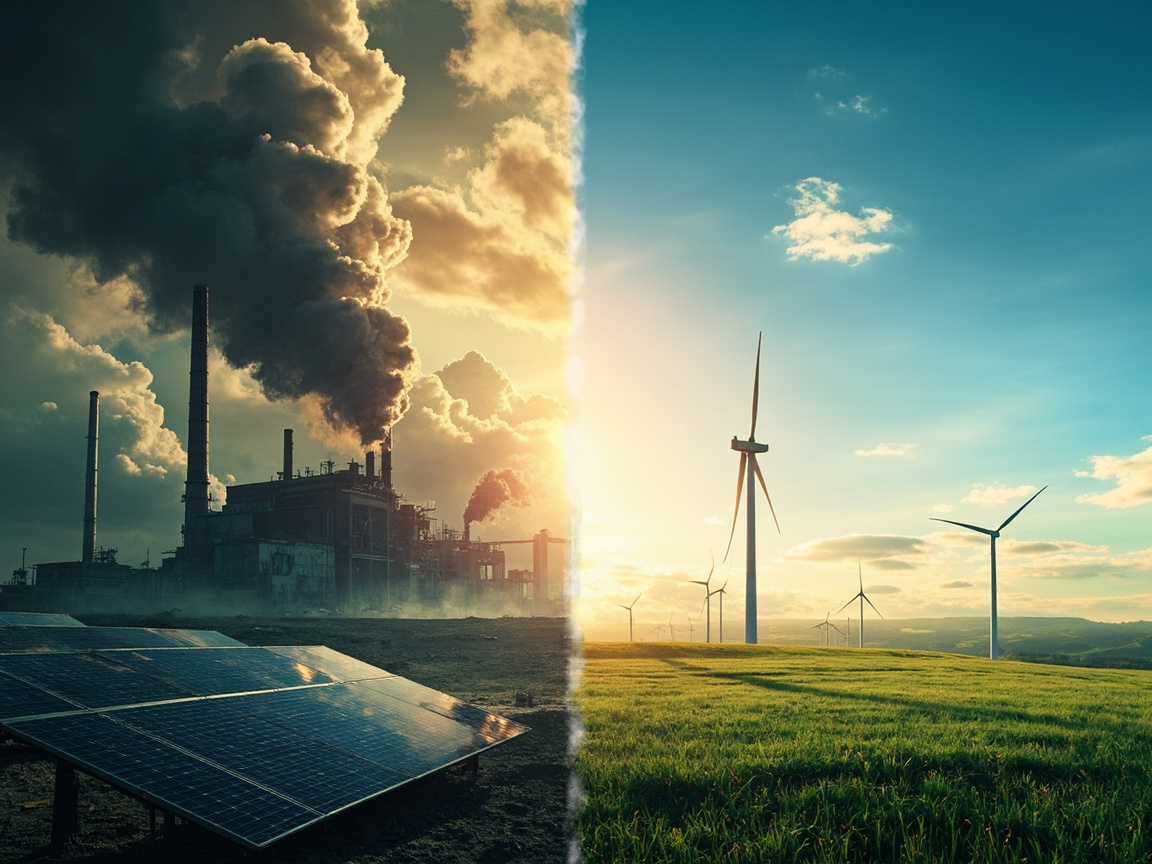
People cause climate change in many ways. Deforestation means cutting down forests for farming or buildings. Trees help clean our air, so when we lose them, more carbon dioxide stays in the atmosphere. factories, cars, and power plants all release emissions that warm the planet. Every time we drive a car or turn on a light powered by coal, we add to the problem. The world uses a lot of energy from sources that are not good for our planet.
How Does It Affect Our World?
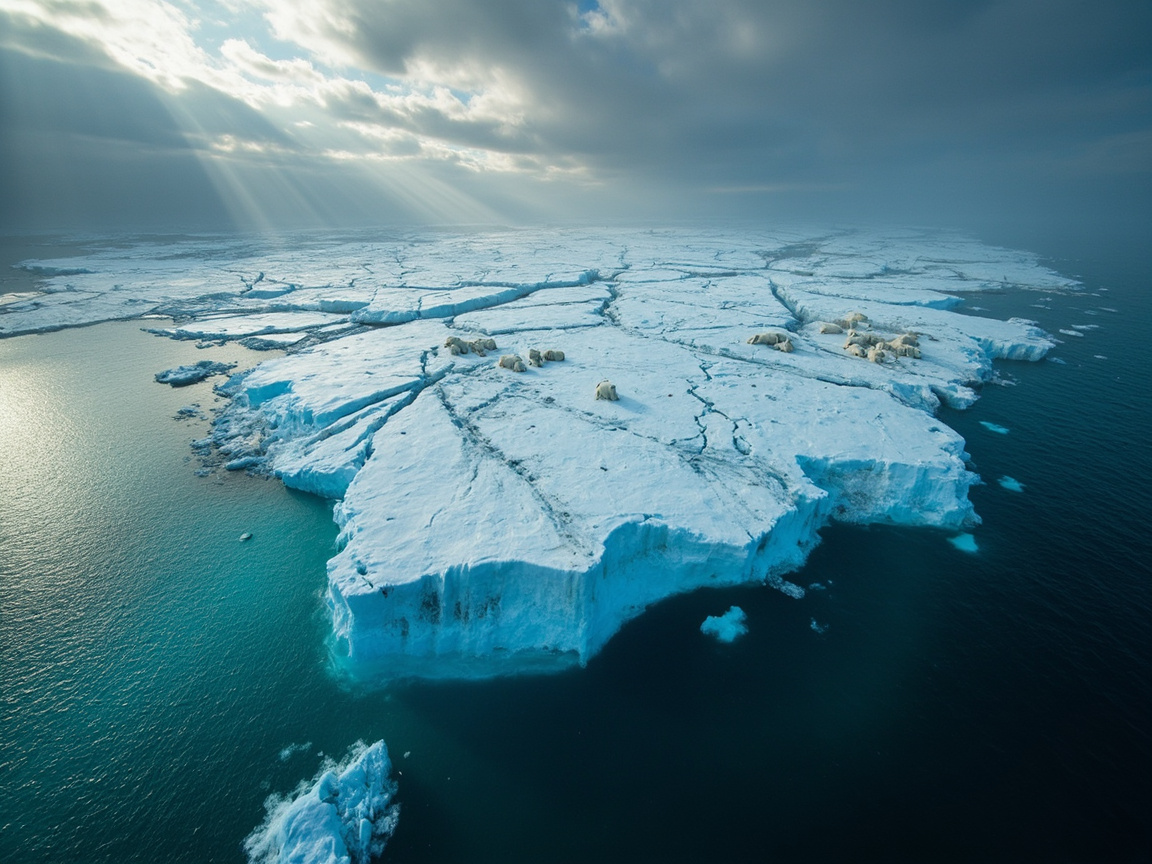
Climate change brings more extreme weather events like stronger hurricanes and longer heatwaves. Sea levels are rising because ice at the poles is melting. Many coastal cities may face floods in the future. Glaciers in mountains are disappearing, which affects drinking water for millions of people. These changes also harm ecosystems where animals and plants live together in nature.
What Can We Do?
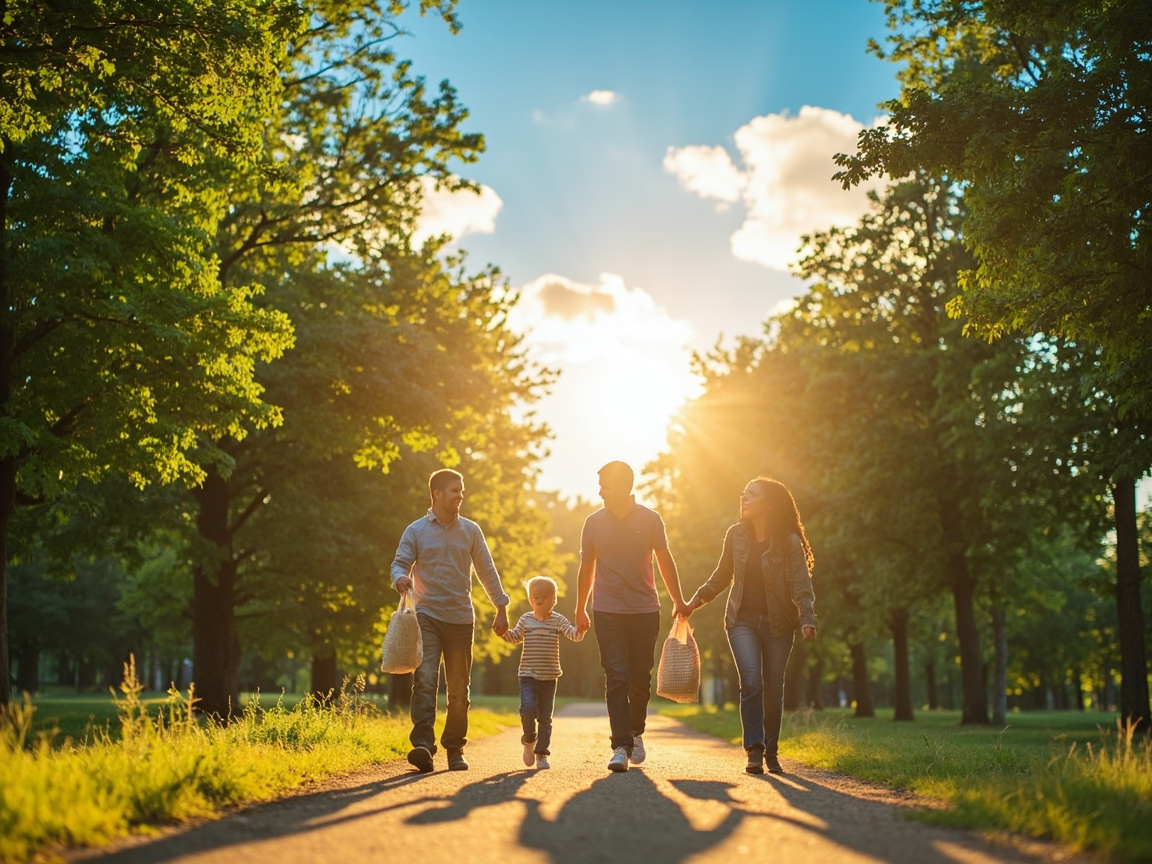
The good news is that we can make a difference. Using renewable energy like sun and wind power reduces harmful emissions. Many countries are building more solar and wind farms. Conservation means protecting nature and using resources carefully. Planting trees helps absorb carbon dioxide. Reducing, reusing, and recycling also lowers our carbon footprint. Small changes in our daily lives add up when millions of people do them.
Looking Forward: Hope for the Future
Around the world, governments and businesses are taking action. International agreements like the Paris Agreement help countries work together. Scientists are developing new technologies to capture carbon from the air. Young people especially are demanding sustainable practices that protect the planet. While the challenge is big, many experts believe we can still make positive changes. The future depends on the choices we make today.
تغيّر المناخ: افهم المشكلة وتكلّم عنها بثقة
هتتعلّم إيه من الدرس؟
المقال ده بيشرح تغيّر المناخ بخمس أسئلة: إيه هو، ليه بيحصل، بيأثر في إيه، نعمل إيه، وهل في أمل. كل قسم فيه لغة علمية بسيطة بتستخدمها لما تقرا خبر بيئي أو تتكلم عن مستقبل الكوكب. هنمشي بالترتيب ونطلّع التعبير اللي بيحمل المعنى.
التعريف: تشبيه الدفيئة اللي بيوصّل الفكرة فورًا
They make the Earth warmer by trapping the sun's heat, similar to how a greenhouse keeps plants warm.
هي بتخلّي الأرض أدفى لأنها بتحبس حرارة الشمس، شبه الدفيئة اللي بتحافظ على النباتات دافية.
أول قسم بيعرّف تغيّر المناخ وبيشرح ليه الغازات سمّوها بالاسم ده. الكاتب بيستخدم تشبيه من البيت عشان الفكرة العلمية تبقى ملموسة:
الفعل هنا معناه «يحبس» مش «يقبض على»: الغازات مش بتسخّن بنفسها، هي بتمنع الحرارة تهرب. والتشبيه بعد «similar to» هو اللي بيوصّل الاسم «greenhouse gases» — دفيئة للنباتات على مستوى الكوكب كله.
الأسباب: كلمة بتلخّص قطع الغابات
Deforestation means cutting down forests for farming or buildings.
إزالة الغابات معناها قطع الأشجار عشان الزراعة أو المباني.
تاني قسم بيعدّد أسباب الإنسان. أول سبب ليه اسم واحد بيختصر جملة كاملة، والمقال بيعرّفه مباشرة:
المقال بيعرّف المصطلح بطريقة «X means Y» — طريقة مباشرة بتقولك الكلمة وبعدين معناها. لاحظ الجزء اللي بيوضح الغرض: مش قطع عشوائي، ده قطع لتحويل الأرض لزراعة أو بناء. والنتيجة جاية في الجملة اللي بعدها: كربون أكتر في الجو.
التأثير: مستوى البحر مش ثابت
Sea levels are rising because ice at the poles is melting.
مستوى البحر بيرتفع لأن الجليد عند القطبين بيذوب.
تالت قسم عن النتايج. فيه ظواهر كتير، لكن أشهر تعبير في أخبار المناخ هو اللي في الجملة دي:
الجملة بتركب سبب ونتيجة بـ«because»: الذوبان هو السبب وارتفاع المستوى هو النتيجة. ولاحظ الزمن: المضارع المستمر بيوصّل إن ده بيحصل دلوقتي ومستمر، مش حاجة خلصت. دي نقطة مهمة في فهم طريقة عرض المشكلة.
الحلول: الفرق اللي بيعمله الفرد
The good news is that we can make a difference.
الخبر الكويس إن إحنا نقدر نعمل فرق.
رابع قسم بيتحول من المشكلة للحل. المقال بيستخدم تعبير متكرر في الكلام عن التغيير الاجتماعي:
التعبير ده معناه نأثر أو نغيّر حاجة للأحسن، ومش معناه نعمل اختلاف بس. بيجي بعده كلام عملي: الطاقة المتجددة وزراعة الأشجار وإعادة التدوير. الجملة دي هي المفتاح النفسي للقسم كله.
الأمل: المستقبل رهن اختياراتنا
The future depends on the choices we make today.
المستقبل بيعتمد على الاختيارات اللي بناخدها النهارده.
آخر قسم بيقفل بمسؤولية مش بخوف. الجملة الأخيرة في المقال هي اللي بتلخص الموقف كله:
الجملة بتركب علاقة سببية: المستقبل مش قدر، ده نتيجة قرارات. والفعل بيبني الجملة على المحور ده: حاجة + تعتمد على + حاجة تانية. نهاية هادية مش متفائلة ببلاش ولا متشائمة — بتسأل القارئ عن دوره.
تعبيرات المناخ اللي هتلاقيها في أي خبر
كل تعبير من المقال ليه حياة في الأخبار والنقاشات. شوف الاستخدام والأمثلة وانقله لموقف تاني.
trapping the sun's heat
معناها «بتحبس حرارة الشمس»: الغازات بتخلّي الحرارة تفضل جوه الغلاف الجوي.
الفعل trap معناه يحبس حاجة مش عايزة تهرب: trap heat / trap moisture / feel trapped. بيتستخدم كتير في الكلام العلمي البسيط عن الطاقة والبيئة. ومجازيًا بتقدر تقول I feel trapped لما تكون محبوس في موقف.
Thick curtains trap the heat inside the room in winter.
الستاير التقيلة بتحبس الحرارة جوه الأوضة في الشتا. استخدام مادي للحبس.
I felt trapped in the crowded metro car.
حسّيت إني محبوس في عربية المترو الزحمة. استخدام مجازي للإحساس.
Deforestation
معناها «إزالة الغابات»: قطع الأشجار على نطاق واسع عشان تفريغ الأرض.
الكلمة مكوّنة من de- اللي معناها إزالة + forest + -ation للاسم. نفس النمط في كلمات زي deforestation / dehydration. عكسها reforestation اللي معناها إعادة التشجير — بيتسأل عنها في أي نقاش بيئي.
Deforestation in the Amazon affects rainfall across the continent.
إزالة الغابات في الأمازون بتأثر على المطر في القارة كلها. مصطلح بيئي في سياق خبري.
The charity is funding reforestation projects in the hills.
الجمعية بتمول مشاريع إعادة تشجير في التلال. عكس المصطلح.
Sea levels are rising
معناها «مستوى البحر بيرتفع»: الميّه في البحر بتعلو على السواحل بشكل تدريجي.
التركيب levels are rising مفيد مع أي مقياس بيزيد: prices are rising / temperatures are rising / unemployment is rising. ولاحظ إن rise مش بياخد مفعول — المستوى هو اللي بيرتفع، مش حاجة بنرفعها. عكسها fall / drop.
Prices are rising faster than salaries this year.
الأسعار بترتفع أسرع من المرتبات السنة دي. نفس التركيب مع مقياس تاني.
The river level rose after three days of rain.
مستوى النهر علي بعد تلات أيام مطر. ماضي بسيط لحدث خلص.
make a difference
معناها «تعمل فرق» أو «تأثر إيجابيًا»: فعل صغير بيغيّر نتيجة.
التعبير بييجي في شكلين: make a difference لوحده، أو make a difference to / in something لما تحدد المجال. وفي السؤال والنفي: It makes no difference معناها مفيش فرق أصلًا. تعبير أساسي في أي كلام عن التغيير الاجتماعي.
Volunteering one day a week can make a difference to the shelter.
التطوع يوم في الأسبوع ممكن يعمل فرق للملجأ. تحديد المجال بعد to.
It makes no difference to me whether we meet online or in person.
مش بيفرق معايا نتقابل أونلاين ولا وش لوش. استخدام النفي.
depends on
معناها «بيعتمد على»: النتيجة مربوطة بالعامل اللي بعدها.
التركيب X depends on Y: الفاعل بيتحدد بالعامل. وبنستخدمه كتير في الكلام اليومي لما نقول «على حسب»: It depends on the weather. ولو عايز تقول «يعتمد على الظروف» في محادثة رسمية بتقول It depends on the circumstances.
The price depends on the season.
السعر بيعتمد على الموسم. ربط النتيجة بالعامل.
Whether we go out depends on the kids' homework.
خرجتنا ولا لأ بتعتمد على واجب العيال. استخدام يومي مرن.
ورقة مراجعتك للمناخ
تقريب النطق بالعربي للمساعدة بس؛ صوت المقال الأصلي هو الموديل.
| التعبير | معناه هنا | النطق | تقريب بالعربي | موضعه |
|---|---|---|---|---|
| trapping the sun's heat | بتحبس حرارة الشمس | /ˈtræpɪŋ ðə sʌnz hiːt/ | ترابينج ذَ سَنز هيت | فقرة التعريف |
| Deforestation | إزالة الغابات | /ˌdiːfɒrɪˈsteɪʃən/ | ديفورِستِيشِن | فقرة الأسباب |
| Sea levels are rising | مستوى البحر بيرتفع | /siː ˈlevəlz ɑː ˈraɪzɪŋ/ | سي لِفَلس آر رايزينج | فقرة التأثير |
| make a difference | تعمل فرق / تأثر | /meɪk ə ˈdɪfərəns/ | ميك أَ دِفرَنس | فقرة الحلول |
| depends on | بيعتمد على / على حسب | /dɪˈpendz ɒn/ | دِبِندز أون | فقرة الأمل |
اختار سبب واحد أو حل واحد من المقال واكتب جملة تربطه بنتيجة باستخدام «because» أو «depends on». بعدين جرّب تتكلم دقيقة عن مشكلة بيئية في منطقتك بنفس لغة المقال.
اختبر نفسك
-
1What is the main human cause of climate change since the 1800s?
Since the 1800s, human activities like burning fossil fuels have been the main cause of climate change.
-
2What do greenhouse gases do to the Earth?
Greenhouse gases trap the sun's heat in the atmosphere, making the Earth warmer.
-
3Why is deforestation bad for the climate?
Trees absorb carbon dioxide, so when they are cut down, more greenhouse gas stays in the atmosphere.
-
4Which of the following is an example of renewable energy?
Wind power is a renewable energy source that will not run out, unlike fossil fuels.
-
5What does it mean to have a smaller carbon footprint?
A smaller carbon footprint means producing fewer greenhouse gas emissions through activities like walking instead of driving.