Who Owns the River? A Western Water Crisis
The Colorado River sustains 40 million people, but its future hangs in the balance as states, tribes, and cities face shrinking supplies.
A River Under Pressure
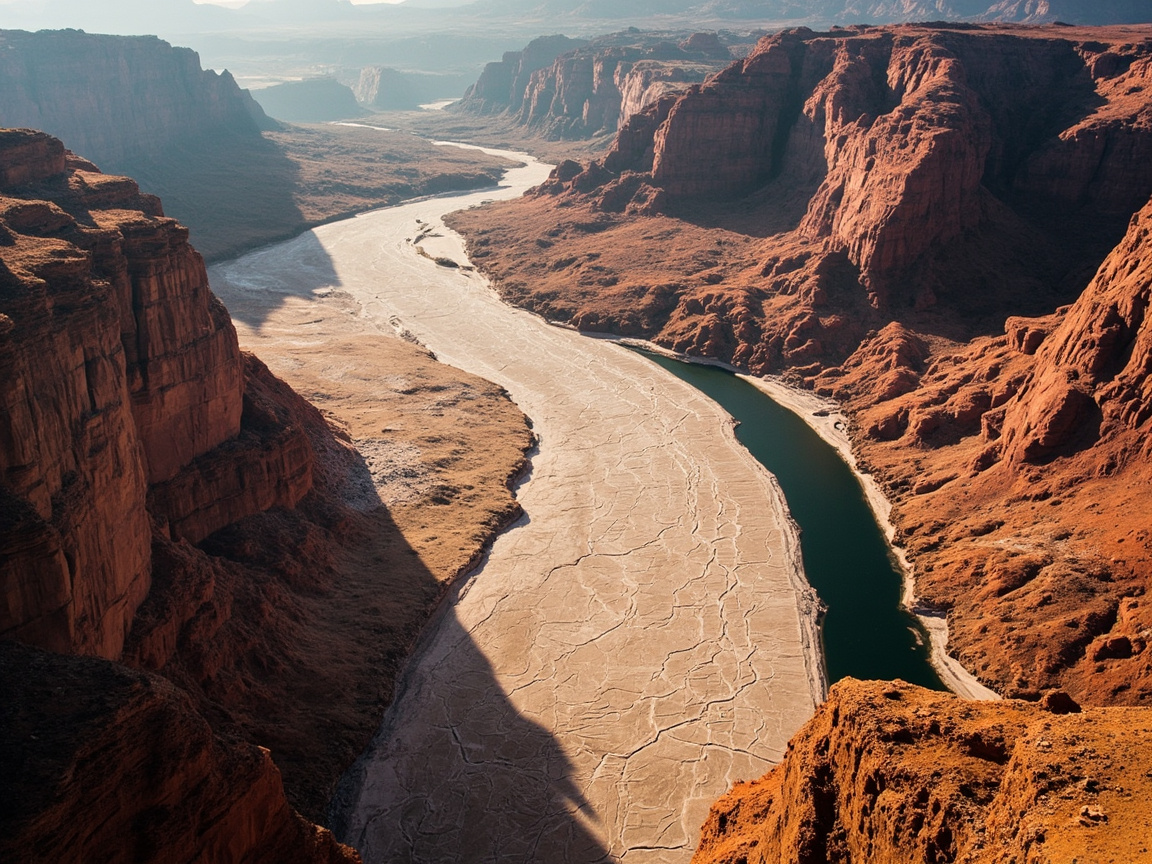
For more than a century, the Colorado River has sustained the booming cities and vast farms of the American Southwest. Today, it serves roughly 40 million people across seven U.S. states and two countries, yet its flow has dropped by more than a third since 1900. A relentless drought, made worse by a warming climate, has reduced the snowpack that feeds the river each spring. Lake Mead and Lake Powell, the two giant reservoirs behind the river's main dams, have reached historic lows. Scientists warn that the era of easy water is over, and the question of how to share what remains is now the defining political issue of the region.
The Old Law on a New Problem
Most of the West still relies on a doctrine called prior appropriation, a system that grants water rights to whoever put it to use first. The principle is famously captured in the phrase "first in time, first in right." Rights are measured by seniority, not by land next to the river, which is the older riparian tradition found in the East. In dry years, junior users can be forced to stop pumping entirely, a step known as curtailment. States and courts also work to adjudicate disputes and define each user's entitlement to a share of the flow. Critics argue the system encouraged reckless expansion, locking in allocations that the river can no longer support.
Tribal Rights and Forgotten Treaties
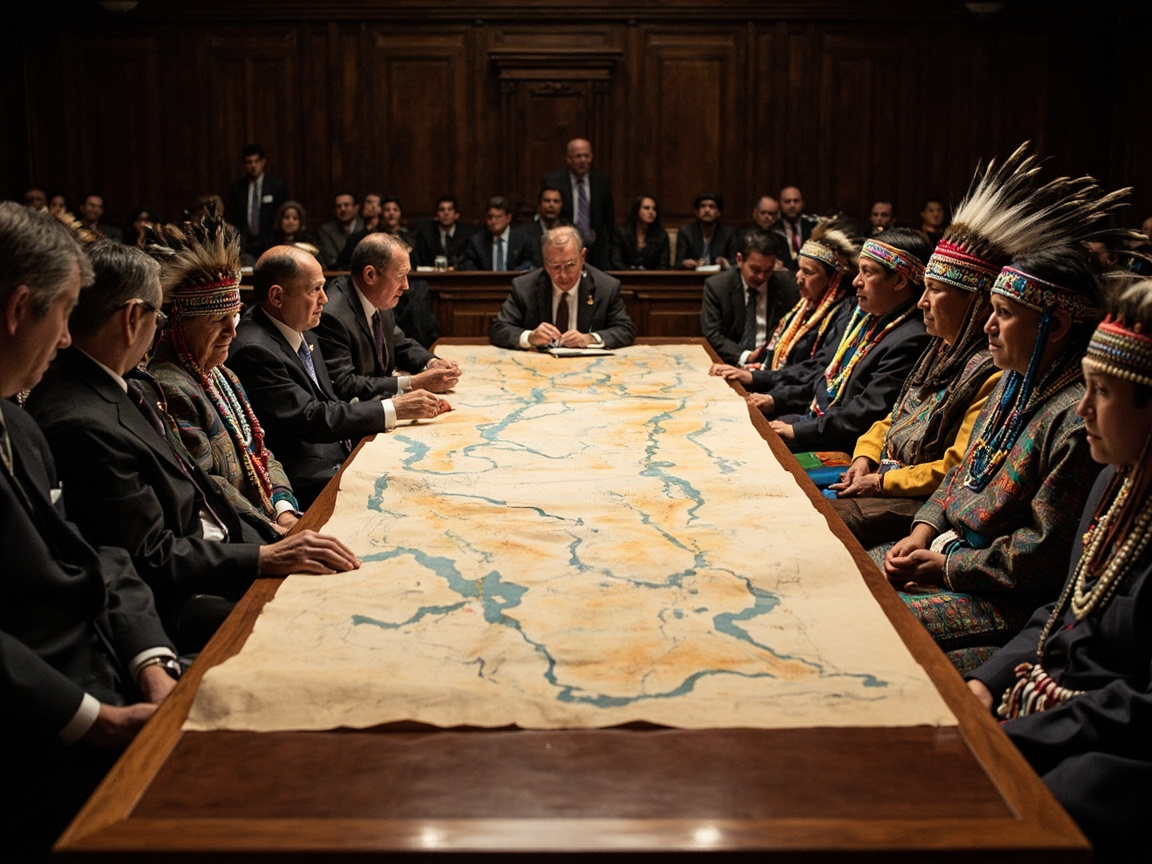
For decades, Native American tribes in the Colorado River basin received only a fraction of the water their lands and peoples were promised. Nineteenth-century treatys guaranteed certain flows, but most of those promises were never delivered. Today, roughly 30 tribes are negotiating or litigating to secure their full water rights, which could eventually total several million acre-feet. The 1922 Colorado River compact, the foundational agreement that divided the river among states, was signed without a single tribal representative at the table. As old claims are finally recognized, the legal map of who owns what is being redrawn in real time.
Cities vs. Farms: Competing for a Shrinking Supply
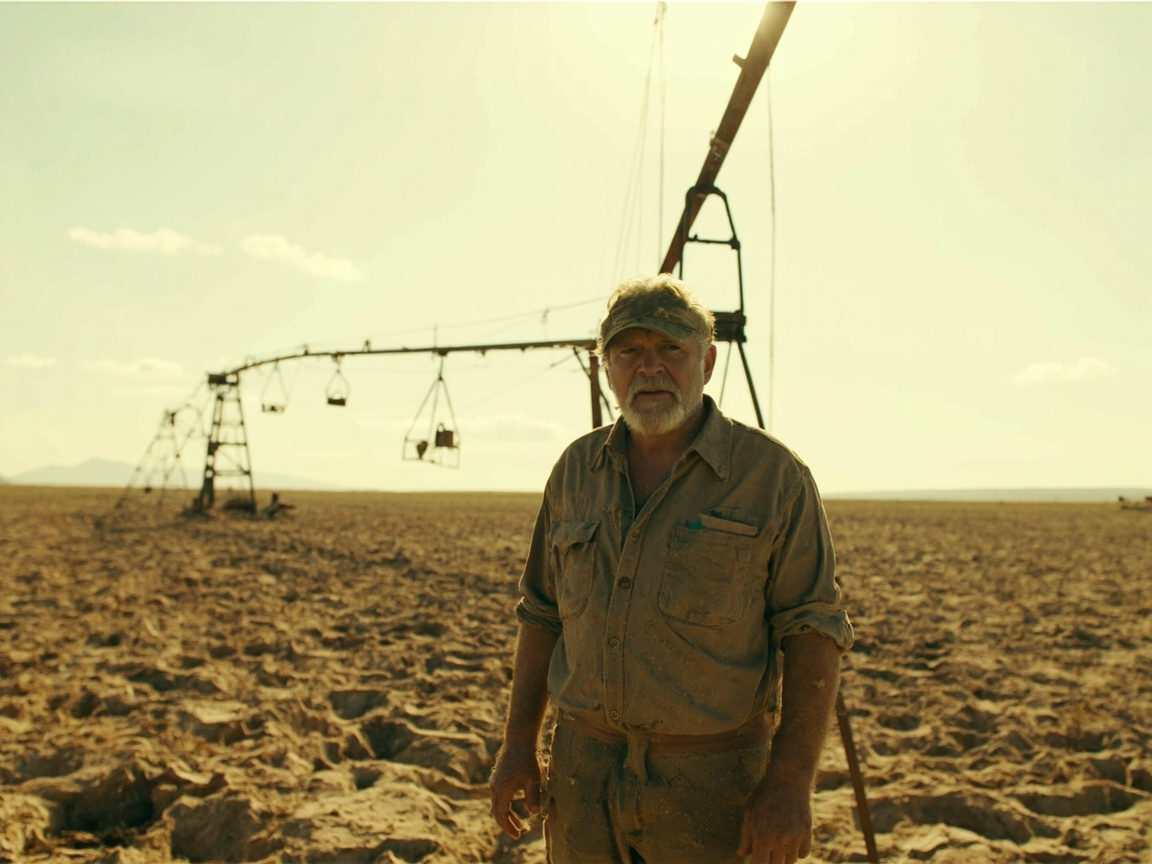
Agriculture consumes about 80 percent of the Colorado River's water, mostly to grow thirsty crops like alfalfa, hay, and cotton in the desert. Cities such as Phoenix, Las Vegas, and Los Angeles have grown rapidly on the assumption that downstream supplies would keep flowing forever. As scarcity deepens, both groups are under pressure to cut back. Some cities pay farmers to fallow fields, effectively buying the right to use that water in urban homes. Groundwater pumping has exploded in response, straining aquifers that took thousands of years to fill. Without coordinated cuts, the overdraft of the entire system could trigger a legal and humanitarian crisis.
The Road Ahead
In 2022, the federal government ordered the first-ever mandatory cuts to water deliveries from the river, a historic step that signaled the era of allocation by crisis rather than by plan. Negotiations to update the century-old operating rules are now underway and must be settled before the current agreements expire. Possible solutions include piping in recycled water, lining leaky canals, paying farmers to retire land, and large-scale desalination on the Pacific coast. None of these will be cheap, and none will be enough on their own. The Colorado River has long been treated as a limitless gift of the West, but it is now clear that the river has limits, and so do the laws that govern it.
اختبر نفسك
-
1Approximately how many people rely on the Colorado River today?
The article states that the river serves roughly 40 million people across seven U.S. states and two countries.
-
2What is the central principle of the prior appropriation doctrine?
The article explains the rule as 'first in time, first in right,' based on seniority of use rather than geography.
-
3What historic step did the federal government take in 2022?
The article notes that in 2022, the federal government issued the first-ever mandatory cuts to water deliveries from the Colorado River.
-
4Why are tribal water rights significant to the current debate?
The article explains that as old treaty claims are finally recognized, the legal map of who owns what is being redrawn, and tribal rights could total several million acre-feet.
-
5According to the article, which sector uses the largest share of the Colorado River's water?
The article states that agriculture consumes about 80 percent of the river's water, mostly to grow thirsty crops in the desert.