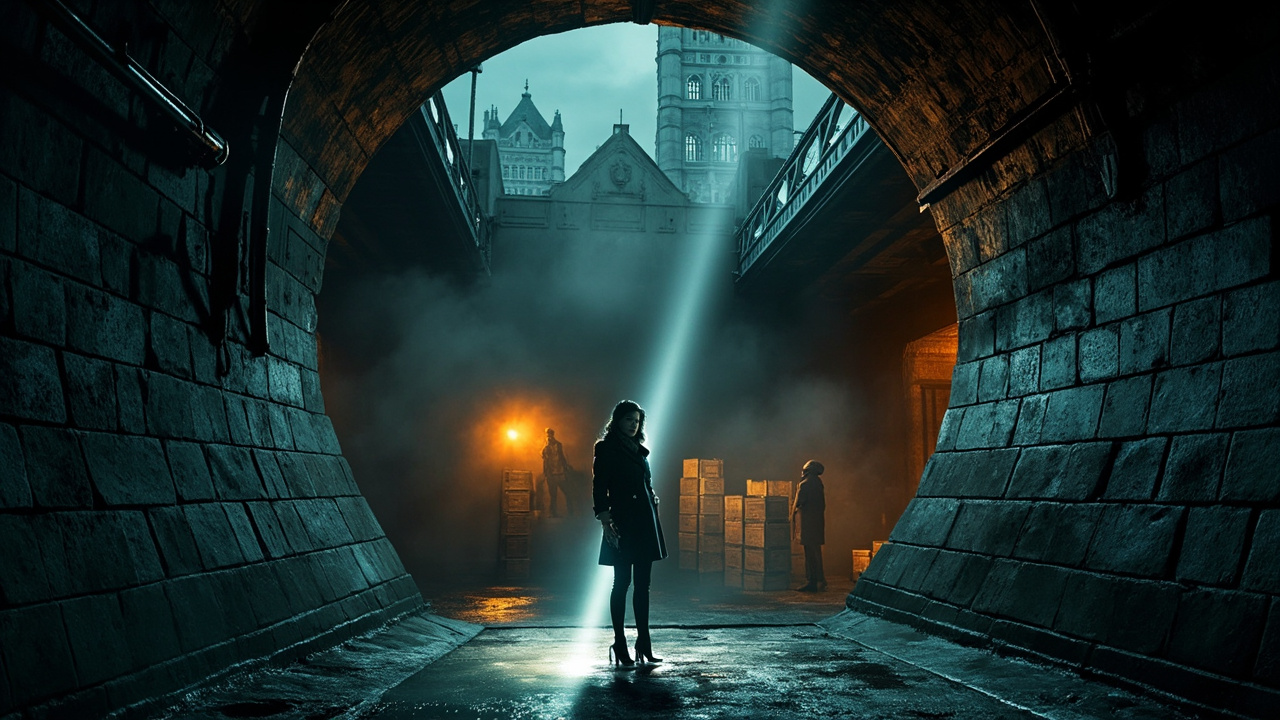
كتبت مايا تشين لمجلات صغيرة طوال مسيرتها المهنية، لكن عندما عرضت عليها صحيفة "كرونيكل لندن" كتابة سلسلة من ثلاثة أجزاء عن غموضات المدينة، رفضت العرض دون تردد. اقترح محررها موضوعًا محليًا—اختفاءات قرب نهر التايمز. في البداية، ظنت مايا أنه يبدو مملًا. كان ذلك قبل أن تبدأ في البحث.
اختفى ثلاثة أشخاص خلال العام الماضي. كان جميعهم يمشون بالقرب من جسر لندن في الساعات الأولى من الصباح. لم تجد الشرطة شيئًا—لا جثث، لا شهود، لا أدلة. تحدث البيان الرسمي عن "ظروف غير مفسرة"، لكن مايا اشتبهت في أن ذلك يعني ببساطة أن الضباط في حيرة من أمرهم.
بدأت باستجواب العائلات. وصفت أخت توم برادلي كيف كان في طريقه للعودة إلى المنزل من نوبة عمل متأخرة في مطعم في سوق بورو. أرسل لها رسالة نصية في الساعة 11:47 مساءً. بحلول منتصف الليل، كان قد اختفى. جاء آخر إشارة من هاتفه من مكان ما بالقرب من المدخل الشمالي للجسر. لم يُسترد هاتفه ولا محفظته ولا معطفه أبدًا.
قضت مايا أسابيع في زيارة المنطقة في أوقات مختلفة. تحدثت إلى أشخاص بلا مأوى كانوا ينامون تحت الأقواس، إلى عدائين في الصباح الباكر، إلى طواقم قوارب على النهر. لم يلاحظ معظمهم شيئًا غير عادي. لكن حارس أمن مسن يُدعى آرثر ذكر شيئًا جعلها تتوقف.
"هناك ممرات هناك في الأسفل،" قال وهو يخفض صوته. "تحت الجسر. называют их техническими туннелями. تم إغلاقها قبل سنوات، رسميًا. لكنني رأيت أضواء هناك في بعض الأحيان. وميض. كأن شخصًا ما يعيش هناك في الظلام."
لم تؤمن مايا بالأشباح، لكنها آمنت بالأسرار. تواصلت مع مؤرخ متخصص في هياكل البناء في كلية لندن الجامعية الذي تخصص في بناء الجسر. ما عرفته غيّر كل شيء.
الغرف المخفية
شرح المؤرخ أن جسر لندن أُعيد بناؤه مرات عديدة. احتوت النسخ medieval على غرف ومساحات تخزين استُخدمت لقرون. خلال القصف الجوي، تم حفر ملاجئ منغمات أعمق في الأساسات. بعد افتتاح الجسر الحديث في عام 1971، قيل إن الهياكل القديمة مليئة بالخرسانة مهجورة.
"يُفترض ذلك،" أكد المؤرخ. "لكن تاريخ لندن عادة ما يرفض أن يبقى مدفونًا."
وجدت مايا مدخلاً في ليلة باردة من شهر نوفمبر—باب صيانة صدئ مخفي خلف جدار النهر. نزلت درجات خرسانية إلى الظلام. كانت الرائحة رهيبة: رطوبة، صدأ، وشيء كيميائي. كشفت مصباحها عن سقوف منخفضة، جدران متساقطة، وممرات تتفرع في عدة اتجاهات.
تبع canal slopes downward. بعد عشرين دقيقة، سمعت أصواتًا في الأمام. أصوات، وصليل حركة.
ضغطت مايا نفسها contre le mur et jeta un coup d'œil autour du coin. Ce qu'elle vit lui glaça le sang. Un espace caverneux, éclairé par des lampes industrielles, contenait des dizaines de caisses en bois déchargées par des travailleurs masqués. Un système de grue—clearly moderne—soulevait des conteneurs depuis la rivière à travers une ouverture spécialement découpée dans le plafond du tunnel.
Elle comprit immédiatement. Ce n'était pas de l'histoire ancienne. C'était une opération vivante. Les disparitions soudainly firent terrible sens: les victimes n'étaient pas tombées dans la rivière. Elles étaient tombées sur ce port souterrain et étaient devenues des témoins gênants.
Maya se retira silencieusement, le cœur battant. Elle émergea à l'aube, trempée et tremblante, avec des photographies qui changeraient tout. En quarante-huit heures, son histoire fit la une nationale. La police fit une descente dans les tunnels dans la semaine, arrêtant quatorze personnes et saisissant des millions de contrebande.
Les trois personnes disparues ne furent jamais retrouvées, mais les familles surent au moins ce qui était probablement arrivé à leurs proches. La série de Maya gagna un prix de presse. Plus important encore, elle garantit que les chambres cachées du pont de Londres—ces endroits secrets sous la structure célèbre—recevraient enfin l'enquête officielle qu'ils méritaient.
Parfois, pensait Maya, les histoires les plus importantes étaient celles que personne ne voulait raconter.
Maya Chen hatte ihr ganzes Berufsleben lang für kleinere Publikationen geschrieben, aber als der London Chronicle ihr eine dreiteilige Serie über urbane Rätsel anbot, griff sie zu. Ihr Redakteur schlug etwas Lokales vor—Verschwinden in der Nähe der Themse. Zuerst dachte Maya, das klinge langweilig. Das war, bevor sie zu recherchieren begann.
Drei Menschen waren im vergangenen Jahr verschwunden. Alle waren in den frühen Morgenstunden in der Nähe der London Bridge unterwegs gewesen. Die Polizei hatte nichts gefunden—keine Leichen, keine Zeugen, keine Hinweise. Die offizielle Erklärung erwähnte "ungeklärte Umstände", aber Maya vermutete, dass das bedeutete, dass die Beamten einfach ratlos waren.
Sie begann damit, die Familien zu befragen. Toms Schwester Bradleys beschrieb, wie er von einer Spätschicht in einem Restaurant im Borough Market nach Hause unterwegs gewesen war. Er hatte ihr um 23:47 Uhr eine Textnachricht geschickt. Mitternachts war er verschwunden. Das letzte Handysignal kam von irgendwo in der Nähe der nördlichen Zufahrt zur Brücke. Sein Handy, seine Brieftasche und seine Jacke wurden nie gefunden.
Maya verbrachte Wochen damit, das Gebiet zu verschiedenen Zeiten zu besuchen. Sie sprach mit Obdachlosen, die unter den Bögen schliefen, mit Frühjoggern, mit Bootsbesatzungen auf dem Fluss. Die meisten hatten nichts Ungewöhnliches bemerkt. Aber ein alter Wachmann namens Arthur erwähnte etwas, das sie innehalten ließ.
"Da unten gibt es Durchgänge," sagte er und senkte seine Stimme. "Unter der Brücke. Wartungstunnel, nennt man sie. Offiziell vor Jahren versiegelt. Aber ich habe dort unten manchmal Lichter gesehen. Flackernd. Als ob jemand dort unten im Dunkeln lebt."
Maya glaubte nicht an Geister, aber sie glaubte an Geheimnisse. Sie kontaktierte einen Strukturhistoriker am University College London, der sich auf den Bau der Brücke spezialisiert hatte. Was sie erfuhr, änderte alles.
Die Verborgenen Kammern
Die London Bridge, erklärte der Historiker, war viele Male wiederaufgebaut worden. Mittelalterliche Versionen enthielten Kammern und Lagerräume, die jahrhundertelang genutzt worden waren. Während des Blitzkriegs waren Bunker tiefer in die Fundamente gegraben worden. Nach der Eröffnung der modernen Brücke im Jahr 1971 sollten die alten Strukturen angeblich mit Beton gefüllt und aufgegeben worden sein.
"Angeblich," betonte der Historiker. "Aber Londons Geschichte hat die Angewohnheit, sich zu weigern, begraben zu bleiben."
Maya fand einen Eingang an einem kalten Novemberabend—eine rostige Wartungsluke, versteckt hinter einer Flussmauer. Sie stieg Betonstufen in die Dunkelheit hinunter. Der Geruch war schrecklich: Feuchtigkeit, Rost und etwas Chemisches. Ihre Taschenlampe enthüllte niedrige Decken, zerbröckelnde Wände und Gänge, die sich in mehrere Richtungen verzweigten.
Sie folgte einem Kanal, der nach unten führte. Nach zwanzig Minuten hörte sie Stimmen vor sich. Stimmen und das Klappern von Bewegung.
Maya drückte sich gegen die Wand und spähte um eine Ecke. Was sie sah, ließ ihr Blut gefrieren. Ein höhlenartiger Raum, beleuchtet von Industrieleuchten, enthielt Dutzende von Holzpaletten, die von maskierten Arbeitern entladen wurden. Ein Kransystem—offensichtlich modern—hob Container aus dem Fluss durch eine speziell geschnittene Öffnung in der Tunneldecke.
Sie verstand sofort. Das war keine alte Geschichte. Das war ein aktiver Betrieb. Die Verschwinden machten plötzlich furchtbaren Sinn: Die Opfer waren nicht in den Fluss gefallen. Sie waren auf diesen unterirdischen Hafen gestoßen und waren zu unbequemen Zeugen geworden.
Maya zog sich schweigend zurück, das Herz hämmernd. Sie tauchte bei Morgengrauen auf, durchnässt und zitternd, mit Fotos, die alles verändern würden. Innerhalb von achtundvierzig Stunden wurde ihre Geschichte national veröffentlicht. Die Polizei stürmte die Tunnel innerhalb einer Woche und verhaftete vierzehn Personen und beschlagnahmte Schmuggelware im Wert von Millionen.
Die drei vermissten Personen wurden nie gefunden, aber die Familien erfuhren zumindest, was wahrscheinlich mit ihren Liebsten passiert war. Mayas Serie gewann einen Pressepreis. Was noch wichtiger war: Sie stellte sicher, dass die verborgenen Kammern der London Bridge—diese geheimen Orte unter dem berühmten Bauwerk—endlich die offizielle Untersuchung erhalten würden, die sie verdienten.
Manchmal, dachte Maya, waren die wichtigsten Geschichten die, die niemand erzählen wollte.
Maya Chen había escrito para publicaciones más pequeñas durante toda su carrera, pero cuando el London Chronicle le ofreció una serie de tres partes sobre misterios urbanos,acceptó sin dudarlo. Su editor sugirió algo local—desapariciones cerca del Támesis. Al principio, Maya pensó que sonaba aburrido. Eso fue antes de que empezara a investigar.
Tres personas habían desaparecido en el último año. Todas habían estado caminando cerca del London Bridge en las primeras horas de la mañana. La policía no había encontrado nada—ni cuerpos, ni testigos, ni pistas. El comunicado oficial mencionaba "circunstancias inexplicadas", pero Maya sospechaba que eso significaba simplemente que los oficiales estaban simplemente desconcertados.
Comenzó entrevistando a las familias. La hermana de Tom Bradley describió cómo había estado volviendo a casa desde un turno tardío en un restaurante en el Borough Market. Le había enviado un mensaje de texto a las 23:47. A medianoche, había desaparecido. La última señal del teléfono provino de algún lugar cerca del enfoque norte del puente. Su teléfono, billetera y chaqueta nunca fueron encontrados.
Maya pasó semanas visitando la zona a diferentes horas. Habló con personas sin hogar que dormían bajo los arcos, con corredores matutinos, con tripulaciones de barcos en el río. La mayoría no había notado nada inusual. Pero un viejo guardia de seguridad llamado Arthur mencionó algo que la hizo detenerse.
"Hay pasajes ahí abajo," dijo, bajando la voz. "Bajo el puente. Túneles de mantenimiento, los llaman. Sellados hace años, oficialmente. Pero he visto luces ahí a veces. Parpadeantes. Como si alguien estuviera viviendo ahí abajo en la oscuridad."
Maya no creía en fantasmas, pero creía en secretos. Contactó a un historiador estructural en el University College London que se especializaba en la construcción del puente. Lo que aprendió lo cambió todo.
Las Cámaras Ocultas
El London Bridge, explicó el historiador, había sido reconstruido muchas veces. Las versiones medievales contenían cámaras y espacios de almacenamiento utilizados durante siglos. Durante el Blitz, se habían excavado refugios antibombas más profundamente en los cimientos. Después de que el puente moderno abriera en 1971, se suponía que las estructuras antiguas habían sido llenadas de concreto y abandonadas.
"Supuestamente," enfatizó el historiador. "Pero la historia de Londres tiene la costumbre de negarse a permanecer enterrada."
Maya encontró una entrada una fría noche de noviembre—una escotilla de mantenimiento oxidada escondida detrás de un muro del río. Descendió escalones de concreto hacia la oscuridad. El olor era terrible: humedad, óxido y algo químico. Su linterna reveló techos bajos, paredes desmoronadas y pasajes que se ramificaban en varias direcciones.
Siguió un canal que descendía en pendiente. Después de veinte minutos, escuchó voces adelante. Voces, y el repiqueteo de movimiento.
Maya se presionó contra la pared y miró alrededor de una esquina. Lo que vio le heló la sangre. Un espacio cavernoso, iluminado por lámparas industriales, contenía decenas de cajas de madera siendo descargadas por trabajadores enmascarados. Un sistema de grúa—claramente moderno—elevaba contenedores desde el río a través de una abertura especialmente cortada en el techo del túnel.
Entendió inmediatamente. Esta no era historia antigua. Esta era una operación activa. Las desapariciones de repente tenían un terrible sentido: las víctimas no habían caído al río. Habían tropezado con este puerto subterráneo y se habían convertido en testigos inconvenientes.
Maya se retiró silenciosamente, el corazón latiendo con fuerza. Emergió al amanecer, empapada y temblando, con fotografías que lo cambiarían todo. Dentro de cuarenta y ocho horas, su historia se publicó a nivel nacional. La policía registró los túneles dentro de una semana, arrestando a catorce personas y requisando millones en mercancía de contrabando.
Los tres individuos desaparecidos nunca fueron encontrados, pero las familias al menos supieron lo que probablemente les había pasado a sus seres queridos. La serie de Maya ganó un premio de prensa. Más importante aún, aseguró que las cámaras ocultas del London Bridge—esos lugares secretos bajo la famosa estructura—finalmente recibirían la investigación oficial que merecían.
A veces, pensaba Maya, las historias más importantes eran las que nadie quería contar.
Maya Chen avait écrit pour des publications plus modestes tout au long de sa carrière, mais quand le London Chronicle lui avait proposé une série en trois parties sur les mystères urbains, elle avait sauté sur l'occasion. Son éditeur lui avait suggéré quelque chose de local—des disparitions près de la Tamise. Au début, Maya avait pensé que cela semblait ennuyeux. C'était avant qu'elle ne commence à creuser.
Trois personnes avaient disparu au cours de l'année écoulée. Toutes marchaient près du London Bridge aux premières heures. La police n'avait rien trouvé—pas de corps, pas de témoins, pas d'indices. Le communiqué officiel mentionnait des "circonstances inexpliquées", mais Maya soupçonnait que cela signifiait simplement que les agents étaient perplexes.
Elle commença par interroger les familles. La sœur de Tom Bradley décrivit comment il rentrait chez lui après un quart de travail tardif dans un restaurant du Borough Market. Il lui avait envoyé un texto à 23h47. À minuit, il avait disparu. Le dernier signal du téléphone provenait de quelque part près de l'approche nord du pont. Son téléphone, son portefeuille et sa veste ne furent jamais retrouvés.
Maya passa des semaines à visiter le quartier à différentes heures. Elle parla aux sans-abri qui dormaient sous les arches, aux joggeurs matinaux, aux équipages de bateaux sur la rivière. La plupart n'avaient rien remarqué d'inhabituel. Mais un vieux garde de sécurité nommé Arthur mentionna quelque chose qui la fit hésiter.
"Il y a des passages là-dessous," dit-il en baissant la voix. "Sous le pont. Des tunnels de maintenance, ils les appellent. Scellés il y a des années, officiellement. Mais j'ai vu des lumières là-dessous parfois. Clignotantes. Comme si quelqu'un vivait là-dessous dans le noir."
Maya ne croyait pas aux fantômes, mais elle croyait aux secrets. Elle contacta un historien structurel à l'University College London qui se spécialisait dans la construction du pont. Ce qu'elle apprit changea tout.
Les Chambres Cachées
London Bridge, expliqua l'historien, avait été reconstruit de nombreuses fois. Les versions médiévales contenaient des chambres et des espaces de stockage utilisés pendant des siècles. Pendant le Blitz, des abris anti-bombes avaient été creusés plus profondément dans les fondations. Après l'ouverture du pont moderne en 1971, les anciennes structures avaient supposedly été remplies de béton et abandonnées.
"Théoriquement," souligna l'historien. "Mais l'histoire de Londres a l'habitude de refuser de rester enterrée."
Maya trouva une entrée par une froide nuit de novembre—une trappe de maintenance rouillée cachée derrière un mur de rivière. Elle descendit des marches en béton dans l'obscurité. L'odeur était terrible: humidité, rouille et quelque chose de chimique. Sa torche révéla des plafonds bas, des murs effrités et des passages se分支ant dans plusieurs directions.
Elle suivit un canal qui descendait en pente. Après vingt minutes, elle entendit des voix devant. Des voix, et le cliquetis d'un mouvement.
Maya se pressa contre le mur et jeta un coup d'œil autour du coin. Ce qu'elle vit lui glaça le sang. Un espace caverneux, éclairé par des lampes industrielles, contenait des dizaines de caisses en bois déchargées par des travailleurs masqués. Un système de grue—clairement moderne—soulevait des conteneurs depuis la rivière à travers une ouverture spécialement découpée dans le plafond du tunnel.
Elle comprit immédiatement. Ce n'était pas de l'histoire ancienne. C'était une opération vivante. Les disparitions soudainement firent un terrible sens: les victimes n'étaient pas tombées dans la rivière. Elles étaient tombées sur ce port souterrain et étaient devenues des témoins gênants.
Maya se retira silencieusement, le cœur battant. Elle émergea à l'aube, trempée et tremblante, avec des photographies qui changeraient tout. En quarante-huit heures, son histoire fit la une nationale. La police fit une descente dans les tunnels dans la semaine, arrêtant quatorze personnes et saisissant des millions de contrebande.
Les trois personnes disparues ne furent jamais retrouvées, mais les familles surent au moins ce qui était probablement arrivé à leurs proches. La série de Maya gagna un prix de presse. Plus important encore, elle garantit que les chambres cachées du pont de Londres—ces endroits secrets sous la structure célèbre—recevraient enfin l'enquête officielle qu'ils méritaient.
Parfois, pensait Maya, les histoires les plus importantes étaient celles que personne ne voulait raconter.
Maya Chen aveva scritto per pubblicazioni più piccole per tutta la sua carriera, ma quando il London Chronicle le offrì una serie in tre parti sui misteri urbani, colse al volo l'occasione. Il suo editore suggerì qualcosa di locale—scomparse vicino al Tamigi. All'inizio, Maya pensò che sembrasse noioso. Prima che iniziasse a indagare.
Tre persone erano scomparse nell'ultimo anno. Tutti stavano camminando vicino al London Bridge nelle prime ore del mattino. La polizia non aveva trovato nulla—né corpi, né testimoni, né indizi. Il comunicato ufficiale menzionava "circostanze inspiegabili", ma Maya sospettava che significasse semplicemente che gli agenti erano semplicemente sconcertati.
Iniziò intervistando le famiglie. La sorella di Tom Bradley descrisse come stesse tornando a casa da un turno tardivo in un ristorante al Borough Market. Le aveva inviato un messaggio alle 23:47. A mezzanotte, era scomparso. L'ultimo segnale del telefono proveniva da qualche parte vicino all'approccio nord del ponte. Il suo telefono, portafoglio e giacca non furono mai ritrovati.
Maya trascorse settimane a visitare la zona in orari diversi. Parlò con senzatetto che dormivano sotto gli archi, con jogger del mattino presto, con equipaggi di barche sul fiume. La maggior parte non aveva notato nulla di insolito. Ma una vecchia guardia di sicurezza di nome Arthur menzionò qualcosa che la fece esitare.
"Ci sono dei passaggi laggiù," disse, abbassando la voce. "Sotto il ponte. Tunnel di manutenzione, li chiamano. Ufficialmente sigillati anni fa. Ma ho visto luci laggiù a volte. Lampeggianti. Come se qualcuno vivesse laggiù nel buio."
Maya non credeva nei fantasmi, ma credeva nei segreti. Contattò uno storico strutturale all'University College London specializzato nella costruzione del ponte. Quello che apprese cambiò tutto.
Le Camere Nascoste
Il London Bridge, spiegò lo storico, era stato ricostruito molte volte. Le versioni medievali contenevano camere e spazi di stoccaggio utilizzati per secoli. Durante il Blitz, rifugi antiaerei erano stati scavati più in profondità nelle fondamenta. Dopo l'apertura del ponte moderno nel 1971, le vecchie strutture dovevano essere state riempite di cemento e abbandonate.
"Teoricamente," sottolineò lo storico. "Ma la storia di Londra ha l'abitudine di rifiutarsi di restare sepolta."
Maya trovò un ingresso una fredda notte di novembre—un portello di manutenzione arrugginito nascosto dietro un muro del fiume. Scese gradini di cemento nell'oscurità. L'odore era terribile: umidità, ruggine e qualcosa di chimico. La sua torcia rivelò soffitti bassi, muri sgretolati e passaggi che si ramificavano in diverse direzioni.
Seguì un canale che scendeva in pendenza. Dopo venti minuti, sentì voci davanti. Voci, e il tintinnio di movimento.
Maya si premette contro il muro e sbirciò oltre un angolo. Quello che vide le fece gelare il sangue. Uno spazio cavernoso, illuminato da lampade industriali, conteneva dozzine di casse di legno scaricate da lavoratori mascherati. Un sistema di gru—chiaramente moderno—sollevava container dal fiume attraverso un'apertura appositamente tagliata nel soffitto del tunnel.
Capì immediatamente. Non era storia antica. Era un'operazione attiva. Le scomparse improvvisamente ebbero un senso terribile: le vittime non erano cadute nel fiume. Si erano imbattute in questo porto sotterraneo ed erano diventate testimoni scomode.
Maya si ritirò in silenzio, il cuore che batteva forte. Emerse all'alba, fradicia e tremante, con fotografie che avrebbero cambiato tutto. Entro quarantotto ore, la sua storia fece notizia a livello nazionale. La polizia fece irruzione nei tunnel entro una settimana, arrestando quattordici persone e sequestrando contrabbando per milioni.
I tre individui scomparsi non furono mai ritrovati, ma le famiglie almeno seppero cosa fosse probabilmente successo ai loro cari. La serie di Maya vinse un premio giornalistico. Più importante, assicurò che le camere nascoste del London Bridge—quei luoghi segreti sotto la famosa struttura—avrebbero finalmente ricevuto l'indagine ufficiale che meritavano.
A volte, pensava Maya, le storie più importanti erano quelle che nessuno voleva raccontare.