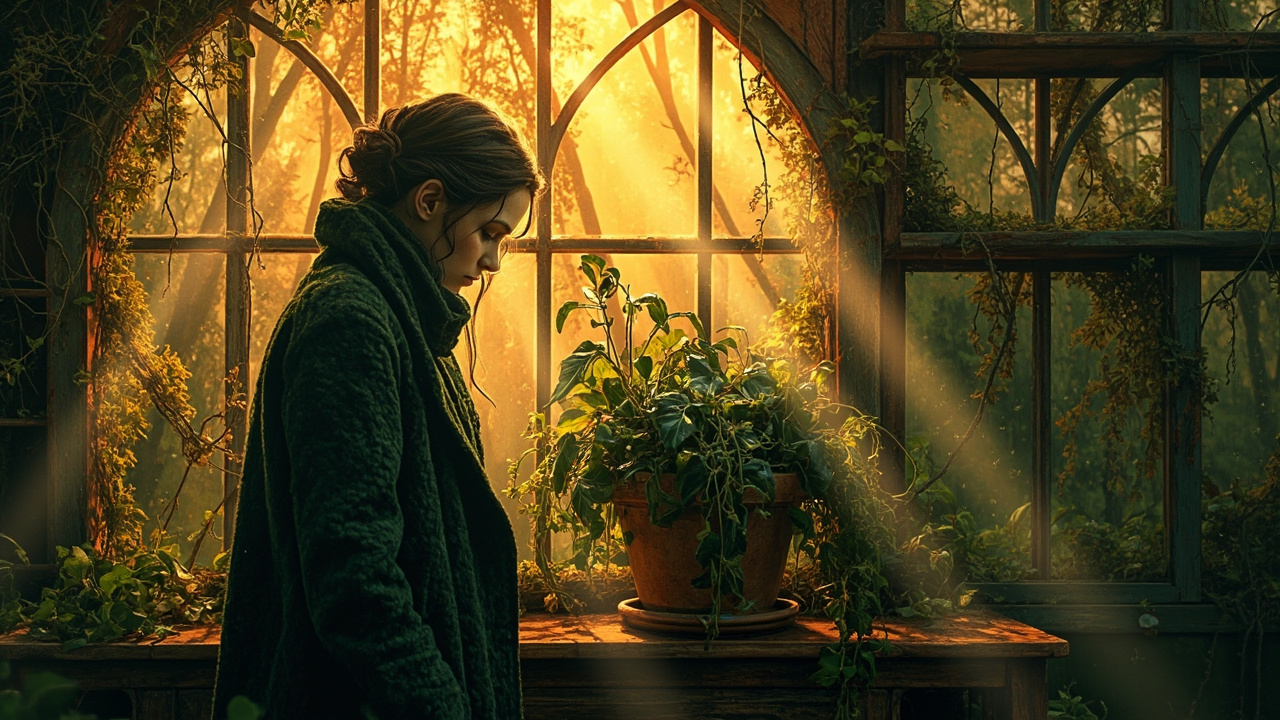
حديقة الصوبة الزجاجية
كانت إلينور مارش دائمًا منجذبة إلى الأشياء التي نسيناها. كان ذلك، ربما، ما جعلها مناسبة بشكل خاص للدور الذي وجدت نفسها فيه الآن: الحارسة الوحيدة لصوبة آشفورد هاوس الزجاجية، وهي مبنى فيكتوري متهالك من الحديد والزجاج المكسور يجثم على الحافة البعيدة من العقار كبش ضخم مريض يحلم بأيام أفضل.
جاء التعيين من خلال صلة جامعية، إحالة من مشرفها في الدكتوراه الذي كان يعرف محامي عائلة آشفورد. لم يكن أحد آخر يريد الوظيفة. كان الراتب ضئيلًا، والسكن كوخ بوابة معرض للتيارات الهوائية على بعد عشر دقائق سيرًا من الصوبة نفسها، وكان العمل باهتًا في الغالب: إزالة الطحالب، واستبدال الزجاج المكسور، وإحياء عشرة من العينات القديمة من حافة الموت. وجدت إلينور، التي قضت ثلاث سنوات في فهرسة الطحالب الاستوائية في ظروف كان من شأنها أن تثبط عزيمة أقل إصرارًا، أن هذا المنظور مغرٍ إلى حد ما.
وصلت في أواخر سبتمبر، عندما كان السهل المحيطة بآشفورد هاوس يبدأ في ارتداء ألوان التحلل. اكتشفت أن الصوبة الزجاجية كانت أكثر روعة في خرابها مما توقعت. سقفها المقوس، نصف مبلوع بالبلاب، كان لا يزال يلتقط ضوء ما بعد الظهيرة بطريقة جعلت الهيكل بأكمله يبدو متوهجًا من الداخل. في الداخل، كان الهواء كثيفًا ودافئًا، مشبعًا بالنَّفَس الأخضر لمئة شيء بلا اسم ينمو في تحدٍّ لكل توقع معقول.
كان ذلك في أسبوعها الثالث عندما وجدت إلينور النبات.
كانت تعمل في الصفوف الخلفية، حيث تُحفظ العينات الأقدم في أواني طينية منقوشة بأسماء لاتينية بخط نحتي نحاسي باهت. كانت معظمها في حالة مؤسفة، أوراقها بنية وورقية، وسيقانها تتمايل في سُكر في أوانٍ لم تُسقَ منذ أشهر، ربما سنوات. لكن في نهاية الصف، تقريبًا مخبأة خلف رف منهار، stood قدر لم تلاحظه من قبل. كان صغيرًا، عاديًا، النوع من الشيء الذي قد تُخطئه عشرة مرات دون نظرة ثانية.
النبات بداخله، مع ذلك، كان لا يمكن misinterpretation. ربما كان ارتفاعه ثلاثين سنتيمترًا، بأوراق عريضة شمعية خضراء داكنة، شبه سوداء. الساق كانت سميكة ليفية، ومن قمتها خرجت محاليق رقيقة تتcurl inward مثل سعفات السرخس. كان هناك شيء مثير للاهتمام فيها — ليس فقط حيويتها غير المتوقعة في بيئة decay، ولكن شيء في الطريقة التي بدت أنها تشغل بها المكان، تؤكد نفسها، كما لو أن فعل الحضور كان، لهذا النبات، إعلان واعٍ.
فحصته إلينور عن كثب. الأوراق كانت باردة وناعمة عند اللمس، وعندما مالت القدر، وجدت الجذور بيضاء ومفاجئة في متانتها. استشارت كتبها، ثم الكتالوج المكتوب بخط اليد المحفوظ في كوخ البوابة، ثم قاعدة بيانات الجامعة التي وصلت إليها عبر اتصال الإنترنت المتقلب في مكتبة العقار القديمة. لم يتطابق شيء. كان النبات، على حد علمها الكبير، غير موثق.
قررت مراقبته.
خلال ثمانية وأربعين ساعة، كانت سعيدة لأنها فعلت ذلك. سلوك النبات كان مختلفًا عن أي شيء واجهته في خمسة عشر عامًا من الدراسة النباتية. في المساءات، كانت المحاليق تمتد ببطء outward، ترتجف تقريبًا دون إدراك، كما لو أنها مُولَّفة على some اهتزاز بعيد. خلال ليلة الرابع والعشرين من سبتمبر، اهتز النبات بعنف — حركة مفاجئة تشنجية شعرت بها إلينور، النائمة في كوخ البوابة، أكثر مما سمعتها. في الصباح التالي، وجدت أن المحاليق امتدت إلى أقصى مدى لها، والأوراق كانت تفرز مادة رقيقة ذات رائحة حلوة التصقت بأصابعها بنبرة حادة بشكل غريب.
في ذلك afternoon، اجتاح العاصفة التي لم تشهد المنطقة مثل حجمها منذ عقد عبر السهل. تم اقتلاع الأشجار. أصبحت الطريق الرئيسية إلى القرية غير سالكة بسبب الفيضانات. ومع ذلك، ظلت الصوبة الزجاجية، بشكل غير explainable، سليمة، كما لو أن العاصفة قد انقسمت حولها como water around a stone.
بدأت إلينور تأخذ ملاحظات.
خلال الأسابيع التالية، أصبح الارتباط بين سلوك النبات والأحداث اللاحقة صارخًا جدًا لدرجة التجاهل. عندما تصلبت المحاليق واستدارت نحو الغرب، تلتها زلزال صغير — بقوة 4.2، متمركز على بعد أربعين ميلًا — خلال يومين. عندما ظهر الإفراز الحلو على سطح الأوراق، انخفض الضغط الجوي في المنطقة حتمًا، مما يشير إلى أيام من الأمطار الغزيرة. أصبح النبات، كانت متأكدة بشكل متزايد، لا يستجيب ببساطة للمحفزات البيئية. كان يتوقعها.
اختبرت هذه النظرية بالصرامة المنفصلة التي حددت مسيرتها المهنية. قاست، سجّلت، أجريت cross-referencing. وضعت أجهزة استشعار بجانب القدر وسجّلت حركات النبات الدقيقة مقابل البيانات Meteorological والجيولوجية. استمر النمط. في كل مرة، بدون exception، استجاب النبات لشيء قبل حدوثه.
تعمق الخريف. تحول السهل إلى رمادي حديدي، وبردت الصوبة الزجاجية في الليل رغم محاولات إلينور المتزايدة desperation لإصلاح جراحها. كان النبات، على النقيض من ذلك، يبدو أنه يزدهر في الضوء المتراجع، أوراقه تتعمق إلى أخضر Almost luminous. كانت إلينور تعتقد أنه كان، كما لو كان يخزن الطاقة لشيء ما.
في الثاني عشر من نوفمبر، اهتز بقوة بحيث انسكب التربة من حافة القدر. امتدت المحاليق جميعها مرة واحدة، جامدة ومرتجفة، وكانت الرائحة الحادة قوية جدًا لدرجة أن عيون إلينور دمعَت. فحصت أجهزة الاستشعار، استشارت forecast، ولم تجد شيئًا يفسر such an extreme reaction.
لم تنتظر التأكيد. ذهبت إلى القرية وذهبت، بدون تمهيد أو مقدمة مهذبة، إلى منزل رئيس مجلس Parish المحلي وقالت له، بوضوح، أن كارثة قادمة. كان متشككًا، كما توقعت. لكن إلينور كانت مقنعة بالطريقة التي لا يمكن أن يكون بها إلا those genuinely frightened، وكانت، بعد كل شيء، عالمة نباتات مؤهلة.
Der Glasgewächshaus-Garten
Eleanor Marsh war schon immer von vergessenen Dingen angezogen worden. Das war vielleicht der Grund, warum sie für die Rolle, die sie nun innehatte, besonders geeignet war: alleinige Hüterin des Glasgewächshauses von Ashford House, ein verfallendes viktorianisches Bauwerk aus Eisen und zerbrochenen Scheiben, das sich am äußersten Rand des Anwesens duckte wie ein krankes Tier, das von besseren Tagen träumte.
Die Stelle war über eine Universitätsverbindung zustande gekommen, ein Gefallen, den ihr Doktorvater eingefordert hatte, der den Anwalt der Familie Ashford kannte. Niemand sonst hatte die Position haben wollen. Die Bezahlung war unbedeutend, die Unterkunft ein zugiger Pförtnerraum, zehn Minuten zu Fuß vom Gewächshaus entfernt, und die Arbeit war weitgehend undankbar: Algen entfernen, zerbrochenes Glas ersetzen, ein Dutzend uralter Exemplare vom Rande des Todes zurückholen. Eleanor, die drei Jahre damit verbracht hatte, tropische Moose unter Bedingungen zu katalogisieren, die eine weniger hartnäckige Seele abgeschreckt hätten, fand die Aussicht ziemlich reizvoll.
Sie kam Ende September an, als das Moorland rund um Ashford House begann, die Farben des Verfalls anzunehmen. Das Glasgewächshaus entdeckte sie als noch prächtiger in seinem Verfall, als sie erwartet hatte. Sein gewölbtes Dach, halb verschluckt von Efeu, fing das Nachmittagslicht immer noch auf eine Weise ein, die das gesamte Bauwerk von innen heraus leuchten ließ. Im Inneren war die Luft dick und warm, gesättigt mit dem grünen Atem von hundert unbenannten Dingen, die gegen jede vernünftige Erwartung wuchsen.
In der dritten Woche entdeckte Eleanor die Pflanze.
Sie hatte sich durch die hinteren Reihen gearbeitet, wo die älteren Exemplare in Tontöpfen mit lateinischen Namen in verblasster Kupferstecherhandschrift aufbewahrt wurden. Die meisten befanden sich in einem bedauerlichen Zustand, ihre Blätter braun und papierartig, ihre Stängel betrunken in Töpfen, die seit Monaten, möglicherweise Jahren, nicht gegossen worden waren. Aber am Ende der Reihe, fast verborgen hinter einem eingestürzten Regal, stand ein Topf, den sie noch nicht bemerkt hatte. Er war klein, unauffällig, die Art von Ding, die man ein Dutzend Mal übersehen könnte, ohne ein zweites Mal hinzuschauen.
Die Pflanze darin war jedoch unverkennbar. Sie war vielleicht dreißig Zentimeter groß, mit breiten, wachsartigen Blättern von einem tiefen, fast schwarzen Grün. Der Stängel war dick und faserig, und aus seiner Krone ragten zarte Ranken hervor, die sich nach innen kräuselten wie die Wedel eines Farns. Etwas an ihr war fesselnd – nicht nur ihre unerwartete Lebendigkeit in einer Umgebung des Verfalls, sondern etwas in der Art, wie sie Raum zu besetzen schien, sich durchzusetzen, als wäre der Akt des Daseins für diese Pflanze ein bewusstes Bekenntnis.
Eleanor untersuchte sie genau. Die Blätter fühlten sich kühl und glatt an, und als sie den Topf neigte, fand sie die Wurzeln weiß und überraschend kräftig. Sie konsultierte ihre Bücher, dann den handschriftlichen Katalog im Pförtnerhaus, dann die Universitätsdatenbank, auf die sie über die launische Internetverbindung in der alten Bibliothek des Anwesens zugreifen konnte. Nichts stimmte überein. Die Pflanze war nach bestem Wissen ihrer beträchtlichen Kenntnisse undokumentiert.
Sie beschloss, sie zu beobachten.
Innerhalb von achtundvierzig Stunden war sie froh darüber. Das Verhalten der Pflanze war anders als alles, was sie in fünfzehn Jahren botanischer Studium erlebt hatte. Abends würden sich die Ranken langsam nach außen erstrecken, fast unmerklich zitternd, als ob sie auf irgendeine ferne Vibration abgestimmt wären. In der Nacht des vierundzwanzigsten Septembers erzitterte die Pflanze heftig – eine plötzliche, krampfartige Bewegung, die Eleanor, die im Pförtnerhaus schlief, irgendwie spürte, anstatt sie zu hören. Am nächsten Morgen stellte sie fest, dass sich die Ranken bis zu ihrer maximalen Reichweite ausgedehnt hatten und die Blätter einen dünnen, süß riechenden Stoff absonderten, der an ihren Fingern haftete mit einem merkwürdig scharfen Unterton.
An diesem Nachmittag fegte ein Sturm von einem Ausmaß, das die Region seit einem Jahrzehnt nicht erlebt hatte, über das Moor. Bäume wurden entwurzelt. Die Hauptstraße in das Dorf wurde durch Überschwemmungen unpassierbar. Doch das Glasgewächshaus blieb unerklärlicherweise unbeschädigt, als hätte sich der Sturm um es herum geteilt wie Wasser um einen Stein.
Eleanor begann sich Notizen zu machen.
In den folgenden Wochen wurde die Korrelation zwischen dem Verhalten der Pflanze und den nachfolgenden Ereignissen zu auffällig, um sie abzutun. Wenn sich die Ranken versteiften und sich nach Westen drehten, folgte innerhalb von zwei Tagen ein kleines Erdbeben – Magnitude 4,2, Zentrum etwa sechzig Kilometer entfernt. Als die süße Absonderung auf der Oberfläche der Blätter erschien, sank der Luftdruck in der Region unweigerlich, was Tage starken Regens ankündigte. Die Pflanze, dessen war sie zunehmend sicher, reagierte nicht nur auf Umweltreize. Sie sagte sie voraus.
Sie testete diese Theorie mit der leidenschaftslosen Strenge, die ihre Karriere definiert hatte. Sie maß, protokollierte, verglich. Sie platzierte Sensoren neben dem Topf und protokollierte die Mikrobewegungen der Pflanze gegen meteorologische und geologische Daten. Das Muster stimmte. Jedes einzelne Mal, ohne Ausnahme, reagierte die Pflanze auf etwas, bevor es eintrat.
Der Herbst vertiefte sich. Das Moor wurde eisengrau, und das Glasgewächshaus wurde nachts kalt, trotz Eleanor's zunehmend verzweifelten Versuche, seine Wunden zu flicken. Die Pflanze hingegen schien in dem schwindenden Licht zu gedeihen, ihre Blätter vertieften sich zu einem fast leuchtenden Grün. Es war, dachte Eleanor, als würde sie Energie für etwas speichern.
Am zwölften November erzitterte sie so heftig, dass Erde aus dem Rand des Topfes fiel. Die Ranken erstreckten sich alle auf einmal, starr und zitternd, und der scharfe Geruch war so stark, dass Eleanor's Augen tränten. Sie überprüfte die Sensoren, konsultierte die Vorhersage und fand nichts, was eine solch extreme Reaktion erklären könnte.
Sie wartete nicht auf Bestätigung. Sie fuhr in das Dorf und ging, ohne Umschweife oder höfliche Einleitung, zum Haus des örtlichen Gemeinderatsvorsitzenden und sagte ihm klipp und klar, dass eine Katastrophe bevorstand. Er war skeptisch, wie sie erwartet hatte. Aber Eleanor war überzeugend auf die Art, wie nur die wirklich Verängstigten es sein können, und sie war, wie sie nun einmal war, eine qualifizierte Botanikerin.
Le Jardin de la Serre
Eleanor Marsh avait toujours été attirée par les choses que le monde avait oubliées. C'était peut-être ce qui la rendait particulièrement adaptée au rôle qu'elle se trouvait maintenant occuper : gardienne unique de la serre de Ashford House, une structure victorienne délabrée de fer et de vitres brisées qui s'accroupissait à l'extrémité du domaine comme une grande bête malade rêvant de jours meilleurs.
Le poste était venu par le biais d'une relation universitaire, une faveur réclamée par son directeur de thèse qui connaissait l'avocat de la famille Ashford. Personne d'autre n'avait voulu du poste. La rémunération était négligeable, le logement un pavillon de garde exposé aux courants d'air à dix minutes à pied de la serre elle-même, et le travail était largement ingrat : éliminer les algues, remplacer le verre brisé, ramener une douzaine d'anciens spécimens du bord de la mort. Eleanor, qui avait passé trois ans à cataloguer des mousses tropicales dans des conditions qui auraient découragé une âme moins têtue, trouvait cette perspective plutôt intéressante.
Elle est arrivée fin septembre, lorsque la lande entourant Ashford House commençait à se parer des couleurs de la décomposition. Elle a découvert que la serre était encore plus magnifique dans sa ruine qu'elle ne l'avait prévu. Son toit voûté, à moitié englouti par le lierre, captait encore la lumière de l'après-midi d'une manière qui faisait paraître toute la structure illuminée de l'intérieur. À l'intérieur, l'air était épais et chaud, saturé par le souffle vert d'une centaines de choses sans nom qui poussaient en défiant toute attente raisonnable.
C'était durant sa troisième semaine qu'Eleanor trouva la plante.
Elle travaillait dans les rangées arrière, où les spécimens les plus anciens étaient conservés dans des pots en terre cuite inscrits de noms latins en écriture cuivreuse pâlie. La plupart étaient en mauvais état, leurs feuilles brunes et papyracées, leurs tiges titubant ivres dans des pots qui n'avaient pas été arrosés depuis des mois, voire des années. Mais au bout de la rangée, presque dissimulée derrière une étagère effondrée, se trouvait un pot qu'elle n'avait pas remarqué auparavant. Il était petit, insignifiant, le genre de chose qu'on pourrait overlooks a dozen fois sans y regarder à deux fois.
La plante qu'il contenait, however, était unmistakable. Elle mesurait peut-être trente centimètres, avec de larges feuilles cireuses d'un vert profond, presque noir. La tige était épaisse et fibreuse, et de sa couronne émergeaient de délicates vrilles qui s'enroulaient vers l'intérieur comme les frondes d'une fougère. Il y avait quelque chose de captivant en elle — non seulement sa vitalité inattendue dans un environnement de décomposition, mais quelque chose dans la façon dont elle semblait occuper l'espace, s'affirmer, comme si l'acte d'être présente était, pour cette plante, une déclaration consciente.
Eleanor l'examina de près. Les feuilles étaient fraîches et lisses au toucher, et lorsqu'elle inclina le pot, elle découvrit que les racines étaient blanches et étonnamment robustes. Elle consulta ses livres, puis le catalogue manuscrit conservé dans le pavillon de garde, puis la base de données universitaire à laquelle elle accédait via la connexion internet capricieuse de l'ancienne bibliothèque du domaine. Rien ne correspondait. La plante était, au mieux de ses connaissances considérables, non documentée.
Elle décida de l'observer.
En quarante-huit heures, elle fut heureuse de l'avoir fait. Le comportement de la plante était unlike anything she had encountered in fifteen years of botanical study. Le soir, les vrilles s'étiraient lentement vers l'extérieur, tremblant presque imperceptiblement, comme si elles étaient accordées à quelque vibration lointaine. Durant la nuit du vingt-quatre septembre, la plante frémit violemment — un mouvement soudain et convulsif qu'Eleanor, dormant dans le pavillon de garde, sentit plutôt qu'elle ne l'entendit. Le lendemain matin, elle découvrit que les vrilles s'étaient étendues à leur maximum, et que les feuilles exsudaient une substance mince et parfumée qui adhérait à ses doigts avec un relent curieusement âcre.
Cet après-midi-là, une tempête d'une ampleur que la région n'avait pas connue depuis une décennie balaya la lande. Des arbres furent déracinés. La route principale menant au village devint impraticable à cause des inondations. Pourtant, la serre, inexplicablement, resta intacte, comme si la tempête s'était écartée autour d'elle comme l'eau autour d'un rocher.
Eleanor commença à prendre des notes.
Au cours des semaines suivantes, la corrélation entre le comportement de la plante et les événements ultérieurs devint trop frappante pour être ignorée. Quand les vrilles se raidissaient et se tournaient vers l'ouest, un tremblement de terre mineur — magnitude 4,2, centré à environ soixante-quatre kilomètres — suivait dans les deux jours. Quand la sécrétion sucrée apparaissait à la surface des feuilles, la pression barométrique de la région baissait invariablement, annonçant des jours de fortes pluies. La plante, elle en devenait de plus en plus certaine, ne se contentait pas de répondre aux stimuli environnementaux. Elle les anticipait.
Elle testa cette théorie avec la rigueur impassible qui définissait sa carrière. Elle mesura, enregistra, croisa les références. Elle plaça des capteurs à côté du pot et consigna les micro-mouvements de la plante par rapport aux données météorologiques et géologiques. Le schéma se maintenait. À chaque fois, sans exception, la plante réagissait à quelque chose avant que cela ne se produise.
L'automne s'approfondit. La lande devint gris fer, et la serre se refroidit la nuit malgré les tentatives de plus en plus désespérées d'Eleanor pour panser ses blessures. La plante, par contraste, semblait prospérer dans la lumière déclinante, ses feuilles s'approfondissant vers un vert presque lumineux. C'était, pensait Eleanor, comme si elle emmagasinait de l'énergie pour quelque chose.
Le douze novembre, elle frémit si violemment que de la terre se répandit du bord du pot. Les vrilles s'étendirent toutes à la fois, rigides et tremblantes, et l'odeur âcre était si puissante que les yeux d'Eleanor larmoyèrent. Elle vérifia les capteurs, consulta les prévisions, et ne trouva rien qui puisse expliquer une réaction aussi extrême.
Elle n'attendit pas de confirmation. Elle conduisit jusqu'au village et se rendit, sans préambule ni politesse, au domicile du président du conseil paroissial local et lui dit clairement qu'une catastrophe approchait. Il était sceptique, comme elle l'avait prévu. Mais Eleanor était persuasive de la manière dont seuls les véritablement effrayés peuvent l'être, et elle était, après tout, une botaniste qualifiée.
Сад в теплице
Элеанор Марш всегда притягивали забытые вещи. Возможно, именно это сделало её особенно подходящей для роли, которую она теперь занимала: единственной хранительницы стеклянной оранжереи Эшфорд Хаус, рушащегося викторианского сооружения из железа и разбитых стёкол, которое притаилось на дальнем краю поместья, как огромный больной зверь, мечтающий о лучших днях.
Назначение пришло через университетские связи, одолжение от её научного руководителя, который знал адвоката семьи Эшфорд. Никто другой не хотел эту должность. Плата была ничтожной, жильё — продуваемым всеми ветрами сторожевым домиком в десяти минутах ходьбы от самой оранжереи, а работа была в основном малопривлекательной: очистка водорослей, замена разбитых стёкол, возвращение дюжины древних экземпляров с края гибели. Элеанор, которая потратила три года на каталогизацию тропических мхов в условиях, способных обескуражить менее упрямую душу, нашла эту перспективу весьма привлекательной.
Она прибыла в конце сентября, когда пустошь вокруг Эшфорд Хаус начинала надевать цвета упадка. Она обнаружила, что оранжерея в своём разрушении была ещё великолепнее, чем она ожидала. Её арочная крыша, наполовину поглощённая плющом, всё ещё ловила послеполуденный свет таким образом, что всё сооружение казалось светящимся изнутри. Внутри воздух был густым и тёплым, насыщенным зелёным дыханием сотни безымянных существ, растущих вопреки любым разумным ожиданиям.
На третьей неделе Элеанор нашла растение.
Она работала среди задних рядов, где более старые экземпляры содержались в глиняных горшках с латинскими названиями, написанными выцветшим готическим почерком. Большинство из них находились в плачевном состоянии: листья бурые и бумажные, стебли поникшие в горшках, которые не поливали месяцами, возможно, годами. Но в конце ряда, почти скрытый за обвалившейся полкой, стоял горшок, которого она раньше не замечала. Он был маленьким, неприметным, такой вещью, которую можно было бы пропустить десяток раз без второго взгляда.
Однако растение в нём было невозможно спутать. Оно было около тридцати сантиметров в высоту, с широкими, восковыми листьями глубокого, почти чёрного зелёного цвета. Стебель был толстым и волокнистым, а из его кроны выходили тонкие усики, завивающиеся внутрь, как вайи папоротника. В нём было что-то притягательное — не только его неожиданная живость в среде упадка, но и то, как оно, казалось, занимало пространство, заявляло о себе, как будто акт присутствия был для этого растения сознательным утверждением.
Элеанор внимательно его осмотрела. Листья были прохладными и гладкими на ощупь, и когда она наклонила горшок, то обнаружила белые и удивительно крепкие корни. Она обратилась к своим книгам, затем к рукописному каталогу в сторожевом домике, затем к университетской базе данных, к которой у неё был доступ через капризное интернет-соединение в старой библиотеке поместья. Ничего не совпадало. Растение, насколько позволяли её значительные знания, оставалось незафиксированным в документации.
Она решила за ним наблюдать.
В течение сорока восьми часов она была рада, что так поступила. Поведение растения отличалось от всего, с чем она сталкивалась за пятнадцать лет ботанических исследований. По вечерам усики медленно вытягивались наружу, почти незаметно дрожа, словно настроенные на какую-то далёкую вибрацию. В ночь на двадцать четвёртое сентября растение содрогнулось так сильно, что Элеанор, спавшая в сторожевом домике, каким-то образом это почувствовала, а не услышала. На следующее утро она обнаружила, что усики вытянулись на максимальную длину, а с листьев сочилось тонкое сладко пахнущее вещество, прилипавшее к её пальцам со странным едким привкусом.
Во второй половине дня того же дня на пустошь обрушилась буря такой силы, какой регион не видел десятилетие. Деревья были вырваны с корнями. Главная дорога в деревню стала непроходимой из-за наводнения. Однако стеклянная оранжерея, необъяснимым образом, осталась невредимой, словно буря разделилась вокруг неё, как вода вокруг камня.
Элеанор начала делать заметки.
В последующие недели связь между поведением растения и последующими событиями стала слишком очевидной, чтобы её игнорировать. Когда усики затвердевали и поворачивались на запад, в течение двух дней следовало небольшое землетрясение — магнитудой 4,2, с эпицентром примерно в шестидесяти километрах. Когда на поверхности листьев появлялась сладкая секреция, барометрическое давление в регионе неизменно падало, предвещая несколько дней сильных дождей. Растение, в чём она становилась всё больше уверена, не просто реагировало на изменения окружающей среды. Оно их предвосхищало.
Она проверила эту теорию с бесстрастной строгостью, которая определяла её карьеру. Она измеряла, записывала, сопоставляла данные. Она разместила датчики рядом с горшком и зафиксировала микродвижения растения в сравнении с метеорологическими и геологическими данными. Закономерность сохранялась. Каждый единственный раз, без исключения, растение реагировало на что-то до того, как это происходило.
Осень углублялась. Пустошь стала железно-серой, а оранжерея по ночам становилась холодной, несмотря на отчаянные попытки Элеанор залатать её раны. Растение же, напротив, казалось, процветало в убывающем свете, его листья становились почти светящимся зелёным. Элеанор подумала, что оно, казалось, копило энергию для чего-то.
Двенадцатого ноября оно содрогнулось так сильно, что земля высыпалась из края горшка. Усики вытянулись все разом, жёсткие и дрожащие, а едкий запах был настолько сильным, что глаза Элеанор заслезились. Она проверила датчики, посмотрела прогноз и не нашла ничего, что могло бы объяснить такую экстремальную реакцию.
Она не стала ждать подтверждения. Она поехала в деревню и пошла, без предисловий или учтивых вступлений, к дому местного председателя приходского совета и прямо сказала ему, что надвигается катастрофа. Он был скептичен, как она и ожидала. Но Элеанор была убедительна так, как могут быть убедительны только по-настоящему напуганные люди, и она была, в конце концов, квалифицированным ботаником.