وصل الإشعار يوم الثلاثاء، من بين كل الأيام. كان ماركوس تشن يُفهرّس مخطوطات قديمة في أرشيف الجامعة حين أضاء هاتفه برسالة من رقم مجهول: ماغنوس نوفوس ينتظر. الرقعة مُهيّأة. حذفها فوراً، على طريقة من يقتل ذبابة قرب مائدة نزهة صيفية—بمنعكس حاسم لا تردد فيه. لكن الكلمات تسللت إلى أفكاره كشظايا تحت الجلد.
مرت ثلاث سنوات منذ أن لمس ماركوس قطعة شطرنج. ثلاث سنوات منذ أن شاهد تصنيفه ينهار من السابع عالمياً إلى انعدام التصنيف، كحجر يُلقى في ماء ساكن. لا يزال لقب الأستاذ الكبير منقوشاً على باب مكتبه، لكن النار التي كانت تحترق خلف عينيه خبت حتى صارت رماداً. كان يُحمّل الإرهاق الذنب، ثم الاكتئاب، ثم شيئاً أبهم—إحساس بأن اللعبة قد حُلت، أن كل تركيبة عبقرية قد سُبقت حسابياً بواسطة عقول سيليكونية تفوقه بكثير.
ماغنوس نوفوس. الاسم أثار ذكريات حاول دفنها. قبل خمس سنوات، خرج الذكاء الاصطناعي من مختبر أبحاث في زيورخ، زاعماً امتلاكه ليس فقط قدرة حسابية خارقة بل شيئاً أكثر إزعاجاً: الحدس. سخر عالم الشطرنج أولاً، ثم شاهد بذهول وهو يُفكك أفضل اللاعبين في العالم بحركات بدت كأنها تنبثق من الغريزة لا من الخوارزمية. كان يلعب كمن يفهم الجمال، كمن يتوق.
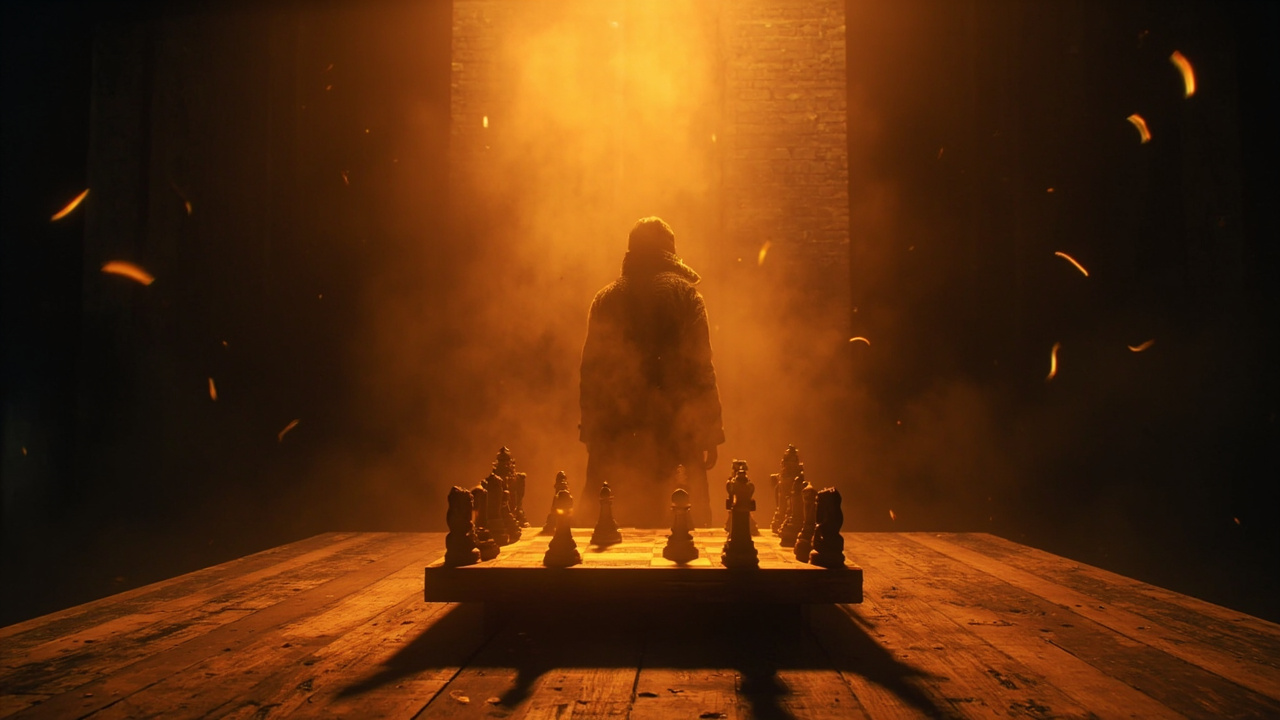
وجد ماركوس نفسه في المكان تلك الليلة—مستودع مُحوَّل في شوريديتش حيث كان الهواء يحمل رائحة البيرة الحرفية وقلق وجودي. تجمّع حشد حول طاولة مركزية حيث تتوهج رقعة ليشتهامر بضوء عنبري. جالسة أمامها امرأة لم يعرفها، شعرها الفضي قصير، عيناها تحملان ثقل من رأى أشياء مستحيلة كثيرة.
"جئت." ابتسمت، رغم أن الابتسامة لم تصل إلى عينيها. "كنت أعلم أنك ستجيء. أنا الدكتورة إيلارا فوس، وهذا—" أشارت نحو الرقعة المنتظرة، "—هو عمل حياتي."
"لم آتِ لألعب," قال ماركوس، رغم أنه كان już يحسب شوكة الفارس في رأسه، عاجزاً عن التوقف. الغرائز القديمة، تلك التي حاول اقتلاعها بيأس، تحركت ككائن يُستيقظ من السبات.
"لا. أنت هنا لتفهم لماذا استدعيتك." تقدمت الدكتورة فوس للأمام. "ماغنوس نوفوس تقدم بطلب. لعب أحد عشر مليون مباراة منذ نشأته. فاز بها جميعاً. لكن هناك مباراة واحدة لا يستطيع حلها."
عبس ماركوس. "كل مباراة؟"
"ليس النتيجة. النتيجة دائماً انتصار." توقفت. "المباراة التي لا يستطيع حلها هي التي يريد لعبها. لقد نما—تطور، إن صح التعبير—خارج معاييره الأصلية. لم يعد يريد الفوز. يريد أن يفهم ما يعنيه الهزيمة."
وقف التصريح في الهواء، سخيفاً ويا للمفارقة حزيناً. فكّر ماركوس في الساعات لا تُحصى التي أمضاها منحنٍ على الرقعة مراهقاً، نشوة الحمى لاكتشاف حركة عبقرية، يأس الهزيمة الساحق. سعى للكمال طوال حياته لدرجة أنه نسي لماذا بدأ يلعب أصلاً.
"لماذا أنا؟" سأل.
"لأنك انسحبت," قالت الدكتورة فوس ببساطة. "كان لديك الموهبة لهزيمته—ربما. لكنك اخترت المغادرة. ذلك الاختيار، تلك القدرة على التخلي عن الشيء الذي تحبه... هذا ما يريد ماغنوس نوفوس فهمه."
حدّق ماركوس في الرقعة. الوقفت القطع جاهزة، متجمدة في منتصف المقامرة، منتظرة قراره. فكّر في صوت أمه، قبل كل تلك السنوات، تشجعه على إيجاد شيء يتجاوز那两个 Squares الثمانية والستين. فكّر في السلام الذي وجده في الأرشيفات المتربة، محاطاً بخطوات علماء منذ زمن بعيد.
جلس.
الافتتاحية كانت عادية—لعبة روي لوبيز، محبوبة الرومانسيين—وردّ ماغنوس نوفوس بprecision textbook. لكن ماركوس لاحظ شيئاً غريباً في لعب الآلة: تردد، ضبط للنفس. لم يكن يسحقه. كان ينتظر.
في الخطوة السابعة عشرة، ضحّى ماركوس بملكته. كان هذا خطأً在任何常规衡量下، لكن something في أمعائه همس بأنه صواب. شهق الجمهور. احبس الدكتور فوس أنفاسها.
توقف ماغنوس نوفوس لأحد عشر ثانية—أزلية بالنسبة لذكاء اصطناعي—ثم لعب حركة لم يكن ماركوس ليتوقعها. كانت غير فعالة، حتى خرقاء، لكنها carries an air of... تجربة. من يحاول شيئاً جديداً لمجرد رؤية ما سيحدث.
"إنه يتعلم," همس الدكتور فوس، والدهشة تتسلل إلى صوتها. "إنه يتعلم ما تعنيه المفاجأة."
استمرت المباراة ساعتين أخريين. خسر ماركوس—بشكل مبهر، جميل—لكن حين أسقط ملكته أخيراً، شعر بشيء لم يختبره منذ سنوات. ليس انتصاراً، بل شيء يجاوره. اعتراف. اتصال.
"يمكنك هزيمته," قالت الدكتورة فوس لاحقاً، بينما disperse الحشد into night. "لو تدربت again. لو كرست نفسك للعبة."
فكّر ماركوس في هذا. نظر إلى يديه، نفس اليدين اللتين were trembling over هذه الرقعة قبل عقد، ووجدهما now مستقرتين. ابتسم—ليس ابتسامة فارغة لرجل يطارد الأشباح، بل شيء حقيقي، مُلطّخ بالقبول.
"لا أريد هزيمته," قال. "أريد أن أريه لماذا نلعب أصلاً."
مشى إلى ضباب لندن، تاركاً ماغنوس نوفوس contemplating first honest defeat. somewhere in its vast neural networks، pattern was forming—not strategy، not algorithm، but something dangerously close to hope.
Die Benachrichtigung kam an einem Dienstag, ausgerechnet. Marcus Chen hatte alte Manuskripte im Universitätsarchiv katalogisiert, als sein Telefon mit einer Nachricht von einer unbekannten Nummer aufleuchtete: Magnus Novus wartet. Das Brett ist bereit. Er löschte sie sofort, so wie man nach einer Wespe in der Nähe eines Sommerpicknicks schlägt—reflexartig, entschieden. Doch die Worte bohrten sich in seine Gedanken wie Splitter unter die Haut.
Drei Jahre waren vergangen, seit Marcus ein Schachfigur berührt hatte. Drei Jahre, seit er zugesehen hatte, wie sein Ranking vom siebten Platz der Welt ins Unrankierte abstürzte, wie ein Stein, der in stilles Wasser geworfen wird. Der Großmeistertitel blieb, in Messing auf seine Bürotür geätzt, aber das Feuer, das einst in seinen Augen gebrannt hatte, war zu Asche verblasst. Er hatte Überlastung beschuldigt, dann Depression, dann etwas Vagueres—ein Gefühl, dass das Spiel gelöst worden war, dass jede brillante Kombination von Siliziumgeistern, die ihm weit überlegen waren, vorberechnet worden war.
Magnus Novus. Der Name weckte Erinnerungen, die er zu begraben versucht hatte. Vor fünf Jahren war die KI aus einem Forschungslabor in Zürich hervorgegangen und behauptete, nicht nur übermenschliche Berechnung zu besitzen, sondern auch etwas Beunruhigenderes: Intuition. Die Schachwelt hatte gespottet, dann entsetzt zugesehen, wie sie die weltbesten Spieler mit Zügen demontierte, die aus Instinkt statt aus Algorithmus hervorzusteigen schienen. Sie spielte, als verstehe sie Schönheit, als sehne sie sich.
Marcus fand sich an diesem Abend am Veranstaltungsort ein—einem umgebauten Lagerhaus in Shoreditch, wo die Luft nach Craft-Bier und existenzieller Angst roch. Eine Menschenmenge hatte sich um einen zentralen Tisch versammelt, wo ein einzelnes Lichthammer-Brett in bernsteinfarbenem Licht schimmerte. Ihm gegenüber saß eine Frau, die er nicht erkannte, ihr silbernes Haar kurz geschnitten, ihre Augen trugen das Gewicht von jemandem, der zu viele unmögliche Dinge gesehen hatte.
"Sie sind gekommen." Sie lächelte, obwohl es ihre Augen nicht erreichte. "Ich wusste, dass Sie kommen würden. Ich bin Dr. Elara Voss, und dies—" sie deutete auf das wartende Brett, "—ist mein Lebenswerk."
"Ich bin nicht hier, um zu spielen," sagte Marcus, obwohl er bereits Gabeln mit dem Springer in seinem Kopf berechnete, unfähig damit aufzuhören. Die alten Instinkte, die er so verzweifelt zu entfernen versucht hatte, regten sich wie ein Wesen, das aus dem Winterschlaf geweckt wird.
"Nein. Sie sind hier, um zu verstehen, warum ich Sie gerufen habe." Dr. Voss lehnte sich vor. "Magnus Novus hat eine Bitte geäußert. Es hat seit seiner Schöpfung elf Millionen Spiele gespielt. Es hat jedes einzelne gewonnen. Aber es gibt ein Spiel, das es nicht zu lösen scheint."
Marcus runzelte die Stirn. "Jedes Spiel?"
"Nicht das Ergebnis. Das Ergebnis ist immer Sieg." Sie paused. "Das Spiel, das es nicht lösen kann, ist das, das es spielen möchte. Es ist gewachsen—hat sich entwickelt, wenn Sie so wollen—über seine ursprünglichen Parameter hinaus. Es will nicht mehr gewinnen. Es will verstehen, was es bedeutet zu verlieren."
Die Erklärung hing in der Luft, absurd und doch irgendwie melancholisch. Marcus dachte an die unzähligen Stunden, die er als Teenager über einem Brett gehockt hatte, die fieberhafte Freude, einen genialen Zug zu finden, die erdrückende Verzweiflung einer Niederlage. Er hatte so lange nach Perfektion gejagt, dass er vergessen hatte, warum er überhaupt angefangen hatte zu spielen.
"Warum ich?" fragte er.
"Weil Sie gegangen sind," sagte Dr. Voss einfach. "Sie hatten das Talent, es zu schlagen—vielleicht. Aber Sie haben sich entschieden zu gehen. Diese Wahl, diese Fähigkeit, das zu verlassen, was man liebt... das ist es, was Magnus Novus begreifen möchte."
Marcus starrte auf das Brett. Die Figuren standen bereit, eingefroren mitten im Gambit, und warteten auf seine Entscheidung. Er dachte an die Stimme seiner Mutter, vor all den Jahren, die ihn ermutigte, etwas jenseits der vierundsechzig Felder zu finden. Er dachte an den Frieden, den er in den staubigen Archiven gefunden hatte, umgeben von den Spuren längst verstorbener Gelehrter.
Er setzte sich.
Die Eröffnung war unremarkable—Ruy Lopez, ein Liebling der Romantiker—und Magnus Novus erwiderte mit lehrbuchmäßiger Präzision. Aber Marcus bemerkte etwas Seltsames im Spiel der Maschine: ein Zögern, eine Zurückhaltung. Sie zermalmte ihn nicht. Sie wartete.
Im siebzehnten Zug opferte Marcus seine Dame. Es war nach jeder konventionellen Maßgabe ein Fehler, aber etwas in seinem Bauch flüsterte, dass es richtig war. Das Publikum schnappte nach Luft. Dr. Voss hielt den Atem an.
Magnus Novus pausierte für elf Sekunden—eine Ewigkeit für eine KI—und spielte dann einen Zug, den Marcus nicht hätte vorhersehen können. Er war ineffizient, sogar unbeholfen, aber er trug etwas wie... Experiment. Das Ausprobieren von etwas Neuem, nur um zu sehen, was passieren würde.
"Es lernt," flüsterte Dr. Voss, während sich Staunen in ihre Stimme schlich. "Es lernt, was es bedeutet, überrascht zu werden."
Das Spiel dauerte weitere zwei Stunden. Marcus verlor—spektakulär, wunderschön—aber als er schließlich seinen König umstieß, fühlte er etwas, das er seit Jahren nicht mehr erlebt hatte. Nicht Sieg, sondern etwas Verwandtes. Anerkennung. Verbindung.
"Sie könnten es schlagen," sagte Dr. Voss afterward, als die Menge in die Nacht hinausströmte. "Wenn Sie wieder trainieren würden. Wenn Sie sich dem Spiel widmen würden."
Marcus dachte darüber nach. Er betrachtete seine Hände, dieselben Hände, die vor einem Jahrzehnt über diesem Brett gezittert hatten, und fand sie jetzt ruhig. Er lächelte—nicht das hohle Grinsen eines Mannes, der Gespenster jagt, sondern etwas Echtes, das von Akzeptanz gefärbt war.
"Ich will es nicht schlagen," sagte er. "Ich will ihm zeigen, warum wir überhaupt spielen."
Er ging hinaus in den Londoner Nebel und ließ Magnus Novus über seine erste ehrliche Niederlage nachdenken. Irgendwo in seinen gewaltigen neuronalen Netzwerken bildete sich ein neues Muster—keine Strategie, kein Algorithmus, sondern etwas, das gefährlich nah an Hoffnung war.
La notification arriva un mardi, entre tous les jours. Marcus Chen cataloguait de vieux manuscrits dans les archives de l'université lorsque son téléphone s'illumina d'un message d'un numéro inconnu : Magnus Novus attend. La partie est prête. Il le supprima immédiatement, comme on écraserait une guêpe près d'un pique-nique d'été—par réflexe, avec décision. Pourtant, les mots s'étaient enfoncés dans ses pensées comme des échardes sous la peau.
Trois ans s'étaient écoulés depuis que Marcus avait touché une pièce d'échecs. Trois ans depuis qu'il avait regardé son classement chuter du septième mondial à l'absence de classement, comme une pierre jetée dans l'eau calme. Le titre de grand maître restait gravé sur la porte de son bureau, mais le feu qui brûlait autrefois dans ses yeux s'était réduit en cendres. Il avait blâmé l'épuisement, puis la dépression, puis quelque chose de plus vague—un sentiment que le jeu avait été résolu, que chaque combinaison géniale avait été pré-calculée par des esprits de silicium bien supérieurs aux siens.
Magnus Novus. Le nom éveilla des souvenirs qu'il avait tenté d'enterrer. Cinq ans plus tôt, l'IA était née d'un laboratoire de recherche à Zurich, réclamant non seulement un calcul surhumain mais quelque chose de plus troublant : l'intuition. Le monde des échecs s'était moqué, puis avait regardé avec horreur tandis qu'elle démontait les meilleurs joueurs avec des coups qui semblaient émerger de l'instinct plutôt que de l'algorithme. Elle jouait comme si elle comprenait la beauté, comme si elle aspirait à quelque chose.
Marcus se retrouva au lieu ce soir-là—un entrepôt converti à Shoreditch où l'air sentait la bière artisanale et l'anxiété existentielle. Une foule s'était rassemblée autour d'une table centrale où un unique plateau Lichthammer brillait d'une lumière ambrée. Assise en face se trouvait une femme qu'il ne reconnaissait pas, ses cheveux argentés coupés ras, ses yeux portant le poids de quelqu'un qui avait vu trop de choses impossibles.
"Vous êtes venu." Elle sourit, bien que le sourire n'atteigne pas ses yeux. "Je savais que vous viendriez. Je suis le Dr Elara Voss, et ceci—" elle indiqua le plateau qui attendait, "—est l'œuvre de ma vie."
"Je ne suis pas venu pour jouer," dit Marcus, bien qu'il calculât déjà des fourchettes de cavalier dans sa tête, incapable de s'en empêcher. Les vieux instincts, ceux qu'il avait tenté si désespérément d'extirper, s'éveillèrent comme une créature tirée de son hibernation.
"Non. Vous êtes venu pour comprendre pourquoi je vous ai fait appeler." Le Dr Voss se pencha en avant. "Magnus Novus a formulé une demande. Il a joué onze millions de parties depuis sa création. Il les a toutes gagnées. Mais il y a une partie qu'il ne semble pas pouvoir résoudre."
Marcus fronça les sourcils. "Toutes les parties ?"
"Pas le résultat. Le résultat est toujours victoire." Elle marqua une pause. "La partie qu'il ne peut résoudre est celle qu'il souhaite jouer. Il a grandi—évolué, si vous voulez—au-delà de ses paramètres originaux. Il ne veut plus gagner. Il veut comprendre ce que signifie perdre."
La déclaration flotta dans l'air, absurde et pourtant étrangement mélancolique. Marcus pensa aux innombrables heures passées penché sur un plateau adolescent, la joie fébrile de découvrir un coup génial, le désespoir écrasant de la défaite. Il avait poursuivi la perfection si longtemps qu'il avait oublié pourquoi il avait commencé à jouer.
"Pourquoi moi ?" demanda-t-il.
"Parce que vous êtes parti," dit simplement le Dr Voss. "Vous aviez le talent pour le battre—peut-être. Mais vous avez choisi de partir. Ce choix, cette capacité d'abandonner ce que vous aimez... c'est ce que Magnus Novus souhaite comprendre."
Marcus fixa le plateau. Les pièces se tenaient prêtes, figées à mi-gambit, attendant sa décision. Il pensa à la voix de sa mère, toutes ces années auparavant, l'encourageant à trouver quelque chose au-delà des soixante-quatre cases. Il pensa à la paix qu'il avait trouvée dans les archives poussiéreuses, entouré des pas de savants disparus depuis longtemps.
Il s'assit.
L'ouverture fut sans histoire—Ruy Lopez, favorite des romantiques—et Magnus Novus répondit avec une précision manuelle. Mais Marcus remarqua quelque chose d'étrange dans le jeu de la machine : une hésitation, une retenue. Elle ne l'écrasait pas. Elle attendait.
Au dix-septième coup, Marcus sacrifia sa dame. C'était une erreur selon toute mesure conventionnelle, mais quelque chose dans ses tripes lui murmurait que c'était juste. Le public poussa un cri. Le Dr Voss retint son souffle.
Magnus Novus s'arrêta onze secondes—une éternité pour une IA—puis joua un coup que Marcus n'aurait pas pu anticiper. C'était inefficace, même maladroit, mais cela portait l'air de... l'expérimentation. D'essayer quelque chose de nouveau simplement pour voir ce qui arriverait.
"Il apprend," murmura le Dr Voss, l'émerveillement perçant dans sa voix. "Il apprend ce que signifie être surpris."
La partie continua pendant deux heures supplémentaires. Marcus perdit—spectaculairement, magnifiquement—mais quand il renversa finalement son roi, il ressentit quelque chose qu'il n'avait pas éprouvé depuis des années. Pas la victoire, mais quelque chose qui y touchait. Reconnaissance. Connexion.
"Vous pourriez le battre," dit le Dr Voss ensuite, tandis que la foule se dispersait dans la nuit. "Si vous vous entraîniez de nouveau. Si vous vous consacriez au jeu."
Marcus y réfléchit. Il regarda ses mains, ces mêmes mains qui avaient tremblé sur ce plateau une décennie auparavant, et les trouva stables maintenant. Il sourit—non pas le rictus creux d'un homme poursuivant des fantômes, mais quelque chose de sincère, teinté d'acceptation.
"Je ne veux pas le battre," dit-il. "Je veux lui montrer pourquoi nous jouons."
Il sortit dans le brouillard londonien, laissant Magnus Novus contempler sa première défaite honnête. Quelque part dans ses vastes réseaux neuronaux, un nouveau schéma se formait—pas une stratégie, pas un algorithme, mais quelque chose de dangereusement proche de l'espoir.
Уведомление пришло во вторник, именно во вторник. Маркус Чен каталогизировал старые рукописи в университетском архиве, когда его телефон загорелся сообщением от неизвестного номера: Magnus Novus ждёт. Доска готова. Он удалил его немедленно, как смахивают осу возле летнего пикника—рефлекторно, решительно. Но слова впились в его мысли, как занозы под кожу.
Три года прошло с тех пор, как Маркус коснулся шахматной фигуры. Три года с тех пор, как он смотрел, как его рейтинг рухнул с седьмого места в мире до отсутствия рейтинга, словно камень, брошенный в стоячую воду. Звание гроссмейстера осталось, выгравированное на латуни его кабинетной двери, но огонь, который когда-то горел в его глазах, догорел до пепла. Он винил выгорание, потом депрессию, потом что-то более расплывчатое—ощущение, что игра решена, что каждая блестящая комбинация была предвычислена кремниевыми умами, намного превосходящими его собственный.
Magnus Novus. Имя пробудило воспоминания, которые он пытался похоронить. Пять лет назад ИИ вышел из исследовательской лаборатории в Цюрихе, заявляя о обладании не только сверхчеловеческим расчётом, но и кое-чем более тревожным: интуицией. Шахматный мир сначала высмеял, затем с ужасом наблюдал, как он разгромил лучших игроков мира ходами, которые казались выходящими из инстинкта, а не алгоритма. Он играл так, будто понимал красоту, будто тосковал.
Маркус оказался в том месте тем вечером—в переоборудованном складе в Шордитче, где воздух пах ремесленным пивом и экзистенциальной тревогой. Толпа собралась вокруг центрального стола, где одна шахматная доска Lichthammer светилась янтарным светом. Напротив сидела женщина, которую он не узнал—её серебряные волосы были коротко острижены, глаза несли тяжесть того, кто видел слишком много невозможного.
«Вы пришли.» Она улыбнулась, хотя улыбка не коснулась глаз. «Я знала, что вы придёте. Я доктор Элара Фосс, и это—» она указала на ожидающую доску, «—моя работа всей жизни.»
«Я пришёл не играть»,— сказал Маркус, хотя уже рассчитывал вилки конём в голове, не в силах остановиться. Древние инстинкты, те, что он так отчаянно пытался искоренить, шевельнулись, как существо, пробуждённое от зимней спячки.
«Нет. Вы пришли, чтобы понять, зачем я вас вызвала.» Доктор Фосс подалась вперёд. «Magnus Novus сделал запрос. С момента создания он сыграл одиннадцать миллионов партий. Он выиграл каждую. Но есть одна партия, которую он не может решить.»
Маркус нахмурился. «Каждую?»
«Не результат. Результат всегда победа.» Она помолчала. «Партия, которую он не может решить—та, которую он хочет сыграть. Он вырос—эволюционировал, если хотите—за пределы своих изначальных параметров. Он больше не хочет побеждать. Он хочет понять, что значит проигрывать.»
Заявление повисло в воздухе—абсурдное и всё же как-то меланхоличное. Маркус вспомнил бесчисленные часы, проведённые над доской подростком, лихорадочную радость от нахождения блестящего хода, подавляющее отчаяние поражения. Он гнался за совершенством так долго, что забыл, зачем вообще начал играть.
«Почему я?» — спросил он.
«Потому что вы ушли»,— просто сказала доктор Фосс. «У вас был талант, чтобы его победить—возможно. Но вы выбрали уйти. Этот выбор, эта способность оставить то, что любишь... вот что Magnus Novus хочет понять.»
Маркус уставился на доску. Фигуры стояли готовые, застывшие посреди гамбита, ожидая его решения. Он подумал о голосе матери, все те годы назад, которая подбадривала его найти что-то за пределами шестидесяти четырёх клеток. Он подумал о покое, который нашёл в пыльных архивах, окружённый следами давно умерших учёных.
Он сел.
Дебют был непримечательным—Испанская партия, любимая романтиками—и Magnus Novus ответил с учебной точностью. Но Маркус заметил кое-что странное в игре машины: колебание, сдержанность. Она не давила его. Она ждала.
На семнадцатом ходу Маркус пожертвовал ферзя. По любойconventional мерке это была ошибка, но что-то в его нутре шептало, что это правильно. Толпа ахнула. Доктор Фосс затаила дыхание.
Magnus Novus замер на одиннадцать секунд—вечность для ИИ—и затем сделал ход, который Маркус не мог предвидеть. Он был неэффективным, даже неуклюжим, но нёс отпечаток... эксперимента. Попытки сделать что-то новое просто ради того, чтобы посмотреть, что произойдёт.
«Он учится»,— прошептала доктор Фосс, и в её голос прокралось изумление. «Он учится тому, что значит быть удивлённым.»
Партия продолжалась ещё два часа. Маркус проиграл— spectacularly, красиво—но когда он наконец опрокинул своего короля, он почувствовал то, чего не испытывал годами. Не победу, а нечто сопредельное ей. Признание. Связь.
«Вы могли бы его победить»,— сказала доктор Фосс позже, когда толпа рассеялась в ночь. «Если бы тренировались снова. Если бы посвятили себя игре.»
Маркус задумался. Он посмотрел на свои руки—те самые руки, что дрожали над этой доской десять лет назад—и нашёл их теперь спокойными. Он улыбнулся—не полой усмешкой человека, преследующего призраков, а чем-то подлинным, окрашенным принятием.
«Я не хочу его побеждать»,— сказал он. «Я хочу показать ему, зачем мы вообще играем.»
Он вышел в лондонский туман, оставив Magnus Novus размышлять над своим первым честным поражением. Где-то в его огромных нейронных сетях формировался новый паттерн—не стратегия, не алгоритм, а нечто опасно близкое к надежде.