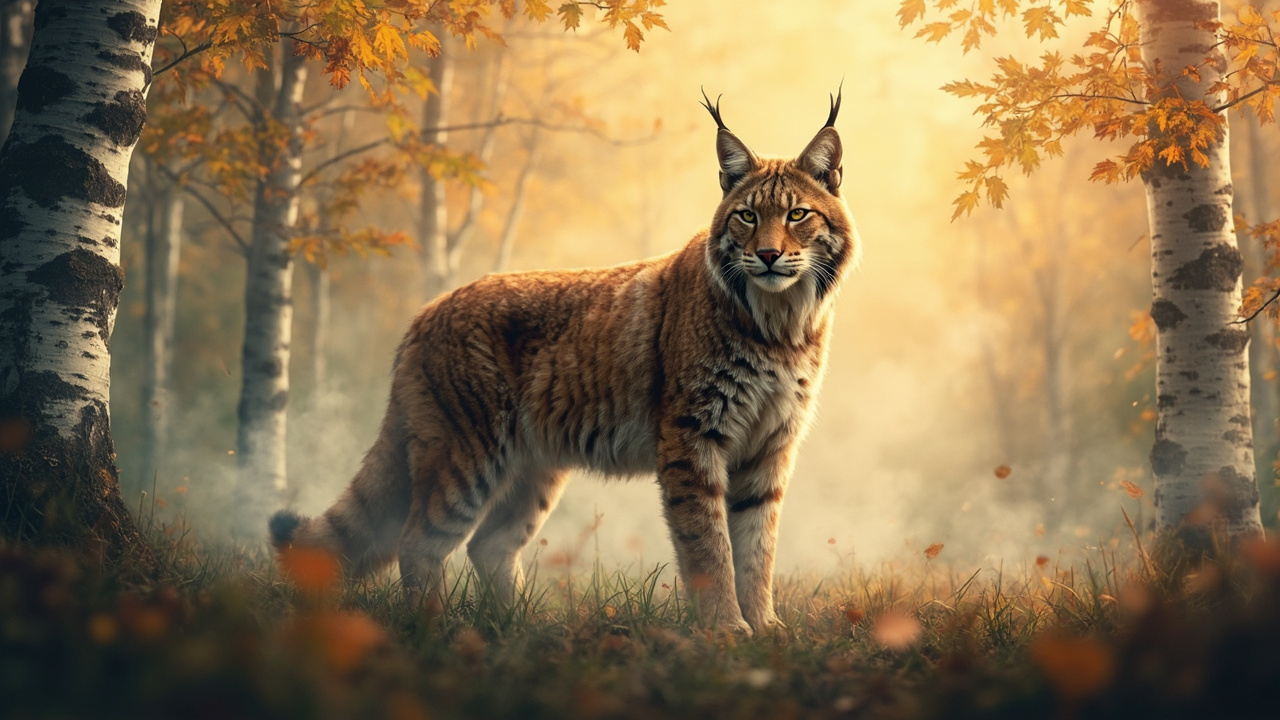
أمضت مارين سينكلير سبعة عشر عامًا في المطاردة عبر ظلال المرتفعات الأسكتلندية، لكن لم شيء كان يستعدها لما ينتظرها في ضباب فجر ألتمور. جاءت لتصوير النسور الذهبية التي تحلق فوق المحمية الطبيعية، تلبية لطلب من مجلة للحفظ الطبيعي. أيل الأحمر، الطيور المدرجة في القائمة الحمراء، غابة كالدونيان القديمة - هذه كانت مواضيعها، هوسها. لكن ذلك الصباح من أكتوبر، تكاثف الضباب فوق الوادي، وانجذبت غريزتها نحو مسار الغزلان الذي لم تلاحظه من قبل، المتشابك بالسراخس والذي يؤدي إلى مكان بدا أن الخرائط قد نسيته. من خلال محدد المنظر، تحرك شيء صغير وداكن بين أشجار البتولا. كان يتحرك بطريقة لا يتحرك بها الأرنب أو الأرنب البري - بعمد، بوحشية، بقوة. ثم انقشع الضباب، ووجدت مارين نفسها تحدق في مخلوق لم تره إلا في عروض المتاحف وصور باهتة. وقف القط البري الأسكتلندي على بعد عشرين مترًا فقط. فراؤه البني الفاتح كان ثخينًا بسبب ندى الصباح، وخصلات أذنيه منتصبة، وعيناه الكهرمانية ثابتين عليها بفضول صبور لحيوان لم يتعلم أبدًا أن يخشى البشر. اختنقت أنفاس مارين. قد أعلن هذا النوع منقرضًا رسميًا في الجزر البريطانية منذ أكثر من قرن، بعد أن تم اصطياده حتى الانقراض في فترة العصور الوسطى. ومع ذلك ها هو هنا، حيًا تمامًا. رفعت كاميرتها دون تفكير. طقطق المصراع. استدار القط البري، وتأملها لحظة طويلة، ثم اختفى مرة أخرى في السراخس بهدوء كما ظهر. جلست مارين بلا حراك لعدة دقائق بعدها، قلبها يطرق ضلوعها. علمتها سبعة عشر عامًا في الميدان أن تميز بين ما تراه وما تريد أن تراه. لم تتخيل هذا. لم يكن بإمكانها أن تتخيل هذا. عادت في اليوم التالي. وفي اليوم الذي يليه. قالث لنفسها ربما لا يعود، أنها كانت محظوظة لرؤيته لمرة واحدة. لكن قدميها عرفتا أفضل، وحملتاها عائدتين إلى نفس الفسحة عند الفجر، الكاميرا جاهزة، والأمل يرتجف. لم يظهر القط البري مرة أخرى. وبدلاً من ذلك، وجدت مارين علامات أخرى - آثار أقدام في الأرض الرخوة، ورائحة لا لبس فيها لحيوان مفترس كبير في الريح. في الصباح الرابع، نصبت كاميرا فخ و تركتها تعمل طوال الليل. جاء التنبيه في الساعة الثالثة صباحًا. هاتفها اهتز بإلحاح في ظلام كوخها المؤجر. تعثرت مارين فيه، فتحت التطبيق، وصرخت بصوت عالٍ. عاد القط البري. ولم يكن وحده. تبعته صغاران عبر الإطار، فراؤهما لا يزال يحمل علامات الرش المميزة للصغر. كانت الصور لا لبس فيها، محببة بسبب ضوء الأشعة تحت الحمراء القاسي ولكن واضحة تمامًا في دلالتها. كان يجب أن تكون مارين في غاية السعادة. وبدلاً من ذلك، تكون عقدة باردة في معدتها. إذا كان هذا النوع موجودًا حقًا في اسكتلندا، لكان أحد قد عرف. الهيئات البيئية، باحثو الجامعات، Agencies الحكومية - كانت ستكون هناك أوراق، بروتوكولات، نقاشات حادة في رسائل المجلات. لم تسمع همسة قط. لماذا؟ بدأت进行调查، بحذر في البداية، ثم بإلحاح متزايد. في المحمية، وجدت إجابات ملفوفة في صمت. هز الحارس كتفيه. تبادل المتطوعون نظرات عصبية. عندما ذكرت القط البري لمدير المحمية، رجل فضي الشعر名叫 الدكتور أليستير دروموند، اهتز 그의 هدوء - للحظة واحدة فقط، لكن مارين لاحظتها. 'أنت مخطئة،' قال، صوته Casual demais. 'ربما قطة برية كبيرة. فهي تتنقل.' 'أنا مصورة حياة برية منذ سبعة عشر عامًا،' ردت مارين. 'أعرف الفرق.' يدا الدكتور دروموند لم تكونا ثابتتين تمامًا وهو يصب الشاي. في تلك الليلة، بحثت مارين عن اسمه. وجدت ورقة أكاديمية من ثلاث سنوات سابقة - بحث عن إعادة إدخال الحيوانات المفترسة العليا الذي تم سحبه غامضًا من النشر. في الصباح التالي،,她就开车去了大学。Dr Drummond在她的办公室里接待了她,带着一种预料到这场对话的神情。门关上了。百叶窗自己落了下来。在那杯他们都没有碰的浓咖啡旁,他给她讲了一个让她血液冰冷的故事。二十年前,一个私人财团开始了繁殖计划。他们的目标:在没有阻碍其他重新引入努力的官僚障碍的情况下,悄悄地将猞猁重新引入苏格兰。该项目在Drummond的研究许可下运作,隐藏在众目睽睽之下。这些动物本应留在一个封闭区域内,它们存在的消息不会为世界所知。'但它们逃跑了,'Maren flatly说。'或者被释放了,'Drummond纠正道。'财团的支持者包括几个有权势的土地所有者家庭。当动物逃出来——无论是故意还是其他——他们有太多东西可以失去。太多钱,太多声誉。所以他们掩盖了这件事。' '你已经保守这个秘密二十年了吗?' '种群现在稳定了。甚至蓬勃发展。但政治局势——'他摊开双手。'苏格兰政府永远不会批准非法的重新引入。所以我们等待。我们让大自然顺其自然。最终会有人'发现'它们,而环保运动将迫使当局接受已经成为事实的东西。' '你在谈论一个有组织的骗局。' '我在谈论生态的必要性,'Drummond说,他的声音变得强硬。'现在要求透明度的人正是那些阻挠每一条合法途径的人。有时候真相必须找到自己的时机。'Maren离开时,那些琥珀色眼睛的记忆深深地印在她的脑海中。那天晚上,她坐在小屋里研究她的照片,直到光线消失。真相是危险的。但她职业生涯都在相信看到就是关心,如果人们见证了自然世界的美丽,他们会为之奋斗保护它。这些照片不只是她的。它们属于动物本身。也许,她想,有些谎言比真相更危险。她拿起电话,给编辑打了电话。
Siebzehn Jahre lang hatte Maren Sinclair Schatten durch die schottischen Highlands gejagt, doch nichts hatte sie auf das vorbereitet, was im Morgennebel von Allt Mòr auf sie wartete. Sie war gekommen, um die Goldsch eagles zu fotografieren, die über dem Naturschutzgebiet schwebten, einem Auftrag einer Naturschutzzeitschrift folgend. Die Rothirsche, die auf der Roten Liste stehenden Vögel, der alte Kaledonische Wald – das waren ihre Motive, ihre Obsessionen. Aber an jenem Oktobermorgen wälzte sich der Nebel dick über das Tal, und ihre Instinkte zogen sie einen Rehwechsel hinunter, den sie noch nie bemerkt hatte, überwuchert von Farnkraut und führend zu einem Ort, den die Karten vergessen zu haben schienen. Durch den Sucher bewegte sich etwas Kleines und Dunkles zwischen den Birken. Es bewegte sich auf eine Weise, wie sich kein Kaninchen oder Hase bewegen sollte – bedacht, räuberisch, kraftvoll. Und dann lichtete sich der Nebel, und Maren fand sich einem Wesen gegenüber, das sie nur aus Museumsdioramen und verblassten Fotografien kannte. Der Iberische Luchs stand keine zwanzig Meter entfernt. Sein sandfarbenes Fell war dick vom Morgentau, seine Ohrbüschel steif, seine bernsteinfarbenen Augen auf sie gerichtet mit der geduldigen Neugier eines Tieres, das nie gelernt hatte, Menschen zu fürchten. Marens Atem stockte. Die Art war vor über einem Jahrhundert in den Britischen Inseln offiziell für ausgestorben erklärt worden, bis zur Ausrottung im mittelalterlichen Zeitalter gejagt. Und doch war es hier, sehr lebendig. Ohne nachzudenken hob sie ihre Kamera. Der Verschluss klickte. Der Luchs drehte den Kopf, betrachtete sie einen langen Moment und schmolz dann so leise zurück ins Farnkraut, wie er aufgetaucht war. Maren saß danach mehrere Minuten reglos da, ihr Herz hämmerte gegen ihre Rippen. Siebzehn Jahre im Feld hatten sie gelehrt, zwischen dem zu unterscheiden, was sie sah und was sie zu sehen wünschte. Sie hatte sich das nicht eingebildet. Sie hätte sich das nicht einbilden können. Sie ging am nächsten Tag zurück. Und am übernächsten. Sie sagte sich, er könnte nicht zurückkommen, dass sie Glück gehabt hatte, ihn einmal zu sehen. Aber ihre Füße wussten es besser, und sie trugen sie zurück zu derselben Lichtung bei Morgengrauen, Kamera bereit, Hoffnung zitternd. Der Luchs tauchte nicht wieder auf. Stattdessen fand Maren andere Zeichen – Pfotenspuren im weichen Boden, den unverkennbaren Geruch eines großen Raubtieres im Wind. Am vierten Morgen stellte sie eine Wildkamera auf und ließ sie die ganze Nacht laufen. Der Alarm kam um drei Uhr nachts. Ihr Telefon summte beharrlich in der Dunkelheit ihres gemieteten Cottages. Maren griff danach, öffnete die App und keuchte laut. Der Luchs war zurückgekehrt. Und er war nicht allein. Zwei Jungtiere folgten ihm durchs Bild, ihre Felle noch mit den gesprenkelten Markierungen der Jugend. Die Bilder waren unmissverständlich, körnig im harten Licht der Infrarotaufnahme, aber absolut klar in ihrer Bedeutung. Maren hätte begeistert sein müssen. Stattdessen bildete sich ein kalter Knoten in ihrem Magen. Wenn diese Art wirklich in Schottland existierte, hätte jemand davon gewusst. Naturschutzorganisationen, Universitätsforscher, Regierungsbehörden – es hätte Veröffentlichungen, Protokolle, hitzige Debaten in Fachzeitschriften gegeben. Sie hatte noch nie etwas gehört. Warum? Sie begann Erkundigungen einzuziehen, zunächst vorsichtig, dann mit wachsender Dringlichkeit. Im Reservat fand sie Antworten, die in Schweigen gehüllt waren. Der Aufseher zuckte mit den Schultern. Die Freiwilligen tauschten nervöse Blicke. Als sie dem Direktor des Reservats, einem silberhaarigen Mann namens Dr. Alistair Drummond, vom Luchs erzählte, flackerte seine Fassung – nur für einen Moment, aber Maren erwischte es. 'Sie irren sich', sagte er, seine Stimme zu beiläufig. 'Vielleicht eine große verwilderte Katze. Die kommen schon mal vor.' 'Ich bin seit siebzehn JahrenWildtierfotografin', erwiderte Maren. 'Ich kenne den Unterschied.' Dr. Drummonds Hände waren nicht ganz fest, als er seinen Tee einschenkte. In dieser Nacht suchte Maren nach seinem Namen. Sie fand einen akademischen Aufsatz von vor drei Jahren – Forschung über die Wiederansiedlung von Spitzenprädatoren, die merkwürdigerweise zurückgezogen worden war. Am nächsten Morgen fuhr sie zur Universität. Dr. Drummond empfing sie in seinem Büro mit der Art eines Mannes, der dieses Gespräch erwartet hatte. Die Tür schloss sich. Die Jalousien senkten sich von selbst. Und bei starkem Kaffee, den keiner von ihnen anrührte, erzählte er ihr eine Geschichte, die ihr das Blut in den Adern gefrieren ließ. Vor zwanzig Jahren hatte ein privates Konsortium ein Zuchtprogramm begonnen. Ihr Ziel: den Luchs still und leise wieder in Schottland anzusiedeln, ohne die bürokratischen Verwicklungen, die andere Wiederansiedlungsversuche behindert hatten. Das Projekt lief unter Drummonds Forschungs genehmigung, versteckt vor aller Augen. Die Tiere sollten in einem einzigen eingezäunten Bereich bleiben, ihre Existenz der Welt unbekannt. 'Aber sie sind entkommen', sagte Maren rundheraus. 'Oder wurden freigelassen', korrigierte Drummond. 'Die Unterstützer des Konsortiums umfassen mehrere einflussreiche Grundbesitzerfamilien. Als die Tiere ausbrachen – absichtlich oder anderweitig – hatten sie zu viel zu verlieren. Zu viel Geld, zu viel Ansehen. Also haben sie es vertuscht.' 'Und Sie sitzen seit zwanzig Jahren darauf?' 'Die Population ist jetzt stabil. Sogar prosperierend. Aber die politische Situation...' Er breitete die Hände aus. 'Die Schottische Regierung würde eine illegale Wiederansiedlung niemals billigen. Also warten wir. Wir lassen die Natur ihren Lauf nehmen. Irgendwann wird jemand sie 'entdecken', und die Naturschutzbewegung wird die Behörden zwingen, das zu akzeptieren, was bereits Tatsache ist.' 'Sie sprechen von einer organisierten Täuschung.' 'Ich spreche von ökologischer Notwendigkeit', sagte Drummond, seine Stimme wurde härter. 'Dieselben Menschen, die jetzt Transparenz fordern, waren diejenigen, die jeden legalen Weg blockiert haben. Manchmal muss die Wahrheit ihren eigenen Moment finden.' Maren ging mit der Erinnerung an diese bernsteinfarbenen Augen in ihren Geist eingebrannt. An diesem Abend saß sie in ihrem Cottage und studierte ihre Fotos, bis das Licht schwand. Die Wahrheit war gefährlich. Aber sie hatte ihre Karriere damit verbracht zu glauben, dass Sehen Fürsorge bedeutet, dass die Menschen, wenn sie die Schönheit der Natur bezeugten, für ihren Schutz kämpfen würden. Diese Fotos gehörten nicht nur ihr. Sie gehörten den Tieren selbst. Und vielleicht, dachte sie, waren manche Lügen gefährlicher als die Wahrheit. Sie nahm ihr Telefon und rief ihre Redakteurin an.
Maren Sinclair avait passé dix-sept ans à chasser les ombres à travers les Highlands écossaises, pourtant rien ne l'avait préparée à ce qui l'attendait dans la brume de l'aube d'Allt Mòr. Elle était venue photographier les aigles royaux qui planaient au-dessus de la réserve naturelle, répondant à une commande d'un magazine de conservation. Les cerfs élaphes, les oiseaux de la liste rouge, l'ancienne forêt calédonienne — c'étaient ses sujets, ses obsessions. Mais ce matin d'octobre, le brouillard s'épaissit à travers la vallée, et ses instincts la guidèrent vers un sentier de cerfs qu'elle n'avait jamais remarqué auparavant, envahi de fougères et menant quelque part que les cartes semblaient avoir oublié. À travers le viseur, quelque chose de petit et de sombre se mouvait entre les bouleaux. Il se déplaçait d'une manière dont aucun lapin ou lièvre ne devrait se déplacer — avec détermination, prédation, puissance. Et puis la brume se dissipa, et Maren se retrouva face à face avec une créature qu'elle n'avait vue que dans les dioramas de musée et les photographies délavées. Le lynx boréal se tenait à peine à vingt mètres. Son pelage fauve était épais de rosée matinale, ses plumets d'oreilles rigides, ses yeux ambrés fixés sur elle avec la curiosité patiente d'un animal qui n'avait jamais appris à craindre les humains. Le souffle de Maren se suspendit. L'espèce avait été officiellement déclarée éteinte dans les îles Britanniques depuis plus d'un siècle, chassée jusqu'à l'extinction à l'époque médiévale. Et pourtant, il était là, bien vivant. Elle leva son appareil photo sans réfléchir. L'obturateur cliqueta. Le lynx tourna la tête, la considéra un long moment, puis se fondit à nouveau dans les fougères aussi silencieusement qu'il était apparu. Maren resta immobile pendant plusieurs minutes ensuite, le cœur battant contre ses côtes. Dix-sept ans sur le terrain lui avaient appris à distinguer ce qu'elle voyait de ce qu'elle souhaitait voir. Elle n'avait pas imaginé cela. Elle n'aurait pas pu imaginer cela. Elle revint le lendemain. Et le jour d'après. Elle se dit qu'il pourrait ne pas revenir, qu'elle avait eu la chance de l'apercevoir une fois. Mais ses pieds savaient mieux, et ils la ramenèrent à cette même clairière à l'aube, appareil prêt, espoir tremblant. Le lynx ne réapparut pas. À la place, Maren trouva d'autres signes — des empreintes dans la terre meuble, l'odeur indéniable d'un grand prédateur dans le vent. Le quatrième matin, elle installa un piège photographique et le fit fonctionner toute la nuit. L'alerte arriva à 3 heures. Son téléphone vibra insistamment dans l'obscurité de sa location de vacances. Maren le chercha à tâtons, ouvrit l'application, et poussa un cri. Le lynx était revenu. Et il n'était pas seul. Deux juvéniles le suivaient à travers le cadre, leurs pelages portant encore les marques tachetées de la jeunesse. Les images étaient sans équivoque, granuleuses sous la lumière dure de l'infrarouge mais parfaitement claires dans leur implication. Maren aurait dû être ravie. Au lieu de cela, un nœud glacé se forma dans son estomac. Si cette espèce existait vraiment en Écosse, quelqu'un l'aurait su. Les organismes de conservation, les chercheurs universitaires, les agences gouvernementales — il y aurait eu des articles, des protocoles, des débats houleux dans les lettres des revues. Elle n'avait jamais entendu le moindre murmure. Pourquoi ? Elle commença à poser des questions, d'abord prudemment, puis avec une urgence croissante. Dans la réserve, elle trouva des réponses enveloppées de silence. Le gardien haussa les épaules. Les volontaires échangèrent des regards nerveux. Quand elle mentionna le lynx au directeur de la réserve, un homme aux cheveux argentés nommé Dr Alistair Drummond, son calme vacilla — juste un instant, mais Maren le surprit. « Vous vous trompez, » dit-il, sa voix trop désinvolte. « Peut-être un gros chat haret. Ils se déplacent pas mal. » « Je suis photographe de faune sauvage depuis dix-sept ans, » répondit Maren. « Je connais la différence. » Les mains du Dr Drummond n'étaient pas tout à fait stables pendant qu'il versait son thé. Cette nuit-là, Maren rechercha son nom. Elle trouva un article académique de trois ans plus tôt — une recherche sur la réintroduction des prédateurs apex qui avait été mystérieusement retirée de la publication. Le lendemain matin, elle se rendit à l'université. Le Dr Drummond la reçut dans son bureau avec l'air d'un homme qui s'attendait à cette conversation. La porte se ferma. Les stores se baissèrent d'eux-mêmes. Et devant de fortes tasses de café que ni l'un ni l'autre ne toucha, il lui raconta une histoire qui glaça son sang. Vingt ans plus tôt, un consortium privé avait lancé un programme d'élevage. Leur objectif : réintroduire silencieusement le lynx en Écosse, sans les complications bureaucratiques qui avaient entravé d'autres efforts de réintroduction. Le projet fonctionnait sous le permis de recherche de Drummond, caché à la vue de tous. Les animaux étaient censés rester dans une seule zone enclose, leur existence inconnue du monde. « Mais ils se sont échappés, » dit Maren sans détour. « Ou ont été relâchés, » corrigea Drummond. « Les mécènes du consortium comprennent plusieurs familles de propriétaires terriens puissants. Quand les animaux se sont enfuis — délibérément ou non — ils avaient trop à perdre. Trop d'argent, trop de réputation. Alors ils ont étouffé l'affaire. » « Et vous avez gardé cela secret pendant vingt ans ? » « La population est stable maintenant. Elle prospère même. Mais la situation politique... » Il écarta les mains. « Le gouvernement écossais ne sanctionnerait jamais une réintroduction illégale. Alors nous attendons. Nous laissons la nature suivre son cours. Eventually, quelqu'un les « découvrira », et le mouvement de conservation obligera les autorités à accepter ce qui est déjà un fait. » « Vous parlez d'une duperie orchestrée. » « Je parle de nécessité écologique, » dit Drummond, sa voix se durcissant. « Les mêmes personnes qui exigent maintenant la transparence étaient celles qui bloquaient toutes les voies légales. Parfois la vérité doit trouver son propre moment. » Maren partit avec le souvenir de ces yeux ambrés gravé dans son esprit. Ce soir-là, elle s'assit dans sa location et étudia ses photographies jusqu'à ce que la lumière manque. La vérité était dangereuse. Mais elle avait passé sa carrière à croire que voir, c'est se soucier, que si les gens constataient la beauté du monde naturel, ils lutteraient pour le protéger. Ces photographies n'étaient pas seulement les siennes. Elles appartenaient aux animaux eux-mêmes. Et peut-être, pensa-t-elle, certains mensonges étaient plus dangereux que la vérité. Elle prit son téléphone et appela son rédacteur en chef.
Семнадцать лет Марлен Синклер гналась за тенями в Шотландском нагорье, но ничто не подготовило её к тому, что ждало её в утреннем тумане Алт-Мора. Она приехала фотографировать золотых орлов, парящих над природным заповедником, выполняя заказ природоохранного журнала. Красные олени, птицы из Красной книги, древний каледонский лес — это были её объекты, её одержимость. Но тем октябрьским утром туман сгустился над долиной, и инстинкты повели её по оленьей тропе, которую она раньше не замечала, заросшей папоротником и ведущей куда-то, что карты словно забыли. В видоискателе между берёзами двигалось что-то маленькое и тёмное. Оно двигалось так, как не должен двигаться ни один кролик или заяц — целеустремлённо, хищно, мощно. А потом туман рассеялся, и Марлен оказалась лицом к лицу с существом, которое она видела только в музейных диорамах и выцветших фотографиях. Шотландская рысь стояла менее чем в двадцати метрах. Её рыжеватая шерсть была густо покрыта утренней росой, кисточки на ушах стояли торчком, а янтарные глаза смотрели на неё с терпеливым любопытством животного, которое никогда не училось бояться людей. У Марлен перехватило дыхание. Этот вид был официально признан вымершим на Британских островах более века назад, истреблённый в средневековый период. И всё же вот она — живая. Она подняла камеру, не думая. Щёлкнул затвор. Рысь повернула голову, смерила её долгим взглядом, а затем так же бесшумно скрылась в папоротнике, как и появилась. Марлен сидела неподвижно несколько минут, сердце её колотилось о рёбра. Семнадцать лет полевой работы научили её отличать увиденное от желаемого. Она это не вообразила. Она не могла бы это вообразить. Она вернулась на следующий день. И ещё через день. Она говорила себе, что рысь может не вернуться, что ей повезло увидеть её хотя бы раз. Но ноги знали лучше, и они понесли её на ту же поляну на рассвете, камера наготове, надежда трепещущая. Рысь не появилась снова. Вместо этого Марлен нашла другие следы — отпечатки лап на мягкой земле, несомненный запах крупного хищника на ветру. На четвёртое утро она установила фотоловушку и оставила её работать на ночь. Сигнал пришёл в три часа ночи. Телефон настойчиво завибрировал в темноте её арендованного коттеджа. Марлен схватила его, открыла приложение и громко ахнула. Рысь вернулась. И она была не одна. Двое детёнышей следовали за ней через кадр, их шерсть всё ещё несла пятнистые отметины молодости. Изображения были недвусмысленными, зернистыми из-за резкого инфракрасного света, но абсолютно ясными в своей сути. Марлен должна была ликовать. Вместо этого в её желудке образовался холодный узел. Если этот вид действительно существовал в Шотландии, кто-то бы знал. Природоохранные организации, университетские исследователи, государственные агентства — были бы статьи, протоколы, ожесточённые дебаты в журнальных письмах. Она никогда ничего не слышала. Почему? Она начала делать запросы, сначала осторожно, затем с нарастающей срочностью. В заповеднике она нашла ответы, завёрнутые в молчание. Смотритель пожал плечами. Волонтёры переглянулись нервно. Когда она упомянула рысь директору заповедника, седовласому мужчине по имени доктор Алистер Драммонд, его самообладание дрогнуло — всего на мгновение, но Марлен это заметила. «Вы ошибаетесь, — сказал он, голос слишком небрежный. — Возможно, большая одичавшая кошка. Они ведь убегают.» «Я семнадцать лет работаю фотографом дикой природы, — ответила Марлен. — Я знаю разницу.» Руки доктора Драммонда были не совсем твёрдыми, когда он наливал чай. Той ночью Марлен поискала его имя. Она нашла научную статью трёхлетней давности — исследование о reintrodukции высших хищников, которое загадочно было отозвано из публикации. На следующее утро она поехала в университет. Доктор Драммонд принял её в своём кабинете с видом человека, который ожидал этого разговора. Дверь закрылась. Жалюзи сами опустились. И за крепким кофе, которого ни один из них не коснулся, он рассказал ей историю, от которой кровь застыла в жилах. Двадцать лет назад частный консорциум начал программу разведения. Их цель: тихо reintroduke рысь в Шотландию, без бюрократических проволочек, которые запутаProgrammierer другие reintroduktions efforts. Проект работал под исследовательской лицензией Драммонда, скрытый на виду. Животные должны были оставаться на одной огороженной территории, их присутствие неизвестно миру. «Но они сбежали, — сказала Марлен напрямую. — Или были выпущены, — поправил Драммонд. — Среди спонсоров консорциума несколько влиятельных землевладельческих семей. Когда животные вырвались — намеренно или иначе — им было что терять. Слишком много денег, слишком много репутации. Поэтому они это скрыли.» «И вы молчали об этом двадцать лет?» «Популяция сейчас стабильна. Даже процветает. Но политическая ситуация...» Он развёл руками. «Шотландское правительство никогда не санкционирует нелегальную reintrodukцию. Поэтому мы ждём. Мы позволяем природе идти своим чередом. В конце концов, кто-то их 'обнаружит', и природоохранное движение заставит власти принять то, что уже является фактом.» «Вы говорите об организованном обмане.» «Я говорю об экологической необходимости, — сказал Драммонд, его голос затвердел. — Те же люди, которые теперь требуют прозрачности, были теми, кто блокировал каждый законный путь. Иногда правда должна найти свой момент.» Марлен ушла с памятью о тех янтарных глазах, впечатанных в её разум. Тем вечером она сидела в своём коттедже и изучала свои фотографии, пока не стемнело. Правда была опасной. Но она посвятила карьеру вере в то, что видеть — значит заботиться, что если люди увидят красоту природного мира, они будут бороться за его защиту. Эти фотографии принадлежали не только ей. Они принадлежали самим животным. И, возможно, подумала она, некоторые лжи были опаснее правды. Она взяла телефон и позвонила редактору.