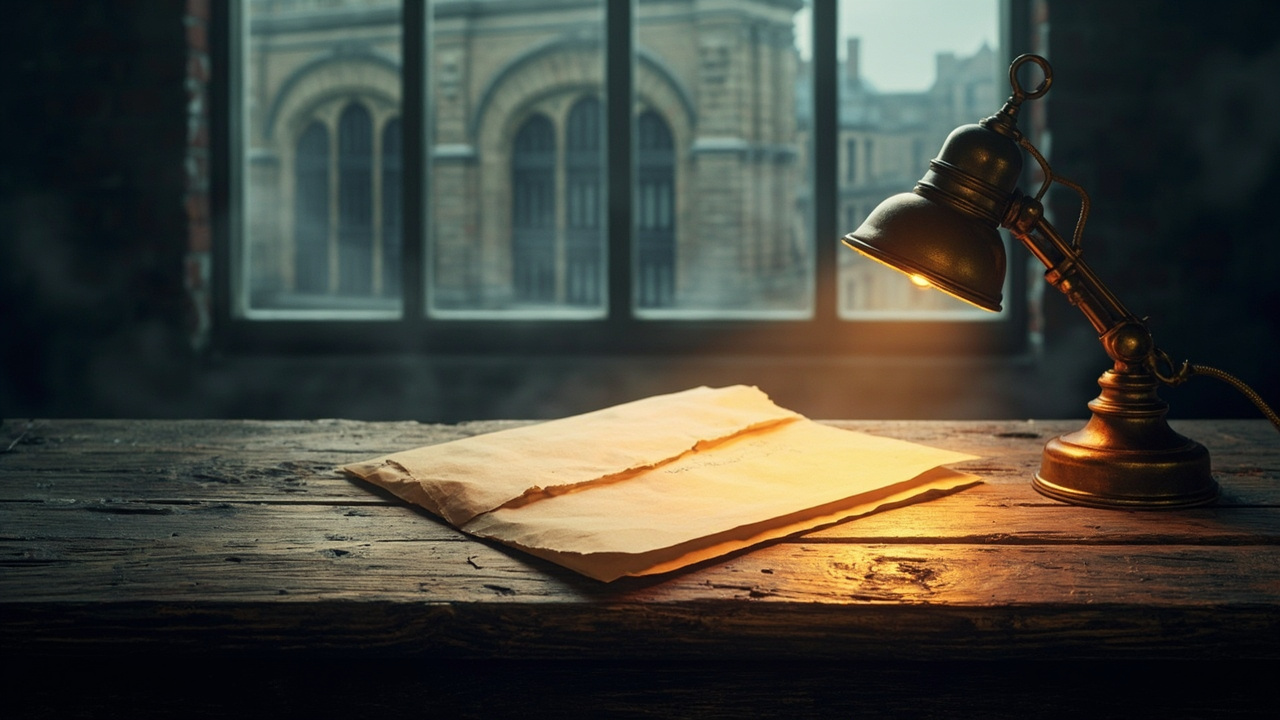
القصة Title: المنشور المجهول
وصل المظروف في صباح يوم الثلاثاء الرمادي، انزلق من خلال فتحة البريد مع مجموعة متنوعة من فواتير الخدمات ونشرات السوبرماركت المعتادة. تعرفت مارغريت هولواي، محررة جريدة كرونيكل ويلوبروك منذ اثني عشر عامًا، على الورق الكريمي المميز والخط العادي غير الملحوظ على الفور. لم يكن المراسلات المجهولة أمرًا غير شائع في عملها، على الرغم من أن معظمها تضمن ثرثرة غير موثقة عن الجيران أو شكاوى حول تغطية الجريدة لطلبات التخطيط.
لم يحمل هذا المظروف أي عنوان مرسل، ولا أي ختم بريد. كانSomeone قد وضعه مباشرة في صندوق بريد الجريدة في الليلة السابقة، وهو ما أخفق حارس الليل في ذكره. كانت الرسالة بالداخل قصيرة ومكتوبة على الآلة الكاتبة، وكان من الواضح أنها عمل Someone الذي رغب في تجنب تحديد هويته بكل Costs.
'ستجد ما تبحثين عنه تحت ألواح الأرضية في غرفة التخزين السفلية في الجزء الخلفي من قاعة المدينة. كان الختم على الباب مكسورًا لسنوات. لا أحد يتعب نفسه بالتحقق. بنى آلدردج هذه المدينة، ودفنوا أسرارها إلى جانب ثروتهم. أنتِ مدينة لقارئك بكشف الحقيقة.'
قرأت مارغريت الرسالة ثلاث مرات قبل أن تضعها على مكتبها. كانت آلدردج عائلة مؤسس ويلوبروك، ومنسوج اسمها في نسيج المدينة itself. سيطر فندق آلدردج على الشارع الرئيسي، ورعت مؤسسة آلدردج المتحف المحلي، وكان رئيس العائلة الحالي، السير إدوارد آلدردج، يخدم رئيسًا شرفيًا لكل لجنة وهيئة خيرية في المقاطعة. كان اقتراح أن مثل هذه أعمدة الاحترام قد شاركت في التهريب بمثابة اتهام رئيس أساقفة كانتربري بالسطو على الطرق السريعة.
ومع ذلك.
كانت مارغريت قد أويت دائمًا شكوكًا حول جوانب معينة من أسطورة آلدردج. كيف تمكنت عائلة نبيلة صغيرة من مستنقع إنجلترا في القرن الثامن عشر من تراكم ثروة كافية لتصبح صناعيين وأغنياء خلال جيل واحد؟ عزت الوثائق الرسمية صعودهم إلى استثمارات ذكية في الشحن والمنسوجات، لكن الوثائق الداعمة لهذه الادعاءات كان لها عادة غريبة في الضياع بسبب الحريق أو الفيضانات عبر السنوات.
اتجهت إلى قاعة المدينة ذلك afternoon، مسلحة بشيء أكثر من تصريح صحفي ومصباح يدوي. نظر الحارس، وهو ساعي بريد متقاعد يدعى هربرت فينش، من كلمات متقاطعة بتعبير رجل متعب رآه عددًا كبيرًا جدًا من الصحفيين يأتون ويذهبون.
'غرفة التخزين السفلية؟ ستحتاج المفتاح من مكاتب المجلس في الطابق العلوي. إجراء standard، على ما أعتقد.'
كانت مكاتب المجلس قد أغلقت ليومها، لكن مارغريت كانت تعرف كاتب المدينة المساعد، شابة عصبية تدعى برياشارما التي كانت تحمل طموحات لتصبح أول عمدة أنثى لويلوبروك. مكالمة هاتفية سريعة إلى هاتف برييا المحمول أنتجت المفتاح المطلوب، مع تحذير من أن غرفة التخزين لم يتم جردها بشكل صحيح منذ سبعينيات القرن العشرين.
كانت القاعة السفلية تفوح منها رائحة الرطوبة والأشياء المنسية. أضاء شعاع مصباح مارغريت اليدوي صناديق مكدسة وأثاث مكسور وخزائن ملفات انتفخت أدراجها مغلقة مع Age. اتجهت نحو الجزء الخلفي من الغرفة، حيث بدت ألواح الحجر غير متساوية إلى حد ما، وفتحت اللوح الأقرب إلى الجدار بأظفرها.
تحته كانت حقيبة جلدية، были латунные украшения позеленевшими от патины. Маргарет вытащила её на ближайший стол и расстегнула застёжки. Внутри, завёрнутые в промасленную ткань, лежала связка писем, перевязанная выцветшей лентой, затем пачка бухгалтерских книг и небольшая шкатулка из красного дерева, в которой оказались счета за товары, которые никогда не проходили ни через одну таможню королевства.
Письма были корреспонденцией между различными членами семьи Олдридж в период наполеоновских войн. В них открыто говорилось о договорённостях с французскими торговцами, о грузах, прибывавших под покровом темноты в бухту в трёх милях к югу от города, о взятках, уплаченных таможенным чиновникам, чьи имена были зашифрованы. В одном письме, датированном сентябрём 1811 года, содержался особенно компрометирующий отрывок, в котором глава семьи хвастался одним грузом шёлка и бренди, стоимость которого превышала то, что зарабатывали большинство villagers за десять лет.
Маргарет сфотографировала каждую страницу, её руки были steady, несмотря на бешеное биение её сердца. Она сразу поняла, что это открытие перевернёт представление города о собственной истории. Олдриджи построили свою империю на контрабанде, их респектабельная прачечная для грязных денег действовала на протяжении двух столетий. Сэр Эдвард, который при каждом удобном случае пространно рассуждал о наследии и долге, был наследником незаконно нажитых богатств.
Она вернула документы exactly так, как нашла их. История была слишком важной, чтобы торопиться, и ей нужно было проверить каждую деталь перед публикацией. Что ещё более важно, ей нужно было установить, кто прислал ей наводку и почему. Кто-то в Уиллоубруке знал об архиве и выбрал именно её, чтобы разоблачить его. Было ли это актом совести или чем-то более зловещим?
Следующим утром Маргарет получила второе письмо через свой почтовый ящик. В нём были только три слова, написанные тем же анонимным почерком: 'Теперь ты знаешь.'
Она налила себе крепкий cup чая и начала планировать свой следующий шаг. Правда о семье-основателе города принадлежала ей, но она намеревалась рассказать её с точностью хирурга и упорством терьера. Олдриджи хорошо спрятали свои секреты, но они недооценили прессу.
Маргарет улыбнулась. Вот почему она стала журналистом.
Geschichte Titel: Der Anonyme Beitrag
Der Umschlag kam an einem grauen Dienstagmorgen, durch den Briefschlitz geschlüpft zusammen mit dem üblichen Sortiment von Nebenkostenabrechnungen und Supermarktprospekten. Margaret Holloway, Herausgeberin des Willowbrook Chronicle seit zwölf Jahren, erkannte das distinctive cremefarbene Papier und die unauffällige Handschrift sofort. Anonyme Korrespondenz war in ihrer Branche kaum ungewöhnlich, obwohl das meiste davon aus unbewiesenen Klatsch über Nachbarn oder Beschwerden über die Berichterstattung der Zeitung über Bauanträge bestand.
Dieser Umschlag trug keine Rückadresse, auch keinen Poststempel. Jemand hatte ihn am Vorabend direkt in den Postkasten der Zeitung geworfen, was der Nachtpförtner nicht erwähnt hatte. Der darin befindliche Brief war kurz und getippt, offensichtlich das Werk von jemandem, der jede Identifizierung um jeden Preis vermeiden wollte.
'Sie werden finden, was Sie suchen, unter den Dielen des Lagerkellers im hinteren Teil des Rathauses. Das Siegel an der Tür ist seit Jahren gebrochen. Niemand macht sich die Mühe nachzusehen. Die Aldridges bauten diese Stadt auf und begruben ihre Geheimnisse neben ihrem Vermögen. Sie schulden es Ihren Lesern, die Wahrheit aufzudecken.'
Margaret las den Brief dreimal, bevor sie ihn auf ihren Schreibtisch legte. Die Aldridges waren die Gründerfamilie von Willowbrook, ihr Name war in das Gefüge der Stadt selbst eingewebt. Das Aldridge Hotel dominierte die Hauptstraße, die Aldridge Stiftung finanzierte das örtliche Museum, und das aktuelle Oberhaupt der Familie, Sir Edward Aldridge, diente als Ehrensenator praktisch jedes Ausschusses und jeder Wohltätigkeitsorganisation im County. Zu behaupten, dass solche Säulen der Ehrbarkeit in den Schmuggel verwickelt waren, kam einer Anklage des Erzbischofs von Canterbury wegen Straßenraubs gleich.
Und doch.
Margaret hatte immer Verdacht hinsichtlich bestimmter Aspekte der Aldridge-Legende gehegt. Wie konnte eine Familie des niederen Landadels aus einem Kaff des England des 18. Jahrhunderts genug Reichtum anhäufen, um innerhalb einer einzigen Generation Industrielle und Wohltäter zu werden? Die offizielle Geschichte schrieb ihren Aufstieg klugen Investitionen in Schifffahrt und Textilien zu, aber die diese Behauptungen unterstützenden Dokumente hatten die merkwürdige Angewohnheit, im Laufe der Jahre durch Feuer oder Überschwemmungen verloren gegangen zu sein.
Sie begab sich an jenem Nachmittag zum Rathaus, bewaffnet mit nichts weiter als ihrem Presseausweis und einer Taschenlampe. Der Pförtner, ein pensionierter Postbote namens Herbert Finch, blickte von seinem Kreuzworträtsel auf mit dem müden Ausdruck eines Mannes, der zu viele Journalisten hatte kommen und gehen sehen.
'Lagerkeller? Sie brauchen den Schlüssel von den Gemeindebüros oben. Standardverfahren, befürchte ich.'
Die Gemeindebüros waren für den Tag geschlossen worden, aber Margaret kannte den stellvertretenden Gemeindeschreiber, eine nervöse junge Frau namens Priya Sharma, die Ambitionen hegte, die erste Bürgermeisterin von Willowbrook zu werden. Ein schnelles Telefonat auf Priyas Mobiltelefon ergab den benötigten Schlüssel, zusammen mit der Warnung, dass der Lagerraum seit den 1970er Jahren nicht ordnungsgemäß inventarisiert worden war.
Der Keller roch nach Feuchtigkeit und vergessenen Dingen. Margarets Taschenlampenstrahl beleuchtete gestapelte Kisten, zerbrochenes Mobiliar und Aktenschränke, deren Schubladen sich mit dem Alter verzogen hatten. Sie bewegte sich zum hinteren Teil des Raumes, wo die Steinplatten leicht ungleichmäßig erschienen, und hebelte die Diele neben der Wand mit ihrem Daumennagel hoch.
Darunter lag eine Lederreisetasche, deren Messingbeschläge grünlich angelaufen waren. Margaret hievte sie auf einen nahegelegenen Tisch und öffnete die Schnallen. Darin, in Wachstuch eingewickelt, fand sie ein Bündel Briefe, die mit verblasstem Band zusammengebunden waren, gefolgt von einem Stapel Hauptbücher und einer kleinen Mahagonischatulle, die Rechnungen für Waren enthielt, die niemals durch irgendein Zollamt des Königreichs gegangen waren.
Die Briefe waren Korrespondenz zwischen verschiedenen Mitgliedern der Aldridge-Familie während der Napoleonischen Kriege. Sie sprachen offen von Vereinbarungen mit französischen Händlern, von Lieferungen, die unter dem Schutz der Dunkelheit in der Bucht drei Meilen südlich der Stadt ankamen, von Bestechungsgeldern, die an Zollbeamte gezahlt wurden, deren Namen verschlüsselt appeared. Ein Brief vom September 1811 enthielt einen besonders belastenden Abschnitt, in dem das Familienoberhaupt darüber prahlte, dass eine einzige Ladung Seide und Brandy mehr wert war als das, was die meisten Dorfbewohner in einem Jahrzehnt verdienten.
Margaret fotografierte jede Seite, ihre Hände steady trotz des Hämmerns ihres Herzens. Sie verstand sofort, dass diese Entdeckung das Verständnis der Stadt von ihrer eigenen Geschichte neu gestalten würde. Die Aldridges hatten ihr Imperium auf Schmuggel aufgebaut, ihre respektable Geldwäsche-Operation war über zwei Jahrhunderte durchgeführt worden. Sir Edward, der bei jeder Gelegenheit über Erbe und Pflicht schwafelte, war der Erbe von unrechtmäßig erworbenen Gewinnen.
Sie legte die Dokumente genau so zurück, wie sie sie vorgefunden hatte. Die Geschichte war viel zu wichtig, um sie zu überstürzen, und sie musste jede Einzelheit vor der Veröffentlichung überprüfen. Was noch wichtiger war, sie musste herausfinden, wer ihr den Tipp geschickt hatte und warum. Jemand in Willowbrook kannte das Archiv und hatte sie ausgewählt, um es aufzudecken. War dies ein Gewissensakt oder etwas viel Unheilvolleres?
Am folgenden Morgen erhielt Margaret einen zweiten Brief durch ihren Briefkasten. Dieser enthielt nur drei Worte, in derselben anonymen Handschrift geschrieben: 'Jetzt wissen Sie es.'
Sie schenkte sich eine starke Tasse Tee ein und begann, ihren nächsten Zug zu planen. Die Wahrheit über Willowbrooks Gründerfamilie lag in ihrer Hand, aber sie beabsichtigte, sie mit der Präzision eines Chirurgen und der Beharrlichkeit eines Terriers zu erzählen. Die Aldridges hatten ihre Geheimnisse gut begraben, aber sie hatten die Presse unterschätzt.
Margaret lächelte. Deshalb war sie Journalistin geworden.
Titre de l'histoire : Le Message Anonyme
L'enveloppe arriva un mardi matin gris, glissée à travers la fente aux lettres avec le cortège habituel de factures de services et de prospectus de supermarché. Margaret Holloway, directrice du Willowbrook Chronicle depuis douze ans, reconnut immédiatement le papier crème caractéristique et l'écriture ordinaire et sans originalité. La correspondance anonyme n'était guère rare dans son métier, bien que la plupart consistent en ragots non prouvés sur les voisins ou en plaintes concernant la couverture par le journal des demandes d'urbanisme.
Cette enveloppe ne portait aucune adresse de retour, ni aucun cachet de la poste. Quelqu'un l'avait placée directement dans la boîte aux lettres du journal la veille au soir, ce que le gardien de nuit n'avait pas mentionné. La lettre à l'intérieur était brève et dactylographiée, manifestement l'œuvre de quelqu'un qui souhaitait éviter toute identification.
« Vous trouverez ce que vous cherchez sous les planches du plancher de la réserve de la cave à l'arrière de la mairie. Le sceau de la porte est brisé depuis des années. Personne ne prend la peine de vérifier. Les Aldridge ont construit cette ville, et ils ont enterré ses secrets aux côtés de leur fortune. Vous devez à vos lecteurs de découvrir la vérité. »
Margaret lut la lettre trois fois avant de la poser sur son bureau. Les Aldridge étaient la famille fondatrice de Willowbrook, leur nom tissé dans le tissu même de la ville. L'hôtel Aldridge dominait la rue principale, la fondation Aldridge finançait le musée local, et le chef actuel de la famille, Sir Edward Aldridge, servait de président honoraire de virtually tous les comités et œuvres de bienfaisance du comté. Suggérer que de tels piliers de respectabilité s'étaient adonnés à la contrebande revenait à accuser l'archevêque de Canterbury de brigandage sur les grands chemins.
Et pourtant.
Margaret avait toujours nourri des soupçons concernant certains aspects de la légende des Aldridge. Comment une famille de petite noblesse terrienne dufin fond de l'Angleterre du XVIIIe siècle avait-elle pu accumuler suffisamment de richesse pour devenir industriels et philanthropes en une seule génération ? L'histoire officielle attribuait leur ascension à des investissements judicieux dans l'expédition et les textiles, mais les documents appuyant ces affirmations avaient curieusement eu tendance à être perdus dans des incendies ou des inondations au fil des ans.
Elle se rendit à la mairie cet après-midi-là, armée de nothing de plus que son badge de presse et une torche. Le gardien, un ancien facteur à la retraite nommé Herbert Finch, leva les yeux de son mot croisé avec l'expression lasse d'un homme qui avait vu trop de journalistes aller et venir.
« La réserve de la cave ? Vous aurez besoin de la clé auprès des bureaux du conseil à l'étage. Procédure standard, j'en ai peur. »
Les bureaux du conseil avaient fermé pour la journée, mais Margaret connaissait le commis adjoint de la ville, une jeune femme nerveuse nommée Priya Sharma qui nourrissait l'ambition de devenir la première femme maire de Willowbrook. Un rapide appel téléphonique sur le mobile de Priya permit d'obtenir la clé requise, вместе с предупреждением, что инвентаризация подвального помещения не проводилась надлежащим образом с 1970-х годов.
Подвал пах сыростью и забытыми вещами. Луч фонарика Маргарет высветил сложенные ящики, сломанную мебель и картотечные шкафы, ящики которых разбухли от возраста. Она направилась к задней части комнаты, где каменные плиты казались несколько неровными, и подцепила ногтем доску, ближайшую к стене.
Под ней лежал кожаный дорожный сундук, латунные украшения которого позеленели от патины. Маргарет вытащила его на ближайший стол и расстегнула застёжки. Внутри, завёрнутые в промасленную ткань, лежала связка писем, перевязанная выцветшей лентой, затем пачка бухгалтерских книг и небольшая шкатулка из красного дерева, в которой оказались счета за товары, которые никогда не проходили ни через одну таможню королевства.
Письма были корреспонденцией между различными членами семьи Олдридж в период наполеоновских войн. В них открыто говорилось о договорённостях с французскими торговцами, о грузах, прибывавших под покровом темноты в бухту в трёх милях к югу от города, о взятках, уплаченных таможенным чиновникам, чьи имена были зашифрованы. В одном письме, датированном сентябрём 1811 года, содержался особенно компрометирующий отрывок, в котором глава семьи хвастался одним грузом шёлка и бренди, стоимость которого превышала то, что зарабатывали большинство жителей за десять лет.
Маргарет сфотографировала каждую страницу, её руки были steady, несмотря на бешеное биение её сердца. Она сразу поняла, что это открытие перевернёт представление города о собственной истории. Олдриджи построили свою империю на контрабанде, их респектабельная прачечная для грязных денег действовала на протяжении двух столетий. Сэр Эдвард, который при каждом удобном случае пространно рассуждал о наследии и долге, был наследником незаконно нажитых богатств.
Она вернула документы exactly так, как нашла их. История была слишком важной, чтобы торопиться, и ей нужно было проверить каждую деталь перед публикацией. Что ещё более важно, ей нужно было установить, кто прислал ей наводку и почему. Кто-то в Уиллоубруке знал об архиве и выбрал именно её, чтобы разоблачить его. Было ли это актом совести или чем-то более зловещим?
Следующим утром Маргарет получила второе письмо через свой почтовый ящик. В нём были только три слова, написанные тем же анонимным почерком: « Теперь ты знаешь. »
Она налила себе крепкую чашку чая и начала планировать свой следующий шаг. Правда о семье-основателе города принадлежала ей, но она намеревалась рассказать её с точностью хирурга и упорством терьера. Олдриджи хорошо спрятали свои секреты, но они недооценили прессу.
Маргарет улыбнулась. Вот почему она стала журналистом.
Название истории: Анонимное Послание
Конверт прибыл в серое вторничное утро, проскользнув через щель для писем вместе с обычной кучей счетов за коммунальные услуги и рекламных листовок супермаркета. Маргарет Холлоуэй, редактор «Уиллоубрукской хроники» на протяжении двенадцати лет, сразу узнала характерную кремовую бумагу и неприметный почерк. Анонимная корреспонденция не была редкостью в её профессии, хотя большая её часть состояла из непроверенных слухов о соседях или жалоб на освещение газетой заявлений о планировке.
На конверте не было обратного адреса, равно как и почтового штемпеля. Кто-то опустил его прямо в почтовый ящик газеты накануне вечером, о чём ночной сторож не упомянул. Письмо внутри было кратким и напечатанным на машинке — очевидно, работа того, кто желал любой ценой избежать идентификации.
«Вы найдёте то, что ищете, под половицами в подвальной кладовой в задней части Ратуши. Печать на двери сломана уже много лет. Никто не утруждает себя проверкой. Олдриджи построили этот город и похоронили его секреты рядом со своим состоянием. Вы обязаны своим читателям раскрыть правду».
Маргарет трижды прочитала письмо, прежде чем положить его на стол. Олдриджи были основателями Уиллоубрука, их имя было вплетено в саму ткань города. Отель «Олдридж» господствовал на главной улице, Фонд Олдридж финансировал местный музей, а нынешний глава семьи, сэр Эдвард Олдридж, состоял почётным президентом практически каждого комитета и благотворительной организации в графстве. Предположить, что такие столпы респектабельности занимались контрабандой, означало бы обвинить архиепископа Кентерберийского в разбое на большой дороге.
И всё же.
Маргарет всегда питала подозрения относительно определённых аспектов легенды об Олдриджах. Как семье мелкого сельского дворянства из глубинки Англии XVIII века удалось накопить достаточное состояние, чтобы всего за одно поколение стать промышленниками и филантропами? Официальная история объясняла их взлёт дальновидными инвестициями в судоходство и текстильную промышленность, но документы, подтверждающие эти утверждения, имели странную привычку теряться в пожарах или наводнениях на протяжении многих лет.
Той же afternoon она направилась в Ратушу, вооружённая не чем иным, как своим журналистским удостоверением и фонариком. Сторож, бывший почтальон на пенсии по имени Герберт Финч, поднял глаза от своего кроссворда с усталым выражением человека, видевшего слишком many журналистов, приходящих и уходящих.
«Подвальная кладовая? Вам понадобится ключ из канцелярии совета наверху. Стандартная процедура, боюсь».
Канцелярия совета уже закрылась на день, но Маргарет знала заместителя городского клерка, нервную молодую женщину по имени Прия Шарма, которая лелеяла амбиции стать первой женщиной-мэром Уиллоубрука. Быстрый звонок на мобильный Прии обеспечил необходимый ключ, а также предупреждение о том, что кладовая не подвергалась надлежащей инвентаризации с 1970-х годов.
В подвале пахло сыростью и забытыми вещами. Луч фонарика Маргарет высветил сложенные ящики, сломанную мебель и картотечные шкафы, ящики которых разбухли от возраста. Она направилась к задней части комнаты, где каменные плиты казались несколько неровными, и подцепила ногтём доску, ближайшую к стене.
Под ней лежал кожаный дорожный сундук, латунные украшения которого позеленели от патины. Маргарет вытащила его на ближайший стол и расстегнула застёжки. Внутри, завёрнутые в промасленную ткань, лежала связка писем, перевязанная выцветшей лентой, затем пачка бухгалтерских книг и небольшая шкатулка из красного дерева, в которой оказались счета за товары, которые никогда не проходили ни через одну таможню королевства.
Письма были корреспонденцией между различными членами семьи Олдридж в период наполеоновских войн. В них открыто говорилось о договорённостях с французскими торговцами, о грузах, прибывавших под покровом темноты в бухту в трёх милях к югу от города, о взятках, уплаченных таможенным чиновникам, чьи имена были зашифрованы. В одном письме, датированном сентябрём 1811 года, содержался особенно компрометирующий отрывок, в котором глава семьи хвастался одним грузом шёлка и бренди, стоимость которого превышала то, что зарабатывали大多数 жителей за десять лет.
Маргарет сфотографировала каждую страницу, её руки были твёрды, несмотря на бешеное биение её сердца. Она сразу поняла, что это открытие перевернёт представление города о собственной истории. Олдриджи построили свою империю на контрабанде, их респектабельная прачечная для грязных денег действовала на протяжении двух столетий. Сэр Эдвард, который при каждом удобном случае пространно рассуждал о наследии и долге, был наследником незаконно нажитых богатств.
Она вернула документы именно так, как нашла их. История была слишком важной, чтобы торопиться, и ей нужно было проверить каждую деталь перед публикацией. Что ещё более важно, ей нужно было установить, кто прислал ей наводку и почему. Кто-то в Уиллоубруке знал об архиве и выбрал именно её, чтобы разоблачить его. Было ли это актом совести или чем-то более зловещим?
Следующим утром Маргарет получила второе письмо через свой почтовый ящик. В нём были только три слова, написанные тем же анонимным почерком: «Теперь ты знаешь».
Она налила себе крепкую чашку чая и начала планировать свой следующий шаг. Правда о семье-основателе города принадлежала ей, но она намеревалась рассказать её с точностью хирурга и упорством терьера. Олдриджи хорошо спрятали свои секреты, но они недооценили прессу.
Маргарет улыбнулась. Вот почему она стала журналистом.