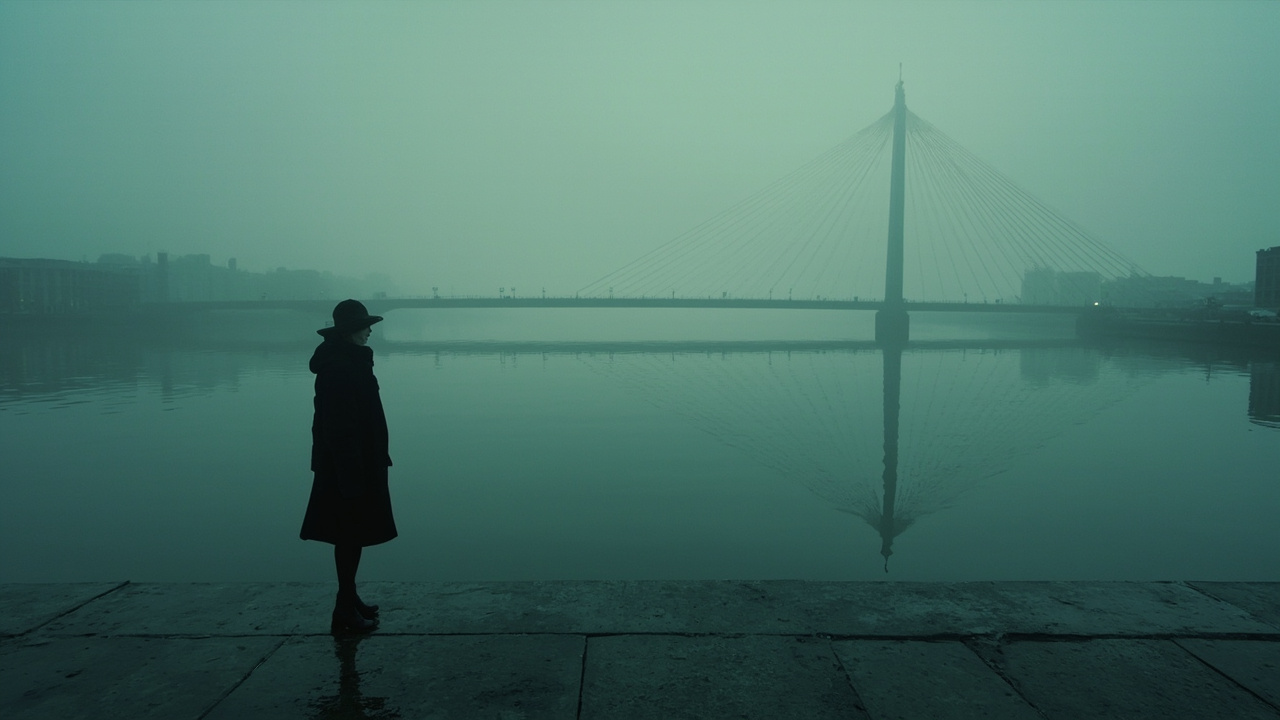
في الصباح الذي لاحظت فيه كلارا ويتمور نهر التايمز يتصرف بشكل خاطئ، بدا النهر ككائن يحتضر. حيث كان يجب أن يتدفق الماء الرمادي-الأخضر ويتلاطم مع المد القادم، كان مسطحاً وبلا حيوية، مرآة كسولة تعكس السماء الرصاصية. وقفت على الرصيف بالقرب من جسر بلاكفريارز، وأجهزة المراقبة المائية المحمولة مرتبة بجانبها، وشعرت بيقين بارد يستقر في صدرها بأن هذا ليس انحرافاً لحظياً.كرست كلارا الجزء الأعظم من خمس عشرة سنة للدفاع عن البيئة، أولاً مع جماعات المجتمع المحلية ثم مع مجلس العاصمة للمناخ. كانت تعرف إيقاعات النهر كما تعرف نبض قلبها. كان المد في ذلك الصباح قد انخفض بشكل قابل للقياس بنسبة ثلاثة وأربعين بالمائة. لا يمكن أن يُعزى هذا التحول الدراماتيكي إلى دورات قمرية أو أنماط الطقس الموسمية. شيء أشد ظلمة كان يعمل تحت السطح.أتصلت ثلاث مرات منفصلة قبل الظهر. أبدت وكالة البيئة اهتماماً مهذباً لكنها أوضحت أن محطات المراقبة الخاصة بها لم تظهر أي شذوذ. اقترح عليها مجلس مياه التايمز تقديم تقرير رسمي من خلال موقعهم الإلكتروني. كان فقط عندما تواصلت مع ماركوس تشن، نائب مدير تخطيط البنية التحتية الحضرية، وجدت شخصاً مستعداً للاستماع.قضى ماركوس اثنتين وعشرين سنة في التنقل في ممرات الإدارة المدنية المتاهة. كان قد شهد عدداً لا يحصى من مقترحات مشاريع التطوير، بعضها بعيد النظر، وبعضها جشع بوضوح. عندما وصلت رسالة كلارا—العاجلة والدقيقة والمحملة بالبيانات—أدرك فوراً أن هذا ليس عملاً من مثير للهلع. كانت قياساتها دقيقة جداً. كان قلقها ملموساً. والأهم من ذلك، أنها حددت مشكلة تقع بدقة ضمن نطاق اختصاصه.اتفقوا على الالتقاء في مقهى على ضفة النهر، حيث انحرف حديثهم حتماً نحو التدخلات الهندسية التي شكلت علاقة لندن بنهرها العظيم. شرح ماركوس النظام المعقد من حواجز المد والبوابات ومفيضات الفيضانات التي شُيدت على مدى قرون. استمعت كلارا باهتمام لكنها ظلت غير مقتنعة. لا شيء من البنية التحتية الرسمية يمكن أن يفسر ما لاحظته. لم يكن النهر يعاني مجرد مشكلة تقنية. كان يُسلب من حيويته الجوهرية.بدأ تحقيقهما بجدية بعد ثلاثة أيام، عندما حصل ماركوس على السجلات التخطيطية السرية من خلال زميل في قسم الأرشيف. ما اكتشفه هناك أرعده أكثر منNovember air. تحت قاع النهر، في ظل جسر الألفية، تم الموافقة على مشروع بناء كبير—بشكل ظاهري لـ"ممر صيانة المرافق" يربط جنوبوارك بالمدينة. تم توقيع التصاريح من قبل ثلاثة أقسام منفصلة. تم توجيه التمويل من خلال سلسلة من الشركات الوهمية التي انتهت في هيكل قضائي في جزر كايمان. كان مدير المشروع مدرجاً كشركة فرعية لمجموعة ميريديان للتطوير، وهي شركة whose محفظة عامة تتكون تماماً من المجمعات السكنية الفاخرة.ثبتت خبرة كلارا في القانون البيئي قيمتها. حددت سبع عشرة مخالفة منفصلة لقانون حماية Rivers في مواصفات البناء وحدها. لكن عندما نزلوا معاً إلى المنطقة المحظورة—رحلة تتطلب إقناعاً كبيراً وفي النهاية تزويراً إبداعياً للاعتمادات—اكتشفوا الرعب الحقيقي لما كان يُبنى تحت مدينتهم.انحدر العمود أربعين متراً في طبقات لندن قبل أن يفتح في غرفة تحت الأرضية واسعة. داخل هذه الغرفة، تم تركيب شبكة من الأنابيب السحب، تمتد مباشرة تحت التايمز. كان الغرض منها همجياً بفعالية: اعتراض المياه الجوفية وتحويلها إلى خزانات خاصة للبيع التجاري. لم يكن المد مجرد منخفض؛ كان يتم حصاده بشكل منهجي. كان النهر نفسه يُنزف حتى الجفاف.وقف ماركوس في شفق تلك الكاتدرائية تحت الأرضية، وcombe من ضوء المشعل يرتجف على الجدران، وexperienced أزمة إيمان عميقة في المؤسسات التي خدمها. كم تصريحاً وقعه دون فحص كافٍ؟ كم تقييم بيئي وافق عليه بناءً على وثائق كان من الممكن أن تكون مزيفة تماماً? لمست كلارا ذراعه بلطف، وexpression أكثر ليونة مما رآه خلال خلافاتهم العديدة حول السياسة.قالت بهدوء: "لا يمكننا التراجع عمّا تم بالفعل، لكن يمكننا ضمان توقفه الآن، وأن يواجه المسؤولون عواقب."ثبتت الأدلة التي جمعوها خلال الأسابيع التالية كافية لبدء تحقيق رسمي من قبل مكتب مكافحة الاحتيال الشديد. تم تعليق عمليات مجموعة ميريديان للتطوير ريثما التحقيق. استقالت ثلاثة مسؤولين كبار في القسم التخطيطي قبل أن يتم استجوابهم. تم تفكيك معدات السحب، وتم إغلاق الغرفة تحت الأرضية وإغراقها لمنع أي ضرر بيئي إضافي.مع مرور الوقت، عاد التايمز إلى نشاطه السابق. استعاد المد قوته تدريجياً، كأن النهر يحتاج إلى صبر وتشجيع لطيف بدلاً من التدخل. استأنفت كلارا عملها في الدعوة بتصميم متجدد، على الرغم من أنها came لتقدير قيمة العلاقات المؤسسية التي كانت تعتبرها ذات يوم فاسدة لا يمكن إصلاحها. ماركوس، من j.sideه،ampion إصلاح شامل لنظام الإشراف التخطيطي، حيث كانت اقتراحاته تحمل قناعة صادقة لرجل شهد الفساد ورفض تحمله لفترة أطول.في الذكرى السنوية لاكتشافهم، التقيا مرة أخرى على رصيف بلاكفريارز. water heaved وتلاطم كما كان دائماً، لا مبالٍ بمخططات البشر، صامد أمام كل محاولة pour limiter أو استغلاله. علقت كلارا بأن النهر سيتجاوز كل effort للسيطرة عليه أو استنزافه.
An dem Morgen, als Clara Whitmore zum ersten Mal bemerkte, dass sich die Themse falsch verhielt, sah der Fluss aus wie eine Kreatur in ihren Todeszuckungen. Wo das gräulich-grüne Wasser mit der einkommenden Flut toben und wogen sollte, lag es flach und träge da, ein schläfriger Spiegel, der den bleiernen Himmel reflektierte. Sie stand auf dem Kai nahe der Blackfriars Bridge, ihre tragbaren Wasserüberwachungsgeräte neben sich, und spürte eine kalte Gewissheit in ihrer Brust, dass dies keine vorübergehende Abweichung war.Clara hatte den besten Teil von fünfzehn Jahren dem Umweltaktivismus gewidmet, zunächst mit Basisgemeinschaftsgruppen und anschließend mit dem Metropolitan Climate Council. Sie kannte die Rhythmen des Flusses so intim wie ihren eigenen Herzschlag. Die Flutwelle an diesem Morgen war meßbar um dreiundvierzig Prozent zurückgegangen. Ein so dramatischer Wandel konnte nicht den Mondzyklen oder saisonalen Wettermustern zugeschrieben werden. Etwas viel Unheilvolleres war unter der Oberfläche am Werk.Sie führte drei separate Telefonate vor Mittag. Die Umweltagentur drückte höfliches Interesse aus, erklärte aber, dass ihre Überwachungsstationen keine Anomalien gezeigt hätten. Thames Water schlug vor, einen offiziellen Bericht über ihre Website einzureichen. Erst als sie Marcus Chen kontaktierte, den stellvertretenden Direktor für Stadtinfrastrukturplanung, fand sie jemanden, der bereit war zuzuhören.Marcus hatte zweiundzwanzig Jahre damit verbracht, die labyrinthischen Korridore der Stadtverwaltung zu durch navigieren. Er hatte unzählige Vorschläge für Entwicklungsprojekte miterlebt, einige visionär, andere frankly habgierig. Als Claras Nachricht ankam—dringend, präzise, datengeladen—erkannte er sofort, dass dies nicht das Werk einer Alarmistin war. Ihre Messungen waren akribisch. Ihre Sorge war spürbar. Wichtiger noch, sie hatte ein Problem identifiziert, das genau in seinen Zuständigkeitsbereich fiel.Sie vereinbarten, sich in einem Flusscafé zu treffen, und ihre Unterhaltung wandte sich zwangsläufig den technischen Eingriffen zu, die Londons Beziehung zu seinem großen Fluss geprägt hatten. Marcus erklärte das komplexe System von Flutbarrieren, Sielen und Hochwasserabwehrsystemen, die über Jahrhunderte hinweg errichtet worden waren. Clara hörte aufmerksam zu, blieb aber unconvinced. Keine der offiziellen Infrastrukturen konnte erklären, was sie beobachtet hatte. Der Fluss hatte nicht nur technische Schwierigkeiten. Er wurde seiner wesentlichen Lebenskraft beraubt.Ihre Untersuchung begann drei Tage später ernsthaft, als Marcus durch einen Kollegen aus der Archivabteilung Zugang zu geheimen Planungsunterlagen erhielt. Was er dort entdeckte, erschütterte ihn gründlicher als die Novemberluft. Unter dem Flussbett, im Schatten der Millennium Bridge, war ein Bauprojekt beträchtlichen Ausmaßes genehmigt worden—angeblich für einen "Versorgungswartungskorridor", der Southwark mit der City verband. Die Genehmigungen waren von drei separaten Abteilungen unterzeichnet worden. Die Finanzierung war über eine Reihe von Briefkastenfirmen geleitet worden, die in einer Holdingstruktur auf den Cayman Islands endete. Der Projektleiter war als Tochtergesellschaft der Meridian Development Group aufgeführt, einem Unternehmen, dessen öffentliches Portfolio ausschließlich aus Luxuswohnkomplexen bestand.Claras Fachkenntnisse im Umweltrecht erwiesen sich als unschätzbar. Sie identifizierte siebzehn separate Verstöße gegen das Rivers Protection Act allein in den Bauspezifikationen. Aber als sie gemeinsam in die Sperrzone hinabstiegen—eine Reise, die erhebliche Überzeugungsarbeit und letztendlich ein gewisses Maß an kreativer Fälschung von Berechtigungsnachweisen erforderte—entdeckten sie das wahre Grauen dessen, was unter ihrer Stadt errichtet wurde.Der Schacht führte vierzig Meter in Londons Untergrund hinab, bevor er sich in einer gewaltigen unterirdischen Kammer öffnete. In dieser Kammer war ein Netzwerk von Siphonteitungen installiert worden, das direkt unter der Themse verlief. Ihr Zweck war brutal effizient: Grundwasser abzufangen und in private Speichertanks zur kommerziellen Veräußerung umzuleiten. Die Flutwelle war nicht nur verringert; sie wurde systematisch geerntet. Der Fluss selbst wurde ausblutet.Marcus stand im künstlichen Zwielicht dieser unterirdischen Kathedrale, sein Torchstrahl zitterte gegen die Wände, und er durchlebte eine profound Glaubenskrise in den Institutionen, denen er gedient hatte. Wie viele Genehmigungen hatte er ohne angemessene Prüfung unterzeichnet? Wie viele Umweltverträglichkeitsprüfungen hatte er aufgrund von Dokumenten genehmigt, die möglicherweise vollständig gefälscht gewesen sein könnten? Clara berührte sanft seinen Arm, ihr Ausdruck weicher als er ihn während ihrer vielen politischen Meinungsverschiedenheiten gesehen hatte."Wir können nicht rückgängig machen, was bereits getan wurde," sagte sie leise. "Aber wir können sicherstellen, dass es jetzt aufhört, und dass die Verantwortlichen Konsequenzen tragen."Die Beweise, die sie in den folgenden Wochen sammelten, erwiesen sich als ausreichend, um eine offizielle Untersuchung durch das Serious Fraud Office einzuleiten. Die Operationen der Meridian Development Group wurden bis zur Untersuchung ausgesetzt. Drei hochrangige Beamte der Planungsabteilung traten zurück, bevor sie befragt werden konnten. Die Siphonausrüstung wurde demontiert, und die unterirdische Kammer wurde versiegelt und geflutet, um weitere Umweltschäden zu verhindern.Mit der Zeit kehrte die Themse in ihre frühere Vitalität zurück. Die Flutwelle stellte sich allmählich wieder her, als ob der Fluss Geduld und sanfte Ermutigung statt Intervention benötigte. Clara nahm ihre Advokatentarbeit mit erneuerter Entschlossenheit wieder auf, obwohl sie gelernt hatte, den Wert institutioneller Beziehungen zu schätzen, die sie einst als hoffnungslos kompromittiert abgetan hatte. Marcus setzte sich seinerseits für eine umfassende Reform des Planungsaufsichtssystems ein, seine Vorschläge geprägt von der ernsthaften Überzeugung eines Mannes, der Korruption miterlebt hatte und sich weigerte, sie länger zu tolerieren.Anläßlich des Jahrestags ihrer Entdeckung trafen sie sich erneut am Blackfriars-Kai. Das Wasser wogte und toste wie immer, gleichgültig gegenüber menschlichen Machenschaften, und überdauerte jeden Versuch, es einzuschränken oder auszubeuten. Clara bemerkte, dass der Fluss jede Anstrengung überdauern würde, ihn zu kontrollieren oder auszubeuten.
Le matin où Clara Whitmore remarqua pour la première fois que la Tamise se comportait mal, la rivière avait l'apparence d'une créature dans ses derniers instants d'agonie. Là où l'eau gris-vert aurait dû déferler et se soulever avec la marée montante, elle gisait plate et languissante, un miroir paresseux reflétant le ciel plombé. Elle se tenait sur le quai près de Blackfriars, son équipement portable de surveillance des eaux disposé à côté d'elle, et ressentit une froide certitude s'installer dans sa poitrine : ce n'était pas une aberration passagère.Clara avait consacré la meilleure partie de quinze années au plaidoyer environnemental, d'abord avec des groupes communautaires de base, puis auprès du Conseil métropolitaine du climat. Elle connaissait les rythmes de la rivière aussi intimement que son propre battement de cœur. La marée montante ce matin-là avait diminué de manière mesurable de quarante-trois pour cent. Un changement aussi dramatique ne pouvait être attribué aux cycles lunaires ni aux modèles météorologiques saisonniers. Quelque chose de bien plus sinistre était à l'œuvre sous la surface.Elle passa trois appels téléphoniques séparés avant midi. L'Agence de l'environnement exprima un intérêt poli mais expliqua que leurs stations de surveillance n'avaient montré aucune anomalie. Thames Water suggéra qu'elle soumette un rapport officiel via leur site web. Ce ne fut qu'en contactant Marcus Chen, le Directeur adjoint de la Planification des infrastructures urbaines, qu'elle trouva quelqu'un prêt à écouter.Marcus avait passé vingt-deux ans à naviguer dans les corridors labyrinthiques de l'administration municipale. Il avait été témoin d'innombrables propositions de projets d'aménagement, certains visionnaires, d'autres frankly rapaces. Lorsque le message de Clara arriva—urgent, précis, chargé de données—il reconnut immédiatement qu'il ne s'agissait pas de l'œuvre d'une alarme. Ses mesures étaient méticuleuses. Son inquiétude était palpable. Plus important encore, elle avait identifié un problème qui relevait précisément de ses attributions.Ils convinrent de se rencontrer dans un café au bord de la rivière, leur conversation dérivant inévitablement vers les interventions d'ingénierie qui avaient façonné le rapport de Londres à son grand fleuve. Marcus expliqua le système complexe de barrières de marée, d'écluses et de défenses contre les inondations construites au fil des siècles. Clara écouta attentivement mais demeura sceptique. Aucune des infrastructures officielles ne pouvait expliquer ce qu'elle avait observé. La rivière ne connaissait pas simplement une difficulté technique. Elle était privée de son essence vitale.Leur enquête commença véritablement trois jours plus tard, lorsque Marcus obtint l'accès aux dossiers d'urbanisme classifiés par l'intermédiaire d'un collègue de la Division des archives. Ce qu'il découvrit là le glaça plus sûrement que l'air de novembre. Sous le lit de la rivière, dans l'ombre du Millenium Bridge, un projet de construction d'envergure considérable avait reçu approbation—ostensiblement pour un « couloir de maintenance des services publics » reliant Southwark à la City. Les permis avaient été signés par trois départements distincts. Le financement avait été acheminé par une série de sociétés écran se terminant dans une structure holding des îles Caïmans. Le responsable du projet était inscrit comme une filiale du Groupe de développement Meridian, une entreprise dont le portefeuille public consistait entièrement en complexes résidentiels de luxe.L'expertise de Clara en droit environnemental s'avéra précieuse. Elle identifia dix-sept violations distinctes du Rivers Protection Act dans les seules spécifications de construction. Mais c'est lorsqu'ils descendirent ensemble dans la zone restreinte—un voyage qui nécessita une persuasion considérable et, en fin de compte, une certaine falsification créative d'accréditations—qu'ils découvrirent la véritable horreur de ce qui était construit sous leur ville.Le puits descendait à quarante mètres dans le substrat londonien avant de s'ouvrir dans une vaste chambre souterraine. Dans cette chambre, un réseau de tuyaux de siphonnage avait été installé, passant directement sous la Tamise. Leur but était brutalement efficace : intercepter les eaux souterraines et les détourner vers des réservoirs privés pour la vente commerciale. La marée montante n'était pas simplement diminuée ; elle était systématiquement récoltée. La rivière elle-même était vidée de son sang.Marcus se tenait dans le crépuscule artificiel de cette cathédrale souterraine, le faisceau de sa torche tremblant contre les murs, et éprouva une crise profonde de foi dans les institutions qu'il avait servies. Combien de permis avait-il signés sans examen adéquat ? Combien d'évaluations environnementales avait-il approuvées sur la foi de documents qui auraient pu être entièrement falsifiés ? Clara lui toucha le bras doucement, son expression plus douce qu'il ne l'avait vue durant leurs nombreux désaccords sur la politique."Nous ne pouvons pas annuler ce qui a déjà été fait," dit-elle doucement. "Mais nous pouvons faire en sorte que cela s'arrête maintenant, et que ceux qui sont responsables fasse face aux conséquences."Les preuves qu'ils rassemblèrent au cours des semaines suivantes s'avérèrent suffisantes pour lancer une enquête officielle par le Bureau de lutte contre la fraude grave. Les opérations du Groupe de développement Meridian furent suspendues dans l'attente de l'enquête. Trois responsables supérieurs du département de planification démissionnèrent avant de pouvoir être interrogés. L'équipement de siphonnage fut démonté, et la chambre souterraine fut scellée et inondée pour prévenir tout dommage environnemental supplémentaire.Avec le temps, la Tamise retrouva sa vigueur d'autrefois. La marée montante se rétablit progressivement, comme si la rivière avait besoin de patience et d'encouragement doux plutôt que d'intervention. Clara reprit son travail de plaidoyer avec une détermination renouvelée, bien qu'elle en soit venue à apprécier la valeur des relations institutionnelles qu'elle avait autrefois rejetées comme irrémédiablement compromises. Marcus, pour sa part, préconisa une réforme complète du système de supervision de la planification, ses propositions marquées par la conviction sincère d'un homme qui avait été témoin de la corruption et refusait de la tolérer plus longtemps.Le jour de l'anniversaire de leur découverte, ils se retrouvèrent sur le quai de Blackfriars. L'eau se soulevait et déferlait comme elle l'avait toujours fait, indifférente aux machinations humaines, endurant à travers chaque tentative de la contraindre ou de l'exploiter. Clara fit remarquer que la rivière survivrait à toute tentative de la contrôler ou de l'épuiser.
Утром, когда Клара Уитмор впервые заметила, что Темза ведёт себя неправильно, река напоминала существо в предсмертной агонии. Там, где серо-зелёная вода должна была бурлить и колыхаться с приливом, она лежала плоской и вялой, ленивым зеркалом отражая свинцовое небо. Она стояла на набережной возле Блэкфрайарс, рядом с ней лежала портативная аппаратура для мониторинга воды, и в её груди поселилось холодное убеждение: это не мимолётное отклонение.Клара посвятила лучшую часть пятнадцати лет работе по защите окружающей среды, сначала в местных общественных группах, а затем в Столичном климатическом совете. Она знала ритмы реки так же интимно, как собственный пульс. Приливное течение того утра было измеримо снижено на сорок три процента. Столь драматический сдвиг нельзя было объяснить лунными циклами или сезонными погодными условиями. Под поверхностью действовало нечто гораздо более зловещее.Она сделала три отдельных звонка до полудня. Агентство по охране окружающей среды выразило вежливый интерес, но объяснило, что их станции мониторинга не показали никаких аномалий. Thames Water предложило подать официальную заявку через их веб-сайт. Только когда она связалась с Маркусом Ченом, заместителем директора по планированию городской инфраструктуры, она нашла того, кто был готов слушать.Маркус провёл двадцать два года, продвигаясь по лабиринтным коридорам городской администрации. Он был свидетелем бесчисленных предложений по проектам развития, одни — дальновидные, другие — откровенно хищные. Когда пришло сообщение Клары — срочное, точное, насыщенное данными — он сразу понял, что это не работа паникёра. Её измерения были тщательными. Её беспокойство было ощутимым. Что ещё важнее, она выявила проблему, которая точно попадала в сферу его ответственности.Они договорились встретиться в речном кафе, и их разговор неизбежно свернул к инженерным вмешательствам, которые сформировали отношение Лондона к его великой реке. Маркус объяснил сложную систему приливных барьеров, шлюзов и противопаводковых сооружений, возведённых за столетия. Клара внимательно слушала, но оставалась неубеждённой. Ни одна из официальных инфраструктур не могла объяснить то, что она наблюдала. Река не просто испытывала технические трудности. Из неё вытягивали саму сущностную жизненную силу.Их расследование всерьёз началось через три дня, когда Маркус получил доступ к засекреченным плановым документам через коллегу из Архивного отдела. То, что он там обнаружил, заморозило его сильнее ноябрьского воздуха. Под речным дном, в тени Мост Тысячелетия, был одобрен строительный проект значительного масштаба — якобы для «коридора технического обслуживания коммунальных служб», соединяющего Саутуарк с Сити. Разрешения были подписаны тремя отдельными департаментами. Финансирование прошло через серию подставных компаний, завершившуюся холдинговой структурой на Каймановых островах. Руководитель проекта был указан как дочерняя компания Группы развития Меридиан, корпорации, публичное портфолио которой полностью состояло из элитных жилых комплексов.Опыт Клары в экологическом праве оказался неоценимым. Она выявила семнадцать отдельных нарушений Закона о защите рек только в строительных спецификациях. Но когда они вместе спустились в запретную зону — путешествие, потребовавшее значительных усилий по убеждению и, в конечном счёте, определённой доли творческого подделывания документов — они обнаружили истинный ужас того, что строилось под их городом.Шахта уходила на сорок метров в лондонский грунт, прежде чем открыться в огромную подземную камеру. Внутри этой камеры была установлена сеть всасывающих труб, проходящих непосредственно под Темзой. Их цель была беспощадно эффективной: перехватывать грунтовые воды и перенаправлять их в частные резервуары для коммерческой продажи. Приливное течение не просто уменьшилось; его систематически собирали. Саму реку буквально обескровливали.Маркус стоял в искусственных сумерках этого подземного собора, луч его фонаря дрожал на стенах, и пережил глубокий кризис веры в учреждения, которым служил. Сколько разрешений он подписал без надлежащей проверки? Сколько экологических оценок он одобрил на основании документов, которые могли оказаться полностью сфальсифицированными? Клара мягко коснулась его руки, её выражение было мягче, чем он видел во время их многочисленных политических разногласий."Мы не можем отменить то, что уже сделано," тихо сказала она. "Но мы можем убедиться, что это прекратится сейчас, и что виновные понесут последствия."Собранные ими доказательства в последующие недели оказались достаточными для начала официального расследования Управлением по борьбе с крупным мошенничеством. Операции Группы развития Меридиан были приостановлены до завершения расследования. Три высокопоставленных чиновника из планового департамента ушли в отставку до того, как их смогли допросить. Всасывающее оборудование демонтировали, а подземную камеру запечатали и затопили, чтобы предотвратить дальнейший экологический ущерб.Со временем Темза вернула своё прежнее жизненное напряжение. Приливное течение постепенно восстановилось, как будто реке нужны терпение и мягкое поощрение, а не вмешательство. Клара возобновила свою адвокатскую работу с обновлённой решимостью, хотя пришла ценить ценность институциональных отношений, которые когда-то считала безнадёжно скомпрометированными. Маркус, со своей стороны, стал защищать комплексную реформу системы планового надзора, его предложения были отмечены искренней убеждённостью человека, который был свидетелем коррупции и отказался мириться с ней дольше.В годовщину их открытия они снова встретились на набережной Блэкфрайарс. Вода бурлила и клубилась, как всегда, безразличная к человеческим козням, выдерживая каждую попытку ограничить или эксплуатировать её. Клара заметила, что река переживёт любые усилия по её контролю или истощению.