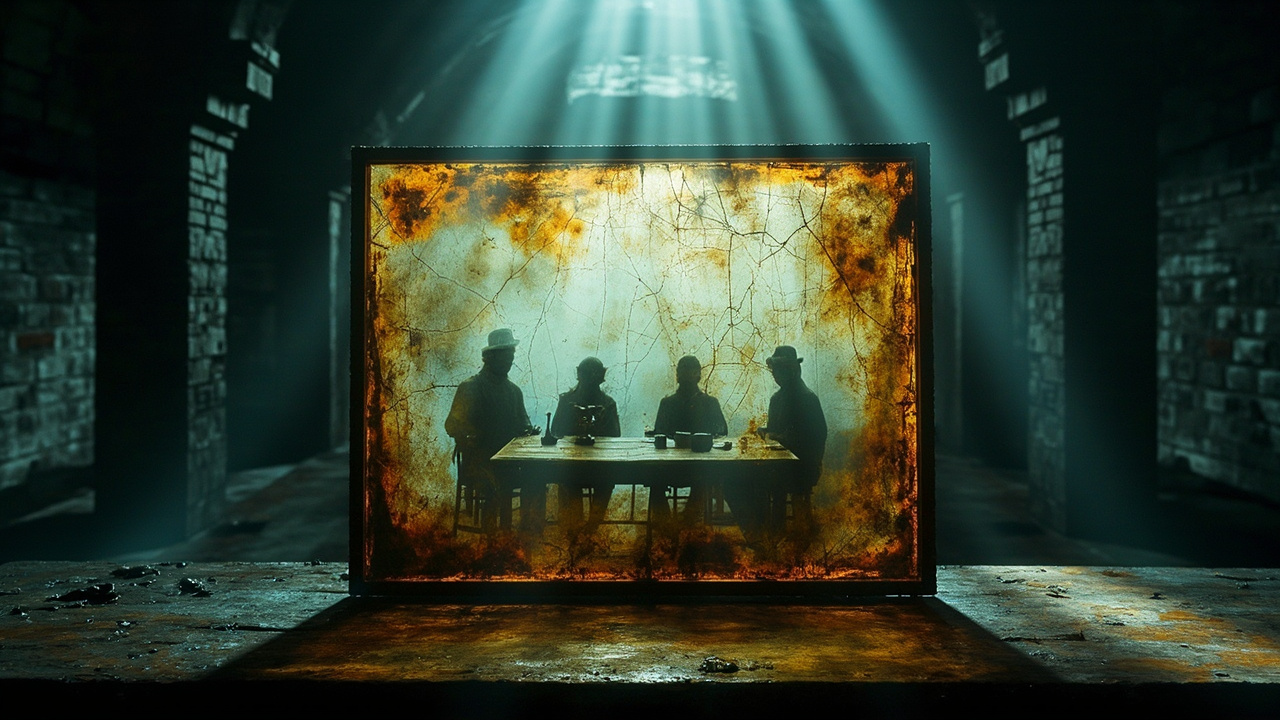
وصلت الصناديق يوم الثلاثاء، وهو ما كان أشبه بشاعرية أكثر من اللازم بالنسبة للأرشيف الوطني. كانت إلينور فاين متخصصة في الحفظ الرقمي منذ أحد عشر عامًا، وقد تعلّمت أن التاريخ الذي يصلح للتصوير نادرًا ما يُعلِن عن نفسه بتوقيت درامي. بل كان يأتي بدلاً من ذلك في إيصالات التسليم الملطخة بالماء وفي ذلك الصمت الخاص للغرف ذات التحكم المناخي حيث خُلع الضوء بشكل منهجي من ذكريات العالم الورقية.
كانت في مختبر الترميم عندما أحضر لها المشرف علىConservator أول صندوق. كان له رائحة الكافور وأقدم من ذلك - الطعم المعدني للكولوديون الرطب ربما، مما يضعه في حقبة الفيكتوريين أو بعدها بقليل. كانت الصفائح الزجاجية بداخلها فيكتورية فعلاً، أسطح مستحلبها مغشاة بعقود من الإهمال، وحوافها مشقوقة وزواياها متصدعة. لم تحمل معظمها أي صورة مرئية على الإطلاق، مجرد شبح لما كانت عليه.
"النسب رائع جدًا،" قال المشرف، مستشيرًا ورقة جرد صفراء. "تمت استعادتها من ممتلكات في بيثنال غرين. وافق حفيد المالك الأصلي في النهاية على التخلي عنها بعد سنوات من المراسلات. يبدو أنه اعتقد أنها عديمة القيمة حتى ذكر أحدهم أهميتها التاريخية المحتملة."
شكرته إلينور وبدأت العمل البطيء للفحص. كانت الصفائح خمسة في سبعة بوصات، التنسيق القياسي لتلك الفترة، ظهورها الزجاجية مطلية بالأسود لمنع الانعكاسات. سجّلت كل واحدة، مع ملاحظة أرقام الكتالوج التي أسندها المؤسسة السالفة للأرشيف، ثم بدأت عملية الالتقاط الرقمي الشاقة - وضع كل صفيحة تحت ضوء كاشط عالي الكثافة، بحثًا عن الانطباعات الغاطسة تحت تلوين الفضة.
كشف معظمها عن الموضوعات المتوقعة فقط: عائلات بوجوه صارمة في استوديوهات، أطفال يتموضعون بجانب أسيجة حدائق، ضابط بحري في زي رسمي يقف أمام خلفية مرسومة بأشجار النخيل. صوّرت كل واحدة ببرود مهني، وعيناها مدربة على رؤية ما وراء التدهور السطحي إلى الصور تحته. كان عملاً تأمليًا، النوع الذي يتطلب الصبر أكثر من البراعة.
الصفيحة الثالثة والأربعون كانت مختلفة.
كانت قد أضاءتها بالطريقة المعتادة، كاشفة الضوء عبر السطح بزاوية خمسة وأربعين درجة للكشف عن التضاريس، عندما تغير شيء ما في ضباب الأكسدة. ها هنا - شكل يخرج من غشاوة المستحلب كراكب يطفو من المياه العميقة. عدّلت مصدر الضوء، ميلة بزاوية مختلفة، وتوضحت الصورة.
غرفة. تحت الأرض، من مظهرها - جدران من الطوب، سقف منخفض، مصباح متوهج عارٍ. وأشخاص. خمسة منهم، جالسون حول طاولة مغطاة بالورق. كانت وجوههم غير واضحة، بينما كيمياء الصفيحة قد انزاحت على مدى أكثر من قرن، لكن وضعياتهم تشير إلى مؤامرة. قرب مقصود. تلك الكثافة الخاصة بأشخاص منخرطين في عمل خطير.
تراجعت إلينور في كرسيها. كانت قد سمعت القصص، بالطبع. الجميع في العمل الأرشيفي سمع القصص. كانت الشبكات تحت الأرض في لندن وقت الحرب صارمة في إخفاء آثارها، وتدمير الأدلة كمسألة بقاء. فكرة أن شيئًا جوهريًا قد نجا، ناهيك عن نجاته في مثل هذا المستودع غير المحتمل، بدت شبه مريحة.
لكن الصفيحة كانت حقيقية. عززت الصورة أكثر، طبّقت تقنيات البرمجيات التي أتقنتها طوال مسيرتها، وشاهدت التفاصيل تخرج من الضباب الكيميائي. خريطة مسمرة على الجدار خلف الأشخاص، سطحها مرقش بتعليقات صغيرة جدًا للقراءة لكنها واضحة الطابع العسكري. جهاز لاسلكي في الزاوية، هوائيه يمتد عبر السقف. وعلى الطاولة، تحت الورق المتفرق، الشكل الواضح لقنبلة يدوية.
عالجت الصفائح المتبقية باهتمام أكبر بكثير. سبع وثلاثون أظهرت موضوعات تقليدية - المزيد من صور الاستوديو، مناظر طبيعية، دراسات معمارية. لكن ستة أخرى حملت صورًا مخفية، وحين صنفتها، بدأت صورة تبرز لعالم سري كان يعمل بالتوازي مع لندن أعلاه.
أظهرت صفيحة واحدة ساعيًا يركب دراجة عبر ما بدا أنه وايت تشابل، وجهها مخبأ تحت حافة قبعة لكن سلة دراجته محملة بالوثائق. التقطت أخرى عملية طباعة في قبو، المكابس صغيرة لكنها تعمل، تطبع ما بدا أنه صحف مقاومة. الثالثة أظهرت رجلين يلتقيان في زقاق، أيديهم لا تلامس تمامًا لكن موضوعة في الإشارة العالمية لتمرير شيء صغير وهام.
لكن أكثر الصور إثارة كانت لخلية المقاومة نفسها من زاوية مختلفة - التقطت، أدركت إلينور، من موقع مخفي. كان الأشخاص حول الطاولة قد صُوّروا دون علمهم، مما يشير إلى مراقبة من نوع خاص جدًا. عززت الصورة حتى خرج الشخص في الزاوية في نطاق التركيز: امرأة بملامح حادة وشعر قصير مفرود، تجلس بعيدًا عن الآخرين، تراقب.
تراقب المراقبين.
فهمت إلينور، إذن. لم تكن هذه الصفائح مجرد صور لنشاط المقاومة. كانت صورًا لنشاط المقاومة التقطها شخص كان داخل الخلية، شخص وضع نفسه لمراقبة و، على ما يبدو، للإبلاغ. كانت ممتلكات بيثنال غرين قد ملكتها عميلة، أو ربما شخص تمكن من اللعب على الجانبين بمهارة استثنائية. كان الحفيد قد عرف، أو اشتبه، مما يفسر تردده في التخلي عن المجموعة.
قضت الأسابيع التالية في مقارنة الصور بالسجلات الرسمية، بحثًا عن صلات. كان بحثًا شاقًا، النوع الذي نادرًا ما ينتج كشفًا دراميًا. التاريخ، كما تعلمت، نادرًا ما يقدم إغلاقًا. قدم بدلًا من ذلك شظايا وغموضًا، الأدلة الجزئية التي قد تدعم تفسيرًا أو آخر.
المرأة ذات الملامح الحادة، حددت في النهاية، كانت على الأرجح فيرا لين - ليست المغنية الشهيرة"
Die Kisten kamen an einem Dienstag, was für das Nationalarchiv etwas zu poetisch war. Eleanor Vane war seit elf Jahren digitale Bewahrungsspezialistin, und sie hatte gelernt, dass fotogenes Geschichtsbewusstsein sich selten mit dramatischem Timing ankündigte. Es kam stattdessen in wasserfleckigen Lieferscheinen und in der besonderen Stille klimatisierter Räume, wo das Licht systematisch von den Papiererinnerungen der Welt ferngehalten worden war.
Sie war im Restaurierungslabor, als der Konservator die erste Box brachte. Sie roch nach Kampfer und etwas Älterem — dem mineralischen Beigeschmack von nassem Kollodium vielleicht, was sie irgendwo ins Viktorianische Zeitalter oder kurz danach datieren würde. Die Glasplatten darin waren tatsächlich viktorianisch, ihre Emulsionsflächen von Jahrzehnten der Vernachlässigung getrübt, ihre Ränder abgesplittert und Ecken rissig. Die meisten zeigten überhaupt kein sichtbares Bild, nur das Gespenst dessen, was sie einst gewesen waren.
"Die Provenienz ist faszinierend," sagte der Konservator und konsultierte ein sepiafarbenes Inventarblatt. "Sie wurden aus einem Anwesen in Bethnal Green geborgen. Der Enkel des ursprünglichen Besitzers willigte schließlich ein, sie nach Jahren der Korrespondenz herauszugeben. Anscheinend hielt er sie für wertlos, bis jemand ihre potenzielle historische Bedeutung erwähnte."
Eleanor dankte ihm und begann die langsame Arbeit der Untersuchung. Die Platten waren acht mal dreizehn Zentimeter, das Standardformat der Epoche, ihre Glasrückseiten schwarz angestrichen, um Reflexionen zu verhindern. Sie protokollierte jede einzelne, notierte die Katalognummern, die die Vorgängerinstitution des Archivs zugewiesen hatte, und begann dann den mühsamen Prozess der digitalen Erfassung — jede Platte unter hochintensivem Streiflicht platzierend, nach den versunkenen Eindrücken unter der Silberschädigung suchend.
Die meisten enthüllten nur die erwarteten Motive: ernst blickende Familien in Studiosettings, Kinder neben Gartenhecken posiert, ein Marineoffizier in Galauniform vor einer gemalten Kulisse mit Palmen. Eleanor fotografierte jedes mit professioneller Distanz, ihr Auge trainiert, über die Oberflächenzersetzung hinweg auf die Bilder darunter zu sehen. Es war meditativ Arbeit, die eher Geduld als Genie erforderte.
Die dreiundvierzigste Platte war anders.
Sie hatte sie wie üblich beleuchtet, das Licht in einem fünfundvierzig-Grad-Winkel über die Oberfläche streifend, um Topografie zu enthüllen, als sich etwas im Oxidationsnebel bewegte. Dort — eine Form, die aus der Trübung der Emulsion auftauchte wie ein Schwimmer, der aus tiefem Wasser auftaucht. Sie adjustierte die Lichtquelle, wendete sie anders an, und das Bild wurde klarer.
Ein Raum. Unterirdisch, nach dem Aussehen — Backsteinwände, niedrige Decke, eine einzelne nackte Glühbirne. Und Figuren. Fünf von ihnen, um einen Tisch mit Papieren sitzend. Ihre Gesichter waren undeutlich, die Chemie der Platte hatte sich über mehr als ein Jahrhundert hinweg verändert, aber ihre Haltung deutete auf Verschwörung hin. Absichtliche Nähe. Die besondere Intensität von Menschen, die gefährlicher Arbeit nachgingen.
Eleanor lehnte sich in ihrem Stuhl zurück. Sie hatte Geschichten gehört, natürlich. Jeder in der Archivarbeit hatte Geschichten gehört. Die Untergrundnetzwerke im Kriegs-London waren peinlich genau darauf bedacht gewesen, ihre Spuren zu verwischen, Beweise aus Überlebensgründen zu vernichten. Die Idee, dass irgendetwas Substanzielles überlebt hatte, geschweige denn in einem so unwahrscheinlichen Versteck, schien fast zu bequem.
Aber die Platte war real. Sie verstärkte das Bild weiter, wandte die Softwaretechniken an, die sie im Laufe ihrer Karriere gemeistert hatte, und beobachtete, wie Details aus dem chemischen Nebel auftauchten. Eine Landkarte an der Wand hinter den Figuren, ihre Oberfläche mit Anmerkungen markiert, die zu klein zum Lesen waren, aber unverkennbar militärischen Charakters. Ein Funkset in der Ecke, dessen Antenne über die Decke führte. Und auf dem Tisch, unter den verstreuten Papieren, die unverkennbare Silhouette einer Handgranate.
Sie bearbeitete die restlichen Platten mit erheblich mehr Aufmerksamkeit. Siebenunddreißig zeigten konventionelle Motive — weitere Studioporträts, Landschaften, Architekturstudien. Aber sechs andere trugen versteckte Bilder, und als sie diese katalogisierte, begann sich ein Bild einer klandestinen Welt abzuzeichnen, die parallel zum London von oben operiert hatte.
Eine Platte zeigte einen Kurier, der mit dem Fahrrad durch das zu fahren schien, was Whitechapel war, sein Gesicht unter einer Hutkrempe verborgen, aber sein Fahrradkorb voller Dokumente. Eine andere fing einen Druckbetrieb in einem Keller ein, die Pressen klein aber funktional, druckend, was wie Widerstandszeitungen aussah. Eine dritte zeigte zwei Männer, die sich in einer Gasse trafen, ihre Hände einander nicht ganz berührend, aber in der universellen Geste positioniert, etwas Kleines und Bedeutungsvolles zu übergeben.
Das eindrucksvollste Bild war jedoch die Widerstandszelle selbst aus einem anderen Winkel — aufgenommen, wurde Eleanor klar, aus einer versteckten Position. Die Figuren am Tisch waren ohne ihr Wissen fotografiert worden, was auf eine Überwachung ganz besonderer Art hindeutete. Sie verstärkte das Bild, bis die Figur in der Ecke scharf wurde: eine Frau mit scharfen Zügen und sehr kurz geschnittenen Haaren, die abseits von den anderen saß und beobachtete.
Die Beobachter beobachtend.
Eleanor verstand es damals. Diese Platten waren nicht nur Fotografien von Widerstandsaktivitäten. Sie waren Fotografien von Widerstandsaktivitäten, aufgenommen von jemandem, der innerhalb der Zelle gewesen war, jemandem, der sich positioniert hatte, um zu beobachten und, vermutlich, zu berichten. Das Anwesen in Bethnal Green hatte einer Kollaborateurin gehört, oder vielleicht jemandem, der es mit außergewöhnlichem Geschick geschafft hatte, beide Seiten zu bedienen. Der Enkel hatte es gewusst, oder vermutet, was seine Zurückhaltung erklärte, die Sammlung herauszugeben.
Sie verbrachte die folgenden Wochen damit, die Bilder mit offiziellen Aufzeichnungen abzugleichen, nach Verbindungen zu suchen. Es war akribische Forschung, die Art, die selten zu dramatischen Offenbarungen führte. Geschichte, hatte sie gelernt, bot selten einen Abschluss. Sie präsentierte stattdessen Fragmente und Ambiguitäten, die teilweisen Beweise, die diese oder jene Interpretation stützen konnten.
Die Frau mit den scharfen Zügen, bestimmte sie schließlich, war mit ziemlicher Sicherheit Vera Lynn — nicht die berühmte Sängerin"
Las cajas llegaron un martes, lo cual era bastante poético para los Archivos Nacionales. Eleanor Vane había sido especialista en preservación digital durante once años, y había aprendido que la historia fotogénica rara vez se anunciaba con tiempos dramáticos. Venía, en cambio, en notas de entrega manchadas de agua y en el silencio particular de las habitaciones con control climático donde la luz había sido sistemáticamente excluida de los recuerdos en papel del mundo.
Estaba en el laboratorio de restauración cuando el conservador trajo la primera caja. Olía a alcanfor y a algo más antiguo: el sabor mineral del colodión húmedo, quizás, que la situaría en algún momento de la era victoriana o poco después. Las placas de vidrio del interior eran indeed victoriana, sus superficies de emulsión empañadas por décadas de negligencia, sus bordes astillados y esquinas agrietadas. La mayoría no mostraba ninguna imagen visible en absoluto, simplemente el fantasma de lo que habían sido.
"La procedencia es fascinante," dijo el conservador, consultando una hoja de inventario amarillenta. "Fueron recuperadas de una propiedad en Bethnal Green. El nieto del propietario original finalmente accedió a entregarlas después de años de correspondencia. Al parecer, creía que no tenían valor hasta que alguien mencionó su potencial importancia histórica."
Eleanor le agradeció y comenzó el lento trabajo de examen. Las placas medían cinco por siete pulgadas, el formato estándar de la época, sus reversos de vidrio pintados de negro para prevenir reflejos. Registró cada una, anotando los números de catálogo asignados por la institución predecesora del archivo, y luego comenzó el meticuloso proceso de captura digital: colocando cada placa bajo luz rasante de alta intensidad, buscando las impresiones sumergidas bajo las manchas de plata.
La mayoría reveló solo los sujetos esperados: familias de rostro severo en ambientes de estudio, niños posando junto a setos de jardín, un oficial naval en uniforme formal frente a un telón pintado de palmeras. Eleanor fotografió cada una con desapego profesional, su ojo entrenado para ver más allá del deterioro superficial hacia las imágenes subyacentes. Era un trabajo meditativo, el tipo que requería paciencia más que brillantez.
La placa cuadragésima tercera era diferente.
La había iluminado de la manera habitual, pasando la luz a través de la superficie en un ángulo de cuarenta y cinco grados para revelar la topografía, cuando algo se movió en la niebla de oxidación. Allí: una forma emergiendo de la nubosidad de la emulsión como un nadador emergiendo de aguas profundas. Ajustó la fuente de luz, angulándola diferentemente, y la imagen se clarificó.
Una habitación. Subterránea, al parecer: paredes de ladrillo, techo bajo, una sola bombilla desnuda. Y figuras. Cinco de ellas, sentadas alrededor de una mesa cubierta de papeles. Sus rostros eran indistintos, la química de la placa se había desplazado durante más de un siglo, pero su postura sugería conspiración. Cercanía deliberada. La intensidad particular de personas dedicadas a un trabajo peligroso.
Eleanor se recostó en su silla. Había escuchado historias, por supuesto. Todos en el trabajo archivístico habían escuchado historias. Las redes subterráneas del Londres en tiempo de guerra habían sido meticulosas en borrar sus huellas, destruyendo evidencia como cuestión de supervivencia. La idea de que algo sustancial hubiera sobrevivido, sin mencionar que hubiera sobrevivido en un repositorio tan improbable, parecía casi demasiado conveniente.
Pero la placa era real. Mejoró la imagen aún más, aplicando las técnicas de software que había dominado a lo largo de su carrera, y observó cómo los detalles emergían de la niebla química. Un mapa clavado en la pared detrás de las figuras, su superficie marcada con anotaciones demasiado pequeñas para leer pero inconfundiblemente de carácter militar. Un aparato de radio en la esquina, su antena recorriendo el techo. Y sobre la mesa, bajo los papeles esparcidos, la inconfundible silueta de una granada de mano.
Procesó las placas restantes con considerably más atención. Treinta y siete mostraban sujetos convencionales: más retratos de estudio, paisajes, estudios arquitectónicos. Pero seis otras portaban imágenes ocultas, y a medida que las catalogaba, comenzó a emerger una imagen de un mundo clandestino que había operado en paralelo al Londres superior.
Una placa mostraba a un mensajero en bicicleta atravesando lo que parecía ser Whitechapel, su rostro oculto por el ala de un sombrero pero la cesta de su bicicleta cargada de documentos. Otra capturaba una operación de impresión en un sótano, las prensas pequeñas pero funcionales, imprimiendo lo que parecían periódicos de la resistencia. Una tercera mostraba a dos hombres reuniéndose en un callejón, sus manos sin tocarse del todo pero posicionadas en el gesto universal de pasar algo pequeño y significativo.
La imagen más sorprendente, sin embargo, era de la célula de resistencia misma desde un ángulo diferente: tomada, se dio cuenta Eleanor, desde una posición oculta. Las figuras alrededor de la mesa habían sido fotografiadas sin su conocimiento, lo que sugería vigilancia de un tipo muy particular. Mejoró la imagen hasta que la figura en la esquina entró en foco: una mujer con rasgos afilados y cabello muy corto, sentada apartada de los demás, observando.
Observando a los observadores.
Eleanor entendió, entonces. Estas placas no eran meramente fotografías de actividad de la resistencia. Eran fotografías de actividad de la resistencia tomadas por alguien que había estado dentro de la célula, alguien que se había posicionado para observar y, presumiblemente, para informar. La propiedad de Bethnal Green había pertenecido a una colaboradora, o quizás a alguien que había logrado jugar a ambos lados con habilidad extraordinaria. El nieto había sabido, o había sospechado, lo que explicaba su renuencia a entregar la colección.
Pasó las siguientes semanas verificando las imágenes con registros oficiales, buscando conexiones. Era una investigación meticulosa, el tipo que rara vez producía revelaciones dramáticas. La historia, había aprendido, rara vez ofrecía cierre. Presentaba, en cambio, fragmentos y ambigüedades, la evidencia parcial que podría apoyar una interpretación u otra.
La mujer de rasgos afilados, determinó finalmente, era casi con certeza Vera Lynn: no la famosa cantante"
Les caisses arrivèrent un mardi, ce qui était plutôt trop poétique pour les Archives nationales. Eleanor Vane était spécialiste de la conservation numérique depuis onze ans, et elle avait appris que l'histoire photogénique se manifestait rarement avec un timing dramatique. Elle venait plutôt dans des bordereaux de livraison tachés d'eau et dans le silence particulier des pièces à contrôle climatique où la lumière avait été systématiquement exclue des souvenirs papier du monde.
Elle était dans le laboratoire de restauration lorsque le restaurateur apporta la première boîte. Elle sentait le camphre et quelque chose de plus ancien — cette odeur minérale du collodion humide, peut-être, qui la situerait quelque part à l'époque victorienne ou peu après. Les plaques de verre à l'intérieur étaient bien victoriennes, leurs surfaces d'émulsion voilées par des décennies de négligence, leurs bords ébréchés et leurs coins fissurés. La plupart ne portaient aucune image visible du tout, simplement le fantôme de ce qu'elles avaient été.
"La provenance est fascinante," dit le restaurateur, consultant une fiche d'inventaire jaunie. "Elles ont été récupérées d'une propriété à Bethnal Green. Le petit-fils du propriétaire original a finalement accepté de les céder après des années de correspondance. Apparemment, il pensait qu'elles étaient sans valeur jusqu'à ce que quelqu'un mentionne leur importance historique potentielle."
Eleanor le remercia et commença le lent travail d'examen. Les plaques mesuraient treize sur dix-huit centimètres, le format standard de l'époque, leurs revers en verre peints en noir pour prévenir les reflets. Elle consigna chacune d'elles, notant les numéros de catalogue attribués par l'institution préexistante des archives, puis entama le processus méticuleux de capture numérique — plaçant chaque plaque sous une lumière rasante de haute intensité, cherchant les impressions submergées sous les taches d'argent.
La plupart ne révélèrent que les sujets attendus : des familles au visage sévère dans des contextes de studio, des enfants posés à côté de haies de jardin, un officier de marine en uniforme formel devant un décor peint de palmiers. Eleanor photographia chacune avec un détachement professionnel, son œil entraîné à voir au-delà de la détérioration de surface vers les images en dessous. C'était un travail méditatif, celui qui demandait de la patience plutôt que du génie.
La quarante-troisième plaque était différente.
Elle l'avait illuminée de la façon habituelle, balayant la lumière à travers la surface à un angle de quarante-cinq degrés pour révéler la topographie, quand quelque chose se déplaça dans le brouillard d'oxydation. Là — une forme émergeant du voile de l'émulsion comme un nageur remontant d'eaux profondes. Elle ajusta la source lumineuse, l'angle différemment, et l'image se clarifia.
Une pièce. Souterraine, à en juger — murs de brique, plafond bas, une seule ampoule nue. Et des figures. Cinq d'entre elles, assises autour d'une table couverte de papiers. Leurs visages étaient indistincts, la chimie de la plaque ayant dérivé sur plus d'un siècle, mais leur posture suggérait une conspiration. Proximité délibérée. Cette intensité particulière de personnes engagées dans un travail dangereux.
Eleanor s'adossa à sa chaise. Elle avait entendu des histoires, bien sûr. Tout le monde dans le travail d'archives avait entendu des histoires. Les réseaux souterrains du Londres en temps de guerre avaient été méticuleux pour effacer leurs traces, détruire les preuves par nécessité de survie. L'idée qu'une chose substantielle ait survécu, sans parler d'avoir survécu dans un tel dépôt improbable, semblait presque trop commode.
Mais la plaque était réelle. Elle renforça davantage l'image, appliquant les techniques logicielles qu'elle avait maîtrisées au cours de sa carrière, et regarda les détails émerger de la brume chimique. Une carte épinglée au mur derrière les figures, sa surface marquée d'annotations trop petites pour lire mais indéniablement de caractère militaire. Un émetteur radio dans le coin, son antenne traçant sur le plafond. Et sur la table, sous les papiers éparpillés, l'incontournable silhouette d'une grenade à main.
Elle traita les plaques restantes avec considérablement plus d'attention. Trente-sept montraient des sujets conventionnels — plus de portraits de studio, de paysages, d'études architecturales. Mais six autres portaient des images cachées, et au fur et à mesure qu'elle les cataloguait, une image commença à émerger d'un monde clandestin qui avait opéré en parallèle du Londres d'en dessus.
Une plaque montrait une messagère à vélo traversant ce qui semblait être Whitechapel, son visage dissimulé par le bord d'un chapeau mais le panier de son vélo chargé de documents. Une autre capturait une opération d'impression dans une cave, les presses petites mais fonctionnelles, imprimant ce qui ressemblait à des journaux de résistance. Une troisième montrait deux hommes se rencontrant dans une ruelle, leurs mains ne se touchant pas tout à fait mais positionnées dans le geste universel de passer quelque chose de petit et significatif.
L'image la plus frappante, cependant, était de la cellule de résistance elle-même sous un angle différent — prise, réalisa Eleanor, depuis une position dissimulée. Les figures autour de la table avaient été photographiées sans leur connaissance, ce qui suggérait une surveillance d'un genre très particulier. Elle renforça l'image jusqu'à ce que la figure dans le coin se mette au point : une femme aux traitsnets et aux cheveux très courts, assise à l'écart des autres, observant.
Observant les observateurs.
Eleanor comprit, alors. Ces plaques n'étaient pas simplement des photographies d'activité de résistance. Elles étaient des photographies d'activité de résistance prises par quelqu'un qui avait été à l'intérieur de la cellule, quelqu'un qui s'était positionné pour observer et, presumably, pour rapporter. La propriété de Bethnal Green avait appartenu à une collaboratrice, ou peut-être à quelqu'un qui avait réussi à jouer des deux côtés avec une habileté extraordinaire. Le petit-fils avait su, ou avait soupçonné, ce qui expliquait sa réticence à céder la collection.
Elle passa les semaines suivantes à croiser les images avec les archives officielles, cherchant des connexions. C'était un travail de recherche méticuleux, le genre qui produisait rarement des révélations dramatiques. L'histoire, avait-elle appris, offrait rarement une conclusion. Elle présentait plutôt des fragments et des ambiguïtés, les preuves partielles qui pourraient soutenir une interprétation ou une autre.
La femme aux traitsnets, finit-elle par déterminer, était presque certainement Vera Lynn — pas la chanteuse célèbre"
Le casse arrivarono di martedì, il che era piuttosto troppo poetico per gli Archivi Nazionali. Eleanor Vane era una specialista della conservazione digitale da undici anni, e aveva imparato che la storia fotogenica raramente si annunciava con tempi drammatici. Veniva invece in bolle di consegna macchiate d'acqua e nel silenzio particolare delle stanze a clima controllato dove la luce era stata sistematicamente esclusa dai ricordi cartacei del mondo.
Era nel laboratorio di restauro quando il conservatore portò la prima scatola. Profumava di canfora e di qualcosa di più antico — il retrogusto minerale della collodion bagnata, forse, che la collocherebbe da qualche parte nell'era vittoriana o poco dopo. Le lastre di vetro all'interno erano effettivamente vittoriane, le loro superfici di emulsione offuscate da decenni di negligenza, i bordi scheggiati e gli angoli incrinati. La maggior parte non mostrava alcuna immagine visibile, solo il fantasma di ciò che era stato.
"La provenienza è affascinante," disse il conservatore, consultando una scheda di inventario ingiallita. "Sono state recuperate da una proprietà a Bethnal Green. Il nipote del proprietario originale ha finalmente accettato di consegnarle dopo anni di corrispondenza. A quanto pare, pensava che fossero senza valore finché qualcuno non ha menzionato la loro potenziale importanza storica."
Eleanor lo ringraziò e iniziò il lento lavoro di esame. Le lastre erano di cinque per sette pollici, il formato standard del periodo, i loro lati in vetro dipinti di nero per prevenire i riflessi. Registrò ciascuna, annotando i numeri di catalogo assegnati dall'istituto predecessore dell'archivio, e poi iniziò l'accurato processo di acquisizione digitale — posizionando ogni lastra sotto luce radente ad alta intensità, cercando le impressioni sommerse sotto la colorazione argentica.
La maggior parte rivelò solo i soggetti attesi: famiglie dall'espressione severa in ambienti da studio, bambini posizionati accanto a siepi da giardino, un ufficiale navale in abito formale davanti a uno sfondo dipinto di palme. Eleanor fotografiò ciascuna con distacco professionale, il suo occhio addestrato a vedere oltre il deterioramento superficiale alle immagini sottostanti. Era un lavoro meditativo, il tipo che richiedeva pazienza piuttosto che genialità.
La quarantatreesima lastra era diversa.
L'aveva illuminata nel solito modo, facendo scorrere la luce sulla superficie a un angolo di quarantacinque gradi per rivelare la topografia, quando qualcosa si mosse nella foschia dell'ossidazione. Lì — una forma che emergeva dall'opacità dell'emulsione come un nuotatore che riemerge da acque profonde. Regolò la fonte di luce, angolgendola diversamente, e l'immagine si chiarì.
Una stanza. Sotterranea, a giudicare dall'aspetto — pareti di mattoni, soffitto basso, una singola lampadina nuda. E figure. Cinque di loro, seduti intorno a un tavolo coperto di carte. I loro volti erano indistinti, la chimica della lastra essendo derivata per più di un secolo, ma la loro postura suggeriva cospirazione. Intimità deliberata. L'intensità particolare di persone impegnate in un lavoro pericoloso.
Eleanor si appoggiò allo schienale della sedia. Aveva sentito storie, naturalmente. Tutti nel lavoro archivistico avevano sentito storie. Le reti sotterranee della Londra in tempo di guerra erano state meticolose nel coprire le loro tracce, distruggendo le prove per necessità di sopravvivenza. L'idea che qualcosa di sostanziale fosse sopravvissuto, per non parlare del fatto che fosse sopravvissuto in un repositorio così improbabile, sembrava quasi troppo comoda.
Ma la lastra era reale. Migliorò ulteriormente l'immagine, applicando le tecniche software che aveva perfezionato durante la sua carriera, e osservò mentre i dettagli emergevano dalla foschia chimica. Una mappa appuntata al muro dietro le figure, la sua superficie contrassegnata con annotazioni troppo piccole per leggere ma inconfondibilmente di carattere militare. Un apparecchio radio nell'angolo, la sua antenna che correva attraverso il soffitto. E sul tavolo, sotto le carte sparse, l'inconfondibile silhouette di una bomba a mano.
Elaborò le lastre rimanenti con considerably più attenzione. Trentasette mostravano soggetti convenzionali — più ritratti da studio, paesaggi, studi architettonici. Ma sei altre portavano immagini nascoste, e mentre le catalogava, un quadro iniziò a emergere di un mondo clandestino che aveva operato in parallelo alla Londra soprastante.
Una lastra mostrava un corriere in bicicletta attraverso quello che sembrava essere Whitechapel, il suo volto nascosto dal bordo di un cappello ma il cestino della sua bicicletta carico di documenti. Un'altra catturava un'operazione di stampa in una cantina, le presse piccole ma funzionali, stampando quello che sembravano giornali della resistenza. Una terza mostrava due uomini che si incontravano in un vicolo, le loro mani non proprio a contatto ma posizionate nel gesto universale di passare qualcosa di piccolo e significativo.
L'immagine più sorprendente, tuttavia, era della cellula di resistenza stessa da un angolo diverso — scattata, si rese conto Eleanor, da una posizione nascosta. Le figure intorno al tavolo erano state fotografate senza il loro conhecimento, il che suggeriva una sorveglianza di un tipo molto particolare. Migliorò l'immagine finché la figura nell'angolo non divenne a fuoco: una donna con lineamenti marcati e capelli cortissimi, seduta appartata dagli altri, che osservava.
A osservare gli osservatori.
Eleanor comprese, allora. Queste lastre non erano semplicemente fotografie di attività della resistenza. Erano fotografie di attività della resistenza scattate da qualcuno che era stato dentro la cellula, qualcuno che si era posizionato per osservare e, presumibilmente, per riferire. La proprietà di Bethnal Green era appartenuta a una collaborazionista, o forse a qualcuno che era riuscito a giocare su entrambi i lati con abilità straordinaria. Il nipote aveva saputo, o aveva sospettato, il che spiegava la sua riluttanza a consegnare la collezione.
Passò le settimane successive a verificare le immagini con i documenti ufficiali, cercando connessioni. Era una ricerca meticolosa, il tipo che raramente produce rivelazioni drammatiche. La storia, aveva imparato, raramente offriva una chiusura. Presentava invece frammenti e ambiguità, le prove parziali che potrebbero supportare un'interpretazione o l'altra.
La donna dai lineamenti marcati, determinò infine, era quasi certamente Vera Lynn — non la cantante famosa"