تخطي للذهاب إلى المحتوى
← English in Action A1 A1
2C Everyday English

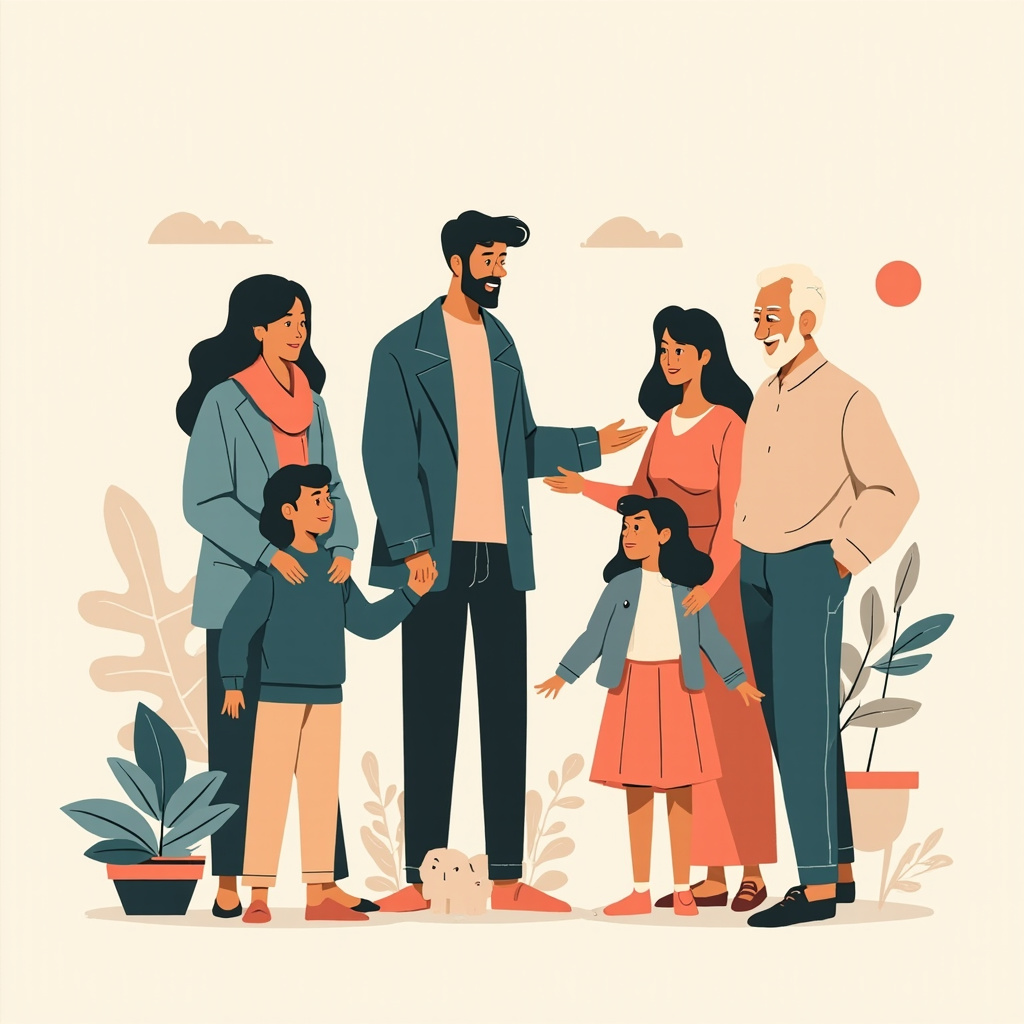
Introduce your family

Unit 2

  • I CAN introduce family members to others.
  • I CAN ask and answer about family.
  • I CAN write a short text about my family.
Introduce your family
Everyday English

Everyday English

5 cards

Meeting new people is easy when you know a few good phrases. Family introductions are some of the most useful phrases in English. You will use them at parties, at work, on the phone, and with new friends.

Look at the table of phrases. Read each one aloud. Try to remember three or four. They are short and simple. Use This is my... to introduce one person. Use Have you met...? when you are not sure if two people know each other. Use Nice to meet you the first time you meet someone new.

After you say This is my sister, you can also say Her name is Anna or She is ten years old. This gives more information and helps people start a conversation.

Listen and repeat the phrases often. The more you say them, the more natural you will sound. Soon, introducing your family will be easy and fun.

English
This is my mother.
This is my father.
This is my sister.
This is my brother.
Nice to meet you.
Have you met my family?
How are you?
I'm fine, thank you.

مقدمة عن المواقف

في الدرس ده هنتعلم إزاي تعرّف حد جديد على عيلتك، أو تتعرّف على عيلة حد تاني. ده بيحصل كتير في الشغل، في الحفلات، أو لما تزور صاحبك في بيته لأول مرة. الجمل اللي هتتعلمها قصيرة وبسيطة، لكنها بتفرق جداً في إنك تبان واثق ومهذب.

أهم جملة: This is my...

الجملة دي هي المفتاح بتاعك. بتقولها لما تكون عايز تقدّم حد لحد تاني. بعد my بتحط أي فرد من العيلة:

  • This is my mother — دي أمّي
  • This is my father — ده أبوي
  • This is my sister — دي أختي
  • This is my brother — ده أخي

كلمة this is معناها "ده/دي" وبنستخدمها للأشخاص اللي قدامنا. لو عايز تضيف اسم الشخص، بيقول مثلاً: This is my brother, David.

رد التحية: Nice to meet you

لما حد يقدّمك لحد جديد، الرد الطبيعي هو Nice to meet you يعني "سررت بلقائك". لو الطرف التاني هو اللي قالها الأول، بترد عليه وتقول Nice to meet you too، يعني "وأنا كمان سررت بلقائك". كلمة too بتنضاف لما تكون أنت ماشي على نفس الإيقاع.

سؤال: Have you met my family?

لو مش متأكد الشخصين يعرفوا بعض ولا لأ، ممكن تسأل Have you met my family? يعني "هل تعرّفت على عيلتي قبل كده؟".

السؤال والرد على الحال

بعد السلام، الناس بيسألوا على بعض: How are you? يعني "إزيك؟". الرد الأكتر شيوعاً هو I'm fine, thank you. And you? يعني "أنا تمام، شكراً، وأنت؟". خلي بالك إن And you? بتنضاف في الآخر عشان ترد المجاملة وتبيّن اهتمامك بالشخص التاني.

نصيحة للحفظ

الجمل دي قصيرة، فحاول تكررها بصوت عالي عدة مرات. كل ما تستخدمها في موقف حقيقي، كل ما هتبقى أسهل وأنضف.

At a small family party. Tom meets Emma's family for the first time.

  1. E
    Emma Tom, this is my mother, Maria.
  2. T
    Tom Nice to meet you, Maria.
  3. E
    Emma And this is my brother, David.
  4. T
    Tom Hello, David. Nice to meet you too.
  5. D
    David How are you, Tom?
  6. T
    Tom I'm fine, thank you. And you?
Required

Match each phrase with its function.

Match each phrase with its function.

  • Introduce one person
  • Greet someone new
  • Ask about health
  • Answer 'how are you'
  • This is my sister.
  • Nice to meet you.
  • How are you?
  • I'm fine, thank you.
Required

Put the lines of the conversation in the correct order.

  1. Hello, Lisa.
  2. Nice to meet you.
  3. This is my mother.
  4. This is my sister.
Required

Read this phrase aloud. Use it when you introduce your sister.

This is my sister, Anna.

Listening

Listening

5 cards

You will hear a conversation on the phone. Tom is calling his friend Emma. He wants to know about her family. Listen carefully. Pay attention to the names and ages.

Before you listen, look at these words: family, sister, mother, father, brother, name. You will hear all of them in the conversation. Think about who is in your own family. How many people? What are their names?

As you listen, try to find the answers to three questions: What is the conversation about? How many sisters does Emma have? How old is the sister? Keep the answers in your head.

Listen to the conversation two times if you can. The first time, just understand the main idea. The second time, listen for the small details — names, numbers, and ages. This is a good way to listen in English.

الدرس ده بيقدملكم موضوع العيلة، أو family، وده من أهم المواضيع في الإنجليزي. هنتعلم إزاي نسأل ونجاوب على أسئلة عن العيلة بطريقة بسيطة وطبيعية زي ما توم وإما عملوا في المحادثة.

كلمات العيلة الأساسية

  • mother = أم (ماما)
  • father = أب (بابا)
  • sister = أخت
  • brother = أخ
  • family = عيلة

السلام والافتتاح

في أول المحادثة، توم بيقول 'Hi, Emma. How are you?' يعني 'أهلاً إيما، إيه أخبارك؟'. كلمة 'Hi' دي زي ما إحنا بنقول 'أهلاً'، وبتنفع مع أصحابك واللي أنت عارفهم. و'How are you?' دي طريقة ودودة بتفتح بيها أي محادثة. وإما بترد 'Hi, Tom. I'm fine, thank you.' يعني 'أهلاً توم، أنا تمام، شكراً'.

السؤال بـ Do you have

توم بعد كده سأل سؤال مهم: 'Do you have a big family?' يعني 'عندك عيلة كبيرة؟'. السؤال ده بادئ بـ 'Do' لأننا بنسأل عن حاجة الحاضر. كلمة 'big' معناها 'كبيرة'، والعكس هو 'small' يعني 'صغيرة'. طريقة الإجابة على سؤال زي ده سهلة جداً:

  • لو الإجابة نعم: 'Yes, I do.'
  • لو الإجابة لأ: 'No, I don't.'

وإما هنا قالت 'Yes, I do'، وبعدين عدّت العيلة: 'I have a mother, a father, and one sister.' لاحظ إنها بتستخدم 'a' قبل كل اسم عشان مفيش تعريف، و'one sister' يعني 'أخت واحدة'.

ضمائر الملكية

لما تيجي تتكلم عن حد في عيلتك، بتحط 'my' قبل كلمة العيلة:

  • my mother = أمّي
  • my father = أبويا
  • my sister = أختي

السؤال عن الأسماء

توم كمان سأل 'What are their names?' يعني 'إيه أسامتهم؟'. كلمة 'their' بنستخدمها لما بنتكلم عن أكتر من شخص. والإجابة بنستخدم فيها فعل 'is' مع كل شخص لوحده:

  • My mother is Linda.
  • My father is Paul.
  • My sister is Sophie.

السؤال عن السن

لما تيجي تسأل عن عمر حد، بتقول 'How old is...?' يعني 'عمره كام؟'. وإجاوبة قالت 'She is seven.' يعني 'عندها سبع سنين'. لاحظ إن 'she' معناها 'هي' وبتنفع للبنات والسيدات، واللي بينفع للرجالة والولاد هو 'he'.

On the phone. Tom is calling his friend Emma to ask about her family.

  1. T
    Tom Hi, Emma. How are you?
  2. E
    Emma Hi, Tom. I'm fine, thank you.
  3. T
    Tom Do you have a big family?
  4. E
    Emma Yes, I do. I have a mother, a father, and one sister.
  5. T
    Tom What are their names?
  6. E
    Emma My mother is Linda. My father is Paul. My sister is Sophie.
  7. T
    Tom How old is Sophie?
  8. E
    Emma She is seven.
  9. T
    Tom That's a nice family. Do you have a brother?
  10. E
    Emma No, I don't. I have no brothers.
Required

What is this conversation about?

  • Emma's family
  • Emma's school
  • Emma's work
Required

Emma has one sister.

Required

Emma's sister Sophie is ___ years old.

Pronunciation

Pronunciation

6 cards

The /ð/ sound is one of the most common sounds in English. Many family words use it. Look at these words: this, the, they, mother, father, brother, other. You can see /ð/ in almost every sentence about family.

To make the /ð/ sound, put the tip of your tongue gently between your top and bottom teeth. Your top teeth touch the top of your tongue. Then, let the air move out and turn on your voice. You should feel a small buzz in your mouth and in your throat. This sound is voiced — your vocal cords vibrate when you say it.

The /ð/ sound is different from /θ/ (as in think). They use the same tongue position. But /θ/ has no voice. Put your hand on your throat. For /ð/, you feel a buzz. For /θ/, you feel nothing. This is a small difference, but it is very important.

Practice with these words slowly: this, the, they, mother, father, brother, other, another. Look in a mirror. Watch your tongue. Listen to yourself. Soon it will be easy.

صوت الـ /ð/ في الإنجليزي

السلام عليكم يا أصحاب! النهارده هنتكلم عن صوت مهم جدًا في اللغة الإنجليزية، وهو صوت الـ /ð/، اللي بنسمّيه أحيانًا "the voiced th sound". ده صوت بيظهر في كلمات كتير عن العيلة، زي this وthe وthey وmother وfather وbrother وother.

إزاي بتعمل الصوت ده بفيك؟

عشان تعمل صوت الـ /ð/ صح، لازم تعمل الخطوات دي:

  • حط طرف لسانك بهدوء بين سنانك العلوية وسنانك السفلية
  • سنانك العلوية يلمسوا ظهر لسانك من فوق بلمسة خفيفة
  • سيب الهوا يعدّي من جنب لسانك
  • فعّل صوتك في نفس الوقت

لما تعمل كده صح، هتحس بذبذبة خفيفة في حلقك. ده معناه إن الحبال الصوتية شغّالة. الصوت ده اسمه voiced يعني بصوت.

الفرق بين /ð/ و /θ/

صوت الـ /ð/ قريب جدًا من صوت الـ /θ/ (اللي في كلمة think). الاتنين بيستخدموا نفس وضع اللسان بالظبط، بس الفرق الأساسي إن الـ /θ/ من غير صوت، يعني الحبال الصوتية مش شغالة. عشان تعرف الفرق بإيدك، حط إيدك على حلقك:

  • لما تقول this ← هتحس بذبذبة في حلقك (ده الـ /ð/)
  • لما تقول think ← مش هتحس بحاجة خالص (ده الـ /θ/)

الفرق صغير بس مهم جدًا، وبيغيّر معنى الكلمة تمامًا.

نصايح للتدريب

  • قول الكلمات ببطء في الأول: this, the, they, mother, father, brother, other, another
  • بص في المراية عشان تشوف لسانك بين سنانك
  • حط إيدك على حلقك كل ما تقول كلمة، عشان تتأكد إنك بتحس بالذبذبة
  • اسمع نفسك وسجّل صوتك وقارنه بالنطق الصحيح

مع شوية تمرين يومي، الصوت ده هيبقى طبيعي ليك وهتلاقي نفسك بتقوله من غير ما تفكر. بالتوفيق!

Put the tip of your tongue between your top and bottom teeth. Touch the tongue lightly. Then, turn on your voice. Let the air flow out. Feel the buzz. Try the words: this, the, mother, father, brother.

Required

Listen. Which word do you hear?

  • this
  • thick
Required

Read this sentence. Listen for the /ð/ sound in 'this' and 'mother'.

This is my mother.

Required

Read this sentence. Listen for the /ð/ sound in 'they' and 'the'.

They are my family.

Required

Read this sentence. Listen for the /ð/ sound in 'the' and 'brother'.

The brother is here.

Reading

Reading

5 cards

In this section, you will read a short post from a website. The post is from a girl named Anna. She writes about her family. After you read, you will answer some questions.

Reading strategy: Look for capital letters. When you read about a family, the names of people are very important. Names in English always start with a capital letter — a big letter. Look for Anna, Tom, Maria, John. These big letters help you find the people in the text fast. They are easy to see, even when you read quickly.

Key words to know before you read:

  • family — mother, father, sisters, brothers, and other people in your home
  • parents — your mother and your father
  • sister — a girl who has the same parents as you
  • brother — a boy who has the same parents as you

Now read the short post. Find the names. Find the capital letters. Then answer the questions below.

ده جزء الـ reading، يعني إنت هتقرأ حاجة قصيرة. البوست ده من بنت اسمها Anna، وهي بتحكي عن عيلتها. بس قبل ما تبدأ، في كام كلمة لازم تعرفها الأول.

فكّر في كلمة family - دي معناها العيلة، يعني كل الناس اللي عايشين معاك في البيت: الأم والأب والإخوات. ولما تتكلم عن الأم والأب مع بعض، بتقول parents. الأم لوحدها بنقولها mother أو mom، والأب بنقوله father أو dad. طيب لو عندك بنت زيّك في نفس البيت، دي اسمها sister. ولو عندك ولد، ده brother. لاحظ إن في الإنجليزي مفيش فرق بين "أخ" و"أخوه" - الكلمة واحدة: brother.

الاستراتيجية المهمة هنا هي إنك تركز على الـ capital letters، يعني الحروف الكبيرة. ليه؟ لأن في الإنجليزي الأسماء دايماً بتبتدي بحرف كبير. مثلاً في البوست ده هتلاقي أسماء زي Anna و Tom و Maria و John. لما بتبص على نص فيه ناس كتير، لو بصيت على الحروف الكبيرة بس، هتعرف بسرعة مين بيتكلم ومين بيعمل إيه. ده بيساعدك حتى لو بتقرأ بسرعة.

الـ reading strategies اللي هتستخدمها:

  • Scanning: بتبص على النص بسرعة عشان تلاقي معلومة معينة - في حالتنا دي، الأسماء. مش لازم تقرأ كل كلمة.
  • Skimming: بتقرأ بسرعة عشان تفهم الفكرة العامة بس من غير تفاصيل كتير.

الهدف من الدرس ده مش بس إنك تقرأ، لكن كمان إنك تلاقي المعلومات المهمة بسرعة. ابدأ بـ skim عشان تفهم البوست عن إيه، بعدين اعمل scan عشان تجمع الأسماء وتفهم مين مين.

Read the post. Find the names. They all start with capital letters.


My Family

My name is Anna. I have a small but happy family. My mother is Maria. She is a teacher. My father is John. He is a doctor. I have one sister. Her name is Lisa. Lisa is ten years old. I have no brothers. My grandparents live near us. Their names are Rose and Peter. On Sundays, we eat lunch together. I love my family very much.


Now answer the questions below.

Required

What is this text about?

  • Anna's family
  • Anna's school
  • Anna's friends
Required

Anna's mother is a doctor.

Required

Anna has one sister named Lisa.

Speaking

Speaking

6 cards

Now you will practice speaking. You will introduce your family to a new friend. This is a very useful skill. You will use it many times in your life — at parties, at school, at work, and with new neighbors.

Look at the table of phrases. These are the most common ways to introduce people in English. Start with This is my... Then you can add the name: This is my mother, Sara. You can also give more information: She is a teacher. He is my brother.

Remember: she is for women and girls. He is for men and boys. Look at the person you are talking to. Smile. Speak slowly and clearly. Don't worry about mistakes. People understand you when you try.

Practice each phrase three or four times. Then practice the whole introduction. In the next steps, you will speak with the app. Speak clearly into the microphone. You can listen to your own voice and try again.

English When to use it
This is my... When you introduce one person
Nice to meet you. The first time you meet someone
This is my mother, [name]. When you want to add the name
She is my sister. To give more information
He is my brother. To give more information

النهارده عندنا تاسِك سبيكنج بسيط أوي، بس مهم جدًا في حياتك اليومية: إزاي تعرّف ناسك على حد جديد.

الموقف

أنت في عزومة أو مناسبة، ومعاك حد من صحابك أو زمايلك الجديدين. صاحبك مش عارف أهلك، وأنت عايز تعرّفه عليهم بشكل طبيعي ومهذب. في الموقف ده، الجملة السحرية اللي هتستخدمها هي "This is my..." وبعدها تقول مين الشخص.

الجُمل الأساسية

  • Hi! Nice to meet you. — دي بتتقال لما تقابل حد أول مرة. زي ما بنقول عندنا "أهلاً، يسعدني التعرف عليك."
  • Nice to meet you too. This is my mother, Sara. — هنا رديت بأدب وقدمتي ماما باسمها. ركّز على كلمة mother و father دول الكلمات الرسمية لأبوّيك، لكن ممكن تقول mom و dad في الكلام العادي.
  • And this is my brother, Ali.brother يعني أخوك الذكر، و sister يعني أختك.

نقطة جرام مهمة

لاحظ استخدام ضمير she للستات والبنات، وضمير he للرجالة والولاد. مثلاً:

  • She is my sister. (هي أختي)
  • He is my brother. (هو أخويا)

الضمير ده بنستخدمه لما ندي معلومات زيادة عن الشخص اللي قدّمناه، زي مثلاً نقول "She is a teacher" أو "He is my brother."

نصايح عملية

  • ابصُر في عين الشخص اللي بتكلمه وابتسم — ده بيخلّي التعارف دافي.
  • اتكلم ببطء وواضح، خصوصًا لو اسم الشخص جديد عليك.
  • متقلقش من الأخطاء. الناس بتفهمك لما تحاول.

الخطوة اللي جاية هتسجّل صوتك وأنت بتقول الجمل دي، وبعدها هتعمل شات مع الذكاء الاصطناعي — جرّب وقدّم أهلك بنفسك!

At a family party. You introduce your family to a new friend.

  1. F
    Friend Hi! Nice to meet you.
  2. Y
    You Nice to meet you too. This is my mother, Sara.
  3. F
    Friend Hello, Sara.
  4. Y
    You And this is my brother, Ali.
  5. F
    Friend Hi, Ali. Nice to meet you.

This is my mother, Sara.

This is the key phrase. Use 'This is my...' to introduce a family member. You can add the name after the family word.

Required

Read this phrase aloud. Clear and slow. Listen to your own voice.

This is my mother.

Required

Read this phrase aloud. Remember: 'she' is for a girl or woman.

She is my sister.

Required

You are at a small family party. A new friend is with you. Introduce three family members to your friend. Use 'This is my...' and 'She is...' or 'He is...'. Speak clearly and smile.

Writing

Writing

6 cards

Here is a short post about a family. It is from a website called 'My Family Page':

Hi! My name is Anna. I have a small family. My mother is Maria. She is a teacher. My father is John. He is a doctor. I have one sister. Her name is Lisa. I have no brothers. I love my family!

This post is short, but it has a lot of information. It uses simple sentences. Each sentence starts with a capital letter. The names are easy to see: Anna, Maria, John, Lisa.

Using capital letters: In English, names of people always start with a capital letter. Look at the model: Anna, Maria, John, Lisa. The word I (meaning me) is also always a capital letter. Capital letters are big: A is bigger than a. They make your writing easy to read. They show the reader: this is a name. Don't forget them!

Writing Your Family Introduction

في الـ writing task ده، المطلوب منك إنك تكتب paragraph قصير تعرف فيه بعيالك (introduce your family)، بالظبط زي ما Anna عملت في الـ model. الفكرة إنك تكتب جمل بسيطة وكل جملة تبدأ بـ capital letter، وكمان أسماء الناس تتبقى كلها بـ capital letter.

شكل الـ Paragraph المتوقع

الـ paragraph بيبقى شكله كده:

  • جملة افتتاحية بـ My name is ___. عشان تعرف بنفسك.
  • جملة عن حجم العيلة: I have a small family أو I have a big family.
  • جمل عن كل فرد: My mother is ___. أو My father is ___. وكمان ممكن تقول شغله: She is a teacher. أو He is a doctor.
  • جملة في الآخر فيها شعورك: I love my family!

الـ Capital Letters – قاعدة مهمة جداً

في الإنجليزي فيه قاعدة بسيطة بس ضرورية: أسماء الناس دايماً تبدأ بـ capital letter (حرف كبير). مثلاً:

  • Anna مش anna
  • Maria مش maria
  • John مش john
  • Lisa مش lisa

لاحظ إن الفرق واضح: A أضخم من a، وM أضخم من m. الـ capital letter دي بتقول للقارئ: "الكلمة دي اسم واحد".

الـ I – الحرف اللي دايماً كبير

الـ word اللي معناها "أنا" وهو I، بيتكتب دايماً capital، حتى لو كان في نص الجملة. يعني:

  • i have a sister. ❌ (غلط)
  • I have a sister. ✅ (صح)

ده لأن كلمة I دايماً بتشاور على الشخص اللي بيتكلم، فدايماً كبيرة.

أمثلة تطبيقية

لو عايز تكتب عن عيلتك، ممكن تقول:

  • My name is Sara. I have a small family. My mother is Layla. She is a nurse. My father is Ahmed. He is an engineer. I have one brother. His name is Omar. I love my family!

لاحظ إزاي كل اسم (Sara, Layla, Ahmed, Omar) بدأ بـ capital letter، وكلمة I في كل مكان كبيرة. كده writing بتاعك هيبان واضح ومنظم.

Writing tip: Use capital letters for names.

In English:

  • Names of people start with a capital letter: Anna, Tom, Maria.
  • The word I is always a capital letter.
  • Capital letters are big: A is bigger than a.

Look at the model text. How many capital letters do you see? Look at: Anna, Maria, John, Lisa, I. Every name and every 'I' starts with a big letter.

Required

In the model text, the writer uses capital letters for the names Anna, Maria, John, and Lisa.

Required

Why do we use capital letters for names?

  • To show they are important names and easy to find
  • Because they are long words
  • Because they are family words
Required

Now write your own short text about your family. Use the model as a guide. When you finish, read your text aloud. You can start with: 'My name is ___.'

My name is ___. I love my family.

Required