In English, adjectives usually come before the noun. The adjective tells you more about the noun. You can say a beach (just the noun), or a nice beach (adjective + noun). You can also use two adjectives together. When you use two, the order is important. The opinion adjective (what you think, like nice or beautiful) comes first. The fact adjective (what you can see, measure, or count, like long, old, or big) comes second.
Examples with one adjective:
a nicebeach
a bighotel
a hot day
a long flight
Examples with two adjectives (opinion + fact):
a nice longbeach ✓
a beautiful oldcity ✓
a nice bighotel ✓
One adjective
Two adjectives (opinion + fact)
a nice beach
a nice long beach
a big hotel
a nice big hotel
a hot day
a long hot day
a cold place
a beautiful cold place
Rule: Opinion first, then fact.'A beautiful long beach' is correct.'A long beautiful beach' is not correct.
ترتيب الصفات في اللغة الإنجليزية
لما بتحب توصف حاجة في الإنجليزي بأكتر من صفة واحدة، لازم تراعي ترتيب معين. القاعدة دي مهمة جداً عشان جملتك تبقى طبيعية وسليمة.
القاعدة الأساسية: الرأي قبل الحقيقة
القاعدة بسيطة جداً: الصفة اللي بتمثل رأيك الشخصي (opinion) بتتيجي الأول، وبعدها الصفة اللي بتمثل حقيقة (fact).
أمثلة على صفات الحقيقة: old (قديم)، big (كبير)، long (طويل)، hot (سخن)، cold (بارد)
أمثلة من الدرس
لما بنقول a beautiful beach (شاطئ جميل)، دي صفة واحدة بس من نوع الرأي. بس لو حبينا نضيف صفة تانية من نوع الحقيقة، بنحطها بعدها:
a beautiful old city (مدينة قديمة جميلة) ✓
a old beautiful city ✗
شف الفرق؟ لازم beautiful (الرأي) تيجي قبل old (الحقيقة).
أمثلة تانية:
a nice long beach (شاطئ طويل جميل) ✓
a nice big hotel (فندق كبير جميل) ✓
a long hot day (يوم حار طويل) ✓
a beautiful cold place (مكان بارد جميل) ✓
إيه اللي هتلاقيه في التمارين
في التمارين اللي جاية، هتشوف جمل فيها صفتين ومحتاج ترتبهم بالترتيب الصح. ركز على الخطوات دي:
اسأل نفسك: الصفة دي رأي (opinion) ولا حقيقة (fact)؟
الرأي دايماً بييجي الأول
الحقيقة دايماً بتيجي بعده
تذكّر إن a beautiful long beach صح، لكن a long beautiful beach غلط، حتى لو المعنى واحد. الإجليلز بيحسوا إن الجملة غريبة لو الترتيب مش مظبوط.
a beautiful beach
Read and listen. Notice the adjective before the noun.
a nice old city
Now there are two adjectives. Notice the order: opinion (nice) comes before fact (old).
Required
Look at the two examples above. When you use two adjectives, which one comes FIRST?
the opinion adjective
the fact adjective
the noun
Required
I want a ___ beach.
Required
Which sentence is correct?
a long beautiful beach
a beautiful long beach
Required
'A nice old hotel' is correct English.
Yes! Opinion (nice) comes first, then fact (old). 'A nice old hotel' is correct.
Required
Put the words in the correct order to make a sentence.
a
nice
long
beach
Required
Drag the correct adjective into each sentence.
nice
beautiful
long
hot
big
I want a beach.
It is a city.
I have a flight.
The hotel is .
It is a country.
Listening
Listening
5
cards
In this section, you will listen to a conversation between two friends, Emma and Tom. The app will voice the conversation for you. They are talking about Emma's holiday. Emma is telling Tom about her trip.
Before you listen, predict: Where do you want to go on holiday? A beach? A city? A mountain? In the next conversation, you will hear about Emma's holiday. Where does she go? How long is the holiday? Listen and find out the answers.
While you listen: Do not try to understand every word. Focus on the key information:
The place (where Emma goes)
The adjectives she uses (how the place is — nice? big? beautiful?)
The time (how long the holiday is)
After the conversation: You will answer three questions. First a gist question about the main idea. Then a true or false question about a specific fact. Finally, a fill in the blank question with one missing word.
محادثة عن الإجازة
تخيل إنك قاعد مع صاحبك وسألته "إيه الأخبار؟" وقالك "عندي إجازة الأسبوع الجاي!" - الإجابة دي في الإنجليزي بتبقى I have a holiday next week. الكلمة holiday مهمة جداً، ومعناها "إجازة" أو "عطلة".
النقط المهمة في المحادثة
1. التحية والسؤال عن الحال
في أول الكلام، إيمي وتوم بيتبادلوا التحية. إيمي بتقول Hi Tom! How are you? وتوم I'm fine, thanks! How are you? دي طريقة عادية جداً في الإنجليزي لما تقابل حد. خلي بالك إن الرد بيبقى زي I'm fine أو I'm great عشان تبيّن إنك كويس. الرد fine يعني "كويس/الحمد لله" أما great فمعناها "ممتاز/جامد".
2. الإجازة في المستقبل
إيمي بتقول I have a holiday next week. استنى ثانية! إيه الفرق بين next week و this week؟ Next week معناها "الأسبوع اللي جاي" أما this week معناها "الأسبوع ده". لما عايز تقول حاجة مخططلها في المستقبل القريب، بتستخدم next.
3. إزاي بتتكلم عن مكان الإجازة
لما إيمي قالت I go to Turkey، بص بقى! هنا بنستخدم I go مع إنها بتتكلم عن المستقبل. في الإنجليزي، بنستخدم المضارع البسيط عشان نتكلم عن خطط مؤكدة أو حاجة متفق عليها. فـ I go to Turkey معناها "أنا رايح تركيا" أو "هاروح تركيا".
4. السؤال عن المدة
توم سأل How long is the holiday? - يعني "الإجازة قد إيه؟" لو عايز تسأل عن مدة أي حاجة في الإنجليزي، استخدم How long. والإجابة ممكن تكون one week أو seven days.
الكلمات اللي لازم تحفظها
holiday = إجازة
next week = الأسبوع الجاي
exciting = مثير / حاجة حلوة
How long...? = قد إيه...؟ (عن المدة)
fine / great = كويس / ممتاز
نصيحة للاستماع
لما تسمع المحادثة، ركز على 3 حاجات بس:
المكان - إيمي رايحة فين؟ (الإجابة: تركيا)
المدة - الإجازة قد إيه؟ (الإجابة: أسبوع / سبع أيام)
الوصف - الفندق حلو ولا لأ؟
متحاولش تفهم كل كلمة. خليك مركّز على الفكرة العامة. كده هتاخد الإجابة الصح من أول مرة.
Emma and Tom are friends. They are talking about Emma's holiday.
E
EmmaHi Tom! How are you?
T
TomI'm fine, thanks! How are you?
E
EmmaI'm great! I have a holiday next week.
T
TomOh, nice! Where do you go?
E
EmmaI go to Turkey. I am so happy.
T
TomHow exciting! How long is the holiday?
E
EmmaIt is one week. Seven days.
T
TomIs the hotel nice?
E
EmmaYes! The hotel is very nice and big.
T
TomI want to go to Turkey too!
Required
Where does Emma go on holiday?
Turkey
Oman
France
Required
The holiday is one week (seven days).
Yes, Emma says 'It is one week. Seven days.'
Required
The hotel is very ___ and big.
Pronunciation
Pronunciation
6
cards
In this lesson, we practice the long /iː/ sound. This is the 'ee' sound you hear in beach, leave, and week.
How to make /iː/:
Your tongue is high and forward in your mouth, near the roof.
Your lips are in a smile shape — wide and stretched.
You hold the sound long — about one second.
Your voice is ON (it is a vowel, so you use your voice).
How to make the short /ɪ/ sound (for comparison):
Your tongue is high but a little lower.
Your mouth is more relaxed, not a big smile.
The sound is short.
These two sounds can change the meaning of a word. For example, beach /biːtʃ/ and bit /bɪt/ sound very different. Listen carefully to the difference.
Words with /iː/:
beach — I love the beach.
leave — I leave on Friday.
week — One week of holiday.
heat — The heat is strong.
Words with /ɪ/:
bit — A little bit.
live — I live in a city.
hit — I hit the ball.
sit — I sit on the chair.
صوت الـ /iː/ الطويل في الإنجليزي
في اللغة الإنجليزي فيه صوت مهم جداً اسمه الـ long /iː/، وده الصوت اللي بتسمعه في كلمات زي beach وleave وweek. كل الكلمات دي فيها نفس الصوت بالظبط، بس معنى كل واحدة فيهم مختلف تماماً.
إزاي تعمل الصوت ده بفيزيك؟
عشان تنطق الـ /iː/ صح، جسمك بيعمل الحاجات دي:
لسانك يبقى عالي وقدام في بقك، قريب من سقف الحنك
شفتيك يتمدوا على شكل ابتسامة عريضة، مش مسترخيين
تفضل ماسك الصوت لمدة ثانية كاملة تقريباً، متقطعهوش بسرعة
صوتك يبقى شغال طول الوقت، لأن ده حرف علة (vowel) ومحتاج اهتزاز الحبال الصوتية
الفرق بين /iː/ الطويل و /ɪ/ القصير
فيه صوت تاني قريب جداً منه اسمه /ɪ/، وده بيخلي كلمات كتير تتلخبط. الفرق بينهم:
في /iː/: لسانك عالي قدام جداً، شفايفك مبتسمة، والصوت طويل
في /ɪ/: لسانك عالي بس أقل شوية، بقك أرخى، والصوت قصير
أمثلة عملية
beach (شاطئ) — I love the beach. /biːtʃ/
bit (قليل) — A little bit. /bɪt/
leave (أروح/أسافر) — I leave on Friday. /liːv/
live (عيش/سكن) — I live in a city. /lɪv/
week (أسبوع) — One week of holiday. /wiːk/
hit (اضرب) — I hit the ball. /hɪt/
sit (اقعد) — I sit on the chair. /sɪt/
heat (حرارة) — The heat is strong. /hiːt/
ليه ده مهم؟
لما تيجي تقول beach، خد بالك إنها مش زي bit! لو نطقت /biːtʃ/ يبقى معنى الكلام شاطئ، لكن لو نطقت /bɪt/ يبقى معناه قليل، وده فرق كبير. نفس الحاجة بالظبط مع leave وlive — حرف واحد بس بيغير المعنى كله حسب طول الصوت.
نصيحة للتمرين
لما تتمرن، حاول تعمل الابتسامة العريضة دي وتخلي لسانك في أعلى مكان. اسمع الكلمة كويس، وبعدين كررها بصوت عالي من بقك. ركز إنك تمدد الصوت مش تقطعه.
To make /iː/: smile wide, tongue high and forward, hold the sound long. The word beach has this sound: /biːtʃ/. Compare with bit /bɪt/ — short, relaxed mouth.
Required
Listen to the word. Which one do you hear?
beach
bit
Required
Say the word. Smile wide and hold the /iː/ sound: /biːtʃ/.
beach
Required
Now say this word. Long /iː/ sound: /liːv/.
leave
Required
One more. Long /iː/ sound: /wiːk/.
week
Speaking
Speaking
7
cards
Now it is your turn to talk about a holiday. Use short, simple sentences. Start with the place, then add an adjective to describe it. This is the best way to sound natural in English.
Useful phrases for talking about a holiday:
I go to the beach. / I go to the mountains. / I go to a city.
My holiday is great / nice / relaxing.
The hotel is nice / big / beautiful.
The beach is beautiful / long / nice.
I have a one-week holiday.
How is your holiday? — It is great!
Pattern to remember:adjective + noun. The adjective comes before the noun.
I love the nice beach.
I see a big hotel.
I want a long holiday.
When you speak, follow these steps:
Take a breath and relax.
Smile — this helps with the /iː/ sound in words like beach and week.
Say the sentence slowly and clearly.
Listen to yourself. Can you hear the adjective before the noun?
In the next steps, you will listen to a model conversation, repeat key sentences, and then have a real conversation with Tom about a holiday. Have fun!
إزاي تتكلّم عن الأجازات بالإنجليزي
يا باشا، لما عايز تحكي لصاحبك عن الأجازة بتاعتك، مش لازم تستخدم جمل طويلة ومعقّدة. الأهم إنك تبدأ بالمكان وبعدين تضيف صفة تصفه. ده بيخلّيك تتكلّم بشكل طبيعي زي الناس اللي لغتهم أمّهم إنجليزي.
الجُمل اللي هتحتاجها في الكلام:
I go to the beach. — أنا بروح الشاطئ
I go to the mountains. — أنا بروح الجبل
I go to a city. — أنا بروح مدينة
My holiday is great / nice / relaxing. — أجازتي حلوة / جميلة / مريحة
The hotel is nice and big. — الفندق حلو وكبير
The beach is beautiful. — الشاطئ جميل
القاعدة الذهبية: الصفة قبل الاسم
في الإنجليزي، الصفة بتيجي قبل الاسم دايمًا. يعني لو عايز تقول "شاطئ جميل" هتقول beautiful beach، مش beach beautiful. اتعوّد على الترتيب ده عشان كل جملة وصفية في الإنجليزي بتمشي بيه.
أمثلة توضيحية:
I love the nice beach. (أنا بحب الشاطئ الحلو)
I see a big hotel. (أنا شايف فندق كبير)
I want a long holiday. (أنا عايز أجازة طويلة)
الحوار اللي هتسمعه:
إيما هتفتح الكلام مع توم وتقول: Hi Tom! Tell me about your holiday. وتوم يردّ عليها: I go to the beach. The beach is beautiful. وإيما تكمّل: Nice! How long is the holiday? فيقولها: One week. The hotel is nice and big. وفي الآخر يقول: Yes! I am so happy. The holiday is great.
نصايح مهمّة قبل ما تتكلّم:
خد نَفَس وابتسِم — الابتسامة بتساعدك تطلّع صوت الـ /iː/ الطويل في كلمات زي beach وweek بشكل صح. اتكلّم بهدوء وبوضوح، وبعدها سمع نفسك: هل الصفة جت قبل الاسم ولا لا؟
اللي جاي إيه:
هتسجّل صوتك وأنت بتقول الجُمل، وبعدين هتعمل شات مع الذكاء الاصطناعي عن أجازتك. خليك مرتاح واستمتع!
Listen to a short model conversation. Notice the phrases.
E
EmmaHi Tom! Tell me about your holiday.
T
TomI go to the beach. The beach is beautiful.
E
EmmaNice! How long is the holiday?
T
TomOne week. The hotel is nice and big.
E
EmmaDo you like it?
T
TomYes! I am so happy. The holiday is great.
I go to the beach.
This is the key phrase. Listen and read it.
Required
Say the sentence out loud. Clear and slow.
I go to the beach.
Required
Now this sentence. Remember: adjective (great) + noun (holiday).
My holiday is great.
Required
Tom asks you about your holiday. Tell him: where you go, how long, and what the place is like. Use adjectives like nice, big, beautiful, or long.
Required
Vocabulary
Vocabulary
6
cards
In this lesson, you will learn eight important words about holidays. Some words are places (where you go on holiday), and some words are things (what you use or need).
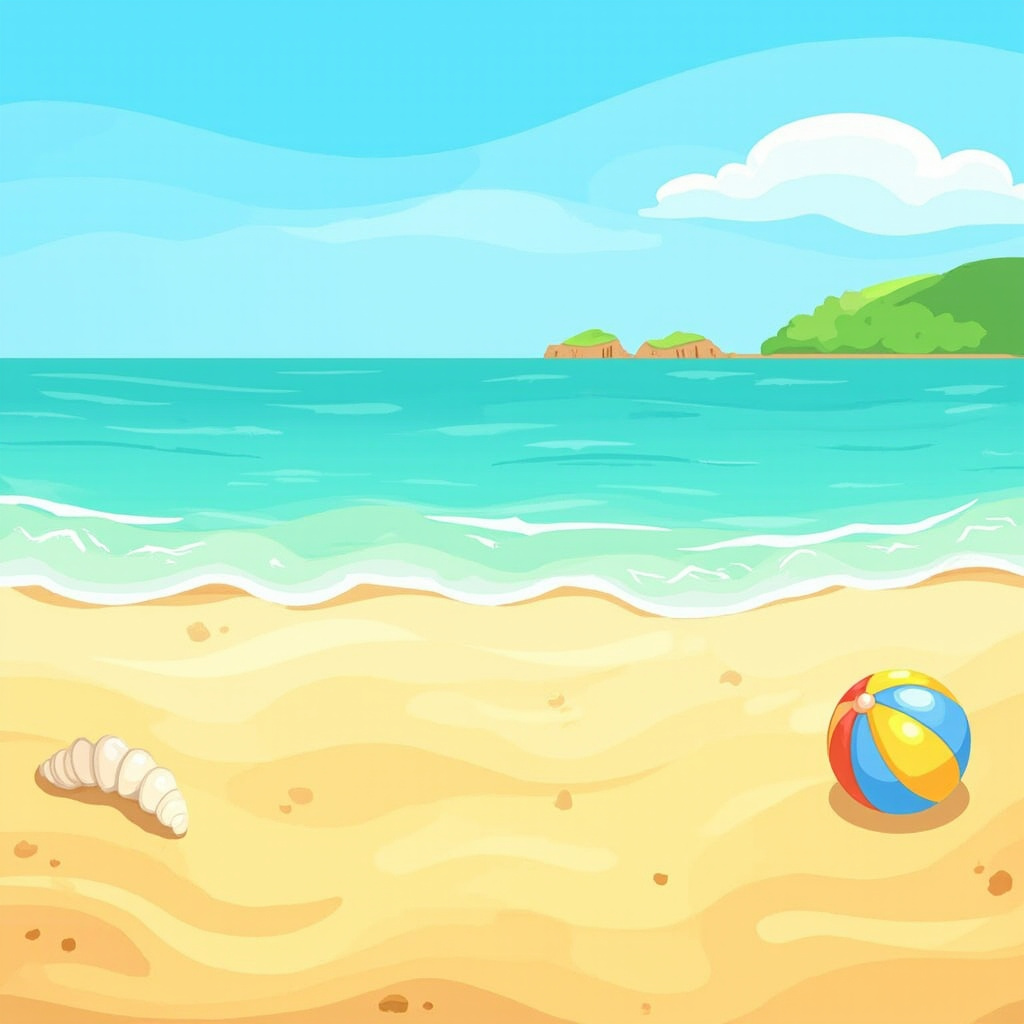
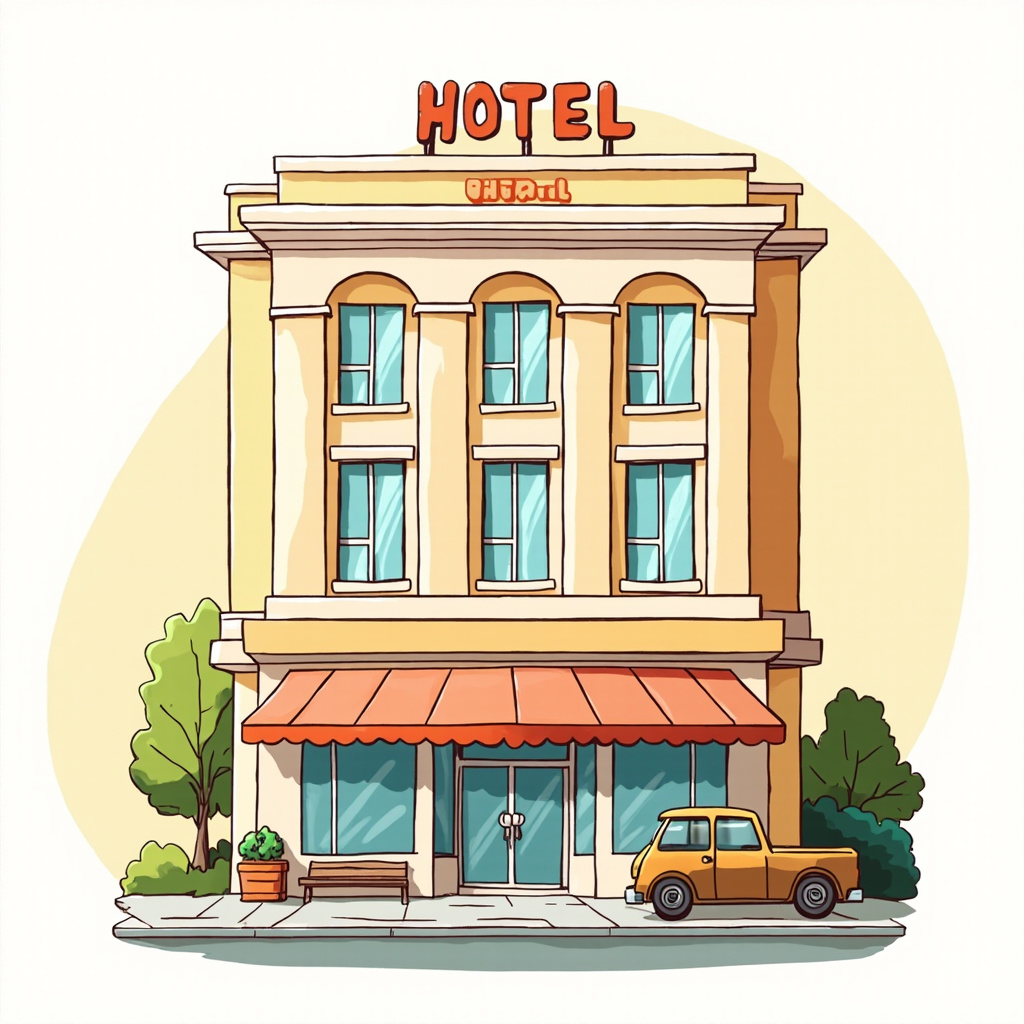
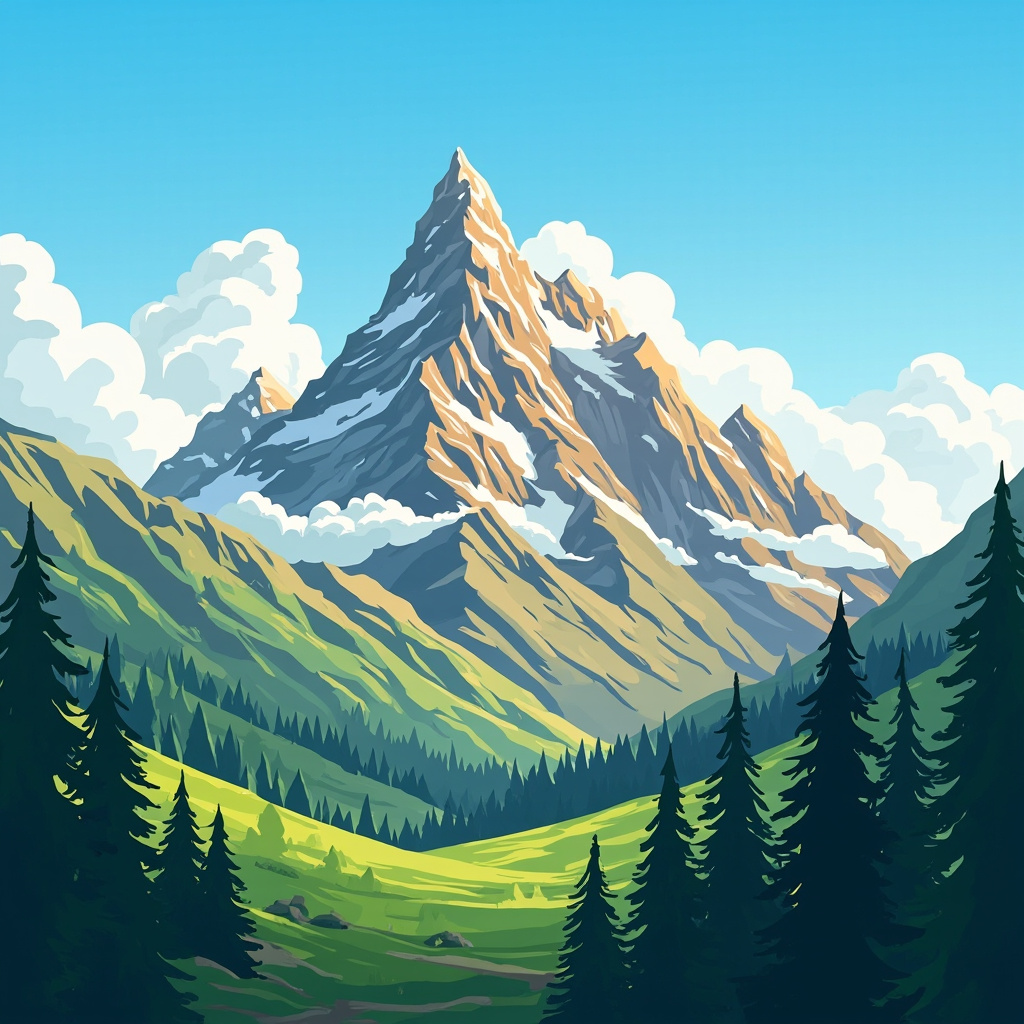
Places: the beach (sand and sea), the mountain (very high), the city (big buildings), the hotel (where you sleep).
Things you use: the plane (you fly in it), the ticket (you buy it to get on the plane), the suitcase (you pack your clothes), the week (seven days of holiday).
Look at the table.Read the example sentences out loud — this helps you remember. Try to use each word in a new sentence of your own.
Word
Type
Example
beach
noun
I love the beach.
mountain
noun
The mountain is high.
city
noun
The city is big.
hotel
noun
The hotel is nice.
plane
noun
The plane is fast.
ticket
noun
I have a ticket.
week
noun
One week is seven days.
suitcase
noun
My suitcase is heavy.
Tip: When you learn a new word, say it in a full sentence. Words are easier to remember in context.
مفردات الإجازة والسفر
في الدرس ده هنتعلم مع بعض 8 كلمات أساسية بتستخدمها لما تتكلم عن الإجازة والسفر. الكلمات دي هتساعدك لو رحت تسافر، أو هتحكي لحد عن مكان رحتله، أو هتعمل بوست على السوشيال ميديا عن رحلتك.
نوعين من الكلمات
الكلمات هنا اتقسمنا لجزئين:
أماكن (Places): الكلمات اللي بنقول بيها هنروح فين، زي الـ beach والـ mountain والـ city والـ hotel.
حاجات (Things): الكلمات اللي بنقول بيها هنعمل إيه أو هناخد إيه معانا، زي الـ plane والـ ticket والـ suitcase والـ week.
الأماكن
beach = شاطئ، يعني مكان فيه رملة وبحر. بنقول: I love the beach.
mountain = جبل، مكان عالي جداً ومناظره جميلة. The mountain is high.
city = مدينة، فيها مباني كتير وناس كتير وشوارع. The city is big.
hotel = فندق، المكان اللي بننام فيه لما نسافر. The hotel is nice.
الحاجات
plane = طيارة، الحاجة اللي بنطير بيها من بلد لبلد. The plane is fast.
ticket = تذكرة، الورقة اللي بتدينا الحق ندخل الطيارة. I have a ticket.
suitcase = شنطة السفر، الشنطة الكبيرة اللي بنحط فيها الهدوم. My suitcase is heavy.
week = أسبوع، يعني سبع أيام. One week is seven days.
نقط مهمة في القواعد
كل الكلمات دي أسماء (nouns)، يعني بنستخدمها عشان نسمي حاجات أو أماكن.
لما نتكلم عن حاجة معينة نعرفها، بنحط قبلها the، زي the beach أو the hotel.
لما نتكلم عن أي حاجة من غير ما نحددها، بنحط a أو an.
عشان نوصف الاسم، بنستخدم is لأن كل الأسماء هنا مفرد. مثلاً: The plane is fast.
لو عايز تقول إن الحاجة دي بتاعتك، بتضيف my قبل الاسم زي my suitcase أو my ticket.
الجملة النموذجية من الدرس
My suitcase is heavy. معناها "شنطتي تقيلة". هنا استخدمنا My عشان الشنطة بتاعتي أنا، وheavy معناها تقيلة، عشان نوصف بيها الشنطة.
نصيحة للحفظ
لما تتعلم أي كلمة جديدة، متحفظهاش لوحدها. حاول تعمل بيها جملة كاملة من عندك زي I want to go to the beach. أو The hotel is expensive. كده هتفتكرها أسرع وهتعرف تستخدمها في كلامك.
Meet the eight holiday words. Read each word and look at the Arabic meaning.
beachbiːtʃ
An area of sand or small stones beside the sea or a lake where people go to relax or play.
cityˈsɪt.i
a large town :
any town in the UK that has a cathedral (= large , important church ) :
the government of a cit
hotel
a building where travelers pay to sleep.
mountainˈmaʊntɪn
A very large natural elevation of the earth's surface, higher than a hill.
planepleɪn
An aircraft with fixed wings that is powered by engines and can fly through the air. It is an informal short f
suitcaseˈsuːtkeɪs
A rectangular container with a handle, used for carrying clothes and personal belongings when traveling.
ticketˈtɪkɪt
A small paper or electronic document that gives you the right to travel on a bus, train, plane, etc., or to en
weekwiːk
a period of seven days , especially either from Monday to Sunday or from Sunday to Saturday :
the five days fr
Required
Match each word to its meaning.
Match each word to its meaning.
beach
mountain
hotel
plane
ticket
suitcase
week
city
sand and sea
very high hill
place to sleep on holiday
you fly in this
paper to get on a plane
you pack clothes in it
seven days
big place with buildings
My suitcase is heavy.
Read and listen. This sentence uses the new word 'suitcase'.
Required
Listen to the sentence. Which word do you hear?
beach
mountain
city
Required
I want to fly to a new country. I need a ___ and a suitcase.