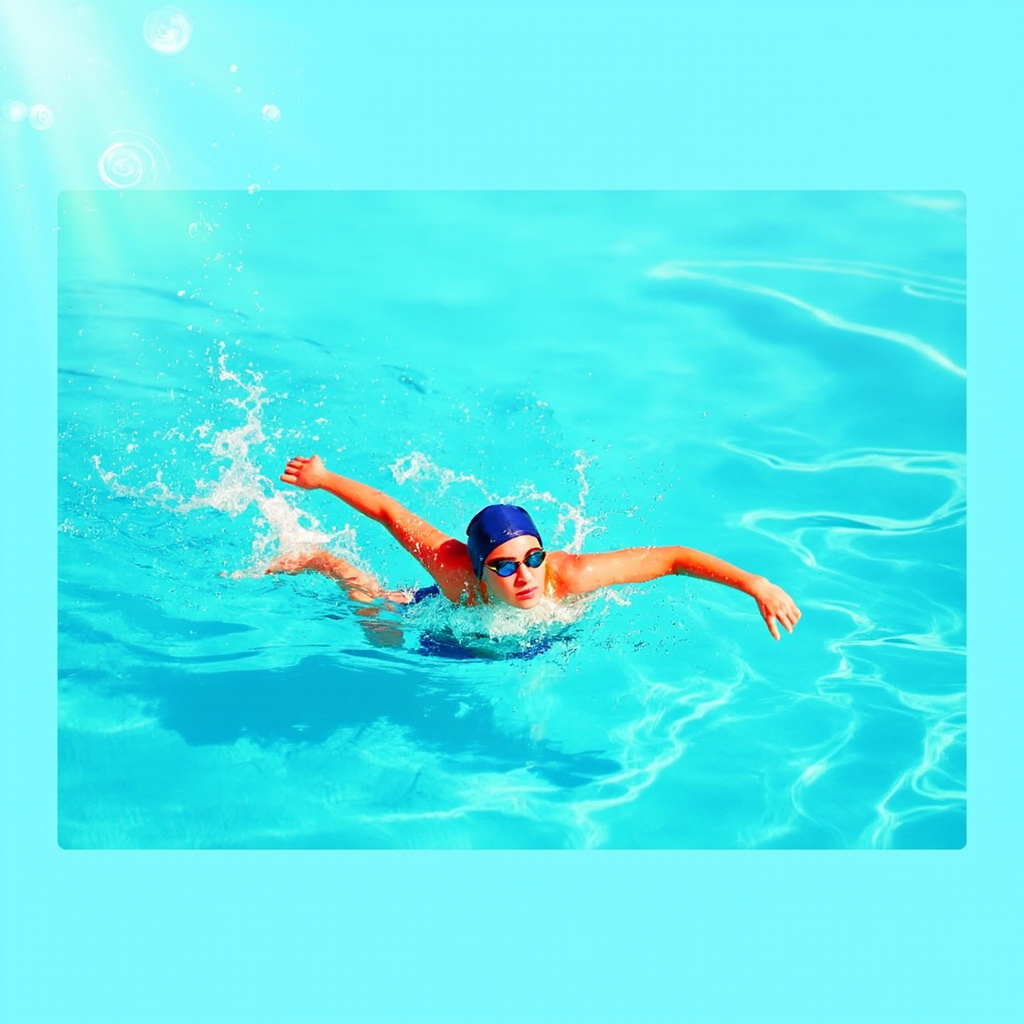
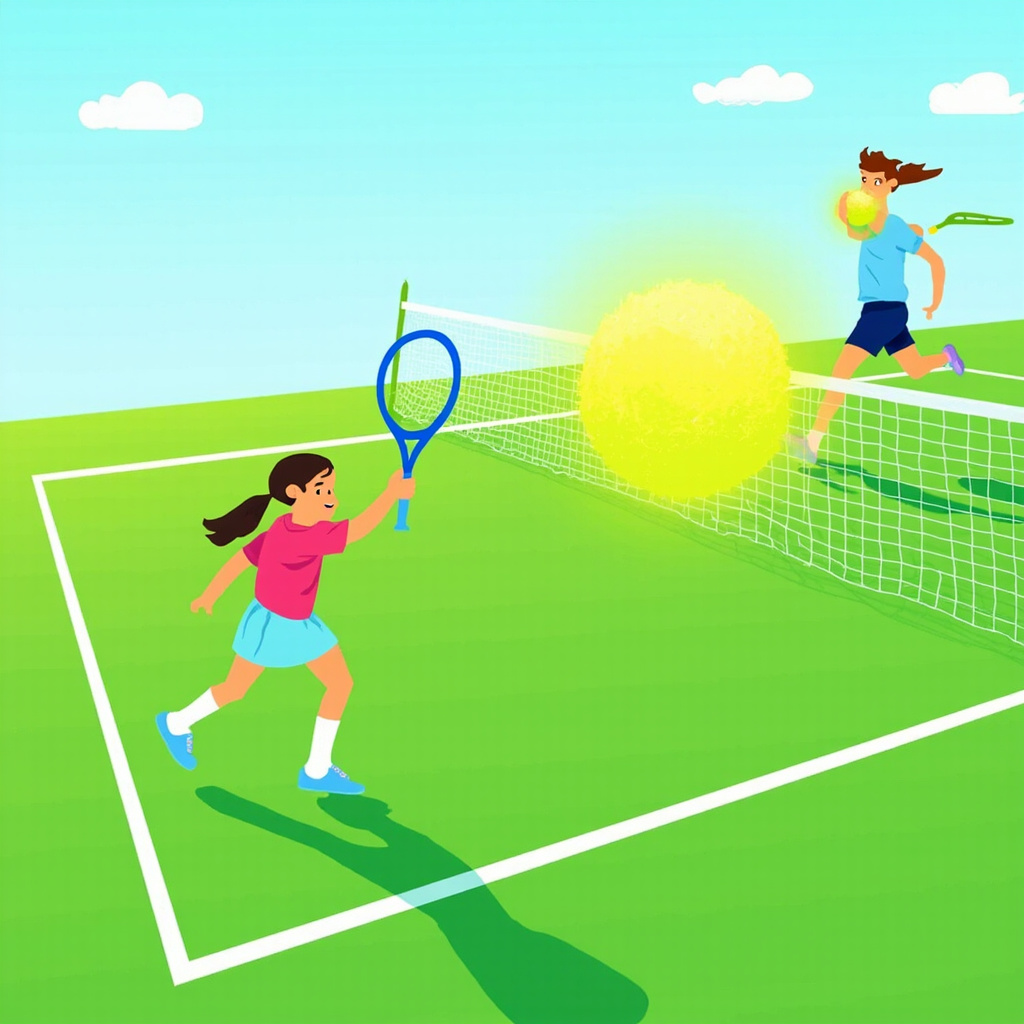
In this lesson, we use the present simple to talk about sports we play. The present simple describes habits and facts — things we do regularly, every week, or every day. We use it for sports because they are part of our weekly routine.
Look at the table below. The pattern is simple: with I, you, we and they, the verb stays in its base form. There is no -s at the end. So we say 'I play football', not 'I plays football'. We add don't to make a negative: 'I don't play tennis'. For questions, we use do: 'Do you play basketball?'
Subject
Positive
Negative
Question
I
I play football.
I don't play football.
Do I play football?
you
You play football.
You don't play football.
Do you play football?
we
We play football.
We don't play football.
Do we play football?
they
They play football.
They don't play football.
Do they play football?
Short answers:
Yes, I do. / No, I don't.
Yes, we do. / No, we don't.
Yes, they do. / No, they don't.
You can also use go + verb-ing for some sports: 'I go swimming', 'We go running'. Here, the verb is in the -ing form because it follows 'go'.
Common time words that show a habit: every day, every week, on Mondays, on weekends, in the morning, after school, at the weekend. These words often come at the end of the sentence or at the beginning.
Be careful! Many learners add -s to every verb, but we only add -s with he / she / it (not in this lesson). With I, you, we, they, the verb is always the base form.
Look at these three sentences:
I play football.
They play tennis.
We play basketball.
In all three, the verb is 'play' — no -s, no change. The subject (I, they, we) does not change the verb form.
اتكلم عن الرياضة: Present Simple
في الدرس ده بنتعلم إزاي نتكلم عن الرياضات اللي بنلعبها بانتظام، والقاعدة اللي هنستخدمها اسمها present simple، ودي بنستعملها للحاجات اللي بنعملها كل يوم أو كل أسبوع بشكل اعتيادي. يعني لما نقول "أنا بلعب فوتبول كل جمعة" ده يبقى عادة مش حدث مرة واحدة.
القاعدة الأساسية: الفعل بيفضل زي ما هو
مع الضمائر I, you, we, they، الفعل بيفضل في شكله الأصلي من غير ما نضيف حاجة في الآخر:
I play football — أنا بلعب فوتبول
You play tennis — إنت بتلعب تنس
We play basketball — إحنا بنلعب باصكت بول
They play rugby — هم بيلعبوا رجبى
ملحوظة مهمة: مفيش -s في الآخر خالص مع الضمائر دي. كتير بيغلطوا ويقولوا "I plays" وده غلط.
النفي (Negative) بـ don't
عشان تقول إنك مش بتلعب رياضة معينة، بتحط don't قبل الفعل:
I don't play tennis — أنا مش بلعب تنس
We don't play football — إحنا مش بنلعب فوتبول
They don't go swimming — هم مش بيروحوا يعوموا
الأسئلة بـ do
عشان تسأل سؤال، بتحط do في بداية الجملة:
Do you play football? — إنت بتلعب فوتبول؟
Do they play tennis? — هم بيلعبوا تنس؟
Do we go running? — إحنا بنجري؟
والإجابة المختصرة:
Yes, I do. — أيوه.
No, I don't. — لأ.
قاعدة الـ go + verb-ing
في رياضات معينة، بنستخدم go وبعدها الفعل بصيغة -ing:
I go swimming — بروح أعمل سباحة
We go running — بنجري
They go cycling — بيركبوا عجلة
كلمات الوقت اللي بتأكد العادة
عشان تبيّن إن الفعل عادة، بنستخدم تعبيرات زي:
every day — كل يوم
every weekend — كل ويكند
on Saturdays — أيام السبت
after school — بعد المدرسة
خلاصة سريعة
مع I, you, we, they: الفعل بيفضل base form
النفي: don't + فعل
السؤال: Do + subject + فعل
بعض الرياضات: go + verb-ing
I play football every weekend.
Base form 'play' with the subject 'I'.
They don't play tennis, but they go running on Saturdays.
Negative with 'don't' + base form. 'Go running' = verb-ing after 'go'.
Required
Look at the two sentences above. What is the form of the verb after 'I', 'you', 'we' and 'they'?
base form (no -s)
verb + s
verb-ing
past tense
Required
I ___ (play) tennis every Sunday.
Required
Which question is correct?
Do you play basketball?
Does you play basketball?
You play basketball?
Play you basketball?
Required
We plays football after school.
With 'we', the verb stays in the base form: 'play' (no -s). The correct sentence is 'We play football after school.'
Required
Put the words in the correct order to make a question.
tennis
you
play
Do
?
Required
Drag the correct verb into each sentence.
play
go
play
play
go
I football on Saturdays.
We swimming on Fridays.
They basketball at school.
You tennis very well.
We running in the morning.
Listening
Listening
5
cards
Two friends, Emma and Tom, meet at a sports club. They talk about the sports they play and the sports they want to try. Listen carefully — they use the present simple to talk about their weekly habits.
Before you listen, think about this question: what sports do you and your friends play?
In the dialogue, you will hear:
the verb play with ball sports
the verb go + verb-ing with movement sports
short answers: 'Yes, I do' and 'No, I don't'
The dialogue is short — about eight lines. Listen for the names of the sports and the days of the week. Don't worry if you miss a word the first time. Listen a second time and answer the questions.
Tip: when you listen for specific information, focus on the keywords — the sport, the day, or the person's name. Your brain can pick out one word even if you don't understand every word.
Vocabulary to know:
weekend: Saturday and Sunday
after work: in the evening, when your job is finished
sports centre: a building with a swimming pool, gym, and sports courts
to try: to do something for the first time to see if you like it
After the dialogue, you will answer three questions: one about the general topic (gist), one about a specific fact, and one where you complete a sentence with a missing word.
في الدرس ده هتسمع مكالمة بين اتنين أصحاب اسمهم Emma و Tom، وبيتقابلوا في sports centre يوم السبت. هما بيتكلموا عن الرياضات اللي بيحبوا يلعبوها — Tom بيقول إنه plays football every weekend، و Emma بترد إنها plays tennis مع اختها وبتروح swimming يوم الجمعة. كلامهم بسيط وطبيعي، وفيه معلومات مفيدة جداً على مستوى الـ A2.
القاعدة الأساسية: الـ Present Simple للعادات
لما تحب تتكلم في الإنجليزي عن حاجة بتعملها بانتظام — رياضة، هواية، روتين يومي — بتستخدم الـ present simple. في الدرس ده ركز على نوعين مهمين من الأفعال:
play + ball sport: لما الرياضة فيها كورة أو حاجة شبه كده. زي play football، play tennis، play basketball.
go + verb-ing: لما الرياضة فيها حركة أكتر زي سباحة أو جري. زي go swimming، go running.
كمان ركز على الإجابات القصيرة. لو حد سألك "Do you like sports?" الرد بيكون "Yes, I do" أو "No, I don't". الـ do والـ don't هم اللي بيفرقوا بين الإجابة الإيجابية والسلبية، ودول اللي المفروض تركز عليهم وانت بتسمع.
كلمات لازم تعرفها قبل ما تسمع:
weekend: يعني السبت والأحد.
after work: بعد الشغل، يعني بالليل.
sports centre: مبنى فيه حمام سباحة، gym، وملاعب.
to try: تعمل حاجة أول مرة عشان تشوف هتعجبك ولا لأ. زي ما Tom قال "I want to try it" لما Emma عرضت عليه يلعب tennis.
نصيحة للـ Listening
بعد المكالمة هييجي ٣ أسئلة: واحد عن الفكرة العامة (gist)، واحد عن معلومة محددة، وواحد fill in the blank. لما تسمع المكالمة، متحاولش تفهم كل كلمة — ركز على الكلمات المفتاحية بس، زي اسم الرياضة، اليوم، أو اسم الشخص. ودماغك هتقدر تلتقط الكلمة دي حتى لو مسمعتيش باقي الجملة. اسمع مرة للـ gist، ومرة تانية للـ details.
Two friends, Emma and Tom, meet at a sports club and talk about the sports they play.
E
EmmaHi Tom! Do you like sports?
T
TomYes, I do! I play football every weekend. What about you?
E
EmmaI play tennis with my sister. Do you play tennis too?
T
TomNo, I don't. But I want to try it.
E
EmmaYou should! I also go swimming on Fridays.
T
TomI play basketball with friends after work. And I go running in the morning.
E
EmmaWow, you're very active, Tom!
T
TomThanks! I love sports.
Required
What is the conversation mainly about?
Emma's job
Sports they play
Their favourite food
A holiday
Required
Who plays tennis?
Tom
Emma
Emma's sister
Nobody
Required
Tom plays ___ with friends after work.
Pronunciation
Pronunciation
6
cards
In this lesson, we focus on the final -ing sound, written /ŋ/. You can hear this sound in many sports: swimming, running, cycling. You also hear it in everyday words like morning, going, and playing.
How do you make the /ŋ/ sound? The back of your tongue rises and touches the soft palate — this is the soft part at the back of the roof of your mouth. The air then comes out through your nose, not your mouth. The sound is voiced — put your hand on your throat and you will feel a small vibration.
Compare /n/ and /ŋ/:
/n/: the tip of the tongue touches the roof of the mouth just behind the teeth. Air comes out through the nose.
/ŋ/: the back of the tongue touches the soft palate. The tip of the tongue stays low and does not move.
Many learners say 'swimmin'' or 'runnin'' — they drop the /g/. Don't do this! Keep the /g/ sound at the end: /ˈswɪmɪŋ/, /ˈrʌnɪŋ/, /ˈsaɪklɪŋ/.
Words with /ŋ/ in this lesson:
swimming
running
cycling
morning
going
playing
Try saying each word slowly, then faster. The /ŋ/ sound must be clear at the end.
Listen to the difference between these two words:
thin /θɪn/ — ends with /n/, the tip of the tongue moves up.
thing /θɪŋ/ — ends with /ŋ/, the back of the tongue moves up.
These two words sound very similar, but the tongue position is different. Practise saying 'thin' and 'thing' three times. Feel the difference in your mouth.
In British English, the /ŋ/ sound is very common in -ing endings. When you say 'swimming', 'running' and 'cycling', make sure your tongue touches the back of your mouth, not the front.
صوت الـ /ŋ/ — اللي بنسمعه في آخر كلمات -ing
في الدرس ده هنتعلم صوت مهم جداً في الإنجليزي، اسمه /ŋ/. الصوت ده هو اللي بيبان في آخر كلمات كتير بنستخدمها في الرياضة والحياة اليومية، زي swimming و running و cycling.
إزاي بتعمل الصوت ده بتمك؟
عشان تنطق الـ /ŋ/ صح، لازم تعمل الخطوات دي:
طرف لسانك يفضل تحت وميرفعش خالص ناحية الأسنان
آخر اللسان (الجزء اللي ورا) يرفع ويلمس سقف بقك من ورا — المنطقة الطرية في آخر الفم
الهوا يطلع من مناخيرك مش من بقك
حنجرتك تهتز — حط إيدك على رقبتك وهتحس بالاهتزاز ده، وده معناه إن الصوت voiced
الفرق بين /n/ و /ŋ/
كتير من المتعلمين بيخلطوا بين الصوتين دول لأنهم قريبين من بعض:
/n/ (زي كلمة thin): هنا طرف اللسان بيلمس سقف الفم ورا الأسنان، والهوا بيطلع من الأنف
/ŋ/ (زي كلمة thing): هنا آخر اللسان بيلمس المنطقة الطرية ورا الفم، وطرف اللسان بيظل ساكت تحت
كلمات من الدرس عليها الصوت ده
swimming /ˈswɪmɪŋ/
running /ˈrʌnɪŋ/
cycling /ˈsaɪklɪŋ/
morning /ˈmɔːnɪŋ/
going /ˈɡəʊɪŋ/
playing /ˈpleɪɪŋ/
غلطة شائعة لازم تتجنبها
الكتير بيقولوا "swimmin'" أو "runnin'" — بيشيلوا صوت الـ /g/ من الآخر. متعملش كده أبداً! خلي الـ /g/ واضحة في الآخر عشان الكلمتين تبان كاملة. قول swimming مش swimmin'، و running مش runnin'.
تدريب عملي
قول كل كلمة ببطء في الأول، وبعدين زوّد سرعتك تدريجياً. ركز إن الـ /ŋ/ تفضل واضحة في الآخر من غير ما تشيلها. وجرب تقول thin و thing ورا بعض تلات مرات — هتحس فرق كبير في حركة لسانك بين الكلمتين.
The /ŋ/ sound: the back of your tongue touches the soft palate (back of mouth roof). Air comes out through the nose. It's voiced — you feel vibration in your throat. Keep the /g/ at the end of -ing words: swimming, running, cycling.
Required
Which word do you hear?
thin
thing
Required
Say the word. Focus on the final /ŋ/ sound.
swimming
Required
Say the word. Focus on the final /ŋ/ sound.
running
Required
Say the sentence. Pay attention to the /ŋ/ at the end of 'running' and 'morning'.
We go running in the morning.
Reading
Reading
6
cards
In this section, you will read a short personal blog post. The writer, Alex, talks about his weekly sports routine. The text is short — about 80 words — and uses present simple verbs.
Reading strategy: Skimming
When you skim a text, you read it quickly to get the general idea. Don't stop at every new word. Look at the title, the first sentence of each paragraph, and the last sentence. The first sentence of a paragraph often tells you the main idea.
For this text:
Read the title: 'My Weekly Sports' — this tells you the topic.
Read the first sentence: 'Hi! My name is Alex and I love sports.' — this tells you the writer likes sports.
Read the last sentence: 'Sports are fun and they keep me healthy!' — this is the conclusion.
After skimming, you should be able to answer the gist question: 'What is this text about?'
Key words in the text (pre-taught):
weekly: every week
local: near where you live
routine: the things you do regularly
healthy: good for your body
Look out for the days of the week: Monday, Wednesday, Friday, Saturday, Sunday. These will help you answer the detail questions.
Reading strategy: Scanning
When you scan a text, you look for specific information — a name, a date, a number. Move your eyes quickly down the page. When you see a keyword, stop and read that sentence.
For the detail questions, you will need to scan for:
the days of the week
the names of sports
the word 'don't' (for negative sentences)
Remember: in present simple, the verb with I / you / we / they stays the same. So when you scan, look for the verb form that matches the subject.
Now read the blog post. Skim first for the gist, then scan for the details.
النهاردة عندنا reading عن شخص اسمه Alex بيحكي عن الروتين الأسبوعي بتاعه في الرياضة. قبل ما تبدأ تقرأ، لازم تتعلم استراتيجيتين مهمين جداً.
أول حاجة: Skimming (القراءة السريعة)
الـ skimming يعني إنك تقرأ النص بسرعة عشان تفهم الفكرة العامة بس، من غير ما تقف عند كل كلمة جديدة. ركز على الحاجات دي:
العنوان (the title): My Weekly Sports — ده بيقولك إن الموضوع عن الرياضة الأسبوعية.
أول جملة في النص: بتقولك إن Alex بيحب الرياضة.
آخر جملة: بتقولك النتيجة أو الخلاصة.
كده تقدر تجاوب على سؤال الـ gist (الفكرة العامة) بسهولة.
تاني حاجة: Scanning (البحث عن معلومة معينة)
الـ scanning يعني إنك تحرك عينيك بسرعة على الصفحة عشان تلاقي كلمة أو اسم معين. ركز على:
أيام الأسبوع زي Monday و Wednesday و Saturday
أسماء الرياضات زي football أو tennis
كلمة don't عشان تلاقي الجمل السلبية (negative sentences)
الكلمات الجديدة (Key vocabulary):
weekly = كل أسبوع (every week)
local = قريب منك، في المنطقة بتاعتك (near where you live)
routine = الروتين، الحاجات اللي بتعملها بانتظام (the things you do regularly)
healthy = صحي، كويس لجسمك (good for your body)
قاعدة مهمة في Present Simple:
لما الـ subject يكون I, you, we, أو they، الفعل بيفضل زي ما هو من غير ما نضيف حاجة. يعني:
I play football
You play tennis
They play basketball
طب لو الـ subject كان he, she, أو it، بنضيف s في آخر الفعل. زي:
He plays football
She plays tennis
الخطوات اللي هتعملها:
أول حاجة، اقرأ العنوان وأول جملة وآخر جملة عشان تفهم الفكرة العامة. بعد كده، ابحث بالـ scanning عن الكلمات اللي محتاجها عشان تجاوب على الأسئلة التفصيلية. كده هتوفر وقت وتوصل للإجابات الصح بسرعة.
My Weekly Sports
Hi! My name is Alex and I love sports. On Monday, I play football with my friends at the park. On Wednesday, I go swimming at the local pool. On Friday, I play tennis with my brother. On Saturday morning, I go running in the park. On Sunday, I watch football on TV with my family. I play three sports every week. I don't play basketball, but I want to try it. Sports are fun and they keep me healthy!
النص: الروتين الأسبوعي لـ Alex في الرياضة
ده نص قصير وبسيط عن شاب اسمه Alex بيحكي فيه عن العادات الرياضية بتاعته كل أسبوع. من النص ده هنتعلم كام قاعدة مهمة في الإنجليزي.
الـ Present Simple (المضارع البسيط)
النص كله مكتوب بالمضارع البسيط عشان بيتكلم عن حاجات بتتكرر كل أسبوع - يعني عادات مش بتتعمل مرة واحدة. شوف الجمل دي:
I play football with my friends (بلعب كورة مع صحابي)
I go swimming at the local pool (بروح أسبح في حمام السباحة القريب)
I watch football on TV (بتفرج على الكورة في التلفزيون)
قاعدة مهمة: مع I, you, we, they الـ verb بيفضل زي ما هو (play, go, watch). مفيش s في الآخر.
أيام الأسبوع (Days of the week)
في النص هنلاقي: Monday, Wednesday, Friday, Saturday, Sunday. بنستخدم on قبل اسم اليوم:
On Monday I play football
On Friday I play tennis
On Sunday I watch football
كلمات الرياضة (Sports vocabulary)
في الإنجليزي عندنا أكتر من طريقة نتكلم بيها عن الرياضة:
play + رياضة فيها كورة أو مضرب: play football, play tennis, play basketball
go + ing-: go swimming, go running
watch + رياضة: watch football on TV
حروف الجر المفيدة (Useful prepositions)
at the park (في الحديقة)
at the local pool (في حمام السباحة المحلي)
on TV (على التلفزيون)
with my friends / with my family (مع صحابي / مع عائلتي)
عبارة "want to"
في النص مكتوب: "I don't play basketball, but I want to try it." يعني مش بلعب باسكتبول، بس عايز أجربه. بنستخدم want to + الفعل في المصدر عشان نتكلم عن حاجة عايزين نعملها.
القراءة الذكية (Reading strategy)
قبل ما تقرأ، بص على العنوان "My Weekly Sports" عشان تفهم إن الموضوع عن الرياضة الأسبوعية. بعدين اقرا بسرعة (skim) عشان تاخد الفكرة العامة. وأخيراً، ارجع واقرا بهدوء عشان تلاقي التفاصيل - مثلاً إن Alex بيلعب three sports every week.
Required
What is this text mainly about?
Alex's family
Alex's weekly sports activities
Alex's job
Alex's food
Required
Alex plays football on Monday.
The text says 'On Monday, I play football with my friends at the park.'
Required
Alex goes swimming on Friday.
Alex goes swimming on Wednesday, not Friday. On Friday, he plays tennis.
Required
Which sport does Alex NOT play?
football
tennis
basketball
swimming
Speaking
Speaking
7
cards
In this section, you will learn how to talk about sports in a conversation. You will hear a model dialogue, repeat two key sentences, and then have a real conversation with the AI.
Useful phrases for talking about sports:
English
When to use it
I play football.
to say which ball sport you do
I go swimming.
to say which movement sport you do
Do you play tennis?
to ask someone about a sport
Yes, I do. / No, I don't.
to give a short answer
I don't play basketball.
to say you don't do a sport
I want to try running.
to say you'd like to start a sport
What about you?
to ask the other person the same question
Really? / Cool! / That's great!
to react to what the other person says
Conversation pattern:
Ask: Do you play [sport]?
Answer: Yes, I do or No, I don't
Follow up: What about you?
Add new information: I also go [verb-ing]
Pronunciation reminders:
Use the /ŋ/ sound at the end of -ing verbs: swimming, running, cycling.
Stress the important words: I PLAY football on SATurdays.
Use linking: 'Do you' sounds like 'dʊju' — the two words connect.
In the roleplay, you will talk to the AI. The AI will ask you about your sports. You should:
answer with full sentences
ask the AI a question back
use the present simple correctly
speak clearly and not too fast
Try it! Don't worry about mistakes. The AI will help you.
إزاي تتكلّم عن الرياضات بالإنجليزي
في الدرس ده هنتعلّم إزاي تتكلّم عن الرياضات اللي بتلعبها أو عايز تجرّبها. الموضوع بسيط وممتع، والجمل قصيرة وسهلة تفتكرها.
القواعد: المضارع البسيط (Present Simple)
عشان تقول إنك بتلعب رياضة معيّنة بشكل منتظم، بنستخدم الـ Present Simple. أهم فعلين هنا:
play = يلعب (للرياضات الجماعية زي football و tennis و basketball)
go = يروح / يمارس (للرياضات الفردية زي swimming و running و cycling)
أمثلة:
I play football with my friends at the weekend (بلعب كورة مع صحابي في الإجازة)
She plays tennis (هي بتلعب تنس) — لاحظ الـ s في plays عشان الفاعل she
Do you play basketball? (بتلعب basketball؟)
والإجابة القصيرة بتبقى Yes, I do أو No, I don't.
عبارات مهمة من المحادثة
Do you play any sports? = بتلعب أي رياضة؟
What about you? = وإنت كمان؟
I want to try running = عايز أجرّب الجري
I also go cycling on Sundays = أنا كمان بروح أعمل سيكل يوم الحد
That's great! = جامد! / تمام أوي (لما صاحبك يقولك حاجة حلوة)
نمط المحادثة الطبيعية
المحادثة بتمشي بالترتيب ده:
تسأل صاحبك: Do you play tennis?
يردّ عليك: Yes, I do أو No, I don't, but I go running on Saturdays
ترجع تسأل: What about you?
تضيف معلومة جديدة: I also go swimming
لاحظ إزاي كلمة also بتساعدك تربط الكلام وتخلّيه طبيعي.
نصايح للنطق
في الأفعال اللي بتنتهي بـ -ing زي swimming و running و cycling، لازم تنطق صوت الـ /ŋ/ (يعني الـ g) في الآخر. متقولش swimmin من غير الـ g.
في جملة Do you play الكلمتين بتتربطوا ببعض وبتنطق تقريباً dju play.
اضغط على الكلمات المهمة: I PLAY football on SATurdays.
في الـ Roleplay مع الـ AI
الـ AI هيسألك عن الرياضات. جاوب بجملة كاملة مش بـ yes أو no بس، واسأله سؤال زي What about you?، ومتخفّش من الغلط — الـ AI هيساعدك. يلا نبدأ!
Two friends, Anna and Ben, talk about sports at the weekend.
A
AnnaHi! Do you play any sports?
B
BenYes, I play football. What about you?
A
AnnaI play tennis. Do you play tennis too?
B
BenNo, I don't. But I go running on Saturdays.
A
AnnaThat's great! I want to try running.
B
BenYou should! I also go cycling on Sundays.
I play football with my friends at the weekend.
Model answer: 'I play football' + when + with who.
Required
Read the sentence aloud. Use the present simple.
I play football with my friends on Saturdays.
Required
Read the question aloud. Link 'do' and 'you' together.
Do you play tennis?
Required
You meet a new friend at the sports club. They ask about your sports. Answer their questions and ask them about their sports too. Use the present simple.
Required
Vocabulary
Vocabulary
6
cards
Welcome to the lesson! In this unit, we talk about sports and the activities we do in our free time. The table below introduces eight common sports in English. Each word is a noun (n.), and many of them go with the verb play or the phrase go + verb-ing.
Look at the example sentences in the table. You can see the difference between verbs: we play ball sports (football, tennis, basketball, volleyball, badminton), and we go + verb-ing for individual sports (go swimming, go running, go cycling). This is a useful pattern to remember.
When you meet a new sport, ask yourself: is it a ball game? Use 'play'. Is it a movement sport you do alone or with others? Use 'go + ...ing'.
Pronunciation tip: most of these words have stress on the first syllable — football, tennis, swimming, basketball, running, cycling, volleyball, badminton. When you say the words, make the first part stronger and longer.
Try reading the example sentences aloud. This helps you remember the new words in a natural way, not as a list. Speaking the words in a sentence is much easier than memorising them one by one.
Word
Part of speech
Example
football
n.
I play football with my friends on Saturdays.
tennis
n.
We play tennis at the club on Sundays.
swimming
n.
They go swimming on Friday mornings.
basketball
n.
We play basketball after school.
running
n.
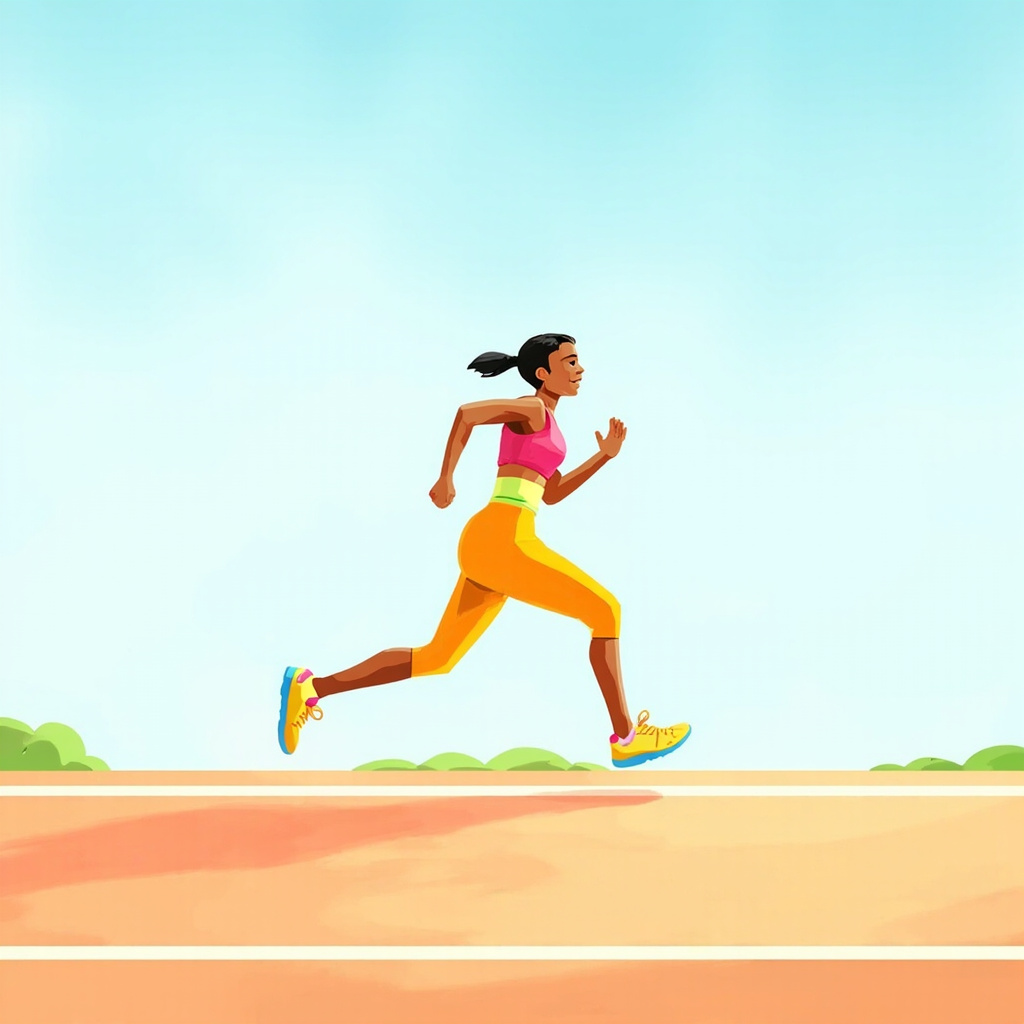
I go running in the park.
cycling
n.
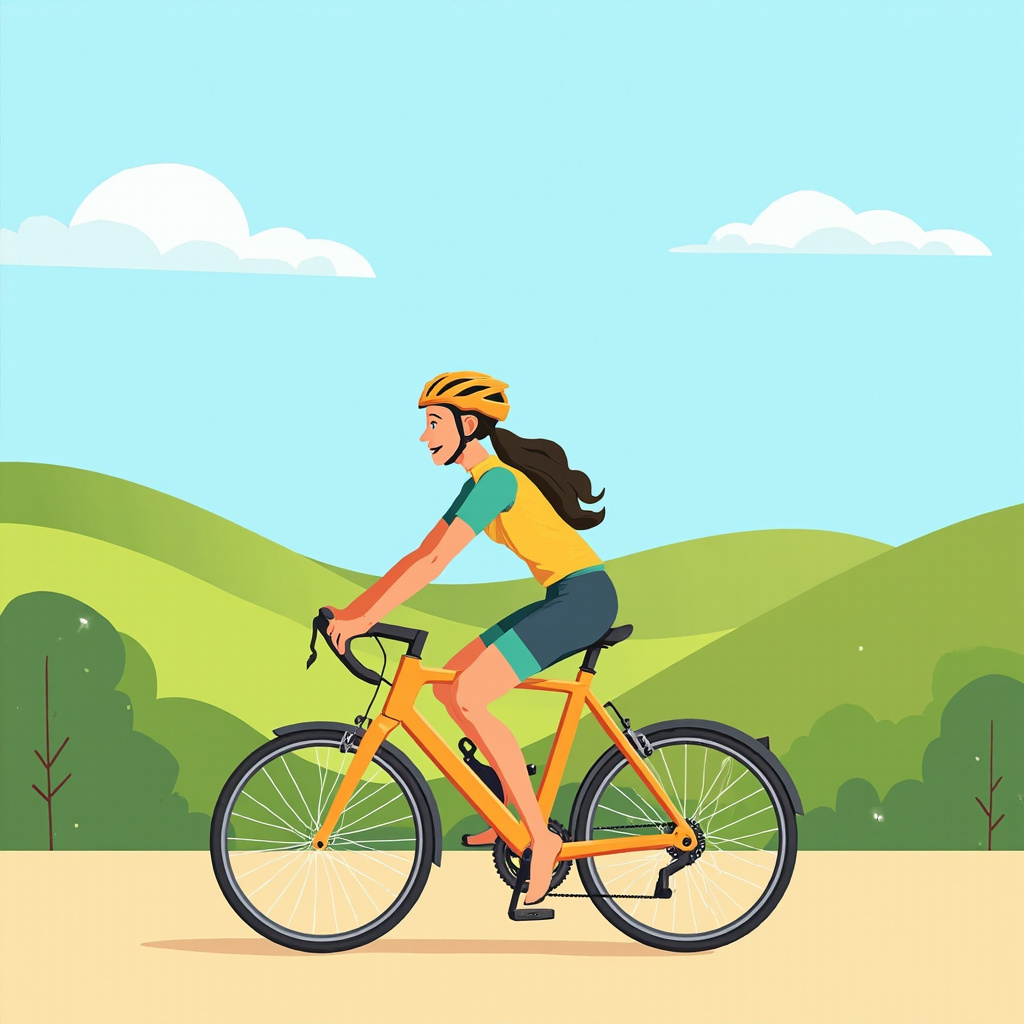
They go cycling at the weekend.
volleyball
n.
We play volleyball on the team.
badminton
n.
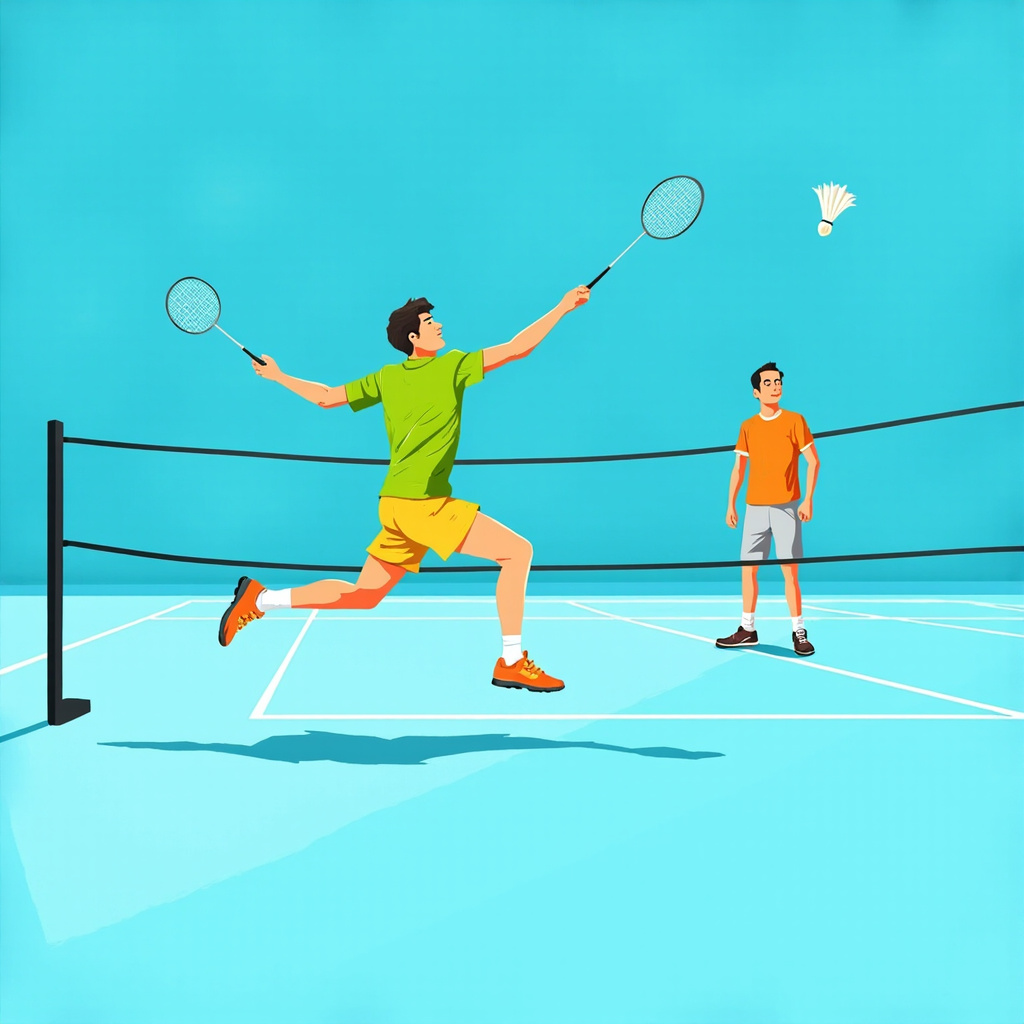
I play badminton in the garden.
الرياضة بالإنجليزي: أسماء وأنماط
في الدرس ده هنتعلم ثمانية أسماء لرياضات مختلفة بالإنجليزي، كلهم من النوع اللي ممكن تمارسها في وقت فراغك. الكلمات اللي قدامنا هي: football، tennis، swimming، basketball، running، cycling، volleyball، و badminton.
كل الكلمات أسماء
كلمة مهمة: كل الكلمات اللي في الدرس ده هي أسماء (nouns)، يعني بنستخدمها عشان نسمي الرياضة. لكن السؤال المهم هو: بنقول إيه قبلها؟ وهنا بتيجي الفكرة الأساسية في الدرس.
النمط الأول: play للألعاب الكروية
في الإنجليزية، لما نتكلم عن رياضة بتلعبها بكرة أو محتاجة فريق، بنستخدم فعل play:
I play football with my friends.
We play tennis at the club.
They play basketball after school.
We play volleyball on the team.
I play badminton in the garden.
ده يشمل كل الألعاب اللي فيها كرة أو طائر: كرة قدم، تنس، سلة، طائرة، أو ريشة.
النمط الثاني: go + verb-ing للرياضات الفردية
لكن لما نتكلم عن رياضة فردية أو رياضة حركة، بنستخدم go + الفعل + ing:
I go swimming on Fridays.
She goes running in the park.
We go cycling at the weekend.
لاحظ: مع swimming و running و cycling، مش بنقول "play swimming" - ده غلط تمامًا. بنقول go swimming.
مثال من الدرس
الجملة النموذج في الدرس بتوضح النمطين مع بعض:
"I play football with my friends on Saturdays, and I go swimming on Fridays."
أول جزء: play + اسم اللعبة الكروية
تاني جزء: go + verb-ing للرياضة الفردية
نصيحة للنطق
معظم الكلمات دي فيها stress (نبرة قوية) على المقطع الأول:
لما تقول الكلمة، خلي المقطع الأول أقوى وأطول، والباقي يبقى خفيف وسريع.
إزاي تحفظها
بدل ما تحفظ كل كلمة لوحدها، احفظها جوه جملة كاملة. مثلاً بدل ما تحفظ "football"، احفظ "I play football on Saturdays". كده هتعرف تستخدمها بشكل طبيعي وهتسيبها في ذاكرتك لفترة أطول.
Here are 8 sports words from the lesson. Tap each one to hear it and see the meaning.
badmintonˈbædmɪntən
A sport played with rackets and a shuttlecock, usually indoors, where players hit the shuttlecock over a net.
basketballˈbɑːskɪtbɔːl
A team sport played with a ball and a hoop, in which two teams try to score points by throwing the ball into t
cyclingˈsaɪklɪŋ
Cycling is the activity or sport of riding a bicycle, either for transportation, exercise, or recreation.
footballˈfʊt.bɔːl
a game played between two teams of eleven people , where each team tries to win by kicking a ball into the oth
runningˈrʌnɪŋ
The activity of moving quickly on foot; the sport or exercise of running.
swimmingˈswɪmɪŋ
The activity of moving through water by moving your arms and legs, especially as a sport or for pleasure.
tennisˈtenɪs
A sport played between two or four players who hit a ball over a net using rackets.
volleyballˈvɒlibɔːl
A team sport played on a rectangular court divided by a net, where two teams hit a ball back and forth over th
Required
Match each description with the correct sport. Drag from the box on the right.
Match each description with the correct sport. Drag from the box on the right.
Two teams kick a ball into a big goal.
You hit a ball over a high net with a racket.
You move through water in a pool or in the sea.
Two teams throw a big ball into a high basket.
You move fast on foot on a road or in a park.
You ride a bicycle.
football
tennis
swimming
basketball
running
cycling
I play football with my friends on Saturdays, and I go swimming on Fridays.
Notice the two patterns: 'play + ball sport' and 'go + verb-ing'.