In English, when we talk about things we enjoy or do not enjoy doing, we often use verbs like like, love, hate and enjoy with another verb in the -ing form. The -ing form is also called the gerund. For example, we say "I like swimming" — not "I like to swim" — in everyday British English conversation. This -ing pattern is very common when we talk about hobbies and free-time activities.
Look at the table below to see the basic pattern with like + -ing. The same pattern works with love, hate and enjoy.
Form
Example
Positive
I like cooking.
Negative
I don't like cooking.
Question
Do you like cooking?
Short answer
Yes, I do. / No, I don't.
With love and hate, the negative is a little different. We can say "I don't lovecooking" or, more common in British English, "I hatecooking" (because hate is already negative). We do not say "I don't hate" very often — instead we say "I don't really like".
The -ing form is the same for every verb. The main verb does not change with the subject: I like, she likes, they like — but the -ing part stays the same. "I like reading", "She likes reading", "They love reading." Notice also the spelling: most verbs just add -ing directly (cook → cooking, play → playing, swim → swimming).
In this lesson you will practise building sentences with like, love and hate + -ing so you can talk naturally about your favourite free-time activities.
إزاي تتكلم عن الحاجات اللي بتحبها أو بتكرهها
في الدرس ده هنتعلم قاعدة مهمة جدًا في الإنجليزي. لما عايز تقول إنك بتحب تعمل حاجة أو بتكرهها، بتستخدم أفعال زي like و love و hate و enjoy وبعدها على طول فعل تاني في صورة -ing. الصورة دي اسمها gerund أو المصدر.
القاعدة الأساسية
النمط بيكون كده: like / love / hate / enjoy + verb-ing
I like cooking. — أنا بحب الطبخ.
She hates cooking after work. — هي بتكره الطبخ بعد الشغل.
I love swimming in the sea on Saturdays. — بحب أعوم في البحر يوم السبت.
النفي والسؤال
النفي: I don't like cooking. — مش بحب الطبخ.
السؤال: Do you like cooking? — بتحب الطبخ؟
الإجابة القصيرة: Yes, I do. / No, I don't.
ملحوظة على فعل hate
لاحظ بقى إن hate معناها سلبي من الأول، فقليل أوي ما بنقولش "I don't hate". بدالها بنستخدم "I don't really like"، وده الأصح في الإنجليزي البريطاني.
الفعل الأساسي بيتغير بس الـ -ing ثابتة
I like reading.
She likes reading.
They love reading.
شوف كده، like بقت likes مع she، بس reading فضلت زي ما هي. الـ -ing مش بتتغير حسب الفاعل.
تهجئة الـ -ing
أغلب الأفعال بنضيف -ing على طول: cook → cooking، play → playing.
لو الفعل بينتهي بساكن + متحرك (CVC)، بنكرر الساكن: swim → swimming، run → running.
في التمارين اللي تحت، هتلاقي أسئلة اختيار وملء وترتيب جمل باستخدام النمط ده. ركز دايمًا على الـ -ing اللي بتيجي بعد like أو love أو hate أو enjoy.
I love swimming in the sea on Saturdays.
Model sentence. Notice the -ing form after love.
She hates cooking after work.
Model sentence. Notice the -ing form after hates.
Required
Look at the sentences above. What form comes after 'love' and 'hates'?
to + verb
verb + -ing
the infinitive
Required
I ___ (love) playing football with my friends.
Required
She ___ (not/like) cooking on weekdays.
Required
Which sentence is correct?
I like to swimming.
I like swimming.
I like swim.
Required
We say 'I enjoy to read' in everyday English.
After 'enjoy' we use the -ing form: 'I enjoy reading'.
Required
Put the words in order to make a sentence.
love
I
swimming
in
the
sea
Required
Drag the correct -ing form into each sentence.
reading
cooking
swimming
playing
I love in the sea.
She hates on Mondays.
We enjoy football.
He likes before bed.
Listening
Listening
5
cards
In this section you will hear a short conversation between two friends, Emma and Tom, on Saturday morning. They are talking about what they like and do not like doing at the weekend. Listen for the verb -ing forms and the words like, love and hate. These are the words you practised in the grammar and vocabulary sections, so you already know the topic well.
The conversation is in natural British English at a normal speed. You will hear short contracted forms like "I don't", "I do" and "I love". Try to listen for the key hobby words (swimming, cooking, football, films, music, reading) as well as the feelings the speakers use (like, love, hate, enjoy). In British English, speakers often say "I really love" or "I'm really into" — but in this conversation they use the simpler "love" and "hate".
Before you listen, think about this question: what activities do you enjoy doing on a Saturday or Sunday? Which one do you not enjoy? This will help you connect with the speakers, because Tom and Emma talk about exactly the same kind of weekend activities.
After the conversation, you will answer three questions: first about the main idea (gist), then about one specific hobby Tom mentions (specific information), and finally about a missing word in one of Emma's sentences (detail). All the answers are in the conversation, so listen carefully the first time. You can listen again if you need to — this is normal and helps your ear get used to natural English.
خد النهاردة درس مهم جداً عن إزاي تقول إيه الحاجات اللي بتحبها وإيه اللي مش بتحبها. في الـ listening، هتسمع محادثة بين اتنين أصحاب، Tom و Emma، يوم السبت الصبح بيتكلموا عن خططهم وإيه الأنشطة اللي بيستمتعوا بيها في الويكند.
القاعدة الأساسية: feeling word + verb-ing
في الإنجليزي، لما تحب تتكلم عن حاجة بتحبها أو بتكرهها، بتستخدم feeling word وبعدها الفعل في صورة -ing. مش بتقول I like play، لأ، بتقول I like playing. القاعدة دي ثابتة مع كل الكلمات دي.
تعالوا نشوف الأمثلة من الـ conversation نفسها:
Tom بيقول: I love playing football — يلا كده، love + verb-ing.
وكمان بيقول: I enjoy watching films at home with my sister — enjoy + verb-ing.
وبنشوف كمان hate: I really hate cooking و I also hate washing up — hate + verb-ing.
الأفعال اللي بنستخدمها في الـ pattern ده (مرتبة من الأضعف للأقوى):
like = بحب (ودّي، عادي).
love = بحب جداً (أقوى من like).
enjoy = بستمتع بـ (حاجة بتبسطك).
hate = بكره (العكس تماماً).
فـ مثلاً ممكن تقول: I like reading, I love swimming, I enjoy cooking, I hate cleaning.
إزاي نسأل؟
لما Emma بتسأل Tom، بتستخدم do عشان تسأل:
Do you have any plans today? (عندك خطط النهاردة؟)
What do you like doing on Saturday evenings? (إيه اللي بتحب تعمله يوم السبت بليل؟)
Do you like cooking? (بتحب الطبخ؟)
لاحظ إن السؤال عن الأنشطة بييجي بـ what do you like doing — مش what do you like do.
كلمات مهمة من الـ conversation:
football = كورة قدم (الـ sport الأشهر في بريطانيا).
films = أفلام (في الـ British English بيقولوا films مش movies زي أمريكا).
washing up = غسيل الأطبان بعد الأكل.
plans = خطط.
weekend = نهاية الأسبوع.
نصايح تخلي كلامك natural:
لما تحب تقول إنك بتحب حاجة جداً، ضيف really قبل الـ verb: I really love football. ولما تحب تجمع بين حاجتين مش بتحبهما، استخدم also: I also hate washing up.
جرب دلوقتي تقول عن hobbies بتاعتك: I love... و I hate... بـ verbs في الـ -ing.
Two friends, Emma and Tom, talk about their weekend hobbies.
E
EmmaHi Tom! How are you today?
T
TomHi Emma! I'm fine, thanks. It's Saturday — I love Saturdays.
E
EmmaMe too! Do you have any plans today?
T
TomYes, I'm playing football this afternoon. I love playing football.
E
EmmaThat sounds fun. What do you like doing on Saturday evenings?
T
TomI enjoy watching films at home with my sister.
E
EmmaOh, nice. Do you like cooking?
T
TomNo, I really hate cooking. I also hate washing up!
E
EmmaHa! I love cooking. I'm cooking pasta tonight.
T
TomI also like listening to music when I cook — but I never cook!
Required
What is the conversation mainly about?
Tom's new job
their weekend hobbies
a film they watched
Required
Tom loves playing football.
Tom says: 'I love playing football.'
Required
Emma is cooking ___ tonight.
Pronunciation
Pronunciation
6
cards
In this lesson we focus on the sound at the end of every -ing word: the /ɪŋ/ sound, as in "swimming", "reading" and "cooking". This is one of the most important sounds in British English, because almost every -ing word ends with it. When you say it well, your British English sounds much more natural.
To make /ɪŋ/, lift the back of your tongue so it gently touches the soft part at the back of the roof of your mouth (the soft palate). At the same time, let air come out through your nose — do not block it with your lips or tongue. Your mouth is slightly open and relaxed. Your voice is on, so the sound is voiced. The tip of your tongue does not touch anything. It is a nasal consonant, similar to the /n/ sound but made further back in the mouth.
Compare /ɪŋ/ with /ɪn/. The difference is only at the very end:
/ɪn/ — "swim in" (tongue stays low, air only through the mouth)
/ɪŋ/ — "swimming" (back of tongue lifts, air through the nose)
In fast British speech, the /ɪŋ/ can sound almost like /ɪn/ — but the back of the tongue is still up, and the nose is still open. A simple test: pinch your nose while saying "swimming". If your nose is closed, you cannot say it properly! The sound will feel blocked.
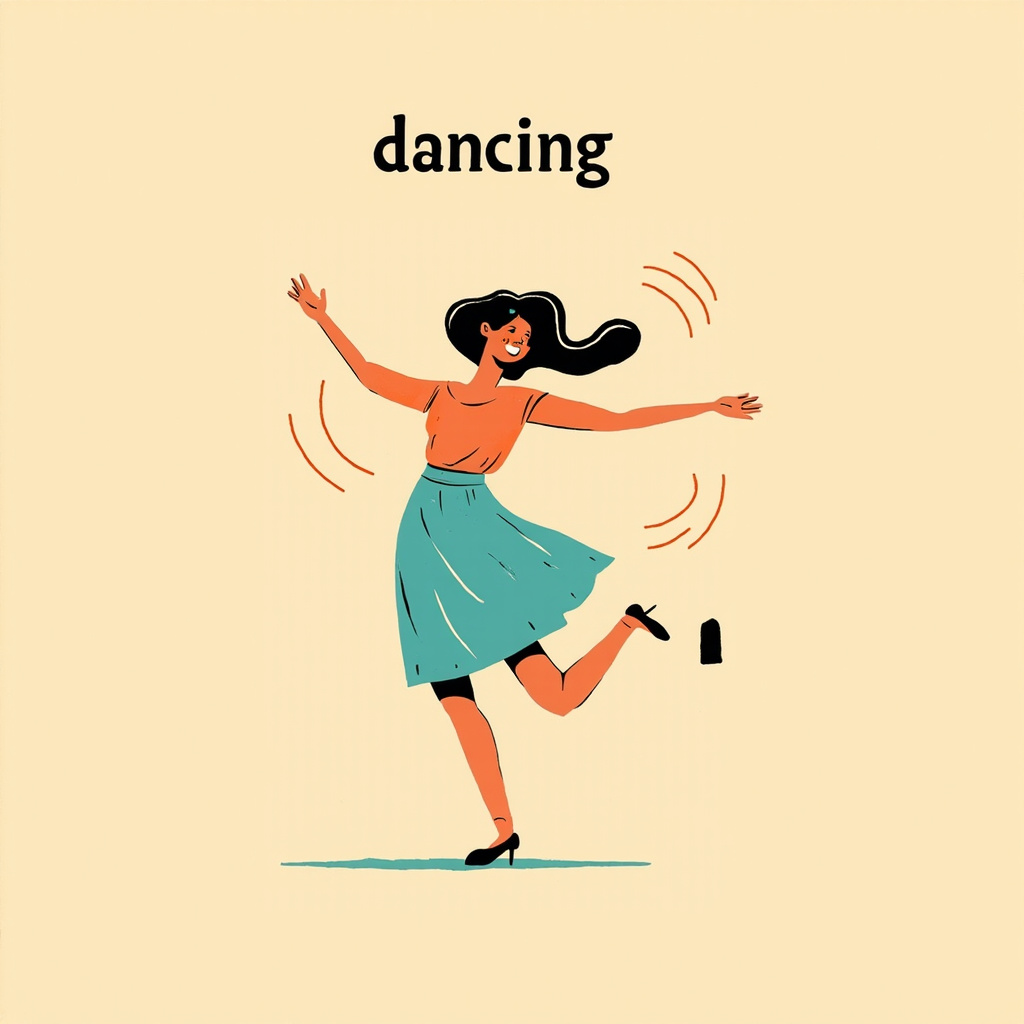
Here are six common -ing words to listen for: swimming, reading, cooking, dancing, walking, playing. Listen carefully to the final sound in each one. The vowel before is short /ɪ/, never a long vowel. In "swimming" the /ɪ/ is very quick before the /ŋ/. Practise saying each word slowly, then at normal speed.
الصوت اللي بيخلّي -ing تبقى british
في الدرس ده بنركّز على صوت مهم جدًا في الإنجليزي البريطاني: الصوت اللي في آخر كل كلمة بتنتهي بـ -ing، زي swimming وreading وcooking وdancing. لو اتعلمته صح، كلامك هيبقى طبيعي جدًا وصوته هيبقى british فعلاً.
إزاي تعمل الصوت /ɪŋ/؟
عشان تعمل الصوت ده صح، محتاج تعمل الخطوات دي مع بعض:
شيل ضهر لسانك لفوق — يعني الجزء اللي ورا في لسانك يطلع ويقرّب من سقف الحلق الناعم (soft palate).
سيب الهوا يعدي من مناخيرك (أنفك) مش من بقك — الصوت ده اسمه nasal.
صوتك لازم يكون شغال (voiced) — يعني الحبال الصوتية بتهتز.
طرف لسانك يفضل تحت، مايلمسش سقف الحلق خالص.
الفرق بين /ɪn/ و /ɪŋ/
الفرق بسيط بس مهم جدًا، وهو بيفرّق بين معنى ومعنى تاني:
swim in (يعني اعوم في — في المية مثلاً) → طرف لسانك بينزل على اللثة.
قول كلمة swimming وقفل مناخيرك بصباعك. لو حسّيت إن الصوت اتقفل ومش قادر تكمّل، يبقى ده إثبات إنك محتاج الهواء يطلع من أنفك. لو الصوت لسه بيعدي، يبقى أنت بتعمله صح.
كلمات مهمة تمرّن عليها في الدرس
swimming — سباحة
reading — قراءة
cooking — طبخ
dancing — رقص
walking — مشي
playing — لعب
ملاحظة أخيرة
في الكلام السريع جدًا، الصوت ممكن يبقى قريب من /ɪn/، بس الحقيقة ضهر لسانك لسه مرفوع. جرّب تقول كل كلمة ببطيء الأول، وبعدين عادي. اسمع للموديل في التمارين اللي تحت وكرّر وراه.
The /ɪŋ/ sound: lift the back of the tongue to the soft palate, let air flow through your nose, voice on, lips relaxed. Try saying 'swimming' slowly, then at normal speed.
Required
Audio is being generated — try again in a minute.
Listen carefully. Which word do you hear?
swim in
swimming
Required
Say this word. Focus on the /ɪŋ/ ending — back of tongue up, air through the nose.
swimming
Required
Now say this word. Keep the /ɪŋ/ clear at the end.
cooking
Required
Say the full sentence. Each -ing word should end with a clear /ɪŋ/.
I love reading.
Speaking
Speaking
7
cards
In this section you will practise saying sentences about your hobbies. You will start by listening to a short model conversation, then you will repeat some key sentences out loud, and finally you will have your own live chat with the AI. The goal is to sound natural and use the -ing form correctly.
Here are some useful phrases for talking about what you like and do not like doing. In British English, these short phrases are very common in everyday chat:
English
When to use it
I love + -ing
strong positive feeling
I like + -ing
normal positive feeling
I don't really like + -ing
weak negative feeling
I hate + -ing
strong negative feeling
My favourite hobby is + -ing
talking about the best one
I enjoy + -ing
polite positive feeling
What do you like doing?
asking a friend
Really? Me too!
showing you agree
Remember: the verb after like, love, hate and enjoy always ends in -ing. We do not say "I love to swim" in this kind of everyday talk — we say "I love swimming". This is the rule from the grammar section.
In the roleplay at the end, your AI partner will ask you about your free time. Try to use at least three different -ing verbs and one of the words like, love or hate. Speak slowly and clearly. The /ɪŋ/ sound at the end of each -ing word should be clear — remember the back of the tongue goes up and the air comes through the nose. Don't worry about mistakes: the more you speak, the more natural it sounds.
التكلم عن الحاجات اللي بتحبها
في الجزء ده من الدرس، هتتعلم إزاي تتكلم عن الهوايات بتاعتك والحاجات اللي بتحب تعملها في وقت الفراغ. هتبدأ إنك تسمع محادثة قصيرة بين Sara و Ali، وبعدين تكرر كام جملة بصوتك، وأخيراً هتعمل شات حقيقي مع الـ AI.
المحادثة اللي هتسمعها
الموقف بسيط: Sara بتلاقي Ali وبتسأله "Hi Ali! What do you like doing in your free time?" يعني إيه اللي بيحب يعمله في وقت فراغه. Ali بيرد بيقول "I love swimming. I swim every weekend." يعني بيحب السباحة جداً وبيسبح كل نهاية أسبوع. وبعدين Sara بتقول "Cool! I like reading. I read before bed." يعني هي بتحب القراءة وبتقرأ قبل ما تنام. و Ali بيسألها "Do you like watching films?" يعني بتحب مشاهدة الأفلام؟ و Sara بترد "Yes, I love watching films on Fridays."
قاعدة مهمة جداً: الـ -ing
دي أهم قاعدة في الدرس ده. لما بنستخدم love أو like أو hate أو enjoy، لازم دايماً نحط -ing بعد الفعل. مش بنقول "I love to swim" في الكلام العادي، بنقول "I love swimming". الناطقين الأصليين بيفضلوا الـ -ing في المحادثات اليومية لأنها أسهل وأقصر.
أمثلة:
I love playing football (بحب جداً ألعب كورة)
She enjoys reading books (بتحب تقرأ كتب)
He hates cooking (بيكره الطبخ)
درجات الإحساس المختلفة
في اللغة الإنجليزية عندنا كلمات مختلفة بتوصف قوة حبك أو كرهك للحاجة:
I love - لما الحاجة دي حاجة مميزة جداً وبتحبها أوي
I like - لما الحاجة عادية وبتحبها بس مش بهوس
I don't really like - لما مش بتحبها أوي (كلمة مهذبة)
I hate - لما بتكره الحاجة فعلاً
يعني I love swimming أقوى بكتير من I like swimming، و I hate cooking أقوى من I don't really like cooking.
نصيحة للنطق
لما بتقول أي كلمة في الآخر فيها -ing، لازم صوت الـ /ɪŋ/ يبقى واضح. ارفع آخر لسانك من ورا وخلي الهوا يعدي من أنفك. ده اللي بيدي الصوت المميز ده.
المطلوب منك
هتكرر جملتين بصوتك: I love playing football و I don't really like cooking. وبعدين هتعمل roleplay مع الـ AI، وهو هيكلمك عن وقت فراغك. حاول تستخدم على الأقل 3 أفعال مختلفة فيهم -ing، وكلمة واحدة من like أو love أو hate. متقلقش من الغلط، كل ما تتكلم أكتر كل ما كلامك هيبقى طبيعي أكتر.
Listen to a short model conversation about hobbies.
S
SaraHi Ali! What do you like doing in your free time?
A
AliI love swimming. I swim every weekend.
S
SaraCool! I like reading. I read before bed.
A
AliDo you like watching films?
S
SaraYes, I love watching films on Fridays.
I love swimming in the sea.
Key model phrase. Notice love + -ing.
Required
Say this sentence clearly. End 'playing' with a clear /ɪŋ/.
I love playing football.
Required
Say this sentence. Listen to the /ɪŋ/ in 'cooking'.
I don't really like cooking.
Required
You are at a party. A new friend starts chatting with you about hobbies. Answer their questions and ask them questions too. Try to use like, love or hate and remember the -ing form.
Required
Vocabulary
Vocabulary
6
cards
When we talk about free-time activities in British English, we use a set of common words. Most of these words end in -ing because we use the -ing form with verbs like like, love and hate. Below are eight useful hobby words to learn today.
Word
Type
Example
swimming
verb+ing
I love swimming in the sea.
reading
verb+ing
She enjoys reading before bed.
cooking
verb+ing
He likes cooking Italian food.
playing football
verb+ing + noun
We love playing football on Saturdays.
watching films
verb+ing + noun
I enjoy watching films at the weekend.
listening to music
verb+ing + noun
She loves listening to music in the morning.
dancing
verb+ing
They like dancing at parties.
walking
verb+ing
I enjoy walking in the park.
Notice that some hobbies are one word (swimming, reading, cooking, dancing, walking) and others are two or three words (playing football, watching films, listening to music). With like/love/hate + -ing, we keep the full phrase together: "I love playing football", not "I love play football".
Pay attention to the small words: to in "listening to music" and films (plural) in "watching films". These little words are part of the hobby phrase. In the next sections you will hear these activities in a short conversation and practise the -ing sound at the end of each word.
🎯 هواياتك بالإنجليزي: كلمات الـ -ing اللي هتحتاجها
في الدرس ده هنتعلم كلمات أساسية عن الهوايات والأنشطة اللي بنعملها في وقت الفراغ. في الإنجليزية، أغلب الكلمات دي بتيجي بصيغة الـ -ing عشان بتتقال بعد أفعال مهمة زي like و love و enjoy و hate.
✨ أولاً: الهوايات اللي كلمة واحدة
في هوايات كتير بنقولها بكلمة واحدة بس:
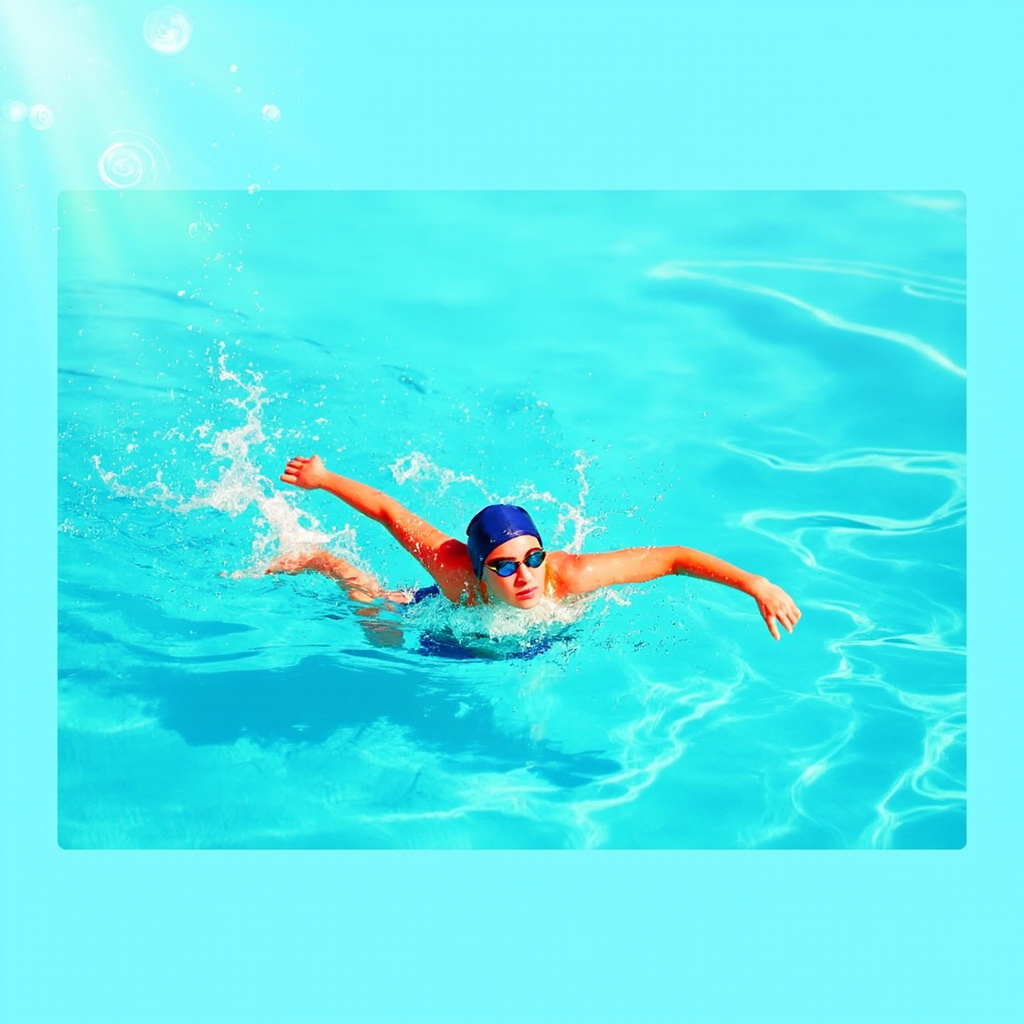
swimming (العَوْم) - I love swimming in the sea.
reading (القِراءة) - She enjoys reading before bed.
cooking (الطَّبْخ) - He likes cooking Italian food.
dancing (الرَّقْص) - They like dancing at parties.
walking (المَشْي) - I enjoy walking in the park.
🎬 ثانياً: الهوايات المركبة (أكتر من كلمة)
في هوايات تانية محتاجة كذا كلمة مع بعض عشان توصّل الفكرة:
playing football (لَعِب كُرَة القَدَم)
watching films (مُشاهَدَة الأَفْلام)
listening to music (الإِسْتِماع إلى المُوسِيقى)
📌 قواعد مهمة لازم تحفظها
القاعدة الأولى: بعد الأفعال like / love / hate / enjoy، الفعل بيفضل بصيغة -ing. يعني مش بنقول: "I love play football" — ده غلط. الصح نقول: "I love playing football".
القاعدة التانية: خلي بالك من الكلمات الصغيرة اللي جوا الهواية:
listening to music — لازم تحط to ومش بتتنطق.
watching films — جمع (films مش film).
القاعدة التالتة: الهواية المركبة بتنقال كلها كأنها وحدة واحدة، زي playing football و watching films و listening to music — متفصلهاش.
💡 مثال كامل
I love playing football with my friends on Saturday.
شايف إزاي playing football دخلت بعد love كأنها حاجة واحدة؟
دلوقتي جرّب تقول جملة كاملة عن هواية بتحبها — سواء swimming أو cooking أو أي حاجة تانية! 🚀
Here are 8 free-time activities. Tap each one to hear it.
cooking
the act of preparing something (as food) by the application of heat
dancingˈdɑːnsɪŋ
The activity of moving the body to music, typically in a rhythmic way. It can refer to a particular style of m
listening to musicˈlɪsnɪŋ tə ˈmjuːzɪk
The activity of hearing and paying attention to music, typically for enjoyment or relaxation.
playing footballˈpleɪɪŋ ˈbʊtfɔːl
The activity or sport of playing football (soccer), where two teams compete by kicking a ball into the opponen
readingˈriː.dɪŋ
the skill or activity of getting information from books :
an occasion when something written, especially a wor
swimmingˈswɪmɪŋ
The activity of moving through water by moving your arms and legs, especially as a sport or for pleasure.
walkingˈwɔːkɪŋ
Walking refers to the activity of moving at a regular pace by lifting and setting down each foot in turn. It c
watching filmsˈwɒtʃɪŋ fɪlmz
The activity of viewing movies or motion pictures, either alone or with others, as a form of entertainment or
Required
Match each hobby with its meaning.
Match each hobby with its meaning.
swimming
reading
cooking
dancing
walking
moving in water
looking at books
making food
moving to music
moving on foot
I love playing football with my friends on Saturday.