In English, nouns are either countable or uncountable. This difference is very important when you talk about cleaning products, because some things you count, but other things (like water or detergent) you measure.
Countable nouns are things we can count. They have a singular form and a plural form. We can use a/an or a number with the singular form, and we can use a number with the plural form. Examples: a bottle, two bottles, a sponge, three sponges, a bucket, one bucket.
Uncountable nouns are things we cannot count easily. They have only one form. We do not use a/an with uncountable nouns, and we do not add an -s to make a plural. Many cleaning words are uncountable: water, soap, detergent, bleach, liquid.
Countable noun
Uncountable noun
Singular
a bottle / one bottle
water
Plural
two bottles
water (no plural)
with a / an
a bucket
❌ a water
Question word
How many?
How much?
Use with 'some'
✓ some sponges
✓ some water
Use with 'any'
✓ any sponges
✓ any water
We use how many with countable nouns and how much with uncountable nouns. We can use some in positive sentences and any in questions and negatives with both. For example: We need some detergent. — Do we have any bleach? — There isn't much water in the bucket.
To make a plural countable noun, we usually add -s: sponge → sponges, bucket → buckets. When we want to ask about a quantity, we use 'how many' for countable plurals and 'how much' for uncountables.
Remember: we cannot say 'a water' or 'two waters'. We say 'some water' or 'a bottle of water'. We measure uncountable nouns with containers: a bottle of water, a bottle of bleach. With countable nouns, we count directly: one sponge, two sponges, three buckets.
الفرق بين Countable و Uncountable Nouns
في الإنجليزي، فيه نوعين أساسيين من الأسماء لازم تفرق بينهم: countable nouns (الأسماء اللي بنعدّها) و uncountable nouns (الأسماء اللي مش بنعدّها واحدة واحدة). الموضوع ده مهم جداً لما نتكلم عن منتجات التنظيف، لأن في حاجات بنعدّها زي السفنج، وفي حاجات تانية بنقيسها زي المية.
الأسماء اللي بنعدّها (Countable Nouns)
دي حاجات بنقدر نعدّها بالعدد، وعندها مفرد وجمع. بنستخدم a أو an قبل المفرد، وبنضيف -s عشان نعمل جمع.
أمثلة من الدرس:
a bottle → two bottles
a sponge → three sponges
a bucket → one bucket
لما تسأل عن العدد بتقول How many?، يعني: How many sponges do we have? (عندنا كام سفنجة؟)
الأسماء اللي مش بنعدّها (Uncountable Nouns)
دي حاجات مش بنقدر نعدّها، وعندها شكل واحد بس. ما بنستخدمش a/an قبلها أبداً، وما بنضيفش -s ليها. كتير من كلمات التنظيف من النوع ده:
water (مية)
detergent (مسحوق غسيل)
bleach (كلوركس)
soap (صابون)
liquid (سائل)
لما تسأل عن كميتها بتقول How much?: How much detergent do we need? (محتاجين قد إيه مسحوق؟)
الحيلة الحلوة: استخدموا Container
عشان تتكلموا عن كمية من حاجة uncountable، بتحطوها في حاوية. بدل ما تقولوا a water (ده غلط)، بتقولوا:
a bottle of water (قازوزة مية)
a bottle of bleach (قازوزة كلوركس)
a bottle of detergent (قازوزة مسحوق)
Some و Any
Some بنستخدمها في الجمل الموجبة: We need some detergent. (محتاجين شوية مسحوق). وany بنستخدمها في الأسئلة والنفي: Do we have any bleach? (عندنا أي كلوركس؟) وThere isn't much water. (مفيش مية كتير).
We need a bottle of water and some detergent.
Read this example. Notice 'a bottle' (countable) and 'some detergent' (uncountable).
How many sponges do we have?
Read this question. Notice 'how many' — it comes before a countable plural noun.
Required
Look at the two sentences above. What word comes after 'How' when we ask about water or detergent?
how much
how many
how often
Required
We need ___ bucket of water.
Required
Which sentence is correct?
We need a water.
We need some water.
We need waters.
Required
'Detergent' is uncountable in this sentence: 'We need some detergent.'
Correct. Detergent is uncountable. We say 'some detergent', not 'a detergent' or 'two detergents'.
Required
How ___ sponges do we have on the table?
Required
Put the words in the correct order to make a sentence about cleaning.
need
We
some
detergent
for
clothes
the
Listening
Listening
5
cards
In this short conversation, Tom's kitchen is very dirty after a party last night. His friend Emma arrives to help him clean. They talk about what they need and where to start.
Before you listen, think: when you clean a kitchen, what products and tools do you need? Do you need a lot of water, or just a little? Do you count the products, or do you measure them?
Now listen carefully. Tom and Emma use a lot of cleaning vocabulary: detergent, bleach, sponge, cloth, spray, bucket. They also use countable and uncountable nouns: 'a bucket of water' (countable container, uncountable water), 'some detergent' (uncountable), 'a sponge' (countable). Try to hear these forms as you listen.
As you listen, notice the questions and answers. Emma asks: 'Do you have any bleach?' — 'any' is used in questions. Tom answers: 'Yes, there's some under the sink.' — 'some' is used in positive answers. Emma also asks: 'How much water do we need?' — 'How much' is for uncountable nouns. Finally, pay attention to the order: Tom says 'Let's start with the floor. Then we can clean the surfaces.' — this is a sequence of actions, like instructions.
تنظيف المطبخ: شرح الدرس
في الجزء ده من الدرس بنسمع محادثة بين Tom و Emma عن تنظيف المطبخ بعد حفلة. الموضوع الأساسي هو المفردات بتاعت التنظيف والفرق بين الكلام عن حاجات تقدر تعدّها (countable) وحاجات مش بتتعدّش (uncountable).
أهم الكلمات في المحادثة
في المحادثة بنسمع كلمات كتير مفيدة:
Detergent (مسحوق الغسيل / المنظّف) — كلمة uncountable، يعني بنقول some detergent مش a detergent.
Bleach (الكلوركس / المبيّض) — برضو uncountable، بنقول any bleach?.
Sponge (إسفنجة) — countable، بنقول a sponge.
Cloth (قطعة قماش) — countable، بنقول a cloth.
Bucket (جردل / دلو) — countable، بنقول a bucket of water.
الفرق بين Countable و Uncountable
دي نقطة جرامر مهمة جدًا في الدرس. في الإنجليزي، في حاجات بتتعدّ زي الإسفنجة والقماشة، وفي حاجات تانية زي الميّه والمنظّف مش بتتعدّش. لما الحاجة تبقى uncountable، بنستخدم some أو any معاها، ومبنحطّلهاش رقم.
أمثلة من المحادثة:
We need some detergent — مينفعش تقول two detergents.
Do you have any bleach? — هنا بنسأل عن حاجة مش متأكدين هي موجودة ولا لأ.
Just one bucket of water** — الجردل countable، بس الميّه فضلت uncountable.
أسئلة Emma وأجوبة Tom
Emma بتسأل سؤالين مهمين:
Do you have any bleach? — Any بنستخدمها في الأسئلة لما نكون مش متأكدين الحاجة موجودة ولا لأ.
How much water do we need? — How much بنستخدمها مع uncountable nouns. لو كنا بنسأل عن إسفنج، كنت هقول How many sponges?.
وأجوبة Tom بتوضّح القاعدة:
Yes, there's some under the sink — Some هي الإجابة الطبيعية للسؤال اللي فيه any.
We need some detergent, a sponge, and a cloth — خلي بالك من الفرق: some مع الحاجة اللي مش بتتعدّش، و a مع الحاجة اللي بتتعدّش.
ترتيب الخطوات في التعليمات
في الآخر Tom بيقول تعليمات بالترتيب: يخلّص الأرضية الأول، بعدين ينضّف الأسطح. ده pattern شائع في الإنجليزي — لما تدي تعليمات، بنستخدم كلمات زي first و then و next و finally عشان نوضّح الترتيب.
لما تسمع المحادثة، ركّز على الكلمات دي وعلى الفرق بين countable و uncountable. مش لازم تفهم كل كلمة — المهم تلتقط الأفكار الرئيسية والقواعد اللي فيها.
Tom's kitchen is very dirty after a party. His friend Emma comes to help him clean. Listen to their conversation.
E
EmmaTom, your kitchen is really dirty!
T
TomI know. We had a party last night. Can you help me clean it?
E
EmmaSure. What do we need?
T
TomWe need some detergent, a sponge, and a cloth.
E
EmmaDo you have any bleach?
T
TomYes, there's some under the sink.
E
EmmaHow much water do we need?
T
TomJust one bucket of water is fine.
E
EmmaWhere do we start?
T
TomLet's start with the floor. Then we can clean the surfaces.
Required
What are Tom and Emma doing in the conversation?
Cleaning the kitchen
Cooking dinner
Shopping for food
Required
Tom and Emma have some bleach under the sink.
Correct. Tom says: 'Yes, there's some [bleach] under the sink.'
Required
Tom says to start with the ___, and then clean the surfaces.
Pronunciation
Pronunciation
6
cards
When we make a plural noun with -s, the final sound can be /s/ or /z/. The sound depends on the last sound of the word.
If the word ends in a voiceless sound (p, t, k, f, th), the -s is /s/. Put your hand on your throat: you do not feel vibration. Examples: cup → cups /kʌps/, bucket → buckets /ˈbʌkɪts/, cloth → cloths /klɒθs/, mop → mops /mɒps/.
If the word ends in a voiced sound (b, d, g, l, m, n, r, v, z) or a vowel, the -s is /z/. Put your hand on your throat: you do feel vibration. Examples: sponge → sponges /ˈspʌndʒɪz/, stain → stains /steɪnz/, bag → bags /bægz/, table → tables /ˈteɪbəlz/.
/s/ (no voice)
/z/ (with voice)
cups /kʌps/
sponges /ˈspʌndʒɪz/
buckets /ˈbʌkɪts/
stains /steɪnz/
cloths /klɒθs/
bags /bægz/
mops /mɒps/
tables /ˈteɪbəlz/
How to make the sounds: For /s/, put your tongue near the top of your mouth, just behind your teeth, and push air out strongly. Do not use your voice — your throat does not move. For /z/, do the same, but turn on your voice. Your throat vibrates. You can feel it with your hand.
Both sounds are very common in English plurals. Practise them with cleaning words: cups / buckets (voiceless, /s/) and sponges / stains (voiced, /z/).
عن درس النطق النهارده، إحنا هنتعلم إزاي نفرّق بين صوت /s/ وصوت /z/ لما بنضيف الـ s بتاعة الجمع في الإنجليزي. الموضوع بسيط بس مهم جدًا عشان الكلام بتاعك يبقى طبيعي ومتظبط.
الفكرة الأساسية
الـ s اللي في آخر الكلمة ممكن تتنطق بطريقتين مختلفين:
صوت /s/: إس عادي من غير ما تهتز الحنجرة (voiceless).
صوت /z/: إس مع ذبذبة في الحنجرة (voiced).
إزاي نعمل الصوتين بفيزيائي؟
لصوت /s/: بتحط طرف لسانك ورا أسنانك العلوية بشوية، وبتدفع هوا قوي من غير ما تهتز الحنجرة خالص. لو حطيت إيدك على زورك مش هتحس بأي حركة.
لصوت /z/: بتحط لسانك في نفس المكان بالظبط، وبتعمل نفس اللي فوق، بس بتولّع صوت الحنجرة. هتحس إن زورك بيزغرد تحت إيدك.
إمتى بنستخدم كل واحد؟
لو الكلمة بتنتهي بصوت من غير حنجرة (voiceless) زي p أو t أو k أو f أو th، يبقى الـ s بتنطق /s/.
لو الكلمة بتنتهي بصوت مع حنجرة (voiced) زي b أو d أو g أو l أو m أو n أو r أو v أو z، أو بتنتهي بـ vowel (حركة)، يبقى الـ s بتنطق /z/.
أمثلة من كلمات التنظيف عندنا
كلمات بصوت /s/ (من غير حنجرة):
cups /kʌps/
buckets /ˈbʌkɪts/
cloths /klɒθs/
mops /mɒps/
كلمات بصوت /z/ (مع حنجرة):
sponges /ˈspʌndʒɪz/
stains /steɪnz/
bags /bægz/
tables /ˈteɪbəlz/
نصيحة عملية
جرّب تقول buckets و sponges كده وحط إيدك على زورك. في buckets مش هتحس بحاجة خالص، بس في sponges هتحس بالذبذبة. دي أحسن طريقة تتأكد بيها إنك نطق الصوت صح.
When a plural noun ends in -s, the sound can be /s/ (no voice) or /z/ (with voice). Put your hand on your throat: no vibration = /s/, vibration = /z/.
Required
Listen carefully. Which word do you hear?
cloths
clothes
Required
Say this word. The ending is /s/ — no voice from your throat. Put your hand on your throat to check.
buckets
Required
Say this word. The ending is /z/ — feel the vibration in your throat.
sponges
Required
Say this word. The ending is /z/ — feel the vibration in your throat.
stains
Speaking
Speaking
8
cards
When we give instructions for cleaning, we use the imperative. The imperative is the base form of the verb, without a subject: 'Open the window.' — 'Mix the detergent with water.' — 'Don't use too much bleach.'
To put the steps in order, we use sequence words: First, ... Then, ... Next, ... After that, ... Finally, ... For example: 'First, fill the bucket with water. Then, add some detergent. Finally, use a mop to clean the floor.'
Useful imperative phrases for cleaning:
First, fill the bucket with water.
Then, add some detergent.
Next, wipe the surface with a cloth.
Don't use too much bleach.
Finally, dry the floor.
Notice the negative imperative: 'Don't use too much bleach.' This is a warning. We use Don't + base verb for negative instructions: 'Don't mix bleach with other products.' — 'Don't put water on the carpet.'
Pronunciation tip: in the imperative, the verb is stressed: 'FILL the bucket' not 'fill THE bucket'. Speak slowly and clearly. Pause between steps so the listener can follow you. You can also say 'OK?' or 'Right?' to check that the listener understands.
In the roleplay below, you will give instructions to Tom. His kitchen is dirty. Tell him: what to do first, what to do next, and what NOT to do. Use the imperative form: Fill, Add, Use, Wipe, Don't.
إزاي تدي أوامر للتنضيف بالإنجليزي
في الجزء ده هنتعلم إزاي تقول حد يعمل حاجة معينة، زي ما تقول حد ينضف الأوضة. في اللغة الإنجليزية، لما تدي أوامر، بنستخدم حاجة اسمها imperative أو صيغة الأمر. صيغة الأمر دي بسيطة جداً: بناخد الفعل زي ما هو من غير ما نحط قبله أي فاعل. يعني مش بنقول "you fill"، لأ، بنقول Fill لوحدها.
أمثلة على صيغة الأمر:
Fill the bucket with water. (املا الدلو بمية)
Add some detergent. (ضيف شوية مسحوق غسيل)
Use a sponge to clean the floor. (استخدم إسفنجة تنضف بيها الأرضية)
Wipe the surface with a cloth. (امسح السطح بقطعة قماش)
كلمات الترتيب (Sequence words)
عشان ترتب الخطوات بشكل منطقي، بنستخدم كلمات معينة اسمها sequence words:
First (أولاً)
Then (بعدين)
Next (وبعد كده)
After that (بعدها)
Finally (وأخيراً)
مثال كامل: First, fill the bucket with water. Then, add some detergent. Next, use a sponge. Finally, dry the floor. شايف إزاي الكلمات دي بتحط الخطوات في ترتيب واضح؟
الأمر المنفي (Negative imperative)
لما عايز تحذر حد من حاجة، بنستخدم Don't + الفعل في صورته الأصلية:
Don't use bleach on wood. (مستخدمش كلور على الخشب)
Don't mix products together. (تخلطش المنتجات مع بعض)
Don't put water on the carpet. (تحطش مية على السجادة)
نصيحة مهمة للنطق
لما بتقول أمر، لازم تضعّط على الفعل نفسه. يعني بدل ما تقول "fill the bucket" وتركيزك على "the bucket"، قول "FILL the bucket" وتركيزك على كلمة FILL. كمان اتكلم بهدوء واعمل وقفة قصيرة بين كل خطوة عشان اللي قدامك يلحقك.
في الـ roleplay
هتحكي مع Tom اللي مطبخه وسخ. قوليه يعمل إيه الأول، يعمل إيه بعد كده، وإيه اللي م يعملوش. استخدم الأفعال اللي اتعلمتها: Fill, Add, Use, Wipe, Don't، وابدأ كل خطوة بكلمة من كلمات الترتيب.
Emma asks Tom for cleaning instructions. Listen to this short model conversation.
E
EmmaHow do I clean this floor?
T
TomFirst, fill the bucket with water.
E
EmmaThen what?
T
TomThen, add some detergent. Next, use a sponge to clean the floor.
E
EmmaShould I use bleach?
T
TomNo, don't use bleach. It's not good for wood.
First, fill the bucket with water. Then, add some detergent.
Read the model instructions aloud. Notice the sequence words 'First' and 'Then' and the imperative verbs 'fill' and 'add'.
Required
Say the first instruction clearly. Stress the verb 'fill'.
First, fill the bucket with water.
Required
Say the next instruction. Stress the verb 'add'.
Then, add some detergent to the water.
Required
Drag the correct verb into each instruction about cleaning.
wipe
mix
use
fill
add
First, the bucket with water.
Then, some detergent.
Next, a sponge to clean the surface.
Finally, the floor.
Don't bleach with other products.
Required
Your friend Tom has a dirty kitchen. Give him clear, step-by-step instructions using imperatives. Start with 'First, ...' and use words from the lesson: fill, add, use, wipe, bucket, sponge, detergent, cloth, surface, floor.
Required
Vocabulary
Vocabulary
6
cards
When you clean a house, you need special products and tools. Here are eight important words for talking about cleaning.
Word
Type
Meaning
Example
detergent
noun
We need more detergent for the washing machine.
bleach
noun
Don't mix bleach with other cleaning products.
sponge
noun
Use a sponge to wash the dishes.
cloth
noun
Wipe the table with a clean cloth.
spray
noun
This spray cleans windows very well.
bucket
noun
Fill the bucket with warm water.
surface
noun
The kitchen surface is very dirty.
stain
noun
There is a stain on the carpet.
detergent and bleach are liquids, so they are usually uncountable: we say 'some detergent' or 'some bleach', not 'a detergent'.spray can be uncountable (some spray) or countable (two sprays = two bottles of spray).stain is countable: 'a stain', 'three stains'.
sponge, cloth, bucket and surface are countable: 'a sponge', 'three sponges', 'a clean cloth', 'two buckets'. We can also say 'a piece of cloth' if we want to use an uncountable form.
A surface is a flat area like a table, a floor, or a kitchen counter. You clean the surface of something. The floor is a kind of surface too, but 'floor' is more specific.
كلمات التنظيف الأساسية في البيت
في الدرس ده هنتعلم ٨ كلمات مهمة بتتقال لما نتكلم عن تنظيف البيت. الكلمات دي مقسومة لجزئين: منتجات التنظيف (السوائل) و أدوات التنظيف (الحاجات اللي بنمسكها بإيدينا).
أولاً: المنتجات السائلة (Uncountable nouns)
الكلمات دي ما بنقدرش نعدّها، فعشان كده ما بنقولش قبلها "a" أو "one".
detergent — سائل الغسيل. بنقول: We need more detergent for the washing machine. (ما ينفعش نقول "a detergent")
bleach — المبيض. بنقول: Don't mix bleach with other cleaning products. خد بالك ما تخلطش bleach مع مواد تانية عشان ريحته خطير.
spray — بخاخ. ممكن يبقى uncountable (some spray) أو countable (two sprays = بُلتين بخاخ). بنقول: This spray cleans windows very well.
ثانياً: الأدوات (Countable nouns)
الكلمات دي بنقدر نعدّها ونحط قبلها "a" أو "two".
sponge — إسفنجة. بنقول: a sponge أو two sponges
cloth — قطعة قماش. بنقول: a clean cloth أو two cloths (لاحظ إن الجمع بياخد "s")
bucket — دلو. بنقول: Fill the bucket with warm water.
surface — سطح (زي الطاولة أو رخامة المطبخ). بنقول: The kitchen surface is very dirty.
stain — بقعة. بنقول: There is a stain on the carpet.
جملة كاملة من الدرس
First, fill the bucket with water. Then, add some detergent.
نصايح مهمة
detergent و bleach سوائل، عشان كده uncountable دايماً. بنقول some detergent، مش a detergent.
لو عايز تقول cloth ك uncountable، استخدم: a piece of cloth.
surface كلمة عامة جداً — أي حاجة مستوية. الأرضية (floor) نوع من الـ surface، بس floor أدق وأخص.
stain دايماً countable — one stain, three stains.
يلا دلوقتي كرّر كل كلمة بصوت عالي وخليها في دماغك! 🧽
Meet the eight cleaning words for this lesson.
bleachbliːtʃ
To whiten or lighten something by treating it with chemicals, especially to lighten hair or remove color from
bucketˈbʌkɪt
A round, open container with a handle, used for carrying water or other liquids.
clothklɒθ
A thick, soft material made from cotton, wool, or other fibers, used for making clothes, covering furniture, o
detergentdɪˈtɜːdʒənt
A substance used for cleaning that removes dirt, grease, and stains from dishes, clothes, or surfaces.
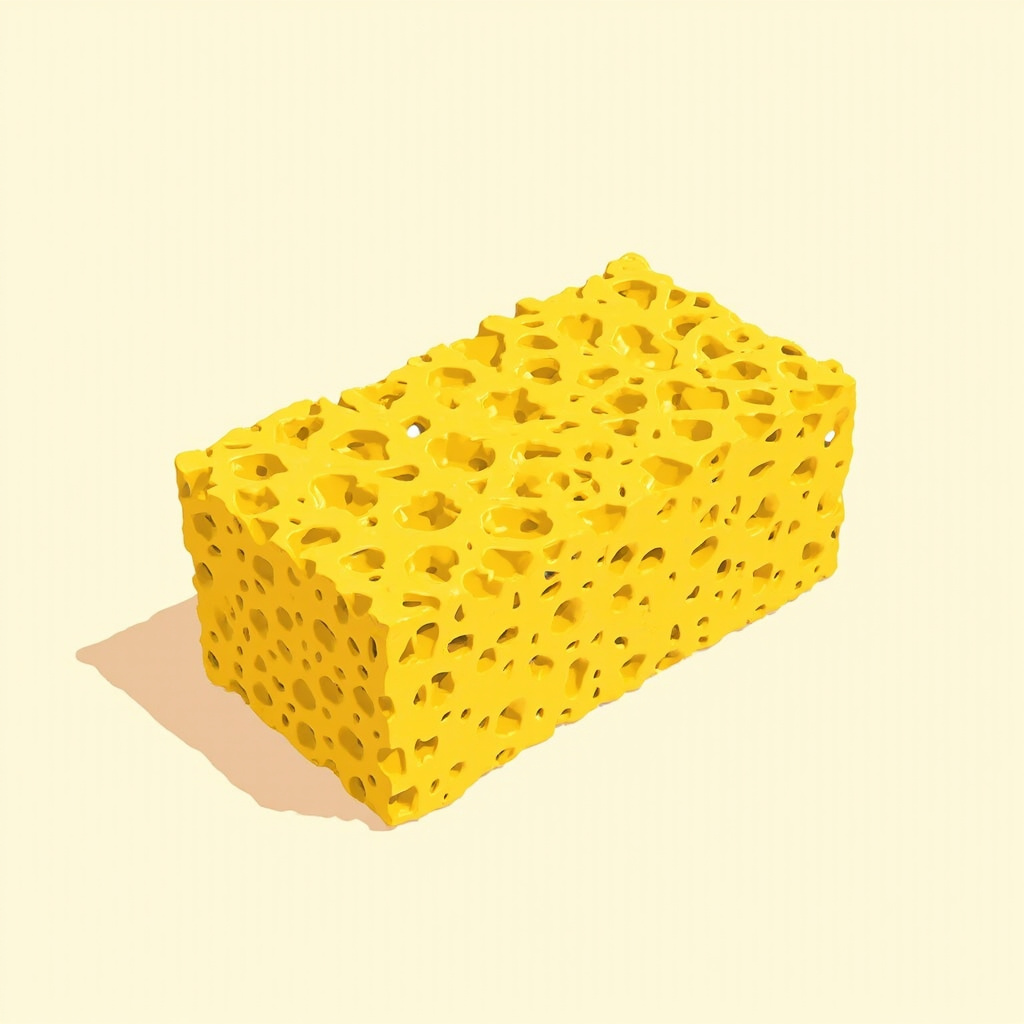
spongespʌndʒ
A soft, porous material, typically made of cellulose or synthetic foam, used for cleaning, absorbing liquids,
sprayspreɪ
A spray is a fine stream of tiny liquid drops scattered into the air, or a device that produces and disperses
stainsteɪn
A discoloration or spot left on a surface by a liquid or substance that has been absorbed or deposited.
surfaceˈsɜːfɪs
The outside part or top layer of something, or an outer side of a place or object.
Required
Match each cleaning word to its Arabic meaning.
Match each cleaning word to its Arabic meaning.
detergent
bleach
sponge
cloth
bucket
stain
سائل غسيل
مبيض
إسفنجة
قطعة قماش
دلو
بقعة
First, fill the bucket with water. Then, add some detergent.
Read the model instructions. Notice the sequence words 'First' and 'Then' — these are common with imperatives.
Required
Listen and choose the word you hear.
detergent
sponge
bleach
Required
You want to clean a hard surface like a kitchen counter. What do you need?