Some, any, much and many are small words, but they are very important in English. We use them to talk about amounts of things, especially when we talk about money.
Some and any go with both countable nouns (things you can count, like coins) and uncountable nouns (things you cannot count, like money). Use some in positive sentences: I have some money in my wallet. Use any in negative sentences: I don't have any cash. Use any in questions: Do you have any notes?
Much and many also talk about amounts, but they have special jobs. Use many with countable nouns in the plural: How many coins do you have? / I don't have many friends in this town. Use much with uncountable nouns: How much money do you have? / I don't have much time.
Look at the table:
Countable (coins, notes, friends)
Uncountable (money, cash, time)
Positive (+)
I have some coins.
I have some money.
Negative (–)
I don't have many coins.
I don't have much money.
Question (?)
How many coins?
How much money?
A small tip: in positive sentences we often say a lot of with countable and uncountable nouns: I have a lot of money. But some is also correct here. Remember: some = positive.any = negative or question.many = countable.much = uncountable.
Generating translation…
I have some money in my wallet.
Positive sentence with 'some' + uncountable noun.
I don't have any cash today.
Negative sentence with 'any' + uncountable noun.
Required
Look at the two sentences above. In the negative sentence, what word comes between 'don't have' and 'cash'?
any
some
many
Required
I don't have ___ cash today.
Required
I have ___ friends in this town.
many
much
any
Required
How ___ money do you want to spend?
Required
Put the words in the correct order to make a question.
you
How
have
much
money
do
Required
Drag the correct word into each gap.
much
any
some
much
many
I have money in my wallet.
I don't have cash today.
How is that bag?
How coins do you have?
I don't have time to shop.
Required
We use 'many' with uncountable nouns like money.
'Money' is uncountable, so we use 'much', not 'many'.
Listening
Listening
5
cards
Scene: Tom and Emma are in a shop in London. Tom wants to buy a wallet for his brother. They are at the till, and Tom is looking at the price.
Before you listen, think about this: when you go to a shop and want to buy something, what do you ask? You ask the price. In English we say: How much is it? and the answer is a number of pounds.
Listen to the conversation. Tom asks for the price of the wallet. Listen for: the number (how many pounds), how much cash Tom has with him, and what kind of money is in his pocket.
You will also hear the small grammar points from Section 1. Tom says I don't have much cash and Do you have any notes? Listening for grammar in real speech helps you remember it. In the UK, prices are in pounds (£) and pence (p). The wallet in this conversation costs £25, twenty-five pounds.
After the conversation, answer three questions — one about the main idea, one true or false detail, and one where you complete a sentence. Listen carefully, because you only hear the dialogue once.
Generating translation…
Tom and Emma are in a London shop. Tom wants to buy a wallet. Listen to their conversation.
E
EmmaHi Tom. Look at this wallet. It's nice, isn't it?
T
TomYes, I like it. How much is it?
E
EmmaThe price is twenty-five pounds.
T
TomThat's expensive. I want to buy it, but I don't have much cash with me.
E
EmmaDo you have any notes in your pocket?
T
TomYes, I have a ten-pound note.
E
EmmaGreat. And how many coins do you have?
T
TomI have a few coins. Maybe five or six. Let's go to the till.
Required
What does Tom want to buy?
a wallet
a phone
a bag
Required
The wallet costs fifteen pounds.
Emma says the price is twenty-five pounds.
Required
The wallet costs ___ pounds.
Pronunciation
Pronunciation
6
cards
In this lesson we look at one important British English sound: /ʌ/. This is the short vowel in the word money. It is also in some, much, month, cup and bus.
How do you make the /ʌ/ sound? Open your mouth a little, like a small smile. Your tongue is low and at the back of your mouth, but very relaxed. The sound is short — about half a second. Your voice is on, so you can feel your throat vibrate. The shape of your lips does not change.
Compare /ʌ/ with /æ/ (the sound in cat). For /ʌ/ the mouth is more relaxed and the tongue is lower and further back. For /æ/ the mouth opens wider, like a big smile.
Look at the example words:
Word
Sentence
money
I have some money.
some
I have some cash.
much
How much is it?
month
I shop once a month.
cup
A cup of coffee, please.
bus
I go by bus.
Listen carefully. The /ʌ/ sound is short and relaxed. Don't make it long like /uː/ ('oo' in food) or /ɑː/ ('ah' in car). Practise saying each word slowly, then say it again at normal speed. The British /ʌ/ is short, central and voiced.
Generating translation…
To make /ʌ/: open your mouth a little, keep your tongue low and at the back but relaxed, switch your voice on, and keep the sound short. The lips do not change shape.
Required
Listen. Which word do you hear?
much
match
march
Required
Say the word. Focus on the short /ʌ/ vowel in the middle.
money
Required
Say the question. Listen for the /ʌ/ in 'much'.
How much is it?
Required
Say the sentence. There is an /ʌ/ in 'some' and in 'money'.
I have some money.
Speaking
Speaking
7
cards
Now it's your turn to speak. You are going to practise asking the price and talking about money in a shop.
Here are some useful phrases for shopping:
English
Meaning
How much is it?
How much are they?
It's too expensive.
That's cheap!
Do you take cash?
I'll take it.
Do you have any coins?
I don't have much money.
First, listen to a short model conversation between a shop assistant and a customer. The customer wants to buy a bag, asks the price, and decides to buy it.
Then you will say the key sentences out loud. Finally, you will have your own roleplay. The AI will play the shop assistant and you play the customer. Try to use: How much is it?, some / any, much / many and cheap / expensive.
Tips:
Speak clearly and not too fast.
Use some for positive sentences and any for negatives and questions.
Use much for money and cash (uncountable): How much is it?
Use many for coins and notes (countable): How many notes do you have?
Be polite in a British shop: say please and thank you.
When you are ready, press start and begin the conversation.
Generating translation…
Listen to this short model conversation. A customer wants to buy a bag. The shop assistant helps them.
A
AnnaHello! Can I help you?
J
JackYes, please. How much is this bag?
A
AnnaIt's fifteen pounds.
J
JackThat's cheap. Do you have any in black?
A
AnnaYes, here you are.
J
JackGreat. I'll take it, please.
How much is it?
The key model phrase for asking the price in a shop.
Required
Ask the price of an item in a shop. Speak clearly.
How much is it?
Required
Say this sentence. Focus on the /ʌ/ in 'much' and the grammar 'much + uncountable'.
I don't have much money today.
Required
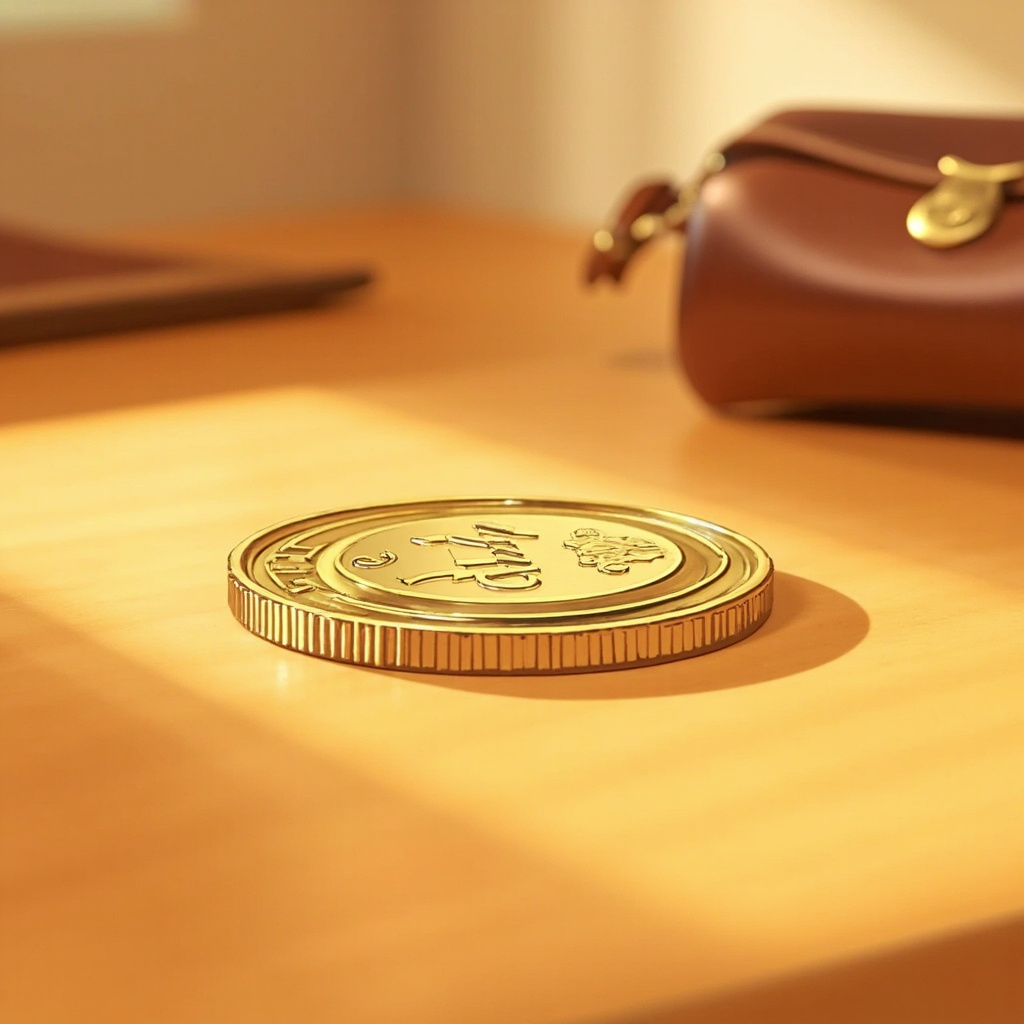
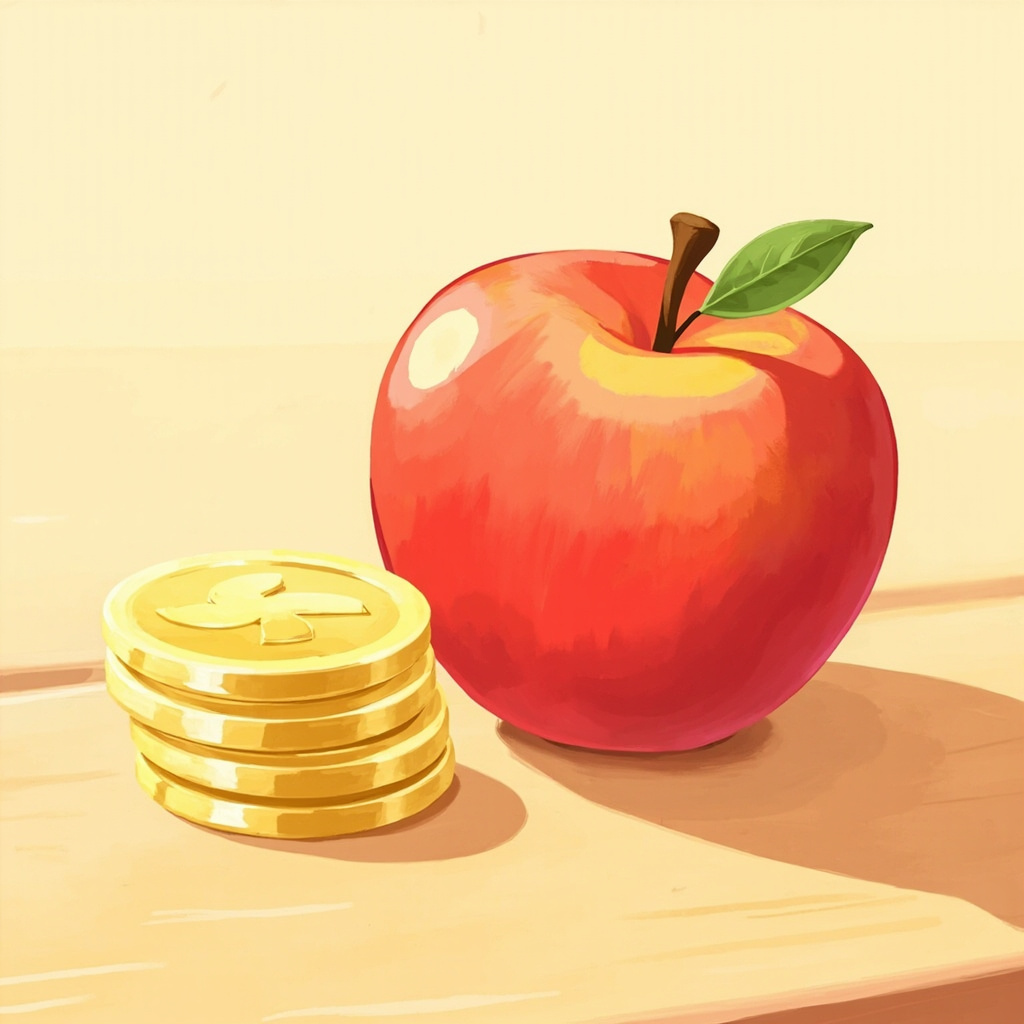
You are in a small shop in the UK. Look at the things on the table and ask the price. Use 'How much is it?', 'some / any' and 'much / many'. Decide if you want to buy something.
Required
Vocabulary
Vocabulary
6
cards
This lesson is about money and spending. Here are eight useful words for talking about money when you shop.
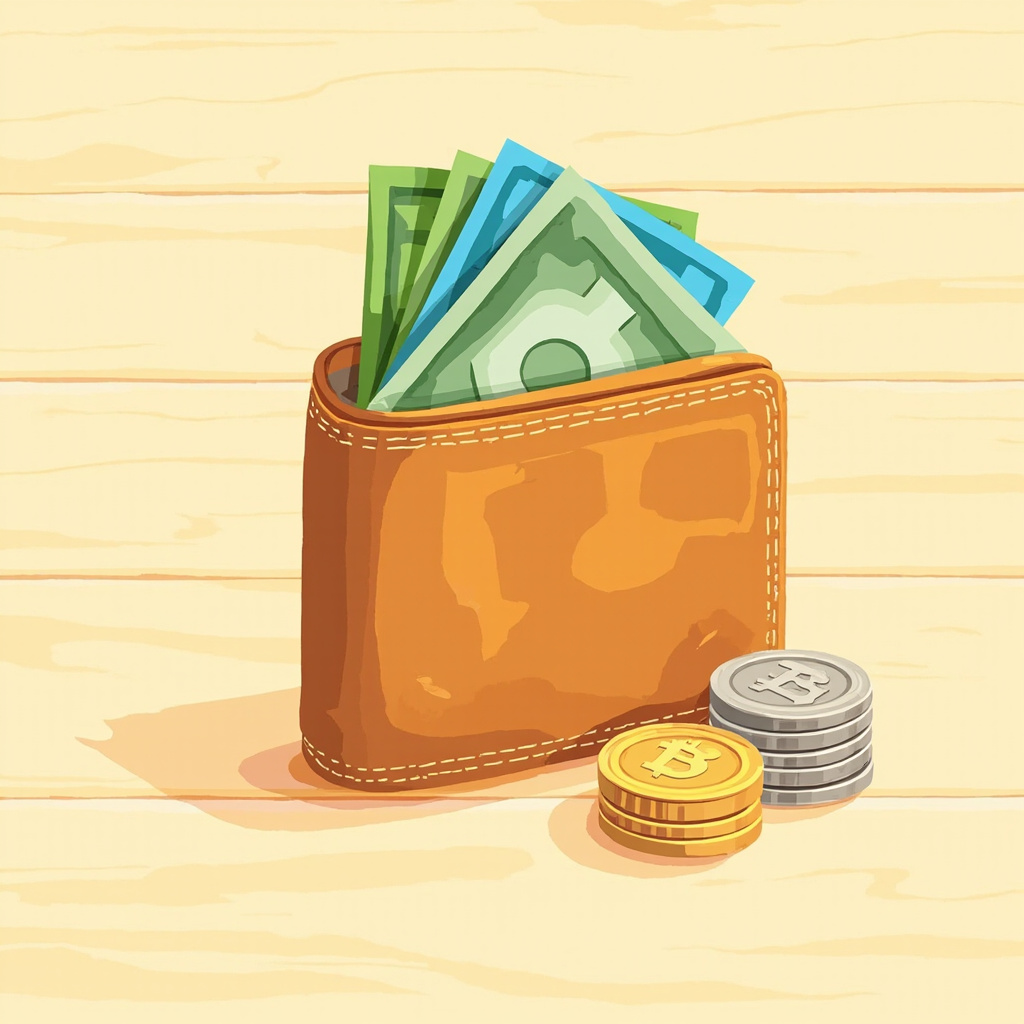
Money and cash mean almost the same thing, but cash is the paper money and coins you carry in your pocket. A coin is one piece of metal money. A note is one piece of paper money. The price of something is how much it costs in the shop.
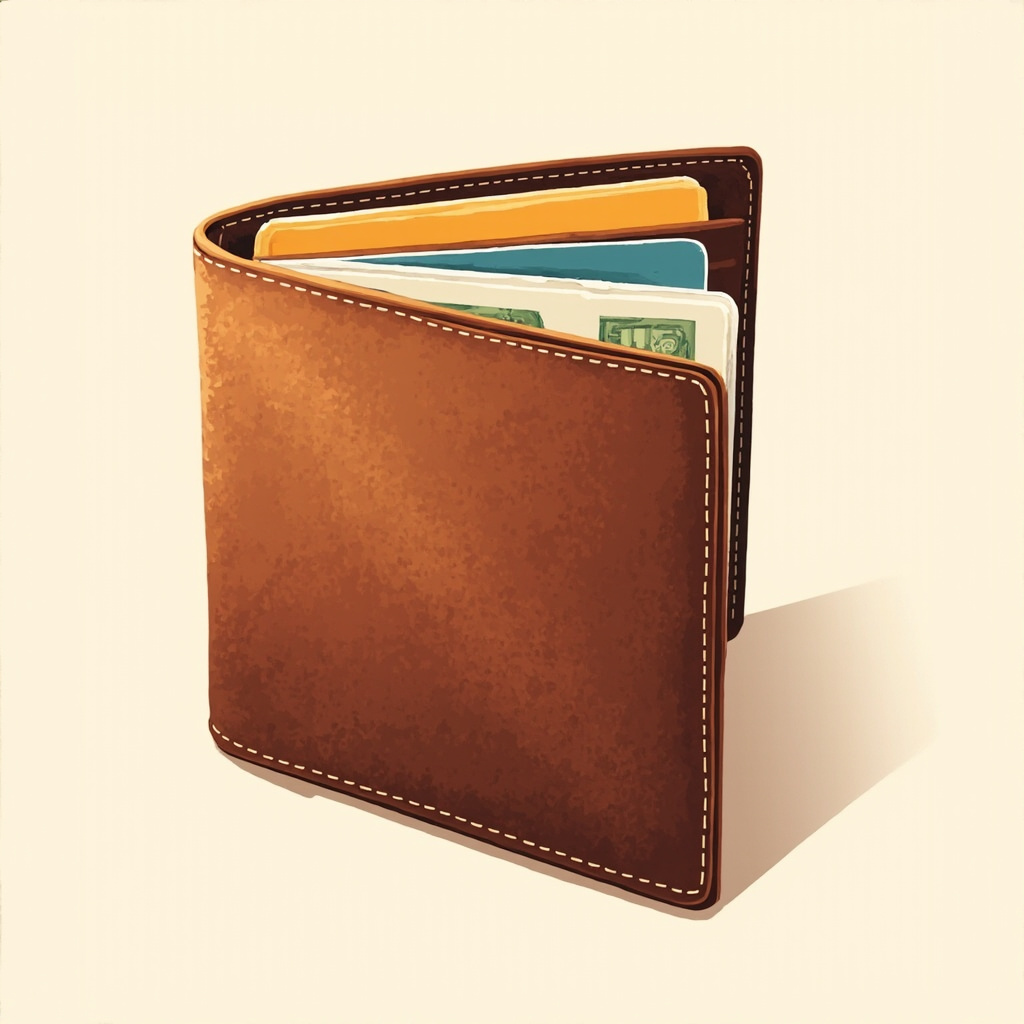
Two useful adjectives: cheap means low in price, and expensive means high in price. A wallet is the small bag where you keep your money and cards.
Word
Type
Meaning
Example
money
noun
I have some money.
cash
noun
Do you have cash?
coin
noun
This is a one-pound coin.
note
noun
A five-pound note.
price
noun
The price is twenty pounds.
cheap
adjective
This bag is cheap.
expensive
adjective
That phone is expensive.
wallet
noun
My wallet is in my bag.
Notice: we say a ten-pound note but a coin. Notes and coins are both countable, so we can use many.Money and cash are uncountable, so we use much.
Try to use these words every day when you talk about shopping. For example: I want to buy a wallet. How much is it? It's a cheapprice — only fifteen pounds!
Generating translation…
Learn these eight money words. Read the table above for meanings and examples.
cashkæʃ
Money in the form of notes and coins, rather than checks or credit cards.
cheaptʃiːp
Low in price; not expensive. Something that costs less than usual or expected.
coinkɔɪn
A small, round piece of metal used as money, typically issued by a government.
expensiveɪkˈspensɪv
Costing a lot of money; having a high price.
money
coins and paper notes used to buy things.
note
a brief written record
pricepraɪs
The amount of money that you need to pay to buy something.
walletˈwɒlɪt
A small folding case for carrying money and cards, typically made of leather or fabric, usually kept in a pock
Required
Match each definition with the correct word from the bank.
Match each definition with the correct word from the bank.
paper money
metal money
how much something costs
low in price
high in price
small bag for money and cards
note
coin
price
cheap
expensive
wallet
money
cash
I don't have much money, but I have some coins in my pocket.
A model sentence using the new words and the grammar from Section 1.
Required
Listen. Which bag is cheap?
This bag
That bag
The wallet
Required
You are in a shop. You want to know the cost. What do you ask?