In this section, we are going to use the vocabulary from the previous section in real conversations. When we look at nature photos with friends, we need certain phrases to describe what we see, express our feelings, and suggest solutions. Let's look at some useful phrase groups that you can mix and match.
Describing a photo
When someone shows you a nature photo, you can start with these opening phrases:
"What do you see in this photo?"
"The picture shows a beach with lots of rubbish."
"In the background, there are some mountains."
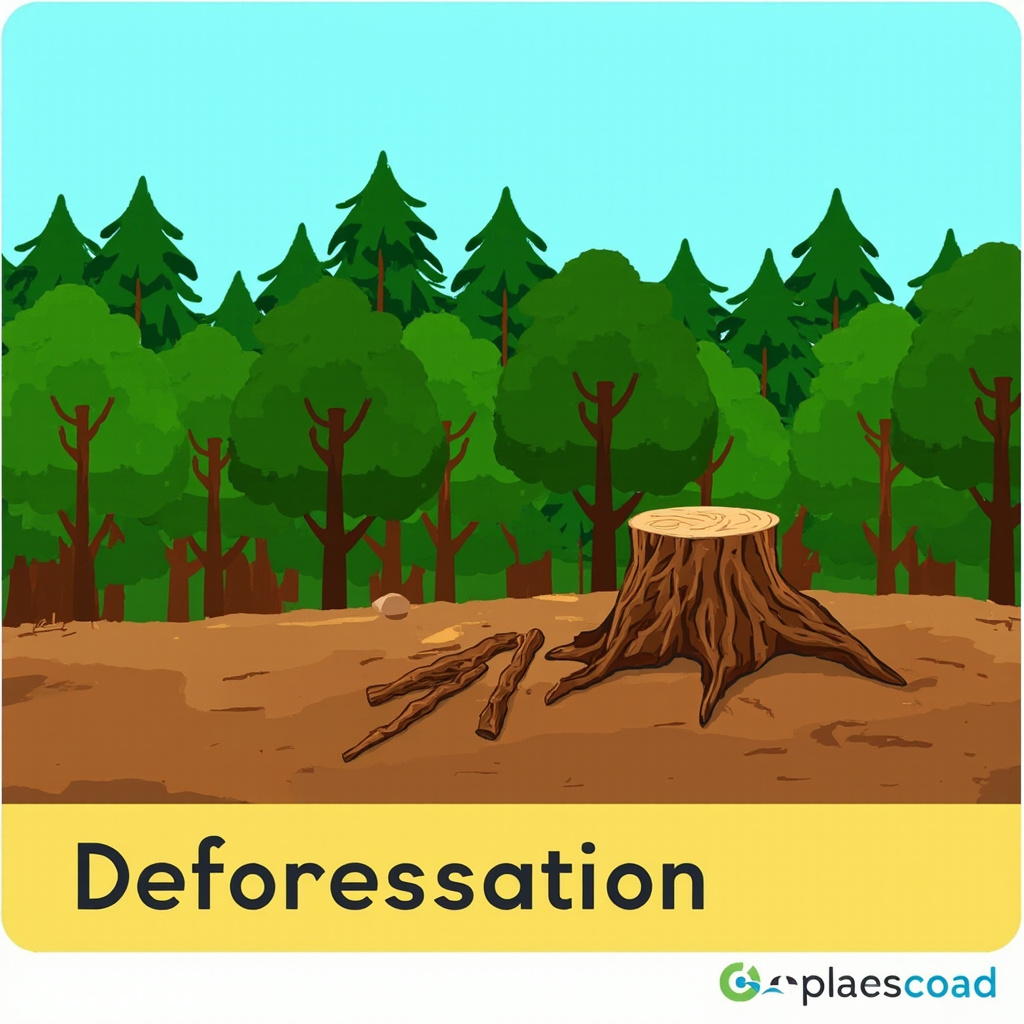
"Look at all the trees — they've been cut down."
Expressing concern
Nature photos often show problems. We can share our worries with these phrases:
"I'm worried about the pollution in this river."
"This is really sad to see."
"It's a serious environmental problem."
"I feel sorry for the animals."
Suggesting action
After we identify a problem, we can suggest what people should do:
"We should recycle more."
"People need to protectwildlife."
"Everyone can make a difference."
"We must stop littering."
Giving opinions
We can also share our general opinions about nature:
"I think nature is beautiful."
"Wildlife is important for our planet."
"Climate change affects everyone."
"I love being outdoors."
Notice how these phrases use different grammar patterns. Some use the verb should to give advice: "We shouldrecycle more." Some use must for strong obligation: "We mustprotectwildlife." Some use can to talk about possibility: "Everyone can make a difference." And some use the present continuous to describe what is happening in the photo: "The trees are being cut down." Choosing the right verb is what makes your English sound natural.
In the dialogue that follows, you will hear two friends, Emma and Tom, looking at a nature photo and discussing the deforestation they see. Listen carefully to how they use the vocabulary and phrases from this lesson. Pay attention to their tone — they are serious, but friendly. Then you will have the chance to practise speaking the key sentences yourself.
Remember, when you speak, you don't need to use perfect grammar. The most important thing is to communicate your ideas clearly. Use the phrases from this section as building blocks, and add your own details and opinions. If you don't know a word, try to describe it simply — English speakers love it when learners try!
في الجزء ده من الدرس، هنتعلم إزاي تتكلم عن صور الطبيعة بالإنجليزي في موقف حقيقي. الموقف إنك قاعد مع صاحبك بتبصوا على صورة وبتتناقشوا فيها عن البيئة والحيوانات. في الدرس ده هنشتغل على أربع مهارات أساسية.
أولاً: وصف الصورة (Describing a photo)
لما حد يوريك صورة، تقدر تبدأ بسؤال زي "What do you see in this photo?" وبعدين تصف اللي شايفه. مثلاً: "The picture shows a beach with lots of rubbish" أو "In the background, there are some mountains". الجمل دي بسيطة ومفيدة جداً عشان تفتح موضوع الكلام.
ثانياً: التعبير عن القلق (Expressing concern)
لو الصورة بتوضح مشكلة، لازم تعبّر عن قلقك. استخدم جمل زي:
"I'm worried about the pollution in this river"
"This is really sad to see"
"It's a serious environmental problem"
ثالثاً: اقتراح حلول (Suggesting action)
وهنا بيجي دور ثلاثة أفعال مهمة جداً:
should → للنصيحة: "We should recycle more"
must → للضرورة القوية: "We must protect wildlife"
can → للإمكانية: "Everyone can make a difference"
رابعاً: إبداء الرأي (Giving opinions)
ممكن كمان تقول رأيك العام، زي "I think nature is beautiful" أو "Wildlife is important for our planet".
قاعدة جرامر مهمة:
لاحظ جملة "The trees have been cut down" — دي اسمها present perfect passive (الماضي التام المبني للمجهول). بنستخدمها لما الحاجة حصلت في الماضي وأثرها لسه موجود لحد دلوقتي. ولاحظ الفرق بينها وبين "I see" اللي بنستخدمها في اللحظة الحالية. لما تتكلم، مش لازم كل حاجة تبقى perfect، المهم توصل فكرتك بوضوح.
Listen to Emma and Tom looking at a nature photo of a forest. They use words from the lesson.
E
EmmaHi Tom! Look at this nature photo. What do you see?
T
TomI see a forest, but many trees have been cut down. It's really sad.
E
EmmaYes, it's deforestation. I'm worried about the wildlife that lives there.
T
TomMe too. We must protect the environment. Do you recycle at home?
E
EmmaOf course! I recycle paper and plastic. Everyone can make a difference.
T
TomYou're right. Small actions are important for our climate.
We must protect the environment because wildlife and our climate are in danger.
Read this key sentence aloud. It combines three words from the lesson: protect, environment, wildlife, and climate.
Required
Say this sentence aloud as if you are looking at a photo of deforestation. Speak clearly and try to sound natural.
I see a forest, but many trees have been cut down. It's really sad.
Required
Now say this sentence. It gives advice using should and can. Try to use a friendly, encouraging tone.
We should recycle more and protect wildlife. Everyone can make a difference.
Required
Tom is showing you a photo of a polluted river. Describe the photo, say how it makes you feel, and suggest what people should do. Try to use words from the lesson: pollution, litter, environment, recycle, protect.
Required
Vocabulary
Vocabulary
6
cards
Looking at nature photos is one of the best ways to start a conversation about the world around us. In this lesson, we are going to learn eight key words that will help you describe what you see in photos of forests, oceans, mountains, rivers, and city streets. These words are essential for talking about environmental issues — the problems our planet faces today, such as pollution, climate change, and the loss of wild places.
When we look at a nature photo, we often see things that are beautiful — a sunset over the sea, a bird flying high, or a green forest. But sometimes we also see things that worry us. For example, a photo might show smoke rising from a factory, a forest that is being cut down, or a beach that is full of rubbish. Knowing the right words helps us describe these situations clearly and discuss what we can do to help. The more words you know, the more you can say about a single picture.
Here are the eight key words for this lesson. Read the table carefully. Notice the part of speech for each word, because it affects how you use it in a sentence.
Word
Part of speech
Meaning (Arabic)
Example sentence
pollution
noun
تلوث
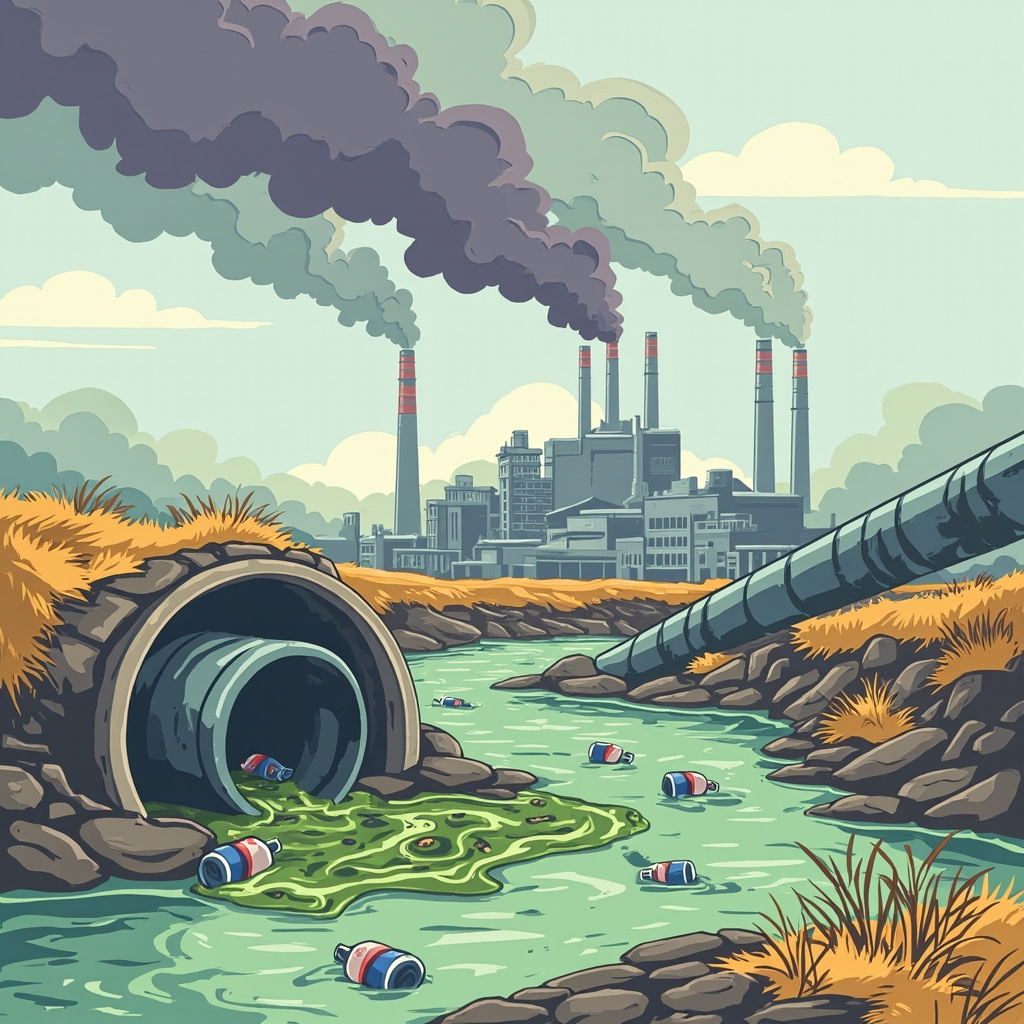
Air pollution in big cities is a serious problem.
deforestation
noun
إزالة الغابات
Deforestation is destroying the rainforests.
climate
noun
مناخ
The climate is changing all over the world.
wildlife
noun
حياة برية
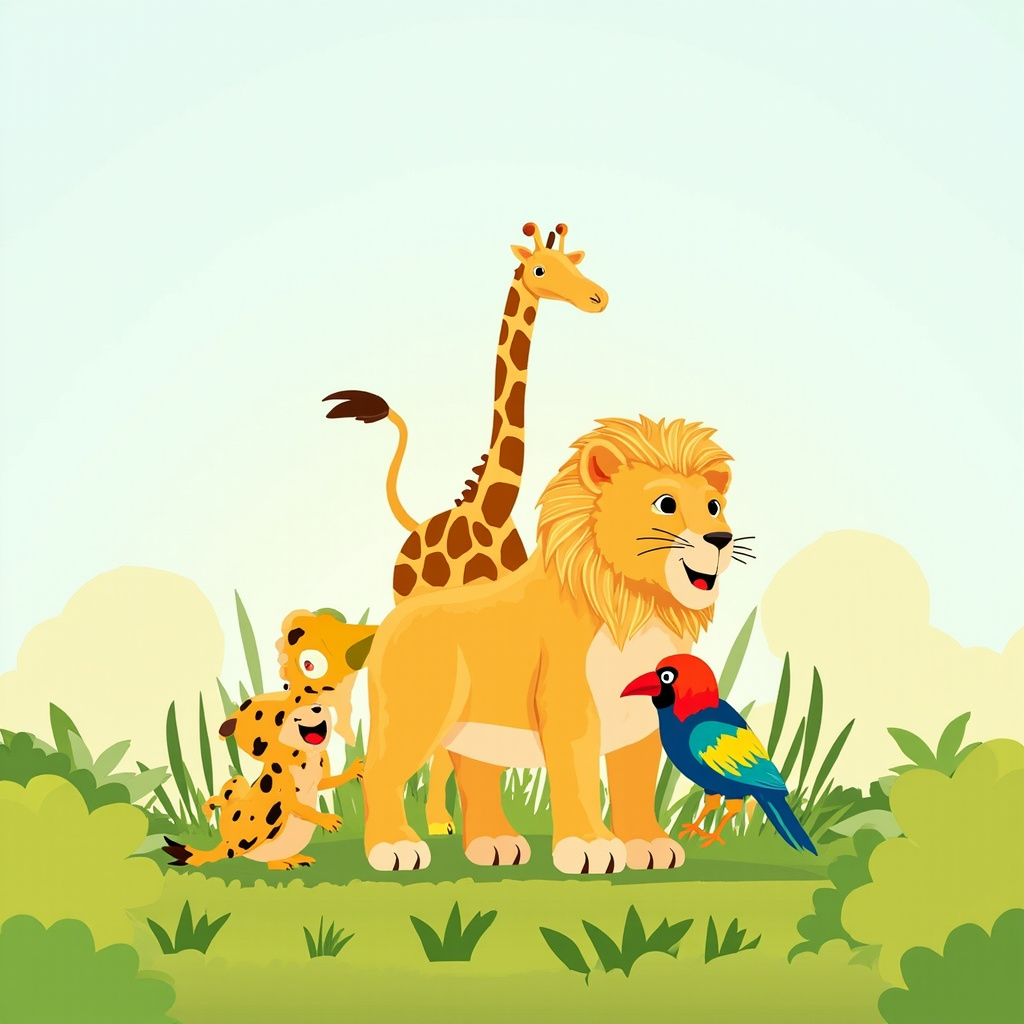
We need to protectwildlife in Africa.
recycle
verb
يعيد التدوير
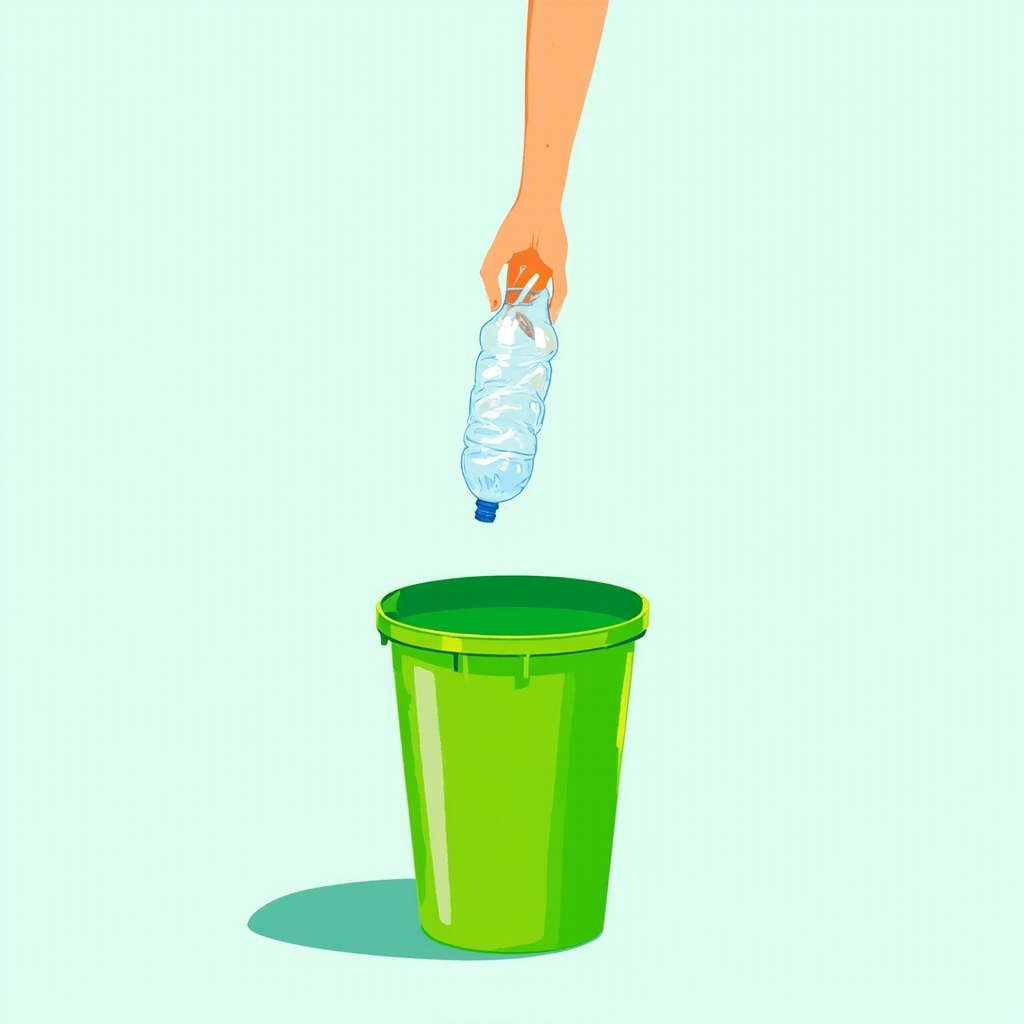
Please recycle your plastic bottles.
protect
verb
يحمي
We must protect endangered animals.
litter
noun
قمامة
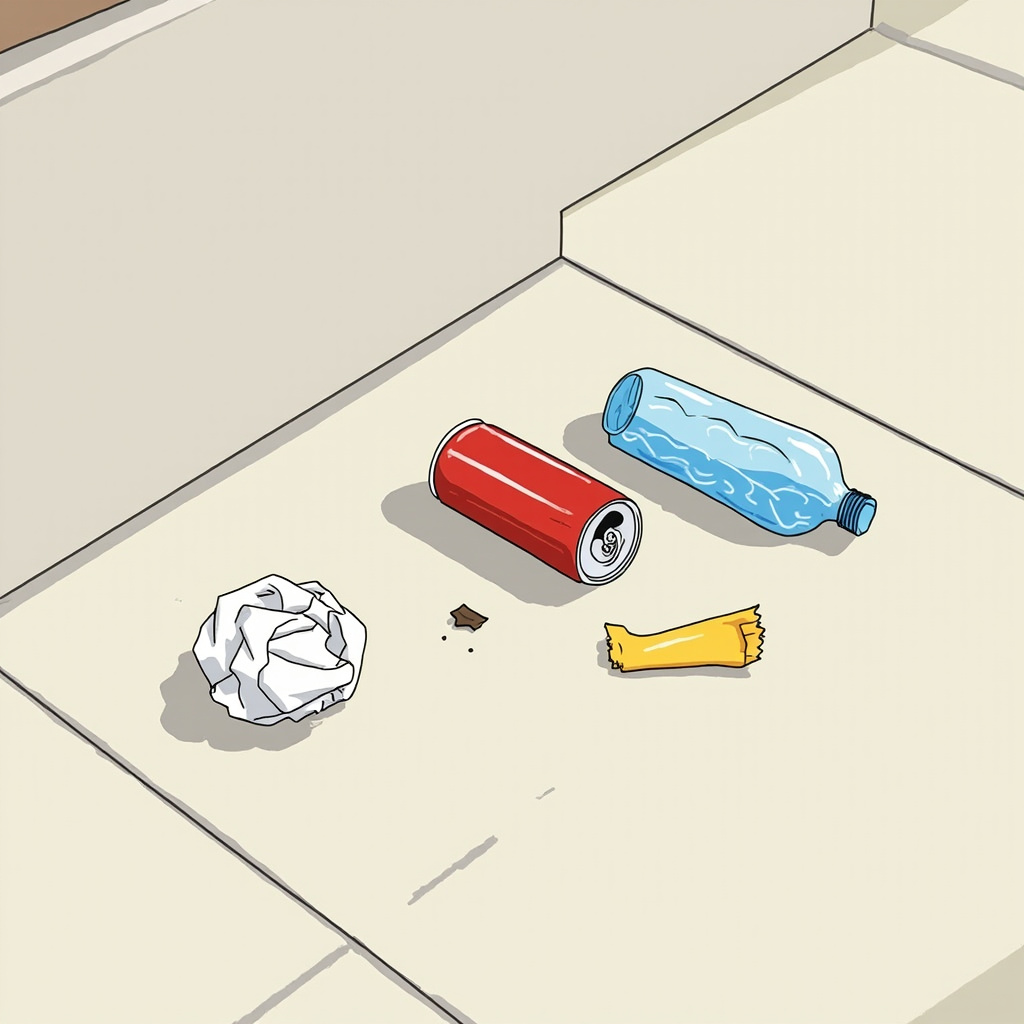
There is litter everywhere on the beach.
environment
noun
بيئة
A clean environment is important for our health.
You will see these words many times in the exercises that follow. Try to learn not just the meaning, but also how to use each word in a natural sentence. Notice that six of the words are nouns (pollution, deforestation, climate, wildlife, litter, environment) and two are verbs (recycle, protect). In English, we usually put the verb after the subject: "We recycle paper at school" or "They protect the forests".
Pay attention to word formation as well. The verb protect becomes the noun protection, and the verb recycle becomes the noun recycling. When we add -ing to a verb, we make a gerund, which can act like a noun: "Recycling is important." You can also combine words: environmental issues, climate change, wildlife protection — these noun phrases are very common in news articles and conversation.
In the next section, we will practise using these words in short conversations about nature photos. By the end of the lesson, you will be able to look at a photo, name the environmental issue in it, and suggest what people can do to help the planet.
الكلمات في الدرس ده كلها عن البيئة والطبيعة — موضوع مهم جدًا في حياتنا اليومية وفي أي محادثة عن الصور اللي بنشوفها. هنشوف مع بعض 8 كلمات أساسية هتساعدك تتكلم وتوصف اللي بتلاحظه.
أقسام الكلمات (Parts of speech)
من الـ 8 كلمات، عندنا 6 أسماء (nouns) و فعلين (verbs):