Now that you have met the key vocabulary, it is time to use those words in real conversation. In this section, you will hear a short dialogue between two classmates, Lina and Omar, talking about how they study for exams, and then you will practise the same kind of conversation yourself.
When English speakers talk about learning habits, they usually use a small set of useful sentence patterns. Mastering these patterns will make you sound natural and confident. Here are the most common ones, each with an example to show you how it works.
'I learn best by + V-ing' — Example: I learn best by listening to podcasts.
'I find it hard to + infinitive' — Example: I find it hard to concentrate in the evening.
'What works for me is + noun / V-ing' — Example: What works for me is studying in short sessions.
'I usually + verb' — Example: I usually revise before going to bed.
'The most important thing is to + infinitive' — Example: The most important thing is to stay calm.
'Could you give me some advice on + V-ing?' — Example: Could you give me some advice on improving my memory?
Here is a quick reference table that groups the patterns by situation:
Situation
Useful phrase
Describing your learning style
I learn best by + V-ing
Talking about a study problem
I find it hard to + infinitive
Recommending something
You could try + V-ing
Asking for advice
Could you give me some advice on + V-ing?
Comparing two habits
I learn faster when…, but I concentrate better when…
Notice how British English uses the spelling practise (verb) and practice (noun), while American English uses practice for both. In this course we follow British spelling, so remember to write -ise endings, not -ize.
In a real conversation about learning, you can also use a few small phrases to keep the discussion going. Short reactions like 'Really?', 'That's interesting.', 'I agree.', and 'What about you?' make the exchange feel natural and friendly. Listening carefully to the other person's answer helps you ask better follow-up questions, for example: 'So you mean you prefer working in silence?' or 'How long do you usually study for?'
You can also compare yourself with your partner using words like better, worse, easier, harder, more, and less. For example: 'I learn faster when I study with a friend, but I concentrate better when I am alone.' This kind of comparison is very common when people share study tips.
Finally, when you give advice, it is polite to use softeners such as maybe, perhaps, or you could try + V-ing. For instance: 'Maybe you could try using flashcards — they really help me remember new words.'
By the end of this section, you should feel confident describing your own learning style, asking a friend about theirs, and offering simple study advice. Let's begin with a short model dialogue.
النماذج الأساسية في المحادثة
في الجزء ده هنتعلم نماذج جمل مهمة جدًا لما تحب تتكلم عن عادات المذاكرة بتاعتك. النماذج دي هي اللي بتخليك تتكلم زي الناطقين الأصليين بالإنجليزي.
وصف طريقة تعلّمك
أول نموذج هو I learn best by + V-ing ومعناها "أنا بتعلم أحسن عن طريق إني..." وبتستخدمها لما تصف طريقتك المفضلة. مثال: I learn best by listening to podcasts — أنا بتعلم أحسن لما بسمع بودكاست.
الكلام عن المشاكل
تاني نموذج هو I find it hard to + infinitive وبتستخدمها لما تقولي إن حاجة صعبة عليك. مثال: I find it hard to concentrate in the evening — أنا بلاقي صعوبة إني أركّز بالليل.
تقديم النصايح بلطف
لما تحب تنصح حد، استخدم You could try + V-ing — ممكن تجرّب إنك تعمل كذا. مثال: You could try recording yourself reading the notes — ممكن تجرّب تسجّل نفسك وانت بتقرأ الملاحظات.
طلب النصيحة
وإذا عايز تطلب نصيحة قول: Could you give me some advice on + V-ing? — ممكن تديني نصيحة في إني...؟
ملاحظة مهمة في الإملاء البريطاني
لازم تعرف إن في الإنجليزي البريطاني بنكتب practise (فعل) و practice (اسم). يعني لو بتقول "أنا بمارس" تبقى practise، لكن لو بتقول "الممارسة" تبقى practice. في الأمريكي الاتنين بيتكتبوا practice.
كلمات المقارنة
عشان تقارن بين عاداتك وعادات حد تاني استخدم:
better أحسن
worse أسوأ
easier أسهل
harder أصعب
more أكتر
less أقل
مثال: I learn faster when I study with a friend, but I concentrate better when I am alone — أنا بتعلم بسرعة أكتر لما بذاكر مع صاحب، لكن بأركّز أحسن لما بكون لوحدي.
ردود قصيرة تخلي الكلام طبيعي
لما صاحبك يتكلم استخدم ردود زي: Really? فعلاً؟، That's interesting. ده حاجة مثيرة، I agree. أنا موافق، What about you? وانت إيه؟ الردود دي بتخلّي المحادثة ودودة وطبيعية.
Listen to Lina and Omar talking about how they study. Pay attention to the phrases they use to describe their habits.
L
LinaHi Omar! How do you usually study for exams?
O
OmarI revise my notes in the evening. I find it hard to concentrate during the day.
L
LinaI learn best by practising with a friend. We test each other.
O
OmarThat sounds useful. I think my method is a bit boring.
L
LinaYou could try recording yourself reading the notes and then listening to them.
O
OmarGood idea! I'll try that this week.
I learn best by listening to podcasts.
A useful sentence for talking about an auditory learning style. Use this pattern to describe your own way of learning.
Required
Read this sentence aloud. It uses the pattern 'I learn best by + V-ing' to describe an auditory learning style.
I learn best by listening to podcasts.
Required
Read this sentence aloud. It uses 'I find it hard to + infinitive' to talk about a study problem and offers a simple solution.
I find it hard to concentrate in the evening, so I study in the morning.
Required
You are talking to your classmate Sami. Use the phrases from this section to describe your own learning style, ask Sami about his, and offer one piece of advice. Try to use at least three of these patterns: 'I learn best by…', 'I find it hard to…', and 'You could try…'.
Required
Vocabulary
Vocabulary
6
cards
Learning a new skill or subject is something we all do throughout our lives. Whether you are studying English, learning to drive, or training for a new job, the way you learn can make a big difference to your progress. In this section, you will meet eight useful words that English speakers often use when they talk about learning and study habits.
Here are the eight words in a short table. Read each one, then look at the example sentence to see how it is used in real English.
Word
Part of speech
Arabic gloss
Example sentence
learn
verb
يتعلم
I want to learn a new language this year.
study
verb
يدرس
She studies maths for two hours every day.
practise
verb (UK)
يتدرّب / يمارس
He practises the piano after school.
remember
verb
يتذكّر
I can't remember her phone number.
concentrate
verb
يركّز
It's hard to concentrate in a noisy room.
revise
verb
يراجع
We need to revise before the test.
improve
verb
يحسّن
My English is starting to improve.
method
noun
طريقة / أسلوب
There are different methods of learning.
First, let's look at the most general verbs.Learn means to get new knowledge or a new skill. You can learn a language, learn to cook, or learn how to use a computer.Study is similar but usually focuses on more formal learning, for example at school, university, or for an exam.Practise (with -ise spelling, which is the British form) means to do an activity regularly so that you get better at it. A musician practises every day, and a footballer practises penalties before a match.
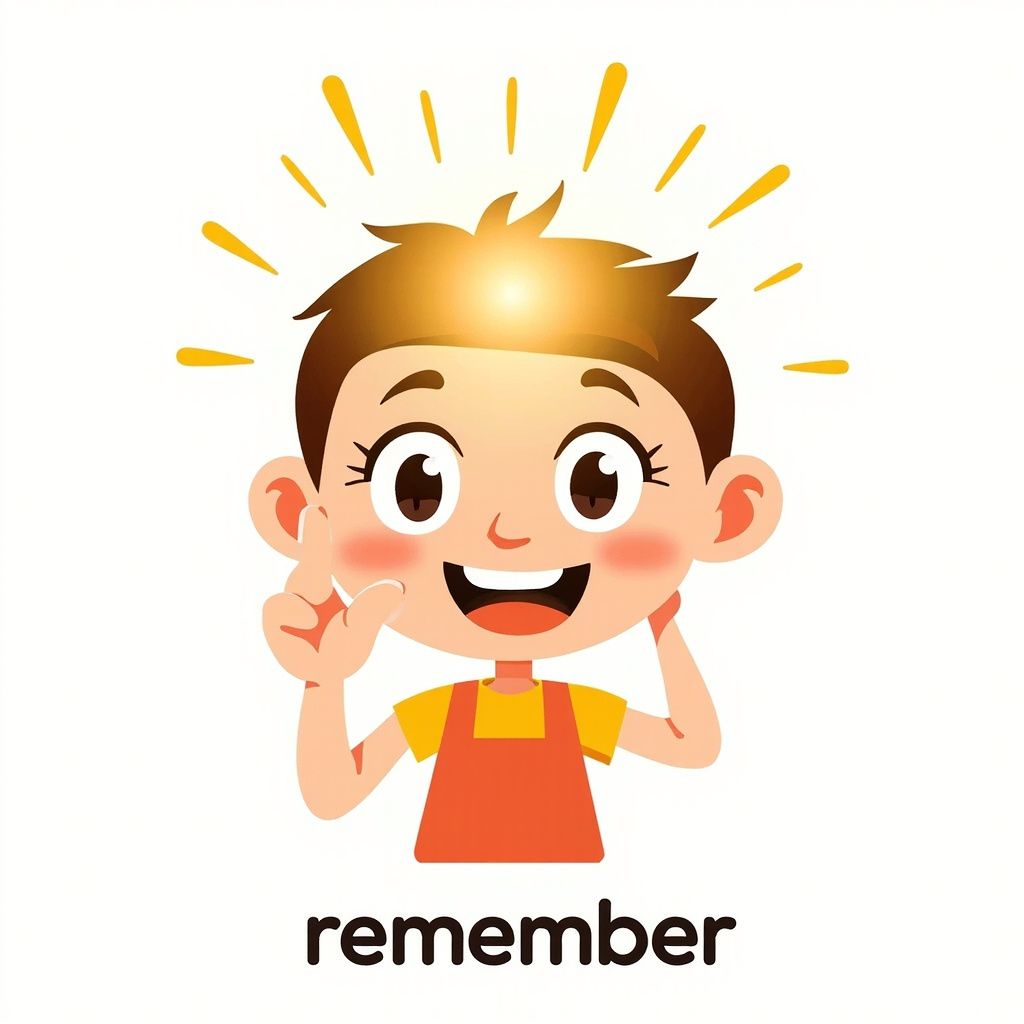
Three more verbs are very useful when you talk about your study routine.Revise means to look at material again before a test.Concentrate means to give all your attention to one thing — phones, hunger, and noisy rooms make it hard to concentrate.Remember means to keep information in your mind so you can use it later. You remember names, dates, and new vocabulary.
Two more words help you talk about progress and method.Improve means to get better at something over time, and method is a noun that means the way you do something. You can talk about 'my method' or 'different methods' of learning. Different people learn in different ways, and there is no single 'right' method. Here is a short overview of the main learning styles:
Style
How they learn best
Example activity
Visual
With pictures, colours, mind maps
Reading notes, watching videos
Auditory
By listening and speaking
Discussions, podcasts, songs
Kinesthetic
By doing and moving
Role-plays, experiments, acting out
The words in this lesson will help you describe your own learning habits clearly and understand how other people learn, too.
مقدمة عن مجموعة الكلمات
في الجزء ده من الدرس هنعرف مع بعض ٨ كلمات أساسية بيستخدمها الناطقين بالإنجليزي لما يحبوا يتكلموا عن إزاي بيتعلموا أو بيراجعوا دروسهم. الكلمات دي هتساعدك تصف عاداتك في المذاكرة بوضوح، وتفهم كمان لما حد تاني يحكي عن طريقته في التعلم.
فرق مهم بين learn و study و practise
أول تلات كلمات كلهم verbs بس الفرق بينهم بسيط ولازم تركز فيه:
learn (يتعلم): معناها إنك بتاخد معلومة جديدة أو skill جديد. تقدر تقول I want to learn English أو I learn new words every day.
study (يدرس): معناها إنك بتذاكر بشكل رسمي، زي في المدرسة أو الجامعة أو قبل امتحان. مثلاً She studies maths for two hours.
practise (يتدرّب): معناها إنك بتعمل الحاجة كتير عشان تتحسن فيها. لاحظ إنها بتتكتب بـ -ise مش -ize عشان دي الطريقة البريطانية. مثلاً He practises the piano.
كلمات تانية بتوصف الروتين بتاعك
revise (يراجع): بتستخدمها قبل الامتحان لما بتفتح الكتاب تاني. I need to revise before the test.
concentrate (يركّز): يعني تدي انتباهك كله لشيء واحد. I can't concentrate when it's noisy.
remember (يتذكّر): يعني تفتكر معلومة في دماغك. I can't remember her phone number.
improve (يحقّق تقدّم): معناها إنك بتتحسن مع الوقت. My English is improving.
الاسم method
method (طريقة): ده noun ومعناها الطريقة اللي بتعمل بيها حاجة. بتقول my method أو different methods.
مثال كامل يجمع الكلمات
الجملة النموذجية I learn best by practising new words every day فيها learn و practising مع بعض. ده اللي المفروض تعمله: تاخد الكلمات دي وتستخدمها في جمل من عندك عشان تثبت في دماغك.
Read and listen to these eight words about learning. You will see them again in the exercises that follow.
concentrateˈkɒnsəntreɪt
To focus all your attention and mental effort on a particular task, subject, or activity; to bring something t
improveɪmˈpruːv
To make something better or to become better in quality, condition, or performance.
learnlɜːn
to get knowledge or a new skill by studying, practicing, or being taught
methodˈmeθəd
A particular way or technique of doing something, often a systematic or organized approach.
practiseˈpræk.tɪs
to do or play something regularly or repeatedly in order to become skilled at it:
to work in an important skil
rememberrɪˈmembə
To bring something to mind or recall it; to keep something in your memory.
reviserɪˈvaɪz
To review and make changes to something written or studied, especially to correct or improve it.
studyˈstʌdi
To spend time learning about a subject by reading, going to classes, or examining information.
Required
Match each word with the correct meaning.
Match each word with the correct meaning.
learn
study
practise
remember
concentrate
revise
improve
method
to get new knowledge or a new skill
to spend time reading about a subject at school or home
to do something regularly to get better at it
to keep information in your mind
to give all your attention to something
to look at material again before a test
to get better at something over time
a way of doing something
I learn best by practising new words every day.
A model sentence that uses three of today's words: learn, practise, and the idea of habit.