Once you can name the gadgets, the next step is to talk about how often you use them. English has a clear scale of frequency adverbs that go from 100% of the time to 0%. They usually sit before the main verb but after the verb to be.
Here is the full scale, from most frequent to least frequent:
Adverb
Arabic gloss
Meaning
always
دائما
100% — every single time
usually
عادة
about 90%
often
غالبا
about 70%
sometimes
أحيانا
about 30–50%
rarely
نادرا
about 10%
hardly ever
تقريبا أبدا
about 5% — almost never
never
أبدا
0% — not even once
Two very common phrases deserve special attention.All the time is an informal way of saying very often, constantly, and is perfect when you want to sound natural.Every now and then means sometimes but not very often, and works well in friendly conversation. You will hear both in the dialogue below.
Below are useful sentence patterns for talking about your own gadget habits. Memorise two or three and you can already hold a real conversation.
I use my smartphoneall the time.
I usually watch videos on my tabletin the evening.
I sometimes work on my laptopin a café.
I rarely read on my e-readerat night.
I hardly ever wear my wireless earbuds at home.
I never go anywhere without my smartwatch.
Watch the word order carefully. The frequency adverb sits before the main verb: I always charge my phone at night. But when the main verb is am / is / are, the adverb comes after it: My phone is always on silent. Mixing these two positions sounds unnatural, so practise the model sentences until they feel automatic.
إزاي تتكلّم عن عاداتك مع الجادجتس بتاعتك
في السيكشن ده هنتعلم إزاي تستخدم adverbs of frequency (ظروف التكرار) عشان تقول قد إيه بتستخدم كل جهاز من أجهزتك. تخيّل إنك قاعد مع صاحبك على القهوة وسألك: "How often do you use your smartphone?" - لازم تعرف ترد عليه بثقة وبشكل طبيعي.
السُلَّم بتاع التكرار
في سلّم بيبين من 100% لحد 0% اسمه the frequency scale:
always (دايماً) — 100% من المرات، كل مرة من غير استثناء
usually (عادةً) — حوالي 90% من الوقت
often (غالباً) — حوالي 70%
sometimes (أحياناً) — حوالي 30-50%
rarely (نادراً) — حوالي 10% بس
hardly ever (تقريباً أبداً) — حوالي 5%
never (أبداً) — 0% بالمرة
قاعدة الـ word order
الحاجة الأهم اللي لازم تركّز عليها هي مكان الـ adverb في الجملة. القاعدة بسيطة وسهلة:
الـ adverb بيجي before the main verb (قبل الفعل الأساسي): "I always charge my phone at night".
لكن لو الفعل هو am / is / are، الـ adverb بيجي after (بعده): "My phone is always on silent".
لو غلطت في المكان ده الكلام هيطلع unnatural جداً، فعاود تدريب على الجمل دي كتير.
تعبيرين مهمين جداً
"all the time" معناها "طول الوقت" وهي informal أكتر من always. و "every now and then" يعني "كل شوية" أو "بين الحين والآخر"، ودي بتتنفع جداً في الكلام الودّي مع صحابك.
من الديالوج
اسمع الجمل دي من المحادثة: "I hardly ever put it down" و "I usually leave it at home when I go for a walk" و "I rarely use my wireless earbuds". شوف إزاي الـ adverbs دي بتنزل في نص الجملة بشكل طبيعي.
دلوقتي جرب قول: "I use my smartphone all the time, but I hardly ever use my tablet". ركّز على الـ position عشان الكلام يطلع natural وميبقاش مترجم.
Listen to two friends comparing how often they use their gadgets.
E
EmmaHow often do you use your smartphone, Tom?
T
TomAll the time! I hardly ever put it down. What about you?
E
EmmaI usually leave it at home when I go for a walk. I prefer the peace.
T
TomReally? Do you use your smartwatch at least?
E
EmmaSometimes, but I rarely use my wireless earbuds. I lost them last month.
T
TomOh no! I use mine every day on the train to work.
I hardly ever use my e-reader these days, but I always charge my smartphone at night.
Notice the position: the frequency adverb comes before the main verb (use, charge) and after the verb 'to be'.
Required
Read the sentence aloud. Focus on placing the frequency adverb in the right position.
I use my smartphone all the time, but I hardly ever use my tablet.
Required
Read the sentence aloud. Try to sound smooth and natural.
I usually work on my laptop in the evening, and I sometimes read on my e-reader before bed.
Required
You are chatting with a friend about gadgets. Mention at least three devices, use frequency adverbs (always, usually, often, sometimes, rarely, hardly ever, never), and react to your friend's habits.
Required
Vocabulary
Vocabulary
6
cards
Modern life revolves around digital gadgets — small electronic devices that help us communicate, work, learn and relax. At B2 level, you can talk about these devices with confidence and even compare how useful they are. In this section you will meet eight common gadgets that almost every adult in the UK owns or uses regularly.
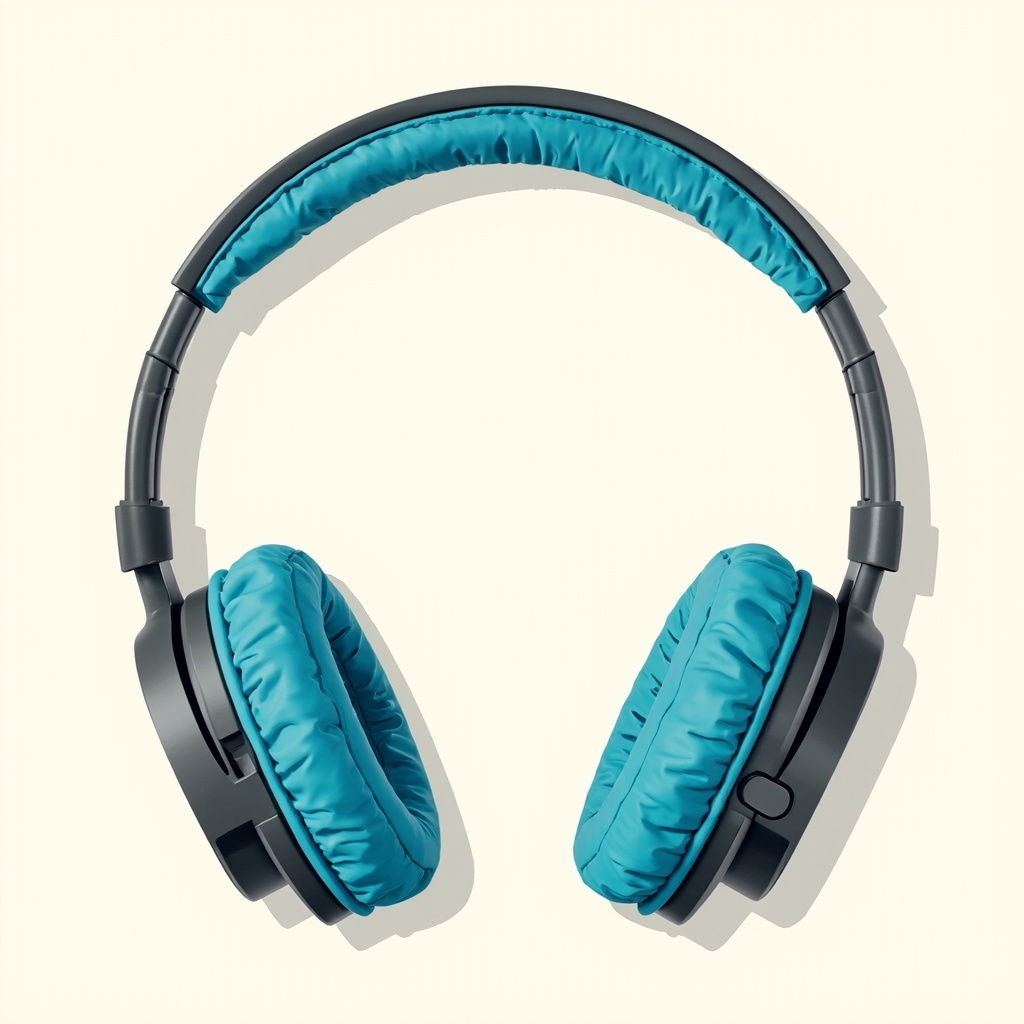
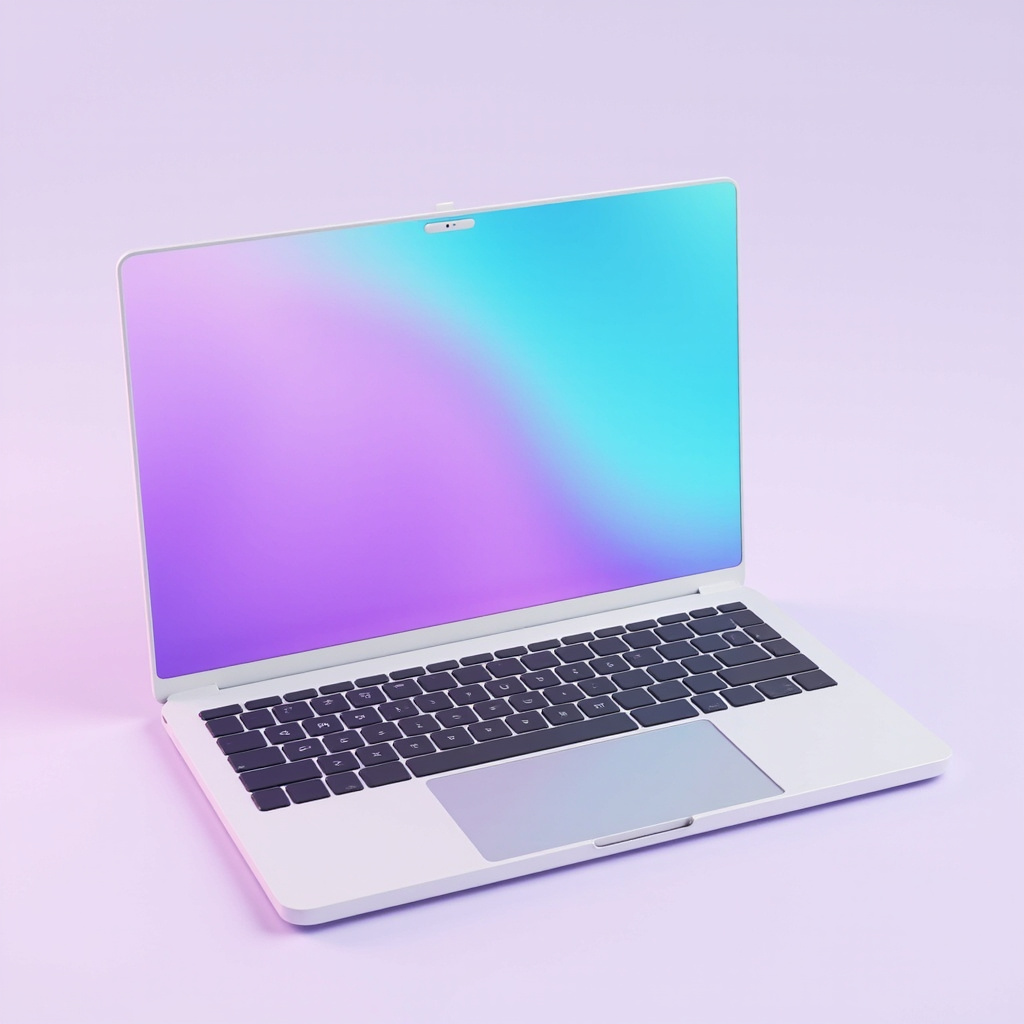
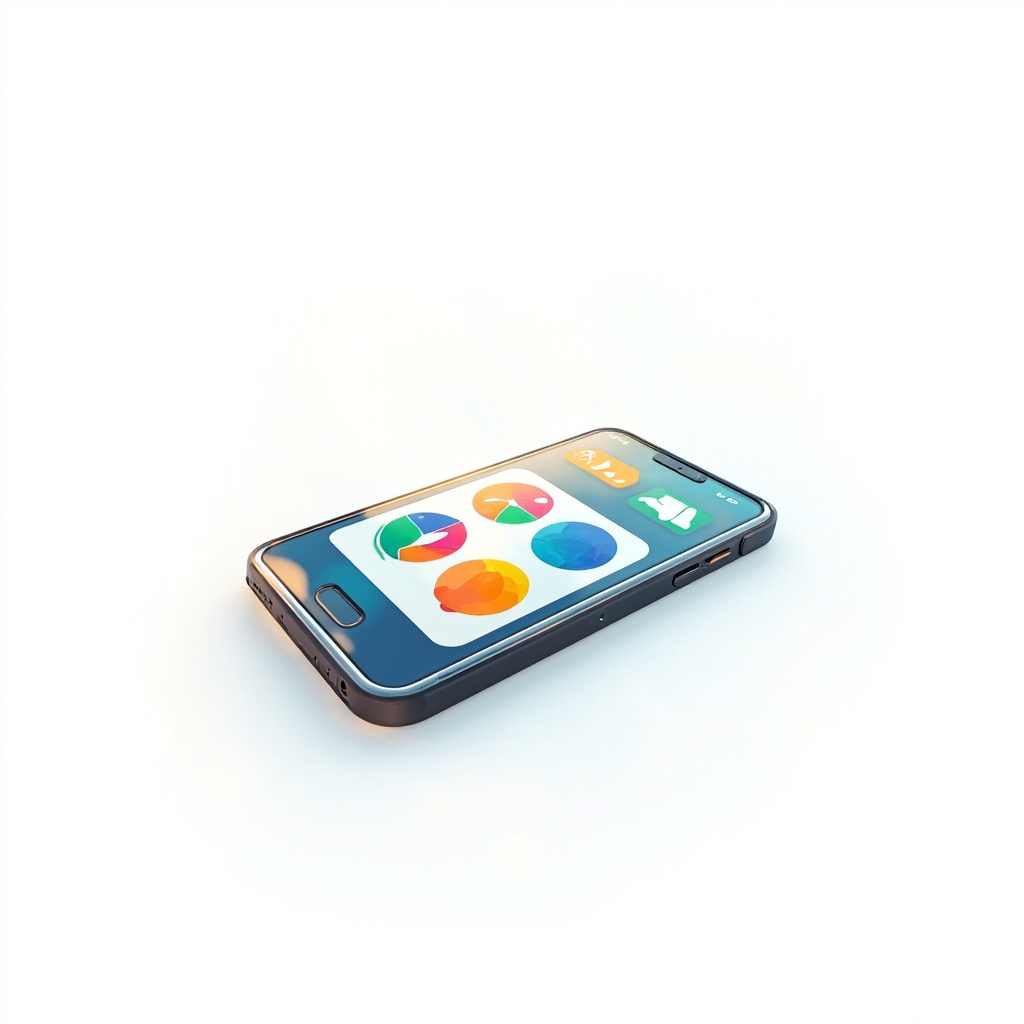
Notice how some of these words are compound nouns (two nouns joined together): smartphone = smart + phone, smartwatch = smart + watch, e-reader = electronic + reader. In British English we normally write them as one word or with a hyphen, never with a space.Headphones and earbuds both let you listen privately, but headphones cover the whole ear while earbuds sit inside the ear. A tablet is bigger than a smartphone but smaller than a laptop.
Below are the eight target words. Read the example sentence for each one — every sentence uses the gadget in a realistic, everyday context that a B2 learner might talk about.
Word
Part of speech
Arabic gloss
Example sentence
smartphone
noun
هاتف ذكي
I always keep my smartphone in my pocket.
laptop
noun
حاسوب محمول
She works on her laptop from home three days a week.
tablet
noun
جهاز لوحي
He reads the news on his tablet every morning.
smartwatch
noun
ساعة ذكية
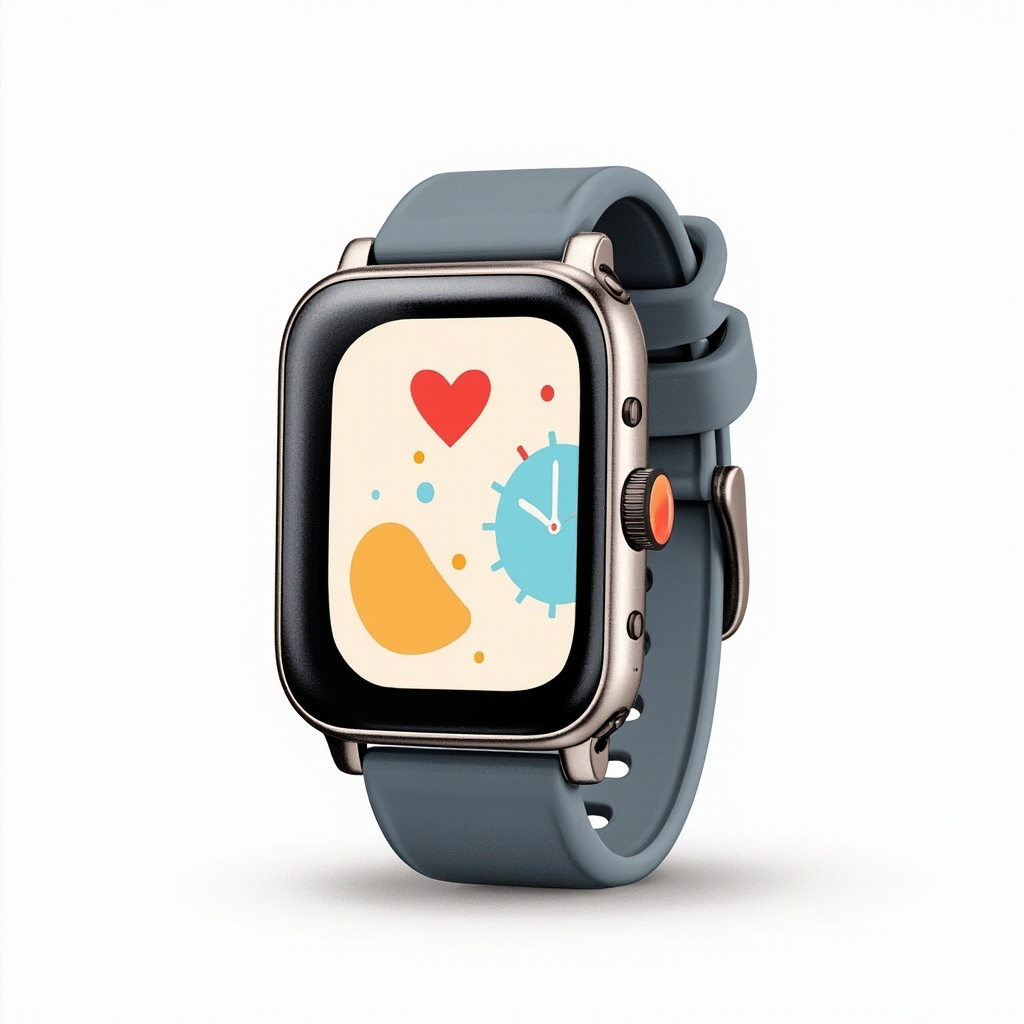
My smartwatch tells me when I should stand up.
headphones
noun
سماعات رأس
Please wear your headphones in the library.
e-reader
noun
قارئ إلكتروني
I take my e-reader on holiday instead of paper books.
smart TV
noun
تلفاز ذكي
We stream films on our smart TV in the evening.
wireless earbuds
noun
سماعات لاسلكية
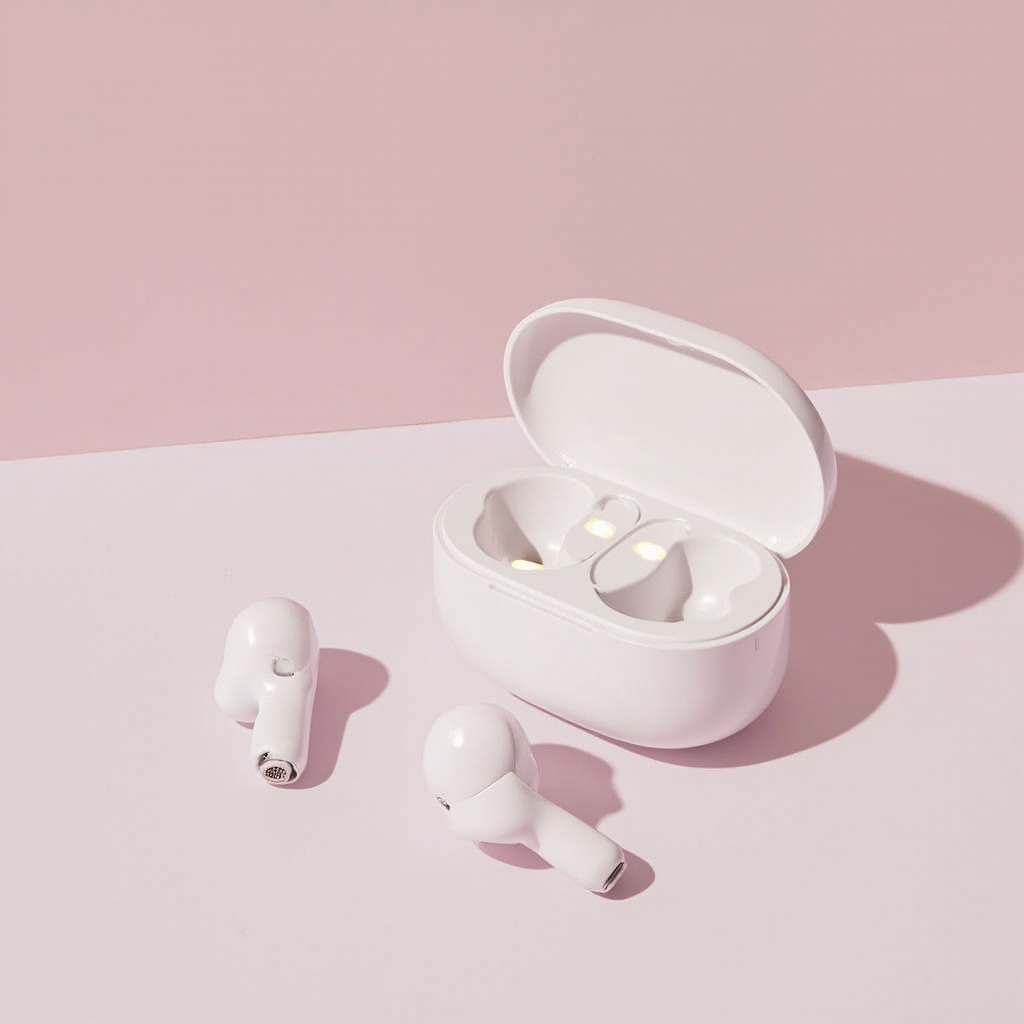
These wireless earbuds last about six hours on a single charge.
A useful collocation to remember is go anywhere without + gadget. British speakers often say I never go anywhere without my smartphone — it sounds natural and slightly emphatic. Another common pattern is charge my + gadget, which you will hear whenever someone talks about daily routines with technology. Keep these patterns in mind; they will help you sound fluent when you describe your own devices.
Generating translation…
Meet the eight digital gadgets you will use in this lesson.
E
e-readerˈiː ˌriːdə
A portable electronic device designed for reading digital books, magazines, and other text-based content, typi
headphonesˈhed.fəʊnz
a device with a part to cover each ear through which you can listen to music , radio broadcasts , etc. without
laptopˈlæp.tɒp
a computer that is small enough to be carried around easily and is flat when closed
smartphoneˈsmɑːtfəʊn
A smartphone is a mobile phone that performs many computer functions, typically with a touchscreen interface,
smartwatchˈsmɑːt.wɒtʃ
A wearable digital device worn on the wrist that functions like a traditional watch but includes advanced feat
tabletˈtæblət
A tablet is a flat, portable touchscreen device that is larger than a smartphone but smaller than a laptop, us
wireless earbudsˈwaɪələs ˈɪəbʌdz
Small electronic earphones that connect to devices via Bluetooth instead of wires, designed to fit inside the
Required
Match each gadget with a short description.
Match each gadget with a short description.
a small computer you can carry in a bag and work on
a flat device, bigger than a phone, used for reading and watching video
a phone that can run apps and connect to the internet
a wristwatch that can show messages and track your health
two small speakers you put over your ears to listen to music
a device made for reading digital books
a television that connects to the internet and runs apps
very small wireless speakers that fit inside your ears
laptop
tablet
smartphone
smartwatch
headphones
e-reader
smart TV
wireless earbuds
I never go anywhere without my smartphone, but I hardly ever use my e-reader.
Listen and repeat. Notice the contrast: a gadget you always carry, and a gadget you almost never use.