Knowing the nouns is only half the task. To really talk about nature, you also need to express preferences: which places you love, which you find peaceful, and which you would like to visit again. At B2 level, simply saying I like the beach sounds a bit flat. Adding a reason — because or what I like most is — turns a short answer into a real piece of spoken English.
The most common pattern is subject + verb + noun + reason. The verb is usually love, really like, enjoy or prefer. The reason comes after because or after a phrase like what I like most about it is. For example: I really love the mountains because the air is so fresh, or What I like most about the island is how quiet it is at night. Notice that the reason can be a whole clause, not just a single word — this is what makes your speech sound more advanced.
Another useful structure is to compare two places with I'd rather … than … or I prefer … to …. These are perfect for answering questions such as Do you prefer the beach or the mountains?. A strong answer sounds natural: I'd rather visit the mountains than the beach, because I find the coast too crowded in summer. Comparing always gives you more to say.
You can also react to a place with descriptive adjectives: peaceful, breathtaking, wild, remote, crowded, pristine. A short, natural reaction — The view from the cliff was breathtaking or I find the forest a bit too dark at night — shows that you are not just naming places but responding to them. The table below collects some of the most useful phrases, each with its Arabic gloss to help you remember the pattern.
English phrase
When to use it
My favourite natural place is …
To name one clear favourite.
What I like most about it is …
To give the main reason.
I find it really peaceful / breathtaking.
To describe how a place makes you feel.
I'd rather visit … than …
To compare two places.
I could spend hours there.
To show strong enjoyment.
I'd love to go back to …
To talk about a place from the past.
The scenery is absolutely stunning.
To react to views.
When you speak, try to combine at least two of these patterns in one answer. For example: My favourite natural place is the lake in the north of Scotland. What I like most about it is how quiet it is — I could spend hours there. Building longer answers like this is exactly what B2 speakers do, and it will make your spoken English sound confident and natural.
الهدف من الحتة دي
إنك تتكلم عن الطبيعة بشكل طبيعي، زي اللي بيحكي فعلاً مع صاحبه، مش بس تذكر أسماء أماكن. في المستوى B2، الكلام لازم يبقى فيه تفضيل وسبب ووصف، عشان يطلع متماسك.
الباترن الأساسي: تحب إيه + ليه
أهم تركيب هنا هو: فعل + مكان + سبب. بدل ما تقول "I like the beach" وتقفل جملتك، بتكمّل وتقول السبب:
I really love the mountains because the air is so fresh.
What I like most about the island is how quiet it is at night.
خد بالك إن السبب ممكن يبقى جملة كاملة، مش كلمة واحدة. وده بالظبط اللي بيخلي كلامك يبان متقدم.
المقارنة بين الأماكن
لو حد سألك سؤال زي Do you prefer the beach or the mountains?، الأحسن تجاوب بالمقارنة:
I'd rather visit the mountains than the beach, because I find the coast too crowded in summer.
I prefer the countryside to the city.
العبارة I'd rather … than … بتدي كلامك قوة أكتر، وبتخليك عندك محتوى تتكلم فيه.
صفات تصف بيها الطبيعة
احفظ الصفات دي كويس:
peaceful = هادي ومريح
breathtaking = منظر بيقطع الأنفاس
wild = طبيعي ووحشي
remote = بعيد ومنعزل
crowded = زحمة ناس
pristine = نضيف وما اتغيرش
stunning = جميل بشكل مذهل
إزاي تبني إجابة طويلة زي B2
ادمج اتنين أو تلاتة من الباترنات في إجابة واحدة. مثال:
My favourite natural place is the lake in the north of Scotland. What I like most about it is how quiet it is — I could spend hours there.
شايف إزاي الجملة الواحدة فيها تفضيل + سبب + صفة + مدة؟ ده اللي بيخلي كلامك متماسك وطبيعي.
الخلاصة
دايماً اربط المكان بسبب، واستخدم صفة تانية مع السبب. من غير سبب، الكلام يبقى flat ومش هيوصّلك لليفل ده.
Listen to the model conversation. Notice how Emma and Tom combine opinions with reasons.
E
EmmaSo, Tom, do you prefer the beach or the mountains?
T
TomI'd rather visit the mountains than the beach. I find the coast a bit too crowded in summer.
E
EmmaThat makes sense. What's your favourite natural place, then?
T
TomThere's a small lake in the north of Scotland. What I like most about it is how peaceful it is.
E
EmmaThat sounds lovely. I'd love to go there one day.
T
TomYou really should. The scenery is absolutely stunning.
I'd rather visit the mountains than the beach, because I find the coast too crowded in summer.
This is a strong B2 answer: it compares two places and gives a clear reason. Use this structure as a model for your own answers.
Required
Read the sentence aloud. Try to link the words smoothly, with a short pause before because.
My favourite natural place is the lake in the north of Scotland, because it's so peaceful.
Required
Now read this sentence aloud. Pay attention to the pause marked by the dash.
I could spend hours at the waterfall — the scenery is absolutely stunning.
Required
You are chatting with your friend Tom about nature. Answer his questions about which places you like, and give a reason each time. Try to use at least one comparison (I'd rather … than …) and one descriptive adjective (peaceful, breathtaking, wild, remote).
Required
Vocabulary
Vocabulary
6
cards
When we talk about nature in English, we often need specific nouns for the places we visit and the features we see there. A place is a whole area you can travel to, such as a forest or an island. A feature is a smaller element inside that place, such as a waterfall inside a forest, or a cliff on an island. Learning the difference helps you describe a trip clearly: first you name the place, then you describe the features that made it special.
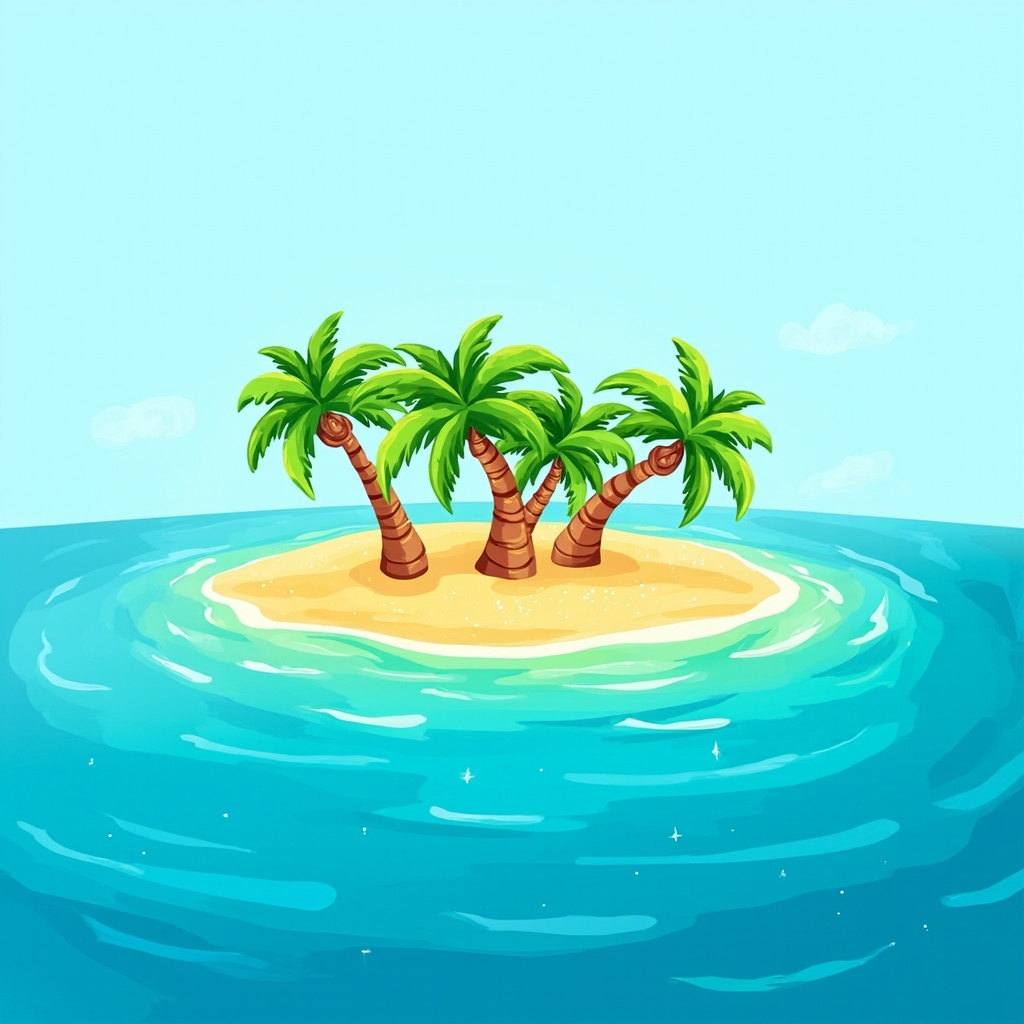
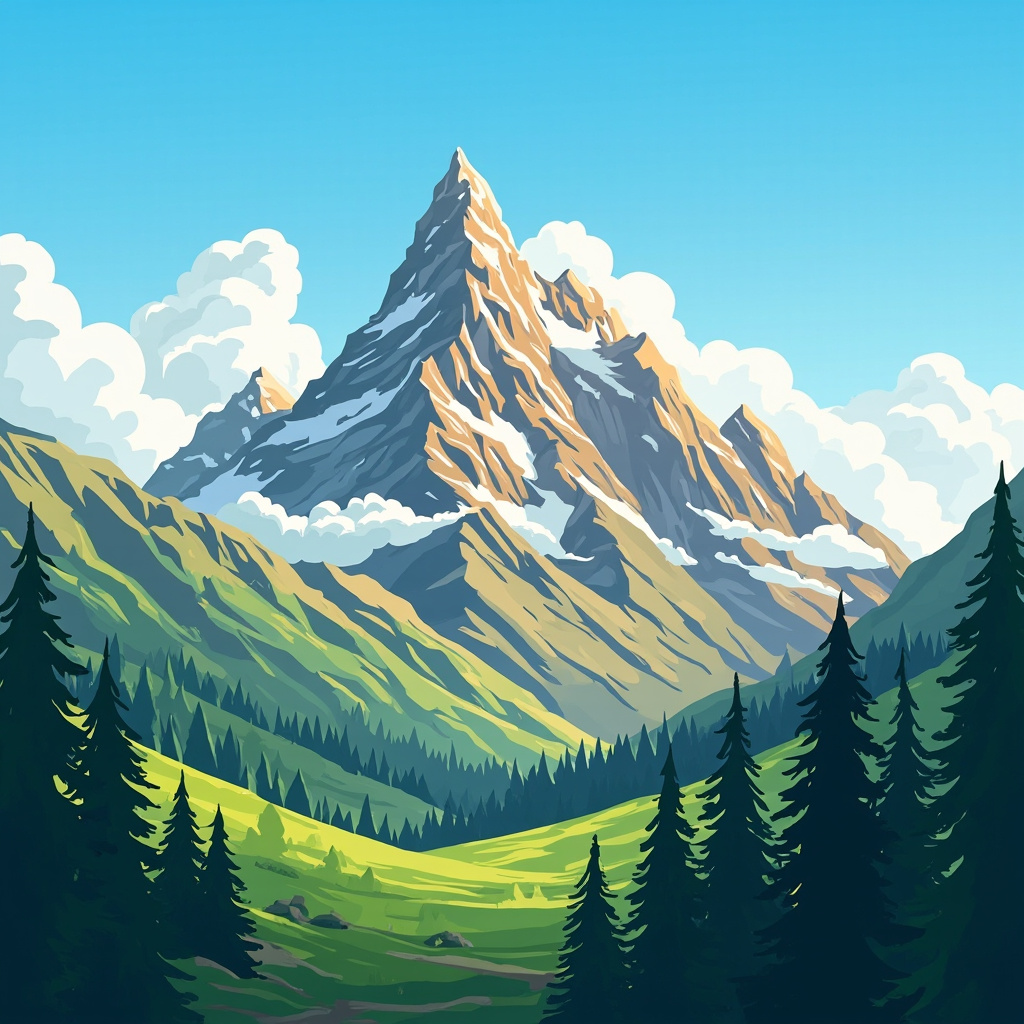
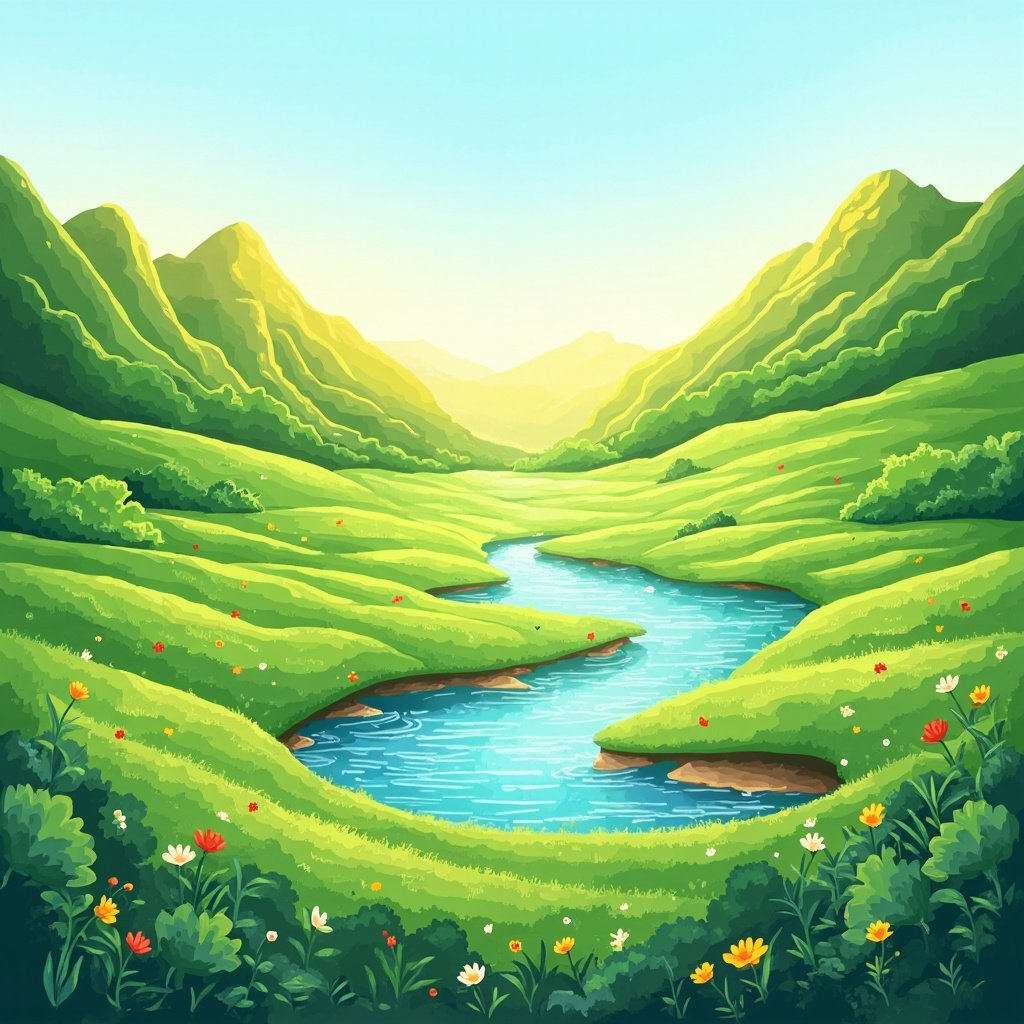
Some of the most common nouns for large natural areas are mountain, valley, forest and island. A mountain is a very high piece of land, often with a pointed top. A valley is the lower land between two mountains. A forest is a large area covered in trees. An island is land that is completely surrounded by water. Together, these four nouns let you talk about almost any landscape you might visit on holiday.
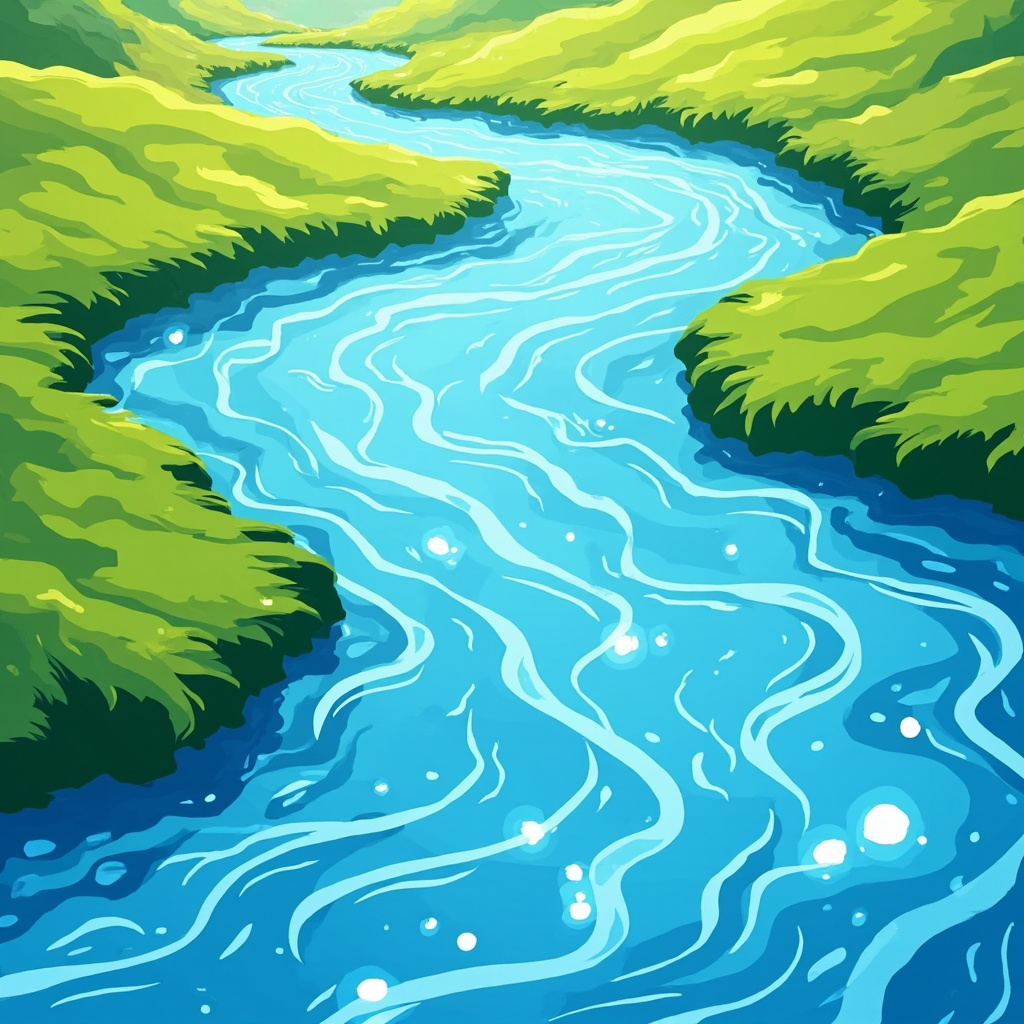
Other nouns describe what you might see or stand near: beach, river, cliff and waterfall. A beach is the sandy or stony area next to the sea. A river is a long line of flowing water that usually ends in the sea or a lake. A cliff is a very steep, often rocky, side of a mountain or the coast. A waterfall is water falling from a high place, usually where a river drops over a cliff. These words often appear together because they describe the features of a single place — for example, an island can have a beach, a cliff and a waterfall.
Because these are all countable nouns, you need an article or a number with them: a forest, the beach, two islands. Prepositions matter too, and the correct one depends on the shape of the thing. Use in with enclosed or surrounded places (in the forest, in the valley, on the island — note that small land uses on, not in) and on with flat or linear surfaces (on the beach, on the cliff). The table below shows the most useful patterns.
Noun
Typical preposition
Example
forest
in the forest
We camped in the forest for two nights.
valley
in the valley
The village sits in the valley below.
island
on the island
They live on a small island off the coast.
beach
on the beach
We met friends on the beach at sunset.
cliff
on the cliff / off the cliff
Seabirds nest on the cliff above the sea.
mountain
in / on the mountains
We stayed in the mountains for a week.
river
on / along the river
Their house is on the river, near the bridge.
waterfall
at the waterfall
We stopped to swim at the waterfall.
Once you know the nouns and the prepositions, you can build longer sentences easily: There is a waterfall in the forest, The beach on the island was empty, A river runs through the valley. In the next section you will use these nouns to say which natural places you like best.
الكلمات اللي هنتعلمها النهاردة - forest, beach, mountain, river, valley, cliff, waterfall, island - دي الكلمات اللي بنستخدمها لما نتكلم عن الطبيعة في الإنجليزي. لو بتفكر تاخد holiday في مكان حلو، أو عايز تصف رحلة لحد، الكلام ده هيفيدك جدًا.
الفرق بين المكان والـ feature
فيه فرق مهم لازم تفهمه قبل ما تبدأ. كلمة place معناها "مكان كبير" ممكن تروحله أو تزوره - زي forest أو island أو mountain. أما feature فمعناها "حاجة جوه المكان ده" أو جزء منه - زي waterfall جوه forest، أو cliff على island. لما تيجي تصف رحلة، أول حاجة بتقول المكان، وبعدين بتحكي إيه الحاجة المميزة اللي شفتها فيه.
قواعد مهمة في الإنجليزي
أولاً: الكلمات دي كلها countable nouns، يعني محتاج article أو رقم قبلها. مش بتقول "I saw forest"، لازم تقول:
I saw a forest (شُفت غابة)
the forest (الغابة)
two islands (جزيرتين)
ثانيًا: الـ prepositions مهمة جدًا. القاعدة بسيطة كده:
بنستخدم in مع الأماكن اللي حواليك من كل ناحية: in the forest، in the valley، in the mountains
بنستخدم on مع الأماكن المسطحة أو اللي فوقها: on the beach، on the island (لاحظ إن island الصغيرة بنقول عليها on مش in)
بنستخدم at مع نقطة محددة: at the waterfall
أمثلة من الحياة اليومية
جرب دلوقتي تبني جمل طويلة:
There is a beautiful waterfall in the forest, just a short walk from the river. (في waterfall جميلة في الغابة، مشي قصير من النهر)
The beach on the island was empty. (الشاطئ على الجزيرة كان فاضي)
A river runs through the valley between two mountains. (نهر بيعدي في الوادي بين جبلين)
We camped in the forest for two nights. (عسكرنا في الغابة ليلتين)
خد بالك كمان من:
in the mountains = جوه المنطقة الجبلية كلها (مش على قمة جبل واحد)
on the river = جنب النهر أو على ضفته
on the cliff = على الحافة
كده معاك الكلمات والقواعد اللي تحتاجها عشان تتكلم عن الطبيعة بطلاقة.
Read each word and the short example. These are the eight key nouns for talking about nature in this lesson.
beachbiːtʃ
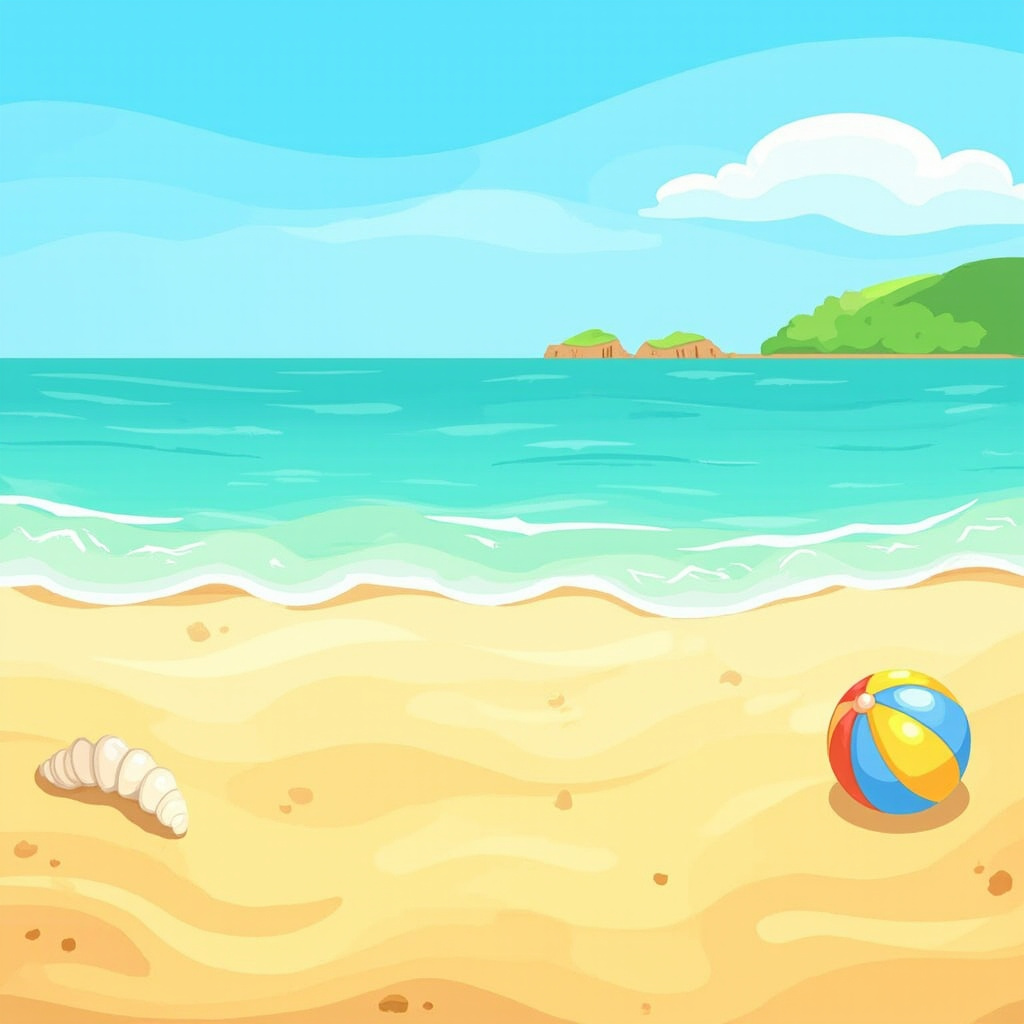
An area of sand or small stones beside the sea or a lake where people go to relax or play.
cliffklɪf
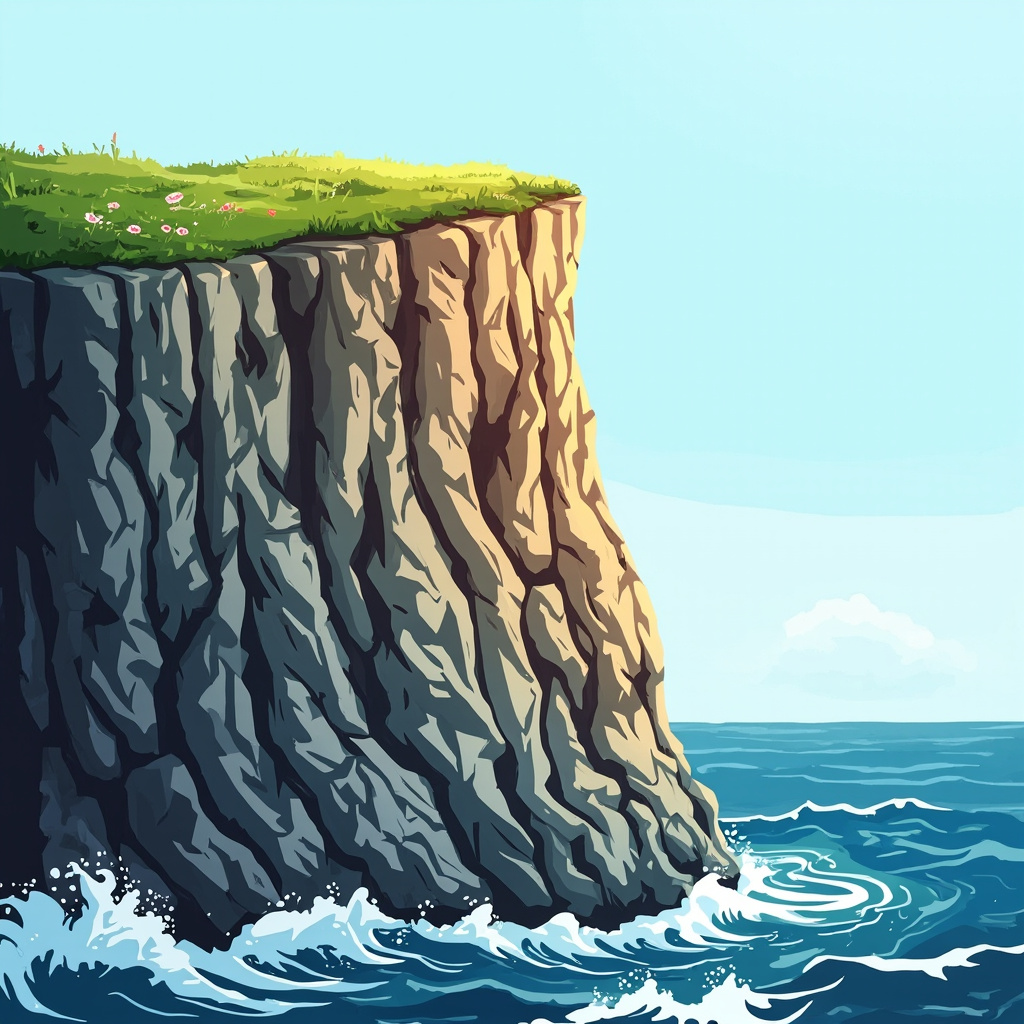
A steep rock face, especially at the edge of the sea, a river, or a mountain.
forestˈfɒrɪst
A large area of land covered with trees, smaller than a jungle and larger than a grove.
islandˈaɪlənd
A piece of land that is completely surrounded by water.
mountainˈmaʊntɪn
A very large natural elevation of the earth's surface, higher than a hill.
riverˈrɪvə
A large natural stream of water flowing to the sea, a lake, or another river.
valleyˈvæli
A low area of land between hills or mountains, typically with a river or stream flowing through it.
W
waterfallˈwɔːtəfɔːl
A waterfall is a place where water flows over the edge of a steep cliff or rock and falls into a pool or river
Required
Match each natural place or feature to the correct description.
Match each natural place or feature to the correct description.
a very high piece of land, often with a pointed top
a large area covered in trees
the sandy area next to the sea
a long line of flowing water
lower land between two mountains
a very steep, often rocky, side of a mountain or the coast
water falling from a high place
land completely surrounded by water
mountain
forest
beach
river
valley
cliff
waterfall
island
There is a beautiful waterfall in the forest, just a short walk from the river.
Notice the prepositions: in the forest and from the river. This sentence combines three of the new nouns naturally.
Required
Listen to the sentence. What does the river run through?