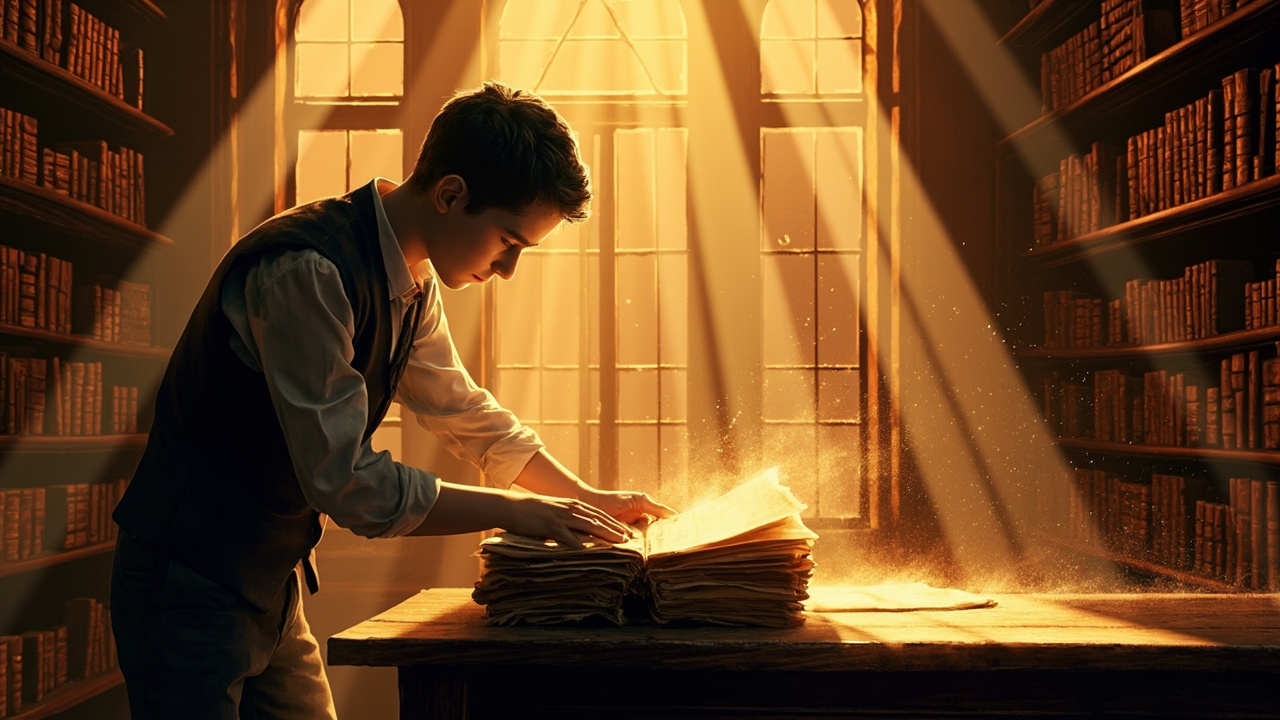
الْمُخَطُوطَةُ غَيْرُ المُكْتَمِلَةِ
كَانَ مُسْتَوْدَعُ الكُتُبِ الْعَتِيقِ فِي شَارِعِ فِيكْتُورِيَا قَدْ أَقَفَ لِأَكْثَرَ مِنْ قَرْنٍ، بِرُفُوفِهِ الخَشَبِيَّةِ المُتْرَاصَّةِ بِكُتُبٍ مُسْتَعْمَلَةٍ وَمُحَيَّرَاتٍ أَدَبِيَّةٍ. عَمِلَ كَالُمْ فِيهِ لِسِتَّةِ أَشْهُرٍ فَقَطْ، لَكِنَّهُ كَانَ يَعْرِفُ كُلَّ لَوْحَةٍ مُتَشَقِّقَةٍ وَزَاوِيَةٍ مُتَرَابَّةٍ بِالذَّاكِرَةِ.
كَانَ صَبَاحًا هَادِئًا مِنْ أَيَّامِ الثُّلَاثَاءِ حِينَمَا اكْتَشَفَهُ. مُخَبَّأً خَلْفَ صَفٍّ مِنَ الرِّوَايَاتِ الفِكْتُورِيَّةِ عَلَى الرَّفِّ الأَعْلَى، مَلْفُوفًا فِي وَرَقٍ بُنِّيٍّ بَاهِتٍ، كَانَ ثَمَرَ مُخَطُوطٌ ثَخِينٌ. الصَّفْحَةُ الأُولَى حَمَلَتْ عَنْوَانًا مَكْتُوبًا بِالْيَدِ: "الرِّحْلَةُ الأَخِيرَةُ" وَتَحْتَهُ اسْمٌ جَعَلَ قَلْبَ كَالُمْ يَتَرَدَّدُ.
رُوبِيرْت سَاذِرْلاند.
كَانَ الأَدِيبُ الأَسْكُتِلَنْدِيُّ الْمُشَارُ إِلَيْهِ قَدْ تُوفِّيَ فِي عَامِ 1923، تَارِكًا وَرَاءَهُ مَجْمُوعَةً مِنَ الرِّوَايَاتِ وَالْقَصَصِ الْقَصِيرَةِ الَّتِي شَكَّلَتِ الأدَبَ فِي الْقَرْنِ الْعِشْرِينَ. لَكِنَّ سَاذِرْلاندَ كَانَ مَعْرُوفًا أَيْضًا بِسِنَوَاتِهِ الأَخِيرَةِ غَيْرِ المُشَبَّهَةِ، حَيْثُ يُقَالُ إِنَّهُ لَمْ يَكْتُبْ شَيْئًا. بَحَثَ الْعُلَمَاءُ لِسِنِينَ عَنْ أَيِّ أَعْمَالٍ فَاقِدَةٍ، مُعْتَقِدِينَ أَنَّ سَاذِرْلاندَ تَرَكَ شَيْئًا غَيْرِ مُكْتَمِلٍ.
الاكْتِشَافُ
ارْتَعَشَتْ يَدَا كَالُمْ بِسُهُولَةٍ وَهُوَ يَقْلِبُ الصَّفَحَاتِ. كَانَ الْكِتَابَةُ بِلا شَكٍّ لِسَاذِرْلاندَ—فَقَرَاتٌ كَثِيفَةٌ وَغَيْرَةٌ تُصِفُ رَجُلًا يَمْشِي فِي شَوَارِعِ إِدِينَبَرَا حِينَمَا يَهُبُّ الْمَسَاءُ، وَالذِّكْرَيَاتُ تَطْهُرُ مَعَ كُلِّ خُطْوَةٍ. كَانَتِ النَّثْرَةُ جَمِيلَةً، شِعْرِيَّةً، وَسَاحِرَةً بِكُلِّ مَعْنَى الْكَلِمَةِ. وَلَكِنَّ شَيْئًا كَانَ مُؤْكِّدًا أَنَّهُ خَاطِئٌ. فِي نِصْفِ الْفَصْلِ الثَّانِي عَشَرَ، يَتَوَقَّفُ النَّصُّ بَسُطٌ، فِي وَسَطِ جُمْلَةٍ، كَأَنَّ الْمُؤَلِّفَ قَدْ انْقَطَعَ وَلَمْ يَعُدْ أَبَدًا.
"مُخَطُوطٌ غَيْرُ مُكْتَمِلٍ،" هَمَسَ كَالُمْ لِنَفْسِهِ. "سَاذِرْلاندٌ ضَائِعٌ."
قَضَى بَقِيَّةَ الصَّبَاحِ فِي الْبَحْثِ، يُقَارِنُ خَطَّ الْيَدِ بِعَيِّنَاتٍ عَلَى الْإِنْتَرْنِتِ، يَفْحَصُ الْوَرَقَ وَالْحِبْرَ. كُلُّ شَيْءٍ يَدُلُّ عَلَى أَنَّ الْمُخَطُوطَ حَقِيقِيٌّ. الْوَرَقُ يَعُودُ لِلْعَشْرِيَّاتِ، الْحِبْرُ قَدْ شَاخَ كَمَا يَنْبَغِي، وَنَمَطُ سَاذِرْلاندَ الْمُمَيِّزُ كَانَ لا يُشْتَبَهُ فِيهِ. قَدْ يَكُونُ هَذَا أَهَمَّ اكْتِشَافٍ أَدَبِيٍّ فِي عُقُودٍ.
كَانَ يَنْبَغِي لِكَالُمْ أَنْ يُخْبِرَ صَاحِبَهُ، السَّيِّدَ كَامِيرُونَ، فِي الْحَالِ. بَدَلَ ذَلِكَ، لَفَّ الْمُخَطُوطَ بِعِنَايَةٍ وَأَخْفَاهُ فِي خَزَّانَتِهِ، مَشْغُولًا بِغَرِيزَةٍ غَرِيبَةٍ فِي التَّمَلُّكِ. أَرَادَ أَنْ يَفْهَمَهُ أَوَّلًا، أَنْ يَكُونَ مُتَيَقِّنًا قَبْلَ مَشَارَكَةِ سِرٍّ كَهَذَا.
الْعَوَاقِبُ
بَدَأَتِ الْمَشَاكِلُ أَسْبُوعًا لَاحِقًا حِينَمَا سَمِعَتْ بَاحِثَةٌ مِنَ الْجَامِعَةِ، الدُّكْتُورَةُ إِيلِينُور بْلَاكْ، شَائِعَةً عَنْ عَمَلِ سَاذِرْلاندِ الضَّائِعِ. اتَّصَلَتْ بِمُسْتَوْدَعِ الْكُتُبِ، وَالسَّيِّدُ كَامِيرُونُ، الْمُرْتَابُ، سَأَلَ كَالُمْ إِنْ كَانَ يَعْرِفُ شَيْئًا عَنْهُ. بِرِضَا، اعْتَرَفَ كَالُمْ بِمَا وَجَدَهُ.
لَمْ تَكُنْ رِدَّةُ فِعْلِ السَّيِّدِ كَامِيرُونَ كَمَا تَوَقَّعَ كَالُمْ. "أَخْفَيْتَ هَذَا فِي مَحَلِّي لِأَسْبُوعٍ؟" احْمَرَّ وَجْهُهُ. "هَلْ تَدْرِي مَاذَا فَعَلْتَ؟"
خِلَالَ أَيَّامٍ، انْتَشَرَتِ الْقِصَّةُ خَارِجَ الْأَوْسَاطِ الْأَكَادِيمِيَّةِ. حَطَّ مُرَاسِلُونَ إِخْبَارِيُّونَ عَلَى مُسْتَوْدَعِ الْكُتُبِ الْهَادِئِ. حَشَدَتْ فِرَقُ التَّصْوِيرِ أَنْفُسَهَا خَارِجًا. الْمَحَلُّ الصَّغِيرُ فِي شَارِعِ فِيكْتُورِيَا، الَّذِي كَانَ يُبِيعُ مَجَلَّدَاتٍ مُتَرَابَّةً لِزُّوَّارٍ مُوَالِينَ، أَصْبَحَ مَهْرَجَانًا مِنْ هَيَجَانٍ أَدَبِيٍّ. الْعُلَمَاءُ، الصُّحَافِيُّونَ، وَالْمُتَفَرِّجُونَ الْفُضُولِيُّونَ تَزَاحَمُوا فِي الشَّارِعِ الضَّيِّقِ، يُطَالِبُونَ بِالْوُصُولِ إِلَى مَا أَسْمَوْهُ "مُخَطُوطَ سَاذِرْلاند".
أَشْبَهَ الِاهْتِمَامُ أَنَّهُ أَفْنَى الْمَحَلَّ. لَمْ يَعْدُ الْعُمَّالُ الْكِبَارُ الَّذِينَ كَانُوا يَأْتُونَ لِعُقُودٍ يَسْتَطِيعُونَ الدُّخُولَ دُونَ التَّنَقُّلِ خِلَالَ حُشُودِ الْمُصَوِّرِينَ. رَفَضَ الْمُورِّدُونَ تَسْلِيمَ الْمَخْزُونِ. السَّيِّدُ كَامِيرُونُ، رَجُلٌ رَقِيقٌ كَانَ يُرِيدُ فَقَطْ الِاعْتِنَاءُ بِمُسْتَوْدَعِ كُتُبِهِ بِسَكِينَةٍ، وَجَدَ نَفْسَهُ مُهَدَّدًا بِإِجْرَاءٍ قَضَائِيٍّ مِنْ دَارِ نَشْرٍ ادَّعَتْ حُقُوقَ أَيِّ اكْتِشَافَاتٍ لِسَاذِرْلاندَ.
التَّحَلِّي
"هَذَا كَانَ بَيْتِي،" قَالَ السَّيِّدُ كَامِيرُونُ بِصَوْتٍ هَادِئٍ، بَعْدَ إِغْلَاقِ الْمِصْرَاعَاتِ فِي يَوْمٍ آخَرَ فَوضَوِيٍّ. "لأَرْبَعِينَ عَامًا، كَانَ هَذَا الْمَكَانُ عَمَلَ حَيَاتِي. وَالآنَ يُصْبِحُ مَشْهَدًا."
شَعَرَ كَالُمْ بِثِقَلِ خَطَئِهِ. كَانَ مَشْغُولًا بِاكْتِشَافِهِ لِدَرَجَةِ أَنَّهُ أَهْمَلَ النَّظَرَ فِي الْعَوَاقِبِ عَلَى الْمَحَلِّ وَالرَّجُلِ الَّذِي يَسْتَأْجِرُهُ. حَازِمًا فِي إِصْلاحِ الأَمْرِ، اتَّصَلَ بِالدُّكْتُورَةِ بْلَاكْ مُبَاشَرَةً وَشَرَحَ الْمَوْقِفَ. لِسُرُورِهِ، كَانَتْ مُتَعَاطِفَةً.
مَعًا، صَمَّمَا خُطَّةً. سَتُؤَكِّدُ الدُّكْتُورَةُ بْلَاكْ صِحَّةَ الْمُخَطُوطِ بِشَكْلٍ صَحِيحٍ وَتَعْمَلُ مَعَ الْمُؤَسَّسَاتِ لِضَمَانِ مَا يَسْتَحِقُّهُ مِنْ عِنَايَةٍ أَكَادِيمِيَّةٍ. سَيُرْبَطُ اسْمُ مُسْتَوْدَعِ الْكُتُبِ بِالاكْتِشَافِ بِطَرِيقَةٍ إِيجَابِيَّةٍ، اسْتِدْعَاءُ زُوَّارٍ قَدْ يُصْبِحُونَ زُبَّانَاَءً بَدَلًا مِنَ الْمُصَوِّرِينَ التَّابِعِين.
اسْتَغْرَقَتْ عَمَلِيَّةُ التَّأَكُّدِ أَشْهُرًا. أَكَّدَ فَرِيقُ الدُّكْتُورَةِ بْلَاكْ صِحَّةَ الْمُخَطُوطِ بِدُونِ مِرْأَى شَكٍّ—الْوَرَقُ، الْحِبْرُ، خَطُّ الْيَدِ، وَالْعَنَاصِرُ النَّمَطِيَّةُ كُلُّهَا تُشِيرُ بِدِقَّةٍ إِلَى رُوبِيرْت سَاذِرْلاندَ نَفْسِهِ. كَانَ عَمَلًا حَقِيقِيًّا غَيْرِ مُكْتَمِلٍ، رُبَّمَا تُرِكَ حِينَمَا مَرِضَ الْمُؤَلِّفُ فِي سِنَوَاتِهِ الأَخِيرَةِ.
حِينَمَا أُعْلِنَتِ الْأَخْبَارُ عَلَنًا، كَانَتِ الِاسْتِجَابَةُ هَائِلَةً وَلَكِنَّهَا مُخْتَلِفَةً هَذَا الْمَرَّةَ. بَدَلًا مِنَ الْفَوْضَى، كَانَ هُنَا احْتِفَالٌ. أَعْلَنَتِ الْمَكْتَبَةُ الْوَطَنِيَّةُ لِأُسْكُتِلْنْدَا عَنْ رَغْبَتِهَا فِي حِفْظِ الْمُخَطُوطِ، وَعَرَضَتْ دَارُ نَشْرٍ كَبِيرَةٌ فِي إِدِينَبَرَا إِنْتَاجَ نُسْخَةٍ مَحْدُودَةٍ مُحَرَّرَةٍ بِعِنَايَةٍ مَعَ شَرْحٍ أَكَادِيمِيٍّ.
الأَهَمُّ مِنْ كُلِّ ذَلِكَ، نَجَا مُسْتَوْدَعُ الْكُتُبِ فِي شَارِعِ فِيكْتُورِيَا. السَّيِّدُ كَامِيرُونُ، عَلَى الرَّغْمِ مِنْ حَذَرِهِ مِنَ الِاهْتِمَامِ الْمُفْرِطِ، قَبِلَ دَفْعَةَ تَعْوِيضٍ مُتَوَاضِعَةٍ أَمَّنَتْ مُسْتَقْبَلَ الْمَحَلِّ. عَادَ كَالُمْ إِلَى وَاجِبَاتِهِ، رَفًّا بِرَفٍّ، يَوْمًا بِيَوْمٍ، مُرْتَاحًا لِأَنَّ خَطَأَهُ قَدْ أُصْلِحَ.
بَعْدَ سِنِينَ، حِينَمَا يَسْأَلُ الزُّوَّارُ عَنْ مُخَطُوطِ سَاذِرْلاندَ، كَانَ كَالُمْ يَقُولُ لَهُمُ الْحَقِيقَةَ. لَمْ يَكُنْ هَذَا فَقَطْ قِصَّةً عَنْ كَنْزٍ أَدَبِيٍّ ضَائِعٍ. كَانَ تَذْكِيرًا بِأَنَّ الِاكْتِشَافَاتِ يَجِبُ التَّعَامُلُ مَعَهَا بِعِنَايَةٍ—لَا لِمَا تَعْنِيهِ لِلتَّارِيخِ فَقَطْ، بَلْ لِحَيَاةِ الَّذِينَ يَمَسُّهَا فِي الْحَاضِرِ.
Die unvollendete Handschrift
Der alte Buchladen in der Victoria Street hatte über ein Jahrhundert gestanden, seine hölzernen Regale vollgepackt mit gebrauchten Schätzen und literarischen Kuriositäten. Callum hatte dort nur sechs Monate gearbeitet, aber er kannte bereits jedes quietschende Bodenbrett und jede staubige Ecke auswendig.
Es war ein ruhiger Dienstagmorgen, als er ihn entdeckte. Versteckt hinter einer Reihe viktorianischer Romane im obersten Regal, in vergilbtes braunes Papier gewickelt, lag eine dicke Handschrift. Die erste Seite trug einen handgeschriebenen Titel: "Der letzte Spaziergang" und darunter einen Namen, der Callums Herz schneller schlagen ließ.
Robert Sutherland.
Der gefeierte schottische Autor war 1923 gestorben und hatte eine Sammlung von Romanen und Kurzgeschichten hinterlassen, die die Literatur des zwanzigsten Jahrhunderts geprägt hatten. Aber Sutherland war auch für seine rätselhaften letzten Jahre bekannt, in denen er angeblich nichts geschrieben hatte. Wissenschaftler hatten jahrelang nach verlorenen Werken gesucht, in der Überzeugung, dass Sutherland etwas Unvollendetes hinterlassen hatte.
Die Entdeckung
Callums Hände zitterten leicht, als er die Seiten umblätterte. Die Handschrift war unverkennbar Sutherland — dichte, stimmungsvolle Absätze, die einen Mann beschrieben, der durch Edinburghs Straßen wanderte, während der Abend hereinbrach, Erinnerungen mit jedem Schritt aufsteigend. Die Prosa war wunderschön, poetisch und absolut fesselnd. Doch etwas war offensichtlich falsch. Auf halbem Weg durch das zwölfte Kapitel hörte der Text einfach auf, mitten im Satz, als wäre der Autor unterbrochen worden und nie zurückgekehrt.
"Eine unvollendete Handschrift," flüsterte Callum vor sich hin. "Ein verlorener Sutherland."
Er verbrachte den Rest des Morgens mit Recherchen, verglich die Handschrift mit Online-Proben, untersuchte das Papier und die Tinte. Alles deutete darauf hin, dass die Handschrift echt war. Das Papier stammte aus den 1920er Jahren, die Tinte war angemessen gealtert, und Sutherlands distinctive Stil war unverkennbar. Dies war vielleicht die bedeutendste literarische Entdeckung seit Jahrzehnten.
Callum hätte seinen Arbeitgeber, Mr. Cameron, sofort informieren sollen. Stattdessen wickelte er die Handschrift sorgfältig ein und versteckte sie in seinem Spind, getrieben von einer seltsamen Besitzgier. Er wollte sie zuerst verstehen, sicher sein, bevor er ein so bemerkenswertes Geheimnis teilte.
Die Konsequenzen
Die Probleme begannen eine Woche später, als eine Universitätsforscherin, Dr. Eleanor Black, ein Gerücht über Sutherlands verlorenes Werk hörte. Sie kontaktierte den Buchladen, und Mr. Cameron, verwirrt, fragte Callum, ob er etwas wusste. Widerwillig gestand Callum, was er gefunden hatte.
Mr. Camerons Reaktion war nicht das, was Callum erwartet hatte. "Sie haben das eine Woche lang in meinem Laden versteckt?" Sein Gesicht wurde rot. "Haben Sie eine Ahnung, was Sie getan haben?"
Innerhalb weniger Tage hatte sich die Geschichte über akademische Kreise hinaus verbreitet. Nachrichtenreporter strömten auf den ruhigen Buchladen zu. Filmteams richteten sich draußen ein. Die winzigen Räumlichkeiten in der Victoria Street, die einst staubige Bände an treue Stammkunden verkauft hatten, wurden zu einem Zirkus literarischer Hysterie. Wissenschaftler, Journalisten und neugierige Schaulustige drängten sich in der engen Straße und forderten Zugang zu dem, was sie "die Sutherland-Handschrift" nannten.
Die Aufmerksamkeit zerstörte den Laden beinahe. Ältere Kunden, die jahrzehntelang gekommen waren, konnten nicht mehr eintreten, ohne sich durch Fotografenmengen zu drängen. Lieferanten verweigerten die Lieferung. Mr. Cameron, ein sanfter Mann, der nur seinen Buchladen in Frieden führen wollte, sah sich mit rechtlichen Schritten eines Verlags konfrontiert, der Rechte an allen Sutherland-Entdeckungen beanspruchte.
Die Lösung
"Das war mein Zuhause," sagte Mr. Cameron leise eines Abends, nachdem er die Fensterläden an einem weiteren chaotischen Tag geschlossen hatte. "Vierzig Jahre lang war dieser Ort das Werk meines Lebens. Jetzt wird er zu einer Attraktion."
Callum fühlte das Gewicht seines Fehlers. Er war so aufgeregt über seine Entdeckung gewesen, dass er die Konsequenzen für den Laden und den Mann, der ihn einstellte, nicht bedacht hatte. Entschlossen, es wiedergutzumachen, kontaktierte er Dr. Black direkt und erklärte die Situation. Zu seiner Erleichterung war sie verständnisvoll.
Gemeinsam entwickelten sie einen Plan. Dr. Black würde die Handschrift ordnungsgemäß authentifizieren und mit Institutionen zusammenarbeiten, um sicherzustellen, dass sie die sorgfältige wissenschaftliche Aufmerksamkeit erhielt, die sie verdiente. Der Name des Buchladens würde positiv mit der Entdeckung verbunden werden, Besucher anziehen, die Kunden werden könnten, anstatt aufdringliche Fotografen.
Der Authentifizierungsprozess dauerte Monate. Das Team von Dr. Black bestätigte die Echtheit der Handschrift über jeden Zweifel hinaus — Papier, Tinte, Handschrift und stilistische Elemente wiesen alle schlüssig auf Robert Sutherland selbst hin. Es war ein echtes unvollendetes Werk, möglicherweise aufgegeben, als der Autor in seinen letzten Jahren krank wurde.
Als die Nachricht öffentlich bekannt gegeben wurde, war die Reaktion überwältigend, aber diesmal anders. Statt Chaos gab es Feierlichkeiten. Die Nationalbibliothek von Schottland bekundete Interesse an der Erhaltung der Handschrift, und ein großer Edinburgher Verlag bot an, eine limitierte, sorgfältig edierte Ausgabe mit wissenschaftlichem Kommentar zu veröffentlichen.
Am wichtigsten war, dass der Buchladen in der Victoria Street überlebte. Mr. Cameron, obwohl er immer noch misstrauisch gegenüber übermäßiger Aufmerksamkeit war, akzeptierte eine bescheidene Entschädigungszahlung, die die Zukunft des Ladens sicherte. Callum kehrte zu seinen Aufgaben zurück, Regal um Regal, Tag für Tag, erleichtert, dass sein Fehler korrigiert worden war.
Jahre später, als Besucher nach der Sutherland-Handschrift fragten, erzählte Callum ihnen die Wahrheit. Es war nicht nur eine Geschichte über einen verlorenen literarischen Schatz. Es war eine Erinnerung daran, dass Entdeckungen sorgfältig behandelt werden müssen — nicht nur für das, was sie für die Geschichte bedeuten, sondern für die Leben, die sie in der Gegenwart berühren.
El Manuscrito Inconcluso
La vieja librería de Victoria Street había permanecido en pie durante más de un siglo, sus estantes de madera repletos de tesoros de segunda mano y curiosidades literarias. Callum solo había trabajado allí seis meses, pero ya conocía de memoria cada tabla del suelo que crujía y cada rincón polvoriento.
Fue una tranquila mañana de martes cuando lo descubrió. Oculto detrás de una fila de novelas victorianas en el estante más alto, envuelto en papel marrón descolorido, había un grueso manuscrito. La primera página llevaba un título manuscrito: "El Último Paseo" y debajo, un nombre que hizo que el corazón de Callum se saltara un latido.
Robert Sutherland.
El celebrado autor escocés había muerto en 1923, dejando tras de sí una colección de novelas y cuentos que habían configurado la literatura del siglo veinte. Pero Sutherland también era conocido por sus misteriosos últimos años, durante los cuales se suponía que no había escrito nada. Los académicos habían buscado durante años cualquier obra perdida, creyendo que Sutherland había dejado algo inconcluso.
El Descubrimiento
Las manos de Callum temblaban ligeramente mientras pasaba las páginas. La escritura era inconfundiblemente de Sutherland — párrafos densos y atmosféricos que describían a un hombre caminando por las calles de Edimburgo mientras caía la tarde, recuerdos emergiendo con cada paso. La prosa era hermosa, poética y absolutamente cautivadora. Sin embargo, algo estaba claramente mal. A mitad del capítulo doce, el texto simplemente se detenía, a mitad de frase, como si el autor hubiera sido interrumpido y nunca hubiera regresado.
"Un manuscrito inconcluso," murmuró Callum para sí mismo. "Un Sutherland perdido."
Pasó el resto de la mañana investigando, comparando la escritura con muestras en línea, examinando el papel y la tinta. Todo indicaba que el manuscrito era genuino. El papel databa de la década de 1920, la tinta había envejecido apropiadamente, y el estilo distintivo de Sutherland era inconfundible. Esta era quizás la découverte literaria más significativa en décadas.
Callum debería haberle contado a su empleador, el señor Cameron, inmediatamente. En cambio, envolvió cuidadosamente el manuscrito y lo escondió en su casillero, consumido por una extraña posesividad. Quería entenderlo primero, estar seguro antes de compartir un secreto tan remarkable.
Las Consecuencias
Los problemas comenzaron una semana después cuando una investigadora universitaria, la doctora Eleanor Black, escuchó un rumor sobre la obra perdida de Sutherland. Contactó con la librería, y el señor Cameron, confundido, le preguntó a Callum si sabía algo al respecto. Reluctante, Callum confesó lo que había encontrado.
La reacción del señor Cameron no fue lo que Callum había esperado. "¿Has tenido esto escondido en mi tienda durante una semana?" Su rostro enrojeció. "¿Tienes idea de lo que has hecho?"
En pocos días, la historia se había extendido más allá de los círculos académicos. Reporteros de noticias descendieron sobre la tranquila librería. Equipos de cámara se instalaron afuera. Las pequeñas instalaciones en Victoria Street, que una vez vendieron volúmenes polvorientos a devotos habituales, se convirtieron en un circo de frenesí literario. Académicos, periodistas y curiosos se agolparon en la estrecha calle, exigiendo acceso a lo que llamaban "el manuscrito de Sutherland".
La atención casi destruyó la tienda. Clientes mayores que habían visitado durante décadas ya no podían entrar sin abrirse paso entre multitudes de fotógrafos. Los proveedores se negaron a entregar mercancía. El señor Cameron, un hombre amable que simplemente había querido atender su librería en paz, se encontró amenazado con acciones legales por una editorial que reclamaba derechos sobre cualquier descubrimiento relacionado con Sutherland.
La Resolución
"Esta era mi hogar," dijo suavemente el señor Cameron una tarde, después de cerrar las persianas en otro día caótico. "Durante cuarenta años, este lugar ha sido la obra de mi vida. Ahora se está convirtiendo en un espectáculo."
Callum sintió el peso de su error. Había estado tan emocionado por su descubrimiento que había fallado en considerar las consecuencias para la tienda y el hombre que lo empleaba. Decidido a enmendar su camino, contactó directamente a la doctora Black y explicó la situación. Para su alivio, ella fue comprensiva.
Juntos, idearon un plan. La doctora Black autenticaría correctamente el manuscrito y trabajaría con instituciones para asegurar que recibiera la cuidadosa atención académica que merecía. El nombre de la librería estaría asociado con el descubrimiento de manera positiva, atrayendo visitantes que pudieran convertirse en clientes en lugar de fotógrafos intrusivos.
El proceso de autenticación tomó meses. El equipo de la doctora Black confirmó la autenticidad del manuscrito más allá de toda duda — el papel, la tinta, la escritura y los elementos estilísticos todos apuntaban conclusivamente a Robert Sutherland mismo. Era una obra inconclusa genuina, quizás abandonada cuando el autor cayó enfermo en sus últimos años.
Cuando la noticia se anunció públicamente, la respuesta fue abrumadora pero diferente esta vez. En lugar de caos, hubo celebración. La Biblioteca Nacional de Escocia expresó interés en preservar el manuscrito, y una importante editorial de Edimburgo ofreció producir una edición limitada y cuidadosamente editada con comentarios académicos.
Lo más importante, la librería de Victoria Street sobrevivió. El señor Cameron, aunque aún cauteloso ante la atención excesiva, aceptó un modesto pago de compensación que aseguró el futuro de la tienda. Callum regresó a sus duties, estante por estante, día tras día, aliviado de que su error hubiera sido corregido.
Años después, cuando los visitantes preguntaban sobre el manuscrito de Sutherland, Callum les decía la verdad. No era solo una historia sobre un tesoro literario perdido. Era un recordatorio de que los descubrimientos deben manejarse con cuidado — no solo por lo que significan para la historia, sino por las vidas que tocan en el presente.
Le Manuscrit Inachevé
La vieille librairie de Victoria Street avait tenu pendant plus d'un siècle, ses étagères en bois regorgeant de trésors d'occasion et de curiosités littéraires. Callum n'y avait travaillé que six mois, mais il connaissait déjà chaque plancher qui grince et chaque recoin poussiéreux par cœur.
C'était un matin tranquille de mardi lorsqu'il le découvrit. Caché derrière une rangée de romans victorieux sur l'étagère du haut, enveloppé dans du papier kraft jauni, se trouvait un épais manuscrit. La première page portait un titre manuscrit : "La Dernière Promenade" et en dessous, un nom qui fit bondir le cœur de Callum.
Robert Sutherland.
Le célèbre auteur écossais était mort en 1923, laissant derrière lui une collection de romans et de nouvelles qui avaient façonné la littérature du XXe siècle. Mais Sutherland était également connu pour ses dernières années mystérieuses, au cours desquelles il était censé n'avoir rien écrit. Les chercheurs avaient cherché pendant des années des œuvres perdues, persuadés que Sutherland avait laissé quelque chose d'inachevé.
La Découverte
Les mains de Callum tremblaient légèrement en tournant les pages. L'écriture était incontestablement celle de Sutherland — des paragraphes denses et atmosphériques décrivant un homme marchant dans les rues d'Édimbourg au crépuscule, des souvenirs ressurgissant à chaque pas. La prose était belle, poétique et absolument captivante. Pourtant, quelque chose n'allait clairement pas. À mi-chemin du douzième chapitre, le texte s'arrêtait simplement, à mi-phrase, comme si l'auteur avait été interrompu et n'était jamais revenu.
"Un manuscrit inachevé," murmura Callum pour lui-même. "Un Sutherland perdu."
Il passa le reste de la matinée à rechercher, comparant l'écriture à des échantillons en ligne, examinant le papier et l'encre. Tout indiquait que le manuscrit était authentique. Le papier datait des années 1920, l'encre avait vieilli de manière appropriée, et le style caractéristique de Sutherland était impossible à confondre. C'était peut-être la découverte littéraire la plus significative depuis des décennies.
Callum aurait dû informer immédiatement son employeur, M. Cameron. Au lieu de cela, il enveloppa soigneusement le manuscrit et le cacha dans son casier, consumé par une étrange possessivité. Il voulait d'abord le comprendre, être certain avant de partager un secret aussi remarquable.
Les Conséquences
Les ennuis commencèrent une semaine plus tard lorsqu'une chercheuse universitaire, le Dr Eleanor Black, entendit une rumeur concernant l'œuvre perdue de Sutherland. Elle contacta la librairie, et M. Cameron, perplexe, demanda à Callum s'il savait quelque chose. À contrecœur, Callum avoua ce qu'il avait trouvé.
La réaction de M. Cameron ne fut pas ce que Callum avait prévu. "Vous avez caché cela dans ma librairie pendant une semaine ?" Son visage rougit. "Vous rendez-vous compte de ce que vous avez fait ?"
En quelques jours, l'histoire s'était répandue au-delà des cercles académiques. Des reporters envahirent la librairie tranquille. Des équipes de télévision s'installèrent à l'extérieur. Le petit local de Victoria Street, qui vendait autrefois des volumes poussiéreux à des habitués dévoués, devint un cirque de frénésie littéraire. Des universitaires, des journalistes et des curieux se pressèrent dans la rue étroite, exigeant l'accès à ce qu'ils appelaient "le manuscrit Sutherland".
L'attention faillit détruire la librairie. Les clients âgés qui la fréquentaient depuis des décennies ne pouvaient plus entrer sans se frayer un chemin à travers des hordes de photographes. Les fournisseurs refusèrent de livrer. M. Cameron, un homme doux qui avait simplement voulu gérer sa librairie en paix, se retrouva menacé de poursuites par une maison d'édition qui réclamait les droits sur toute découverte concernant Sutherland.
La Résolution
"C'était ma maison," dit doucement M. Cameron un soir, après avoir fermé les volets sur une autre journée chaotique. "Pendant quarante ans, cet endroit a été l'œuvre de ma vie. Maintenant, c'est devenu un spectacle."
Callum sentit le poids de son erreur. Il avait été tellement excité par sa découverte qu'il avait omis de considérer les conséquences pour la librairie et pour l'homme qui l'employait. Déterminé à se racheter, il contacta directement le Dr Black et expliqua la situation. À son grand soulagement, elle fut compréhensive.
Ensemble, ils élaborèrent un plan. Le Dr Black authentifierait correctement le manuscrit et travaillerait avec les institutions pour qu'il reçoive l'attention académique minutieuse qu'il méritait. Le nom de la librairie serait associé à la découverte de manière positive, attirant des visiteurs qui pourraient devenir des clients plutôt que des photographes intrusifs.
Le processus d'authentification dura des mois. L'équipe du Dr Black confirma l'authenticité du manuscrit au-delà de tout doute — le papier, l'encre, l'écriture et les éléments stylistiques pointaient tous de manière concluante vers Robert Sutherland lui-même. C'était une œuvre inachevée authentique, peut-être abandonnée lorsque l'auteur tomba malade dans ses dernières années.
Lorsque les nouvelles furent annoncées publiquement, la réponse fut écrasante mais différente cette fois. Au lieu du chaos, il y eut de la célébration. La Bibliothèque nationale d'Écosse exprima son intérêt pour préserver le manuscrit, et un grand éditeur d'Édimbourg proposa de produire une édition limitée et soigneusement éditée avec un commentaire académique.
Plus important encore, la librairie de Victoria Street survécut. M. Cameron, bien que toujours méfiant envers une attention excessive, accepta un modeste paiement d'indemnisation qui assura l'avenir de la librairie. Callum reprit ses fonctions, rayon après rayon, jour après jour, soulagé que son erreur ait été corrigée.
Des années plus tard, lorsque des visiteurs demandaient au sujet du manuscrit Sutherland, Callum leur disait la vérité. Ce n'était pas seulement une histoire sur un trésor littéraire perdu. C'était un rappel que les découvertes doivent être traitées avec soin — non seulement pour ce qu'elles signifient pour l'histoire, mais pour les vies qu'elles touchent au présent.
Il Manoscritto Incompiuto
L'antica libreria di Victoria Street aveva resistito per oltre un secolo, i suoi scaffali di legno stracolmi di tesori di seconda mano e curiosità letterarie. Callum ci lavorava da soli sei mesi, ma conosceva già a memoria ogni asse del pavimento che scricchiolava e ogni angolo polveroso.
Era un tranquillo martedì mattina quando lo scoprì. Nascosto dietro una fila di romanzi vittoriani sullo scaffale più alto, avvolto in carta marrone sbiadita, c'era un manoscritto spesso. La prima pagina recava un titolo scritto a mano: "L'ultima passeggiata" e sotto, un nome che fece saltare il cuore di Callum.
Robert Sutherland.
Il celebre scrittore scozzese era morto nel 1923, lasciandosi dietro una collezione di romanzi e racconti che avevano plasmato la letteratura del ventesimo secolo. Ma Sutherland era anche noto per i suoi misteriosi ultimi anni, durante i quali si diceva non avesse scritto nulla. Gli studiosi avevano cercato per anni eventuali opere perdute, credendo che Sutherland avesse lasciato qualcosa di incompiuto.
La Scoperta
Le mani di Callum tremavano leggermente mentre girava le pagine. La scrittura era inconfondibilmente di Sutherland — paragrafi densi e atmosferici che descrivevano un uomo che camminava per le strade di Edimburgo mentre calava la sera, i ricordi che emergevano ad ogni passo. La prosa era bella, poetica e assolutamente avvincente. Eppure qualcosa era chiaramente sbagliato. A metà del dodicesimo capitolo, il testo si fermava semplicemente, a metà frase, come se l'autore fosse stato interrotto e non fosse mai tornato.
"Un manoscritto incompiuto," sussurrò Callum tra sé. "Un Sutherland perduto."
Passò il resto della mattinata a fare ricerche, confrontando la calligrafia con campioni online, esaminando la carta e l'inchiostro. Tutto suggeriva che il manoscritto fosse autentico. La carta risaliva agli anni Venti, l'inchiostro era invecchiato adeguatamente, e lo stile distintivo di Sutherland era inconfondibile. Questa era forse la scoperta letteraria più significativa degli ultimi decenni.
Callum avrebbe dovuto informare subito il suo datore di lavoro, il signor Cameron. Invece, avvolse attentamente il manoscritto e lo nascose nel suo armadietto, consumato da una strana bramosia di possesso. Voleva prima capirlo, essere sicuro prima di condividere un segreto così straordinario.
Le Conseguenze
I guai iniziarono una settimana dopo, quando una ricercatrice universitaria, la dottoressa Eleanor Black, sentì una voce sull'opera perduta di Sutherland. Contattò la libreria, e il signor Cameron, confuso, chiese a Callum se ne sapesse qualcosa. Riluttante, Callum confessò cosa aveva trovato.
La reazione del signor Cameron non fu quella che Callum si aspettava. "Hai tenuto questo nascosto nel mio negozio per una settimana?" Il suo viso si arrossò. "Hai idea di cosa hai fatto?"
In pochi giorni, la notizia si era diffusa oltre gli ambienti accademici. Reporter di notiziari si riversarono nella tranquilla libreria. Squadre televisive si installarono fuori. I minuscoli locali di Victoria Street, che un tempo vendevano volumi polverosi a devoti habitué, divennero un circo di frenesia letteraria. Studiosi, giornalisti e curiosi si accalcarono nella stretta via, chiedendo accesso a quello che chiamavano "il manoscritto Sutherland".
L'attenzione quasi distrusse il negozio. Clienti anziani che frequentavano il posto da decenni non potevano più entrare senza farsi strada tra orde di fotografi. I fornitori rifiutavano di consegnare la merce. Il signor Cameron, un uomo gentile che aveva solo voluto gestire la sua libreria in pace, si ritrovò minacciato di azioni legali da una casa editrice che rivendicava i diritti su qualsiasi scoperta relativa a Sutherland.
La Risoluzione
"Questa era casa mia," disse piano il signor Cameron una sera, dopo aver chiuso le imposte su un altro giorno caotico. "Per quarant'anni, questo posto è stato l'opera della mia vita. Ora sta diventando uno spettacolo."
Callum sentì il peso del suo errore. Era stato così eccitato dalla sua scoperta che aveva trascurato di considerare le conseguenze per il negozio e per l'uomo che lo impiegava. Deciso a rimediare, contattò direttamente la dottoressa Black e spiegò la situazione. Con suo sollievo, lei fu comprensiva.
Insieme, idearono un piano. La dottoressa Black avrebbe autenticato correttamente il manoscritto e avrebbe lavorato con le istituzioni per assicurargli l'attenta attenzione accademica che meritava. Il nome della libreria sarebbe stato associato alla scoperta in modo positivo, attirando visitatori che potessero diventare clienti piuttosto che fotografi invadenti.
Il processo di autenticazione richiese mesi. Il team della dottoressa Black confermò l'autenticità del manoscritto oltre ogni dubbio — la carta, l'inchiostro, la calligrafia e gli elementi stilistici indicavano tutti in modo conclusivo Robert Sutherland stesso. Era un'opera incompiuta autentica, forse abbandonata quando l'autore si ammalò nei suoi ultimi anni.
Quando la notizia fu annunciata pubblicamente, la risposta fu travolgente ma diversa questa volta. Invece del caos, ci fu celebrazione. La Biblioteca Nazionale di Scozia espresse interesse a preservare il manoscritto, e un importante editore di Edimburgo offrì di produrre un'edizione limitata e curata con commento accademico.
Più importante di tutto, la libreria di Victoria Street sopravvisse. Il signor Cameron, sebbene ancora diffidente verso l'attenzione eccessiva, accettò un modesto pagamento di risarcimento che assicurò il futuro del negozio. Callum tornò ai suoi doveri, scaffale dopo scaffale, giorno dopo giorno, sollevato che il suo errore fosse stato corretto.
Anni dopo, quando i visitatori chiedevano del manoscritto Sutherland, Callum raccontava loro la verità. Non era solo una storia su un tesoro letterario perduto. Era un promemoria che le scoperte devono essere maneggiate con cura — non solo per quello che significano per la storia, ma per le vite che toccano nel presente.