لطالما آمن ماركوس أشفورد بأن مأساة العمى تكمن فيما لم تعد العيون قادرة على تسجيله — المنحدرات الصدئة لساحل أمالفي، والأزرق السماوي العنيف لبعد ظهر البحر المتوسط، وطريقة تحوّل ضوء الصباح إلى العسل على جدران غرفة النوم. كان مخطئًا. لم تكن المأساة الحقيقية غياب اللون بل الصمت الداوي الذي يعقبه. جلس على كرسي من الخيزران بجانب نافذة الاستوديو، وقد تقلّص بصره إلى نقاب رمادي لا يستطيع طبيب العيون شرحه بشكل مُرضٍ. الحادث — حريق كيميائي أثناء مهمة ترميم — حرمه البصر في ثوانٍ، تاركًا إياه عالقًا في عالم من الأشكال والظلال. تحدّث الأطباء عن تلف الشبكية ببرود يحاكي القسوة. استمع بلباقة، طرح الأسئلة المناسبة، ثم قاد سيارته عائدًا إلى البيت في صمت، رغم أن زوجته إيلينا أمسكت بيده عبر مقبض ناقل الحركة طوال الطريق.
الأشهر الأولى كانت بلدًا من الحزن ليس له خريطة. تخلى عن الاستوديو. رائحة زيت الكتان والتربنتين، التي كانت مألوفة له كنَفَسه، صارت لا تُطاق — سخرية من اليدين اللتين لم يعودا قادرتين على مسك الفرشاة. إيلينا، وهي نفسها فنانة سيراميك ذات شهرة، احترمت انسحابه بصبر من يفهم الهوس. أبقَت بابه مُغلقًا ووجباته خارجه. كانت تنتظر.
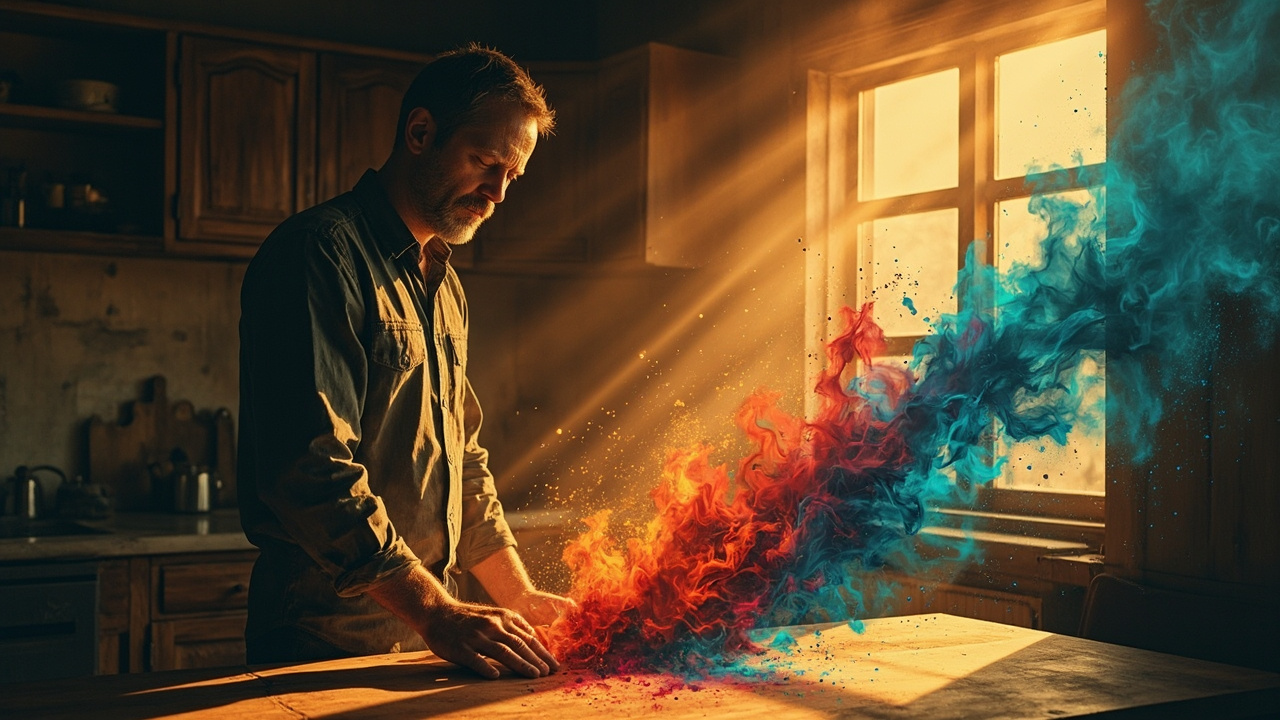
جاء التحوّل دون سابق إنذار، في يوم الثلاثاء من أواخر نوفمبر. كان قد تاه إلى المطبخ — رحلة حفظها أخيرًا بعد أسابيع من ساقين مُكدمتين وكراسٍ مُقلوبة — ووضع راحة يده مسطحة على مائدة المطبخ، عادة طوّرها ليُثبّت نفسه في غياب المعالم البصرية. الخشب دافئ من شمس ما بعد الظهر. ثم، حين لامست أصابعه الحبوب، حدث شيء استثنائي. انبسط إحساس في جهازه العصبي كالحبر المُنزل في الماء: أحمر عميق شرياني، لم يُرى بل يُحَس، يضغط على بطانة أضلاعه بوزن حزن مُكتوم منذ طويل. سحب يده كما لو أن المائدة عضّته. وقف ساكنًا تمامًا في وسط المطبخ، يتنفس بحذر، ثم ضغط راحة يده على الحائط. أغرقه أزرق بارد مدّي — هادئ، واسع، لون البُعد. اتّكأ عليه وبكى، لا من اليأس بل من التعرف. لم يُظلم العالم. إنه فقط غيّر مفرداته.
في الأسابيع التالية، رسم ماركوس الجغرافيا اللونية لمنزله بكثافة منهجية رجلٍ وجد، إن لم غرضًا، فعلى الأقل بوصلة. السجادة الحمراء البالية في الممر حملت قرمزيًا ثقيلًا مُتربًا — لون الحزن القديم، صور的家庭相册 المحفوظة في علب العلية. الغلاية، المحمّصة، الأصفر المرح لفنجان إيلينا المفضل قرب الحوض: ذهب دافئ مشرق رفع عظمته الصدرية وجعله يفكر في الزعفران والصيف. لمس العالم كفيف يقرأ برايل، لكن النص كُتب بالإحساس، وأبجدية اللون.
إيلينا كانت أول شخص أخبره. اختار صباح أحد، حين كان الضوء من نافذة المطبخ ذا جودة خاصة كونه حادًا ومتسامحًا في آن. وصف الظاهرة بتردد، مُرعوب أنها قد تعتهده مجنونًا. بدلاً من ذلك، مدّت يدها عبر المائدة ووضعت يدها فوق يده، فشعر بلون لمستها — وردي ناعم مُخضر، كداخل صدفة بحرية تُوضع على الأذن. صمتت وقتًا طويلاً. ثم همست: "إذن ارسم مجددًا يا ماركوس. ليس بعينيك."
عاد إلى الاستوديو في الأول من ديسمبر. رائحة الغرفة كانت تمامًا كما يتذكر — أشباح التربنتين وإمكانية. عمل وعيناه مُغلقتان، يخلط الأصباغ بالنسيج والرائحة، يتعلم توقيعاتها اللمسية: حبيبات أصفر الكادميوم، برودة الطباشير لأبيض التيتانيوم، حديد الأرضة المبللة للصدأ النيء. وضع اللون مباشرة على القماش بيديه العاريتين، ساحبه عبر النسج، شاعرًا بمقاومة القماش. لم يكن يُعيد إنتاج العالم المرئي. كان يترجمه إلى لغة الذات الجديدة القادرة على التحدث.
كانت عمله الأولى المكتملة حقلاً من النيلي العميق — اللون الذي أحسّه في تربة الحديقة عند الغسق — تخترقه عروق من الذهب شديدة الوضوح جعلت صدره يتوجع. سمّاها ببساطة، بخط يده: نوفمبر. علّقت إيليناها حيث سيجدها ضوء الصباح، رغم أن ماركوس لن يرى ذلك الضوء أبدًا. وجد أن هذا لا يهم. كان يستطيع أن يشعر بالذهب يستجيب للشمس كاستجابة القطة لصوت مألوف — بدفء بطيء غير مُكرَه.
لكن كان ثمة لون لم يقدر على إتقانه. في أحد الأيام، مدّ يده نحو برطمان الأسود العاجي، فارتدّ. أنتجت المادة ظلامًا لا يشبه أي ظل أدركه قط. لم يكن غيابًا بسيطًا للضوء. كان لوناً بحد ذاته — كثيف، خانق، حيّ بشرّ لا يُسَمّى. حمل ثقلاً مُحددًا للخوف: حاد الحواف، بارد المركز. كان لون الغرفة حيث بدأ الحريق. لم يعد إليها قط في الذاكرة الواعية، لكن جسده تذكّر، ويداه ترجم ما رفض العقل إعادة زيارته.
لم يتجنب ماركوس الأسود. بل عمل معه. ضغطه ببطء وعمدان في القماش، جاعلًا إياه جزءًا من لوحته لا مصدر انسحاب. ظل الخوف — سيبقى دائمًا — لكنه تعلّم أن اللوحة يمكن أن تحتوِي الرعب دون أن تستهلكه. ربما هذا ما كانت عليه الفنون دائمًا: فعل إعطاء شكل لما يُرعبك، كي يُرعبك أقل.
مع الربيع، كان قد أكمل اثنتي عشرة عملاً. نظّمت إيلينا عرضًا خاصًا صغيرًا — لا شيء تجاري، أصدقاء وجيران فقط، أناس عرفوه حين كانت عيناه تعملان. وقفوا أمام القماشات في صمتوقّر، محاولين التعبير عما يرون. وقف ماركوس بينهم، قريبًا بما يكفي ليسمع أنفاسهم، واستمع إليهما وهما يكافحان لإيجاد كلمات لما وجدته يداه أولًا: أن اللون لم يكن قط مجرد ضوء يرتدّ عن سطح — بل كان، وكان دائمًا، فعل ترجمة بين طريقة وجود في العالم وأخرى.
Marcus Ashford hatte immer geglaubt, dass die Tragödie der Blindheit darin lag, was die Augen nicht mehr registrieren konnten — die ockerfarbenen Klippen der Amalfiküste, das heftige Himmelblau eines mediterranen Nachmittags, die Art und Weise, wie das Morgenlicht auf den Schlafzimmerwänden zu Honig wurde. Er hatte sich geirrt. Die wahre Tragödie war nicht die Abwesenheit von Farbe, sondern die ohrenbetäubende Stille, die folgte. Er saß in dem Korbsessel am Studiofenster, sein Blick auf einen grauen Schleier reduziert, den kein Augenarzt zufriedenstellend erklären konnte. Der Unfall — ein Chemiebrand während eines Restaurierungsauftrags — hatte ihm innerhalb von Sekunden das Augenlicht geraubt und ihn in einer Welt aus Formen und Schatten gestrandet. Die Ärzte sprachen von Netzhautschäden mit einer Distanziertheit, die an Grausamkeit grenzte. Er hörte höflich zu, stellte die passenden Fragen und fuhr dann schweigend nach Hause, obwohl seine Frau Elena seine Hand über dem Schalthebel die ganze Zeit festhielt.
Die ersten Monate waren ein Land der Trauer, für das er keine Karte hatte. Er gab das Studio auf. Der Geruch von Leinöl und Terpentin, einst so vertraut wie sein eigener Atem, wurde unerträglich — eine Verspottung der Hände, die den Pinsel nicht mehr führen konnten. Elena, selbst eine renommierte Keramikerin, respektierte seinen Rückzug mit der Geduld von jemandem, der Besessenheit verstand. Sie ließ seine Tür geschlossen und sein Essen draußen. Sie wartete.
Die Veränderung kam ohne Warnung, an einem Dienstagnachmittag Ende November. Er war in die Küche gewandert — eine Reise, die er nach Wochen von geprellten Schienbeinen und umgestoßenen Stühlen endlich auswendig gelernt hatte — und hatte seine Handfläche flach auf den Küchentisch gelegt, eine Gewohnheit, die er entwickelt hatte, um sich in der Abwesenheit visueller Orientierungspunkte zu erden. Das Holz war warm von der Nachmittagssonne. Und dann, als seine Finger Kontakt mit der Maserung machten, geschah etwas Außergewöhnliches. Ein Gefühl entfaltete sich in seinem Nervensystem wie Tinte, die ins Wasser fällt: ein tiefes, arterielles Rot, nicht gesehen, sondern gefühlt, das gegen die Innenseite seiner Rippen drückte, mit dem Gewicht eines lange gehaltenen Kummers. Er zog seine Hand zurück, als hätte der Tisch ihn gebissen. Er stand sehr still in der Mitte der Küche, atmete sorgfältig und presste seine Handfläche an die Wand. Ein kühles, tidales Blau durchflutete ihn — ruhig, weit, die Farbe der Entfernung. Er lehnte sich dagegen und weinte, nicht aus Verzweiflung, sondern aus Erkenntnis. Die Welt war nicht dunkel geworden. Sie hatte nur ihre Sprache geändert.
In den folgenden Wochen kartographierte Marcus die chromatisierte Geographie seines Hauses mit der methodischen Intensität eines Mannes, der, wenn nicht einen Zweck, so doch zumindest einen Kompass gefunden hatte. Der abgetragene rote Läufer im Flur trug ein schweres, staubiges Karmesin — die Farbe alten Kummers, von Fotografien, die in Dachboden-Kartons aufbewahrt wurden. Der Wasserkocher, der Toaster, das fröhliche Gelb von Elenas Lieblingsbecher neben der Spüle: ein warmes, helles Gold, das sein Brustbein hob und ihn an Safran und Sommer denken ließ. Er berührte die Welt wie ein blinder Mensch, der Braille liest, aber der Text war in Gefühl geschrieben, und das Alphabet war Farbe.
Elena war die erste Person, der er es erzählte. Er wählte einen Sonntagmorgen, als das Licht durch das Küchenfenster eine besondere Qualität hatte, sowohl scharf als auch vergebungsvoll zu sein. Er beschrieb das Phänomen stockend, verängstigt, sie könnte ihn für verrückt halten. Stattdessen streckte sie sich über den Tisch und legte ihre Hand auf seine, und er fühlte die Farbe ihrer Berührung — ein weiches, dämmriges Rosa, wie die Innenseite einer Muschel ans Ohr gehalten. Sie sagte lange Zeit nichts. Dann flüsterte sie: „Dann male wieder, Marcus. Nicht mit deinen Augen."
Er kehrte am ersten Dezember ins Studio zurück. Der Raum roch genau wie in seiner Erinnerung — Geister von Terpentin und Möglichkeit. Er arbeitete mit geschlossenen Augen, mischte Pigmente nach Textur und Duft, lernte ihre taktilen Signaturen: die Körnigkeit von Kadmiumgelb, die kreidige Kühle von Titandioxid-Weiß, das nasse Eisen von roher Siena-Erde. Er trug Farbe direkt mit bloßen Händen auf die Leinwand auf, zog sie über das Gewebe, fühlte den Widerstand des Stoffes. Er reproduzierte nicht die sichtbare Welt. Er übersetzte sie in eine Sprache, die sein neues Selbst sprechen konnte.
Sein erstes fertiges Stück war ein Feld tiefen Indigos — die Farbe, die er in der Gartenerde in der Dämmerung fühlte — durchzogen von Goldadern so lebendig, dass sie seine Brust schmerzen ließen. Er betitelte es einfach, in seiner eigenen Handschrift: November. Elena hängte es dorthin, wo das Morgenlicht es finden würde, obwohl Marcus dieses Licht nie wieder sehen würde. Er fand, dass es nicht darauf ankam. Er konnte fühlen, wie das Gold auf die Sonne reagierte, wie eine Katze auf eine vertraute Stimme reagiert — mit einer langsamen, ungezwungenen Wärme.
Aber es gab eine Farbe, die er nicht beherrschen konnte. Einen Sonntag, als er nach dem Glas mit Elfenbeinschwarz griff, zuckte er zurück. Die Substanz ergab eine Dunkelheit, die unähnlich jedem Schatten war, den er je wahrgenommen hatte. Es war nicht die bloße Abwesenheit von Licht. Es war eine Farbe für sich — dicht, erstickend, lebendig mit einer Bösartigkeit, die er nicht benennen konnte. Sie trug das spezifische Gewicht der Angst: scharf an den Rändern, kalt in der Mitte. Es war die Farbe des Zimmers, wo das Feuer begonnen hatte. Er war nie bewusst in seiner Erinnerung dorthin zurückgekehrt, aber sein Körper erinnerte sich, und seine Hände übersetzten, was der Geist sich weigerte wieder zu besuchen.
Marcus wich dem Schwarz nicht aus. Stattdessen arbeitete er damit. Er drückte es langsam und absichtlich in die Leinwand, machte es zu einem Teil seiner Palette statt einer Quelle des Rückzugs. Die Angst blieb — das würde sie immer — aber er lernte, dass ein Gemälde Terror halten konnte, ohne von ihm verzehrt zu werden. Das war vielleicht, was Kunst immer gewesen war: der Akt, dem, was einen erschreckte, Form zu geben, damit es einen weniger erschreckte.
Bis zum Frühling hatte er zwölf Werke vollendet. Elena organisierte eine kleine private Ausstellung — nichts Kommerzielles, nur Freunde und Nachbarn, Menschen, die ihn gekannt hatten, als seine Augen noch funktionierten. Sie standen schweigend und ehrfürchtig vor den Leinwänden und versuchten zu artikulieren, was sie sahen. Marcus stand unter ihnen, nah genug, um ihren Atem zu hören, und hörte zu, wie sie kämpften, um Worte für das zu finden, was seine Hände zuerst gefunden hatten: dass Farbe niemals bloß Licht war, das von einer Oberfläche zurückgeworfen wurde — es war, und war es immer gewesen, ein Akt der Übersetzung zwischen einer Art, in der Welt zu sein, und einer anderen.
Marcus Ashford avait toujours cru que la tragédie de la cécité résidait dans ce que les yeux ne pouvaient plus enregistrer — les falaises ocre de la côte amalfitaine, l'azur violent d'un après-midi méditerranéen, la façon dont la lumière du matin se transformait en miel sur les murs de la chambre. Il s'était trompé. La vraie tragédie n'était pas l'absence de couleur mais le silence assourdissant qui suivait. Il était assis dans le fauteuil en osier près de la fenêtre de l'atelier, sa vue réduite à un voile gris qu'aucun ophtalmologue ne pouvait expliquer de manière satisfaisante. L'accident — un incendie chimique lors d'une commande de restauration — l'avait privé de la vue en quelques secondes, le laissant bloqué dans un monde de formes et d'ombres. Les médecins parlaient de lésions rétiniennes avec un détachement qui frôlait la cruauté. Il écoutait poliment, posait les questions appropriées, puis rentrait chez lui en silence, bien que sa femme, Elena, lui tienne la main sur le levier de vitesse tout au long du trajet.
Les premiers mois étaient un pays de chagrin pour lequel il n'avait pas de carte. Il abandonna l'atelier. L'odeur d'huile de lin et de térébenthine, aussi familière que sa propre respiration, était devenue insupportable — une moquerie des mains qui ne pouvaient plus manier le pinceau. Elena, elle-même céramiste de renom, respectait son retrait avec la patience de quelqu'un qui comprenait l'obsession. Elle gardait sa porte fermée et ses repas à l'extérieur. Elle attendait.
Le changement vint sans avertir, un mardi après-midi de fin novembre. Il s'était aventuré dans la cuisine — un voyage qu'il avait enfin mémorisé après des semaines de tibias meurtries et de chaises renversées — et avait posé sa paume à plat sur la table de cuisine, une habitude qu'il avait développée pour s'ancrer en l'absence de repères visuels. Le bois était tiède de la lumière du soleil de l'après-midi. Et puis, au contact du grain, quelque chose d'extraordinaire se produisit. Une sensation se déploya dans son système nerveux comme de l'encre tombant dans l'eau : un rouge profond et artériel, non pas vu mais ressenti, pesant contre l'intérieur de ses côtes comme un chagrin longtemps retenu. Il retira sa main comme si la table l'avait mordu. Il resta très immobile au milieu de la cuisine, respirant avec précaution, et pressa sa paume contre le mur. Un bleu frais et tidal l'inonda — calme, vaste, la couleur de la distance. Il s'y appuya et pleura, non pas de désespoir mais de reconnaissance. Le monde ne s'était pas assombri. Il avait simplement changé de vocabulaire.
Au cours des semaines suivantes, Marcus cartographia la géographie chromatique de sa maison avec l'intensité méthodique d'un homme qui avait trouvé, sinon un but, du moins une boussole. Le vieux tapis rouge du couloir portait un cramoisi lourd et poussiéreux — la couleur du vieil chagrin, des photographies conservées dans des boîtes de grenier. La bouilloire, le grille-pain, le jaune joyeux de la tasse préférée d'Elena près de l'évier : un or chaud et brillant qui soulevait son sternum et lui faisait penser au safran et à l'été. Il touchait le monde comme un aveugle lisant le braille, mais le texte était écrit en sentiments, et l'alphabet était la couleur.
Elena fut la première personne qu'il informa. Il choisit un dimanche matin, quand la lumière traversant la fenêtre de la cuisine avait cette qualité particulière d'être à la fois tranchante et indulgente. Il décrivit le phénomène de manière hésitante, terrifié qu'elle le croie fou. Au lieu de cela, elle traversa la table et plaça sa main sur la sienne, et il sentit la couleur de son toucher — un rose doux et crépusculaire, comme l'intérieur d'un coquillage porté à l'oreille. Elle ne dit rien pendant longtemps. Puis elle murmura : « Alors peins encore, Marcus. Pas avec tes yeux. »
Il revint à l'atelier le premier décembre. La pièce sentait exactement comme il s'en souvenait — des fantômes de térébenthine et de possibilité. Il travailla les yeux fermés, mélangeant les pigments par texture et parfum, apprenant leurs signatures tactiles : le grenu du jaune cadmium, la fraîcheur crayeuse du blanc titane, le fer humide de l'ocre brute. Il appliquait la couleur directement sur la toile avec ses mains nues, la traînant à travers le tissage, ressentant la résistance du tissu. Il ne reproduisait pas le monde visible. Il le traduisait dans un langage que son nouveau soi pouvait parler.
Sa première œuvre terminée était un champ d'indigo profond — la couleur qu'il ressentait dans le sol du jardin au crépuscule — traversé par des veines d'or si vives qu'elles lui faisaient mal à la poitrine. Il l'intitula simplement, de sa propre main : Novembre. Elena l'accrocha là où la lumière du matin la trouverait, bien que Marcus ne verrait plus jamais cette lumière. Il découvrit que cela n'avait pas d'importance. Il pouvait sentir l'or répondre au soleil comme un chat répond à une voix familière — avec une chaleur lente et sans contrainte.
Mais il y avait une couleur qu'il ne pouvait pas maîtriser. Un dimanche, en attrapant le pot de noir d'ivoire, il recula. La substance produisait une obscuritéUnlike aucune ombre qu'il avait jamais perçue. Ce n'était pas la simple absence de lumière. C'était une couleur en soi — dense, suffocante, vivante d'une malice qu'il ne pouvait nommer. Elle portait le poids spécifique de la peur : tranchante sur les bords, froide au centre. C'était la couleur de la pièce où le feu avait commencé. Il n'y était jamais retourné consciemment dans ses souvenirs, mais son corps se souvenait, et ses mains traduisaient ce que son esprit refusait de revisiter.
Marcus n'évita pas le noir. Au lieu de cela, il travailla avec. Il le pressa lentement et délibérément dans la toile, en faisant partie de sa palette plutôt qu'une source de retraite. La peur restait — elle le serait toujours — mais il apprit qu'une peinture pouvait contenir la terreur sans être consumée par elle. C'était, peut-être, ce que l'art avait toujours été : l'acte de donner forme à ce qui vous effrayait, afin que cela vous effraie moins.
Au printemps, il avait terminé douze œuvres. Elena organisa une petite exposition privée — rien de commercial, juste des amis et des voisins, des gens qui l'avaient connu quand ses yeux fonctionnaient encore. Ils se tinrent devant les toiles dans un silence révérencieux, essayant d'articuler ce qu'ils voyaient. Marcus se tenait parmi eux, assez proche pour entendre leur souffle, et écoutait leur lutte pour trouver des mots pour ce que ses mains avaient trouvé d'abord : que la couleur n'était jamais simplement de la lumière rebondissant sur une surface — c'était, et cela avait toujours été, un acte de traduction entre une manière d'être dans le monde et une autre.
Маркус Эшфорд всегда верил, что трагедия слепоты заключается в том, что глаза больше не могли запечатлеть — охристые скалы Амальфитанского побережья, яростную лазурь средиземноморского полдня, то, как утренний свет превращался в мёд на стенах спальни. Он ошибался. Настоящая трагедия заключалась не в отсутствии цвета, а в оглушительной тишине, которая за этим следовала. Он сидел в плетёном кресле у окна студии, его зрение свелось к серой вуали, которую ни один офтальмолог не мог удовлетворительно объяснить. Несчастный случай — химический пожар во время реставрационного заказа — лишил его зрения за считанные секунды, оставив его на мели в мире форм и теней. Врачи говорили о повреждении сетчатки с отстранённостью, граничившей с жестокостью. Он вежливо слушал, задавал надлежащие вопросы, а затем молча ехал домой, хотя его жена Елена держала его руку на рычаге переключения передач всю дорогу.
Первые месяцы были страной скорби, для которой у него не было карты. Он бросил студию. Запах льняного масла и скипидара, когда-то такой же знакомый, как собственное дыхание, стал невыносим — издевательство над руками, которые больше не могли держать кисть. Елена, сама известная керамистка, с терпением человека, понимающего одержимость, уважала его уединение. Она держала его дверь закрытой, а еду — снаружи. Она ждала.
Перемена пришла без предупреждения, в один вторничный день позднего ноября. Он забрёл на кухню — путешествие, которое он наконец запомнил после недель разбитых голеней и опрокинутых стульев — и положил ладонь плоско на кухонный стол, привычку, которую он выработал, чтобы заземлиться в отсутствие визуальных ориентиров. Дерево было тёплым от послеполуденного солнца. И тут, когда его пальцы соприкоснулись с древесными волокнами, произошло нечто необыкновенное. Ощущение развернулось в его нервной системе, как чернила, упавшие в воду: глубокий, артериальный красный, не увиденный, а прочувствованный, давящий на внутреннюю сторону его рёбер с весом давно хранимого горя. Он отдёрнул руку, как будто стол его укусил. Он очень неподвижно стоял посреди кухни, осторожно дыша, и прижал ладонь к стене. Прохладный, приливный синий хлынул через него — спокойный, обширный, цвет расстояния. Он прислонился к нему и заплакал, не от отчаяния, а от узнавания. Мир не погрузился во тьму. Он просто сменил свой словарь.
В последующие недели Маркус картографировал хроматическую географию своего дома с методичной интенсивностью человека, который нашёл, если не цель, то хотя бы компас. Изношенная красная дорожка в коридоре несла тяжёлый, пыльный кармин — цвет старого горя, фотографий, хранящихся в коробках на чердаке. Чайник, тостер, весёлый жёлтый любимой кружки Елены у раковины: тёплое, яркое золото, которое поднимало его грудину и заставляло думать о шафране и лете. Он касался мира, как слепой человек, читающий шрифт Брайля, но текст был написан чувствами, а алфавитом был цвет.
Елена была первым человеком, которому он рассказал. Он выбрал воскресное утро, когда свет из кухонного окна обладал особой способностью быть одновременно резким и снисходительным. Он запинаясь описывал феномен, в ужасе от того, что она сочтёт его безумцем. Вместо этого она протянула руку через стол и положила свою ладонь на его, и он почувствовал цвет её прикосновения — мягкий, сумеречный розовый, как внутренность морской раковины, приложенной к уху. Она долго ничего не говорила. Затем прошептала: «Тогда рисуй снова, Маркус. Не глазами.»
Он вернулся в студию первого декабря. Комната пахла именно так, как он помнил — призраками скипидара и возможности. Он работал с закрытыми глазами, смешивая пигменты по текстуре и запаху, изучая их тактильные подписи: зернистость кадмиевого жёлтого, меловую прохладу титановых белил, влажное железо сырой охры. Он наносил цвет прямо на холст голыми руками, протаскивая его через плетение, чувствуя сопротивление ткани. Он не воспроизводил видимый мир. Он переводил его на язык, на котором мог говорить его новое я.
Его первая законченная работа была полем глубокого индиго — цвета, который он чувствовал в садовой земле в сумерках — испещрённым венами золота такой яркости, что они причиняли боль его груди. Он озаглавил её просто, своим почерком: Ноябрь. Елена повесила её там, где её найдёт утренний свет, хотя Маркус никогда больше не увидит этого света. Он обнаружил, что это не имеет значения. Он чувствовал, как золото откликается на солнце, как кошка откликается на знакомый голос — с медленным, непринуждённым теплом.
Но был один цвет, которого он не мог освоить. В одно воскресенье, потянувшись за банкой чёрного цвета слоновой кости, он отшатнулся. Вещество источало темноту, не похожую ни на какую тень, которую он когда-либо воспринимал. Это было не просто отсутствие света. Это был цвет сам по себе — плотный, удушающий, полный злобы, которую он не мог назвать. Он нёс специфический вес страха: острый по краям, холодный в центре. Это был цвет комнаты, где начался пожар. Он никогда сознательно не возвращался туда в памяти, но его тело помнило, а его руки переводили то, что разум отказывался пересматривать.
Маркус не избегал чёрного. Вместо этого он работал с ним. Он медленно, намеренно вдавливал его в холст, делая его частью своей палитры, а не источником отступления. Страх оставался — он всегда будет — но он научился, что картина может вмещать ужас, не будучи поглощённой им. Возможно, в этом и заключалась суть искусства: дать форму тому, что пугает тебя, чтобы это меньше пугало тебя.
К весне он завершил двенадцать работ. Елена организовала небольшую частную выставку — ничего коммерческого, просто друзья и соседи, люди, которые знали его, когда его глаза ещё работали. Они стояли перед холстами в благоговейном молчании, пытаясь артикулировать то, что видели. Маркус стоял среди них, достаточно близко, чтобы слышать их дыхание, и слушал, как они пытались найти слова для того, что его руки нашли первыми: что цвет никогда не был просто светом, отражающимся от поверхности — это было, и всегда было, актом перевода между одним способом бытия в мире и другим.