القصة عنوانها: الجسر الورقي
القصة:
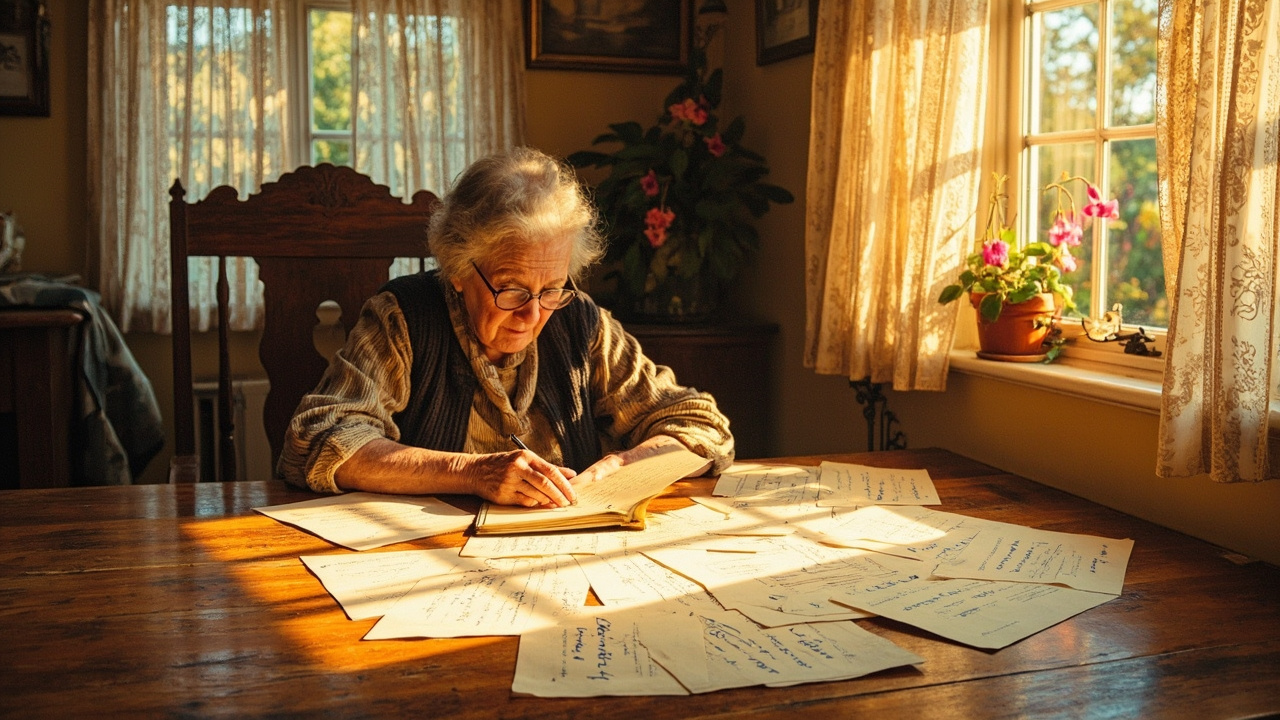
عاشت مارغريت أشورث في ثورنبري لمدة سبع وأربعين سنة، وقتاً كافياً لتتذكر عندما كانت الشارع الرئيسي لا يزال يفتخر بجزار وبائع أقمشة ومكتبة للإقراض كانت تفوح منها رائحة الغبار ودخان الغليون. في الثالثة والسبعين من عمرها، كانت تمرّ بأيامها برضا متأنٍّ كسيدة كانت قد علّمت ثلاثة أجيال من العائلات نفسها والآن وجدت نفسها على معرفة سطحية مع أحفادهم. كانت كوختها في شارع الوستيريا متواضعة لكن لا تشوبها شائبة، ورفوف نوافذها مزينة بنباتات الفوشيا المحفوظة في أصص وقطة عجوز اسمها بطليموس كانت تتحمل وجودها بتعالٍ أرستقراطي.
وصلت الرسالة الأولى يوم الثلاثاء، منزلفة تحت بابها في وقت ما بين الصباح وشاي بعد الظهر. كانت مكتوبة بخط اليد على ورق كريمي، والحبر بلون أزرق داكن كأنهُ من منتصف الليل، ولم تُعنَّن لأحد بعينه: إلى أهل ثورنبري، من أحد أبناءها.
فتحتها مارغريت بحذر وإجلال كانت تحتفظ به سابقاً لفحص أجود أعمال تلاميذها. تحدثت الرسالة عن الغفران—لم تكن تطلبه، بل تقترح فقط أنه قد يكون ممكناً. ذكرت جارة كانت قد سببت إساءة في يوم من الأيام واقترحت أن الوقت والصمت قد أحولا الجرح إلى شيء لا يستطيع أي طرف تسميته بشكل صحيح. كان مُوقَّع بحرف أوسط بسيط: م.
قرأت مارغريت الرسالة ثلاث مرات. ثم صنعت لنفسها إبريق شاي دارجلينغ وجلست بجانب النافذة، تتأمل المطر وهو يرسم مسارات فضية على الزجاج، تتساءل عما إذا كان هذا عمل بعض المتطفلين ذوي النوايا الحسنة أو شيئاً أكثر أهمية بكثير.
ظهرت الرسالة الثانية بعد ثلاثة أسابيع، مثبتة على لوحة الإعلانات خارج مكتب البريد. هذه الرسالة تناولت النزاع على الحدود بين عائلة هيندرسون وعائلة أوكونكو—خصام متأجج كان قد سمم شارعهم لمدة قرابة عقد. لم تُحمّل أحداً اللوم. بل دعت العائلتين للتذكر أن توماس هيندرسون كان قد ساعد تشيدي أوكونكو ذات مرة في استعادة دراجته المسروقة، وأن كومفورت أوكونكو كانت قد رعت دوروثي هيندرسون خلال شتاء صعب حين كانت عائلتها تقيم في ثلاث مقاطعات بعيدة. اقترحت الرسالة بلطف أن الناس ليسوا أسوأ لحظاتهم.
بحلول أكتوبر، أصبحت الرسائل الموضوع الأكثر إثارة للحديث في ثورنبري. الجسر الورقي، هكذا بدأ أحدهم يسميها—المراسلات المجهولة التي تنسج بين الجيران المتخاصمين، متجاوزة الشقوق التي وسّعها الوقت والكبرياء إلى هاوات. وجدت مارغريت نفسها تجمعها، تُسطّر كل واحدة منها على طاولة مطبخها، تدرس الخط الجميل والطريقة التي استطاع بها الكاتب أن يكون صريحاً ولطيفاً في آن واحد. بدأت تشك في أنها تعرف من holds القلم، لكنها أبقت رأيها لنفسها.
كان للرسائل تأثير غريب على البلدة. لم تطالب بالمصالحة ولم تهدد بالكشف. كانت فقط تُنير لطفاً عادياً كان قد اختفى تحت سنوات من المراكمات المؤلمة. في المخبز، اقترحت جيون هاليداي—التي لم تكن قد تحدثت مع أختها لمدة ست سنوات بسبب خلاف حول ترتيبات دفن أمهما—فجأة أن يلتقيتا لتناول القهوة. في الحانة الشعبية، اقترح توم ريدلي، الذي كان قد رفض الشراء من متجر ديفيد أوكونكو منذ خلاف تافه في 2019، أن يتقاسما كوببيرة ويتذكرا حين كانا صديقين في الصغر.
مارغريت هي الأخرى تلقت رسالة. وصلت في صباح رمادي في نوفمبر، منزلفة في صندوق بريدها مع غيرها. تعرفت على الخط قبل أن تفتح المظروف حتى.
كتبت الآنسة أغنس فيرذير—مديرتها القديمة، والآن في الحادية والتسعين وتعيش في دار رعاية في البلدة المجاورة—لتعتذر عن الطريقة التي عُولج بها إغلاق مدرسة القرية قبل ثلاثين عاماً. اعترفت أن مارغريت كانت على حق في محاربتها، وأن المجتمع كان قد فقد شيئاً لا يُعوَّض، وأنها herself كانت too proud to admit it.
كان الاعتذار متأخراً بعقود، لكنه قُدِّم رغم ذلك، وشعرت مارغريت بشيء يرتخي في صدرها لم تكن تدرك أنه كان مشدوداً.
كتبت ردا. ثم، في الأول من ديسمبر، ثبّتَت مارغريت رسالة الآنسة فيرذير على لوحة إعلانات المركز المجتمعي junto con todas las demás.
في المساء التالي، وقفت أمام سكان البلدة المجتمعين—الخصوم السابقون جالسين جنباً إلى جنب، والجروح القديمة finally given permission to heal—وأخبرتهم أن الجسر الورقي قد بُني بواسطة جميعهم معاً.
الرسائل فقط أظهرت لهم الطريق للعبور.
فوق الباب، كان أحدهم قد علق طائراً ورقياً مطوياً من ظرف آخر رسالة. نظرت مارغريت إليه وابتسمت. في ثورنبري، بدا أن العبور كان دائماً ممكناً. كانوا فقط بحاجة للتذكر أن الجسر مصنوع من أكثر من الخلافات. إنه مصنوع من كل اللطف.small, unspoken kindnesses that had somehow endured beneath them.
Die Geschichte trägt den Titel: Die Papierbrücke
Die Geschichte:
Margaret Ashworth hatte siebenundvierzig Jahre lang in Thornbury gelebt, lange genug, um sich daran zu erinnern, als die Hauptstraße noch einen Metzger, einen Tuchhändler und eine Leihbibliothek besaß, die nach Staub und Pfeifentabak roch. Mit dreiundsiebzig schlurfte sie durch ihre Tage mit dem bedachten Zufriedenheit einer Frau, die drei Generationen derselben Familien unterrichtet hatte und nun mit deren Enkeln auf nickende Bekanntschaft stieß. Ihr Häuschen in der Wisterienstraße war bescheiden aber makellos, die Fenstersimse geschmückt mit Fuchsiatöpfen und einer alten Katze namens Ptolemäus, die ihre Existenz mit aristokratischer Gleichgültigkeit tolerierte.
Der erste Brief kam an einem Dienstag, zwischen Morgentee und Nachmittagstee unter ihrer Tür durchgeschlüpft. Er war mit dunkelblauer Tinte auf cremefarbenem Papier von Hand geschrieben und an niemand Bestimmten gerichtet: An die Menschen von Thornbury, von einem ihrer eigenen.
Margaret entfaltete ihn mit der sorgfältigen Ehrfurcht, die sie einst für die Begutachtung der besten Arbeiten ihrer Schüler aufgespart hatte. Der Brief sprach von Vergebung – nicht darum bittend, sondern lediglich vorschlagend, dass sie möglich sein könnte. Er erwähnte eine Nachbarin, die einst Anstoß erregt hatte, und schlug vor, dass Zeit und Stille die Wunde zu etwas verhärtet hätten, das keine der beiden Seiten richtig benennen könne. Er war mit einem einfachen Anfangsbuchstaben unterschrieben: M.
Margaret las den Brief dreimal. Dann machte sie sich eine Kanne Darjeeling und setzte sich ans Fenster, beobachtete, wie der Regen silberne Pfade die Scheibe hinablief, und fragte sich, ob dies das Werk einer gutmeinenden Schnüfflerin war oder etwas altogether Bedeutsameres.
Der zweite Brief erschien drei Wochen später, am Schwarzen Brett vor der Post angenagelt. Dieser beschäftigte sich mit dem Grenzstreit zwischen den Hendersons und den Okonkwos – einem eiternden Zwist, der ihre Straße seit nahezu einem Jahrzehnt vergiftete. Er verteilte keine Schuld. Stattdessen lud er beide Familien ein, sich daran zu erinnern, dass Thomas Henderson einst Chidi Okonkwo geholfen hatte, sein gestohlenes Fahrrad wiederzubekommen, und dass Comfort Okonkwo Dorothy Henderson durch einen harten Winter gepflegt hatte, als ihre eigene Familie drei Grafschaften entfernt lebte. Der Brief schlug sanft vor, dass Menschen nicht ihre schlimmsten Momente sind.
Bis Oktober waren die Briefe zum beliebtesten Diskussionsthema in Thornbury geworden. Die Papierbrücke, wie jemand sie zu nennen begann – die anonyme Korrespondenz, die sich zwischen verfeindeten Nachbarn wob, über die Risse spannend, die Zeit und Stolz zu Abgründen erweitert hatten. Margaret ertappte sich dabei, wie sie dieselben sammelte, jede einzelne auf ihrem Küchentisch glatt strich und die sorgfältige Kalligrafie studierte sowie die Art und Weise, wie der Verfasser sowohl schonungslos als auch zärtlich sein konnte. Sie begann zu vermuten, wer den Griffel führte, doch sie behielt ihre Gedanken für sich.
Die Briefe hatten eine eigentümliche Wirkung auf die Stadt. Sie forderten keine Versöhnung und drohten nicht mit Enthüllung. Sie beleuchteten lediglich die alltäglichen Freundlichkeiten, die unter Jahren angehäufter Beschwerden verborgen geblieben waren. In der Bäckerei schlug June Halliday – die seit sechs Jahren nicht mehr mit ihrer Schwester gesprochen hatte wegen eines Streits über die Beerdigungsregelungen ihrer Mutter – plötzlich vor, sich auf einen Kaffee zu treffen. In der Gemeinschaftskneipe schlug Tom Ridley, der seit einem läppischen Streit 2019 keine Waren mehr aus David Okonkwos Laden gekauft hatte, vor, sich ein Pint zu teilen und sich daran zu erinnern, als sie Jugendfreunde waren.
Auch Margaret erhielt einen Brief. Er kam an einem grauen Novembermorgen, mit den anderen durch ihren Briefschlitz geschoben. Sie erkannte die Handschrift, bevor sie den Umschlag überhaupt geöffnet hatte.
Miss Agnes Fairweather – ihre ehemalige Schuldirektorin, jetzt einundneunzig und in einem Altenheim in der Nachbarstadt lebend – hatte geschrieben, um sich für die Art zu entschuldigen, wie die Schließung der Dorfschule vor dreißig Jahren gehandhabt worden war. Sie gab zu, dass Margaret recht gehabt hatte zu kämpfen, dass die Gemeinde etwas Unersetzliches verloren hatte und dass sie selbst zu stolz gewesen war, dies zuzugeben. Die Entschuldigung war um Jahrzehnte überfällig, aber sie wurde trotzdem ausgesprochen, und Margaret spürte, wie sich etwas in ihrer Brust löste, von dem sie nicht gewusst hatte, dass es angespannt war.
Sie schrieb zurück. Dann, am ersten Dezember, heftete Margaret Miss Fairweathers Brief ans Schwarze Brett des Gemeindezentrums junto con todas las demás.
Am folgenden Abend stand sie vor den versammelten Stadtbewohnern – frühere Widersacher Schulter an Schulter, alte Wunden endlich mit Erlaubnis zu heilen – und sagte ihnen, dass die Papierbrücke von ihnen allen zusammen gebaut worden war.
Die Briefe hatten ihnen lediglich den Weg hinüber gezeigt.
Über der Tür hatte jemand einenorigami Kranich aus dem Umschlag des letzten Briefes aufgehängt. Margaret blickte hinauf und lächelte. In Thornbury schien die Überquerung immer möglich gewesen zu sein. Sie hatten nur daran erinnert werden müssen, dass die Brücke aus mehr als aus Beschwerden bestand. Sie war aus all den kleinen, unausgesprochenen Freundlichkeiten gemacht, die irgendwie unter ihnen überdauert hatten.
Le titre de l'histoire : Le Pont de Papier
L'histoire :
Margaret Ashworth avait vécu à Thornbury pendant quarante-sept ans, suffisamment longtemps pour se souvenir du temps où la rue principale possédait encore une boucherie, une mercerie et une bibliothèque de prêt qui sentait la poussière et le tabac à pipe. À soixante-treize ans, elle menait ses journées avec le contentement mesuré d'une femme qui avait enseigné à trois générations des mêmes familles et qui se trouvait maintenant à saluer de la tête leurs petits-enfants. Son cottage sur Wisteria Lane était modeste mais impeccable, ses rebords de fenêtres ornés de fuchsias en pot et d'un vieux chat nommé Ptolémée qui tolérait son existence avec une indifférence aristocratique.
La première lettre arriva un mardi, glissée sous sa porte à un moment donné entre le petit matin et le thé de l'après-midi. Elle était écrite à la main sur du papier crème, l'encre d'un bleu sombre presque midnight, et n'était adressée à personne en particulier : Aux habitants de Thornbury, de l'un des leurs.
Margaret la déplia avec le révérencieux souci du détail qu'elle réservait autrefois à l'examen des meilleurs travaux de ses élèves. La lettre parlait de pardon — non pas en le demandant, mais simplement en proposant qu'il pourrait être possible. Elle mentionnait une voisine qui avait causé une offense autrefois et suggérait que le temps et le silence avaient calcifié la blessure en quelque chose qu'aucune des deux parties ne pouvait vraiment nommer. Elle était signée d'une simple initiale : M.
Margaret lut la lettre trois fois. Puis elle se prépara une théière de Darjeeling et s'assit près de la fenêtre, regardant la pluie tracer des sentiers d'argent sur la vitre, se demandant si cela était l'œuvre d'une commère bien intentionnée ou quelque chose de altogether plus significatif.
La deuxième lettre apparut trois semaines plus tard, épinglée au tableau d'affichage devant la poste. Celle-ci abordait le différend de limites entre les Henderson et les Okonkwo — une querelle purulente qui empoisonnait leur rue depuis près d'une décennie. Elle ne distribuait pas de blâme. Elle invitait plutôt les deux familles à se souvenir que Thomas Henderson avait autrefois aidé Chidi Okonkwo à récupérer son vélo volé, et que Comfort Okonkwo avait soigné Dorothy Henderson durant un hiver difficile alors que sa propre famille vivait à trois comtés de là. La lettre suggérait, doucement, que les gens ne sont pas leurs pires moments.
En octobre, les lettres étaient devenues le sujet de spéculation le plus populaire de Thornbury. Le pont de papier, quelqu'un avait commencé à les appeler — cette correspondance anonyme qui se tissait entre voisins en conflit, enjambant les fossés que le temps et l'orgueil avaient élargis en abîmes. Margaret se surprit à les收集, à les aplatir sur la table de sa cuisine, étudiant la calligraphie soignée et la façon dont l'auteur parvenait à être à la fois implacable et tendre. Elle commença à soupçonner qu'elle savait qui tenait la plume, mais elle garda ses réflexions pour elle.
Les lettres avaient un effet peculiar sur la ville. Elles ne demandaient pas la réconciliation ni ne menaçaient de révélation. Elles illuminaient simplement les gentillesses ordinaires qui avaient été obscurcies par des années de griefs accumulés. À la boulangerie, June Halliday — qui n'avait pas parlé à sa sœur depuis six ans à cause d'un désaccord concernant les arrangements funéraires de leur mère — suggéra soudain qu'elles se retrouvent pour un café. Au pub communautaire, Tom Ridley, qui refusait d'acheter des fournitures au magasin de David Okonkwo depuis une querelle insignifiante en 2019, proposa qu'ils partagent une pinte et se rappellent quand ils étaient amis d'enfance.
Margaret aussi reçut une lettre. Elle arriva un matin gris en novembre, glissée dans sa boîte aux lettres avec les autres. Elle reconnut l'écriture avant même d'avoir ouvert l'enveloppe.
Miss Agnes Fairweather — son ancienne directrice, maintenant âgée de quatre-vingt-onze ans et vivant dans une maison de retraite dans la ville voisine — avait écrit pour s'excuser de la façon dont la fermeture de l'école du village avait été gérée trente ans plus tôt. Elle admit que Margaret avait eu raison de se battre, que la communauté avait perdu quelque chose d'irremplaçable, et qu'elle-même avait été trop fière pour l'admettre. Les excuses étaient en retard de décennies, mais elles furent offertes malgré tout, et Margaret sentit quelque chose se desserrer dans sa poitrine qu'elle n'avait pas réalisé était crispé.
Elle écrivit en retour. Puis, le premier décembre, Margaret épingla la lettre de Miss Fairweather au tableau d'affichage du centre communautaire junto con todas las demás.
Le lendemain soir, elle se tint devant les habitants rassemblés — d'anciens adversaires assis épaule contre épaule, de vieilles blessures enfin autorisées à guérir — et leur dit que le pont de papier avait été construit par eux tous ensemble.
Les lettres leur avaient simplement montré le chemin pour traverser.
Au-dessus de la porte, quelqu'un avait suspendu une grue en papier pliée à partir de l'enveloppe de la dernière lettre. Margaret leva les yeux vers elle et sourit. À Thornbury, il semblait que la traversée avait toujours été possible. Ils avaient simplement eu besoin de se rappeler que le pont était fait de plus que de griefs. Il était fait de toutes les petites gentillesses tues qui avaient d'une manière ou d'une autre survécu sous elles.
История называется: Бумажный мост
История:
Маргарет Эшворт жила в Торнбери сорок семь лет — достаточно долго, чтобы помнить время, когда главная улица ещё гордилась мясной лавкой, галантереей и библиотекой для выдачи книг, которая пахла пылью и трубочным табаком. В семьдесят три года она влачила свои дни с размеренным довольством женщины, которая преподавала трём поколениям одних и тех же семей, а теперь обнаружила, что почти знакома с их внуками. Её коттедж на Вистерия-лейн был скромным, но безупречным, подоконники украшены горшками с фуксиями и древним котом по имени Птолемей, который с аристократическим равнодушием терпел её существование.
Первое письмо пришло во вторник, подсунутое под дверь в какой-то момент между утренним и послеполуденным чаем. Оно было написано от руки на кремовой бумаге, чернила — глубокого полуночного синего цвета, и адресовано никому конкретно: Жителям Торнбери, от одного из своих.
Маргарет развернула его с той же тщательной благоговейностью, которую когда-то берегла для изучения лучших работ своих учеников. Письмо говорило о прощении — не прося его, а лишь предполагая, что оно может быть возможным. Упоминался сосед, который когда-то причинил обиду, и высказывалось предположение, что время и молчание закальцинировали рану во что-то, чего ни одна из сторон не могла толком назвать. Подписано оно было одной буквой: М.
Маргарит прочитала письмо трижды. Затем заварила себе чайник дарджилинга и села у окна, глядя, как дождь чертит серебряные дорожки на стекле, и размышляя, работа ли это какого-нибудь доброжелательного вмешательства или нечто гораздо более значительное.
Второе письмо появилось три недели спустя, приколотое к доске объявлений у почты. Оно касалось пограничного спора между Хендерсонами и Оконкво — разгоревшейся ссоры, которая отравляла их улицу почти десятилетие. Оно не возлагало вину. Напротив, оно приглашало обе семьи вспомнить, что Томас Хендерсон когда-то помог Чиди Оконкво вернуть украденный велосипед, а Комфорт Оконкво выхаживала Дороти Хендерсон в трудную зиму, когда её собственная семья жила в трёх графствах отсюда. Письмо мягко предполагало, что люди — это не их худшие моменты.
К октябрю письма стали самой обсуждаемой темой в Торнбери. Бумажный мост — так их начал называть кто-то — анонимная переписка, которая протянулась между ссорящимися соседями, перекидываясь через разломы, которые время и гордость расширили в пропасти. Маргарет поймала себя на том, что собирает их, разглаживает каждое на кухонном столе, изучает тщательную каллиграфию и то, как автору удавалось быть одновременно бескомпромиссным и нежным. Она начала подозревать, что знает, кто держит перо, но хранила молчание.
У писем был peculiar эффект на городок. Они не требовали примирения и не угрожали разоблачением. Они просто высвечивали обычные доброты, которые были затемнены годами копившихся обид. В пекарне Джун Хэллидей — которая не разговаривала с сестрой шесть лет из-за спора о похоронных arrangements их матери — вдруг предложила встретиться за кофе. В местном пабе Том Ридли, который с 2019 года отказывался покупать припасы в лавке Дэвида Оконкво после мелкой ссоры, предложил разделить пинту и вспомнить, как они были друзьями в детстве.
Маргарет тоже получила письмо. Оно пришло серым ноябрьским утром, опущенное в её почтовый ящик вместе с остальными. Она узнала почерк, ещё даже не вскрыв конверт.
Мисс Эгнес Фэрвезер — её бывшая директриса, теперь девяносто одного года, живущая в доме престарелых в соседнем городке — написала, чтобы извиниться за то, как тридцать лет назад было проведено закрытие деревенской школы. Она признавала, что Маргарет была права, борясь за неё, что община потеряла что-то невосполнимое, и что она сама была слишком горда, чтобы это признать. Извинение запоздало на десятилетия, но оно было предложено, и Маргарет почувствовала, как в её груди разжалось что-то, о чём она не подозревала, что было сжато.
Она написала в ответ. Затем, первого декабря, Маргарет приколола письмо мисс Фэрвезер к доске объявлений общественного центра рядом со всеми остальными.
Следующим вечером она стояла перед собравшимися жителями — бывшие противники сидели плечом к плечу, старые раны наконец получили разрешение зажить — и рассказала им, что бумажный мост был построен ими всеми вместе.
Письма merely показали им путь на другую сторону.
Над дверью кто-то повесил оригами-журавлика, сложенного из конверта последнего письма. Маргарет подняла глаза и улыбнулась. В Торнбери, казалось, переправа всегда была возможна. Им просто нужно было вспомнить, что мост сложен не только из обид. Он сложен из всех тех маленьких, невысказанных доброт, которые каким-то образом выжили под ними.