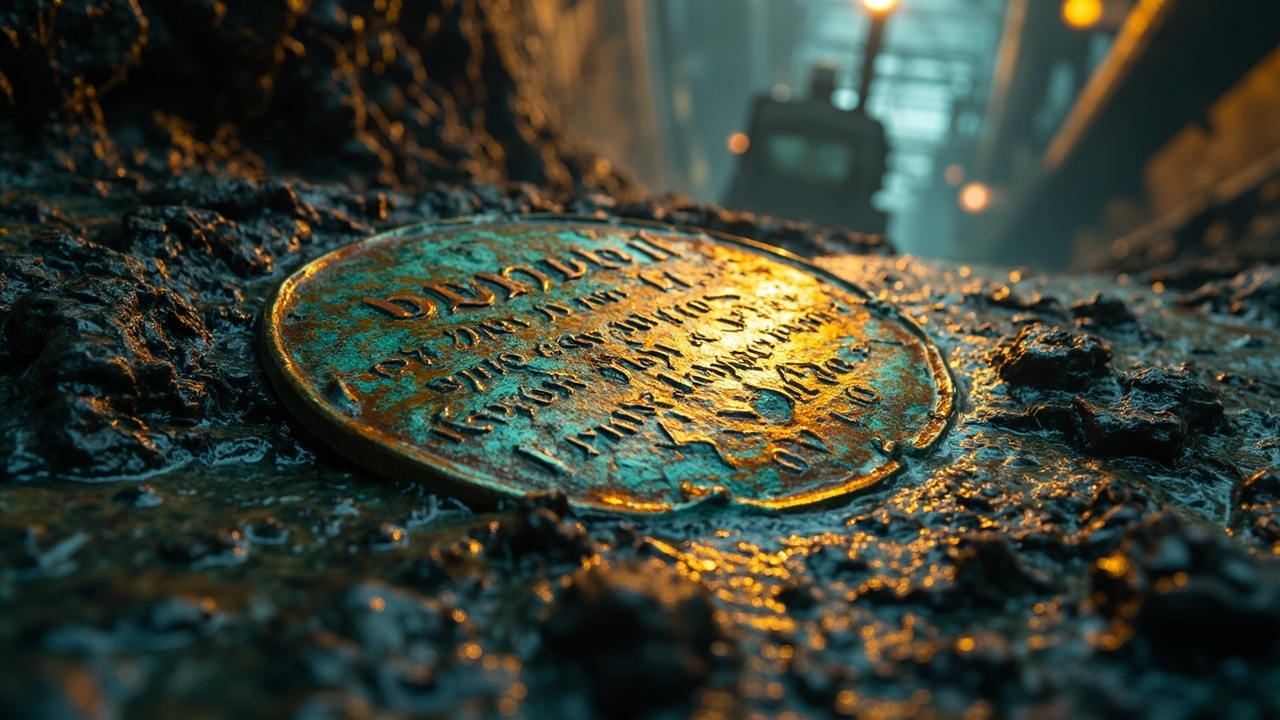
كان القرص البرونزي بلون العملات النحاسية القديمة حين لمحَه ماركوس تشن للمرّة الأولى، نصف مدفون في حصى التايمز الرمادي على عمق ثمانية عشر مترًا تحت المسار المقترح لخط السكك الحديدية فائق السرعة HS2. كانت آلة حفر الأنفاق قد اجتاحت رواسب القرون، كاشفة عن لمحة من القرن السابع عشر لم يتوقّعها أحد.
لم يكن ماركوس معتادًا على الإثارة. فعلى مدى خمس عشرة سنة من العمل مهندسًا جيوتقنيًا، كان قد طوّر عينًا للمُبتذل—تكوين التربة، طبقات الصخور، خيبات الأمل المتوقّعة من آبار الحفر. لكن هذا كان مختلفًا. ذلك الشيء الذي جذبه المقدّم من حزام الناقل للحطام، كان يحمل بريق المعدن المُشكَّل بشكل لا يُخطئ، وعلى سطحه منقوشة كلمات بخط ضيق ومدروس، بالكاد مقروءة تحت طبقات الصدأ الخضراء التي تراكمت عبر القرون.
"أبعدوا أيديكم يا أولاد. هذا الأمر أثرياثيقي الآن."
وصل الأثريون خلال الساعة، معاملين الاكتشاف بتقديس بدا شبه مُفرط. شاهدهم ماركوس وهم يُغلّفون ويُفهرسون، يُصوّرون ويُقيسون، قبل أن يختفي القرص في سلسلة من الحاويات المبطّنة في طريقه إلى قسم الحفظ في المتحف البريطاني. لكنّه كان قد لمس ما يكفي. الخط كان لاتينيًا—لاتينية القرن السابع عشر—وكل ما يحمله، يشير اهتمام المتحف المفاجئ إلى أهميته.
كان مُشرف الاكتشافات هو من أضاء له، فوق فناجين قهوة فاترة في مكتب الموقع بعد أسبوعين. "الجمعية الملكية المبكرة،" قالت، خافتة صوتها كأنّ الجدران نفسها قد تكون مصغية. "مُؤرَّخة بالكربون إلى حوالي 1665. quelqu'un بذل جهدًا كبيرًا للحفاظ على هذا. المشكلة يا ماركوس، ليست مجرد نقش عادي. نعتقد أنها اعترافات."
اعتراف. استقرت الكلمة في ذهن ماركوس كشظية. كان قد التقط صورة للقرص قبل أن يسيطر عليه الأثريون—فعل من المبادرة الشخصية بدا، في ذلك الوقت، لا يزيد عن تذكار ليوم عمل غير عادي. لكن الآن اكتسبت تلك الصورة وزنًا مختلفًا تمامًا.
أعلن المتحف البريطاني عن استحواذه على الاكتشاف خلال الشهر. قيل إنّهم سيُعرضونه ضمن معرض مرموق عن العلوم الحديثة المبكرة—لكن فقط بعد فترة طويلة من الحفظ والتحليل الأكاديمي. قرأ ماركوس بين السطور. المعرض كان على بعد ثمانية عشر شهرًا.届时، مهما كانت الأسرار التي يحملها السجل النحاسي، ستكون قد مرّت عبر عدسة مؤسسية، مُجرَّدة من أي شيء قد يلقي ضوءًا سلبيًا علىOrigins المُقدَّسة للجمعية الملكية.
كان يعرف أنه يتجاوز الحدود. كان مهندسًا، وليس مؤرخًا. لكن الصورة كانت تُسكنه، وحين أشار أحد المعارف في كلية لندن الجامعية إلى أن الخط يحمل سمات المراسلات المبكرة للجمعية الملكية، شعر ماركوس بسحب الالتزام—أو ربما كان مجرد عناد.
بدأ الترجمة بجدية، مُستعيرًا مراجع من مكتبة الجامعة وأمضي الليالي في شقته الضيقة في إزلينغتون. كانت اللاتينية قديمة، مُلوَّنة باتفاقيات تُركت منذ عهد الاستعادة. النص كان مجزّأً، تالفًا حيث تأكل المعدن، لكن ما بقي كفى لبناء سردية متماسكة. كان، كما قالت مُشرفة الاكتشافات، اعترافًا—لكن من النوع الذي جعل دم ماركوس يتجمّد.
كان المؤلف زميلًا في الجمعية الملكية خلال سنة الطاعون 1665، رجلًا شهد شيئًا مرعبًا و، على فراش الموت، سعى إلى الغفران عبر هذا الوسيط غير العادي. كتب أن القرص النحاسي كان يجب أن يكون شاهدًا دائمًا على فضيحة عملت الجمعية بجد لإخفائها.
ما حدث كان كالتالي: فتاة خادمة صغيرة، لم تُذكر اسمها في الاعتراف لكن وُصفت بتفصيل محبّ، ماتت نتيجة تجارب أُجريت في قاعات اجتماعات الجمعية. استُخدمت كموضوع اختبار—عرُّضت لمادة مُعدية، جمعها ماركوس، في تجارب ستُشكّل اليوم انتهاكًا صارخًا لكل مبدأ أخلاقي. ظلّت غاية هذه التجارب غير واضحة، رغم أن المؤلف أشار إلى محاولات لفهم العدوى التي كانت تُفنين لندن. ماتت الفتاة خلال أيام. أثبتت الجمعية، في عرض لحماية الذات المؤسسية سيثبت فعاليته عبر الزمن، أن وفاتها سُجِّلت كأسباب طبيعية. دُفع لأسرتها للبقاء صامتة. استقرّ المؤلف، مُثقلًا بالذنب، على خلق سجل سيطول أكثر من أي محاولة للقمع.
جلس ماركوس مُتراجعًا عن مكتبه بينما كانت التداعيات تنكشف. الجمعية الملكية، أرقى مؤسسة علمية في بريطانيا، أُسست عام 1660—قبل خمس سنوات من هذا الحادث المزعوم. في السنوات المضطربة المبكرة للجمعية الملكية، حين كان أعضاؤها يُحاربون من أجل الشرعية والرعاية الملكية، كان فضيحة بهذه الضخامة ستُنهيها. لم يكن من المستغرب إذن أن يكون الإخفاء بهذه الدقة.
لكن الآن طفا السجل، وماركوس يمتلك唯一evidence قد يُصدّقه. السؤال كان كيف يُفعّله قبل أن يكون لدى خبراء المتحف—والذين يُشكّ في أنهم سيكونون على دراية بالتداعيات—وقت كافٍ لنسج سردية أكثر قبولًا.
كان لديه اثنا عشر يومًا. أمر المتحف، فور تنفيذه، سيجعل صورته غير مقبولة في أي منتدى عام. اثنا عشر يومًا لترجمة الباقي، للتحقق من findingsه، لإيجاد طريقة لضمان عدم دفن شهادة السجل النحاسي مرة ثانية.
كان العمل شاقًا. لم يكن لدى ماركوس تدريب رسمي في علم الخطوط القديمة، والأقسام التالفة من النص تطلبت تخمينات مُستنيرة جعلته يتأوّه. لكن كل سطر فكّكه عزّز الحساب الأصلي: معاناة الفتاة، تواطؤ الجمعية، أمنية المؤلف اليائسة أن الحقيقة قد تظهر يومًا ما. عمل خلال ليالٍ اندمجت في بعضها، مُدعَّمًا بالوجبات الباردة وإدراكًا متزايدًا بأنه يُمارس لعبة خطيرة.
في اليوم—
Die bronzefarbene Scheibe hatte die Farbe alter Pennies, als Marcus Chen sie zum ersten Mal erblickte, halb vergraben im grauen Kies der Themse, etwa achtzehn Meter unter dem vorgeschlagenen Trassenverlauf der HS2-Hochgeschwindigkeitsbahn. Die Tunnelbohrmaschine hatte sich durch Jahrhunderte von Sedimenten gefressen und einen Blick ins siebzehnte Jahrhundert enthüllt, den niemand erwartet hatte.
Marcus war Aufregung nicht gewohnt. Als Geotechniker seit fünfzehn Jahren hatte er ein Auge für das Unbemerkenswerte entwickelt—Bodenbeschaffenheit, Gesteinsschichten, die vorhersehbaren Enttäuschungen von Bohrungen. Aber das hier war anders. Der Gegenstand, den der Vorarbeiter vom Förderband der Abraumförderanlage gezogen hatte, wies den unverkennbaren Glanz von bearbeitetem Metall auf, und in seine Oberfläche eingeritzt, kaum lesbar unter Jahrhunderten von Grünspan, waren Worte in einer engen, sorgfältigen Schrift.
"Macht Platz, Jungs. Das ist jetzt eine archäologische Angelegenheit."
Die Archäologen trafen innerhalb einer Stunde ein und behandelten die Entdeckung mit einer Ehrfurcht, die fast übertrieben schien. Marcus sah ihnen beim Verpacken und Katalogisieren, Fotografieren und Vermessen zu, bevor die Platte in einer Reihe von gepolsterten Behältern verschwand, die für die Restaurierungsabteilung des British Museum bestimmt waren. Er hatte jedoch genug gesehen. Die Schrift war Latein—lateinisch aus dem siebzehnten Jahrhundert—und was auch immer sie enthielt, das plötzliche Interesse des Museums deutete darauf hin, dass es bedeutsam war.
Es war der Fundaufsicht, der ihn aufklärte, zwei Wochen später über lauwarmem Kaffee im Baubüro. "Frühe Royal Society," sagte sie und senkte ihre Stimme, als ob selbst die Wände mithören könnten. "Auf etwa 1665 datiert. Jemand hat sich große Mühe gegeben, dies zu bewahren. Die Sache ist, Marcus, es ist nicht nur eine beliebige Inschrift. Wir glauben, es ist ein Geständnis."
Ein Geständnis. Das Wort blieb in Marcus' Geist wie ein Splitter. Er hatte ein Foto von der Platte gemacht, bevor die Archäologen sie beanspruchten—ein Akt persönlicher Initiative, der damals nicht mehr als eine Erinnerung an einen ungewöhnlichen Arbeitstag zu sein schien. Jetzt nahm dieses Bild eine ganz andere Bedeutung an.
Das British Museum kündigte innerhalb des Monats den Erwerb des Fundes an. Er sollte, sagten sie, als Teil einer prestigeträchtigen Ausstellung über die frühneuzeitliche Wissenschaft gezeigt werden—aber erst nach einer gründlichen Periode der Konservierung und wissenschaftlichen Analyse. Marcus las zwischen den Zeilen. Die Ausstellung war achtzehn Monate entfernt. Bis dahin wären die Geheimnisse der Kupferchronik durch eine institutionelle Linse gefiltert worden, beraubt von allem, was ein ungünstiges Licht auf die heiligen Ursprünge der Royal Society werfen könnte.
Er wusste, dass er die Grenzen überschritt. Er war Ingenieur, kein Historiker. Aber das Foto nagte an ihm, und als ein Kontakt am University College erwähnte, dass die Schrift Merkmale frühen Royal-Society-Korrespondenz trug, fühlte Marcus den Zug der Verpflichtung—oder vielleicht war es einfach Sturheit.
Er begann ernsthaft mit der Übersetzung, lieh sich Referenzbücher aus der Universitätsbibliothek und brannte spät in seiner beengten Wohnung in Islington das Öl. Das Latein war archaisch, gespickt mit Konventionen, die seit der Restauration außer Gebrauch gekommen waren. Der Text war fragmentarisch, dort beschädigt, wo das Metall korrodiert war, aber genug war erhalten, um eine zusammenhängende Erzählung zu konstruieren. Es war, wie die Fundaufsicht vorgeschlagen hatte, ein Geständnis—aber von einer Art, die Marcus das Blut in den Adern gefrieren ließ.
Der Autor war Fellow der Royal Society während der Pestjahre von 1665 gewesen, ein Mann, der etwas Schreckliches bezeugt hatte und auf seinem Sterbebett Vergebung durch dieses ungewöhnliche Medium gesucht hatte. Die Kupferplatte, schrieb er, sollte als dauerhaftes Zeugnis für einen Skandal dienen, den die Gesellschaft beharrlich zu unterdrücken versucht hatte.
Was geschehen war, war Folgendes: Ein junges Dienstmädchen, im Geständnis ungenannt, aber mit liebevoller Detailtreue beschrieben, war bei Experimenten gestorben, die in den Versammlungsräumen der Gesellschaft durchgeführt wurden. Sie war als Versuchsperson benutzt worden—Krankheitserreger ausgesetzt, wie Marcus zusammenfasste, in Versuchen, die heute eine grobe Verletzung jedes ethischen Prinzips darstellen würden. Der Zweck dieser Experimente blieb unklar, obwohl der Autor auf Versuche hindeutete, die Seuche zu verstehen, die London verwüstete. Das Mädchen war innerhalb weniger Tage gestorben. Die Gesellschaft hatte, in einer demonstration institutioneller Selbsterhaltung, die sich als dauerhaft wirksam erweisen sollte, dafür gesorgt, dass ihr Tod als natürliche Ursachen verzeichnet wurde. Ihre Familie war bezahlt worden, um zu schweigen. Der Autor, von Schuld gepeinigt, hatte beschlossen, eine Aufzeichnung zu schaffen, die jeden Unterdrückungsversuch überdauern würde.
Marcus lehnte sich von seinem Schreibtisch zurück, als sich die Implikationen entfalteten. Die Royal Society, Großbritanniens angesehenste wissenschaftliche Institution, war 1660 gegründet worden—fünf Jahre vor diesem angeblichen Vorfall. In den turbulenten frühen Jahren der Royal Society, als ihre Mitglieder um Legitimität und königliche Gunst kämpften, hätte ein Skandal dieser Größenordnung ihr Aus bedeuten können. Es war daher kein Wunder, dass die Vertuschung so gründlich gewesen war.
Aber jetzt war die Chronik aufgetaucht, und Marcus hielt den einzigen Beweis, der sie bestätigen könnte. Die Frage war, wie er ihn einsetzen konnte, bevor die Museumsexperten—Experten, von denen er vermutete, dass sie sich der Implikationen nur zu bewusst sein würden—Zeit hatten, eine akzeptablere Erzählung zu konstruieren.
Er hatte zwölf Tage. Die einstweilige Verfügung des Museums würde, sobald erlassen, sein Foto in jedem öffentlichen Forum unzulässig machen. Zwölf Tage, um den Rest zu übersetzen, seine Ergebnisse zu überprüfen, einen Weg zu finden, um sicherzustellen, dass das Zeugnis der Kupferchronik nicht ein zweites Mal begraben werden konnte.
Die Arbeit war sorgfältig. Marcus hatte keine formale Ausbildung in Paläographie, und die beschädigten Textabschnitte erforderten kluge Vermutungen, die ihn zusammenzucken ließen. Aber jede Zeile, die er entschlüsselte, verstärkte die ursprüngliche Darstellung: das Leiden des Mädchens, die Mittäterschaft der Gesellschaft, der verzweifelte Wunsch des Autors, dass die Wahrheit eines Tages ans Licht kommen möge. Er arbeitete durch Nächte, die ineinander verschwammen, angetrieben von kaltem Essen zum Mitnehmen und dem zunehmend dringenden Bewusstsein, dass er ein gefährliches Spiel spielte.
Am Tag—
Le disque de bronze était de la couleur des vieilles pièces de monnaie lorsque Marcus Chen l'aperçut pour la première fois, à demi enfoui dans les graviers gris de la Tamise, à quelque dix-huit mètres sous le tracé proposé de la ligneHS2 à grande vitesse. Le tunnelier avait mâché à travers des siècles de sédiments, révélant un aperçu du dix-septième siècle que personne n'avait anticipé.
Marcus n'était pas habitué à l'excitation. En tant qu'ingénieur géotechnique depuis quinze ans, il avait développé un œil pour ce qui est banal—la composition du sol, les strates rocheuses, les déceptions prévisibles des forages. Mais cela était différent. L'objet que le contremaître avait tiré du tapis convoyeur de déblais portait l'éclat indéniable du métal ouvré, et gravés sur sa surface, à peine lisibles sous des siècles de vert-de-gris, des mots en une écriture serrée et délibérée.
"Écartez-vous, les gars. C'est maintenant une question archéologique."
Les archéologues arrivèrent dans l'heure, traitant la découverte avec une révérence qui semblait presque excessive. Marcus les regarda emballer et cataloguer, photographier et mesurer, avant que la plaque ne disparaisse dans une série de conteneurs matelassés à destination du département de conservation du British Museum. Il en avait toutefois aperçu suffisamment. L'écriture était latine—du latin du dix-septième siècle—et quoi qu'elle contienne, l'intérêt soudain du musée suggérait qu'elle était significative.
Ce fut le superviseur des découvertes qui l'éclaira, deux semaines plus tard, sur un café tiède dans le bureau du chantier. "La Royal Society primitive," dit-elle, baissant la voix comme si les murs eux-mêmes pouvaient écouter. "Datée au carbone vers 1665. Quelqu'un s'est donné beaucoup de mal pour préserver ceci. Le problème, Marcus, c'est que ce n'est pas une simple inscription. Nous pensons que c'est une confession."
Une confession. Le mot s'enfonça dans l'esprit de Marcus comme une écharde. Il avait pris une photo de la plaque avant que les archéologues ne la réclament—un acte d'initiative personnelle qui, sur le moment, n'avait semblé être rien de plus qu'un souvenir d'une journée de travail inhabituelle. Maintenant, cette image revêtait un poids entièrement différent.
Le British Museum annonça l'acquisition de la trouvaille dans le mois. Elle devait être exposée, dirent-ils, dans le cadre d'une prestigieuse exposition sur la science moderne primitive—mais seulement après une période approfondie de conservation et d'analyse savante. Marcus lisait entre les lignes. L'exposition était prévue dans dix-huit mois. D'ici là, quels que soient les secrets que renfermait la chronique de cuivre, ils auraient été filtrés à travers le prisme institutionnel, dépouillés de tout ce qui pourrait jeter une lumière défavorable sur les origines sacrées de la Royal Society.
Il savait qu'il dépassait les bornes. Il était ingénieur, pas historien. Mais la photo le rongeait, et lorsqu'un contact à l'University College mentionna que l'écriture portait les marques de la correspondance primitive de la Royal Society, Marcus ressentit l'appel du devoir—ou peut-être était-ce simplement de l'obstination.
Il se mit à traduire sérieusement, empruntant des ouvrages de référence à la bibliothèque universitaire et veillant tard dans son petit appartement d'Islington. Le latin était archaïque, parsemé de conventions tombées en désuétude depuis la Restauration. Le texte était fragmentaire, endommagé là où le métal avait corrodé, mais suffisamment subsista pour construire un récit cohérent. C'était, comme la superviseuse des découvertes l'avait suggéré, une confession—mais d'une nature qui fit dresser les cheveux de Marcus.
L'auteur avait été Fellow de la Royal Society durant l'année de peste de 1665, un homme qui avait été témoin de quelque chose d'horrible et, sur son lit de mort, avait cherché l'absolution par ce moyen inhabituel. La plaque de cuivre, écrivait-il, devait servir de témoignage permanent à un scandale que la Société avait travaillé assidûment à supprimer.
Ce qui s'était produit était ceci : une jeune servante, sans nom dans la confession mais décrite avec un amour dans le détail, était morte à la suite d'expériences menées dans les salles de réunion de la Société. Elle avait été utilisée comme sujet de test—exposée à de la matière malade, Marcus avait compris, dans des essais qui constitueraient aujourd'hui une violation flagrante de tout principe éthique. Le but de ces expériences restait obscur, bien que l'auteur ait laissé entendre des tentatives pour comprendre la contagion qui décimait Londres. La fille avait péri en quelques jours. La Société, dans unisplay de préservation de soi institutionnel qui s'avérerait durables, avait veillé à ce que sa mort soit enregistrée comme cause naturelle. Sa famille avait été payée pour garder le silence. L'auteur, rongé par la culpabilité, avait résolu de créer un enregistrement qui survivrait à toute tentative de suppression.
Marcus recula de son bureau alors que les implications se déployaient. La Royal Society, l'institution scientifique la plus prestigieuse de Grande-Bretagne, avait été fondée en 1660—cinq ans avant cet incident allégué. Dans les premières années tumultueuses de la Royal Society, quand ses membres se battaient pour la légitimité et le patronage royal, un scandale de cette ampleur aurait pu signifier son extinction. Il n'était donc pas surprenant que la dissimulation ait été si thorough.
Mais maintenant la chronique avait refait surface, et Marcus détenait la seule preuve susceptible de la corroborer. La question était comment l'utiliser avant que les experts du musée—experts qui, il le soupçonnait, ne seraient que trop conscients des implications—aient le temps de tisser un récit plus palatable.
Il avait douze jours. L'injonction du musée, une fois enacted, rendrait sa photographie irrecevable dans tout forum public. Douze jours pour traduire le reste, vérifier ses découvertes, trouver un moyen de s'assurer que le témoignage de la chronique de cuivre ne puisse pas être enterré une deuxième fois.
Le travail était méticuleux. Marcus n'avait aucune formation formelle en paléographie, et les sections endommagées du texte nécessitaient des suppositions éclairées qui le faisaient grimacer. Mais chaque ligne qu'il déchiffrait renforçait le récit original : les souffrances de la fille, la complicité de la Société, le souhait désespéré de l'auteur que la vérité puisse un jour refaire surface. Il travailla pendant des nuits qui se fondirent en une seule, animé par des plats à emporter froids et la conscience de plus en plus urgente qu'il jouait un jeu dangereux.
Le jour où—
Бронзовый диск был цвета старых пенни, когда Маркус Чен впервые увидел его — наполовину закопанный в серый гравий Темзы на глубине около восемнадцати метров под предполагаемым маршрутом высокоскоростной железной дороги HS2. Проходческий щит промолол сквозь века осадков, явив взгляду осколок семнадцатого века, которого никто не ожидал.
Маркус не был склонен к волнению. За пятнадцать лет работы инженером-геотехником он выработал глаз на заурядное—состав почвы, пласты породы, предсказуемые разочарования от буровых скважин. Но это было другое. Предмет, который прораб извлёк с конвейерной ленты транспортёра, нёс несомненный блеск обработанного металла, а на его поверхности, едва различимые под веками патины, были выгравированы слова мелким, тщательным почерком.
"Все в сторону, ребята. Теперь это дело археологов."
Археологи прибыли в течение часа, обходясь с находкой с почти избыточным благоговением. Маркус наблюдал, как они упаковывали и каталогизировали, фотографировали и измеряли, пока пластина не исчезла в серии мягких контейнеров, направлявшихся в отдел консервации Британского музея. Однако он успел увидеть достаточно. Почерк был латинский—латынь семнадцатого века—и что бы там ни содержалось, внезапный интерес музея говорил о его значимости.
Именно руководитель раскопок просветил его, две недели спустя, над чуть тёплым кофе в офисе стройплощадки. "Раннее Королевское общество," сказала она, понижая голос, словно стены могли подслушать. "Датировка углеродным методом — около 1665 года. Кто-то приложил немалые усилия, чтобы это сохранить. Дело в том, Маркус, что это не просто надпись. Мы думаем, это признание."
Признание. Слово вонзилось в сознание Маркуса, как заноза. Он сфотографировал пластину до того, как её забрали археологи—поступок личной инициативы, который тогда казался не более чем сувениром необычного рабочего дня. Теперь этот снимок приобрёл совершенно иной вес.
Британский музей объявил о приобретении находки в течение месяца. Её выставят, сказали они, в рамках престижной экспозиции ранней современной науки—но лишь после тщательной консервации и научного анализа. Маркус читал между строк. До экспозиции было восемнадцать месяцев. К тому времени любые секреты медной хроники будут пропущены через институциональную призму, лишены всего, что могло бы бросить невыгодный свет на священные истоки Королевского общества.
Он понимал, что переступает черту. Он был инженером, а не историком. Но фотография его терзала, и когда знакомый в Университетском колледже упомянул, что почерк несёт черты ранней переписки Королевского общества, Маркус почувствовал зов долга—или, возможно, это было просто упрямство.
Он принялся за перевод по-настоящему, заимствуя справочники в университетской библиотеке и просиживая ночи в своей тесной квартире в Ислингтоне. Латынь была архаичной, испещрённой конвенциями, вышедшими из употребления со времён Реставрации. Текст был фрагментарным, повреждённым там, где металл подвергся коррозии, но достаточно сохранилось, чтобы выстроить связное повествование. Это было, как и предполагала руководитель раскопок, признание—но такого рода, от которого кровь Маркуса стыла в жилах.
Автор был членом Королевского общества в чумной 1665 год, человеком, ставшим свидетелем чего-то ужасного и, на смертном одре, искавшим искупления через эту необычную среду. Медная пластина, писал он, должна была служить вечным свидетельством скандала, который Общество усердно стремилось замять.
Произошло следующее: молодая служанка, безымянная в признании, но описанная с любовной детализацией, умерла в результате экспериментов, проведённых в залах заседаний Общества. Её использовали как подопытного—подвергали воздействию заражённого материала, как понял Маркус, в опытах, которые сегодня представляли бы грубое нарушение любого этического принципа. Цель этих экспериментов оставалась неясной, хотя автор намекал на попытки понять заразу, опустошавшую Лондон. Девочка погибла через несколько дней. Общество, в проявлении институционального самосохранения, которое окажется невероятно эффективным, позаботилось о том, чтобы её смерть была записана как естественные причины. Её семью заплатили за молчание. Автор, терзаемый чувством вины, решил создать запись, которая переживёт любую попытку замалчивания.
Маркус откинулся от стола, пока перед ним разворачивались последствия. Королевское общество, самый престижный научный институт Британии, было основано в 1660 году—за пять лет до этого предполагаемого инцидента. В бурные ранние годы Королевского общества, когда его члены боролись за легитимность и королевское покровительство, скандал такой величины мог бы означать его конец. Поэтому неудивительно, что сокрытие было столь тщательным.
Но теперь хроника всплыла на поверхность, и Маркус держал единственное доказательство, способное её подтвердить. Вопрос заключался в том, как его использовать, прежде чем эксперты музея—эксперты, которые, он подозревал, были слишком хорошо осведомлены о последствиях—успеют соткать более удобную версию.
У него было двенадцать дней. Судебный запрет музея, будучи принят, сделает его фотографию недопустимой в любом публичном пространстве. Двенадцать дней на перевод остального, на проверку своих находок, на поиск способа гарантировать, что свидетельство медной хроники не будет вторично предано забвению.
Работа была кропотливой. У Маркуса не было формального образования в палеографии, а повреждённые участки текста требовали обоснованных догадок, от которых он морщился. Но каждая расшифрованная им строка укрепляла первоначальный рассказ: страдания девочки, соучастие Общества, отчаянное желание автора, чтобы правда когда-нибудь всплыла на поверхность. Он работал ночами, сливавшимися воедино, подкрепляясь холодной едой на вынос и всё более настоятельным осознанием того, что ведёт опасную игру.
В день—