عنوان القصة: ملف هارتويل
وصلت المراسلات يوم الثلاثاء، محشورة بين فاتورة غاز ونشرة إجازات من ابنتها. تعرفتت مارغريت إيليسون على الخط قبل حتى أن تفتح المظروف—خط رقائقي لم تكن قد رأيته منذ سبعة وثلاثين عامًا، ينتمي إلى امرأة كانت ميتة معظم تلك المدة.
قرأت الرسالة مرتين، ثم جلست بلا حراك على كرسيها بينما انتقل ضوء ما بعد الظهر عبر سجادة شقتها في إيزلينغتون. عندما نهضت أخيرًا، كان ذلك لإحضار صندوق من الكرتون من الرف العلوي لخزانتها، حيث ظل دون أن يمسه أحد منذ عام 1983.
كان عمر مارغريت أربعة وثلاثين عامًا عندما سمعت باسم ريتشيل مارش لأول مرة. شابة، طموحة، تعمل في صفحة التحقيقات في صحيفة الإيفنينج ستاندرد، كانت قد غطت القضية كغيرها من无数 أخرى—فتاة مفقودة، اكتشفت جثتها في نهر التايمز، وأُودعت ملفات القضية في درج. لكن شيئًا كان يزعجها آنذاك، كما يزعجها الآن.
الجزء الأول: ثقل الرماد
في يوم خريفي رمادي من نوفمبر، مشت مارغريت في نفس الشوارع التي كانت قد طوفتها كمراسلة مبتدئة. كان الشرق الخارجي قد تحول بشكل لا يمكن التعرف عليه—أعادت أحواض السفن بناء نفسها، شقق فاخرة تعلو حيث كانت المصانع تقف—لكن بعض المعالم ظلت باقية. لا يزال حانة الكراون تجثم في زاوية شارع كابل، نوافذها ضبابية ضد برد نوفمبر.
داخلها، رجل في أواخر الستينات يرتشف كوبًا من البيرة المُرّة. رفع نظره عندما دخلت، ورأت الاعتراف يبزغ عبر ملامحه المتجعدة.
«أنتِ مارغريت إيليسون»، قال. «ظننت أنك ستكونين قد رحلتِ من هذا العالم الآن.»
«دنيس كيركوود»، ردت وهي تنزلق على المقعد المقابل. «كنت ربَّ أسرة ريتشيل مارش.»
«كنت.» فرغ كأسه. «لا أزال كذلك، أظن. لم تتوقف أبدًا عن كونها ابنتي، حتى بعد أن قرر العالم أنها لا تستحق أن تُعثر عليها.»
كانت الرسالة قد كتبتها ساندرا مارش—أم ريتشيل، زوجة دنيس—في عام 1987، بعد أربع سنوات من انهيار التحقيق. لم تكن مارغريت قد تلقتها قط. وصلت إلى مكتبها، اعترضها أحدهم، دُمِّرت. ماتت ساندرا في عام 2010 وهي تؤمن أن ابنتها لن تحصل أبدًا على العدالة. كانت مخطئة.
«قالوا لي إنها حادث»، تابع دنيس، وصوته ينخفض. «سكرانة على الرصيف، سقطت في النهر. هذا ما قالته الشرطة. لكن ريتشيل لم تكن تشرب. لم تشرب قط. ولم تكن في أي مكان قرب التايمز عندما اختفت.»
الجزء الثاني: الملف
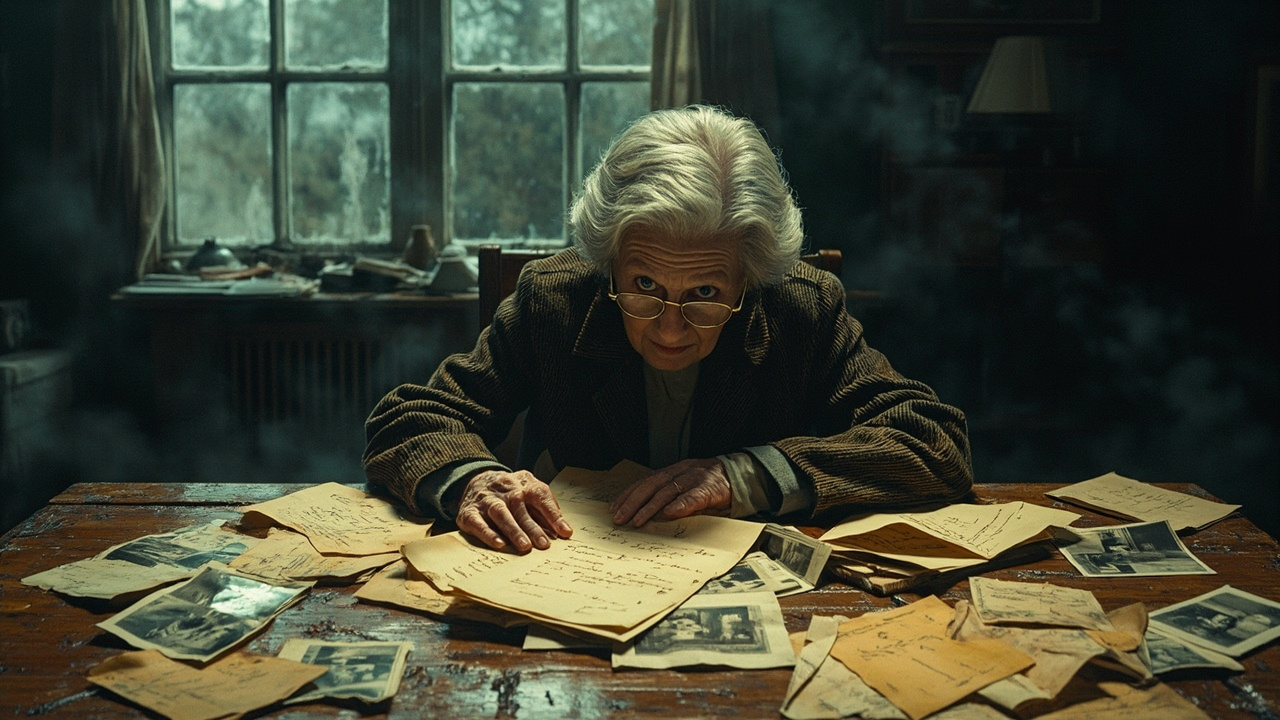
حافظت مارغريت على سجلاتها الخاصة، دقيقة حتى في ذلك الوقت. غريزة صحفي—لا تثق أبدًا بالروايات الرسمية تمامًا. نشرت النسخ الصفراء الباهتة على طاولة مطبخها: بيانات، صور لمسرح الجريمة، ملاحظات الطبيب الشرعي. كان هناك تفصيل واحد أزعجها دائمًا: التوقيت—اختفاء ريتشيل واكتشاف جثتها كانا بينهما تسعة عشر يومًا، ومع ذلك ادعت الشرطة أن التقرير الطبي أفاد أنها كانت في النهر «لمدة لا تتجاوز ثماني وأربعين ساعة».
اتصلت بمحررها السابق، الذي تقاعد هو نفسه الآن، وسألته عن الذاكرة المؤسسية. ربطها بباحث قضى عقودًا في توثيق الفساد في شرطة العاصمة. في خلال أسبوع، تلقت مارغريت مكالمة.
«هناك اسم يظهر مرارًا وتكرارًا في قضايا تلك الفترة»، شرح الباحث. «المفتش ليونارد كوب. تقاعد في عام 1985، مات في عام 2001. بهدوء، بدون فضيحة. لكن وحدته كانت لديها نمط من إغلاق القضايا قبل الأوان عندما كانت تتضمن أفرادًا معينين.»
«أي أفراد؟»
«أولاد المدارس العامة ذوو الآباء المؤثرين. اسم واحد بشكل خاص: ماركوس فيرفاكس-آشبي. ابن موظف كبير في وزارة الداخلية. قُبض عليه في عام 1983 بتهمة الاعتداء. لم توجه إليه اتهامات قط. ضابط الاعتقال كان ليونارد كوب.»
يدي مارغريت ارتجفتا بينما التفتت إلى ملف ريتشيل مارش. كان ضابط التحقيق—
ليونارد كوب.
الجزء الثالث: الاعتراف
وجدت هارولد مارش في دار لرعاية المسنين في كينت، شقيق ساندرا، الرجل الذي كان قد سلّم الرسالة التي لم تصل أبدًا. ذهنه كان حادًا حتى لو كان جسده قد خانه.
«ساندرا رأتهما معًا»، قال، وصوته واهن بالعمر. «الأسبوع قبل اختفاء ريتشيل. هذا الشاب الوسيم—متغطرس—يقلها من أمام شقتها. سألت حولها، اكتشفت من هو. كانت ستذهب إلى الشرطة.»
«ثم؟»
«ثم جاء ليونارد كوب لزيارتها. قال لها إن ريتشيل شوهدت تغادر لندن، متوجهة إلى مانشستر. أعطاها عنوانًا لإعادة البريد تبين أنه مبنى مهدوم. بحلول الوقت الذي أدركت فيه ساندرا أنها خُدعت، كان الوقت قد فات. ريتشيل كانت ميتة، والسردية كانت قد كُتبت بالفعل.»
جلست مارغريت مع هذا لثلاثة أيام قبل إجراء مكالمتها النهائية. ماركوس فيرفاكس-آشبي كان الآن في الثانية والسبعين من عمره، يعيش في غلوسسترشاير، شخصية محترمة في الأوساط المحافظة المحلية. عندما وصلت إلى بوابته، كان في انتظارها.
«تساءلت متى سيأتي أحد»، قال. «تساءلت إن كنتِ ستكونين أنتِ.»
اعترف بكل شيء. ليس لها—لم تكن لديها سلطة—بل لوجود الشرطيين اللذين اتصلت بهما مسبقًا، والذين كانا ينتظران بجوار حديقة الورد الخاصة به. اعترف بجريمة قتل ريتشيل مارش، بالتواطؤ مع ليونارد كوب، بعقود من الصمت اشتراها تأثير أبيه.
وقفت مارغريت في الممر بينما اقتادوه بعيدًا. امرأة لم تعرفها اقتربت من عبر الحارة.
«يجب أن تكوني صديقة ساندرا»، قالت المرأة. «أنا أخت ريتشيل. كنت في الثالثة من عمري فقط عندما ماتت. نشأت وأنا أؤمن أنها تركتنا. شكرًا لإعادتك لي الحقيقة.»
الجزء الرابع: الثمن
في تلك الليلة، عادت مارغريت إلى شقتها ووجدت رسالة على جهاز الرد الآلي. كانت من توم ألدريدج—المراسل الذي حل محلها في الستاندرد، الذي أصبح زوجها، الذي توفي بنوبة قلبية في عام 1995.
كانت قد سمعت هذه الرسالة مائة مرة قبل وفاته، حينما ظنت أنها مجرد تذكير لطيف بشراء الحليب. لكنها لم تكن قد استمعت جيدًا. الآن، وهي تعيد تشغيلها في سياق ما تعلمته، سمعت الثقل تحت كلماته.
«ماغز، أحتاج أن أخبرك بشيء. عن ريتشيل مارش. عمّا عرفته و—»
(تنتهي الرسالة هنا، تاركةً مارغريت مع أسئلة أخيرة وأعباء جديدة)،
Titel der Geschichte: Die Hartwell-Akte
Die Post kam an einem Dienstag an, eingeklemmt zwischen einer Gasrechnung und einem Urlaubsprospekt ihrer Tochter. Margaret Ellison erkannte die Handschrift, bevor sie den Umschlag überhaupt öffnete—eine Kupferstecher-Schrift, die sie seit siebenunddreißig Jahren nicht mehr gesehen hatte, принадлежащая женщине, которая была мертва большую часть этого времени.
Sie las den Brief zweimal, dann saß sie reglos in ihrem Stuhl, während das Nachmittagslicht über den Teppich ihrer Wohnung in Islington glitt. Als sie endlich aufstand, war es, um eine Kartonschachtel aus dem obersten Regal ihres Kleiderschranks zu holen, wo sie seit 1983 unberührt geblieben war.
Margaret war vierunddreißig Jahre alt gewesen, als sie zum ersten Mal den Namen Rachel Marsh hörte. Jung, ehrgeizig, arbeitete sie bei der Kriminalberichterstattung des Evening Standard, hatte den Fall bearbeitet wie unzählige andere—verschwundenes Mädchen, Leichenfund in der Themse, Akten in einer Schublade verschwunden. Aber etwas hatte sie damals beunruhigt, wie es sie noch immer beunruhigte.
Erster Teil: Das Gewicht der Asche
An einem grauen Donnerstag im November ging Margaret dieselben Straßen entlang, die sie einst als Nachwuchsreporterin abgelaufen hatte. Das East End hatte sich unerkennbar verändert—die Docklands waren wiedergeboren worden, Luxusappartements erhoben sich dort, wo Fabriken gestanden hatten—aber einige Wahrzeichen waren geblieben. Die Crown-Kneipe thronte noch immer an der Ecke der Cable Street, ihre Fenster beschlagen vor der Novemberkälte.
Drinnen hielt ein Mann in den späten Sechzigern ein Pint bitteres Bier. Er blickte auf, als sie eintrat, und sie sah, wie Erkenntnis über seine wettergegerbten Züge glitt.
«Du bist Margaret Ellison», sagte er. «Ich dachte, du wärst längst abgetreten.»
«Denis Kirkwood», erwiderte sie und glitt auf den Sitz gegenüber. «Du warst Rachels Stiefvater.»
«War ich.» Er leerte sein Glas. «Bin ich immer noch, nehme ich an. Sie hat nie aufgehört, meine Tochter zu sein, selbst nachdem die Welt entschieden hatte, dass sie es nicht wert war, gefunden zu werden.»
Der Brief war von Sandra Marsh geschrieben worden—Rachels Mutter, Denis' Frau—im Jahr 1987, vier Jahre nach dem Zusammenbruch der Ermittlungen. Margaret hatte ihn nie erhalten. Er war in ihrem Büro angekommen, abgefangen, vernichtet worden. Sandra war 2010 gestorben, in dem Glauben, dass ihre Tochter niemals Gerechtigkeit erfahren würde. Sie hatte sich geirrt.
«Sie sagten mir, es sei ein Unfall gewesen», fuhr Denis fort, seine Stimme wurde leiser. «Betrunken am Kai, in den Fluss gefallen. Das sagten die Beamten. Aber Rachel hat nie getrunken. Niemals. Und sie war nirgendwo in der Nähe der Themse, als sie verschwand.»
Zweiter Teil: Die Akte
Margaret hatte ihre eigenen Aufzeichnungen aufbewahrt, akribisch sogar damals. Der Instinkt einer Journalistin—vertraue offiziellen Berichten niemals völlig. Sie breitete die vergilbten Kopien auf ihrem Küchentisch aus: Aussagen, Tatortfotos, Notizen des Gerichtsmediziners. Ein Detail hatte sie immer beunruhigt: der Zeitrahmen—Rachels Verschwinden und die Entdeckung ihrer Leiche lagen neunzehn Tage auseinander, und doch behauptete der Polizeibericht, sie sei «nicht länger als achtundvierzig Stunden» im Fluss gewesen.
Sie rief ihren ehemaligen Redakteur an, der inzwischen selbst im Ruhestand war, und fragte nach institutionellem Gedächtnis. Er verband sie mit einem Forscher, der Jahrzehnte damit verbracht hatte, Korruption bei der Metropolitan Police zu dokumentieren. Innerhalb einer Woche erhielt Margaret einen Anruf.
«Es gibt einen Namen, der in Fällen aus dieser Zeit immer wieder auftaucht», erklärte der Forscher. «Inspektor Leonard Cope. Er ging 1985 in Pension, starb 2001. Ruhig, ohne Skandal. Aber seine Abteilung hatte ein Muster, Fälle vorschnell abzuschließen, wenn sie bestimmte Personen betrafen.»
«Welche Personen?»
«Jungs aus Privatschulen mit einflussreichen Vätern. Ein Name sticht besonders heraus: Marcus Fairfax-Ashby. Sohn eines hohen Beamten des Innenministeriums. Er wurde 1983 wegen Körperverletzung verhaftet. Anklage wurde nie erhoben. Der verhaftende Beamte war Leonard Cope.»
Margarets Hände zitterten, als sie sich Rachels Marshs Akte zuwandte. Der ermittelnde Beamte war gewesen—
Leonard Cope.
Dritter Teil: Das Geständnis
Sie fand Harold Marsh in einem Pflegeheim in Kent, Sandras Bruder, der Mann, der den Brief überbracht hatte, der nie angekommen war. Sein Verstand war scharf, auch wenn sein Körper ihn im Stich ließ.
«Sandra sah sie zusammen», sagte er, seine Stimme brüchig vor Alter. «Die Woche bevor Rachel verschwand. Dieser junge Mann—gutaussehend, arrogant—holt sie vor ihrer Wohnung ab. Sie erkundigte sich, fand heraus, wer er war. Sie wollte zur Polizei gehen.»
«Und dann?»
«Und dann kam Leonard Cope sie besuchen. Sagte ihr, Rachel sei gesehen worden, wie sie London verließ, in Richtung Manchester. Gab ihr eine Nachsendeadresse, die sich als abgerissenes Gebäude herausstellte. Als Sandra realized, dass sie getäuscht worden war, war es zu spät. Rachel war tot, und die Erzählung war bereits geschrieben worden.»
Margaret saß drei Tage lang damit, bevor sie ihren letzten Anruf tätigte. Marcus Fairfax-Ashby war jetzt zweiundsiebzig, lebte in Gloucestershire, eine geachtete Figur in lokalen konservativen Kreisen. Als sie an seinem Tor ankam, wartete er auf sie.
«Ich fragte mich, wann jemand kommen würde», sagte er. «Ich fragte mich, ob du es sein würdest.»
Er gestand alles. Nicht ihr—sie hatte keine Autorität—sondern in Anwesenheit der beiden Detectives, die sie vorher kontaktiert hatte und die in seinem Rosengarten warteten. Er gestand die Ermordung von Rachel Marsh, Leonard Copes Mittäterschaft, Jahrzehnte des Schweigens, die mit dem Einfluss seines Vaters erkauft worden waren.
Margaret stand in der Einfahrt, während sie ihn abführten. Eine Frau, die sie nicht kannte, näherte sich von der anderen Seite der Gasse.
«Du musst Sandras Freundin sein», sagte die Frau. «Ich bin Rachels Schwester. Ich war damals erst drei, als sie starb. Ich wuchs in dem Glauben auf, dass sie uns verlassen hatte. Danke, dass du mir die Wahrheit gegeben hast.»
Vierter Teil: Der Preis
An diesem Abend kehrte Margaret in ihre Wohnung zurück und fand eine Nachricht auf ihrem Anrufbeantworter. Es war von Tom Aldridge—dem Reporter, der sie beim Standard abgelöst hatte, der ihr Ehemann geworden war, der 1995 an einem Herzinfarkt gestorben war.
Sie hatte diese Nachricht hundert Mal vor seinem Tod gehört, als sie glaubte, es sei lediglich eine liebevolle Erinnerung, Milch zu kaufen. Aber sie hatte nicht richtig zugehört. Jetzt, im Kontext dessen, was sie erfahren hatte, hörte sie das Gewicht unter seinen Worten.
«Mags, ich muss dir etwas erzählen. Über Rachel Marsh. Über das, was ich wusste und—»
(Die Nachricht endet hier, lässt Margaret mit letzten Fragen und neuen Lasten zurück),
Titre de l'histoire : Le Dossier Hartwell
La correspondance arriva un mardi, coincée entre une facture de gaz et une brochure de vacances de sa fille. Margaret Ellison reconnut l'écriture avant même d'ouvrir l'enveloppe—une calligraphie copperplate qu'elle n'avait pas vue depuis trente-sept ans, appartenant à une femme qui était morte depuis la majeure partie de cette durée.
Elle lut la lettre deux fois, puis resta immobile dans son fauteuil tandis que la lumière de l'après-midi glissait sur le tapis de son appartement d'Islington. Quand elle se leva enfin, ce fut pour récupérer une boîte en carton du rayon supérieur de sa garde-robe, où elle était restée intacte depuis 1983.
Margaret avait trente-quatre ans lorsqu'elle avait entendu parler de Rachel Marsh pour la première fois. Jeune, avide, travaillant au service des faits divers pour le Evening Standard, elle avait couvert l'affaire comme tant d'autres—une jeune fille disparue, un corps découvert dans la Thames, des dossiers relégués dans un tiroir. Mais quelque chose l'avait tracassée à l'époque, comme cela la tracassait encore.
Première partie : Le Poids des Cendres
Par un jeudi gris de novembre, Margaret parcourut les mêmes rues qu'elle arpentait autrefois en tant que jeune reporter. L'East End s'était transformé au-delà de toute reconnaissance—les docks renaissance, des appartements de luxe s'élevant là où se dressaient des usines—mais certains repères avaient survécu. Le pub The Crown trônait toujours au coin de Cable Street, ses fenêtres embuées contre le froid de novembre.
À l'intérieur, un homme dans la fin de la soie buvait une pinte de bitter. Il leva les yeux quand elle entra, et elle vit la reconnaissance se dessiner sur ses traits burinés.
« Vous êtes Margaret Ellison », dit-il. « Je pensais que vous auriez déjà quitté ce monde. »
« Denis Kirkwood », répondit-elle en s'asseyant sur le siège d'en face. « Vous étiez le beau-père de Rachel Marsh. »
« J'étais. » Il vida son verre. « Je le suis encore, je suppose. Elle n'a jamais cessé d'être ma fille, même après que le monde a décidé qu'elle ne méritait pas qu'on la retrouve. »
La lettre avait été écrite par Sandra Marsh—la mère de Rachel, l'épouse de Denis—en 1987, quatre ans après l'effondrement de l'enquête. Margaret ne l'avait jamais reçue. Elle était arrivée à son bureau, avait été interceptée, détruite. Sandra était morte en 2010 croyant que sa fille ne connaîtrait jamais la justice. Elle s'était trompée.
« On m'a dit que c'était un accident », poursuivit Denis, sa voix baissant. « Ivre sur le quai, tombée dans le fleuve. C'est ce que la police a dit. Mais Rachel ne buvait pas. Jamais. Et elle n'était nulle part près de la Thames quand elle a disparu. »
Deuxième partie : Le Dossier
Margaret avait conservé ses propres archives, méticuleuses même à l'époque. L'instinct d'une journaliste—ne jamais faire entièrement confiance aux comptes rendus officiels. Elle étala les photocopies jaunies sur la table de sa cuisine : déclarations, photos de la scène du crime, notes du médecin légiste. Un détail l'avait toujours tracassée : la chronologie—la disparition de Rachel et la découverte de son corps étaient séparées de dix-neuf jours, pourtant le rapport de police affirmait qu'elle avait été dans le fleuve « pas plus de quarante-huit heures ».
Elle电话号容她以前的编辑,现在也退休了,询问机构记忆。他把她介绍给了一位花了数十年记录大都市警察腐败的研究人员。一周内,玛格丽特收到了一个电话。
“在这个时期的案件中,有一个名字反复出现,”研究人员解释道。“督察伦纳德·科普。1985年退休,2001年去世。悄无声息,没有丑闻。但他的部门有一种模式——当案件涉及某些个人时会草率结案。”
“什么个人?”
“公立学校的男孩,他们的父亲很有权势。特别是一个名字:马库斯·费尔法克斯-阿什比。内政部一位高级官员的儿子。1983年因袭击罪被捕。从未起诉。逮捕他的警官是伦纳德·科普。”
玛格丽特翻到雷切尔·马什的档案时,双手颤抖。调查警官是——
伦纳德·科普。
第三部分:供词
她在肯特郡的一家疗养院找到了哈罗德·马什——桑德拉的兄弟,那个投递了从未送达之信的人。他的思维清晰,尽管身体已经衰退。
“桑德拉看到他们在一起,”他说,声音因年迈而沙哑。“就在雷切尔失踪前的那一周。这个年轻人——英俊、傲慢——在她公寓外面接她。她四处打听,发现了他是谁。她打算去报警。”
“然后呢?”
“然后伦纳德·科普来见了她。告诉她雷切尔被人看到离开了伦敦,去了曼彻斯特。给了她一个转信地址,结果是一栋已拆除的建筑。等到桑德拉意识到自己被骗了的时候,已经太晚了。雷切尔已经死了,故事已经被写好了。”
玛格丽特在得知这一切后沉思了三天,才打出最后一个电话。马库斯·费尔法克斯-阿什比现在七十二岁,住在格洛斯特郡,是当地保守党圈子中受尊敬的人物。当她到达他家门口时,他正在等她。
“我在想着什么时候会有人来,”他说。“我在想着会不会是你。”
他全部招供了。不是向她——她没有权力——而是在她事先联系的两名侦探面前,他们在他的玫瑰园旁边等着。他供认了杀害雷切尔·马什,承认了伦纳德·科普的共谋,承认了数十年的沉默是用他父亲的影响力买来的。
当他们把他带走时,玛格丽特站在车道上。一个她不认识的女士从对面的小巷走过来。
“你一定是桑德拉的朋友,”那女士说。“我是雷切尔的妹妹。她去世时我才三岁。我从小就相信她抛弃了我们。谢谢你让我知道了真相。”
第四部分:代价
那天晚上,玛格丽特回到公寓,发现答录机上有留言。是汤姆·奥尔德里奇——在她之后接替她在《标准报》工作的记者,后来成了她的丈夫,1995年死于心脏病。
在他去世前,她已经听过这条留言一百遍了,那时她以为那只是一个爱的提醒,让她买牛奶。但她没有仔细听。现在,在了解了她所知道的一切之后重听,她听到了他话语背后的重量。
“玛格斯,我需要告诉你一些事。关于雷切尔·马什。关于我所知道的事情和——”
(留言到此结束,留下玛格丽特与最后的问题和新的负担),
Название рассказа: Хартуэллское досье
Корреспонденция пришла во вторник, зажатая между счётом за газ и буклетом об отпуске от её дочери. Маргарет Эллисон узнала почерк ещё до того, как вскрыла конверт — готический шрифт, который она не видела тридцать семь лет, принадлежащий женщине, бывшей мёртвой большую часть этого времени.
Она прочитала письмо дважды, затем неподвижно сидела в кресле, пока дневной свет скользил по ковру её квартиры в Ислингтоне. Когда она наконец поднялась, то пошла за картонной коробкой с верхней полки шкафа, где та оставалась нетронутой с 1983 года.
Маргарет был тридцать четыре года, когда она впервые услышала имя Рейчел Марш. Молодая, голодная, работая в отделе происшествий Evening Standard, она освещала это дело как и многие другие — пропавшая девушка, нашли в Темзе, материалы дела в ящике. Но что-то её тогда беспокоило, как беспокоит и сейчас.
Часть первая: Тяжесть пепла
В серый четверг ноября Маргарет прошла по тем же улицам, что когда-то исходила в поисках новостей будучи младшим репортёром. Ист-Энд преобразился до неузнаваемости — докленды возродились, роскошные апартаменты выросли там, где стояли заводы — но некоторые ориентиры остались. Паб «Краун» всё так же высился на углу Кейбл-стрит, его окна запотели от ноябрьского холода.
Внутри мужчина под сорок с хвостиком потягивал пинту горького эля. Он поднял взгляд, когда она вошла, и она увидела, как узнавание проступает на его обветренных чертах.
«Вы Маргарет Эллисон, — сказал он. — Я думал, вы уже давно ушли в мир иной».
«Денис Кёрквуд, — ответила она, скользя на сиденье напротив. — Вы были отчимом Рейчел Марш».
«Был. — Он осушил свой стакан. — Остаюсь, надо полагать. Она никогда не переставала быть моей дочерью, даже после того как мир решил, что она не стоит того, чтобы её искали».
Письмо было написано Сандрой Марш — матерью Рейчел, женой Дениса — в 1987 году, через четыре года после краха расследования. Маргарет никогда его не получала. Оно пришло в её офис, было перехвачено, уничтожено. Сандра умерла в 2010 году, веря, что её дочь никогда не добьётся справедливости. Она ошибалась.
«Мне сказали, что это был несчастный случай, — продолжил Денис, его голос понизился. — Она была пьяна на набережной, упала в воду. Вот что сказала полиция. Но Рейчел не пила. Никогда. И она не была рядом с Темзой, когда исчезла».
Часть вторая: Досье
Маргарет вела собственные записи, скрупулёзные даже тогда. Инстинкт журналиста — никогда полностью не доверять официальным версиям. Она разложила пожелтевшие копии на кухонном столе: показания, фотографии с места преступления, заключения судмедэксперта. Одна деталь всегда её беспокоила: хронология — исчезновение Рейчел и обнаружение её тела разделяли девятнадцать дней, однако полицейский отчёт утверждал, что она провела в реке «не более сорока восьми часов».
Она позвонила своему бывшему редактору, который к тому времени тоже ушёл на пенсию, и спросила об институциональной памяти. Он соединил её с исследователем, который десятилетиями документировал коррупцию в Скотленд-Ярде. В течение недели Маргарет получил звонок.
«Есть имя, которое постоянно всплывает в делах того периода, — объяснил исследователь. — Инспектор Леонард Коуп. Ушёл на пенсию в 1985 году, умер в 2001-м. Тихо, без скандала. Но его подразделение имело 패턴 закрывать дела преждевременно, когда они касались определённых людей».
«Каких людей?»
«Выпускников частных школ с влиятельными отцами. Одно имя особенно: Маркус Фэрфакс-Эшби. Сын высокопоставленного чиновника из Министерства внутренних дел. Он был арестован в 1983 году за нападение. Обвинения так и не были предъявлены. Арестовавший его офицер был Леонард Коуп».
Руки Маргарет дрожали, когда она открыла досье Рейчел Марш. Следователем был —
Леонард Коуп.
Часть третья: Признание
Она нашла Гарольда Марша в доме престарелых в Кенте, брата Сандры, человека, который доставил письмо, которое так и не дошло. Его ум был острым, даже если тело отказало.
«Сандра видела их вместе, — сказал он, его голос истончился от возраста. — За неделю до исчезновения Рейчел. Этот молодой человек — красивый, высокомерный — забирал её у её квартиры. Она разузнала, выяснила, кто он такой. Она собиралась пойти в полицию».
«А потом?»
«А потом Леонард Коуп пришёл к ней. Сказал ей, что Рейчел видели уезжающей из Лондона, в сторону Манчестера. Дал ей адрес для пересылки, который оказался снесённым зданием. К тому времени как Сандра поняла, что её обманули, было уже слишком поздно. Рейчел была мертва, и нарратив уже был написан».
Маргарет обдумывала это три дня, прежде чем сделать последний звонок. Маркусу Фэрфакс-Эшби сейчас было семьдесят два, он жил в Глостершире, уважаемый человек в местных консервативных кругах. Когда она подъехала к его воротам, он ждал её.
«Я думал, что кто-нибудь придёт, — сказал он. — Я думал, будешь ли ты».
Он признался во всём. Не ей — у неё не было полномочий — а двум детективам, которых она заранее вызвала, которые ждали у его розового сада. Он признался в убийстве Рейчел Марш, в соучастии Леонарда Коупа, в десятилетиях молчания, купленных влиянием его отца.
Маргарет стояла на подъездной дорожке, пока его уводили. Незнакомая женщина подошла со стороны переулка.
«Вы должны быть подругой Сандры, — сказала женщина. — Я сестра Рейчел. Мне было всего три, когда она умерла. Я выросла, веря, что она нас бросила. Спасибо, что вернули мне правду».
Часть четвёртая: Цена
Тем вечером Маргарет вернулась в свою квартиру и обнаружила сообщение на автоответчике. Это был Том Олдридж — репортёр, который заменил её в Standard, который стал её мужем, который умер от сердечного приступа в 1995 году.
Она слышала это сообщение сотню раз до его смерти, когда думала, что это простое напоминание купить молоко. Но она не слушала внимательно. Теперь, переслушивая его в контексте того, что она узнала, она услышала тяжесть за его словами.
«Мэгс, мне нужно рассказать тебе кое-что. О Рейчел Марш. О том, что я знал и—»
(Сообщение обрывается здесь, оставляя Маргарет с последними вопросами и новым бременем)