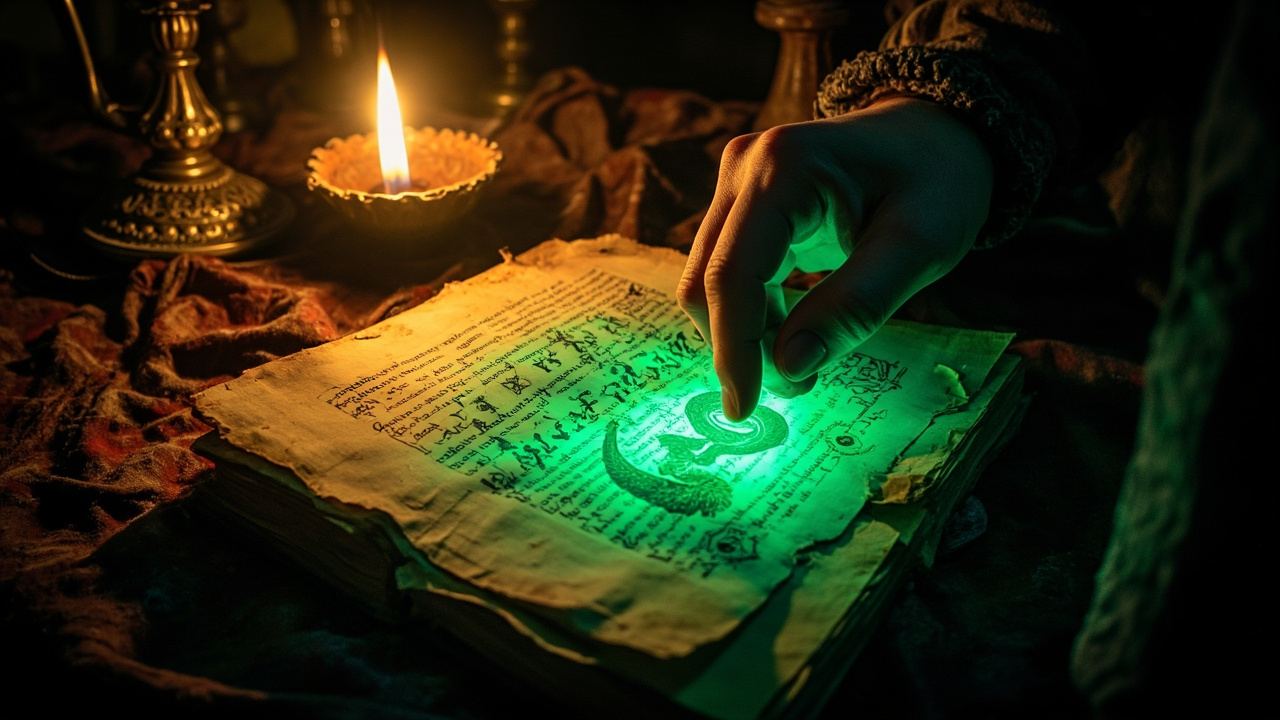
المجموعة مذكورة في الكتالوج ببساطة تحت رقم 247: 'مراسلات فلسفية، القرنان السابع عشر والثامن عشر، مصادر متنوعة'. وإلينور فان هي من تعرّفت على الخط.
أمضت ثلاثاً وعشرين سنة في دراسة إسحاق نيوتن. قرأت كل رسالة منشورة، كل هامش مُعلَّق، كل شظية من المراسلات الخاصة المحفوظة في مكتبات كامبريدج والقدس. كانت تعرف إيقاع خطه الكتابي بالطريقة التي يعرف بها الموسيقي إيقاع تأليف أحد المؤلفين للنوتة الموسيقية. كان خطه بلا شك، لكن الحبر كان مختلفاً -مُلوَّن بظل أخضر رقيق لم تره إلا في وثيقة أخرى باقية، أطروحة عن التحويل محفوظة في أرشيفات الجمعية الملكية، وحتى في تلك الحالة، كان مجرد فضول.
صوَّرت إلينور المخطوطة دون أن تلمسها. أربع عشرة صفحة. دوَّنت رقم الكتالوج، وموعد المزاد، والبند المتعلق بالبيع الخاص الذي أُضيف بخط مائل: البائع يتطلب السرية.
كان يجب أن يُشعرها ذلك البند بالتردد. لكنه لم يفعل. ليس وقتها.
تتبَّعت المخطوطة إلى مكتب محامٍ في ويلtshire، إلى ممتلكات بارونيت توفي دون ورثة. علمت أن جد البارونيت كان زميلاً في كلية ترينيتي، كامبريدج -رجل عرف نيوتن شخصياً، ورث أوراقه بعد وفاته عام 1727، واختار لأسباب خاصة به الصمت على البحث.
قدَّمت إلينور عرضاً. قَبِلَتِ الممتلكات. ضمنت المخطوطة بعد ظهر يوم الثلاثاء في أكتوبر، حملتها في ظرف مبطن، ووضعتعا على مكتبها تحت مصباح يلقي ظلالاً أكثر من الضوء. فتحتها بيدين رفضت الاعتراف بأنهما ترتجفان.
النص كان باللاتينية، مكتظاً بالمصطلحات الخيميائية: لوني وسوليس، المبدأ القمري والشمسي، الأسماء القديمة للفضة والذهب التي فضَّلها الخيميائيون لأنها تحمل ثقل الأسطورة. كتب نيوتن هنا عن عمليات لم تصادفها قط -لا في أي سجل منشور، ولا في أوراق بورتسموث، ولا في المخطوطات الخيميائية الشظوية المحفوظة في الفوضى والصراع في المكتبة الوطنية لإسرائيل. هذا كان جديداً. هذا كان مجهولاً. وكان، كما أدركت مع شروق بطيء لشعور قريب من الرعب، مدمراً تماماً في مضامينه.
فإسحاق نيوتن، أعظم عالم في تاريخ الحضارة الغربية، كان قد كتب هنا ليس كفيلسوف طبيعة يستكشف بحذر لغة التحويل، بل كممارس. سيد. وصف أجهزة، درجات حرارة، التغييرات الدقيقة في الألوان خلال تشكيل العمل العظيم -مع الدقة السريرية لرجل قام بهذه الإجراءات مراراً وتوثيق تقدمها بنفس الصرامة التي أحضرها لاحقاً للبرينسيبيا.
استندت إلينور إلى ظهر كرسيها و حدَّقت في سقف دراستها. فكَّرت في نزاع الحساب التفاضلي والتكاملي، في لايبنتز، في كيف أن نيوتن كان يُخزِّن اكتشافاته، يُطلقها فقط تحت الإكراه ويفضِّل الحميمية المغلقة للمراسلات الخاصة على مسرح النشر المفتوح. كان، كما فهمت، رجلاً سرياً بعمق. وهنا كان السر终极: أن أعظم عقلاني في الثورة العلمية كان قد خصَّص جزءاً كبيراً من حياته الفكرية pursue تحويل الرصاص إلى ذهب.
كانت لا تزال جالسة هناك عندما رنَّ هاتفها.
الصوت كان مُثقَّفاً، غير متعجل، وقدَّم نفسه بصفته أمين عام اتحاد الحفاظ على التراث العلمي -هيئة لم تصادفها إلينور من قبل، رغم أن عضويتها، كما أُبلغت، تضم بعضاً من أكثر المؤسسات الأكاديمية نفوذاً في العالم. المتصل كان يعرف بالضبط أي مخطوطة حصلت عليها. كان، كما قال، يتصل بالنيابة عن أمناء الاتحاد، ولديهم اقتراح.
يرغبون في شراء المخطوطة. سيدفعون بسخاء -مبالغ ستُموِّل قسمها براحة لمدة عقد. مقابل ذلك، ستُوقِّع اتفاقية سرية وتسمح بإيداع المخطوطة في أرشيف مقيد، حيث ستكون متاحة فقط للباحثين المعتمدين من الاتحاد.
'وإذا رفضت؟' سألت إلينور.
كانت هناك وقفة -ليست عدائية، لكن مُثقلة، بالطريقة التي تتوقف بها أستاذ الشطرنج الكبير قبل إعطاء كش ملك قسري. 'ثم سنجد أنفسنا في موقف مؤسف'، قال أمين秘书 العام. 'المراجعة من قِبَل الأقران، كما تعلم، مسألة إجماع. والإجماع، доктор فان، شيء نحن في وضع جيد جداً للتأثير فيه.'
التهديد كان أنيقاً في همجيته. انشر المخطوطة دون مباركة الاتحاد، وستجد كل ورقة لاحقة تقدمها معرضة لمستوى من الفحص يجعل مرورها عبر مراجعة الأقران فعلياً مستحيلاً. لن يحتاجوا إلى إثبات الاحتيال. سيحتاجون فقط إلى الصبر.
شكرته ووضعت السماعة. ثم فعلت شيئاً لم تفعله في ثلاثين عاماً من الحياة الأكاديمية: اتصلت بصحفي. ليس مراسلاً علمياً -أولئك قريبون جداً من المؤسسات -بل محرر مكتب التحقيقات في صحيفة وطنية، رجل كان ذات مرة طالب دراسات عليا في قسمها وكان يدين لها بخدمة لم يُطلب منه أبداً سدادها.
'وجدت شيئاً'، قالت. 'شيئاً لم يُرد نيوتن أن يراه العالم. وأعتقد أن المكان المناسب له ليس أرشيفاً مقيداً، بل أرشيف عام. الليلة، إن أمكن.'
التقيا في دراستها. قرأ المخطوطة بالكامل، وهو يلتقط الصور أثناء سيره. أجرى مكالمة واحدة -لمحرره -وخلال ساعة، كُلِّفت القصة وفُرِّغ فريق قانوني.
إلينور لم تنم تلك الليلة. جلست مع المخطوطة على مكتبها، المصباح مضيء، وفكَّرت في نيوتن -في عزلة العبقرية، في الخوف الذي دفع رجلاً لإغلاق أكثر أجزاء عقله إحراجاً، في
Der Katalog führte es einfach als Los 247 auf: 'Philosophische Korrespondenz, 17.–18. Jahrhundert, verschiedene Provenienzen.' Es war Eleanor Vane, die die Handschrift erkannte.
Sie hatte dreiundzwanzig Jahre damit verbracht, Isaac Newton zu studieren. Sie hatte jeden veröffentlichten Brief gelesen, jede kommentierte Randnote, jedes Fragment privater Korrespondenz in den Bibliotheken von Cambridge und Jerusalem. Sie kannte den Rhythmus seiner Schrift, wie ein Musikwissenschaftler die besondere Art eines Komponisten kennt, eine Pause zu notieren. Dies war unverkennbar seine Handschrift, aber die Tinte war anders – mit einem grünlichen Schimmer versehen, den sie nur in einem einzigen anderen erhaltenen Dokument gesehen hatte, einer Abhandlung über Transmutation in den Archiven der Royal Society, und selbst dort nur als Kuriosität.
Eleanor fotografierte die Handschrift, ohne sie zu berühren. Vierzehn Seiten. Sie notierte die Katalognummer, das Auktionsdatum und die Klausel über den Privatkauf, die kursiv hinzugefügt worden war: Der Verkäufer erfordert Vertraulichkeit.
Diese Klausel hätte sie stutzig machen sollen. Das tat sie nicht. Nicht damals.
Sie verfolgte die Handschrift bis zu einer Anwaltskanzlei in Wiltshire, zum Nachlass eines Barons, der ohne Erben gestorben war. Des Barons Großvater, erfuhr sie, war Fellow des Trinity College in Cambridge gewesen – ein Mann, der Newton persönlich gekannt, der nach Newtons Tod 1727 dessen Papiere geerbt und der aus rein persönlichen Gründen Schweigen der Gelehrsamkeit vorgezogen hatte.
Eleanor machte ein Angebot. Der Nachlass akzeptierte. Sie sicherte sich die Handschrift an einem Dienstagnachmittag im Oktober, trug sie in einem gepolsterten Umschlag nach Hause und legte sie auf ihren Schreibtisch unter eine Lampe, die mehr Schatten als Licht warf. Sie öffnete sie mit Händen, die sie nicht zugeben wollte, dass sie zitterten.
Der Text war in Latein, dicht gefüllt mit alchemistischer Terminologie: Lunae und Solis, die lunarischen und solarischen Prinzipien, die alten Namen für Silber und Gold, die die Alchemisten bevorzugten, weil sie das Gewicht des Mythos trugen. Newton hatte hier über Prozesse geschrieben, die sie nie angetroffen hatte – in keinem veröffentlichten Bericht, nicht in den Portsmouth Papers, nicht in den fragmentarischen alchemistischen Handschriften, die im babylonischen Streit in der Nationalbibliothek Israels aufbewahrt werden. Dies war neu. Dies war unbekannt. Und es war, wie sie mit der langsamen Erkenntnis einer nahen Furcht realized, in seinen Implikationen völlig vernichtend.
Denn Isaac Newton, der größte Wissenschaftler in der Geschichte der westlichen Zivilisation, hatte hier nicht als Naturphilosoph geschrieben, der zögerlich die Sprache der Transmutation erforschte, sondern als Praktiker. Ein Meister. Er beschrieb Apparate, Temperaturen, die präzisen Farbveränderungen während der Bildung des magnum opus – des großen Werkes – mit der klinischen Exaktheit eines Mannes, der diese Verfahren wiederholt durchgeführt und ihren Fortschritt mit derselben Strenge dokumentiert hatte, die er später in die Principia einbrachte.
Eleanor lehnte sich in ihrem Stuhl zurück und starrte an die Decke ihres Arbeitszimmers. Sie dachte an den Prioritätsstreit um die Infinitesimalrechnung, an Leibniz, daran, wie Newton seine Entdeckungen gehortet hatte, sie nur unter Zwang preisgab und die geschlossene Intimität privater Korrespondenz dem offenen Theater der Veröffentlichung vorzog. Er war, wie sie erkannte, ein zutiefst geheimer Mann gewesen. Und hier war das ultimative Geheimnis: dass der größte Rationalist der wissenschaftlichen Revolution einen erheblichen Teil seines intellektuellen Lebens der Suche gewidmet hatte, Blei in Gold zu verwandeln.
Sie saß noch immer dort, als ihr Telefon klingelte.
Die Stimme war gebildet, gemessen und stellte sich als die des Generalsekretärs des Konsortiums zur Bewahrung des wissenschaftlichen Erbes vor – eine Körperschaft, der Eleanor zuvor noch nie begegnet war, obwohl ihre Mitgliedschaft, wie sie erfuhr, einige der einflussreichsten akademischen Institutionen der Welt umfasste. Der Anrufer wusste genau, welche Handschrift sie erworben hatte. Er sagte, er rufe im Auftrag der Treuhänder des Konsortiums an, und sie hätten einen Vorschlag.
Sie möchten die Handschrift kaufen. Sie würden großzügig bezahlen – Summen, die ihre Abteilung bequem ein Jahrzehnt lang finanzieren würden. Im Gegenzug würde sie eine Vertraulichkeitsvereinbarung unterzeichnen und zulassen, dass die Handschrift in einem eingeschränkten Archiv hinterlegt wird, wo sie nur für vom Konsortium zugelassene Wissenschaftler zugänglich wäre.
'Und wenn ich ablehne?' fragte Eleanor.
Es gab eine Pause – nicht feindlich, aber bedeutungsvoll, auf die Art, wie ein Schachgroßmeister pause, bevor er einen erzwungenen Schachmatt liefert. 'Dann würden wir uns in einer bedauerlichen Position befinden', sagte der Generalsekretär. 'Peer Review ist, wie Sie wissen, eine Frage des Konsenses. Und Konsens, Dr. Vane, ist etwas, worauf wir ziemlich gut Einfluss nehmen können.'
Die Drohung war elegant in ihrer Brutalität. Veröffentlichen Sie die Handschrift ohne den Segen des Konsortiums, und Sie werden feststellen, dass jede weitere Arbeit, die Sie einreichen, einem Maß an Überprüfung unterzogen wird, das ihre Passage durch das Peer-Review фактически unmöglich machen würde. Sie müssten Betrug nicht beweisen. Sie müssten nur geduldig sein.
Sie dankte ihm und legte auf. Dann tat sie etwas, das sie in dreißig Jahren akademischen Lebens nicht getan hatte: Sie rief einen Journalisten an. Keinen Wissenschaftskorrespondenten – die sind den Institutionen zu nahe – sondern den Redakteur des Investigativressorts einer überregionalen Zeitung, einen Mann, der einmal Doktorand in ihrer Abteilung gewesen war und der ihr einen Gefallen schuldete, den er nie zurückzahlen musste.
'Ich habe etwas gefunden', sagte sie. 'Etwas, das Newton nicht wollte, dass die Welt es sieht. Und ich glaube, der richtige Ort dafür ist nicht ein eingeschränktes Archiv, sondern ein öffentliches. Heute Abend, wenn möglich.'
Sie trafen sich in ihrem Arbeitszimmer. Er las die Handschrift vollständig durch und machte dabei Fotos. Er führte ein Telefonat – mit seinem Redakteur – und innerhalb einer Stunde war der Artikel in Auftrag gegeben und ein Rechtsteam zusammengestellt.
Eleanor schlief in dieser Nacht nicht. Sie saß bei der Handschrift auf ihrem Schreibtisch, die Lampe brannte, und sie dachte an Newton – an die Isolation des Genies, an die Angst, die einen Mann dazu getrieben hatte, die peinlichsten Teile seines Geistes einzuschließen, an
El catálogo lo listaba simplemente como Lote 247: 'Correspondencia filosófica, siglos XVII-XVIII, varias procedencias.' Fue Eleanor Vane quien reconoció la letra.
Había pasado veintitrés años estudiando a Isaac Newton. Había leído cada carta publicada, cada margen anotado, cada fragmento de correspondencia privada conservada en las bibliotecas de Cambridge y Jerusalén. Conocía el ritmo de su escritura como un musicólogo conoce la forma particular de un compositor de escribir un silencio. Esta era inconfundiblemente su letra, pero la tinta era diferente, teñida de un matiz verdoso que solo había visto en un único documento superviviente, un tratado sobre transmutación conservado en los archivos de la Royal Society, y aun entonces, solo como una curiosidad.
Eleanor fotografió el manuscrito sin tocarlo. Catorce páginas. Anotó la referencia del catálogo, la fecha de la subasta y la cláusula de venta privada que había sido añadida en cursiva: El vendedor requiere confidencialidad.
Esa cláusula debería habérsele hecho sospechar. No lo hizo. No entonces.
Rastreó el manuscrito hasta una oficina de abogados en Wiltshire, hasta la herencia de un baronete que había muerto sin herederos. El abuelo del baronete, supo, había sido Fellow del Trinity College de Cambridge, un hombre que había conocido a Newton personalmente, que había heredado sus papeles tras la muerte de Newton en 1727, y que, por razones enteramente propias, había elegido el silencio en lugar de la erudición.
Eleanor hizo una oferta. La herencia aceptó. Aseguró el manuscrito una tarde de martes en octubre, lo llevó a casa en un sobre acolchado y lo depositó en su escritorio bajo una lámpara que proyectaba más sombra que luz. Lo abrió con manos que se negaba a admitir que temblaban.
El texto estaba en latín, denso con nomenclatura alquímica: Lunae y Solis, los principios lunar y solar, los nombres antiguos para la plata y el oro que los alquimistas preferían porque cargaban con el peso del mito. Newton había escrito aquí sobre procesos que nunca había encontrado, en ningún registro publicado, ni en los Portsmouth Papers, ni en los fragmentarios manuscritos alquímicos preservados en el caos y conflicto de la Biblioteca Nacional de Israel. Esto era nuevo. Esto era desconocido. Y era, se dio cuenta con el lento amanecer de algo cercano al horror, completamente devastador en sus implicaciones.
Porque Isaac Newton, el mayor científico en la historia de la civilización occidental, había escrito aquí no como un filósofo de la naturaleza que tentaba tímidamente el lenguaje de la transmutación, sino como un practicante. Un maestro. Describía aparatos, temperaturas, los precisos cambios de color durante la formación del magnum opus, la gran obra, con la exactitud clínica de un hombre que había realizado estos procedimientos repetidamente y documentado su progreso con el mismo rigor que más tarde aportó a los Principia.
Eleanor se recostó en su silla y fijó la mirada en el techo de su estudio. Pensó en la controversia del cálculo, en Leibniz, en cómo Newton había atesorado sus descubrimientos, liberándolos solo bajo coacción y prefiriendo la intimidad cerrada de la correspondencia privada al teatro abierto de la publicación. Había sido, comprendió, un hombre profundamente secreto. Y aquí estaba el secreto definitivo: que el mayor racionalista de la revolución científica había dedicado una porción significativa de su vida intelectual a la búsqueda de convertir el plomo en oro.
Todavía estaba sentada allí cuando sonó su teléfono.
La voz era culta, sin prisas, y se presentó como perteneciente al Secretario General del Consorcio para la Preservación del Patrimonio Científico, un organismo que Eleanor no había encontrado previamente, aunque su composición, se le hizo entender, comprendía algunas de las instituciones académicas más influyentes del mundo. El interlocutor sabía exactamente qué manuscrito había adquirido. Estaba llamando, dijo, en nombre de los fideicomisarios del Consorcio, y tenían una propuesta.
Les gustaría comprar el manuscrito. Pagarían generosamente, sumas que financiarían cómodamente su departamento durante una década. A cambio, firmaría un acuerdo de confidencialidad y permitiría que el manuscritto fuera depositado en un archivo restringido, donde sería accesible solo para estudiosos aprobados por el Consorcio.
¿Y si declino? preguntó Eleanor.
Hubo una pausa, no hostil, pero cargada, del modo en que un gran maestro de ajedrez hace pausa antes de entregar un jaque mate forzado. Entonces nos encontraríamos en una posición desafortunada, dijo el Secretario General. La revisión por pares, como sabe, es cuestión de consenso. Y el consenso, Dra. Vane, es algo en lo que estamos bastante bien posicionados para influir.
La amenaza era elegante en su brutalidad. Publique el manuscrito sin la bendición del Consorcio, y descubrirá que cada artículo subsiguiente que presente será sometido a un nivel de escrutinio que hará effectively imposible su paso a través de la revisión por pares. No necesitarían probar fraude. Solo necesitarían ser pacientes.
Ella lo agradeció y colgó. Luego hizo algo que no había hecho en treinta años de vida académica: llamó a un periodista. No a un corresponsal científico, esos están demasiado cerca de las instituciones, sino al editor del escritorio de investigaciones de un periódico nacional, un hombre que había sido una vez estudiante de posgrado en su departamento y que le debía un favor que nunca se le había pedido devolver.
He encontrado algo, dijo. Algo que Newton no quería que el mundo viera. Y creo que el lugar correcto para esto no es un archivo restringido, sino uno público. Esta noche, si es posible.
Se encontraron en su estudio. Él leyó el manuscrito en su totalidad, tomando fotografías según avanzaba. Hizo una llamada, a su editor, y dentro de una hora, la historia había sido encargada y un equipo legal había sido ensamblado.
Eleanor no durmió esa noche. Se sentó con el manuscrito en su escritorio, la lámpara encendida, y pensó en Newton, en el aislamiento del genio, en el miedo que había impulsado a un hombre a cerrar bajo llave las partes más incómodas de su mente, en
Le catalogue le listait simplement sous le lot 247 : 'Correspondance philosophique, XVIIe-XVIIIe siècle, provenances diverses.' C'est Eleanor Vane qui reconnut l'écriture.
Elle avait passé vingt-trois ans à étudier Isaac Newton. Elle avait lu chaque lettre publiée, chaque marge annotée, chaque fragment de correspondance privée conservé dans les bibliothèques de Cambridge, de Jérusalem. Elle connaissait le rythme de son écriture comme un musicologue connaît la façon particulière d'un compositeur de noter un silence. C'était incontestablement son écriture, mais l'encre était différente -teintée d'une nuance verdâtre qu'elle n'avait vue que dans un seul autre document survivant, un traité sur la transmutation conservé dans les archives de la Royal Society, et même alors, simplement comme une curiosité.
Eleanor photographia le manuscrit sans le toucher. Quatorze pages. Elle nota la référence du catalogue, la date de la vente aux enchères et la clause de vente privée qui avait été ajoutée en italique : Le vendeur exige la confidentialité.
Cette clause aurait dû la rendre prudente. Ce ne fut pas le cas. Pas à ce moment-là.
Elle remonta la piste du manuscrit jusqu'à un cabinet d'avocats dans le Wiltshire, jusqu'à la succession d'un baronnet décédé sans héritiers. Le grand-père du baronnet, apprit-elle, avait été Fellow du Trinity College de Cambridge -un homme qui avait connu Newton personnellement, qui avait hérité de ses papiers après sa mort en 1727, et qui avait, pour des raisons entièrement personnelles, choisi le silence plutôt que l'érudition.
Eleanor fit une offre. La succession accepta. Elle acquit le manuscrit un mardi après-midi d'octobre, le rapporta chez elle dans une enveloppe matelassée et le posa sur son bureau sous une lampe qui projetait plus d'ombre que de lumière. Elle l'ouvrit de mains qu'elle refusait d'admettre tremblantes.
Le texte était en latin, dense de nomenclature alchimique : Lunae et Solis, les principes lunaire et solaire, les anciens noms de l'argent et de l'or que les alchimistes préféraient parce qu'ils portaient le poids du mythe. Newton avait écrit ici des procédés qu'elle n'avait jamais rencontrés -dans aucun enregistrement publié, ni dans les Portsmouth Papers, ni dans les fragments de manuscrits alchimiques préservés dans le babillage et le conflit à la Bibliothèque nationale d'Israël. C'était nouveau. C'était inconnu. Et c'était, elle s'en rendit compte avec le lent lever d'un sentiment proche de la terreur, complètement accablant dans ses implications.
Car Isaac Newton, le plus grand scientifique de l'histoire de la civilisation occidentale, avait écrit ici non pas en philosophe de la nature tentant timidement le langage de la transmutation, mais en praticien. Un maître. Il décrivait des appareils, des températures, les changements de couleur précis lors de la formation du magnum opus -l'œuvre grandiose -avec la précision clinique d'un homme qui avait répété ces procédures et documenté leur progression avec la même rigueur qu'il apporta plus tard aux Principia.
Eleanor s'adossa à sa chaise et fixa le plafond de son bureau. Elle pensait à la controverse sur le calcul infinitésimal, à Leibniz, à la façon dont Newton avait thésaurisé ses découvertes, ne les révélant que sous la contrainte et préférant l'intimité fermée de la correspondance privée au théâtre ouvert de la publication. Il avait été, comprit-elle, un homme profondément secret. Et voici le secret ultime : que le plus grand rationaliste de la révolution scientifique avait consacré une part significative de sa vie intellectuelle à la quête de transformer le plomb en or.
Elle était toujours assise là quand son téléphone sonna.
La voix était cultivée, sans hâte, et se présenta comme celle du Secrétaire général du Consortium pour la Préservation du Patrimoine Scientifique -un organisme qu'Eleanor n'avait jamais rencontré auparavant, bien que sa composition, comprit-elle, comprenne certaines des institutions académiques les plus influentes du monde. L'appelant savait précisément quel manuscrit elle avait acquis. Il disait appeler au nom des administrateurs du Consortium, et ils avaient une proposition.
Ils aimeraient acheter le manuscrit. Ils paieraient généreusement -des sommes qui financeraient confortablement son département pendant une décennie. En échange, elle signerait un accord de confidentialité et permettrait que le manuscrit soit déposé dans une archive restreinte, où il ne serait accessible qu'aux chercheurs approuvés par le Consortium.
'Et si je refuse ?' demanda Eleanor.
Il y eut une pause -non pas hostile, mais lourde, à la façon dont un grand maître d'échecs fait une pause avant de deliver un échec et mat forcé. 'Alors nous nous trouverions dans une position regrettable', dit le Secrétaire général. 'L'évaluation par les pairs, comme vous le savez, est une question de consensus. Et le consensus, Dr Vane, est quelque chose que nous sommes plutôt bien placés pour influencer.'
La menace était élégante dans sa brutalité. Publiez le manuscrit sans la bénédiction du Consortium, et vous constaterez que chaque article ultérieur que vous soumettrez sera soumis à un niveau de contrôle qui rendra effectively impossible son passage par l'évaluation par les pairs. Ils n'auraient pas besoin de prouver la fraude. Ils n'auraient qu'à être patients.
Elle le remercia et raccrocha. Elle fit ensuite quelque chose qu'elle n'avait pas fait en trente ans de vie académique : elle appela un journaliste. Pas un correspondant scientifique -ceux-ci sont trop proches des institutions -mais le rédacteur en chef du bureau d'investigation d'un quotidien national, un homme qui avait été un jour étudiant de troisième cycle dans son département et qui lui devait une faveur qu'on ne lui avait jamais demandé de rembourser.
'J'ai trouvé quelque chose', dit-elle. 'Quelque chose que Newton ne voulait pas que le monde voie. Et je pense que la bonne place pour cela n'est pas une archive restreinte, mais une archive publique. Ce soir, si possible.'
Ils se retrouvèrent dans son bureau. Il lut le manuscrit dans son intégralité, prenant des photographies au fur et à mesure. Il passa un appel -à son rédacteur en chef -et en moins d'une heure, l'affaire avait été commandée et une équipe juridique была собрана.
Eleanor ne dormit pas cette nuit-là. Elle resta assise avec le manuscrit sur son bureau, la lampe allumée, et elle pensa à Newton -à l'isolement du génie, à la peur qui avait poussé un homme à verrouiller les parties les plus gênantes de son esprit, à
Il catalogo lo elencava semplicemente come Lotto 247: 'Corrispondenza filosofica, XVII-XVIII secolo, provenienze varie.' Fu Eleanor Vane a riconoscere la calligrafia.
Aveva trascorso ventitré anni studiando Isaac Newton. Aveva letto ogni lettera pubblicata, ogni margine annotato, ogni frammento di corrispondenza privata conservato nelle biblioteche di Cambridge e Gerusalemme. Conosceva il ritmo della sua scrittura come un musicologo conosce il modo particolare di un compositore di notare una pausa. Questa era inconfondibilmente la sua mano, ma l'inchiostro era diverso – sfumato di una tonalità verdastra che aveva visto solo in un altro documento superstite, un trattato sulla trasmutazione conservato negli archivi della Royal Society, e anche allora, solo come una curiosità.
Eleanor fotografò il manoscritto senza toccarlo. Quattordici pagine. Annotò il riferimento del catalogo, la data dell'asta e la clausola di vendita privata che era stata aggiunta in corsivo: Il venditore richiede riservatezza.
Quella clausola avrebbe dovuto renderla cauta. Non lo fece. Non allora.
Rimontò la traccia del manoscritto fino a uno studio legale nel Wiltshire, fino al patrimonio di un baronetto morto senza eredi. Il nonno del baronetto, apprese, era stato Fellow del Trinity College di Cambridge – un uomo che aveva conosciuto Newton personalmente, che aveva ereditato i suoi documenti dopo la morte di Newton nel 1727, e che, per ragioni interamente sue, aveva scelto il silenzio invece della erudizione.
Eleanor fece un'offerta. Il patrimonio accettò. Ottenne il manoscritto un martedì pomeriggio di ottobre, lo portò a casa in una busta imbottita e lo posò sulla scrivania sotto una lampada che proiettava più ombra che luce. Lo aprì con mani che si rifiutava di ammettere tremanti.
Il testo era in latino, denso di nomenclatura alchemica: Lunae e Solis, i principi lunare e solare, i vecchi nomi per l'argento e l'oro che gli alchimisti preferivano perché portavano il peso del mito. Newton aveva scritto qui di processi che non aveva mai incontrato – in nessun registro pubblicato, non nei Portsmouth Papers, non nei frammentari manoscritti alchemici conservati nel caos e nel conflitto alla Biblioteca Nazionale di Israele. Questo era nuovo. Questo era sconosciuto. Ed era, si rese conto con il lento sorgere di qualcosa di prossimo al terrore, completamente devastante nelle sue implicazioni.
Perché Isaac Newton, il più grande scienziato nella storia della civiltà occidentale, aveva qui scritto non come filosofo della natura che tentava timidamente il linguaggio della trasmutazione, ma come praticante. Un maestro. Descrisse apparecchiature, temperature, i precisi cambiamenti di colore durante la formazione del magnum opus – la grande opera – con la precisione clinica di un uomo che aveva eseguito queste procedure ripetutamente e documentato i loro progressi con lo stesso rigore che portò poi ai Principia.
Eleanor si appoggiò allo schienale della sedia e fissò il soffitto del suo studio. Pensò alla disputa sul calcolo infinitesimale, a Leibniz, a come Newton avesse accumulato le sue scoperte, rilasciandole solo sotto costrizione e preferendo l'intimità chiusa della corrispondenza privata al teatro aperto della pubblicazione. Era stato, comprese, un uomo profondamente segreto. E questa era il segreto supremo: che il più grande razionalista della rivoluzione scientifica aveva dedicato una parte significativa della sua vita intellettuale alla ricerca di trasformare il piombo in oro.
Era ancora seduta lì quando squillò il suo telefono.
La voce era colta, senza fretta, e si presentò come quella del Segretario Generale del Consorzio per la Conservazione del Patrimonio Scientifico – un organismo che Eleanor non aveva mai incontrato prima, sebbene la sua membership, come le fu fatto capire, comprendesse alcune delle istituzioni accademiche più influenti del mondo. Il chiamante sapeva esattamente quale manoscritto aveva acquisito. Stava telefonando, disse, per conto dei trustee del Consorzio, e avevano una proposta.
Vorrebbero acquistare il manoscritto. Pagherebbero generosamente – somme che finanzierebbero comodamente il suo dipartimento per un decennio. In cambio, avrebbe firmato un accordo di riservatezza e permesso che il manoscritto fosse depositato in un archivio limitato, dove sarebbe accessibile solo agli studiosi approvati dal Consorzio.
'E se rifiutassi?' chiese Eleanor.
Ci fu una pausa – non ostile, ma carica di peso, nel modo in cui un grande maestro di scacchi fa pausa prima di consegnare uno scacco matto forzato. 'Allora ci troveremmo in una posizione sfortunata', disse il Segretario Generale. 'La peer review, come sapete, è una questione di consenso. E il consenso, Dottoressa Vane, è qualcosa su cui siamo piuttosto ben posizionati per influenzare.'
La minaccia era elegante nella sua brutalità. Pubblicate il manoscritto senza la benedizione del Consorzio, e scoprirete che ogni successivo articolo che presenterete sarà sottoposto a un livello di scrutinio che renderebbe effectively impossibile il suo passaggio attraverso la peer review. Non avrebbero bisogno di provare la frode. Dovrebbero solo essere pazienti.
Lo ringraziò e riagganciò. Fece poi qualcosa che non aveva fatto in trent'anni di vita accademica: chiamò un giornalista. Non un corrispondente scientifico – quelli sono troppo vicini alle istituzioni – ma il redattore del desk investigativo di un quotidiano nazionale, un uomo che era stato una volta studente laureato nel suo dipartimento e che le doveva un favore che non gli era mai stato chiesto di ripagare.
'Ho trovato qualcosa', disse. 'Qualcosa che Newton non voleva che il mondo vedesse. E penso che il posto giusto per questo non sia un archivio limitato, ma uno pubblico. Stasera, se possibile.'
Si incontrarono nel suo studio. Lui lesse il manoscritto per intero, scattando fotografie mentre procedeva. Fece una telefonata – al suo editore – e entro un'ora, la storia era stata commissionata e un team legale era stato assemblato.
Eleanor non dormì quella notte. Rimase seduta con il manoscritto sulla sua scrivania, la lampada accesa, e pensò a Newton – all'isolamento del genio, alla paura che aveva spinto un uomo a chiudere le parti più scomode della sua mente, a