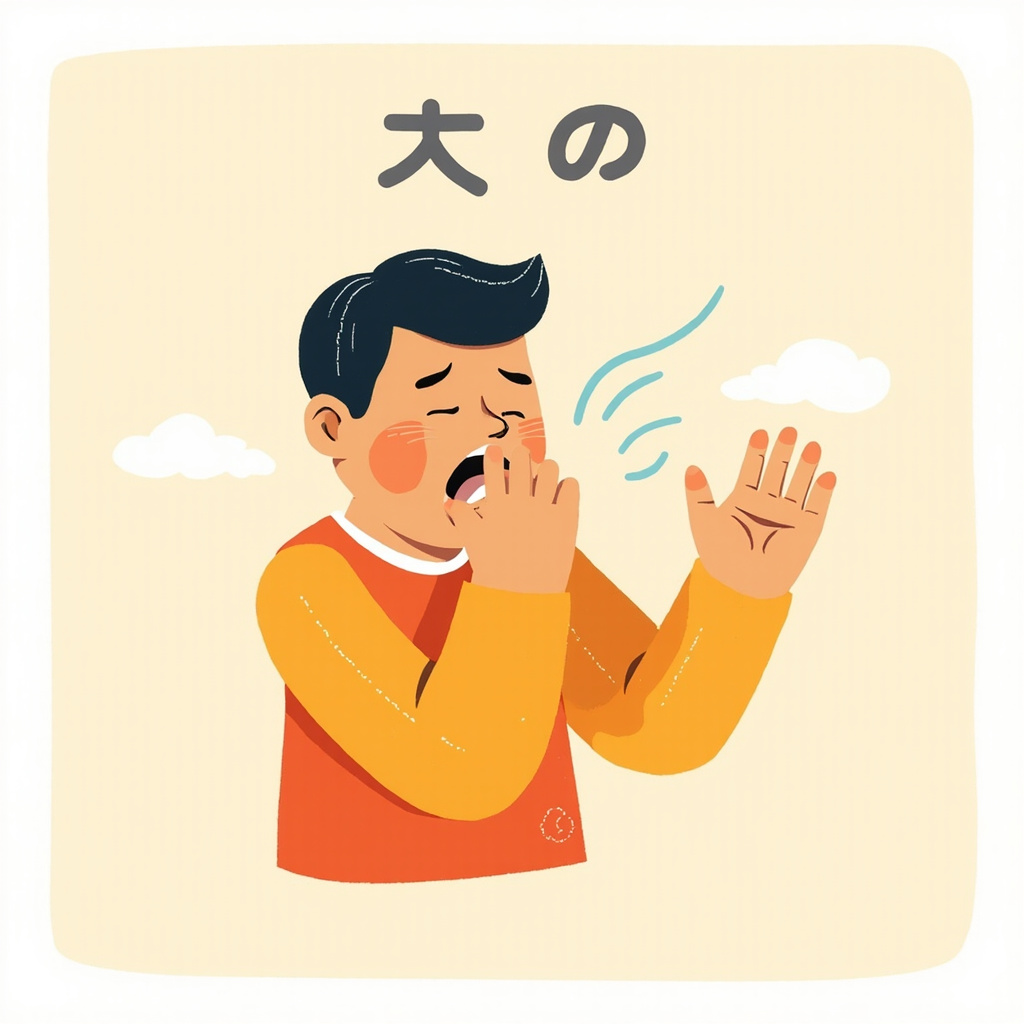
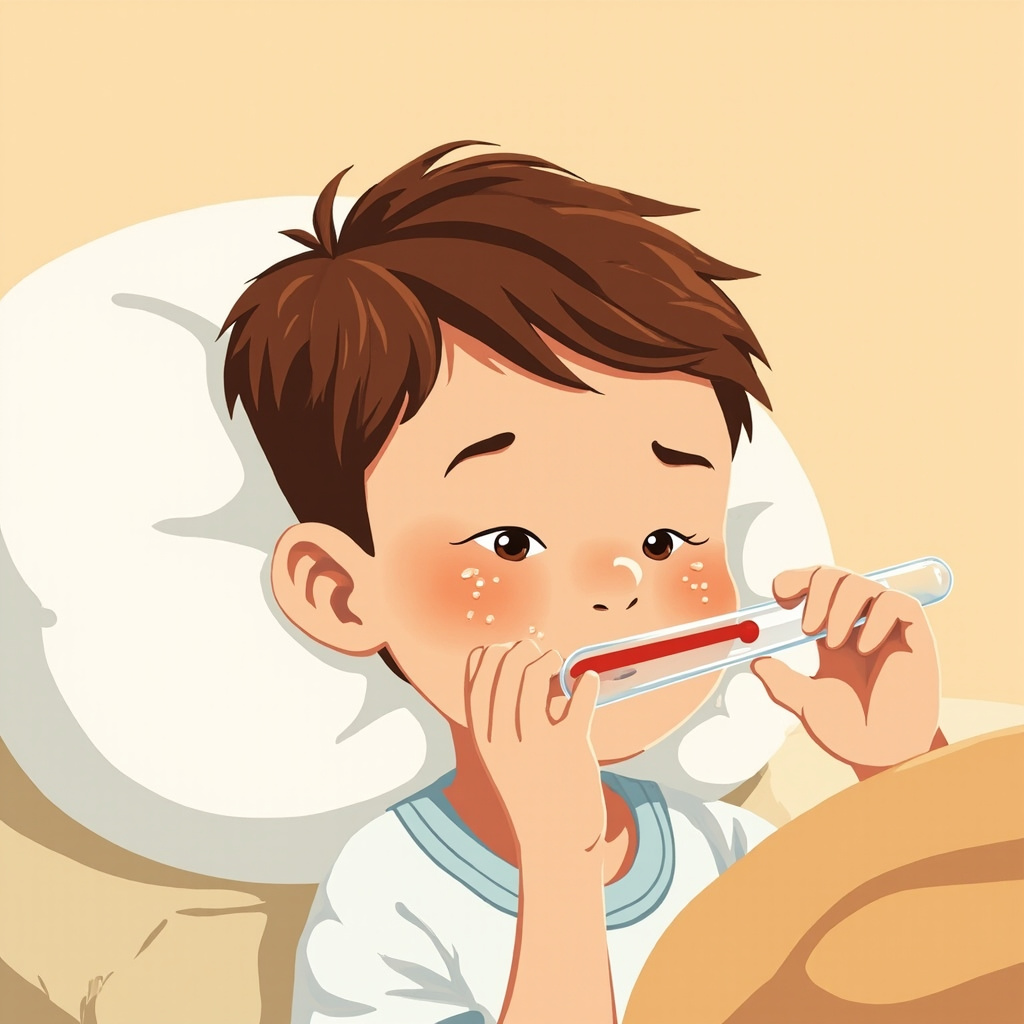
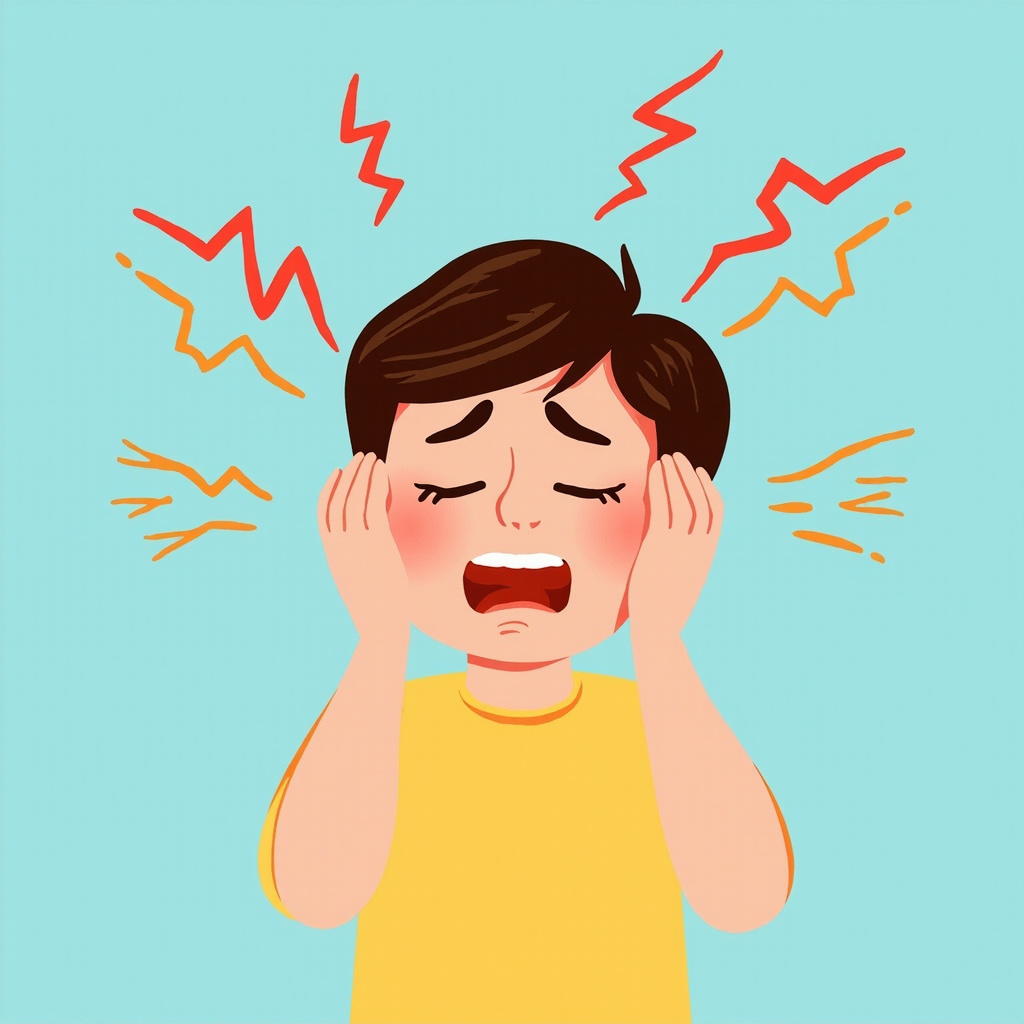
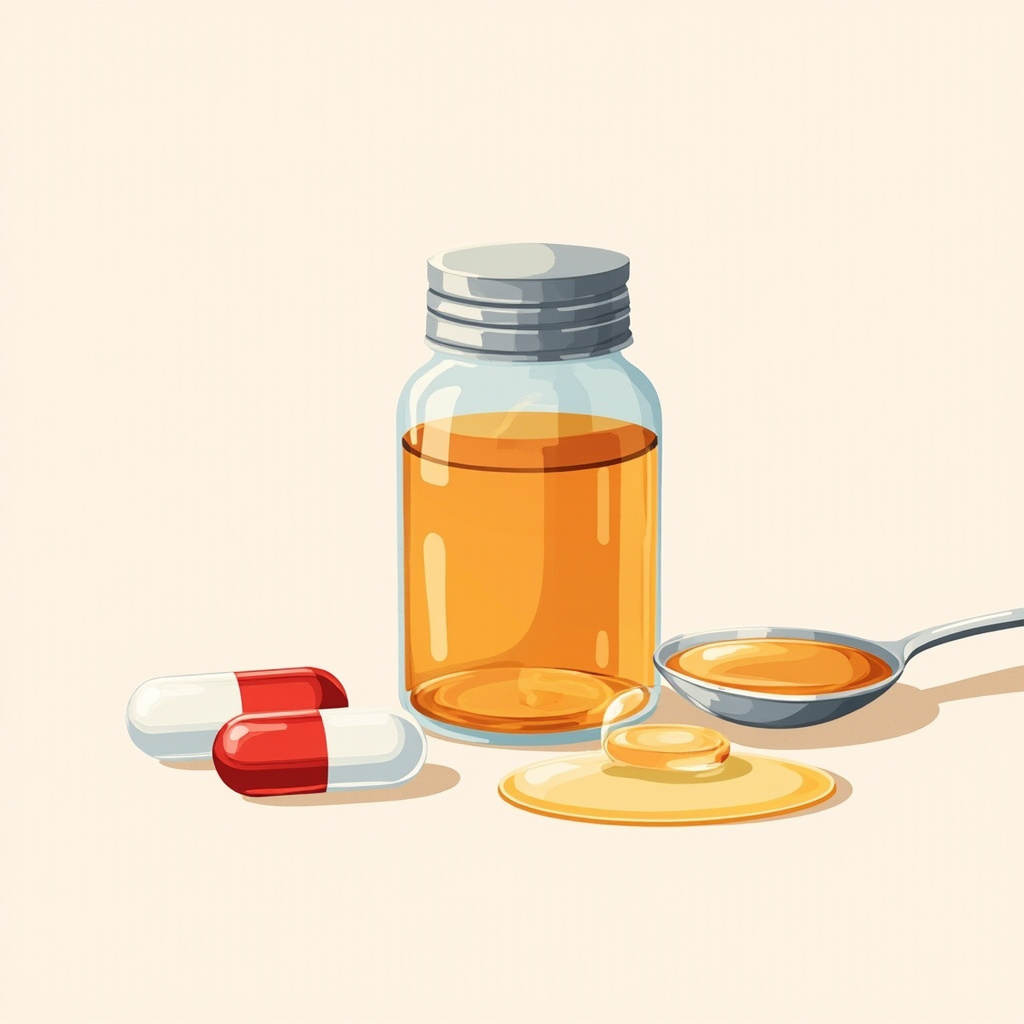
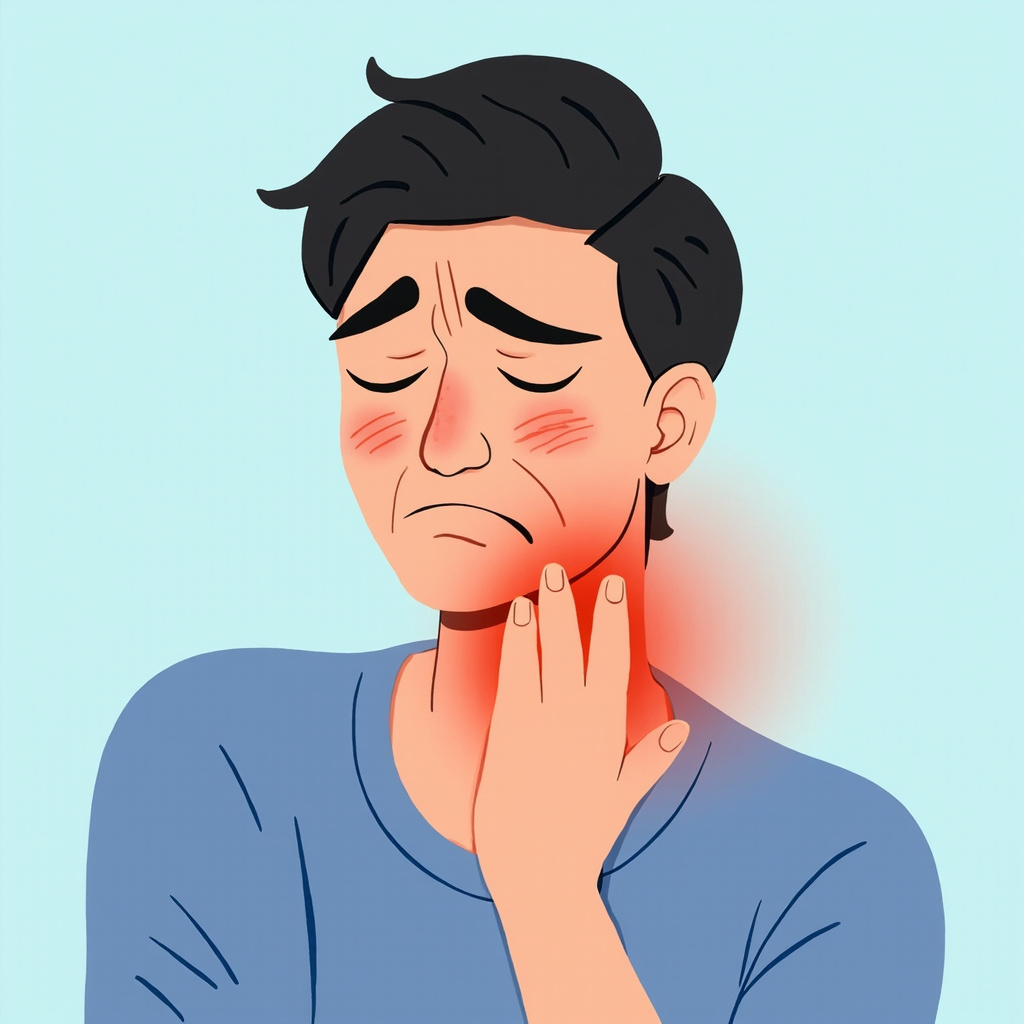
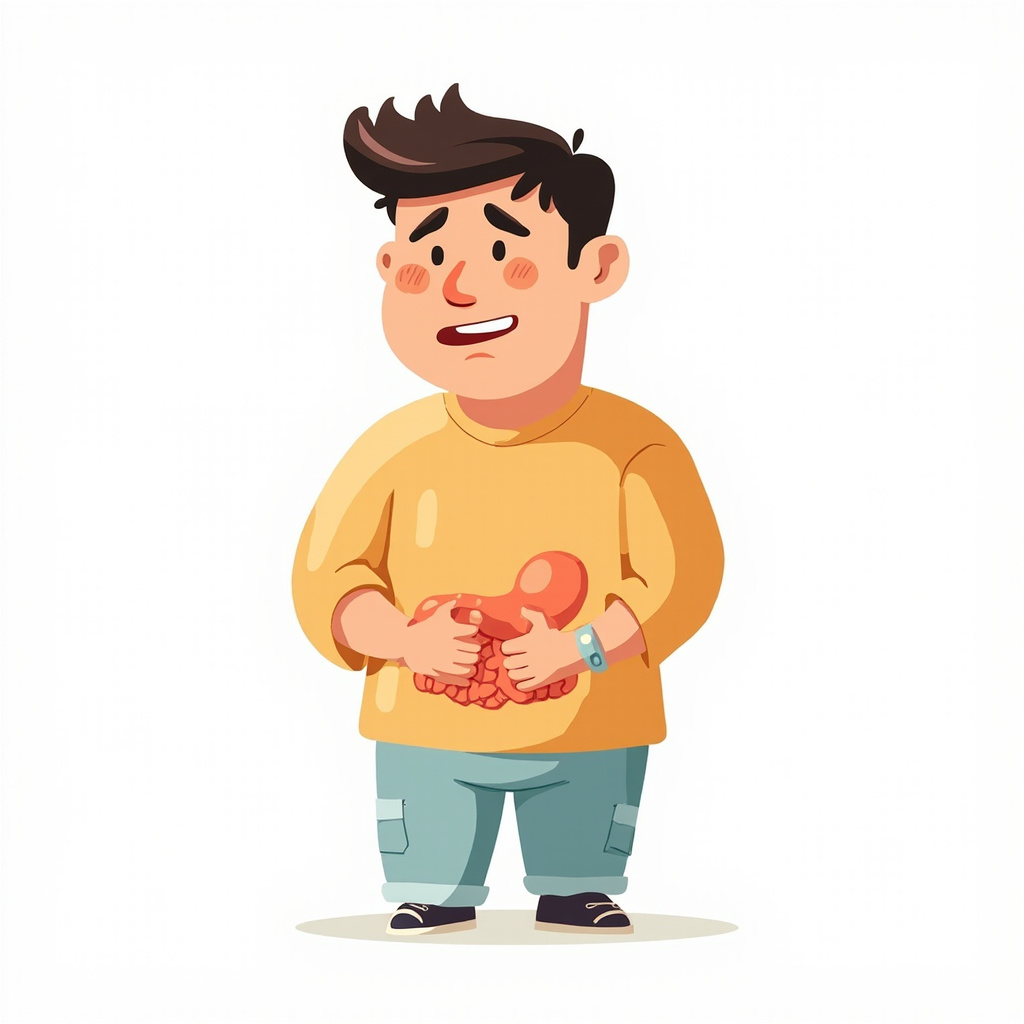
In English, we use should to give advice. We use it when we think something is a good idea. Listen to these examples: You should rest.He should drink water.She should see a doctor.
The pattern is simple. It is: subject + should + base verb. The verb after 'should' is the base form. Not 'to rest', not 'resting' — just 'rest'. Look at these examples: I should sleep.You should eat.We should go.
For negative advice, we add n't to 'should'. We say shouldn't. The pattern is: subject + shouldn't + base verb. Look: You shouldn't work.He shouldn't drive.They shouldn't eat sugar.
The word 'should' is the same for every person. I should, you should, he should, she should, we should, they should. 'Should' does not change. We use it to give soft, polite advice for the present or the future.
Subject
should / shouldn't
verb
I
should
rest
You
shouldn't
work
He
should
drink water
She
shouldn't
drive
We
should
see a doctor
They
shouldn't
eat sugar
إزاي تقول نصيحة صحية بالإنجليزي؟
في الدرس ده هنتعلم كلمة مهمة جداً في الإنجليزي، وهي should. الكلمة دي بنستخدمها لما نحب ندي حد نصيحة، يعني نقوله حاجة كويسة يعملها، خصوصاً لما نتكلم عن الصحة والمرض.
القاعدة الأساسية
القاعدة بسيطة جداً: subject + should + base verb. يعني الفاعل، وبعدين should، وبعدين الفعل في صورته الأصلية من غير أي إضافات. مثلاً:
You should rest. (لازم ترتاح)
He should drink water. (لازم يشرب مية)
She should see a doctor. (لازم تروح لدكتور)
حاجة مهمة جداً: الفعل في صورته الأصلية
لاحظ إن الفعل اللي بعد should بيفضل في الـ base form، يعني الصورة الأصلية من غير to أو ing. بنقول rest مش to rest ومش resting. نفس الكلام في:
I should sleep. (مش sleeping)
We should go. (مش going)
You should eat. (مش eating)
النفي: shouldn't
لو عايز تقول نصيحة سلبية، يعني تقوله ما يعملش الحاجة دي، بنضيف n't لـ should فبتبقى shouldn't. القاعدة بتبقى: subject + shouldn't + base verb. مثلاً:
You shouldn't work when you are sick.
He shouldn't drive.
She shouldn't eat too much candy.
ميزة كبيرة في should
كلمة should ما بتتغيرش مع الفاعل أبداً. يعني سواء بتكلم عن نفسك أو عن حد تاني، بنقول should في كل الحالات:
I should
you should
he should / she should
we should
they should
مفيش اختلافات ولا تصريفات. بتفضل should زي ما هي في كل الجمل.
ركز في التمرين
في الأسئلة اللي جاية هتلاقي جمل زي "You should rest when you are sick" و "She shouldn't eat too much candy". خلي بالك من نوع النصيحة - هل هي إيجابية ولّا سلبية؟ ده اللي هيحدد تستخدم should ولّا shouldn't. ركز كمان على الفعل اللي بعدهم لازم يكون في صورته الأصلية دايماً.
You should rest when you are sick.
She shouldn't eat too much candy.
Required
Look at the two sentences above. What form of the verb comes after 'should'?
to + verb
base verb
-ing verb
Required
You ___ drink a lot of water when you have a fever.
Required
He ___ go to work today. He is very sick.
Required
We use 'should' to give advice.
Yes! 'Should' is a modal verb we use to give advice or say something is a good idea.
Required
Your friend has a bad headache. What can you say?
You should take medicine.
You should eat five pizzas.
You should run a race.
Required
Put the words in order to make a sentence.
You
rest
should
at
home
Required
Drag the correct word to each sentence.
shouldn't
should
should
shouldn't
You drink hot tea when you have a cold.
She go to school today.
We see a doctor.
He eat ice cream with a sore throat.
Listening
Listening
5
cards
Listen to a conversation between two friends, Emma and Tom. Tom is not feeling well today. He is at home because he feels sick. Emma comes to see him and gives him some health advice. They use the words 'should' and 'shouldn't' that you just learned in the grammar section.
Before you listen, think: what do you think Emma will say to Tom? Will she tell him to rest, to work, or to eat pizza? What about medicine? Predict two things Emma might say.
While you listen, pay attention to:
What is wrong with Tom? (Listen for body parts.)
What does Emma say he should do? (Positive advice.)
What does Emma say he shouldn't do? (Negative advice.)
Listen carefully to the new words: headache, fever, medicine. You will need them for the questions after. The new health words are: headache (pain in your head), fever (when your body is very hot), and medicine (what you take to feel better).
في الدرس ده هنتعلم كلمات صحية مهمة، وإزاي ندي ونطلب نصيحة بالإنجليزي. هنفهم المحادثة بين Emma و Tom، والقاعدة اللي بيستخدموها.
الكلمات الجديدة - Health Vocabulary:
sick: معناها تعبان أو مريض. لما بتحس إن جسمك مش كويس. مثلاً: I feel sick. (حاسس إني تعبان)
headache: معناها صداع، يعني ألم في الراس. مثلاً: I have a headache. (عندي صداع)
fever: معناها حرارة أو سخونية، لما جسمك يبقى سخن أوي من جوا. مثلاً: I have a fever. (عندي حرارة)
medicine: معناها دوا، اللي بتاخده عشان تحس أحسن. مثلاً: I should take medicine. (لازم آخد دوا)
rest: معناها ترتاح. مثلاً: You should rest today. (لازم ترتاح النهاردة)
القاعدة النحوية - Should:
"Should" دي من أهم الكلمات في الإنجليزي لما تيجي تدي نصيحة أو اقتراح لحد. بنستخدمها لما نقول للشخص التاني "الأحسن إنك تعمل كذا".
بعد "should" بنحط الفعل في المصدر (infinitive) من غير ما نضيف "to":
You should rest. (لازم ترتاح)
You should drink water. (لازم تشرب مية)
ولما عايزين نفي، بنحط "not" بعد should فبتبقى shouldn't:
You shouldn't work hard. (ما تشتغلش مجهود كبير)
You shouldn't go to work today. (ما تروحش الشغل النهاردة)
ولما عايزين نسأل:
Should I take medicine? (آخد دوا؟)
Should I see a doctor? (أروح لدكتور؟)
حوار Emma و Tom:
Tom بيقول لـ Emma إنه تعبان، وعنده صداع وحرارة. Emma بتحزن عليه وبتقوله يرتاح النهاردة ويشرب مية كتير. Tom بيرد: Yes, I should (أيوه، لازم) عشان يأكد إنه موافق. وبيسألها: Should I take medicine? يعني بيستأذن قبل ما ياخد أي دوا.
نصايح للاستماع:
ركّز على إيه اللي وجع Tom - اسمع أسماء المشاكل الصحية
اسمع كلمة "should" - دي مفتاح النصيحة في المحادثة
حاول تمسك الكلمات الجديدة: headache, fever, medicine
Emma and Tom are friends. Tom is at home. He feels sick.
E
EmmaHi Tom! How are you today?
T
TomNot good, Emma. I feel sick.
E
EmmaOh no! What's wrong?
T
TomI have a headache and a fever.
E
EmmaThat's not good. You should rest today.
T
TomYes, I should.
E
EmmaYou should also drink a lot of water.
T
TomYou're right. Should I take medicine?
E
EmmaYes, you should take medicine. And you shouldn't go to work.
T
TomThank you, Emma.
Required
How is Tom feeling?
He is happy.
He is sick.
He is at work.
Required
What health problems does Tom have?
A headache and a fever.
A stomachache and a cold.
A sore throat and a cough.
Required
Emma says Tom ___ rest today.
Pronunciation
Pronunciation
6
cards
The 'sh' sound /ʃ/ is in the word should — the very word we use for advice! To make this sound: round your lips into a small 'o' shape. Put the tip of your tongue just behind your bottom teeth. Raise the middle of your tongue toward the roof of your mouth. Push air out gently. Your voice is OFF — do not vibrate your vocal cords.
Now compare /ʃ/ with /s/. For /s/, your lips are not rounded, and the tip of your tongue touches near your top teeth. For /ʃ/, your lips are rounded and your tongue is a little further back. Push the air out the same way for both sounds. The shape of the lips is the biggest difference.
Words with /ʃ/: should, shoe, shop, wash, fish, she.
Words with /s/: see, sun, sit, soup, bus.
Listen to the difference between ship (/ʃ/) and sip (/s/). The first sound is different. Practice both words and feel the change in your mouth.
صوت الـ "sh" — اللي بنستخدمه كتير لما نتكلم عن الصحة
النهارده هنتعلم صوت مهم جداً في الإنجليزي، وده صوت الـ /ʃ/ اللي بنكتبه "sh". الصوت ده بيظهر في كلمات كتير بنستخدمها في موضوع الصحة، زي should يعني "لازم"، و wash يعني "اغسل"، و sore throat يعني "التهاب الزور"، و shoe يعني "جزمة".
إزاي بتعمل الصوت ده بفيزيائياً؟
عشان تعمل صوت الـ /ʃ/ صح، اتبع الخطوات دي:
شفايفك: كوّرها وادّيها شكل دايرة صغيرة، زي ما هتنفخ في شمعة
طرف لسانك: حطّه ورا سنانك اللي تحت شوية بسيطة
وسط لسانك: ارفعه ناحية سقف حلقك
الهوا: طلّعه بهدوء من بين لسانك وشفايفك
صوتك: لازم يكون مطفي — يعني الحبال الصوتية في زورك ما تتحركش خالص. الصوت ده مجرد هوا، مش بيحتاج زئير
الفرق بين /ʃ/ و /s/ — صوتين قريبين بس مختلفين
دول صوتين متشابهين جداً في الأذن، بس الفرق الرئيسي في حتتين:
الشفايف: في /ʃ/ الشفايف بتكون متكورة زي دايرة، لكن في /s/ بتبقى عادية ومسترخية
مكان اللسان: في /s/ طرف اللسان بيلمس ورا الأسنان العلوية مباشرة، لكن في /ʃ/ اللسان بيبقى ورا شوية ومرفوع أكتر
جرّب بنفسك
قول كلمة ship (سفينة) و sip (رشفة). الاتنين بيبدؤوا بحرف s، بس في ship الصوت /ʃ/ عشان مكتوبة "sh"، وفي sip الصوت /s/ العادي. حس بإيدك على حلقك لما تقولهم، هتلاقي إن الصوت مطفي في الحالتين، بس شكل شفايفك هو اللي هيتغير.
كلمات تانية فيها صوت الـ /ʃ/
should — لازم
wash — اغسل
shoe — جزمة
shop — محل
fish — سمكة
she — هي
اسمع الأمثلة في التمرين اللي تحت كويس، وكرّر كل كلمة بصوت عالي. خد وقتك، ركّز على شكل شفايفك، وحاول تحس بالفرق بإيدك على حلقك عشان تتأكد إن الصوت مطفي. بالتوفيق!
To make /ʃ/: round your lips, put your tongue tip behind your bottom teeth, raise the middle of your tongue, and push air out. Your voice is OFF.
Required
Listen. Which word do you hear?
ship
sip
Required
Say the word 'should'. Focus on the 'sh' sound at the start.
should
Required
Say the sentence. Both 'wash' and 'should' have the 'sh' sound.
Wash your hands.
Required
Say the sentence. The word 'she' starts with the 'sh' sound.
She has a sore throat.
Speaking
Speaking
7
cards
Now it's your turn to give health advice. You can use the words 'should' and 'shouldn't' that you learned in the grammar section. Start by asking your friend what is wrong. Then listen to the problem. Give two pieces of advice — one with 'should' and one with 'shouldn't' if you can.
Here are useful phrases for this conversation:
Phrase
Use it for
What's wrong?
asking about a problem
I have a ...
saying you are sick
You should ...
giving good advice
You shouldn't ...
giving negative advice
I hope you feel better.
ending the talk kindly
First, listen to a short model conversation between Emma and Tom. Then you will record some sentences. Finally, you will talk to a sick friend in a live roleplay. Don't worry about mistakes — just speak! Use short, clear sentences. Speak slowly and pronounce the 'sh' sound in 'should' clearly.
هنتكلم النهاردة عن إزاي نتكلم مع حد تعبان ونديه نصيحة. الموقف ده بتحتاجه كتير في الحياة اليومية، لما صاحبك أو حد قريب منك يمرض ومحتاج مساعدة.
الجملة الأساسية اللي هتتعلمها:
You should drink hot tea. يعني "لازم تشرب شاي دافي" أو "ينفع تشرب شاي دافي". كلمة should دي بتستخدم لما تدي نصيحة كويسة، وكلمة shouldn't هي العكس، يعني "ما ينفعش تعمل كده".
إزاي تبدأ المحادثة:
أول حاجة لما حد يكون شكله تعبان أو مش طبيعي، تسأله:
What's wrong? (إيه المشكلة؟)
You don't look good. (شكل مش كويس)
وهو هيقولك المشكلة بتاعته، مثلاً:
I have a bad cold (عندي برد شديد)
I have a headache (عندي صداع)
I have a fever (عندي سخونية)
I have a stomachache (عندي وجع في بطني)
إزاي تدي نصيحة - النصايح الإيجابية بـ should:
You should drink hot tea (لازم تشرب شاي دافي)
You should rest at home (لازم ترتاح في البيت)
You should see a doctor (لازم تروح لدكتور)
النصايح السلبية بـ shouldn't:
You shouldn't go outside (ما ينفعش تخرج)
You shouldn't drink cold water (ما ينفعش تشرب مية ساقعة)
You shouldn't work hard (ما ينفعش تشتغل تعب)
إزاي تختم المحادثة:
في الآخر لما تدي النصايح، ممكن تختم بـ:
I hope you feel better (أتمنى تحس بتحسن)
Thank you (شكراً)
الجملة الأخيرة دي بتخلي المحادثة دي تدف شوية وبتبيّن إنك حاسس بيه.
نصيحة مهمة للنطق:
لما تقول should أو shouldn't، ركز على نطق صوت الـ sh بوضوح. حط لسانك في وضع الـ sh واطلع الهوا من ضوافرك. الكلمة دي مهمة جداً في النصايح.
دلوقتي هتسمع المحادثة بين Emma و Tom، وبعدين هتسجل نفسك بتقول جمل زي دي، وبعدها هتعمل roleplay حقيقي مع الـ AI. متقلقش من الغلط، اتكلم ببطء وبجمل قصيرة وواضحة.
A short model: Emma talks to her sick friend Tom.
E
EmmaHi Tom. You don't look good. What's wrong?
T
TomI have a bad cold.
E
EmmaOh, you should drink hot tea.
T
TomGood idea. Anything else?
E
EmmaYou shouldn't go outside. Rest at home.
T
TomThank you, Emma.
You should drink hot tea.
Required
Read the sentence aloud. You are giving advice to a sick friend.
You should rest at home.
Required
Read the sentence aloud. You are telling someone about your health.
I have a headache and a fever.
Required
Your friend is sick. Ask what is wrong. Give two pieces of advice with 'should' or 'shouldn't'.
Required
Vocabulary
Vocabulary
6
cards
When you are sick, you can describe how you feel. Here are common health words in English. Most of them are nouns, and we use them with the verb have: I have a headache.He has a fever.
Some problems are in one part of the body. A headache is pain in your head. A stomachache is pain in your stomach. A sore throat is pain when you swallow.
Some problems are illnesses. A fever is when your body is very hot. A cold is a common sickness in your nose. A cough is the sound you make when air comes out of your throat fast.
Two more useful words: medicine is what you take to feel better. A doctor is a person who helps sick people. Remember: we say I have a ... before most of these words.
Word
Part of speech
Meaning
Example
headache
noun
I have a bad headache.
fever
noun
She has a fever.
cough
noun
He has a bad cough.
stomachache
noun
My brother has a stomachache.
cold
noun
I have a cold.
sore throat
noun
He has a sore throat.
medicine
noun
Take this medicine.
doctor
noun
Go to the doctor.
كلام عن الصحة بالإنجليزي
في الدرس ده هنتعلم كلمات أساسية بتستخدمها لما تكون عيان أو تتكلم عن صحتك. كل الكلمات دي تقريبًا أسماء (nouns)، وبنستخدمها مع فعل have / has اللي معناه "عنده" أو "فيه".
القاعدة الأساسية
في الإنجليزي، لما تحب تقول إن عندك مشكلة صحية، بتقول I have + الكلمة:
I have a headache. — أنا عندي صداع
She has a fever. — هي عندها حمى
He has a cough. — هو عنده سعال
I have a cold. — أنا عندي زكام
My brother has a stomachache. — أخويا عنده ألم في المعدة
He has a sore throat. — هو عنده التهاب في الحلق
لاحظ إن في كل الجمل دي بنستخدم a قبل الكلمة، عشان هي معدودة (countable). وبيبقى الفعل have مع I / you / we / they، و has مع he / she / it.
نوعين من المشاكل الصحية
١. ألم في مكان معين في الجسم:
headache = وجع في دماغك (راسك)
stomachache = وجع في معدتك
sore throat = ألم في زورك لما تبلع
كلمة ache لوحدها معناها "وجع"، وبتتجمع مع اسم العضو اللي بتوجعك.
٢. أمراض عامة:
fever = لما جسمك يكون سخن أوي (حمى)
cold = زكام، بيأثر على أنفك وصدر
cough = الصوت اللي بيطلع من زورك لما تعطس أو كحة
كلمتين مهمين كمان
medicine = الدواء اللي بتاخده عشان تحس أحسن
doctor = الدكتور، اللي بيساعد الناس العيانة
جملة كاملة كمثال
I have a headache and a fever, so I should see a doctor.
يعني: "أنا عندي صداع وحمى، فلازم أروح لدكتور." لاحظ الجملة ربطت بين المرض والقرار اللي بتاخده، وده اللي بنستخدمه في الحياة اليومية.
Health problems and words you need at the doctor.
coldkəʊld
Having a low temperature; not hot or warm. Can describe weather, objects, or conditions.
coughkɒf
Cough refers to the act of expelling air from the lungs with a sudden sharp sound, often as a reflex or due to
doctorˈdɒk.tər
a person with a medical degree whose job is to treat people who are ill or hurt :
the place where a doctor wor
feverˈfiːvə
A medical condition with high body temperature, usually caused by infection or illness.
headacheˈhedeɪk
A pain felt in the head, which can range from mild to severe.
medicineˈmedsn̩
A substance used to treat illness or disease, usually in the form of a liquid, pill, or injection. Also refers
sore throatsɔː θrəʊt
A condition in which the throat feels painful, scratchy, or irritated, often due to infection or inflammation.
stomachacheˈstʌməkeɪk
Pain felt in the area of the stomach or belly.
Required
Match each health word with its meaning.
Match each health word with its meaning.
headache
fever
cough
stomachache
cold
sore throat
medicine
doctor
pain in your head
very hot body
sound from your throat
pain in your stomach
sickness in your nose
pain when you swallow
what you take to feel better
person who helps sick people
I have a headache and a fever, so I should see a doctor.
Required
What is the health problem in the sentence?
headache
stomachache
sore throat
Required
You cannot swallow. Your throat hurts. What is the problem?