✓I CAN use the present simple for transport schedules.
✓I CAN name types of transport.
✓I CAN ask and answer about travel.
Grammar
Grammar
10
cards
Transport has fixed times. The bus, train, or plane leaves and arrives at the same time every day. To talk about these fixed times, we use the present simple tense.
The present simple is simple! Look at the pattern. In a positive sentence, we use the subject and the verb. When the subject is I, you, we, or they, the verb is in the base form: I take the bus. When the subject is he, she, or it (the bus, the train, the plane), we add -s to the verb: The bus leaves.The train arrives.The plane leaves every day.
To make a question, we use does + subject + verb. But the verb goes back to the base form. We do NOT add -s to the verb in a question. We say: When does the bus leave? not when does the bus leaves? This is important! The word does already has the -s for the third person.
The short answer is also simple. Yes, it does. No, it does not. We also use time words: at + a time (at 8, at 9:15), and every day, every morning, every evening. These words tell us when something happens.
Look at the table. It shows the positive, the question, and the short answer. Try to notice how the verb changes.
Positive
Question
Short Answer
The busleaves at 8.
When does the busleave?
At 8.
The trainarrives at 9.
When does the trainarrive?
At 9.
The planeleaves every day.
Does the planeleave every day?
Yes, it does.
الـ Present Simple مع المواعيد الثابتة
في درس النهاردة هنتعلم قاعدة مهمة جدًا في الإنجليزي، وهي ازاي نتكلم عن المواعيد الثابتة للمواصلات زي الباص والتربة والطيارة.
امتى بنستخدم الـ Present Simple؟
بنستخدم الـ present simple لما الحاجة بتحصل كل يوم في نفس الوقت، يعني لها موعد ثابت. مثلًا الباص بيقوم الساعة تمانية، والتربة بتوصل الساعة تسعة. عشان كده بنقول:
The bus leaves at eight o'clock.
When does the train arrive?
القاعدة الأساسية: الـ S في آخر الفعل
ركّز معايا في النقطة دي. لما الـ subject يكون he أو she أو it (زي the bus أو the train أو the plane)، بنضيف حرف s في آخر الفعل:
The bus leaves → عشان the bus معناها it
The train arrives → عشان the train معناها it
The plane leaves
لكن لو الـ subject كان I أو you أو we أو they، الفعل بيفضل زي ما هو من غير s. يعني بنقول I take the bus أو We take the train.
ازاي نسأل سؤال؟
وهنا بقى السر اللي لازم تركز فيه عشان ما تقعش في الغلط. السؤال بيتكون كده:
Does + subject + فعل في الـ base form (من غير s)
مثلًا:
Does the bus leave at 8? (مش does the bus leaves)
Does the train arrive at 9?
ليه مش بنضيف s للفعل في السؤال؟ لأن does نفسها فيها الـ s اللي بتدل على third person. يعني متقولش أبدًا "does the bus leaves"، ده غلط كبير في الإنجليزي!
الإجابات القصيرة
الإجابة بتبقى بسيطة وسهلة:
Yes, it does.
No, it does not.
كلمات الوقت المهمة
لما تتكلم عن المواعيد، بنستخدم كلمات وقت معينة عشان نوضح امتى الحاجة بتحصل:
at + الوقت: at 8, at 9:15
every day (كل يوم)
every morning (كل الصبح)
every evening (كل المسا)
نصيحة قبل ما تبدأ التمارين
في التمارين اللي جاية، خلي بالك من حاجتين:
لو السؤال عن bus أو train أو plane (يعني it)، اتأكد إن الفعل في الجملة الموجبة فيه s زي leaves أو arrives.
لما تسأل سؤال بـ does، الفعل يرجع base form من غير s، زي leave أو arrive.
يلا نبدأ نحل التمارين مع بعض!
The bus leaves at eight o'clock.
Notice the -s on the verb.
When does the train arrive?
Notice does + subject + base verb.
Required
Look at the sentences above. In a present simple question, what comes right after 'does'?
the verb with -s
the subject
the time
Required
The train _____ (leave) at 9 AM every day.
Required
The plane _____ (arrive) at 6 PM.
Required
Which question is correct?
When does the bus leave?
When does the bus leaves?
When the bus does leave?
Required
The bus leave at 8 AM. (This sentence is correct.)
The sentence is wrong. With 'the bus' (he/she/it), the verb needs -s: 'The bus leaves at 8 AM.'
Required
Put the words in order to make a question.
When
does
the
train
arrive
?
Required
Drag the correct verb form into each sentence.
stops
leaves
arrives
leaves
The bus at 8 AM.
The train at 9 PM.
The plane every morning.
The taxi at the station.
Listening
Listening
5
cards
Imagine you are at a trainstation. You are a traveler. You want to go to the city. You do not know the train time or the ticket price. You need to ask someone for help.
In this listening, you will hear a conversation between two people. One person is a traveler. The other person works at the station. The traveler asks questions, and the worker gives answers.
Before you listen, try to predict. Think about what the traveler wants to know. What questions can you ask at a trainstation? Think about: Where is the train? When does it leave? How much is a ticket? Is the train on time?
When you listen, try to hear the KEY words: the time, the place, the price. Do not worry about every word. Just listen for the answers to these questions. This is the gist of the conversation.
Listen to the dialogue two or three times if you can. The first time, just understand the general meaning. The second time, listen for the specific information. The third time, check the details.
المحادثة في محطة القطر
تخيّل إنك واقف في محطة قطر وعايز تروح المدينة. مش عارف القطر فين، ولا امتى يمشي، ولا التذكرة بكام. لازم تسأل حد يساعدك. في الجزء ده، هتسمع محادثة بين مسافرة اسمها Emma وشخص شغال في المحطة اسمه Tom. خلّينا ناخد العبارات واحدة واحدة ونفهمها.
العبارات المهمة في الموقف
Excuse me معناها "لو سمحت" أو "عذراً"، ودي أول كلمة بنقولها لما نحب نكلم حد غريب ونطلب منه مساعدة. Where is the train to the city? معناها "فين القطر اللي رايح المدينة؟"، ولاحظ إن بنقول to the city عشان نوصف الوجهة.
Go to platform 3 معناها "روح للرصيف رقم 3". الجملة دي imperative يعني أمر مباشر. When does the next train leave? معناها "امتى القطر اللي بعده يمشي؟"، وكلمة next يعني "التالي" أو "اللي بعده".
It leaves at 9:15 معناها "هو بيمشي الساعة 9:15". لاحظ استخدام at قبل الوقت. How much is a ticket? معناها "بكام التذكرة؟"، وHow much بنستخدمها للسؤال عن السعر. It's eight dollars اختصار لـ It is eight dollars، يعني "بثمانية دولار".
Is the train on time today? معناها "القطر في معاده النهاردة؟"، وon time يعني "في ميعاده". الإجابة Yes, it is هي إجابة قصيرة لYes/No question.
القواعد اللي محتاج تعرفها
1. أسئلة الاستفهام Wh- questions:
Where = فين (للمكان)
When = امتى (للوقت)
How much = بكام (للسعر)
2. المضارع البسيط (Present Simple):
لما الفاعل يكون غائب ومفرد (he, she, it)، بنضيف s للفعل:
It leaves (هو بيمشي)
It is (هو يكون)
3. حروف الجر المهمة:
at + الوقت: at 9:15 (الساعة 9:15)
to + المكان: to platform 3 (للرصيف 3)
on + الوقت/التاريخ: on time (في ميعاده)
نصيحة للاستماع
أول مرة، ركّز على الفكرة العامة بس. تاني مرة، حاول تسمع الأرقام والأوقات. تالت مرة، تأكد من التفاصيل. متتقلقش لو فاتتك كلمة - ركّز على الـkey words زي الأوقات والأماكن والأسعار.
Listen to a conversation at a train station.
E
EmmaExcuse me. Where is the train to the city?
T
TomGo to platform 3.
E
EmmaWhen does the next train leave?
T
TomIt leaves at 9:15.
E
EmmaThank you. How much is a ticket?
T
TomIt's eight dollars.
E
EmmaGreat. Is the train on time today?
T
TomYes, it is. Have a good trip.
Required
Where does Emma want to go?
to the city
to the station
to the airport
Required
How much is a ticket?
five dollars
eight dollars
ten dollars
Required
The next train leaves at _____.
Pronunciation
Pronunciation
6
cards
Many transport words are plural in real life. We don't say one bus — we say buses. We don't say one train — we say train**s. To make the plural, we add -s to the end of the word.
But here is something interesting. The -s can sound different! It can be /s/ or /z/. It depends on the sound BEFORE the -s.
After a voiceless sound (like p, t, k, f), the -s sounds like /s/. To make /s/, put your tongue near your top teeth. Do not use your voice. Put your hand on your throat. You do not feel vibration. Examples: bikes /baɪks/, tickets /ˈtɪkɪts/, stops /stɒps/. The -s is sharp and short, like a snake.
After a voiced sound (like b, d, g, l, m, n, and vowels), the -s sounds like /z/. The tongue is in the same place, but now you use your voice. Put your hand on your throat. You feel vibration! Examples: trains /treɪnz/, planes /pleɪnz/, cars /kɑːrz/. The -z is longer, and you can hear your voice in it.
Practice both sounds. Can you feel the difference between /s/ and /z/?
الصوت اللي في آخر الكلمات الجمع في الإنجليزي
خد باللك، في الإنجليزي فيه حاجة ذكية جداً. لما بتجمع كلمة (يعني بتعملها plural)، في الغالب بتحط حرف s في الآخر. زي buses و trains و planes. بس الحرف ده مش دايماً بيتنطق نفس النطق! ممكن يطلع صوت حاد زي الهسهسة، أو ممكن يطلع صوت فيه رنين زي الطنين.
إمتى الـ s بتطلع /s/ الحادة؟
لما الحرف اللي قبل الـ s يكون voiceless، يعني ما فيهوش اهتزاز في الحنجرة. الحروف دي زي p, t, k, f.
bikes → /baɪks/ (الـ s هنا حادة)
tickets → /ˈtɪkɪts/
stops → /stɒps/
عشان تعمل الصوت ده، بتحط طرف لسانك قريب من الأسنان اللي فوق، وبتخرج هواء من غير ما تهتز حنجرتك. لو حطيت إيدك على زورك، مش هتحس بحاجة.
إمتى الـ s بتطلع /z/ اللي فيها رنين؟
لما الحرف اللي قبلها يكون voiced، يعني حنجرتك شغالة وبتهتز. الحروف دي زي b, d, g, l, m, n، وكمان كل الـ vowels (الحروف المتحركة).
trains → /treɪnz/
planes → /pleɪnz/
cars → /kɑːrz/
لسانك بيكون في نفس المكان، بس المرة دي بتشغل صوتك معاك. لو حطيت إيدك على زورك، هتحس بالاهتزاز بوضوح.
نصيحة عملية
قول bikes وحط إيدك على زورك، وبعدين قول trains. هتحس إن في الأول مفيش اهتزاز، وفي التاني فيه رنين. كده جسمك اتعلم الفرق! دلوقتي روح اسمع الأمثلة في الدرس وكرر وراها، وركز على الحركة اللي لسانك بيعملها والاهتزاز اللي في زورك.
To make /s/: tongue is near the top teeth, no voice from the throat. To make /z/: same tongue position, but add voice — you can feel your throat vibrate.
Required
Listen. Does the word end with /s/ or /z/?
/s/ (no voice)
/z/ (with voice)
Required
Say the word. Feel the /z/ sound at the end.
buses
Required
Say the word. This one ends with /s/ — no voice.
tickets
Required
Say the sentence. Notice the /z/ in 'planes'.
planes leave at nine.
Reading
Reading
6
cards
Reading is an important skill. We read every day — messages, signs, news, books. To read well, we need strategies. A strategy is a way to do something better.
Today, we learn a strategy called Skimming. When you skim a text, you read it quickly. You do not read every word. You look at the first line, the last line, and the key words. You just want the main idea. You want to understand what the text is about, not all the small details.
After skimming, you can read again for detail. Now you read more carefully. You find the specific information: times, names, places, numbers.
For this text, the key words are:
commute = the trip from home to work every day
platform = the place at a station where you get on a train
on time = at the right time, not late
arrive = to get to a place
First, skim the text. What is it about? Then read it again. What time does the bus leave? What time does the train arrive? Is the train on time?
Reading مهارة مهمة جداً في حياتنا. إحنا بنقرأ كل يوم - رسايل على الموبايل، إعلانات في الشارع، أخبار، كتب. عشان نقرأ كويس ونستفيد، لازم نتعلم استراتيجيات - يعني طرق معينة بنستخدمها عشان نقرأ أحسن وأسرع.
الاستراتيجية بتاعة النهاردة: Skimming
Skimming معناها القراءة السريعة. لما تـ skim نص، إنت مش بتقرأ كل كلمة. إنت بتقرأ بسرعة عشان تفهم الفكرة العامة - يعني النص بيتكلم عن إيه بشكل عام. بتركز على:
أول جملة في النص
آخر جملة في النص
الكلمات المهمة اللي بتتحط في العناوين أو في الأول
وبعدها: Reading for Detail
بعد ما تعمل skim وتفهم الفكرة العامة، بترجع تقرأ تاني بس بـ read for detail (قراءة للتفاصيل). المرة دي بتقرأ بهدوء وتركيز عشان تلاقي معلومات معينة زي الأوقات والأسماء والأماكن والأرقام. الفرق بين الاتنين زي لما بتشوف فيلم: الأول بتعرف هو عن إيه، وبعدين بترجع تركز في التفاصيل.
الكلمات الجديدة في النص
Commute - دي الرحلة اليومية اللي بنعملها من البيت للشغل أو للجامعة. مثلاً: My commute takes one hour (رحلة الشغل بتاخد ساعة).
Platform - ده المكان في محطة القطر أو المترو اللي الناس بتركب منه. مثلاً: The train leaves from platform 3 (القطر بيمشي من رصيف ٣).
On time - يعني في الميعاد بالظبط، مش متأخر. مثلاً: The bus is on time (الأتوبيس في ميعاده).
Arrive - يعني توصل لمكان. مثلاً: I arrive at work at 9 (بوصل الشغل الساعة ٩).
إزاي تحل التمرين
أول حاجة، اعمل skim للنص بسرعة عشان تعرف هو بيتكلم عن إيه - هل هو عن مواعيد باص؟ عن قطار؟ بعدين ارجع اقرأه تاني وركّز على الأسئلة: the bus الساعة كام؟ the train arrive الساعة كام؟ train on time ولا متأخر؟ كده هتعرف تجاوب صح!
My Daily Trip
Every day, I go to work by bus and train. My bus leaves my street at 7:30 in the morning. The trip to the trainstation takes 20 minutes. I wait at the station for the 8:00 train. The train arrives at the city at 8:40. I walk to my office. I am at work at 9:00.
In the evening, I take the train home. The last train leaves the city at 6:30 PM. I am home by 7:00. I like my trip. I read books on the train, and the train is always on time.
Required
What is the main idea of the text?
How to buy a bus ticket.
The writer's daily trip to work.
Where to find a train station.
Required
The bus leaves the writer's street at 8:00 in the morning.
The bus leaves at 7:30, not 8:00. The 8:00 train is the train at the station.
Required
The train is always on time.
The last line of the text says 'the train is always on time.'
Required
The last train leaves the city at _____ PM.
Speaking
Speaking
7
cards
Speaking is using words with your mouth and your voice. To speak English well, you need to practice. Practice makes perfect!
In this section, you will practice asking about transport. These are very useful questions. You can use them at any bus stop, trainstation, or airport in the world.
Here are useful phrases:
Excuse me. — Say this first. It is polite. It means 'sorry, can I ask you something?'
When does the next bus leave? — This asks for the time of the next bus or train.
Where does it go? — This asks for the place. Where is the bus going?
How much is a ticket? — This asks for the price. How many dollars?
Thank you. — Say this at the end. It is polite.
Listen to the model conversation first. Notice the questions and answers. Then you will speak the same questions. Try to copy the rhythm and the sounds. Speak slowly and clearly.
Finally, you will have a roleplay. The AI is a person at a bus stop. You ask your questions. The AI answers. Try to use all the questions above in your conversation!
الكلام عن المواصلات
الدرس ده بيعلمنا إزاي نسأل عن المواصلات بالإنجليزي. تخيل إنك واقف في محطة bus أو train ومحتاج تسأل حد عن المواعيد أو الأسعار. الكلام ده هتحتاجه كل يوم في حياتك العملية.
العبارات المهمة
خلينا نشوف العبارات اللي هتتعلمها النهاردة:
Excuse me — دي أول جملة بتقولها لما تيجي تسأل حد. معناها "لو سمحت" أو "معذرة". بتستخدمها عشان الكلام بتاعك يبقى مؤدب.
When does the next bus leave? — بتسأل بيها عن ميعاد الـ bus أو الـ train الجاي. When معناها "إمتى" و leave معناها "يغادر".
It leaves at 10:30 — الإجابة عن ميعاد الرحلة. At بنستخدمها مع الوقت.
Where does it go? — بتسأل بيها عن المكان اللي رايح له. Where معناها "فين".
It goes to the city center — Go to معناها "يروح لـ"، و city center معناها "وسط المدينة".
How much is a ticket? — بتسأل بيها عن سعر التذكرة. How much معناها "بكام".
It's two dollars — الإجابة عن السعر.
Thank you very much — بتقولها في الآخر عشان الشكر والذوق.
القواعد النحوية
تكوين السؤال في المضارع البسيط
لما تسأل في الإنجليزي، بنستخدم does مع الفاعل he, she, it، وبنستخدم do مع I, you, we, they. لاحظ إن الفعل بعد does بيفضل زي ما هو من غير s:
When does the bus leave?
Where does the train go?
How much is a ticket? (لاحظ إن ticket مفرد، فبنستخدم is)
الإجابة المختصرة
في الإجابة بنرجع لـ it بدل ما نكرر اسم المواصل:
It leaves at 10:30.
It goes to the city center.
It's two dollars.
نصيحة للممارسة
حاول تقرأ الكلام بصوت عالي وتقلد النطق. ركز على إنك تقول الكلام بهدوء وبوضوح. لما تحفظ العبارات دي كويس، هتقدر تستخدمها في أي محطة في أي مكان في العالم.
Listen to a short conversation at a bus stop.
E
EmmaExcuse me. When does the next bus leave?
T
TomIt leaves at 10:30.
E
EmmaWhere does it go?
T
TomIt goes to the city center.
E
EmmaHow much is a ticket?
T
TomIt's two dollars.
E
EmmaThank you very much.
When does the next bus leave?
A key question for travel.
Required
Read the question aloud. Speak clearly.
Excuse me. When does the next train leave?
Required
Read the question aloud.
How much is a ticket?
Required
You are at a bus stop. You want to take the next bus. Ask the person: when does the next bus leave? Where does it go? How much is a ticket?
Required
Vocabulary
Vocabulary
6
cards
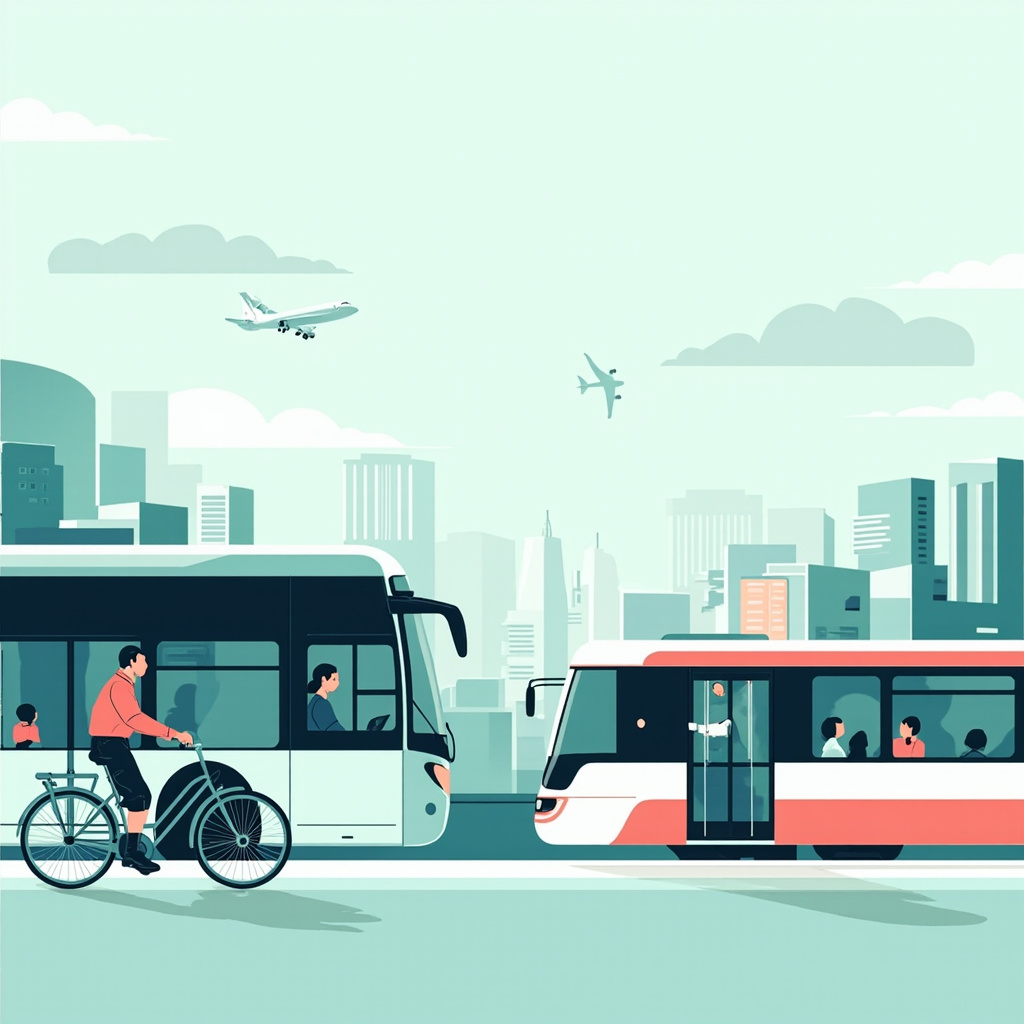
Welcome! In this lesson, we learn about transport. Transport is how people move from one place to another. Every day, people go to work, go to school, or visit family. They use transport to do this.
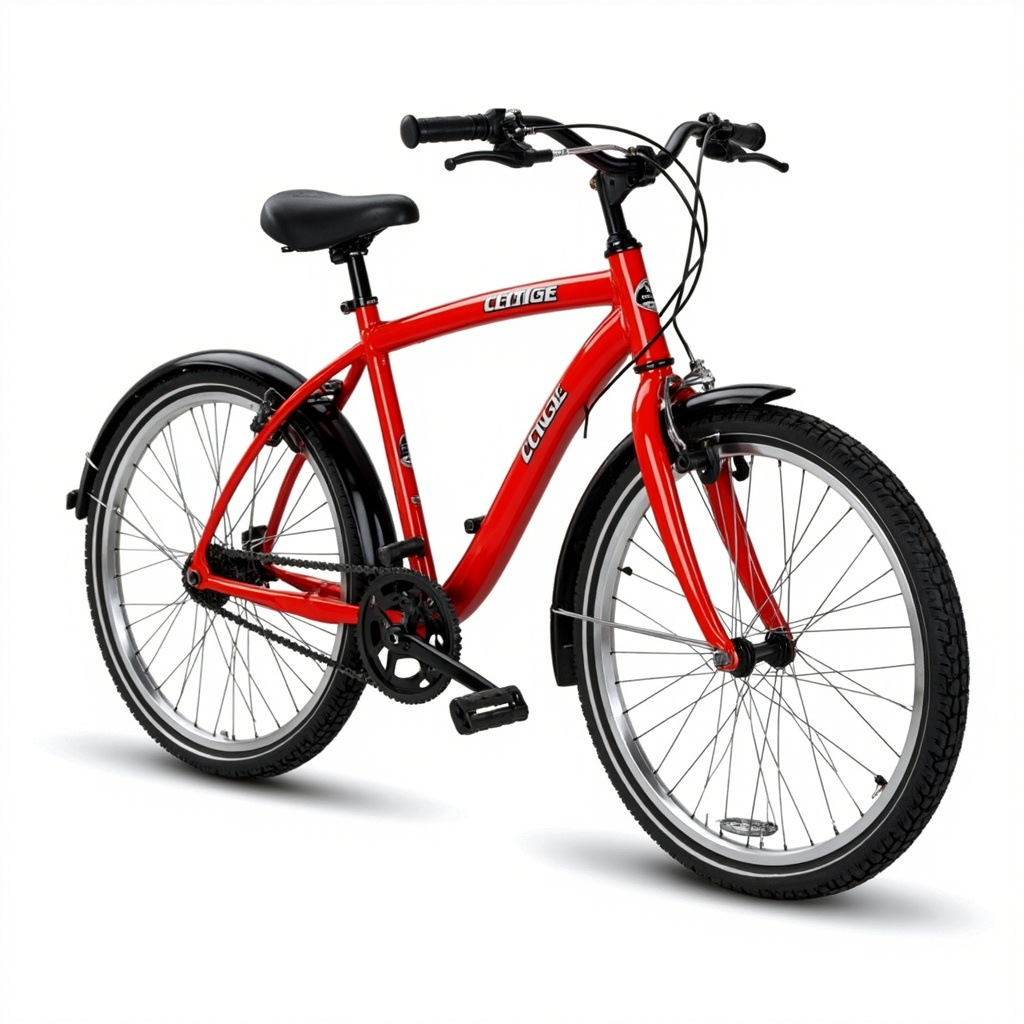
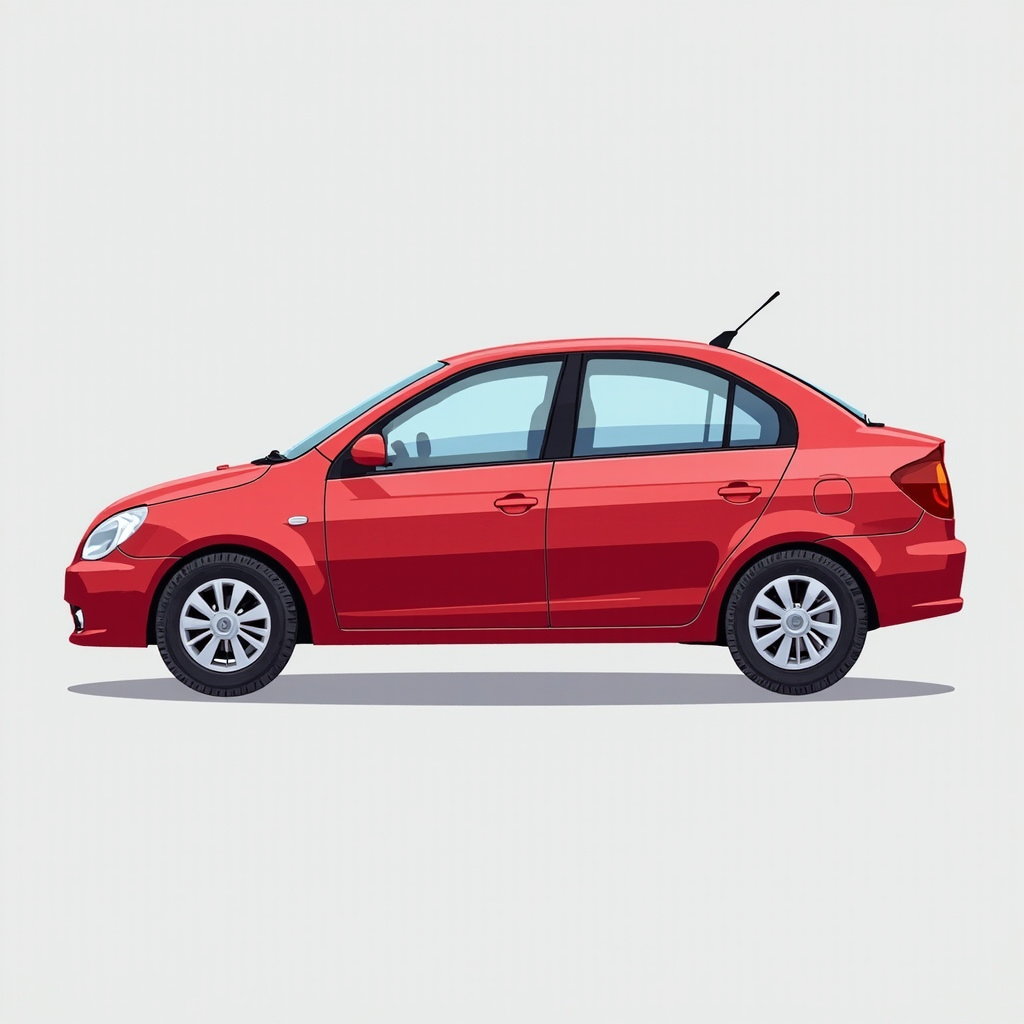
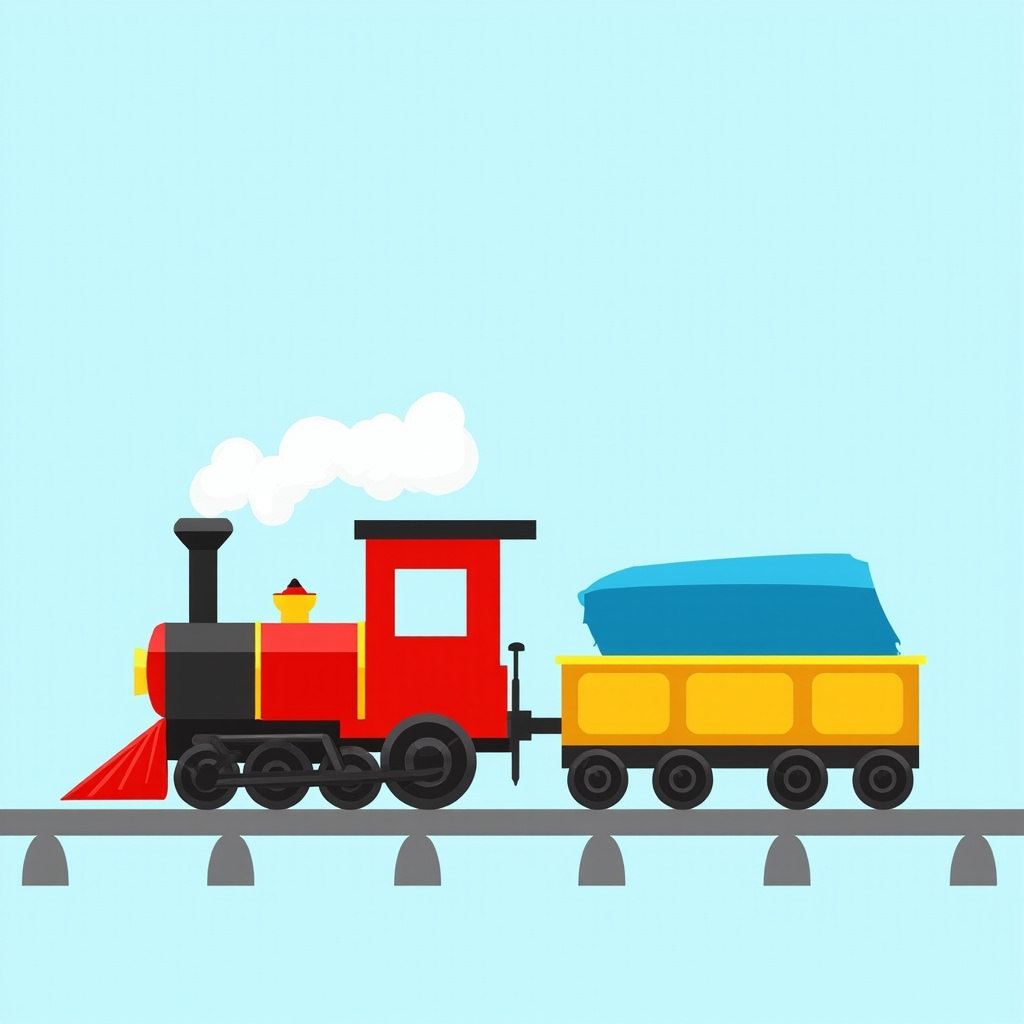
There are many types of transport. Some are big, like a plane or a train. A plane flies in the sky. A train runs on metal rails on the ground. Some are smaller, like a car or a bike. A car has four wheels and uses gas or electricity. A bike has two wheels and you use your feet to move it.
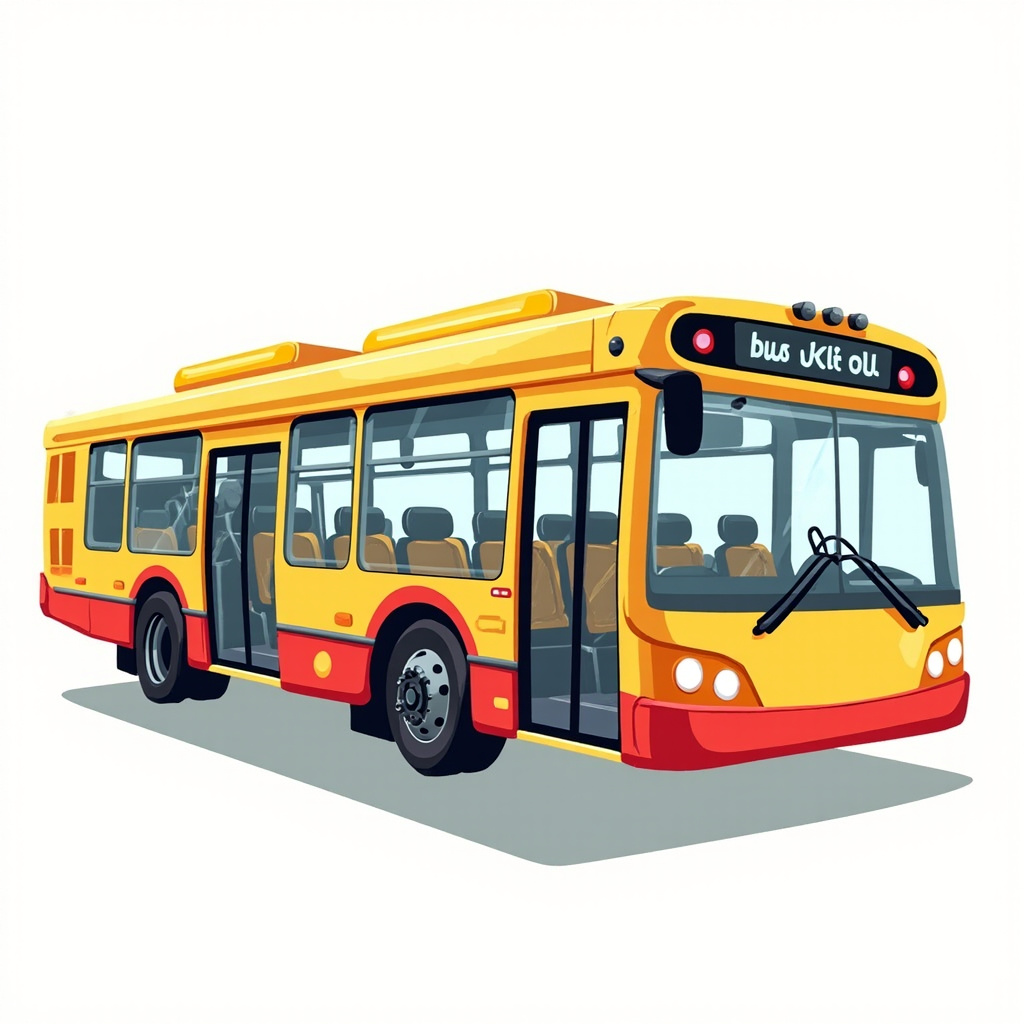
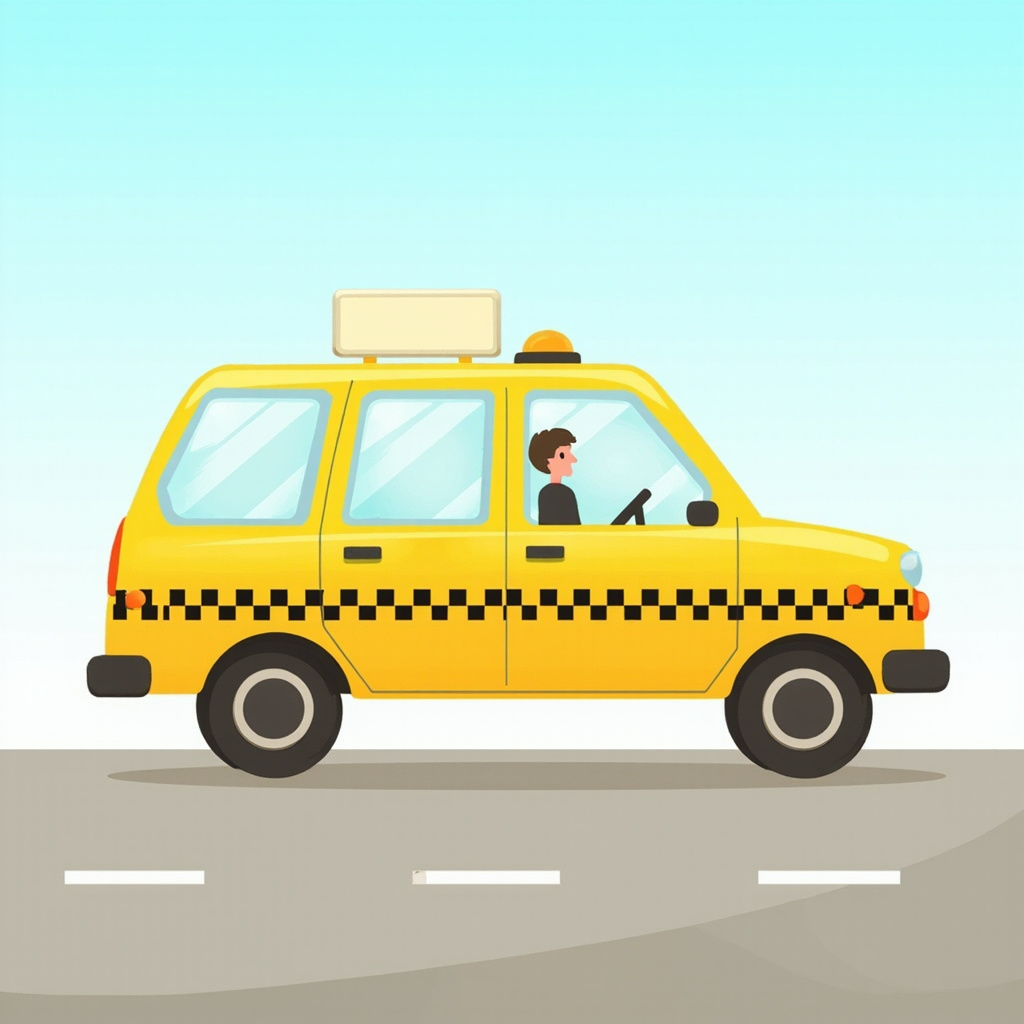
We use a taxi when we want to go fast and pay for the trip. A taxi driver takes us where we want to go. We take a bus to go to work or school. A bus is a big road vehicle for many people.
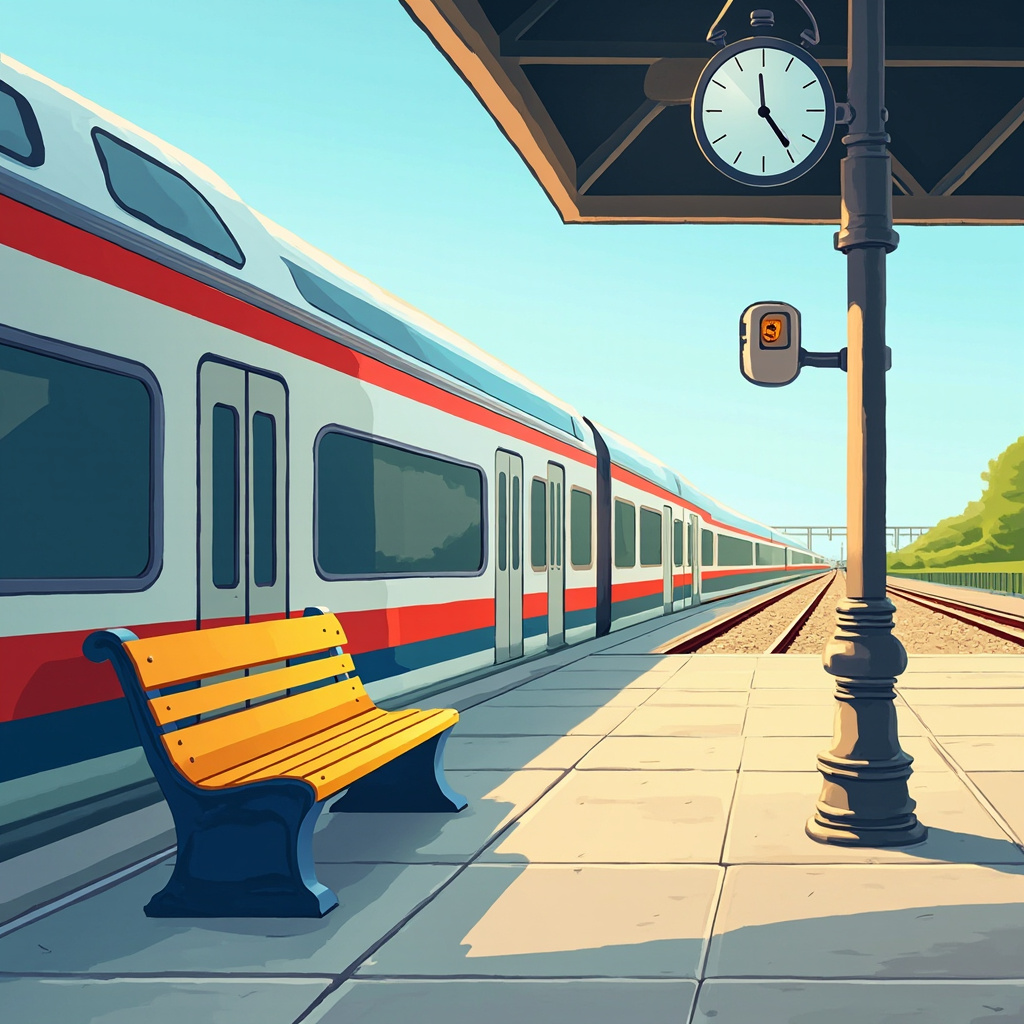
A station is the place where we wait for the bus or train. Every station has a name and a number for the platform. We need a ticket to enter the bus, train, or plane. A ticket is a small piece of paper. It shows that we pay for the trip.
Look at the table below. Each word has a small example sentence. The example shows how we use the word in real life. Read each sentence and try to understand the new word in context.
Word
Type
Example
bus
noun
I take the bus to work.
train
noun
The train is fast.
car
noun
My car is blue.
taxi
noun
The taxi is at the door.
bike
noun
She rides a bike to school.
plane
noun
The plane is in the sky.
station
noun
I wait at the station.
ticket
noun
He buys a ticket.
الكلمات اللي في الدرس ده كلها عن المواصلات، يعني الحاجات اللي بنتنقل بيها من مكان لمكان. هنقسمهم لمجموعات صغيرة عشان يسهل عليك تحفظهم وتفتكرهم.
أنواع المواصلات
مواصلات خاصة (بتستخدمها لوحدك أو مع عيلتك):
car - عربية / سيارة
bike - عجلة / دراجة
taxi - تاكسي
مواصلات عامة (بيستخدمها ناس كتير مع بعض):
bus - أوتوبيس / حافلة
train - قطار
مواصلات بتبعد بعيد:
plane - طيارة
أماكن ومرافق مهمة
station - محطة، يعني المكان اللي بتستنى فيه القطار أو الأوتوبيس
ticket - تذكرة، الورقة اللي بتدفع بيها عشان تركب
قاعدة مهمة جداً: استخدم "the" مش "a"
في العربي بنقول "ركبنا أوتوبيس" أو "ركبنا عجلة" من غير "ال". لكن في الإنجليزي لازم تحط the قبل اسم المواصلة لما تتكلم عن رحلة معينة:
I take the bus to work. (أنا بركب الأوتوبيس للشغل)
I take the train to the city. (أنا بركب القطار للمدينة)
I ride the bike to school. (أنا بركب العجلة للمدرسة)
أفعال مختلفة لكل مواصلة
في الإنجليزي بنستخدم أفعال مختلفة حسب نوع المواصلة:
take مع الأوتوبيس والقطار والطايرة: I take the bus.
ride مع العجلة: I ride a bike.
drive مع العربية: I drive my car.
جملة من الدرس
الجملة النموذجية في الدرس هي: "I take the train to the city every morning." يعني "أنا بركب القطار للمدينة كل الصبح". لاحظ the قبل train، وفعل take اللي معناه بركب.
نصيحة للحفظ
حاول تربط كل كلمة بحاجة بتحصل معاك في يومك. لما تركب أوتوبيس قول في دماغك I take the bus. لما تشوف طيارة قول Look at the plane! كده الكلمات هتفضل ثابتة في دماغك.
Meet your new transport words.
bikebaɪk
A vehicle with two wheels that you ride by pushing pedals with your feet.
busbʌs
A large motor vehicle that carries many passengers, usually along a fixed route; public transportation.
carkɑː
A vehicle with four wheels that is powered by an engine and used for transporting people.
planepleɪn
An aircraft with fixed wings that is powered by engines and can fly through the air. It is an informal short f
station
a place where trains or buses stop for passengers.
taxiˈtaksi
A car with a driver that you pay to take you somewhere, especially a short journey.
ticketˈtɪkɪt
A small paper or electronic document that gives you the right to travel on a bus, train, plane, etc., or to en
traintreɪn
A railway vehicle consisting of an engine and carriages connected together, used for transporting passengers a