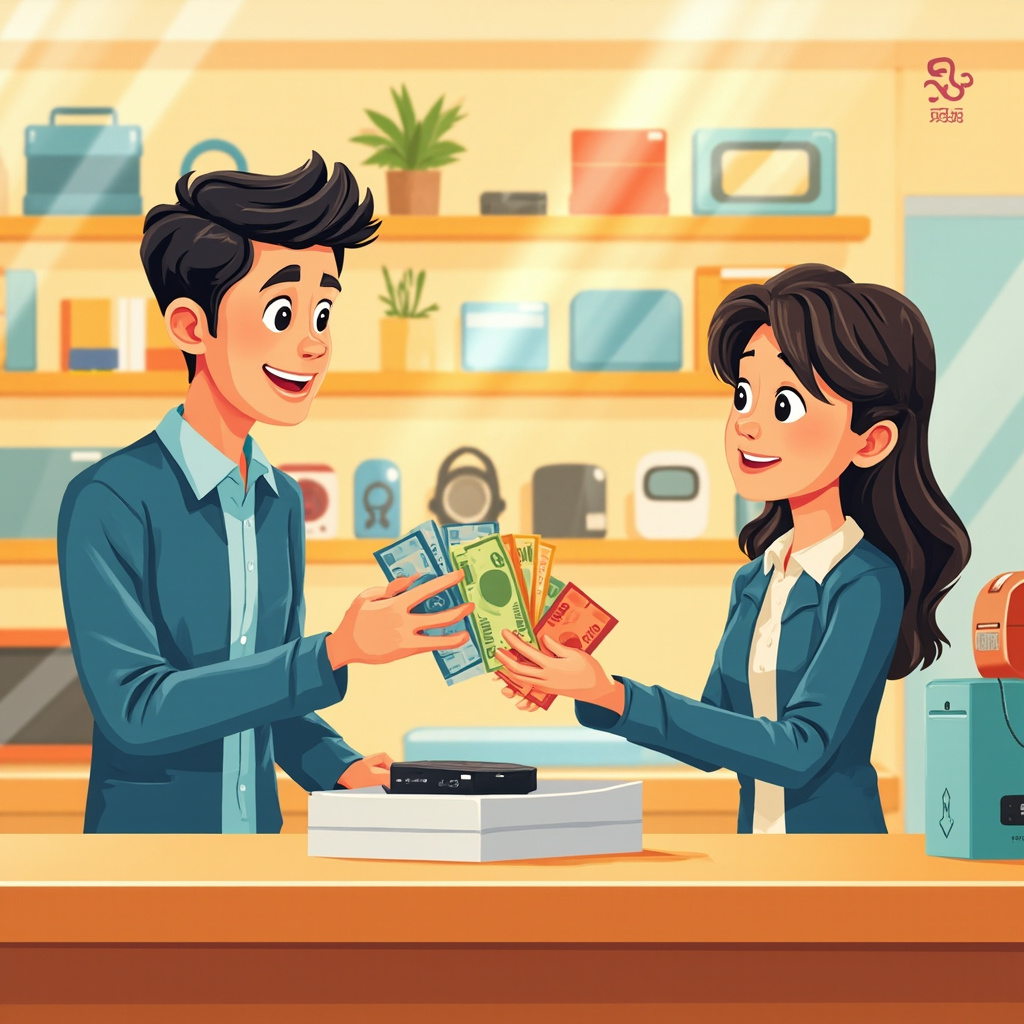
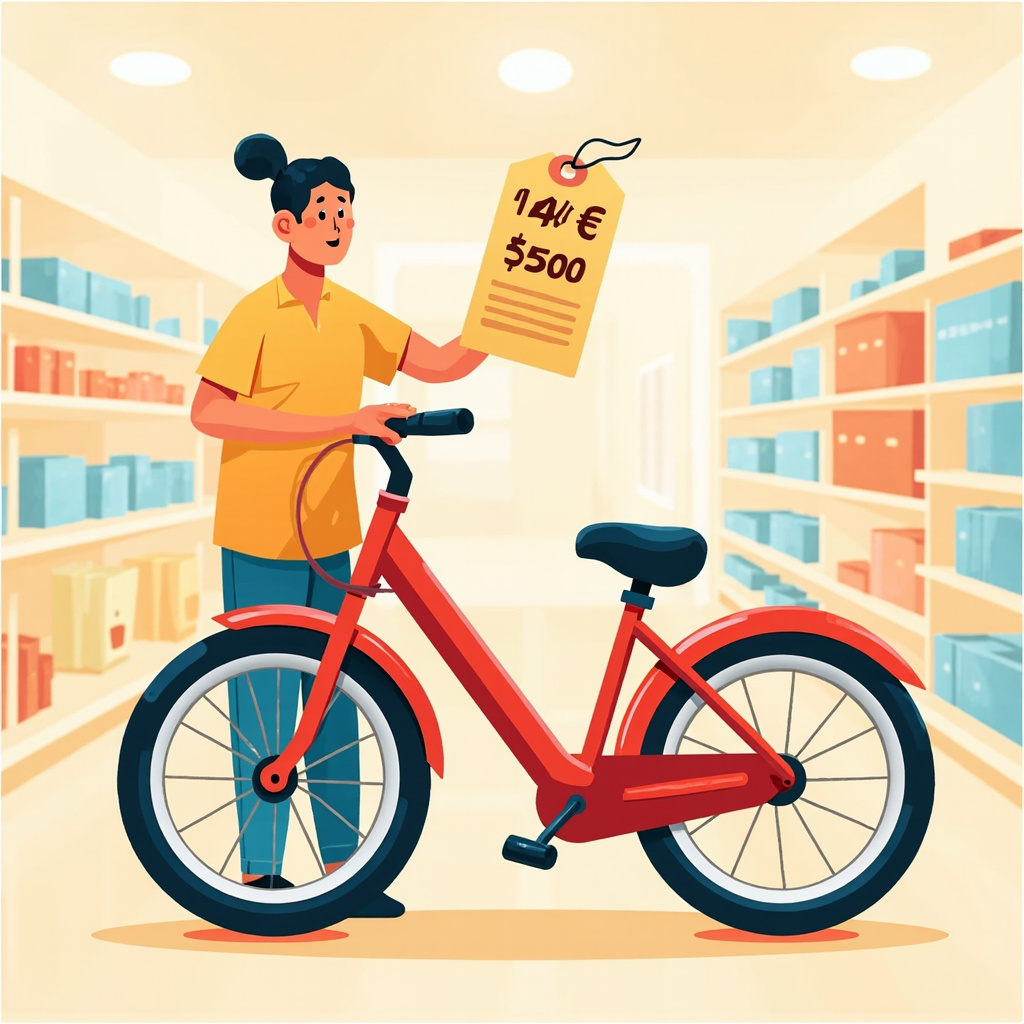
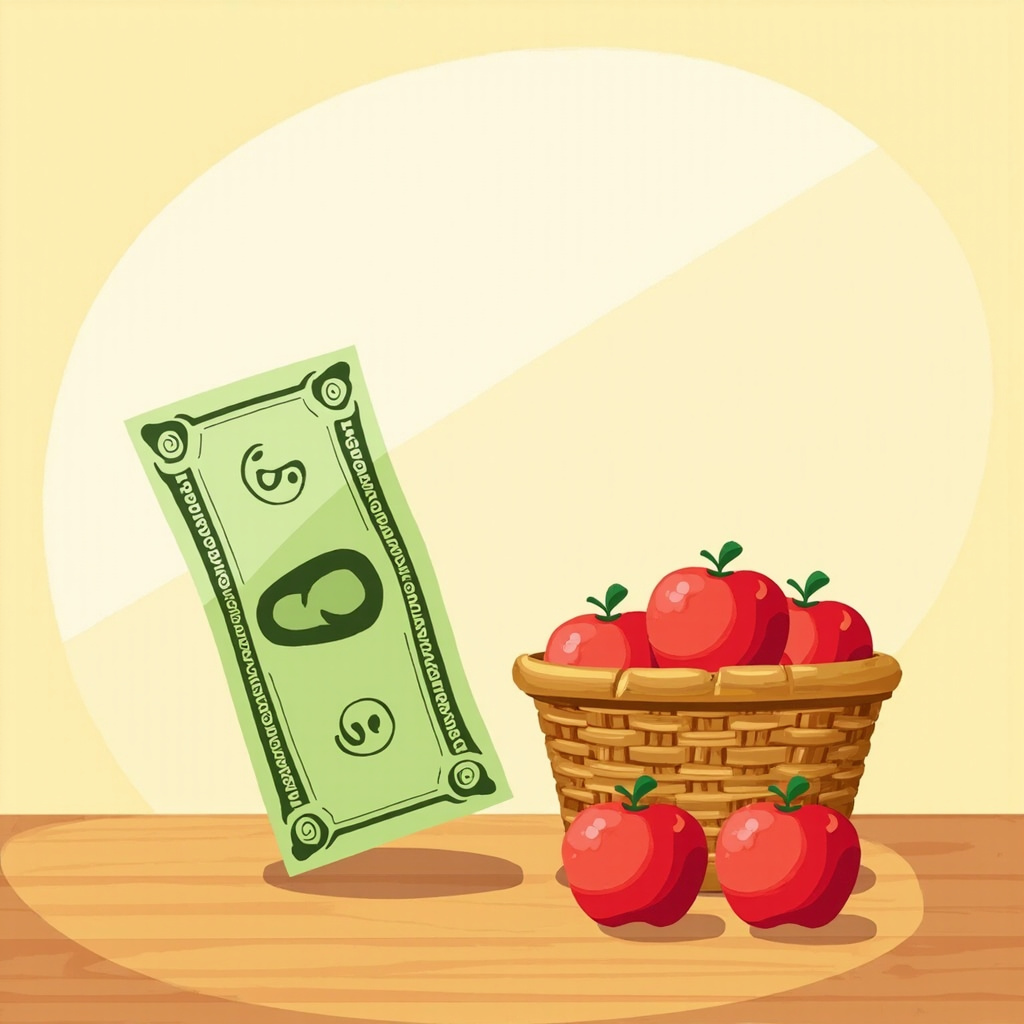
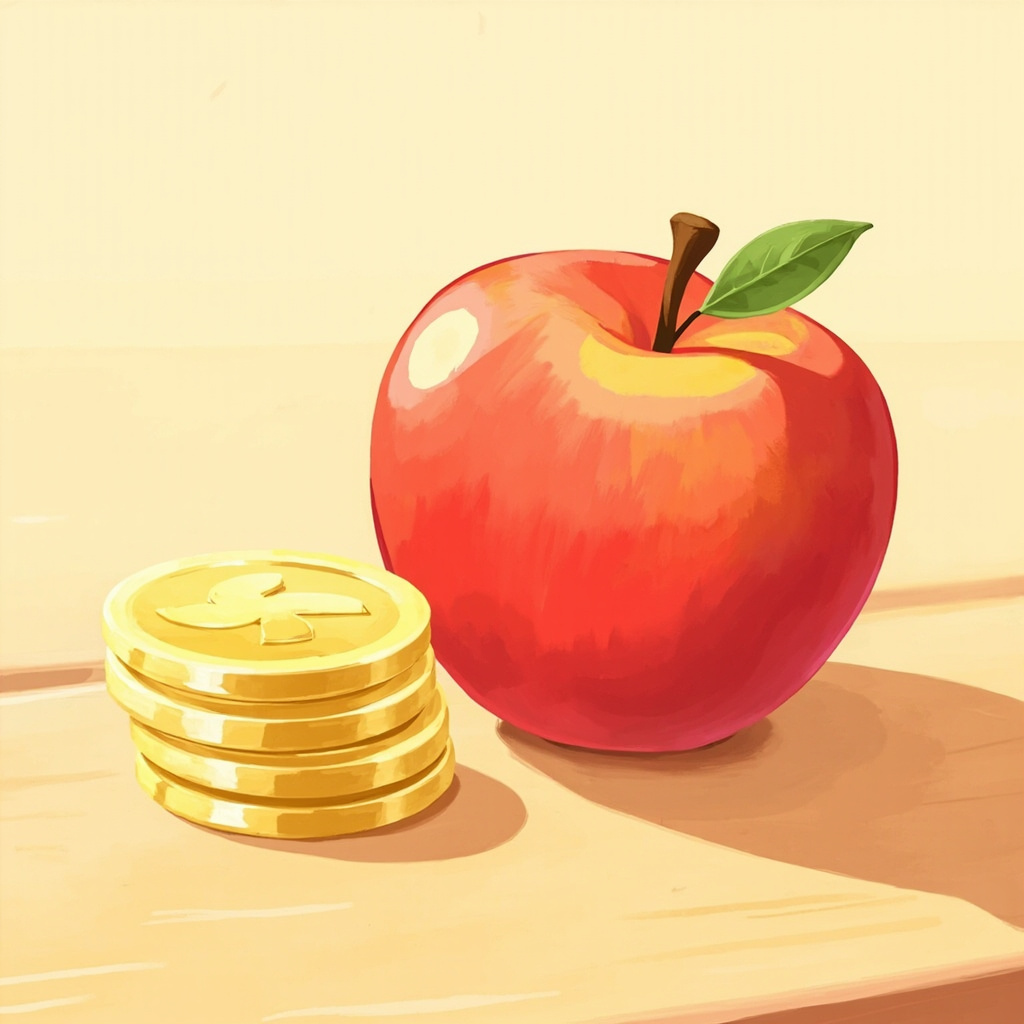
✓I CAN use 'How much is it?' and 'How many are there?'.
✓I CAN understand numbers and prices.
Grammar
Grammar
11
cards
In English, we use two questions to talk about quantity and price. The question 'How much is it?' is for ONE thing (singular). The question 'How many are there?' is for MORE THAN ONE thing (plural).
Look at the table. Notice the structure of each question and the kind of answer it needs.
Question
Use with
Example question
Example answer
How much is it / this / that?
one thing (singular)
How much is this apple?
It's 50 cents.
How many are there?
many things (plural)
How many apples are there?
There are three.
How much are they?
many things (price)
How much are the bananas?
They're $1 each.
We can also use 'How much' for things we cannot count, like water or money: How much is the coffee? — It's $3.
We use 'How many' for things we can count, like apples or books: How many books are there? — There are five.
In the answer, the price often comes after the verb: It is five dollars. / They are three dollars.
إزاي تسأل عن السعر والعدد بالإنجليزي
في الدرس ده هنعرف الفرق بين سؤالين مهمين جداً في الإنجليزي: How much و How many. الاتنين بنستخدمهم لما نسأل عن الكميات، بس كل واحد فيهم ليه استخدام مختلف تماماً. خلينا نبص عليهم واحدة واحدة.
How much للوحدة الواحدة
لما تكون عايز تسأل عن سعر حاجة واحدة بس (singular)، بنستخدم How much is it / this / that?. يعني بتشاور على حاجة معينة وتسأل عنها. مثال:
How much is this orange? (بكام البرتقالة دي؟)
How much is that coffee? (بكام القهوة دي؟)
والإجابة بتيجي بصيغة It is + السعر:
It's fifty cents.
How many للعدد
لو عايز تسأل عن عدد حاجات تقدر تعدها واحدة واحدة (countable nouns)، بنستخدم How many are there?. مثال:
How many oranges are there? (فيه كام برتقالة؟)
How many books are there? (فيه كام كتاب؟)
والإجابة بتيجي بـ There are + العدد:
There are three.
How much are they؟ للسعر الجماعي
لو عندك أكتر من حاجة وعايز تعرف سعرهم كلهم، بنقول How much are they?. مثلاً:
How much are the bananas? (الموز بكام؟)
They're one dollar each.
حاجة مهمة: المعدود واللي مش معدود
How much بنستخدمها كمان للأشياء اللي مش بنقدر نعدها زي المية أو القهوة: How much is the coffee? It's three dollars.
How many دايماً للأشياء اللي بنقدر نعدها زي التفاح والـ books: How many books are there? There are five.
ترتيب الإجابة
لازم تعرف إن السعر بييجي بعد الـ verb في الإجابة:
It is five dollars.
They are three dollars.
في التمارين اللي جاية، خلي بالك كويس: لو الحاجة واحدة يبقى How much، لو أكتر من واحدة يبقى How many. وبس كده، يلا نتمرن!
How much is this orange?
Read this model question. It asks about ONE thing.
How many oranges are there?
Read this model question. It asks about MORE THAN ONE thing.
Required
Look at the two questions above. When we ask about ONE thing, what word do we use?
How much
How many
How old
Required
___ much is that coffee?
Required
___ many apples are there in the bag?
Required
You see five books on a table. What do you ask?
How much are the books?
How many books are there?
How old are the books?
Required
Put the words in the correct order to make a question.
much
is
How
this
?
Required
Put the words in the correct order to make a question.
are
How
there
many
apples
?
Required
Drag the correct word into each sentence. Choose much or many.
much
many
much
many
How is this bag?
How books do you have?
How are the eggs?
How dollars is that?
Required
We use 'How many' with a singular noun.
False. We use *How many* with a PLURAL noun (books, apples). For a singular noun, we use *How much*.
Listening
Listening
5
cards
You are going to hear a short conversation at a small fruit market. Emma is a customer. Tom is the shopkeeper. Listen for the prices of the fruit.
Before you listen, think: When you go to a market, what questions do you ask to find the price? Try to predict two questions Emma will ask.
في الدرس ده هنتعلم إزاي تسأل عن الأسعار في السوق أو السوبرماركت، وكمان هنفهم الفرق بين السؤال عن حاجة واحدة والسؤال عن حاجات كتير.
أول حاجة: إزاي تسأل عن السعر؟
في الإنجليزي بنستخدم جملة "How much...?" عشان نسأل عن السعر. بس خلي بالك، السؤال بيتغير حسب الحاجة:
لو الحاجة واحدة بنقول "How much is..."
لو الحاجة جمع أو أكتر من واحدة بنقول "How much are..."
مثلا:
How much is one orange? (يعني سعر البرتقالة الواحدة كام؟)
How much are the apples? (يعني سعر التفاح كله كام؟)
في المحادثة، Emma سألت عن التفاح والموز وهما جمع، فاستخدمت are. وسألت عن البرتقالة وهي واحدة، فاستخدمت is.
تاني حاجة: إجابة البائع
البائع بيرد عليك بالسعر والوحدة. لما الفاكهة بتتباع بالكيلو، بيقولك السعر "a kilo" يعني للكيلو الواحد. مثلا:
The apples are two dollars a kilo (التفاح دولارين للكيلو)
Bananas are one dollar a kilo (الموز دولار للكيلو)
One orange is fifty cents (البرتقالة بخمسين سنت)
خد بالك إن fifty cents يعني نص دولار، لأن الدولار فيه مية سنت.
تالت حاجة: عبارات مفيدة تاني
Excuse me - بتقولها لما تيجي تكلم حد أو تجذب انتباهه (زي لو سمحت بالعربي)
How about...? - دي جملة سحرية لو عايز تسأل عن حاجة تانية غير اللي سألت عنها، من غير ما تكرر How much تاني. Emma استخدمتها لما قالت "OK. How about the bananas?"
I want... - لو عايز تطلب حاجتك كلها مرة واحدة، بتقول I want وبعدها تسرد اللي عايزه: "I want three apples, two bananas, and one orange, please."
That's five dollars, please - ده اللي بيقوله البائع لما يعرف السعر الكلي
كلمة أخيرة
لما تسمع المحادثة، ركز على الأسعار، وخلي بالك من الفرق بين is و are. ركز كمان على الجملة الأخيرة عشان تعرف Emma دفعت كام في الآخر.
At a small fruit market. Emma is the customer. Tom is the shopkeeper.
E
EmmaExcuse me. How much are the apples?
T
TomThe apples are two dollars a kilo.
E
EmmaOK. How about the bananas?
T
TomBananas are one dollar a kilo.
E
EmmaHow much is one orange?
T
TomOne orange is fifty cents.
E
EmmaI want three apples, two bananas, and one orange, please.
T
TomThat's five dollars, please.
E
EmmaHere you are. Thank you!
T
TomYou're welcome!
Required
Where is this conversation?
At a school
At a fruit market
At a hospital
Required
Apples cost one dollar a kilo.
False. The apples are TWO dollars a kilo. The bananas are one dollar a kilo.
Required
One orange costs ___ cents.
Pronunciation
Pronunciation
6
cards
Many plural words in English end with the letter -s. But we can pronounce this -s in three different ways: /s/, /z/, or /ɪz/. In this lesson, we look at the difference between /s/ and /z/.
To make the /s/ sound, put your tongue near your teeth. Do NOT use your voice. It is a quiet, soft sound. You can feel lots of air. Try saying 'sss' like a snake. Words like books, cups, hats, cats end with /s/.
To make the /z/ sound, put your tongue in the same place. But THIS time, USE YOUR VOICE. You can feel a buzz in your throat. Try saying 'zzz' like a bee. Words like bags, dogs, apples, dollars end with /z/.
Here is a simple rule: if the plural comes after a voiceless sound (p, t, k, f), we say /s/. If the plural comes after a voiced sound (b, d, g, l, m, n, vowels), we say /z/.
/s/ (quiet)
/z/ (buzzing)
books
bags
cups
dogs
cats
apples
hats
dollars
صوت السين (/s/) وصوت الزاي (/z/) — إيه الفرق بينهم؟
في الإنجليزي، لما بنجمع كلمات زي books وbags وapples، بنسمع في الآخر صوت شبيه بحرف السين أو الزاي. بس الحقيقة إن في فرق مهم جداً بين الاتنين، والفرق ده سهل تحسّه لو ركزت في حاجة واحدة بس: صوت زورك. اللسان بيعمل نفس الحركة في الحالتين، بس الزور يا إما بيبقى ساكت يا إما بيهتز.
صوت السين /s/ — الهادي
عشان تعمل الصوت ده، حط لسانك قريب من أسنانك من فوق، بس متستخدمش صوت زورك خالص. الهواء بيطلع قوي وسريع، والصوت بيطلع هادي زي الفحيح. جرب تقول "ssss" زي صوت الثعبان. الكلمات اللي بتنتهي بحرف من غير رنين (يعني p, t, k, f) بتاخد الصوت ده:
books — خلاص، السين هادية
cups — السين هادية
hats — السين هادية
cats — السين هادية
صوت الزاي /z/ — اللي فيه رنين
نفس مكان اللسان بالظبط — قريب من الأسنان من فوق — بس المرة دي بتشغّل صوت زورك. هتحس باهتزاز أو رنين خفيف في حلقك. جرب تقول "zzzz" زي صوت النحلة. الكلمات اللي بتنتهي بصوت فيه رنين (يعني b, d, g, l, m, n, أو أي حرف علة) بتاخد الصوت ده:
bags — الزاي فيها رنين
dogs — الزاي فيها رنين
apples — الزاي فيها رنين
dollars — الزاي فيها رنين
القاعدة البسيطة اللي تساعدك
لو الحرف اللي قبل الجمع من غير رنين (p, t, k, f) → بننطق /s/ هادية.
لو الحرف اللي قبل الجمع فيه رنين (b, d, g, l, m, n, أو حروف العلة) → بننطق /z/.
نصيحة عملية
حط إيدك على زورك لما بتتكلم. لو حسيت باهتزاز، يبقى الصوت /z/. لو مفيش حاجة، يبقى /s/. دلوقتي روح للتمارين اللي تحت، اسمع للمتحدّث كويس، وبعدين كرّر وراه. شوية تركيز ودرب نفسك وكلمة كلمة هتلاقي الفرق بقى طبيعي عندك.
How to make the sounds:
/s/ — Tongue near the teeth. No voice. Soft and quiet. Lots of air. Like a snake: sssss.
/z/ — Tongue in the same place. USE your voice. You can feel a buzz in your throat. Like a bee: zzzzz.
Try touching your throat when you say cats (/s/) and dogs (/z/). You will feel NO buzz on cats, and a buzz on dogs.
Required
Listen to the word. Does it end with /s/ or /z/?
books
bags
Required
Say this word. End with the quiet /s/ sound (no buzz).
books
Required
Say this word. End with the buzzing /z/ sound (use your voice).
apples
Required
Say this full question. Listen for the /z/ at the end of apples and are.
How much are the apples?
Reading
Reading
6
cards
In this section, you read a short text from a market. The text is a price list — it shows the price of many items. When you read a price list, you do NOT need to read every word. You only need the numbers and the names of things.
STRATEGY BOX: Skimming for numbers
When you skim a price list, look only for: 1) the item name (apple, milk), and 2) the price (a number with $ or dollars). Ignore all other words.
Key words for this text:
prices (n) — how much things cost / أسعار
fresh (adj) — new and good to eat / طازج
open (v) — when a shop has people working / يفتح
today (adv) — this day / اليوم
إزاي تقرا ليست أسعار بطريقة صح
في الجزء ده من الدرس، هنقرأ قطعة قصيرة من السوق. القطعة دي هي price list يعني ليستة أسعار، وفيها أسعار حاجات كتير. الفكرة إنك مش محتاج تقرا كل كلمة، محتاج بس تلاقي اسم الحاجة والسعر.
استراتيجية الـ Skimming للأرقام
لما تيجي تقرا ليستة أسعار، استخدم طريقة اسمها skimming for numbers. يعني إنك تجري عينك على الصفحة بسرعة وتلقط بس حاجتين:
اسم الحاجة زي apple أو milk أو bread
السعر يعني الرقم اللي جنبها ومعاه علامة $ أو كلمة dollars
كل الكلام التاني في الليستة، زي الجمل الطويلة أو الوصف، سيبه. مش مهم دلوقتي. المهم إنك تعرف الحاجة بكام.
كلمات مهمة هتقابلها في النص
عندنا أربع كلمات أساسية تساعدك تفهم النص:
prices (اسم): معناها الأسعار، يعني فلوس اللي بتدفعها عشان تشتري حاجة. زي ما نقول "The prices are low" يعني الأسعار رخيصة.
fresh (صفة): معناها طازج، يعني الحاجة جديدة وجيدة للأكل. مثلاً "fresh apples" يعني تفاح طازة.
open (فعل): معناها يفتح، وبيتقال عن المحل لما يكون شغال وفيه ناس بتشتغل فيه. مثلاً "The shop is open from 9 to 5".
today (ظرف): معناها النهارده، يعني اليوم اللي إحنا فيه. مثلاً "Today's prices are great".
نصيحة قبل ما تبدأ
قبل ما تبدأ تقرا، خد نفس عميق وفكر: أنا بدور على إيه؟ لو بدور على سعر حاجة معينة، حط عينك على الأرقام بس. لو بدور على حاجة معينة، دوّر على اسمها. كده هتقرا بسرعة وتفهم من غير ما تتعب نفسك.
Welcome to City Market!
Look at our great prices today:
Apples: $2.00
Bananas: $1.00
Oranges: $0.50
Bread: $3.00
Milk: $2.50
Coffee: $4.00
Eggs: $3.50
Cheese: $5.00
All our food is fresh. We open every day from 8 AM to 8 PM. Come and visit us today!
Required
What is this text?
A story
A price list
A letter
Required
Bread costs five dollars.
False. Bread is $3.00. Cheese is $5.00.
Required
Which item is the cheapest?
Cheese
Coffee
Oranges
Required
The market opens at ___ AM.
Speaking
Speaking
7
cards
Now it is your turn to talk. Use these useful phrases to ask about prices in a shop. Read the table, then practise saying the questions and answers.
English
Use
How much is it?
ask the price of one thing
How much is this / that?
ask the price of one thing (near / far)
How much are they?
ask the price of many things
How many are there?
ask how many things
It's $5.
answer with a price (one thing)
They're $2 each.
answer with a price (many things)
Tip: Smile and say 'Excuse me' before you ask. It is polite!
إزاي تسأل عن الأسعار بالإنجليزي في المحل
تخيّل إنك داخل محل هدوم أو سوبر ماركت، وعايز تسأل عن سعر حاجة. الجملة اللي هتستخدمها دايماً هي How much، ومعناها "بكم" أو "كام".
لما الحاجة واحدة (singular)
لو بتبص على حاجة واحدة بس، بتستخدم is مع how much:
"Excuse me. How much is this bag?" يعني "لو سمحت، الشنطة دي بكام؟"
"How much is it?" يعني "بكام ده؟"
"How much is this?" لو الحاجة قريبة منك
"How much is that?" لو الحاجة بعيدة عنك شوية
دايماً ابتدي كلامك بـ "Excuse me" قبل السؤال. ده أسلوب مهذب جداً وبيخلي البائع يبتلك.
لما الحاجات كتير (plural)
لو عايز تسأل عن أكتر من حاجة، بتستخدم are مع how much:
"How much are the books?" يعني "الكتب دي بكام؟"
"How much are they?" يعني "بكام دول؟"
"How much are the apples?" يعني "التفاح ده بكام؟"
الإجابة على سؤال السعر
البائع ممكن يقولك:
"This bag is twenty dollars." يعني "الشنطة دي بعشرين دولار."
"The books are five dollars each." يعني "الكتب كل واحد بخمسة دولار."
لاحظ كلمة each، دي معناها "كل واحد" أو "للواحد"، وبنستخدمها لما بنقول سعر حاجة من حاجات كتير متشابهة.
لما تقرر تشتري
بتقول بفرح:
"OK, I'll take one bag and two books. Thank you!" يعني "تمام، أنا هاخد شنطة واحدة واتنين كتب. شكراً!"
والبائع بيرد عليك ويقوللك الإجمالي:
"You're welcome! That's thirty dollars, please." يعني "العفو! تلاتين دولار لو سمحت."
نصيحة أخيرة
لما تتكلم في المحل، خلي نبرتك ودودة وابتسم. ابدأ بـ "Excuse me" دايماً، واستخدم this للحاجة القريبة و that للحاجة البعيدة، وهتبان كأنك native speaker!
A small shop. Emma is the customer. Tom is the shopkeeper.
E
EmmaExcuse me. How much is this bag?
T
TomThis bag is twenty dollars.
E
EmmaHow much are the books?
T
TomThe books are five dollars each.
E
EmmaOK, I'll take one bag and two books. Thank you!
T
TomYou're welcome! That's thirty dollars, please.
Excuse me. How much is this?
This is the key polite question to start a shopping conversation. Read it out loud.
Required
Ask the price of ONE orange. Speak clearly.
How much is this orange?
Required
Ask the price of MANY apples. Speak clearly.
How much are the apples?
Required
You walk into a small shop. The shopkeeper says hello. Ask the price of something you see (for example: a bag, a book, a coffee). Then ask the price of two or three of something else. End the conversation politely.
Required
Vocabulary
Vocabulary
6
cards
In this lesson, we learn words you use when you go shopping and want to know the price of things. When you ask about the price, you use words like cheap and expensive. When you pay, you use money like dollars and cents. The verb buy means to get something with money. The verb cost tells you the price of one thing.
Look at the table. Each word has a part of speech and one simple example. Read the example sentences out loud. This helps you remember the new words faster.
Word
Type
Example sentence
price
noun
The price of the book is $5.
cheap
adjective
This T-shirt is cheap.
expensive
adjective
That phone is very expensive.
money
noun
I have money in my bag.
buy
verb
I want to buy an apple.
cost
verb
The coffee costs three dollars.
dollar
noun
One dollar is 100 cents.
cent
noun
The candy is 50 cents.
الدرس ده عن الأسعار والتسوق — الكلمات اللي بنستخدمها لما نروح نشتري حاجة وعايزين نعرف بكام.
الأسماء (Nouns)
price = سعر. ده الاسم اللي بنسأل بيه "بكام؟" مثلًا: The price of the book is five dollars (سعر الكتاب خمسة دولار).
money = نقود أو فلوس، وده اللي بندفع بيه. I have money in my bag (عندي فلوس في الشنطة).
dollar = دولار — العملة الأمريكية الكبيرة.
cent = سنت — جزء من مية من الدولار. يعني one dollar = 100 cents.
الصفات (Adjectives)
cheap = رخيص. لما الحاجة سعرها قليل. This T-shirt is cheap (التيشيرت ده رخيص).
expensive = غالي. لما الحاجة سعرها كتير. That phone is very expensive (الموبايل ده غالي أوي).
الأفعال (Verbs)
buy = يشتري. يعني تاخد حاجة وتدفع تمنها. I want to buy an apple (عايز أشتري تفاحة).
cost = يكلف. وده الفعل اللي بيقولك تمن الحاجة الواحدة.
قاعدة مهمة في القواعد
لما تستخدم cost، فاعل الجملة بيبقى الحاجة نفسها مش الشخص. يعني بتقول: The coffee costs three dollars (القهوة بتكلف تلاتة دولار)، مش "I cost three dollars".
مثال كامل من الدرس
The orange is cheap. It costs only fifty cents. (البرتقالة رخيصة. بتكلف خمسين سنت بس.) — هنا جمعنا صفة (cheap) مع فعل (costs) ومع اسم عملة (cents) في جملة واحدة بسيطة.
جرب بنفسك:
اسأل في السوبر ماركت: What is the price?
قارن بين حاجتين: This is cheap, but that is expensive.
قول إنك عايز تشتري: I want to buy…
اتمرن على الكلمات دي في البيت وانطقها بصوت عالي عشان تفضل في بالك.
Here are 8 new words about prices and money. Read each word, then read the example sentence. Try to say the words out loud.
buybaɪ
To obtain something by paying money for it; to purchase.
centsɛnt
A cent is a small unit of money equal to one hundredth of a dollar, or the smallest coin in the US monetary sy
cheaptʃiːp
Low in price; not expensive. Something that costs less than usual or expected.
costkɒst
The amount of money needed to buy, pay for, or do something. Also used as a verb meaning to require payment of
dollarˈdɒlə
The standard unit of money used in the United States and several other countries, equal to 100 cents.
expensiveɪkˈspensɪv
Costing a lot of money; having a high price.
money
coins and paper notes used to buy things.
pricepraɪs
The amount of money that you need to pay to buy something.
Required
Match each word with its meaning.
Match each word with its meaning.
cheap
expensive
price
cost
buy
not expensive, low price
costs a lot of money
how much money something costs
the price of something (verb)
to get something with money
The orange is cheap. It costs only fifty cents.
Read this model sentence. Notice the words cheap, costs, and cents.
Required
Listen and choose the meaning.
The coffee costs $2.
The coffee costs $20.
The coffee costs $12.
Required
You want a new phone, but you do not have much money. You want a phone with a low price. What kind of phone do you want?