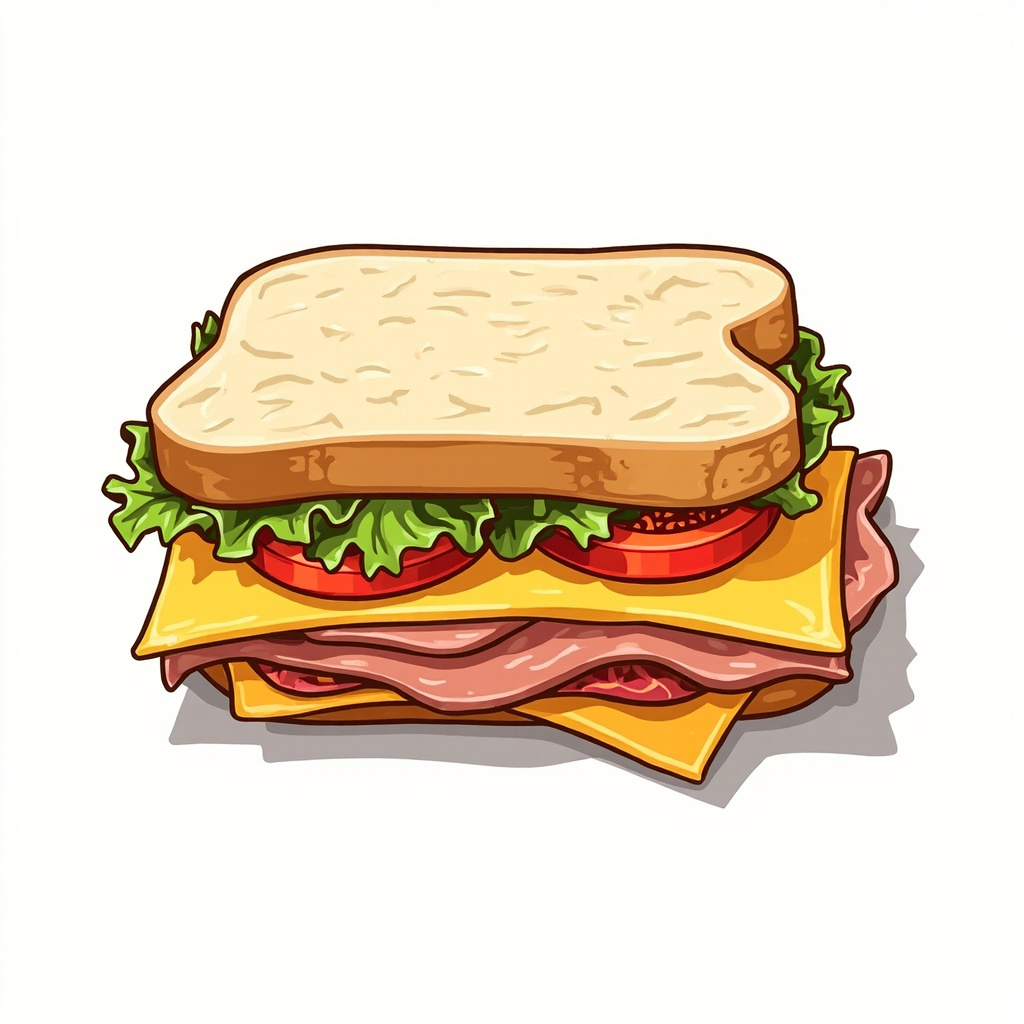
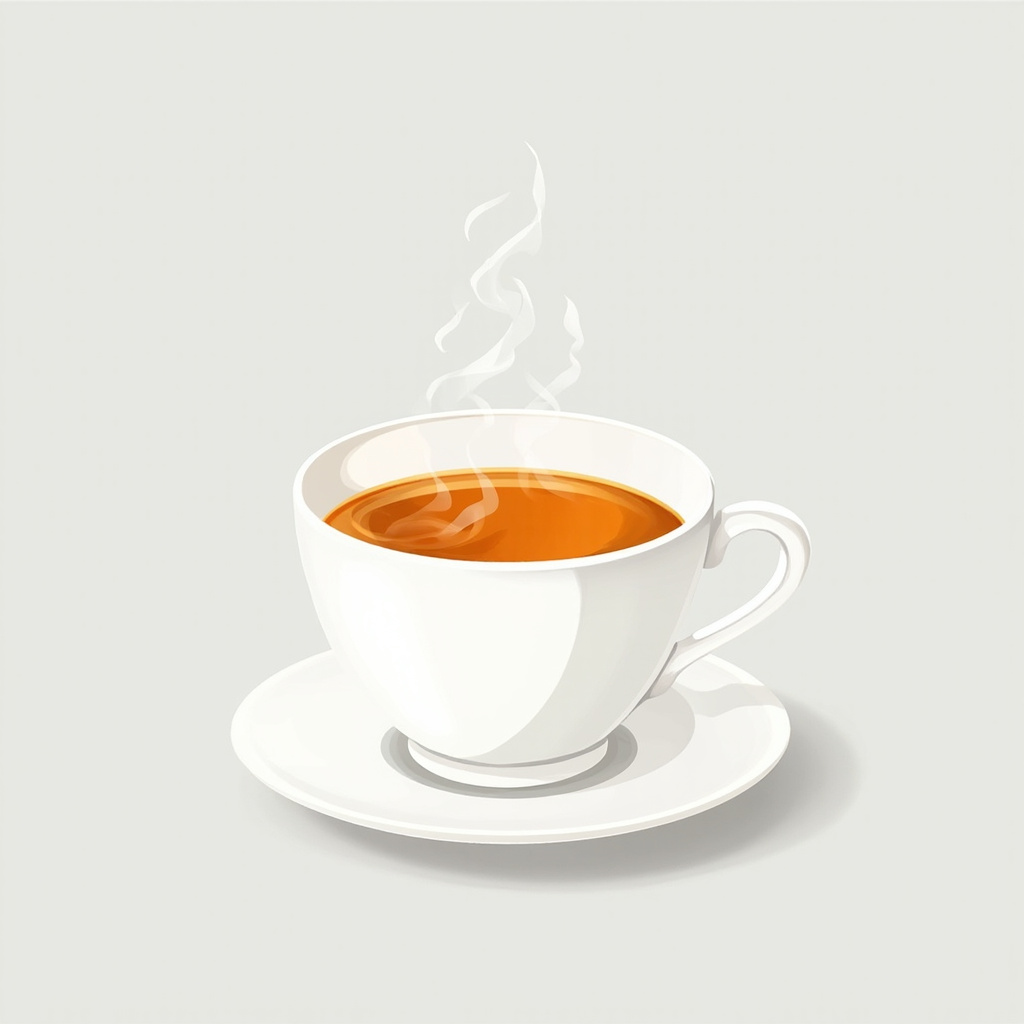
When you visit a café, you usually need to do three things: greet the person at the table or counter, order a drink and a snack, and say something nice about the place. This section gives you the phrases you need to do all three.
Greeting and asking. The most common way to start is Hi or Hello, followed by a question. If you are with a friend, you can ask What would you like? or What are you going to have? If you are speaking to the person behind the counter, you say Can I have…? or I'd like…, please. These two phrases are polite and very common in British English.
Ordering. A typical order has a drink, a snack, and a polite word. For example: Can I have a coffee and a sandwich, please? Notice the word and joins the two things, and please is at the end. You can also say I'd like a tea and a cake, please. The verb would like is a little more polite than want.
Describing the café. After you sit down, you can describe the place to your friend. Useful adjectives are cosy, modern, and busy. You can also use phrases like It looks nice, I like the music here, or There are lots of people today.
Here are the key phrases for this lesson:
English
Use it when…
المعنى بالعربية
Can I have a coffee, please?
ordering at the counter
هل يمكنني الحصول على قهوة من فضلك؟
I'd like a tea and a cake.
ordering politely
أود شاياً وكعكة
What would you like?
asking a friend
ماذا تريد؟
What are you going to have?
asking before ordering
ماذا ستطلب؟
The café is really cosy.
describing the place
المقهى مريح جداً
It's very busy today.
talking about people
المكان مزدحم اليوم
I like this place.
giving an opinion
يعجبني هذا المكان
Listen to the dialogue in the next step. Pay attention to the order of words: in English, the polite word please usually goes at the end of the request, not at the beginning. You will also hear the question What are you going to have? — this is a very natural way to ask what someone wants to order, with friends or with the person at the counter.
Remember: Can I have…? and I'd like… are both polite ways to order.What would you like? and What are you going to have? are both polite ways to ask someone else. Choose the one that feels easiest for you and use it today.
المحادثة في الكافيه
في الدرس ده هنتعلم إزاي تتكلم بشكل طبيعي لما تدخل كافيه مع صاحبك. المحادثة في الكافيه ليها تلات خطوات أساسية: التحية والاقتراح، طلب الأكل والشرب، ووصف المكان.
١. التحية والاقتراح
أول ما تشوف صاحبك بتقول "Hi" وبعدها سؤال سريع. مثلاً: "Hi Tom! Do you want to get a coffee?" (هاي توم! عايز تجيب قهوة؟). لو عايز تتكلم بشكل كاجوال أكتر ممكن تقول "Fancy a coffee?" — دي طريقة بريطانية شائعة جداً بين الأصحاب.
٢. سؤال صاحبك عايز إيه
عندك كذا طريقة تسأل:
"What would you like?" (عايز إيه؟) — طريقة مهذبة جداً.
"What are you going to have?" (هتطلب إيه؟) — بتستخدم لما تكون في الكافيه فعلاً وبتقولها قبل ما تروح الكاونتر.
٣. الطلب بأدب
الطلب لازم يكون مهذب. عشان كده عندك تعبيرين مهمين جداً:
"Can I have…?" (ممكن آخد...؟) — دي بتستخدم لما تطلب من اللي ورا الكاونتر. مثلاً: "Can I have a tea and a cake, please?"
"I'd like…" (أنا عايز/عايزة...) — دي شوية أكتر مهابة من can I have. مثلاً: "I'd like a coffee and a sandwich."
قاعدة مهمة جداً: في الإنجليزي، كلمة please بتيجي في آخر الجملة مش في أولها. فبنقول "Can I have a coffee, please?" مش "Please can I have a coffee?". ده فرق كبير عن العربي اللي بنحط فيه "من فضلك" في الأول.
٤. وصف المكان
وصف المكان بيخلي المحادثة حلوة وطبيعية. عندك كلمات وصف مهمة:
cosy (مريح ودافي)
busy (مزدحم فيه ناس كتير)
modern (حديث)
وممكن تستخدم تعبيرات زي "It looks nice" أو "I like this place".
٥. خلّي الكلام طبيعي
لما تتكلم مع صاحبك في الكافيه، خلي الكلام قصير وطبيعي. مش لازم تقول جمل طويلة. جمل قصيرة زي "Same here" أو "Great choice!" أو حتى السؤال القصير "isn't it?" في آخر الجملة زي "It's busy today, isn't it?" — كل ده بيخلي الكلام يبان حقيقي زي الإنجليزي الأصلي.
Listen to Emma and Tom at a café. Notice the polite phrases they use.
E
EmmaHi Tom! Do you want to get a coffee?
T
TomYes, I'd love a coffee. This café looks really cosy.
E
EmmaIt does. What are you going to have?
T
TomI'd like a coffee and a sandwich. What about you?
E
EmmaCan I have a tea and a cake, please?
T
TomGreat choice! It's busy today, isn't it?
Can I have a coffee and a cake, please?
Read this key order phrase. Notice: drink + 'and' + snack + ', please'.
Required
Tap the mic and read the order aloud. Speak clearly.
Can I have a coffee and a cake, please?
Required
Now ask your friend this question. Listen, then read it aloud.
What are you going to have?
Required
You are at a café with a friend. Greet them, ask what they want, order a drink and a snack for yourself, and say what you think of the place.
Required
Vocabulary
Vocabulary
6
cards
When you walk into a café, you notice two things: the food and drinks on the menu, and the feeling of the place itself. In this lesson, you will learn eight useful words for talking about cafés in English.
The first group is drinks. In British English, the most common hot and cold drinks are coffee, tea, juice, and water.Coffee and tea are usually served hot; juice and water are usually served cold. The plural is easy: add -s — two coffees, three teas.
The second group is snacks. A cake is a sweet thing you eat after a meal, often with sugar or cream on top. A sandwich is two pieces of bread with meat, cheese, or vegetables inside. British people often eat sandwiches for lunch. You can order a slice of cake, or a cheese sandwich.
The third group describes the café itself. A cosy café feels warm, comfortable, and small — the kind of place where you want to stay a long time. A modern café looks new, with clean lines and new furniture. A busy café has lots of people, noise, and movement. These three adjectives usually go after the noun: a cosy café, a modern café, a busy café.
You will see these words in three places: on the menu in a café, in a description on a website, and in a sentence a friend says to you. When you see cake on a menu, it is usually a slice of something sweet. When a website says a café is modern, it means the design is new. When your friend says "It's very busy today", they mean there are no empty tables.
You will also hear British people say "I'd love a coffee" as well as "I'd like a coffee". Both are polite, but "love" sounds warmer and more friendly — perfect with a close friend. "Would like" is a little more formal, and is the most common polite form when you order.
Word
Type
Meaning (AR)
Example
coffee
noun
قهوة
I'd like a coffee, please.
tea
noun
شاي
She drinks tea every morning.
juice
noun
عصير
Orange juice is fresh today.
cake
noun
كعكة
This chocolate cake is delicious.
sandwich
noun
ساندويتش
He has a cheese sandwich for lunch.
cosy
adjective
مريح ودافئ
The café is small but cosy.
modern
adjective
عصري
It's a modern café with big windows.
busy
adjective
مزدحم
The café is very busy on Saturdays.
Now you can use these words to describe any café. Practice them, then try the exercises below.
يا صاحبي، النهاردة بنتعلم كلمات أساسية هتحتاجها في أي رحلة لكافيه في بريطانيا. الكلمات دي مقسومة على تلات مجموعات، وكل مجموعة ليها دور مختلف.
١. المشروبات (Drinks)
أشهر الحاجات اللي بتتطلب:
coffee — قهوة، غالبًا سخنة
tea — شاي، المشروب المفضل في بريطانيا
juice — عصير، غالبًا بارد
قاعدة مهمة: لما تطلب أكتر من واحد، ضيف s في الآخر. يعني بنقول two coffees (اتنين قهوة) و three teas (تلات شاي)، مش 'two coffee'.
٢. الأكل الخفيف (Snacks)
cake — كيك أو كعكة، حاجة حلوة بتتاكل بآخر اليوم
sandwich — ساندويتش، وده الغدا الشائع في بريطانيا، بيكون عيش بجبنة أو خضار أو لحمة
٣. صفات المكان (Adjectives for the café)
دي كلمات بتوصف بيها الكافيه نفسه:
cosy — مريح ودافي وحجمه صغير، حسيت إنه بيتك
modern — شكله جديد وعصري، فيه موبايلات وحاجات حديثة
busy — مزدحم، فيه ناس كتير وصوت عالي
خد بالك: الصفات دي بتنحط بعد الاسم في الإنجليزية. بنقول a cosy café أو a busy café، مش 'a café busy'.
إزاي تطلب بأدب (Polite ordering)
فيه تعبيرين مهمين:
I'd like... — 'عايز/ة لو سمحت'، وده أكتر حاجة بتتقال في الكافيهات