English has three articles: a, an, and the. Sometimes we use no article at all. Choosing the correct one is one of the most important things when you describe a city.
We use a and an for countable nouns when we mention them for the first time, or when the listener does not know which one we mean. Use a before consonant sounds: a park, a museum, a square, a skyscraper. Use an before vowel sounds: an old cathedral, an interesting market, an expensive restaurant. Listen to the sound, not the spelling: we say a university (it starts with the sound /juː/) but an hour (the 'h' is silent).
We use the when the listener already knows which thing we mean. There are three main situations. (1) We already mentioned it: I visited a museum yesterday. Themuseum was very old. (2) There is only one of them: the* city centre, theharbour, the King. (3) With superlatives: the best museum, the* most famous cathedral.
We use no article in two main situations. (1) With plural nouns in general statements: Cities* are busy. Museums are interesting. Skyscrapers are modern. (2) With some common expressions: go to work, be at home, by bus, by car, in bed, at night, on foot. We also do not use an article with most city names: Tokyo is huge. Paris* is beautiful.
Situation
Article
Example
First mention, one of many
a / an
There is amarket near my house.
Specific, already known
the
Themarket is open every day.
Unique thing
the
The city centre is busy on Saturdays.
Plural, general statement
no article
Markets are fun to visit.
Superlative
the
The best museum is in the north.
Compare these sentences about the same city:
Tokyo has a famous fish market. (first mention)
Themarket is in the south of the city. (already mentioned, unique direction)
I love markets. (general - all markets)
Tokyo is a huge city. (no article with the city name)
In the next steps, you will read example sentences, notice the pattern, and then practise choosing the correct article in new sentences.
الموضوع بتاعنا النهاردة عن الـ articles في الإنجليزي
يعني الكلمات اللي بنحطها قبل الاسم. في الإنجليزي فيه تلات حاجات: a، an، وthe، وممكن كمان ما تحطش أي article خالص. الموضوع ده مهم جداً لما تيجي توصف مدينة.
أولاً: a و an
بنستخدمهم مع الأسماء المفردة اللي بتتنعد (countable) لما نذكرها لأول مرة، أو لما المستمع مش عارف إنت بتتكلم عن أنهي واحد بالظبط. الفرق بينهم بيعتمد على الصوت مش الحروف:
a قبل الأصوات الساكنة: a park، a museum، a square
an قبل الأصوات المتحركة: an old cathedral، an interesting market
خد بالك من الحتة دي: بنقول a university (لأن الـ u بتنطق يو /juː/)، بس بنقول an hour (لأن الـ h مش بتتنطق). يعني ركز على اللي بتسمعه مش اللي بتشوفه.
ثانياً: the
بنستخدمها لما المستمع عارف إنت بتتكلم عن إيه. في تلات مواقف أساسية:
لما نكون ذكرنا الحاجة قبل كده: I visited a museum yesterday. وبعدين نقول The museum was very old.
لما الحاجة تبقى واحدة ومفيش غيرها: the city centre، the harbour، the King
مع superlatives: the best museum، the most famous cathedral
ثالثاً: مفيش article خالص
في حالتين مهمين:
مع الأسماء الجمع في الكلام العام: Cities* are busy. Museums* are interesting.
مع بعض التعبيرات المعروفة: go to work، at home، by bus، in bed، at night
ومع أسماء المدن نفسها: Tokyo* is huge. Paris* is beautiful.
شوف الجمل دي عن نفس المدينة عشان تفهم الفرق:
Tokyo has a famous fish market. (أول مرة نذكرها)
The market is in the south of the city. (ذكرناها قبل كده واتعرفت)
I love markets. (كلام عام عن أي markets)
Tokyo is a huge city. (مفيش article مع اسم المدينة)
في التمارين اللي جاية، ركز على: هل الحاجة جديدة على المستمع؟ هل هي مفردة ولا جمع؟ وهل الصوت اللي بعدها vowel ولا consonant؟ الأسئلة دي هتوجهك للـ article الصح.
I visited a museum in the old town last summer.
Read and listen. 'a' = first mention; 'the' = the old town we both know.
An old cathedral stands at the heart of the city.
Read and listen. 'An' before a vowel sound; 'the' = unique location.
Required
Look at 'a museum' and 'an old cathedral'. When do we use 'an'?
before consonant sounds
before vowel sounds
before plural nouns
Required
She is ___ engineer at a large company.
Required
We use 'the' when the listener already knows which thing we mean.
Yes. 'The' is used after first mention, for unique things, and with superlatives.
Required
Put the words in order to make a correct sentence.
She
visited
an
ancient
castle
Required
Drag the correct article (a, an, the) into each gap.
a
a
the
an
the
We visited cathedral yesterday.
There is beautiful square in the centre.
She works in old building.
He is best guide in the city.
I bought souvenir at the market.
Listening
Listening
5
cards
You are going to listen to a conversation between two friends, Emma and Tom. They are sitting in a café on a Saturday afternoon. Emma has just come back from a holiday in Istanbul, in Turkey, and Tom is asking her about the trip. He wants to know what she did, what she saw, and whether she would recommend the city. Tom has never been to Istanbul, so he is curious and asks lots of questions.
Before you listen, think about this: when you go to a new city for the first time, what do you want to know? You probably want to know the famous places, the local food, the best time of year to go, and whether it is easy to travel around. As you listen to Emma, try to catch the names of the places she mentions. Some of them are from our vocabulary list earlier in this lesson.
Listening strategy: listen for gist first, then for details.
The gist is the general idea: what is the conversation about? Who is talking? What is the main message or feeling?
The details are the specific facts: names of places, opinions, recommendations, and reasons.
When you listen for the first time, do not worry about every word. Just relax and get the general idea. Who is travelling? Where? Did she enjoy it? Then, on the second listen, focus on the details: which famous building did she visit? What did she say about the food? Which season does she recommend?
Listen to the conversation now. In the next steps, you will first answer one question about the gist, then one question about a specific place she mentions, and finally complete a sentence with a detail from the dialogue.
محادثة عن زيارة إسطنبول
المحادثة دي بين Emma و Tom، اتنين أصحاب قاعدين في قهوة يوم سبت بعد الضهر. Emma رجعت من إجازة في إسطنبول، و Tom عمال يسألها عن الرحلة. خلينا نشوف أهم الكلمات والقواعد اللي هنلاقيها في المحادثة.
🔹 تحيات وعبارات افتتاحية
أول لما Emma شافت Tom، قالت: "Tom! I'm so happy to see you." ده تعبير طبيعي جداً لما تقابل حد من فترة. و Tom رد عليها بسؤال عن الإجازة: "How was your holiday? You went to Istanbul, right?" لاحظ إن "right?" في الآخر معناها "صح؟" ودي طريقة خفيفة تتأكد من المعلومة.
🔹 الماضي البسيط (Past Simple)
في المحادثة هنلاقي أمثلة كتير على الماضي البسيط لأن Emma بتحكي عن اللي حصل:
"I visited the Hagia Sophia." (أنا زرعت آيا صوفيا)
"I bought some beautiful things there." (أنا اشتريت حاجات جميلة هناك)
"You went to Istanbul, right?" (أنت رحت إسطنبول، صح؟)
go بتصير went، و buy بتصير bought. ركز على الأفعال دي لأنك هتحتاجها كتير لما تحكي عن رحلات.
🔹 الأماكن الشهيرة في إسطنبول
Emma ذكرت أماكن مهمة، وده كويس جداً تمسكهم:
Hagia Sophia = آيا صوفيا، مبنى تاريخي مشهور جداً
the Grand Bazaar = البازار الكبير، a huge market in the old city يعني سوق ضخم في المدينة القديمة
a famous square near the harbour = ميدان مشهور جنب الميناء
fish sandwiches = سندوتشات سمك، أكل شارع لذيذ في إسطنبول
🔹 السؤال عن التوصية
nآخر سؤال مهم في المحادثة هو: "Would you recommend Istanbul?" ده سؤال رسمي شوية بمعنى "هل تنصح بإسطنبول؟". لما تسأل كده، الإجابة بتبقى Yes, I would أو No, I wouldn't. ودي طريقة مهذبة تسأل عن رأي حد في مكان أو حاجة.
🎧 نصيحة للاستماع
أول مرة تسمع المحادثة، ركز بس على الفكرة العامة: مين بيتكلم، فين، وهل استمتعت بالإجازة. تاني مرة، ركز على التفاصيل زي أسماء الأماكن، وصف الأكل، ورأيها النهائي في المدينة.
Emma and Tom are in a café. Emma has just come back from Istanbul. Listen for the gist first, then the details.
E
EmmaTom! I'm so happy to see you.
T
TomHi Emma! How was your holiday? You went to Istanbul, right?
E
EmmaYes, I did. It was amazing. The first place I visited was the Hagia Sophia.
T
TomDid you go to the Grand Bazaar?
E
EmmaYes, of course! It's a huge market in the old city. I bought some beautiful things there.
T
TomHow was the food?
E
EmmaWonderful. There's a famous square near the harbour where you can eat the best fish sandwiches.
T
TomWould you recommend Istanbul?
E
EmmaAbsolutely. I'd recommend visiting in spring or autumn. The weather is perfect then.
Required
What is the main topic of the conversation? (gist)
Tom's trip to Istanbul
Emma's holiday in Istanbul
Turkish food in London
Required
Which famous place did Emma visit FIRST?
the Grand Bazaar
the Hagia Sophia
the harbour
Required
Emma says the food is wonderful and there is a famous ___ near the harbour.
Pronunciation
Pronunciation
6
cards
The schwa /ə/ is the most common vowel sound in English. It is a very short, weak 'uh' sound, like a quiet breath. You can hear it in almost every sentence, especially in unstressed words and unstressed syllables. If you can pronounce the schwa well, your English will sound much more natural.
To make a schwa, relax your mouth and jaw. Drop your jaw a little, and let your tongue lie flat in the middle of your mouth - do not push it forward or back. Your lips should be neutral and slightly open. Push a small amount of air through your throat, and make a short, quiet sound. Hold it for less than one second. The schwa is never strong or long. In phonetics, we write it with the symbol /ə/.
Why is the schwa important for this lesson? Many city words contain a schwa in an unstressed syllable:
cathedral /ˈkæθ.ə.drəl/ - the second syllable is a schwa: CATH-uh-dral
museum /mjuːˈziː.əm/ - the last syllable is a schwa: myoo-ZEE-uhm
square /skweə/ - the final sound is a schwa: skwehr
harbour /ˈhɑː.bə/ - the second syllable is a schwa: HAR-buh
statue /ˈstætʃ.uː/ - the middle syllable is a schwa: STACH-oo
skyscraper /ˈskaɪ.sk.reɪ.pə/ - the last syllable is a schwa: SKY-skray-puh
The schwa is also in the English articles when they are not stressed:
a in 'a park' → /ə pɑːk/ (the a is schwa)
an in 'an old church' → /ən əʊld tʃɜːtʃ/
the in 'the city' → /ðə ˈsɪt.i/
This is why articles and weak syllables can be hard to hear. They are very short, and they connect smoothly to the next word. Listen carefully: a cathedral sounds like 'uh CATH-uh-druhl'. Both the a and the second syllable are schwa.
In the next steps, you will learn to produce the schwa, hear the difference between a stressed syllable and a schwa, and then practise saying words with the schwa yourself.
صوت الـ Schwa
الـ schwa ده اسمه الرمز /ə/، وهو أكتر صوت علة (vowel) بيتكرر في اللغة الإنجليزية. فكّر فيه كأنه صوت "آه" الخفيفة اللي بتطلع لما تكون مسترخي ومش مهتم - ده بالظبط الـ schwa.
إزاي تعمله بفيزمك؟
ارخي فمك وفكك شوية - متشدش عضلاتك خالص.
خلّي لسانك في نص فمك - مرتاح، مش مسرّب لقدام ولا لورا.
شفايفك تبقى في وضع محايد ومفتوحة شوية.
ادفع بكمية هواء صغيرة من زورك واطلع صوت قصير وهادي.
خليه أقل من ثانية - الـ schwa عمره ما بيكون طويل ولا قوي.
ليه مهم في درس المدن؟
كلمات كتير من أسماء المدن فيها مقاطع غير مشددة (unstressed syllables)، والـ schwa بيظهر فيها. بص على الأمثلة دي من الدرس:
cathedral (كاتدرائية) → /CATH-uh-dral/ - المقطع التاني فيه schwa.
museum (متحف) → /myoo-ZEE-uhm/ - المقطع الأخير فيه schwa.
harbour (ميناء) → /HAR-buh/ - المقطع التاني فيه schwa.
square (ميدان) → /skwehr/ - الصوت الأخير فيه schwa.
statue (تمثال) → /STACH-oo/ - المقطع اللي في النص فيه schwa.
skyscraper (ناطحة سحاب) → /SKY-skray-puh/ - المقطع الأخير فيه schwa.
الـ Schwa في الـ articles
في حاجة كمان مهمة: الـ schwa بيظهر في أدوات النكرة والمعرفة لما متبقاش مشددة. مثلًا:
a في "a park" بتنطق /ə/ مش /æ/.
the في "the city" بتنطق /ðə/.
an في "an old church" بتنطق /ən/.
عشان كده لما بتقول a cathedral، اللي بيطلع من بقك هو "uh CATH-uh-dral" - الـ "a" والـ "-dra-" الاتنين schwa.
نصيحة للطلاقة
لو عايز إنجليزيتك تبان natural أكتر، الـ schwa هو المفتاح. المتكلمين الأصليين بيستخدموه في كل جملة تقريبًا، فلما بتتعلم تنطقه صح، هتفهم الناس أسرع وهتحس إنك بتتكلم بطلاقة أكتر. ركّز في التمارين اللي جاية على الفرق بين الـ stressed syllable والـ schwa، وخد وقتك في تكرار الكلمات.
The schwa /ə/ is a short, weak 'uh' sound. Relax your jaw, keep your tongue flat in the middle of your mouth, and make a quick, quiet sound. It is NEVER stressed.
Required
Listen to the phrase. The first word 'a' has which sound?
/æ/ (as in 'cat')
/ə/ (schwa, as in 'about')
/eɪ/ (as in 'name')
Required
Say this word. Stress the FIRST syllable. The second syllable is a quick schwa: CATH-uh-dral.
cathedral
Required
Say this phrase. The 'a' is a quick schwa, then stress 'ZEE': uh myoo-ZEE-uhm.
a museum
Required
Say this phrase. The 'the' is a quick schwa, then stress 'HAR': thuh HAR-buh.
the harbour
Reading
Reading
6
cards
In this section, you will read a short blog post. It is written by a travel writer called Sara Khan, and it is about a city she visited recently. The post is called 'Why You Should Visit Edinburgh in Autumn'. Edinburgh is the capital city of Scotland, in the north of the United Kingdom. It is famous for its history, its festivals, and its beautiful old buildings.
Reading strategy: skimming.
Skimming means reading a text quickly to get the general idea. You do not read every word. Instead, you look at the title, the first sentence, the first sentence of each paragraph, and the last sentence. This gives you a clear picture of what the text is about. Skimming is useful when you want to decide if a text is interesting to you, or when you need to understand the main point quickly.
Pre-taught key words. Before you read, here are four words from the text:
skyline (noun) - the shape of a city made by its buildings against the sky.The skyline of New York is famous.
narrow (adjective) - thin, not wide.The streets in the old town are narrow.
ancient (adjective) - very old, often thousands of years old.There is an ancient castle on the hill.
tourist (noun) - a person who visits a place for pleasure.In summer, the city is full of tourists.
You will see these words in the blog post. They will help you understand it without using a dictionary.
Reading strategy: scanning.
After you understand the gist, you scan the text to find specific information. You ask a question ('Is the castle free to visit?') and you move your eyes quickly down the page to find the answer. You do not read every word.
You will use both strategies in this section. First, read the blog post once for the gist: what is the main idea? Is the writer positive about Edinburgh? Then read it again, or look at it more carefully, to find the answers to the detail questions.
القراءة الذكية: Skimming و Scanning
في الجزء ده من الدرس، هتقرأ مقال قصير اسمه Why You Should Visit Edinburgh in Autumn، وكاتبه Sara Khan، وهي travel writer زارت مدينة Edinburgh - عاصمة اسكتلندا - في فصل الخريف. بس قبل ما تبدأ تقرا، محتاج تعرف في طريقتين مهمين جداً للقراءة، وهما اللي هيخليك تفهم النص في وقت قصير.
أولاً: Skimming (القراءة السطحية السريعة)
دي لما تقرا النص بسرعة عشان تاخد الفكرة العامة بس، من غير ما تركز في كل كلمة. ركز على:
العنوان (Title)
أول جملة في كل فقرة
آخر جملة في النص
الهدف إنك تفهم النص بيتكلم عن إيه بشكل عام، زي مثلاً: هل الكاتبة شايفة Edinburgh مكان جميل ولا لأ؟
ثانياً: Scanning (البحث عن معلومة محددة)
بعد ما تفهم الفكرة العامة، ممكن تعمل scanning عشان تلاقي إجابة سؤال معين. يعني بتحرك عينيك بسرعة على الصفحة لحد ما تلاقي الكلمة أو المعلومة اللي بتدور عليها، من غير ما تقرا كل حاجة.
الكلمات الجديدة اللي هتساعدك تفهم النص:
skyline (اسم) - شكل المدينة لما تبان من بعيد، المباني اللي باينة ورا السما. مثال: The skyline of New York is famous.
narrow (صفة) - معناها ضيق، عكسها wide. مثال: The streets in the old town are narrow.
ancient (صفة) - يعني قديم جداً، ممكن عمره سنين كتيرة. مثال: There is an ancient castle on the hill.
tourist (اسم) - الشخص اللي بيسافر لمكان للمتعة. مثال: In summer, the city is full of tourists.
نصيحة عملية:
أول ما تفتح المقالة، اقراها مرة واحدة بسرعة وخليك مركز على العنوان وأول جملة في كل فقرة. اسأل نفسك: إيه الفكرة العامة؟ وبعدين لما توصل للأسئلة في الخطوات الجاية، ارجع للنص واعمل scan عشان تلاقي الإجابة بالظبط. كده هتوفر وقت وهتفهم أسرع بكتير.
Why You Should Visit Edinburgh in AutumnBy Sara Khan
Edinburgh is one of the most beautiful cities in the UK. The skyline is famous - you can see an ancient castle on a hill in the city centre. The streets in the old town are narrow, with tall buildings on both sides.
Edinburgh is famous for its festivals in August and September. In autumn, the trees in the parks are yellow and red, and the weather is cool but sunny. There are many museums, and you can visit the castle for free if you go in the morning.
I love Edinburgh because it has history, beauty, and great food. I would recommend it to anyone.
Required
What is the main idea of the blog post? (gist)
Edinburgh is a beautiful city to visit in autumn.
Edinburgh is too cold for visitors.
Edinburgh is famous for its old castle only.
Required
There is an ancient castle on a hill in the city centre of Edinburgh.
Yes, the first paragraph says: 'you can see an ancient castle on a hill in the city centre.'
Required
According to the post, when can you visit the castle for free?
in the afternoon
at night
in the morning
Required
The writer says Edinburgh is boring and she would not recommend it.
The writer says: 'I love Edinburgh because it has history, beauty, and great food. I would recommend it to anyone.'
Speaking
Speaking
7
cards
In this section, you will learn how to describe a city in English. You will need useful phrases for talking about places to visit, things to see, and your personal recommendations. The model dialogue and the roleplay will give you a chance to practise these phrases.
Here are six useful phrases for describing a city. Read them, listen to the model dialogue, then practise saying the phrases yourself.
'I love the [place].' - For a quick opinion.I love the old town.
'There's a [adjective] [noun] in [place].' - To say what the city has.There's a beautiful harbour in the old part of the city.
'It's famous for [noun].' - To explain why a city is well-known.It's famous for its museums.
'I'd recommend [noun / -ing].' - To give advice.I'd recommend visiting the cathedral.
'The best place to visit is [noun].' - To give a strong opinion.The best place to visit is the market.
'What would you recommend?' - To ask for advice.What would you recommend in the city centre?
You will hear these phrases in the model dialogue between two speakers, Lina and Adam. Lina has just come back from a holiday in Barcelona, in Spain, and Adam is asking her about it. Listen to how she uses the phrases naturally, in a real conversation.
After the dialogue, you will:
read a key model sentence aloud,
record yourself saying two important sentences,
and finally have a live roleplay with the AI. The AI will play Adam, and you will play Lina. You will have a short conversation about a city, using the phrases you have practised.
Remember: speak clearly, use the right articles (a, an, the), and try to use a schwa in the unstressed words, just like a native speaker. Don't worry about small mistakes - just try to keep the conversation going.
في الـ speaking section دي هنتعلم نتكلم عن المدن ونوصّي أماكن لناس تانية تروحها. الفكرة إنك تعمل conversation قصير مع حد راجع من رحلة، وتقوله رأيك في المدينة دي.
الهدف من الـ section
الـ goal هو إنك تقدر تـ describe a city وتدي recommendations بشكل طبيعي. مش مطلوب منك إنك تقرا كل حاجة وتقولها perfect، الأهم إنك تكمل الـ conversation.
أهم الـ phrases
"I just came back from..." معناها "أنا لسه راجع من...". دي أول جملة تقولها لما حد يسألك عن رحلتك.
"What did you like most?" سؤال بسيط تسأله لحد راجع من رحلة عشان تعرف أكتر حاجة عجبتنه.
"I'd recommend..." معناها "أنا أنصحك بـ...". الـ 'd دي اختصار لـ would، وتنطق بسرعة في الكلام العادي.
"There's a [adjective] [noun] in [place]" عشان تقول المدينة فيها إيه. مثلاً "There's a beautiful cathedral in the old city".
"It's famous for..." عشان تشرح ليه المدينة معروفة. مثلاً "It's famous for its museums".
الـ dialogue
في الـ model dialogue بين Lina و Adam، Lina رجعت من برشلونة و Adam مهتم يعرف عنها أكتر. Adam بيقول "Oh really, I'd love to go there" عشان يبان interested، و Lina بترد بـ "I loved the old city" كـ opinion سريعة وقوية. لما Adam يسأل "What would you recommend?"، Lina بتدّيه نصيحة عملية.
Grammar مهم
"I'd recommend + noun / -ing": تقدر تقول "I'd recommend the harbour" (noun) أو "I'd recommend visiting the cathedral" (ing-form). الاتنين صح.
Articles: لما تكلم عن حاجة معروفة أو مميزة استخدم "the" زي "the harbour"، لكن لو بتوصف حاجة جديدة استخدم "a / an" زي "a beautiful cathedral".
Past simple: "I loved" و "I came back" — الماضي هنا مهم عشان بتتكلم عن رحلة خلصت.
Schwa: في الكلام الطبيعي، الكلمات الصغيرة زي "to" و "a" و "and" بتتنطق بسرعة ومن غير stress. مثلاً "a beautiful" بتنطقها كأنها كلمة واحدة.
نصيحة
اسمع الـ model dialogue كذا مرة قبل ما تسجّل. لما تتكلم، ركّز على الـ flow مش على الـ grammar المثالية، وحاول تـ keep the conversation going زي Adam و Lina.
Lina has just come back from Barcelona. Adam is asking her about it. Listen to the useful phrases she uses.
L
LinaI just came back from Barcelona. It was wonderful.
A
AdamOh, really? I'd love to go there. What did you like most?
L
LinaI loved the old city. There's a beautiful cathedral, and the market is amazing.
A
AdamWhat would you recommend?
L
LinaI'd recommend the harbour. It's a famous place to walk in the evening.
A
AdamThat sounds great. I'll go next summer.
I'd recommend visiting the cathedral in the morning.
Read and listen. This is a useful phrase for giving advice about a city.
Required
Say this recommendation clearly. Use a short schwa in 'I'd': /aɪd/.
I'd recommend the harbour.
Required
Say this sentence. Stress 'beau' and 'square'. 'There's a' = /ðeəz ə/.
There's a beautiful square in the old city.
Required
You are Lina. You have just come back from a holiday in a beautiful city. Your friend Adam wants to know all about it. Use the phrases from this section: I love..., There's a... in..., It's famous for..., I'd recommend..., The best place to visit is...
Required
Vocabulary
Vocabulary
6
cards
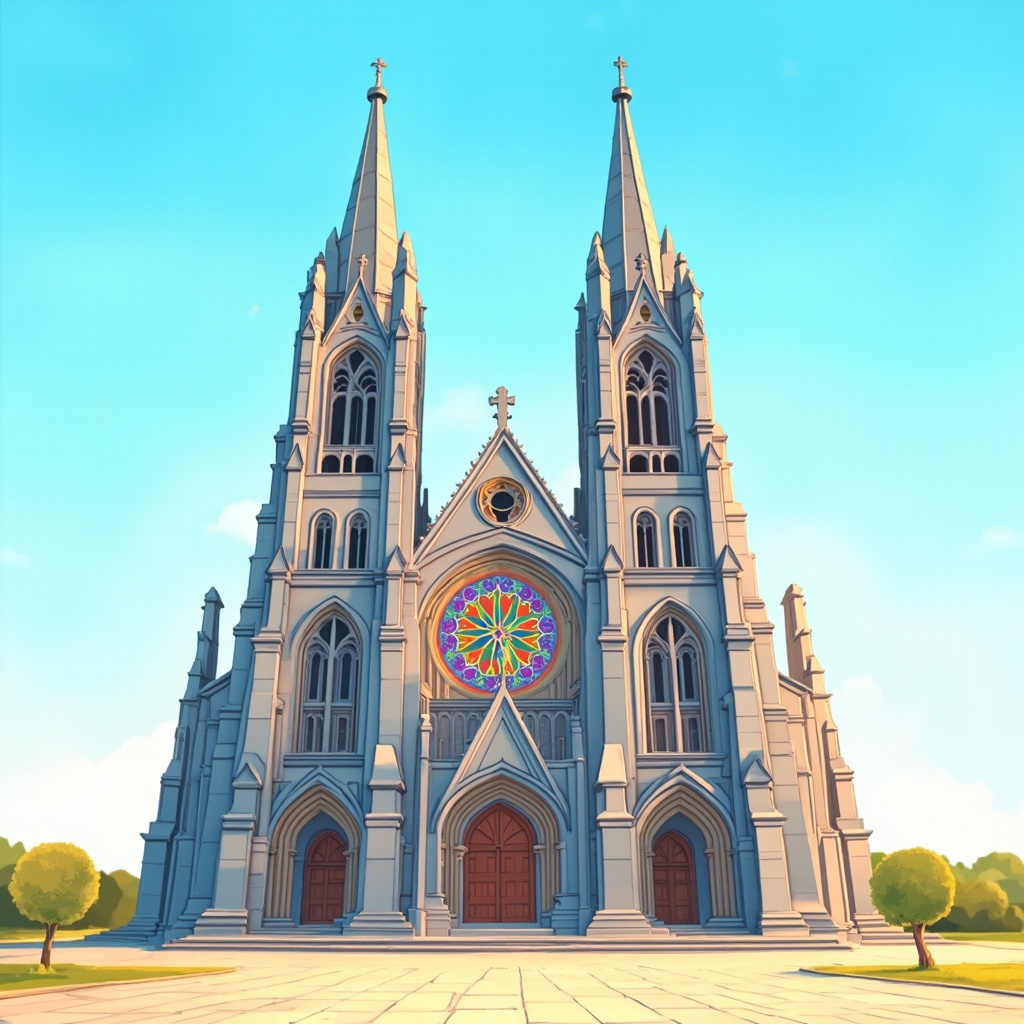
Cities around the world share certain features. Every large city has a centre, famous places, and areas where people enjoy their free time. When you talk about cities in English, you need the right words for these places. In this lesson, you will learn eight useful nouns: cathedral, market, square, harbour, museum, skyscraper, statue, and park.
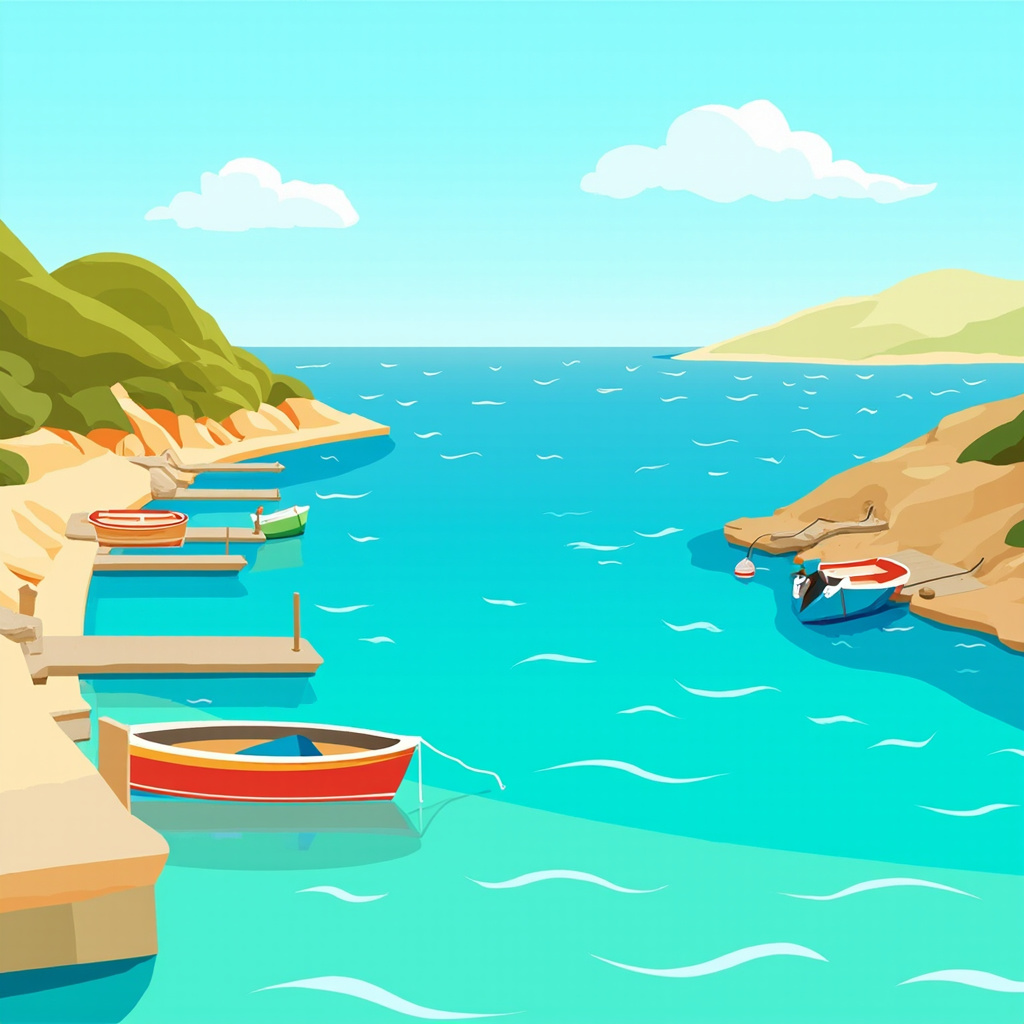
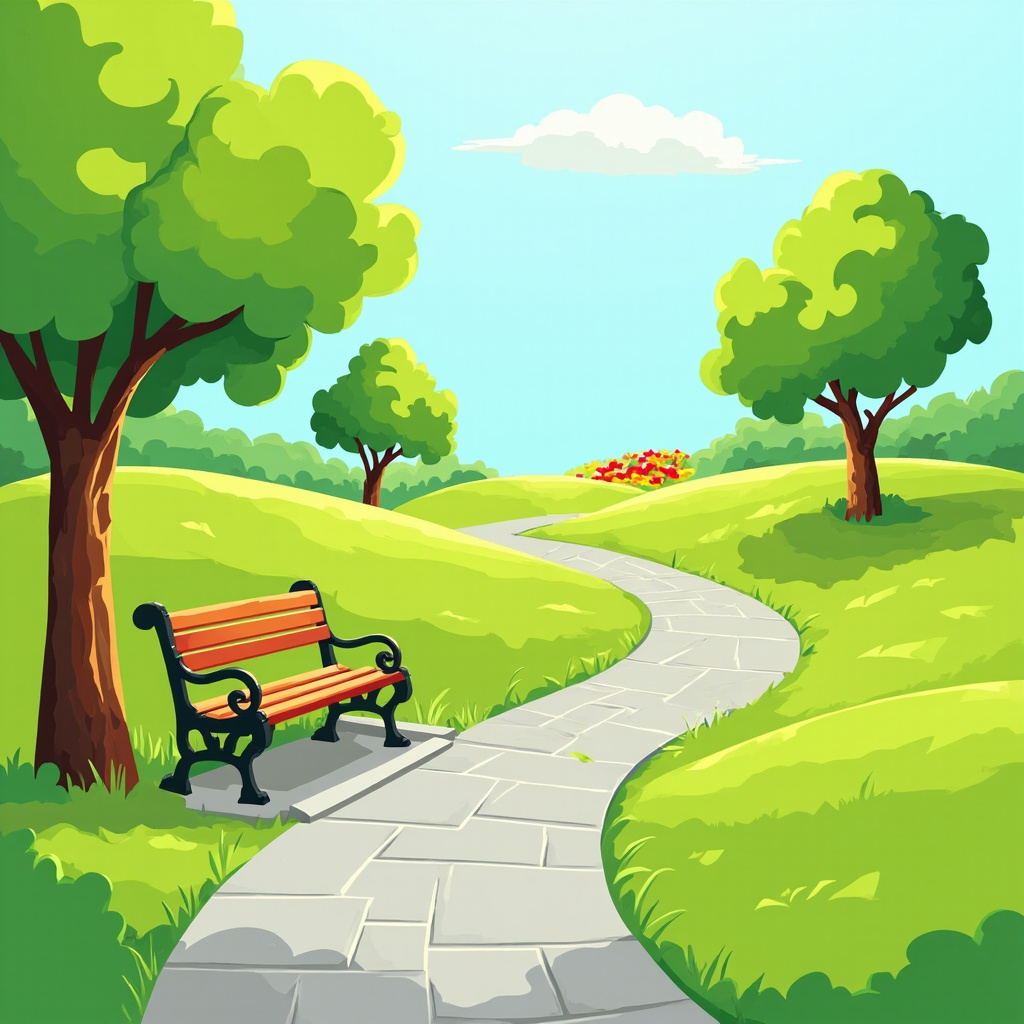
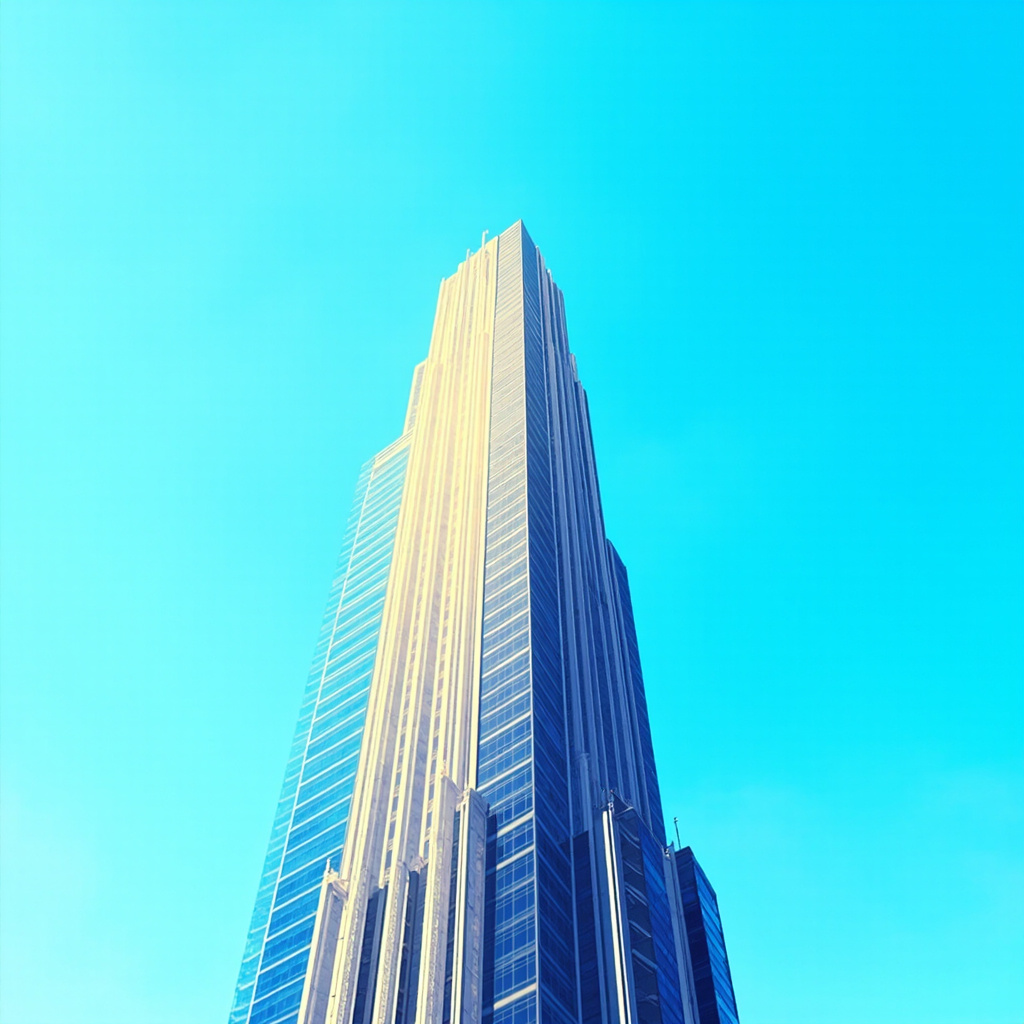
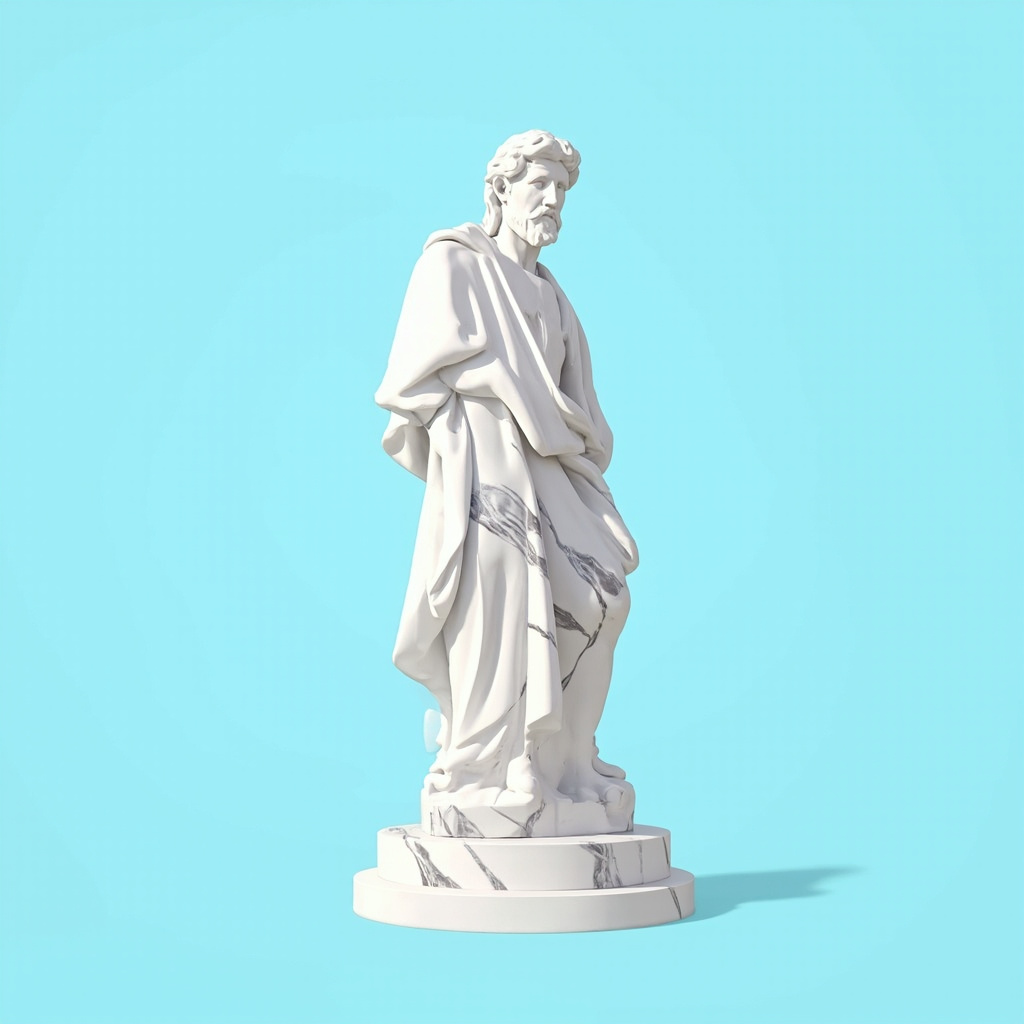
A cathedral is a large, important Christian church, usually very old. A market is a place, often outdoors, where people buy and sell things such as food, clothes or flowers. A square is an open area in a city, usually with buildings, cafés and shops around it. A harbour is a place by the sea or a river where boats stay safely. A museum is a building where you see art, history or science. A skyscraper is a very tall modern building. A statue is a model of a person or animal made of stone, metal or bronze. A park is a green area with trees and grass, where people walk or relax.
Look at the table. Each word describes a different city feature, and each has a simple example to help you remember it.
Word
Part of speech
Meaning (Arabic)
Example sentence
cathedral
noun
كاتدرائية / كنيسة كبيرة
York has a famous old cathedral.
market
noun
سوق
The market is busy on Saturdays.
square
noun
ميدان / ساحة
We met in the city square.
harbour
noun
ميناء
Sydney Harbour is beautiful.
museum
noun
متحف
The art museum is open until six.
skyscraper
noun
ناطحة سحاب
New York has many skyscrapers.
statue
noun
تمثال
There's a statue of the king.
park
noun
حديقة
Let's walk in the park.
You will use these words often with there is or there are: There is a museum in the city centre. You can add an adjective before the noun: a beautiful park, an old cathedral, a tall skyscraper. In the next steps, you will recognise the words, match them to meanings, hear one in a sentence, and choose the correct meaning.
الكلمات دي عن إيه؟
الكلمات اللي قدامك كلها أسماء (nouns) بتوصف أماكن وحاجات بتلاقيها في أي مدينة كبيرة. لما تيجي تتكلم عن مدينة - سواء بتوصف بلدك أو بتسأل عن مكان في بلد تاني - هتحتاج الكلمات دي. كل كلمة بتمسك حاجة مختلفة في المدينة: أماكن دينية، أماكن للتسوق، أماكن مفتوحة، أو مباني معروفة.
قائمة الكلمات الثمانية
cathedral = كاتدرائية أو كنيسة كبيرة وقديمة
market = سوق (غالبًا في الشارع)
square = ميدان أو ساحة مفتوحة
harbour = ميناء على البحر أو النهر
museum = متحف
skyscraper = ناطحة سحاب
statue = تمثال
park = حديقة عامة
قاعدة مهمة: there is و there are
لما تيجي تكلم حد عن الأماكن اللي في مدينة، غالبًا هتستخدم there is للمفرد و there are للجمع:
There is a museum in the city centre. (في متحف في وسط المدينة)
There are many skyscrapers in New York. (في ناطحات سحاب كتير في نيويورك)
There is a beautiful park near the harbour. (في حديقة جميلة جنب الميناء)
إضافة صفة قبل الاسم
تقدر تضيف صفة (adjective) قبل الاسم عشان توصف المكان أكتر وتخلي كلامك أحلى:
an old cathedral (كاتدرائية قديمة)
a busy market (سوق مزدحم)
a tall skyscraper (ناطحة سحاب طويلة)
a famous statue (تمثال مشهور)
الجملة النموذجية من الدرس
Edinburgh has an old castle, a famous cathedral, and a beautiful park in the city centre.
معناها: إدنبرة فيها قلعة قديمة، وكاتدرائية مشهورة، وحديقة جميلة في وسط المدينة. شوف إزاي الصفات الـ old والـ famous والـ beautiful بتضيف تفاصيل على الأسماء.
نصيحة للحفظ
فكّر في مدينتك أنت! إيه أشهر square أو park فيها؟ فيه museum بتروحه كتير؟ لما تربط الكلمات بأماكن حقيقية عايش فيها، هتفتكرها أسرع وأسهل.
Learn these eight words for city features. Read each word, then look at its meaning and example.
cathedralkəˈθiːdrəl
A large, important church that is the seat of a bishop or archbishop in a diocese.
harbourˈhɑːbə
A sheltered area of deep water where ships can anchor or dock safely; also means to shelter or keep a feeling
marketˈmɑːkɪt
A market is a place, often outdoors, where people buy and sell goods such as food, clothes, or vegetables. Mar
museummjuˈziːəm
A building where objects of historical, scientific, artistic, or cultural interest are stored and exhibited fo
parkpɑːk
A large public garden or area of land used for recreation and relaxation, usually with grass and trees.
skyscraperˈskaɪskreɪpə
A very tall building with many floors, typically over 40 stories, found especially in cities.
squareskweə
A shape with four equal sides and four right angles. It can also refer to an open area in a town or city where
statueˈstætʃuː
A statue is a three-dimensional sculpture of a person, animal, or object, usually made of stone, metal, or bro
Required
Match each city feature to its meaning.
Match each city feature to its meaning.
a large, important Christian church
a place where people buy and sell things
an open area in a city, often with buildings around it
a place by the sea where boats stay safely
a building where you see art, history or science
a very tall building in a city
a model of a person or animal in stone or metal
a green area with trees in a city
cathedral
market
square
harbour
museum
skyscraper
statue
park
Edinburgh has an old castle, a famous cathedral, and a beautiful park in the city centre.
Read and listen to this model sentence. Notice 'an' before 'old' and 'a' before 'famous' and 'beautiful'.
Required
Listen to the word. What does it mean?
a place where boats stay safely
a building where you see art and history
a green area with trees
Required
Which word means 'a very tall building in a city'?