Looking at photos is one of the most natural ways to start a conversation. In English, we often use set phrases to introduce a photo, react to it, and add details about the people in it. In this section you will learn those phrases and practise them in a short conversation.
Here are some useful expressions for talking about photos:
'Look at this one!' — a friendly way to draw attention to a photo.
'This was taken in…' / 'This is from…' — to say when or where the photo was made.
'I was about … years old when this happened.' — to give your age at the time.
'It was a really special day.' / 'It was a brilliant day.' — to comment on the event.
'Everyone was so happy.' / 'We were all really tired afterwards.' — to describe feelings.
'Do you remember…?' — to check if the other person remembers the event.
You will hear and use mostly past tenses. Use past simple for completed events — 'we got married', 'I finished school', 'my dad retired'. Use past continuous for the background — 'I was studying', 'it was raining'. Past simple is the most common in photo descriptions, so practise it first.
In the model dialogue, Tom uses past simple to tell Emma about his graduation. He says 'That was my graduation party' and 'All my family came to celebrate'. These short, clear sentences are perfect for describing photos. Notice how Emma asks follow-up questions to keep the conversation going.
Pay attention to the rhythm of spoken English. Native speakers often shorten 'was' to /wəz/ and 'were' to /wə/. They also link words together: 'This is a photo of my brother' sounds like one long phrase when spoken. Listening to the model dialogue and repeating the sentences aloud will help you sound more natural.
When you describe a photo, try to follow this order: 1) say which event it is, 2) say when it was, 3) say where it was, 4) mention the people, 5) say how everyone felt. You do not need all five for every photo, but together they make a complete description.
A common mistake is to use the present tense when describing an old photo. ❌ 'This is my mother, she is 25 in this photo.' ✅ 'This is my mother. She was 25 in this photo.' We use past tenses for the situation in the photo and the present tense for the photo itself or for things that are still true today.
Finally, react to your listener's photos too! Use short responses like 'Wow, lovely!', 'That looks amazing!', 'You look so happy there.' This shows you are interested and keeps the conversation friendly.
وصف الصور القديمة بالإنجليزي
أحلى حاجة إنك تتكلم عن صور قديمة مع حد - ده بيخلي الذكريات ترجعلك. في البارت ده هنتعلم إزاي نصف صور ونتكلم عن مناسبات في حياتنا بالـ past simple.
الأزمنة اللي هنستخدمها
غالباً لما تتصفح صور قديمة، هتحتاج زمنين أساسيين:
Past simple - للأحداث اللي خلصت زي: "I was about 21" و "All my family came" و "It was in our garden". ده أكتر زمن هتستخدمه في وصف الصور.
Past continuous - للأجواء اللي كانت شغالة في الخلفية زي: "It was raining" و "I was studying".
الترتيب المثالي للوصف
لما تيجي تصف صورة، جرب تمشي بالترتيب ده عشان كلامك يبقى كامل:
الماسبة إيه: "That was my graduation party"
إمتى: "It was taken last summer"
فين: "It was in our garden"
مين موجود: "That's my nan, my mum, and my brother"
الإحساس العام: "Everyone was so happy that day"
مش لازم تعمل الخمس حاجات كل مرة، بس دول العناصر اللي بتخلّي الوصفة كاملة.
غلطة شائعة لازم تتجنبها
كتير من الناس بيقعوا في الغلطة دي: "This is my mother, she is 25 in this photo." ❌ ده غلط. الصح: "This is my mother. She was 25 in this photo." ✅ القاعدة بسيطة: استخدم past tense للموقف اللي في الصورة، حتى لو الصورة نفسها لسه موجودة عندك.
ردود فعل تفتح الكلام
لما حد يوريك صورة، ردود الفعل القصيرة بتعمل فرق كبير:
"Wow, lovely!"
"That looks amazing!"
"You look so happy there."
"That looks like a brilliant day."
وعشان الـ conversation ميتوقفش، استخدم follow-up questions زي "Where was it?" و "Who is the woman on the left?" - دي بتفتح الكلام وبتخلّي الطرف التاني يحكي أكتر.
ملاحظة على النطق
في الكلام السريع، الـ native speakers بيختصروا "was" لـ /wəz/ و "were" لـ /wə/. يعني "I was" بتتقال تقريباً "I wəz". كمان بيربطوا الكلمات ببعض فبتلاقي الجملة كلها بتتقال في نفس الـ breath. لما تسمع الـ model dialogue وتعيد الجمل بصوت عالي، هتبدأ تتكلم بشكل طبيعي أكتر.
الخلاصة
الموضوع بسيط: شوف الصورة، قول المناسبة، الزمن، المكان، الناس، والإحساس. وأهم حاجة، استخدم past simple بوضوح. التمرين اللي جاي هيخليك تقول جمل عن صور تانية بنفس الأسلوب، وبعدها هتعمل roleplay مع الـ AI.
Listen to two friends looking at a photo album. Notice the phrases they use to describe a life event.
E
EmmaTom, look at this photo! When was it taken?
T
TomOh, that was my graduation party. I was about 21 years old.
E
EmmaThat looks like a brilliant day. Where was it?
T
TomIt was in our garden. All my family came to celebrate.
E
EmmaWho is the woman on the left?
T
TomThat's my nan. She was so happy that day.
This photo was taken at my brother's wedding last summer.
A model sentence for introducing a photo and the event in one go. Use 'at' with a place or event, and 'by' for the photographer.
Required
Read the sentence aloud. Pay attention to the weak form of 'was' (/wəz/) and the linking between 'taken' and 'at'.
This photo was taken at my sister's wedding.
Required
Read the sentence aloud. This phrase is useful for giving your age at the time of the photo.
I was about ten years old when this happened.
Required
Imagine you are showing a friend a photo album with three photos of important moments in your life — for example, a wedding, a graduation or a birthday. For each photo, say: (1) what the event is, (2) when it was, (3) who is in it, and (4) how everyone felt. Answer your friend's follow-up questions in full sentences using past tenses like was, were, got, had, celebrated.
Required
Vocabulary
Vocabulary
6
cards
This lesson is all about life events — the special moments that people remember for years. Think about a wedding, a graduation or the day a baby is born. These moments often end up in photographs, and we use photos to share our stories with friends and family.
In this lesson you will learn the names of common life events in English, and you will practise describing photos of these events. By the end, you will be able to look at a photo and say what the event was, when it happened and who was there.
Here are the key words. Read each example sentence to see how the word is used in real life. Pay attention to the noun forms — most of these words are countable nouns, and you can say a wedding, two graduations, my graduation and so on.
Word
Part of speech
Arabic
Example
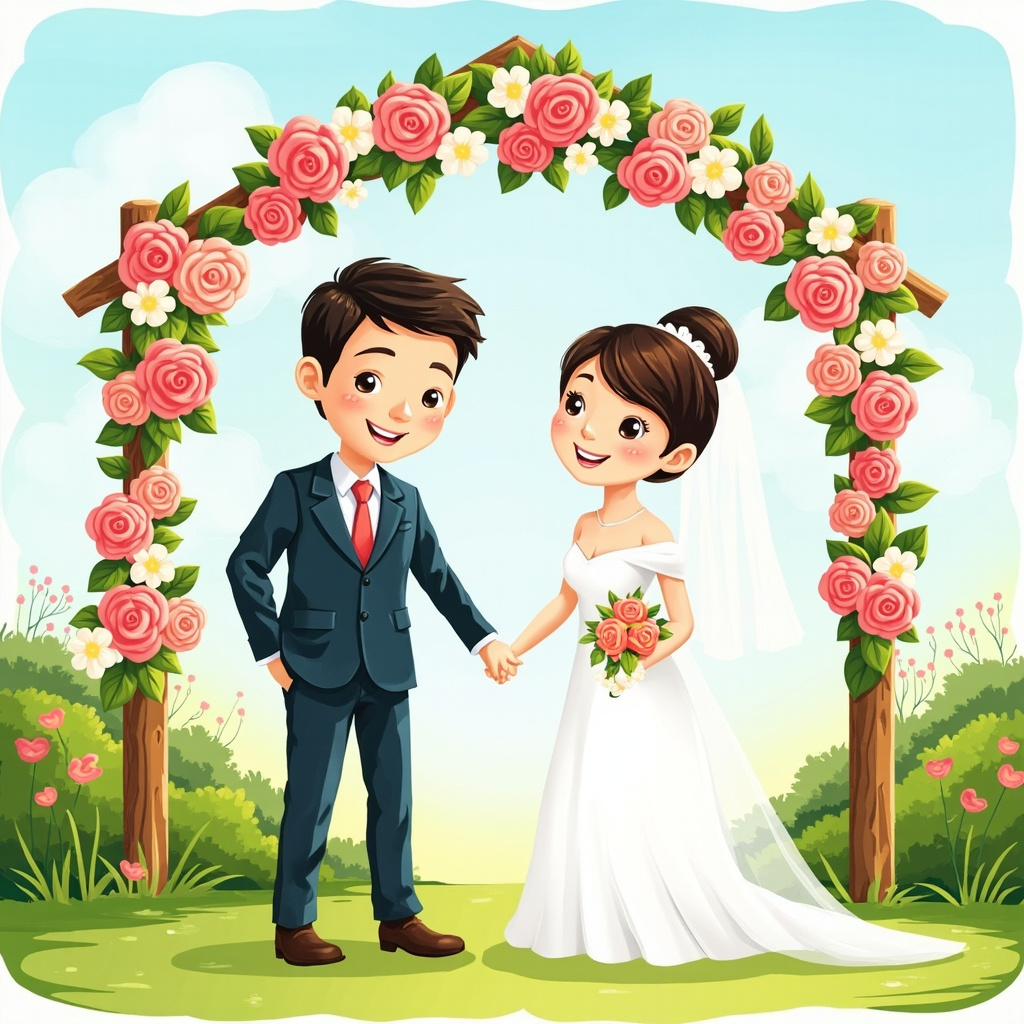
wedding
noun
حفل زفاف
My sister's wedding was in June.
graduation
noun
تخرج
He celebrated his graduation last summer.
birthday
noun
عيد ميلاد
Her 18th birthday party was amazing.
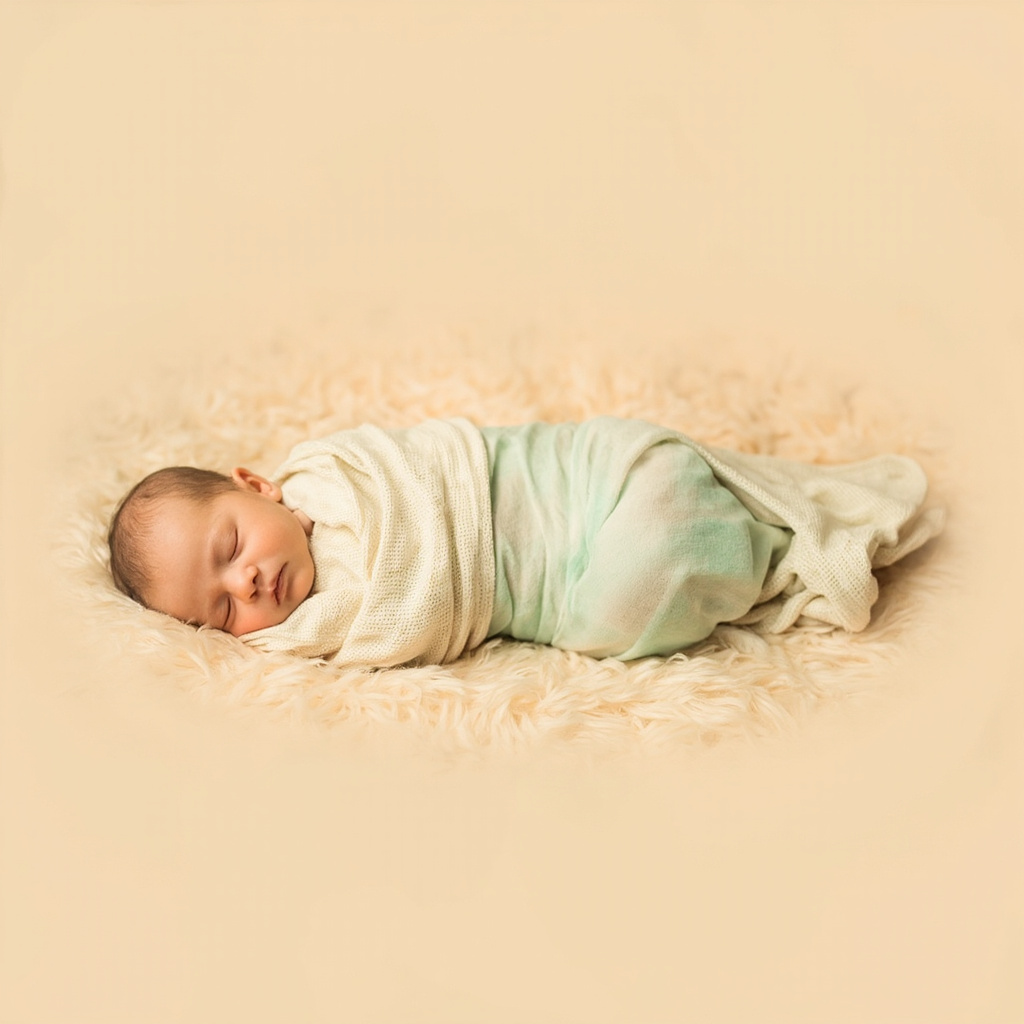
newborn
adjective / noun
مولود جديد
The newborn baby slept all afternoon.
anniversary
noun
ذكرى سنوية
They had a party for their 25th weddinganniversary.
engagement
noun
خطوبة
She showed me her engagement ring.
retirement
noun
تقاعد
His retirement party was at a nice restaurant.
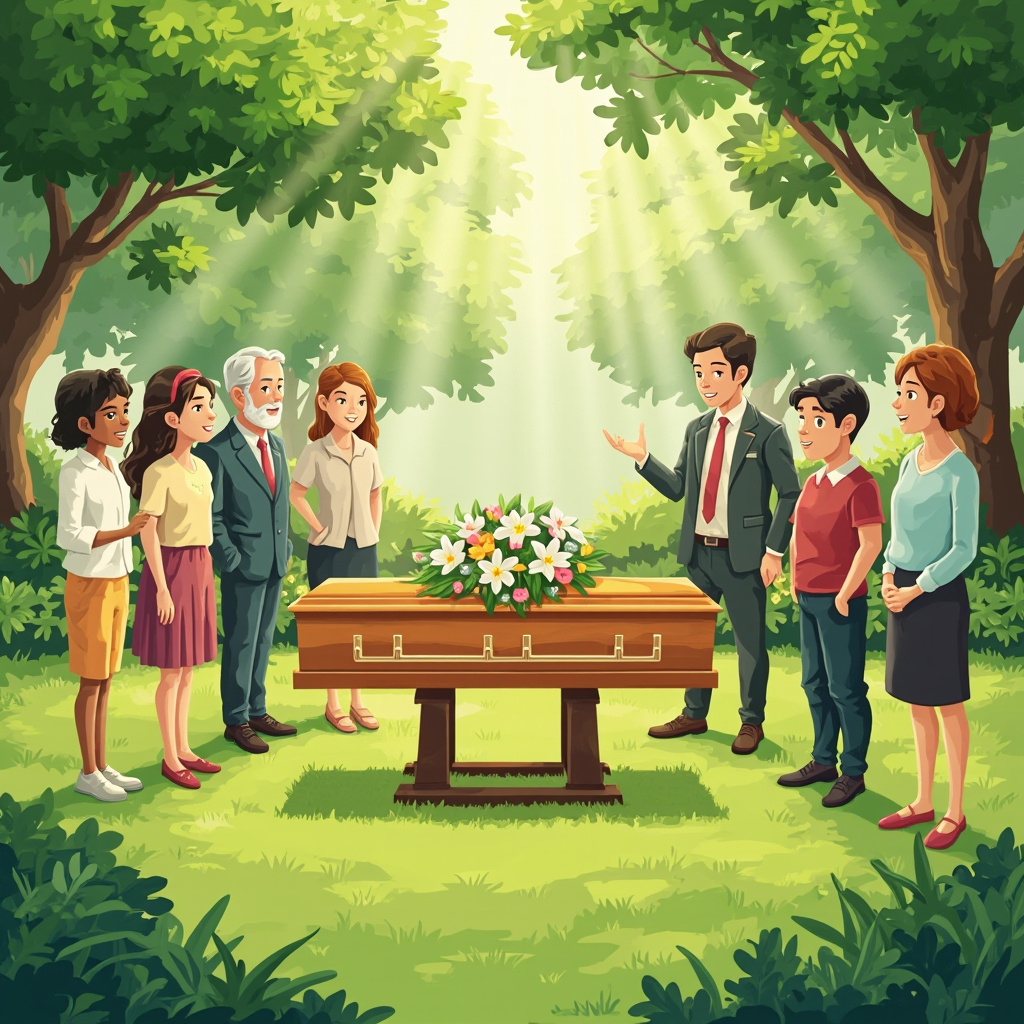
funeral
noun
جنازة
The funeral was a quiet ceremony.
A few words can be adjectives too.Newborn describes a baby that has just been born, but you can also use it as a noun ('our newborn').Engagement is a noun, but you will often hear it in fixed phrases like engagement ring or engagement party.
Notice how we usually use these words with the verbs have, celebrate or attend. For example, we have a wedding, we celebrate a birthday, and we attend a funeral. Choosing the right verb helps you sound natural when you talk about these events.
When you describe a life event photo, three pieces of information are useful: the occasion, the time, and the people. For example: 'This is my parents' wedding photo. They got married in 1995. My grandmother is on the left.' Try to include all three when you speak.
Life events are often emotional, so the words around them matter. We say 'Congratulations on your engagement!' when someone tells us they are getting married. We say 'Happy birthday!' once a year. We say 'I'm sorry for your loss' at a funeral. These small phrases show respect and care, and they are part of everyday English.
Pay attention to articles, too. In British English we say a wedding (one ceremony), the wedding (the specific one we are talking about) and my wedding (mine). We never drop the article in the singular: ❌ 'This is wedding photo' is wrong. ✅ 'This is a wedding photo' is correct.
في الدرس ده هنتكلم عن الكلمات اللي بنستخدمها لما نحكي عن أهم اللحظات في حياة الإنسان — زي الـ wedding (فرح)، الـ graduation (تخرج)، الـ birthday (عيد ميلاد)، والـ funeral (جنازة). الكلمات دي بتبقى مرتبطة بأوقات عاطفية جداً، والناس بيستخدموها عشان يوصفوا الصور أو يشاركوا قصصهم مع أصحابهم.
الأسماء اللي هتتعلمها:
كل الكلمات تقريباً هي countable nouns — يعني بنقول a wedding، two graduations، my graduation. كلمة newborn هي الاستثناء الوحيد — ممكن تبقى adjective زي the newborn baby أو noun زي our newborn. وكلمة engagement بنسمعها كتير في phrases ثابتة زي engagement ring وengagement party.
الأفعال اللي بتتربط بيها:
عشان الصوت يبقى طبيعي، كل كلمة ليها فعل بيشيلها:
have — a wedding, a baby, a retirement party
celebrate — a birthday, a graduation, an anniversary
attend — a wedding, a funeral
get — married, engaged
مثلاً:
They had a beautiful wedding.
We celebrated his 30th birthday last week.
She attended her uncle's funeral.
لما تصف صورة life event:
في 3 معلومات مفيدة لازم تقولها:
الـ occasion — إيه المناسبة
الـ time — إمتى حصلت
الـ people — مين موجود في الصورة
مثال كامل: 'This is a photo from my sister's wedding. She got married last summer in a small village. My grandmother is on the left.'
جمل عاطفية مهمة:
الأحداث دي بتبقى عاطفية، ففيه جمل صغيرة بنقولها:
Congratulations on your engagement! — لما حد يقولك إنه هيتجوز
Happy birthday! — مرة في السنة
I'm sorry for your loss. — في الـ funeral
قاعدة الـ articles:
في British English بنقول a wedding (أي فرح)، the wedding (الفرح اللي بنتكلم عنه)، my wedding (فرحي). ما ينفعش أبداً نقول this is wedding photo من غير article — لازم تقول this is a wedding photo.
Meet the key words for life events. Read each example to see how the word is used.
anniversaryˌænɪˈvɜːsəri
The date on which something important first happened a year or more ago, or the celebration of this date.
birthdayˈbɜːθ.deɪ
the day that is exactly a year or number of years after a person was born :
engagementɪnˈɡeɪdʒmənt
A promise or commitment to do something, especially to marry someone or to take part in a business arrangement
funeralˈfjuːnərəl
A ceremony held when someone dies, typically involving the burial or cremation of their body and often includi
graduationˌɡrædʒuˈeɪʃən
A ceremony to celebrate the completion of a course of study, usually at a school, college, or university. Also
newbornˈnjuːbɔːn
A newborn is a baby that has just been born, usually within the first few days or weeks of life.
retirementrɪˈtaɪəmənt
The act of leaving your job or career permanently, usually after reaching a certain age or having worked for a
weddingˈwedɪŋ
A wedding is a ceremony where two people get married, often followed by a celebration or party.
Required
Match each life event with the correct meaning.
Match each life event with the correct meaning.
a ceremony where two people get married
the day you finish university or school
the day each year when you were born
a baby that has just been born
a yearly celebration of a past event
a promise to get married, often with a ring
the day you stop working for good
a ceremony for someone who has died
funeral
graduation
anniversary
newborn
wedding
retirement
engagement
birthday
This is a photo from my sister's wedding. She got married last summer in a small village.
Notice the possessive 'sister's' and the preposition 'from' used to introduce a photo.
Required
Listen to the sentence. Which life event is the speaker describing?
a wedding
a graduation
a birthday party
Required
Your friend shows you a photo. An older couple is holding hands and smiling. There is a big cake with '50' on it. What is the most likely life event?