In this section, you will learn how to talk about your sleep habits and your dreams in natural, connected English. People often ask each other: How did you sleep? Did you sleep well? What did you dream about? These short questions are a friendly way to start a conversation, especially with close friends and family.
Here are some useful phrases. Try to learn them in chunks, not word by word. For example, instead of learning I + usually + sleep + about + seven + hours, learn the whole phrase I usually sleep about seven hours as one piece. This will make you sound much more fluent.
English phrase
Arabic meaning
I usually sleep about seven hours a night.
عادة أنام حوالي سبع ساعات في الليل.
I had a strange / weird dream last night.
كان لدي حلم غريب الليلة الماضية.
I often feel tired in the morning.
غالباً أشعر بالتعب في الصباح.
I can't fall asleep easily.
لا أستطيع النوم بسهولة.
I woke up in the middle of the night.
استيقظت في منتصف الليل.
In my dream, I was flying over the sea.
في حلمي، كنت أطير فوق البحر.
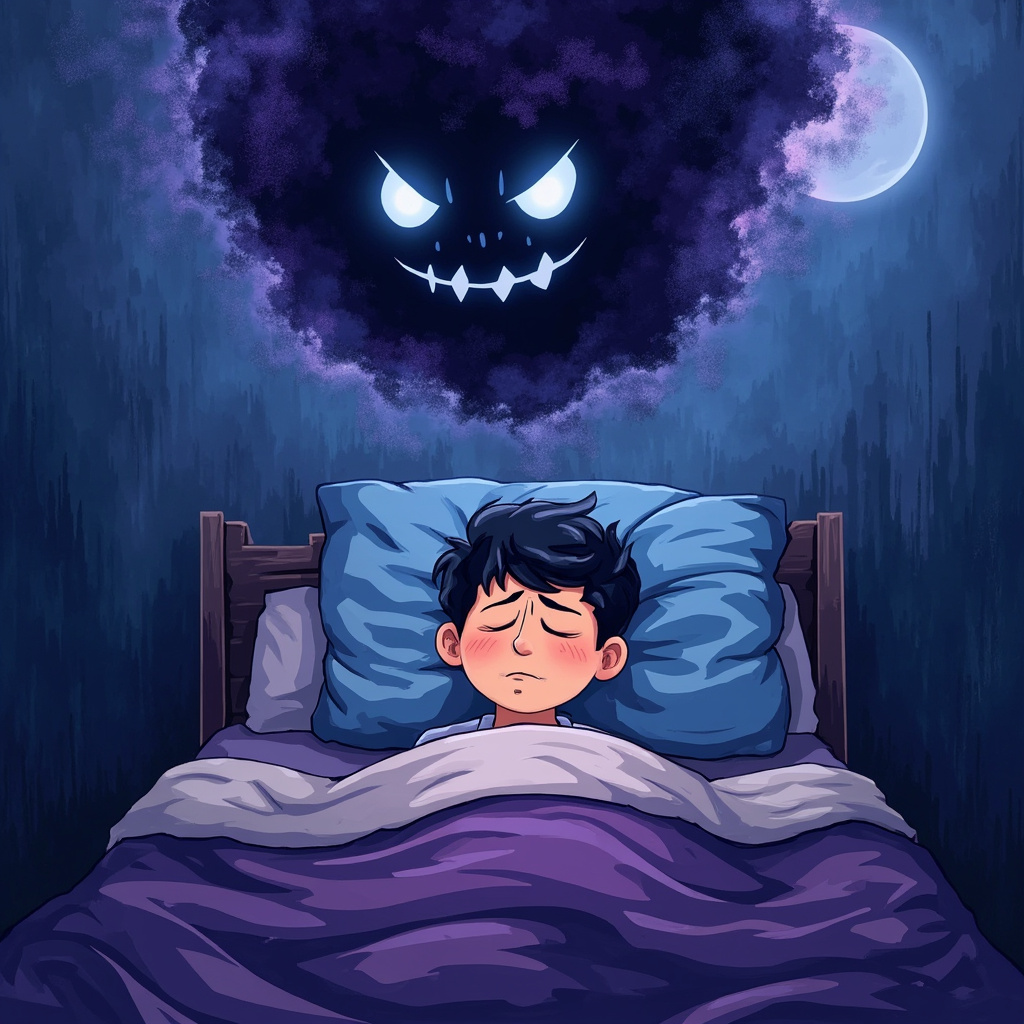
I had a nightmare about a spider.
كان لدي كابوس عن عنكبوت.
I always feel fresh after a good night's sleep.
أشعر دائماً بالنشاط بعد ليلة نوم جيدة.
Notice the verb tenses. When we talk about last night or yesterday, we use the past simple: I had a dream, I woke up, I slept. When we talk about habits or things that are usually true, we use the present simple: I usually sleep, I often feel, I always wake up early. Mixing these two tenses is very common in real conversations about sleep.
In English, the verb fall is used with asleep as a fixed phrase: fall asleep means to start sleeping. You can also say I fell asleep on the sofa. We do NOT say I became asleep in natural English — fall asleep is much more common. Another useful collocation is a good night's sleep — it means a night when you sleep well.
When you describe a dream, you can use the structure I dreamt (that) + clause or In my dream, I was + -ing: I dreamt that I could fly / In my dream, I was flying. Both are correct, but the second one sounds more vivid and is very common in spoken English. You can also use I had a dream about + noun: I had a dream about a beach.
Listen to the dialogue carefully, then practise the key sentences aloud. Finally, you will have a live conversation with your AI partner about your own sleep habits and dreams. Try to use at least three of the phrases above in your answers.
الكلام عن النوم والأحلام بالإنجليزي
في الدرس ده هنتعلم إزاي تتكلم بالإنجليزي عن عادات نومك وأحلامك بطريقة طبيعية، زي ما بتتكلم مع صاحبك أو حد قريب منك. الأسئلة البسيطة زي "Did you sleep well?" و "What did you dream about?" دي طريقة ودودة تبدأ بيها أي محادثة، خصوصاً مع الناس القريبين منك.
قواعد مهمة: الماضي البسيط والمضارع البسيط
لما بتحكي عن حاجة حصلت إمبارح أو ليلة إمبارح، بتستخدم الماضي البسيط (past simple):
I had a dream last night
I woke up in the middle of the night
I slept only five hours
لكن لما بتحكي عن حاجة بتعملها عادةً أو دايماً، بتستخدم المضارع البسيط (present simple):
I usually sleep about seven hours a night
I often feel tired in the morning
I always feel fresh after a good night's sleep
التبديل بين الزمنين ده طبيعي جداً في المحادثات عن النوم.
احفظ الجملة كاملة كـ Chunk
متتحفظش الكلمات لوحدها، احفظ العبارة كاملة عشان كلامك يطلع طبيعي. مثلاً بدل ما تحفظ I + usually + sleep + seven + hours، احفظ الجملة كاملة: "I usually sleep about seven hours a night".
تعبيرات ثابتة لازم تعرفها (Collocations)
fall asleep = تبدأ تنام. مفيش حاجة اسمها "become asleep" في الإنجليزي الطبيعي. ممكن تقول: "I fell asleep on the sofa."
a good night's sleep = ليلة نوم كويسة.
keep waking up = بتستيقظ باستمرار أثناء الليل.
feel fresh = تحس بنشاط وحيوية.
وصف الأحلام بثلاث طرق
عندك أكتر من طريقة تحكي بيها عن حلم:
I dreamt that + clause: زي "I dreamt that I could fly"
In my dream, I was + -ing: زي "In my dream, I was running along a beach at night" — ودي بتدي صورة أوضح وبتتقال كتير في الكلام.
I had a dream about + noun: زي "I had a nightmare about forgetting my exam."
مثال كامل تطبقه
تخيل إنك بتقول لصاحبك: "I had a strange dream last night. In my dream, I was flying over the sea. But I only slept five hours, so I often feel tired in the morning."
دلوقتي جرّب تستخدم على الأقل 3 عبارات من اللي فوق لما تتكلم مع الـ AI.
Two friends, Emma and Tom, meet in the morning and talk about their sleep and dreams.
E
EmmaHi Tom! You look tired today. Did you sleep well last night?
T
TomNot really. I only slept about five hours, and I kept waking up.
E
EmmaOh no! Did you have any dreams?
T
TomYes, a strange one. In my dream, I was running along a beach at night.
E
EmmaThat sounds nice! I had a nightmare about forgetting my exam.
T
TomTerrible! I usually feel fresh after a good night's sleep, but not today.
I usually sleep about seven hours a night, and I always feel fresh in the morning.
Listen and repeat. Notice the use of 'usually' and 'always' to talk about habits.
Required
Read the sentence aloud. Try to sound natural, with a steady rhythm.
I had a strange dream about flying over the sea last night.
Required
Read the sentence aloud. This sentence describes your sleep routine.
I usually go to bed at eleven and sleep for about seven hours.
Required
Your friend has noticed you look tired. Tell them about how long you usually sleep, when you go to bed, and describe one dream or nightmare you had recently. Ask them about their sleep too.
Required
Vocabulary
Vocabulary
6
cards
Sleep is one of the most important parts of our daily life. Most adults need between seven and nine hours of sleep each night to feel well and work properly. When we sleep, our body rests, our brain processes information, and we often dream. Talking about sleep is a very common topic in everyday English — we discuss it with friends, family and colleagues.
Learning to talk about sleep is useful in many real-life situations. You can ask a colleague Did you sleep well? after a meeting, or tell your doctor I always feel tired in the morning. You can also chat with friends about interesting dreams, or describe a nightmare that woke you up at night. These conversations are simple, but they make you sound natural and fluent in English.
In this lesson, you will learn eight useful words connected to sleep and dreams. These words will help you describe how long you sleep, how you feel, and what you experience at night. Pay attention to the part of speech of each word, because some words can be both a noun and a verb (like dream or sleep), while others are only adjectives (like tired or awake).
Here is the table of new words. Read the examples carefully — they show you how each word is used in a real sentence.
Word
Part of speech
Meaning (Arabic)
Example sentence
sleep
verb / noun
ينام / نوم
I usually sleep for about seven hours.
dream
verb / noun
يحلم / حلم
Last night, I had a strange dream about flying.
nap
verb / noun
يأخذ قيلولة / قيلولة
My grandfather takes a short nap after lunch.
tired
adjective
متعب
I feel very tired after a long day at work.
awake
adjective
مستيقظ
It was three in the morning, and I was still awake.
bedtime
noun
وقت النوم
My children have a strict bedtime at nine o'clock.
nightmare
noun
كابوس
I had a terrible nightmare about a big black dog.
yawn
verb / noun
يتثاءب / تثاؤب
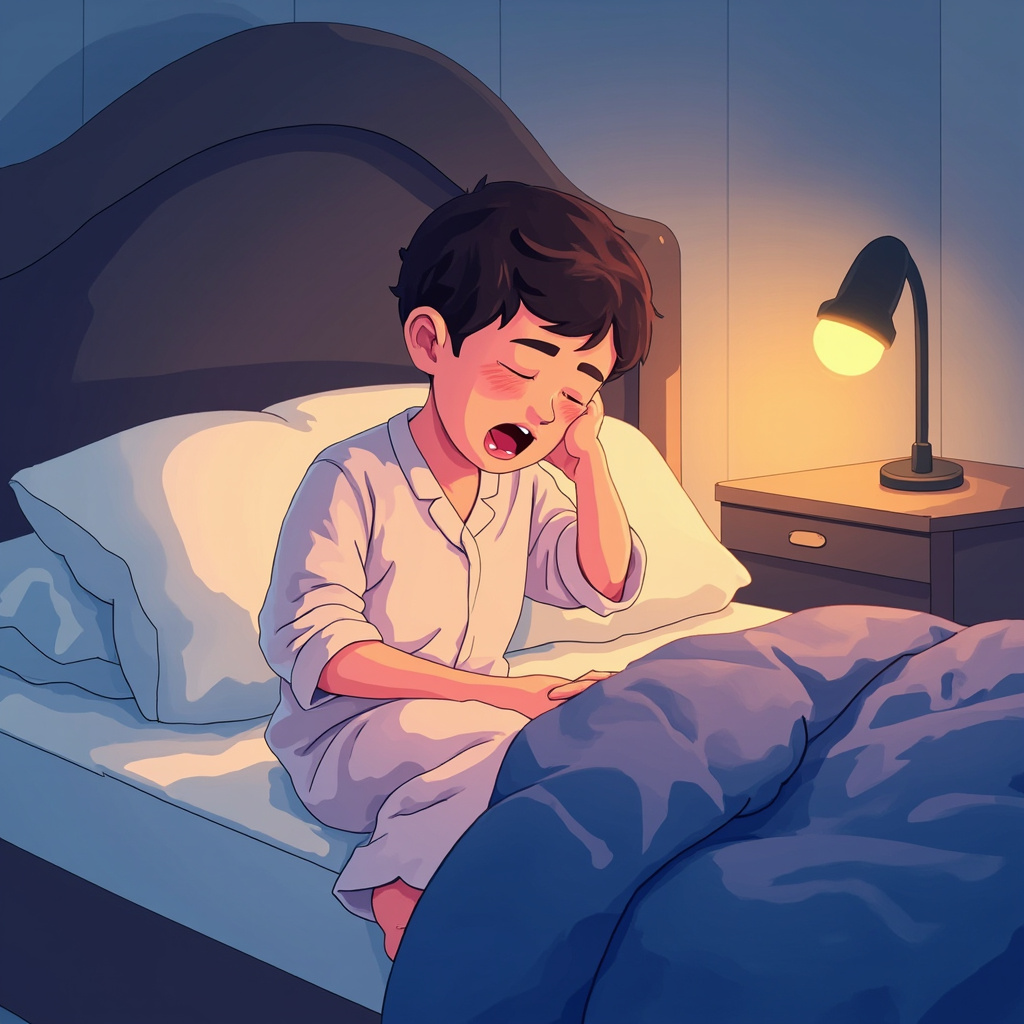
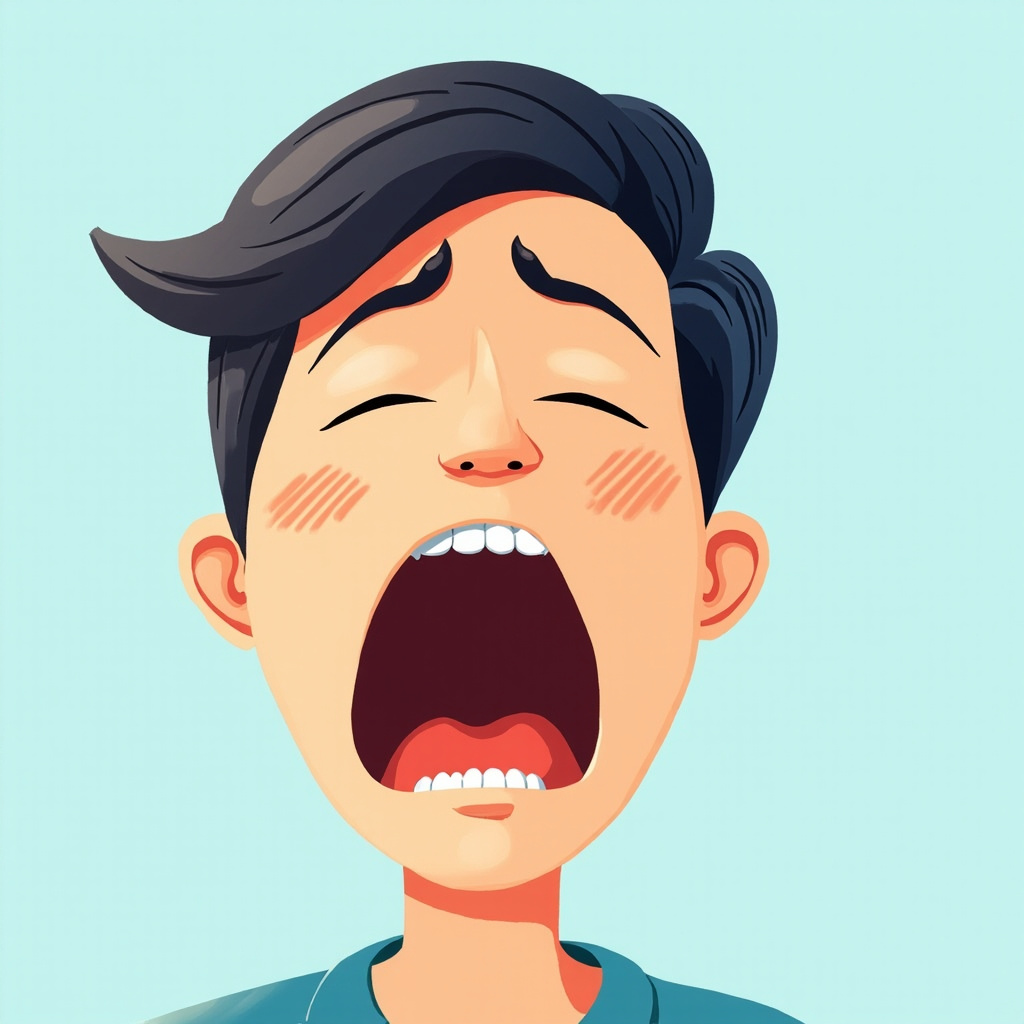
He couldn't stop yawning during the meeting.
Now let's look at some grammar notes. Notice the verb pattern have + noun: we say I had a dream and I had a nightmare — we do not say I dreamed a nightmare. The verb sleep is irregular: sleep – slept – slept, so we say I slept well last night. The opposite of awake is asleep, and we use the fixed phrase fall asleep to mean start sleeping.
كلمات النوم والأحلام 🌙
كلمات النهاردة كلها ليها علاقة بـ النوم والأحلام، وده موضوع بنتكلم فيه كل يوم مع أصدقائنا وعيلتنا وزملائنا في الشغل. الكلمات دي هتساعدك توصف حالتك وتسأل عن غيرك بشكل طبيعي زي ما بنعمل بالعربي.
نوع كل كلمة (Part of Speech)
sleep (verb / noun): ينام / نومة — I sleep eight hours every night.
dream (verb / noun): يحلم / حلم — I had a strange dream about flying.
nap (noun / verb): قيلولة — I take a short nap after lunch.
tired (adjective): متعب — I feel very tired today.
awake (adjective): مستيقظ — I was still awake at three in the morning.
bedtime (noun): وقت النوم — My bedtime is eleven o'clock.
nightmare (noun): كابوس — I had a terrible nightmare about a big black dog.
yawn (verb / noun): يتثاءب / تثاؤب — He couldn't stop yawning during the meeting.
خد بالك إن sleep وdream وnap وyawn دول كلمات تقدر تكون اسم (noun) أو فعل (verb) حسب الجملة. بينما tired وawake دول صفات (adjectives) بيوصفوا حالتك.
حاجات مهمة في القواعد
١. نمط have + noun: في الإنجليزي بنقول I had a dream ومش I dreamed a dream. نفس القاعدة مع nightmare: بنقول I had a nightmare، مش I dreamed a nightmare.
٢. فعل sleep غير منتظم (irregular verb): تصريفه هو sleep – slept – slept، يعني الماضي والماضي التالت زي بعض. فبنقول:
I slept well last night.
She has slept for nine hours.
٣. awake و asleep: الاتنين صفات، بس عكس بعض. awake معناها مستيقظ، وasleep معناها نايم. وكمان عندنا تعبير ثابت ومهم جداً وهو fall asleep ومعناه "يبدأ ينام":
I fell asleep on the sofa. (يعني نمت على الكنبة)
The baby finally fell asleep.
٤. tired و awake بيوصفوا حالتك، فبنستخدمهم مع فعل feel أو be:
I feel tired after a long day.
I'm still wide awake.
جرّب دلوقتي تعمل جملة من عندك باستخدام ٣ كلمات من اللي اتعلمتهم، عشان تثبّتهم في دماغك.
Read the eight sleep words. Pay attention to the part of speech of each one.
awakeəˈweɪk
In the state of being awake; not sleeping. Used to describe someone who is conscious and has their eyes open.
bedtimeˈbed.taɪm
The time when you usually go to bed or when a child is expected to go to bed.
dreamdriːm
Images, thoughts, and feelings that occur during sleep; also, a hope or wish for the future
napnæp
A short sleep, usually taken during the day, to rest or refresh oneself.
nightmareˈnaɪtmeə
A frightening or distressing dream that causes strong feelings of fear or anxiety. Also used informally to des
sleepsliːp
A natural state of rest for the body and mind where the eyes are closed and consciousness is temporarily reduc
tiredˈtaɪəd
Feeling that you want to rest or sleep; having lost your energy after physical or mental effort.
yawnjɔːn
To open your mouth wide because you are tired or bored.
Required
Match each sleep word with its correct meaning.
Match each sleep word with its correct meaning.
sleep
dream
nap
tired
nightmare
yawn
rest with your eyes closed
pictures in your mind while sleeping
a short sleep during the day
feeling that you need to rest
a bad dream that frightens you
open your mouth wide when sleepy
I had a strange dream about flying over the sea, but then I woke up and felt wide awake.
Listen and read. Notice 'had a dream' (not 'dreamed a dream') and 'wide awake' as a common collocation.
Required
Listen to the speaker. How many hours did the speaker sleep last night?